
Mercedes’s Baby G-Wagen Is Losing a Defining Feature, for the Better

It won’t be all-electric, which is probably a better product decision, anyway.

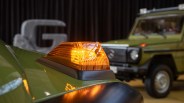
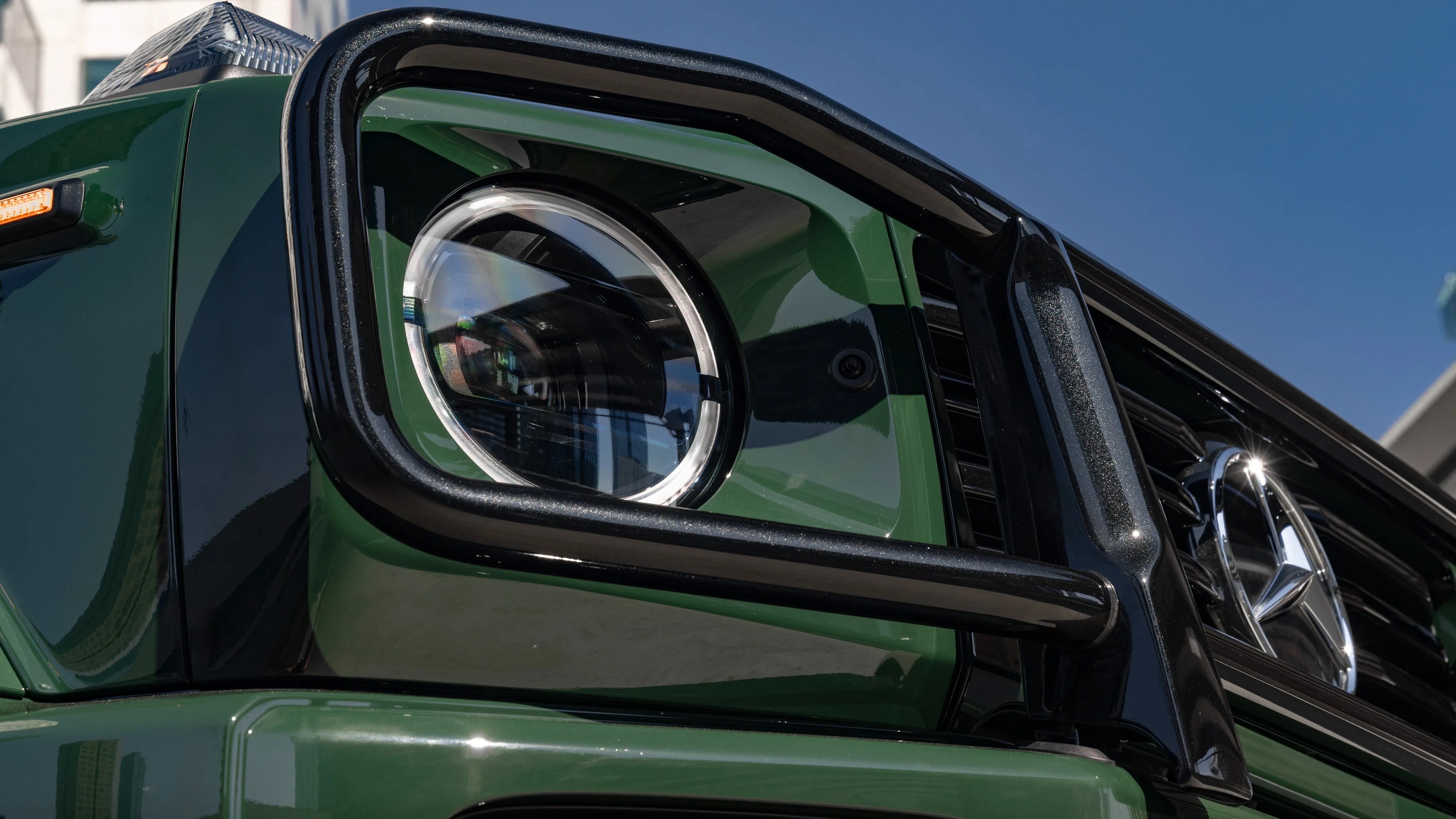
Close-up of a green Mercedes-Benz G-Class headlight with black grille guard and chrome star emblem.Mercedes-Benz

If you were looking forward to Mercedes-Benz’s hotly anticipated “baby G-Wagen,” but were disappointed about its prospect as an EV, you can rest easy. A new report from Britain’s CAR Magazine says Stuttgart is backtracking on its plan to make it all-electric.

Instead of going all-in on electron-based propulsion, word has it that Mercedes-Benz executives made a last-minute change to include a gas-electric hybrid option. This is likely to reflect the consistently lukewarm market for full-fledged EVs.

Welcome to Reference Points: A series about the products that changed the standard — and never really stopped influencing it. Discover more here.

No longer confined to the plug

When rumors and even spy photos of the supposed small Geländewagen began surfacing, preliminary info indicated the model was going to be an electric vehicle. It was initially part of Mercedes’ aggressive EV strategy.

But after the market clearly spoke and proved that EVs are still niche rather than mainstream, automakers like Benz pumped the brakes on electrification. The automaker also recently admitted that it lost a lot of investment capital after betting too heavily on the trend.
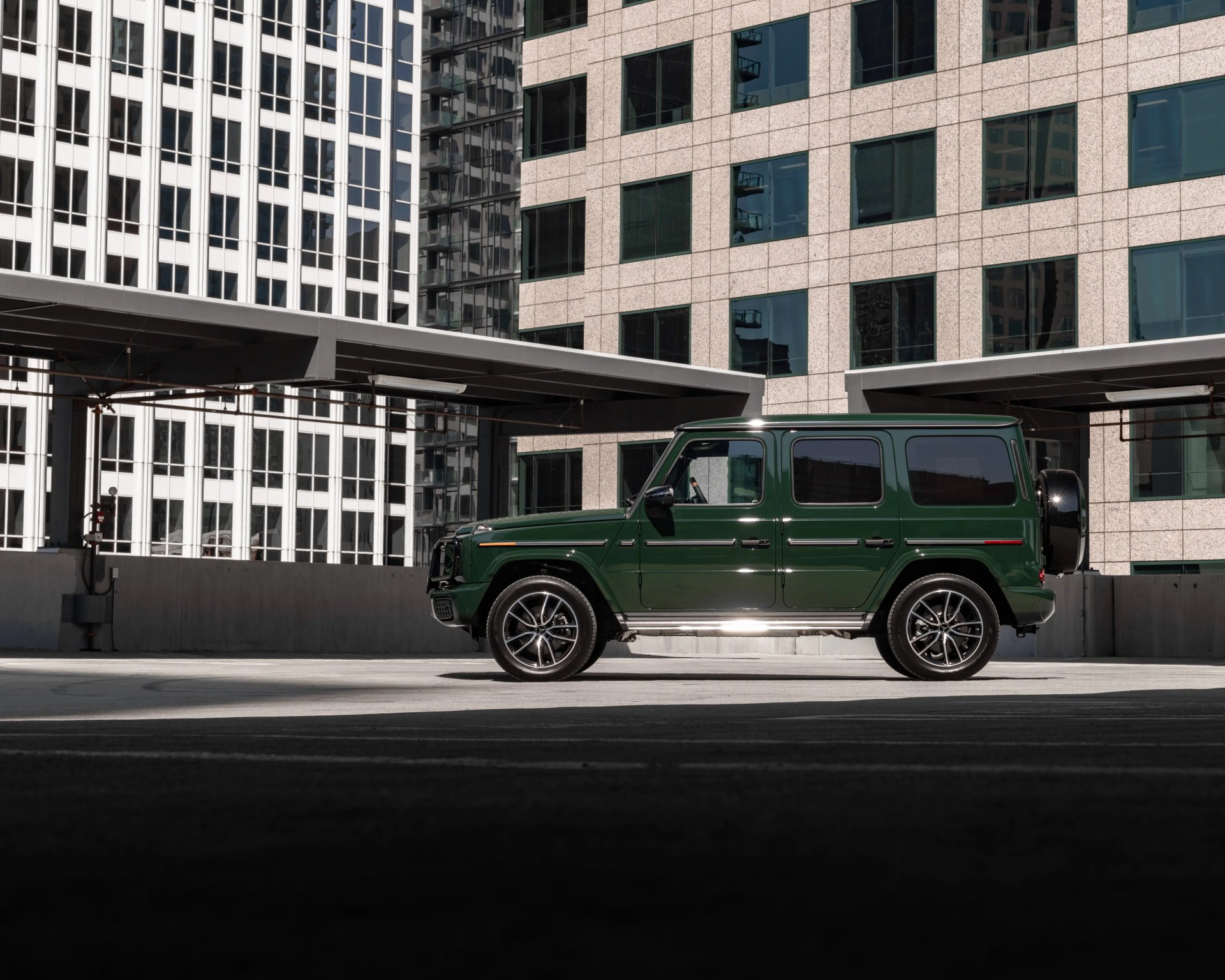
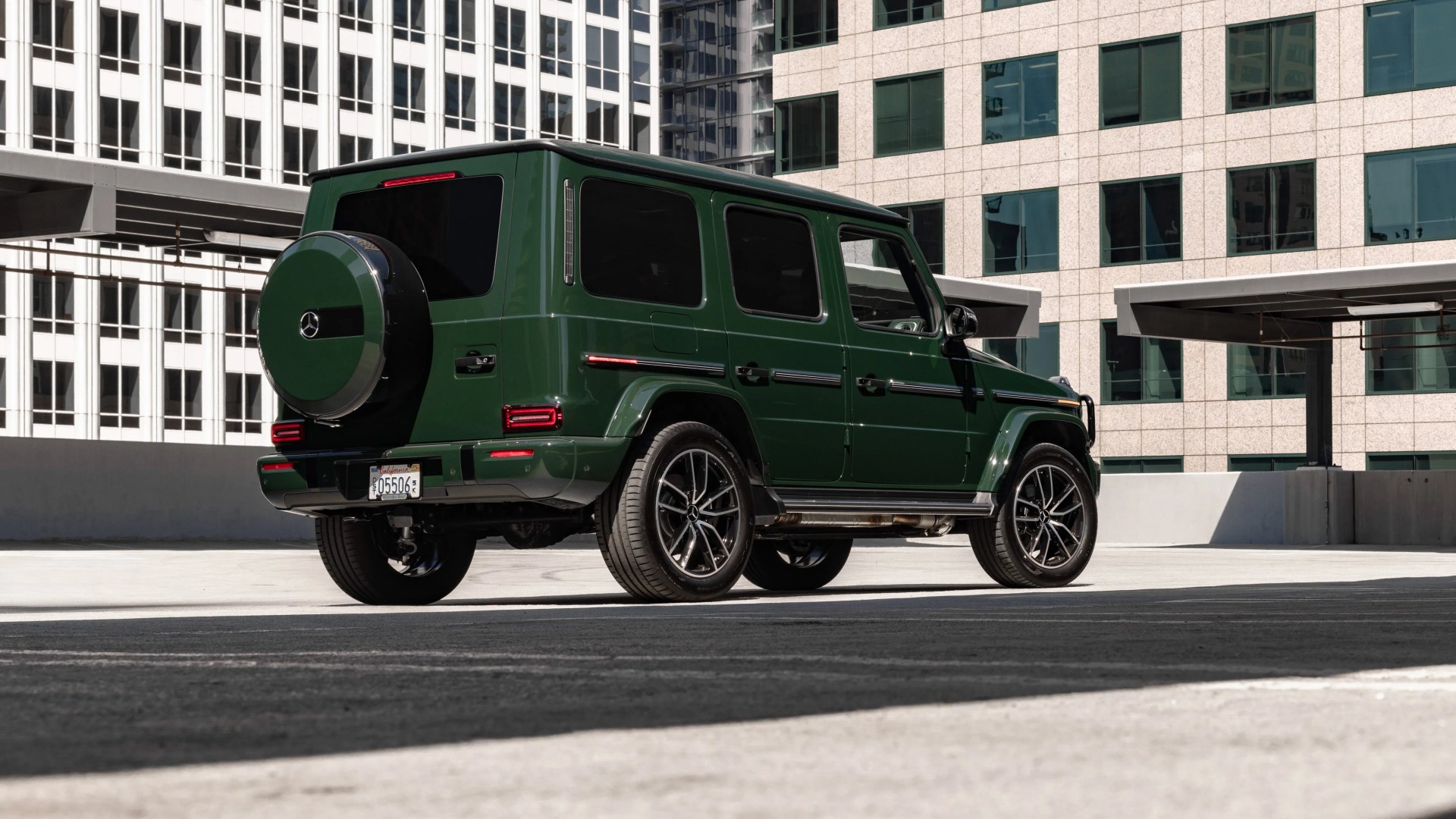
Dark green Mercedes-Benz G-Class SUV parked in an urban setting with modern glass and concrete buildings in the background.
Although the standard G-Wagen uses a body-on-frame chassis, the new smaller one will stick to a car-based unibody.
Mercedes-Benz

However, because Mercedes already committed to some projects, the automaker is looking to continue making the best of its investments. This means proceeding with the G-Wagen mini-me, but providing a gas-based option for broader appeal.

According to the latest report, the new G-Wagen mini-me will be available in both electric and gas-electric hybrid form. All roads point to use of the CLA’s latest mild-hybrid 1.5-liter turbocharged four-cylinder as the internal combustion engine option.

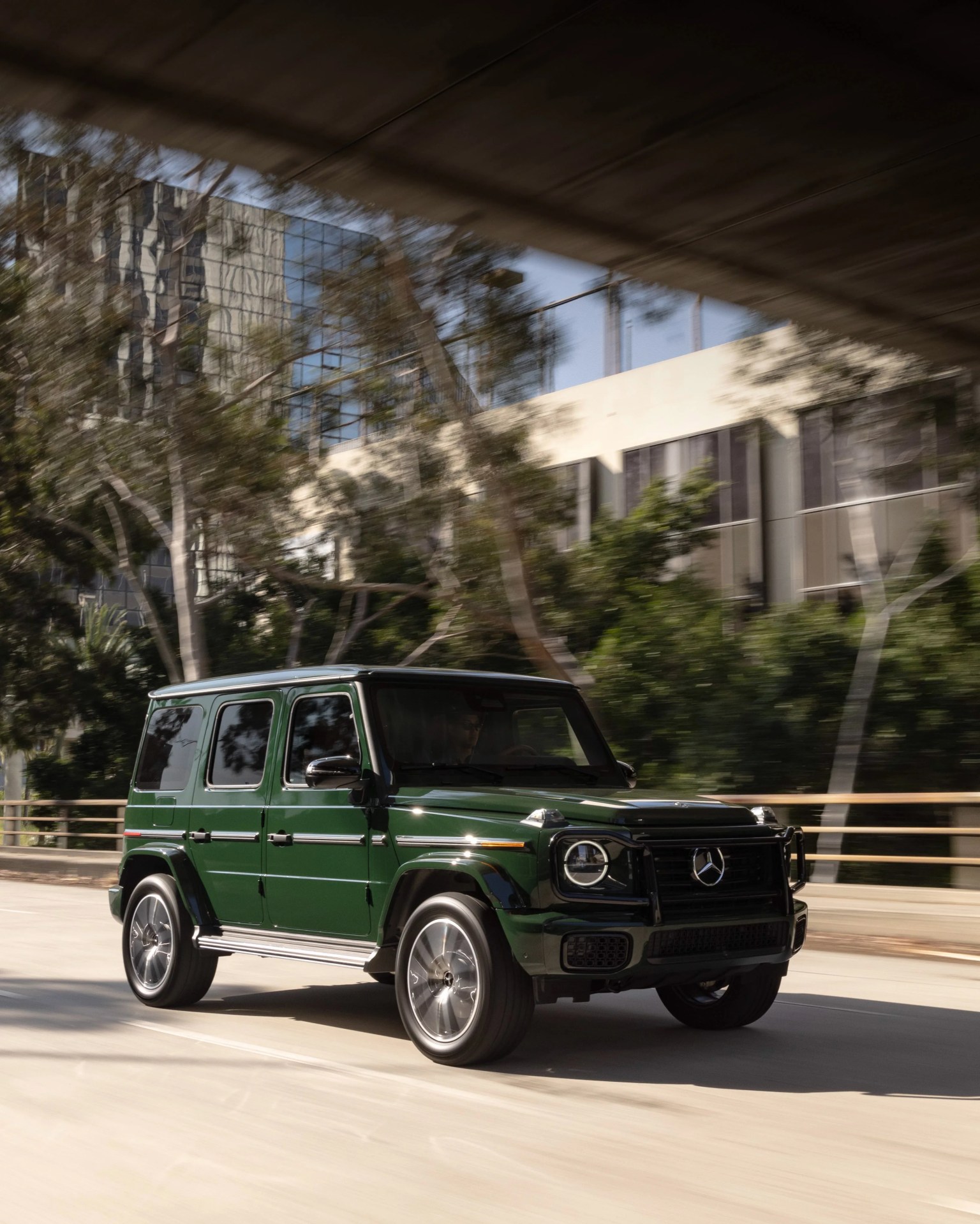
Dark green Mercedes-Benz G-Class SUV driving on a city street under an overpass.
The new G-Wagen mini-me won’t ditch internal combustion power after all.
Mercedes-Benz

However, there has not been any official confirmation. But one confirmed detail indicates it will utilize a monocoque platform. In comparison, the regular G-Wagen uses a conventional truck-based ladder frame.

Internal combustion power is better for off-roading, anyway

Dark green Mercedes-Benz G-Class SUV parked in an urban setting with modern glass and concrete buildings in the background.
According to the spy shots, the new micro-G will share similar boxy styling as its larger sigling.
Mercedes-Benz

If Mercedes-Benz is really designing and engineering the new micro-G as a dedicated off-roader, internal combustion power is more ideal. Although electric motors provide instantaneous torque and better wheel control when four-wheeling, they’re still limited by driving distance and weight.

As an example, if one is out in the wilderness and on the trails, an EV’s driving distance is a major concern. If an EV runs out of juice in the middle of nowhere, one can’t simply refill the tank and keep going.

Dark green Mercedes-Benz G-Class SUV parked in an urban setting with modern office buildings in the background.
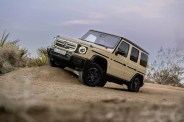
If the new baby-G will be even remotely as capable off-road, internal combustion power is more ideal.
Mercedes-Benz

Additionally, because EVs can be considerably heavier than their internal combustion variants, this increases the risk of sinking in obstacles. With a gas-electric hybrid powertrain, however, it combines the best of both worlds, as Jeep’s Wrangler 4xe has proven.

Want to stay up to date on the latest product news and releases? Add Gear Patrol as a preferred source to ensure our independent journalism makes it to the top of your Google search results.

add as a preferred source on google
,