
Nutella’s Viral Artemis II Cameo Just Brought Its 80-Year Mission Full Circle

The famous spread was invented in part to make chocolate possible when it wasn’t. Now it’s meeting the same need — just much farther from home.

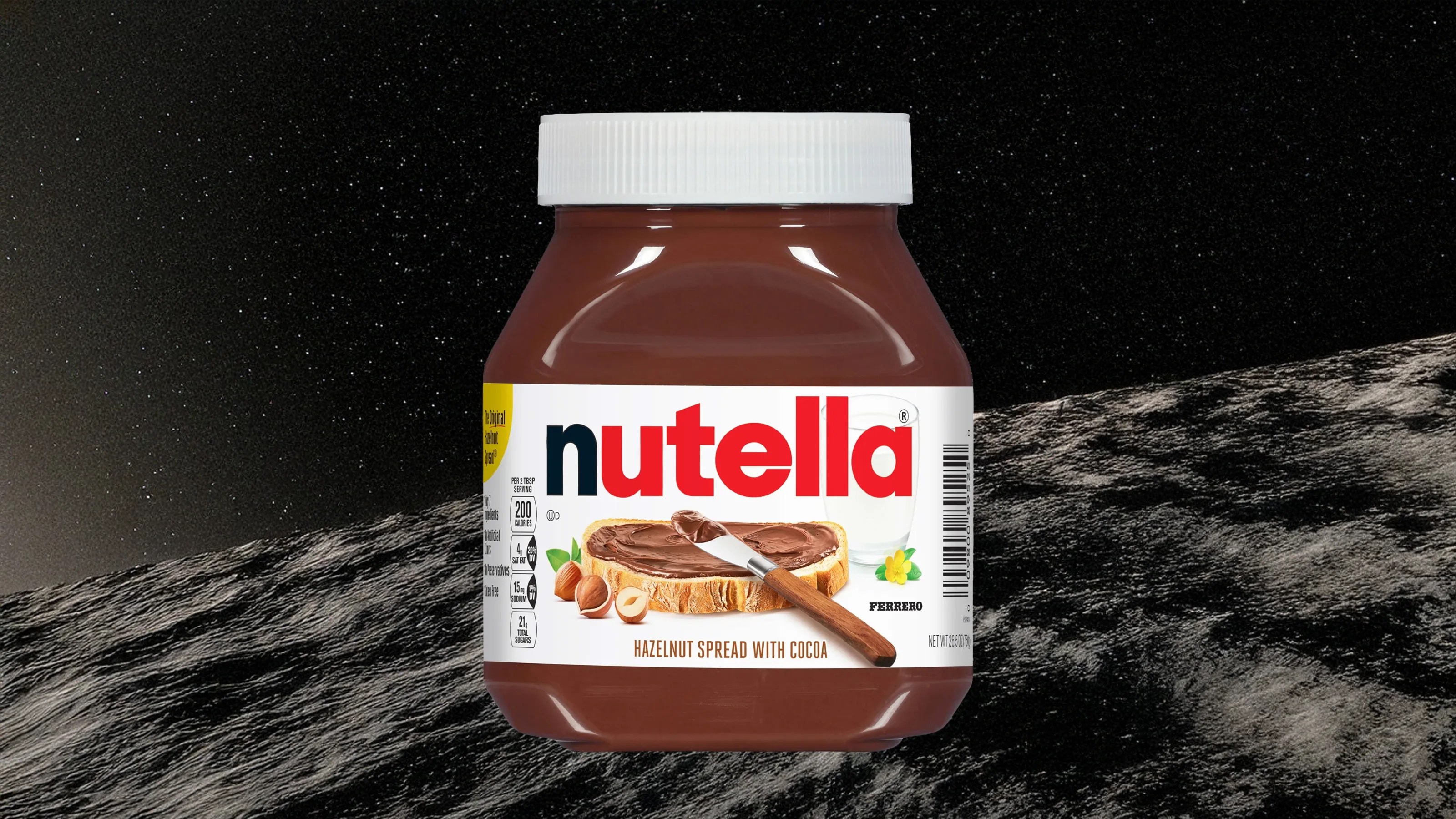
Jar of Nutella hazelnut spread with cocoa against a starry night sky and rocky surface background.Gear Patrol

In the final minutes before the internet locked into witness a record-setting moment in spaceflight, a very different storyline slipped into frame—and almost stole the show.

It was an unscripted moment amid one of the most tightly choreographed endeavors in human history. One that provided the part even billion-dollar mission budgets can’t simply commission: the bridge between witnessing history and feeling like you’re a part of it.

Welcome to Heat CheckA guide to the trends and products taking the internet by a stormDiscover more here.

With under four minutes to go before the crew of Artemis II traveled further from Earth than any other human before them, a floating jar of Nutella entered the livestream, resulting in what many marketing experts will herald as something like the greatest free consumer product advertisements ever captured on camera.

The resulting clip is destined to become spaceflight lore as one of the most mundane yet memorable moments of the entire Artemis II mission.

And yes, as countless marketing thought leaders quickly parroted, it’s also an instant contender for the title of the greatest unintentional advertisement ever captured on camera.

But the strangest part of all is deeper and more full-circle than anything, but the most die-hard of Nutella fans might realize.

It’s that, in its own small, poetic way, the already world-famous jar of chocolate and hazelnut flavored spread was there solving the same problem encountered over 80 years ago by an Italian baker, just at a scale its inventor could have never imagined.

A photobomb for the (space) ages
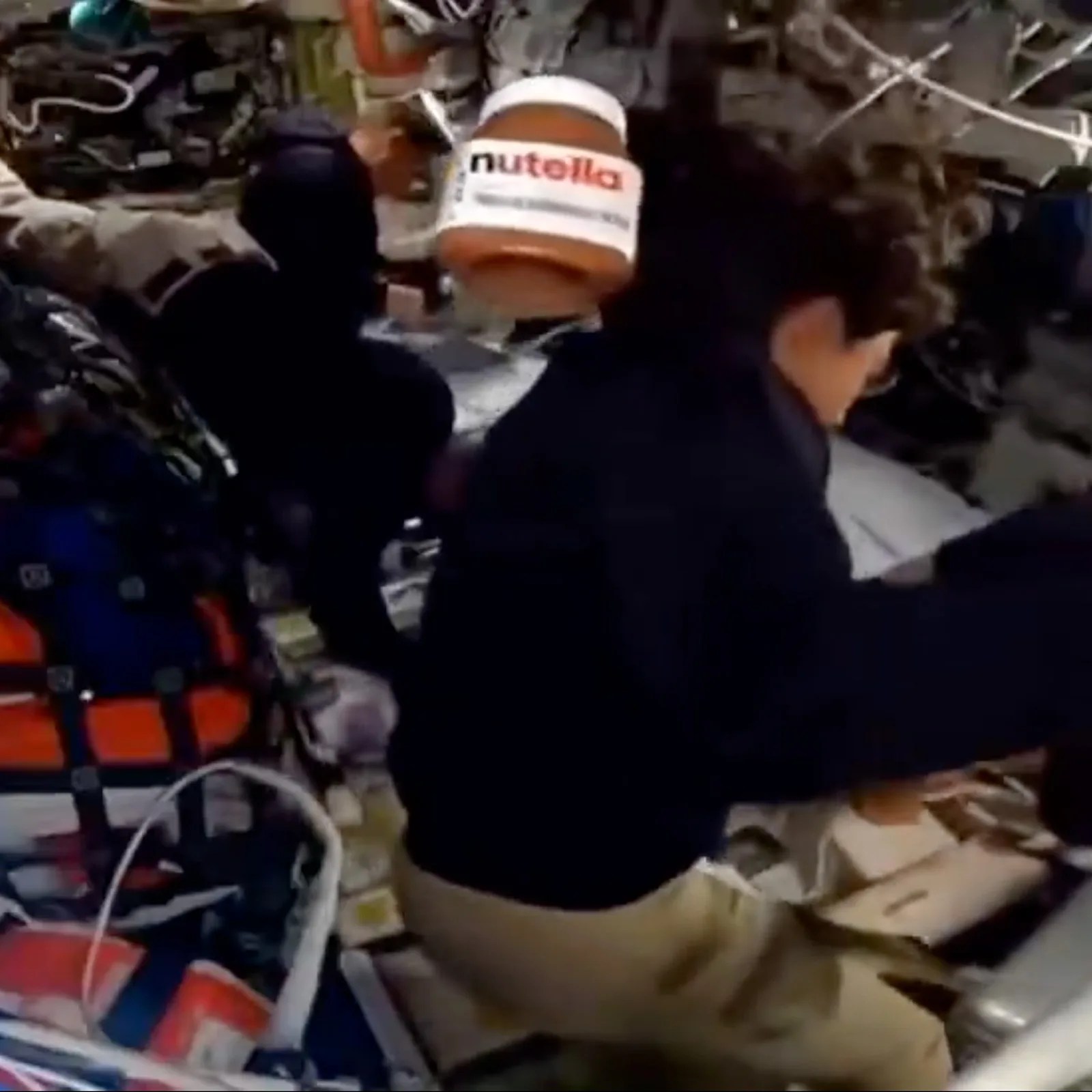
Two people inside a cluttered space with a large Nutella jar digitally superimposed above one person's head.
By my casual estimation, the Nutella sighting that captured the internet’s imagination lasted only 15 seconds, but those seconds are likely to go down now as one of the most memorable moments of the entire historic Artemis II mission to the moon.
Nasa

The 15 seconds of space flight fame that led Nutella to surpass the #ArtemisII hashtag on the service formerly known as Twitter feels both totally natural and completely staged, if not cliché, now that we’re nearly a half-century into the Hollywood Sci-Fi blockbuster age.

The jar itself barely did anything. It drifted. It rotated. Eventually, 10 seconds after it first appeared, it floated off camera again, seemingly without notice to the crew of NASA’s Artemis II mission, who appeared focused on the kind of work that gets measured in miles, not moments.
And yet, it was the Nutella that people couldn’t stop talking about.

A spacecraft slingshotting around the moon is as impressive as it is abstract. A floating jar of Nutella is both deeply familiar and wondrously weird.

Lucky timing was a major factor in the moment’s viral formula.

True space milestones have been rare enough in recent decades that when one arrives, people show up. But attention doesn’t always stay where it’s supposed to. It moves—often toward whatever feels most relatable.

The sense of witnessing magic that comes with seeing objects float in zero gravity didn’t hurt Nutella’s case either.

Some attention came, like most things on the internet these days, from mild conspiracy theories, too, though NASA press secretary Bethany Stevens confirmed to Futurism that the agency does not partner with brands on crew food selections. The astronauts just really like Nutella.

The final key ingredient boils down to relatability.

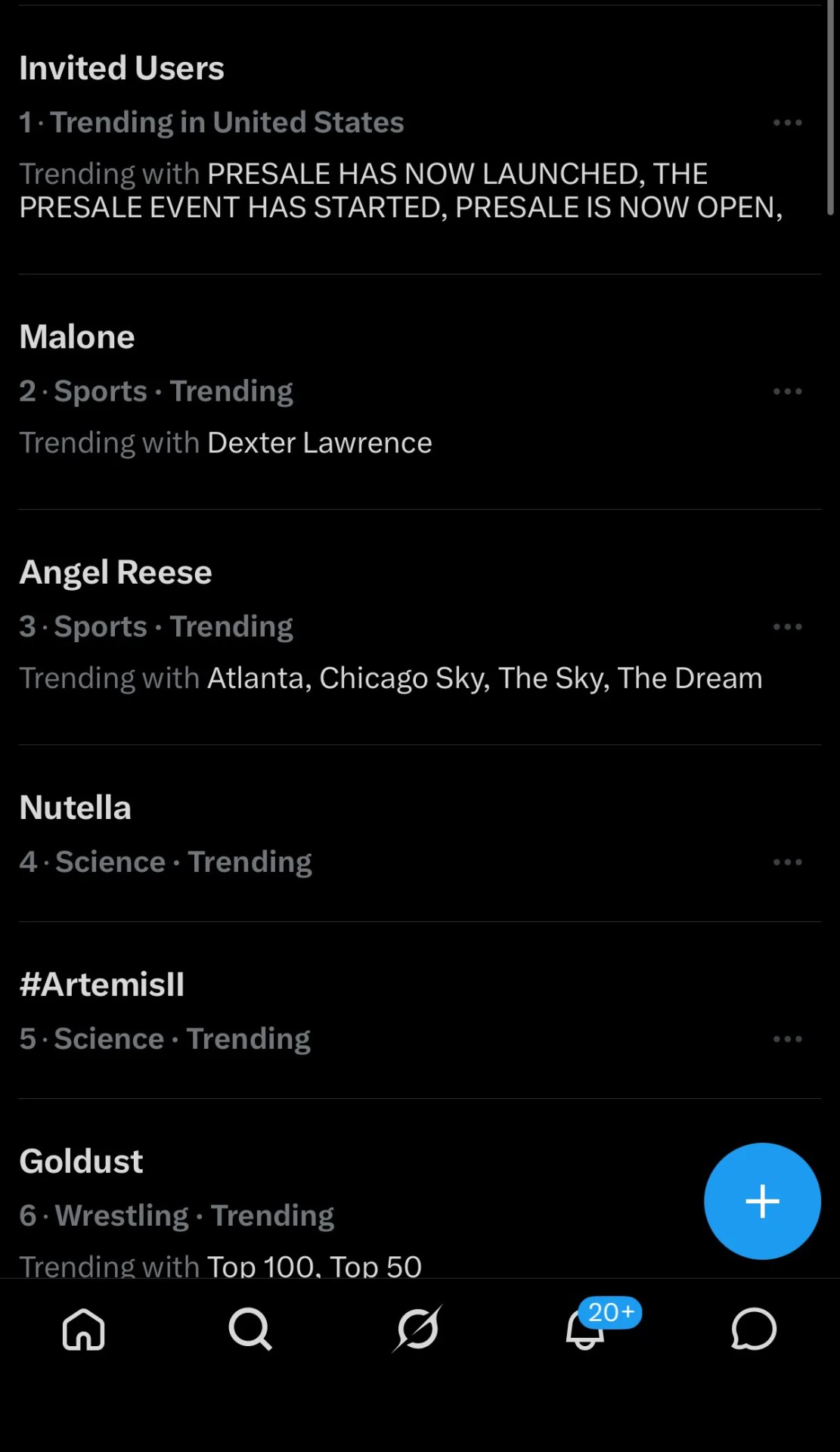
Screenshot of a trending topics list showing: 1. Presale event launched, 2. Malone trending with Dexter Lawrence, 3. Angel Reese trending with Atlanta, Chicago Sky, The Sky, The Dream, 4. Nutella, 5. #ArtemisII, 6. Goldust trending with Top 100, Top 50.
A screenshot of trending topics on X during the NASA livestream showed the brand Nutella just outranking the mission’s own hashtag.
X

A spacecraft slingshotting around the moon is as impressive as it is abstract. A floating jar of Nutella is both deeply familiar and wondrously weird.

It’s this entire cocktail of factors that ultimately made the moment stick.

But beyond that, in a strange way, it also quietly affirmed the unique purpose that first gave rise to the thick, chocolately-sweet spread in the first place.

Creativity born from constraint

Black and white portrait of a man in a suit and tie with slicked-back hair.
In the mid-1940s, the Italian Baker Pietro Ferrero who is credited with working with scarce cocoa supplies and an unsolved problem: how to preserve the experience of eating and enjoying chocolate when cocoa was in short supply in the immediate aftermath of World War II.
Wikipedia

Decades before it ever left Earth, the idea for Nutella was born under very specific circumstances.

In the mid-1940s, the Italian Baker Pietro Ferrero was working with scarce cocoa supplies and an unsolved problem: how to preserve the experience of eating and enjoying chocolate when cocoa was in short supply in the immediate aftermath of World War II.

His answer wasn’t to replicate it perfectly, but to rethink it. His solution blended limited cocoa with abundant hazelnuts and sugar to create something accessible, shareable, and satisfying in its own right.

It broke the monotony. It delivered comfort. It made an artificial environment feel human, briefly.
Which is to say: it did exactly what it was designed to do.


That idea didn’t become Nutella overnight. It evolved over nearly two decades—refined, reformulated, and ultimately launched in 1964 as the tasty, spreadable guilty pleasure we recognize today, now produced by the aptly named Ferrero company and consumed around the world.

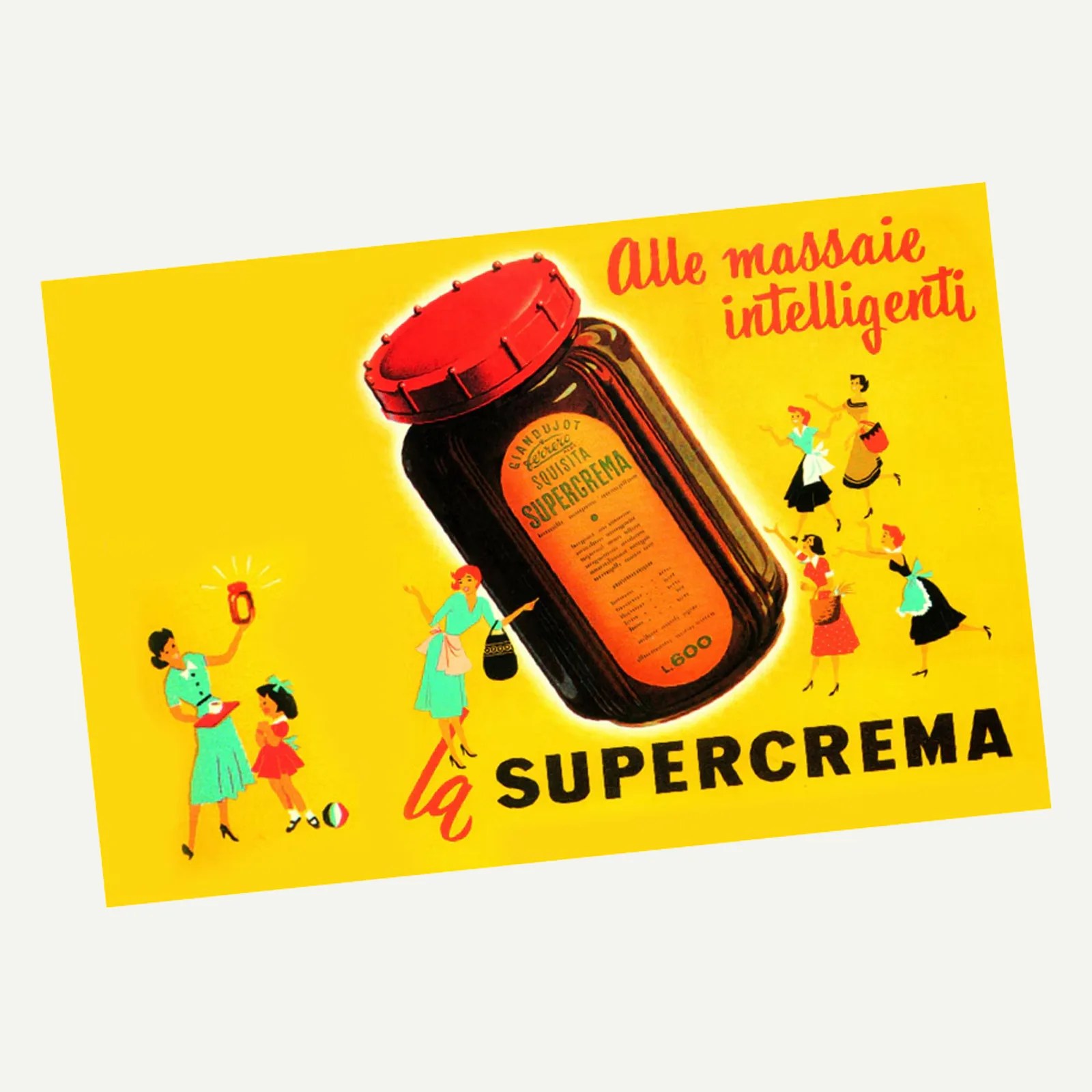
Vintage advertisement with a large jar of Supercrema spread and women in colorful dresses on a yellow background.
The Nutella as we know it today was actually developed over several iterations. It was first conceived as a thick paste sold in foil-wrapped brick-like loaves called ‘Giandujot’ paste, apparently after a popular carnival character. In 1951, took a step closer to its final form, becoming a more creamy spreadable product known as SuperCrema.
Nutella

Its success, of course, wasn’t driven by constraint alone. But constraint is what made the idea meaningful in the first place.

And the same logic that brought Nutella to life in postwar Italy may be what keeps it relevant wherever conditions get complicated next — on Earth or otherwise.

Same goals, new settings

An Instagram post from the hi_seas_official Twitter account highlights the experiences of participants who agreed to live in isolation at a “Mars & Moon analog research station” on a barren Hawaiian lava field, simulating many of the logistical challenges of living in space.

Anyone who’s watched a sci-fi film understands that life in space is restrained by limits like weight, shelf life, storage, and resupply.

But as NASA-backed Mars simulations were already revealing in greater detail than ever before over a decade before Artemis II, the deeper challenge goes beyond mere sustenance and basic life support for astronauts.

Figuring out ways to preserve small comforts when nearly everything familiar has been stripped away is also critical to maintaining voyagers’ mental sanity.

Case in point, during the HI-SEAS mission in 2013, researchers living in isolation for four months on a barren Hawaiian lava field—eating only shelf-stable food—repeatedly gravitated toward one thing: Nutella.

It became a prized resource, rationed carefully and, at times, quietly fought over. Not because it was necessary, but because it solved something harder to quantify.

It broke the monotony. It delivered comfort. It made a tough, grueling environment feel human, earth-like, and pleasurable, at least briefly.

Which is to say: it did exactly what it was designed to do.

Spreading out amongst the stars?

It didn’t take long for Nutella’s own marketing team to seize on the remarkable product spotlight while layering a musical accompaniment Kubrick would surely approve of.

What Artemis II showed in a fleeting moment, and what Mars simulations have already hinted at, is that Nutella’s true usefulness may extend beyond merely transforming a dry piece of toast or tortilla into a culinary masterpiece wolfed down on Earth or elsewhere.

If humanity establishes a sustained presence on the Moon, Mars, or beyond, the deeper challenge of eating won’t just center on calories or efficiency. It will be psychological. It will be about preserving at least a precious few rituals, flavors, and small indulgences that tether wayward space explorers to a version of life they can still recognize and relate to.

Now the same logic that brought Nutella to life in postwar Italy may be what keeps it relevant wherever conditions get complicated next — on Earth or otherwise.

Chocolate, in its purest form, is unlikely to make that journey easily. It’s fragile. Perishable. Logistically complicated.

But something like Nutella? That’s a different story.

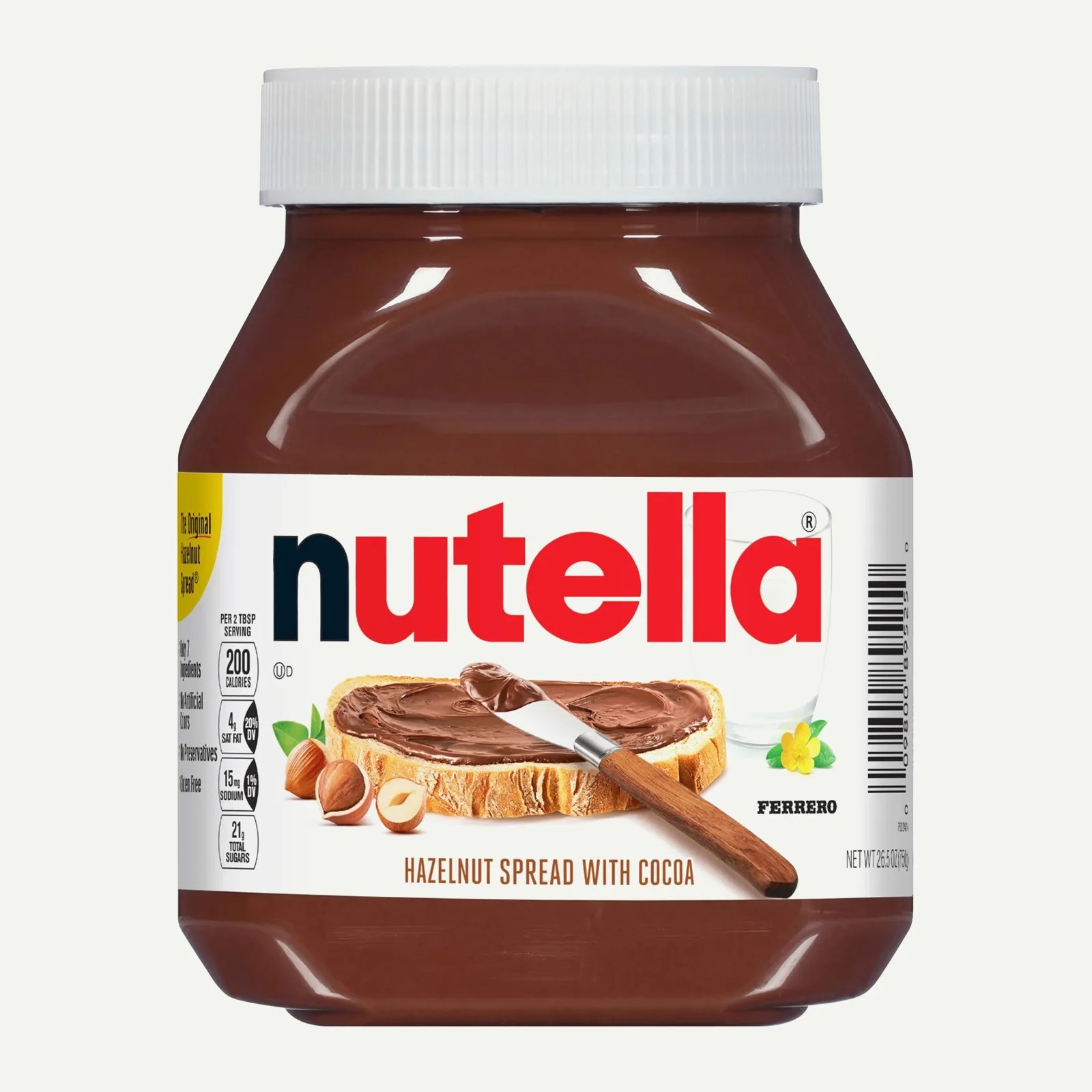
Jar of Nutella hazelnut spread with cocoa featuring a slice of bread with spread and a knife on the label.Nutella

Which raises a quietly galaxy-brained possibility: that one day, for astronauts living months, years or even generations away from Earth, a spoonful of Nutella might be one of the closest approximations of chocolate they have.

A workaround, stretched across space.

The same idea Pietro Ferrero devised for a resource-strapped corner of postwar Italy—now potentially scaled to meet the needs of an entire species operating under far more extreme constraints.

And if that future arrives, the Nutella’s scene-stealing cameo in the Artemis II mission won’t look like a nostalgic earth-life novelty at all in hindsight.

It will look like a sneak preview.

Want to stay up to date on the latest product news and releases? Add Gear Patrol as a preferred source to ensure our independent journalism makes it to the top of your Google search results.

add as a preferred source on google