
Honda Is Bucking the Trend and Keeping Its V6 Alive, but in a Shocking Way

In an era of fuel economy and emissions-biased engine downsizing, Honda is going against industry trends.

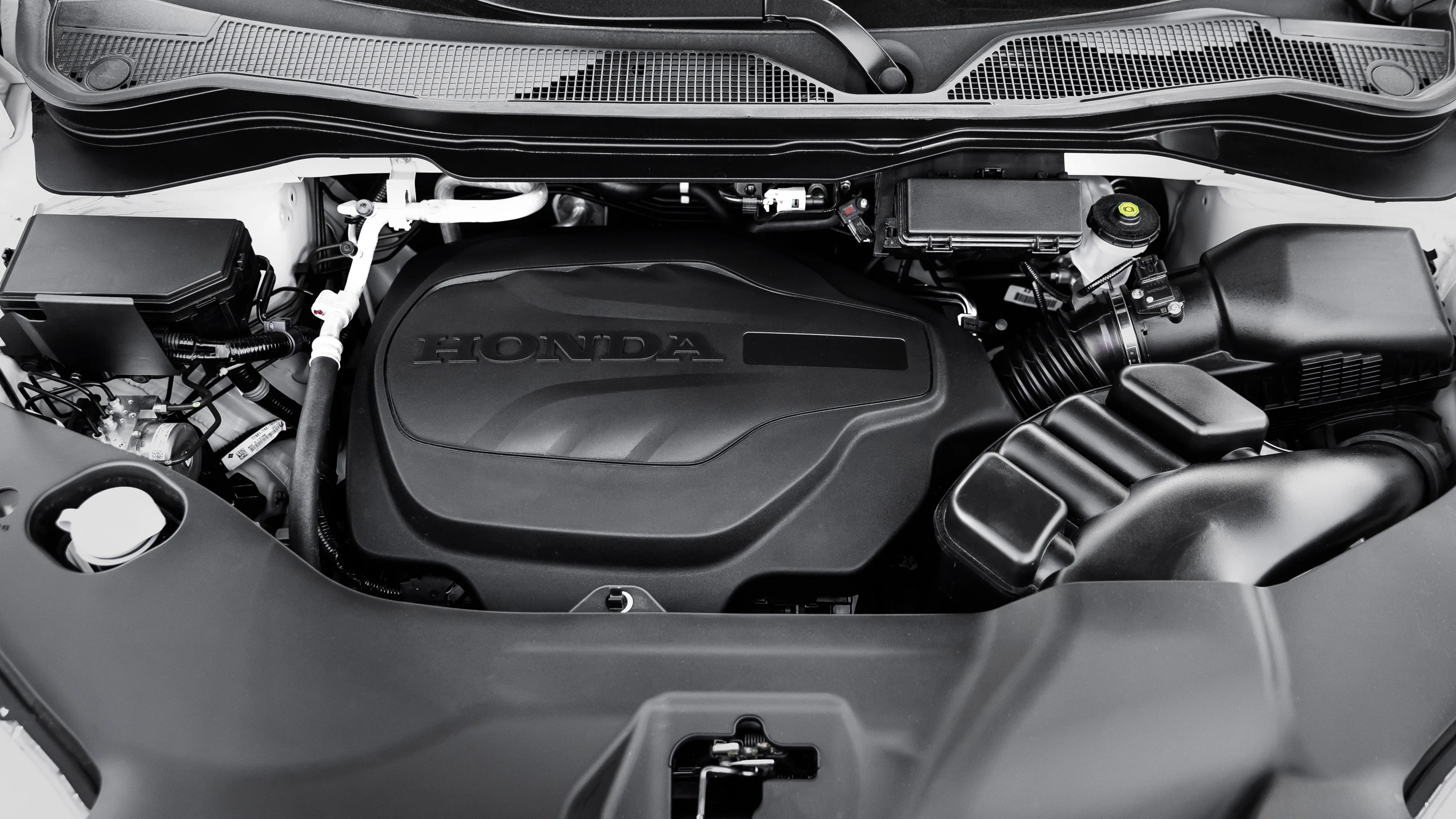
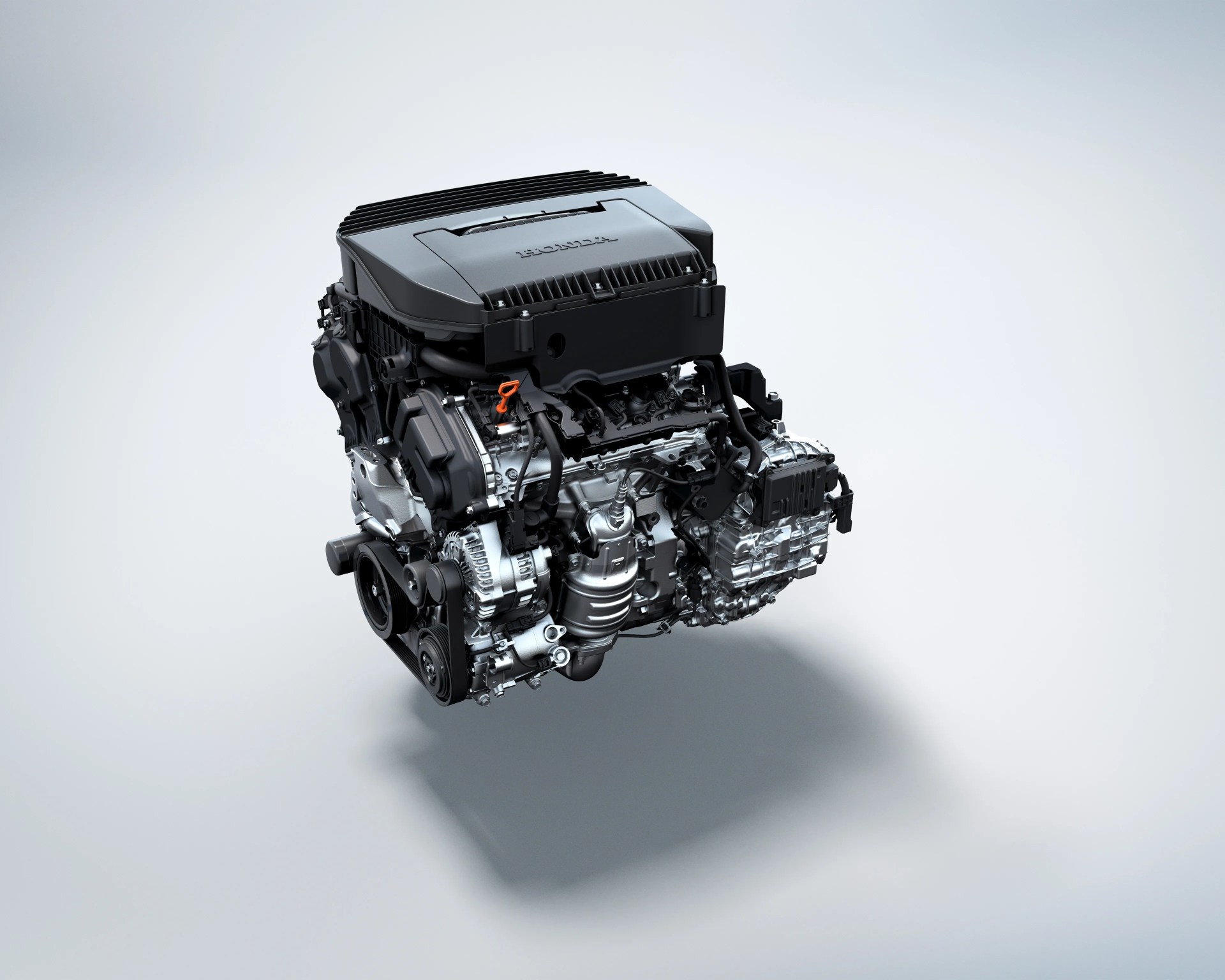
Black plastic engine cover with "HONDA" embossed, surrounded by various engine components in a car engine bay.Honda

Honda’s V6 isn’t dead yet and it won’t be for the foreseeable future. The Japanese automaker officially announced it is keeping its six-pot around, but for new duties in a fresh hybrid system destined for its next-gen SUVs.

This comes as a surprising development, particularly in today’s era of engine downsizing. Over the past decade, automakers have been producing smaller engines with fewer cylinder counts, all to meet tightning emissions and fuel economy compliance standards.

It’s what’s led other companies to discontinue V12s, V10s and even V8s. Moreover, these same regulations have made forced induction increasingly popular.
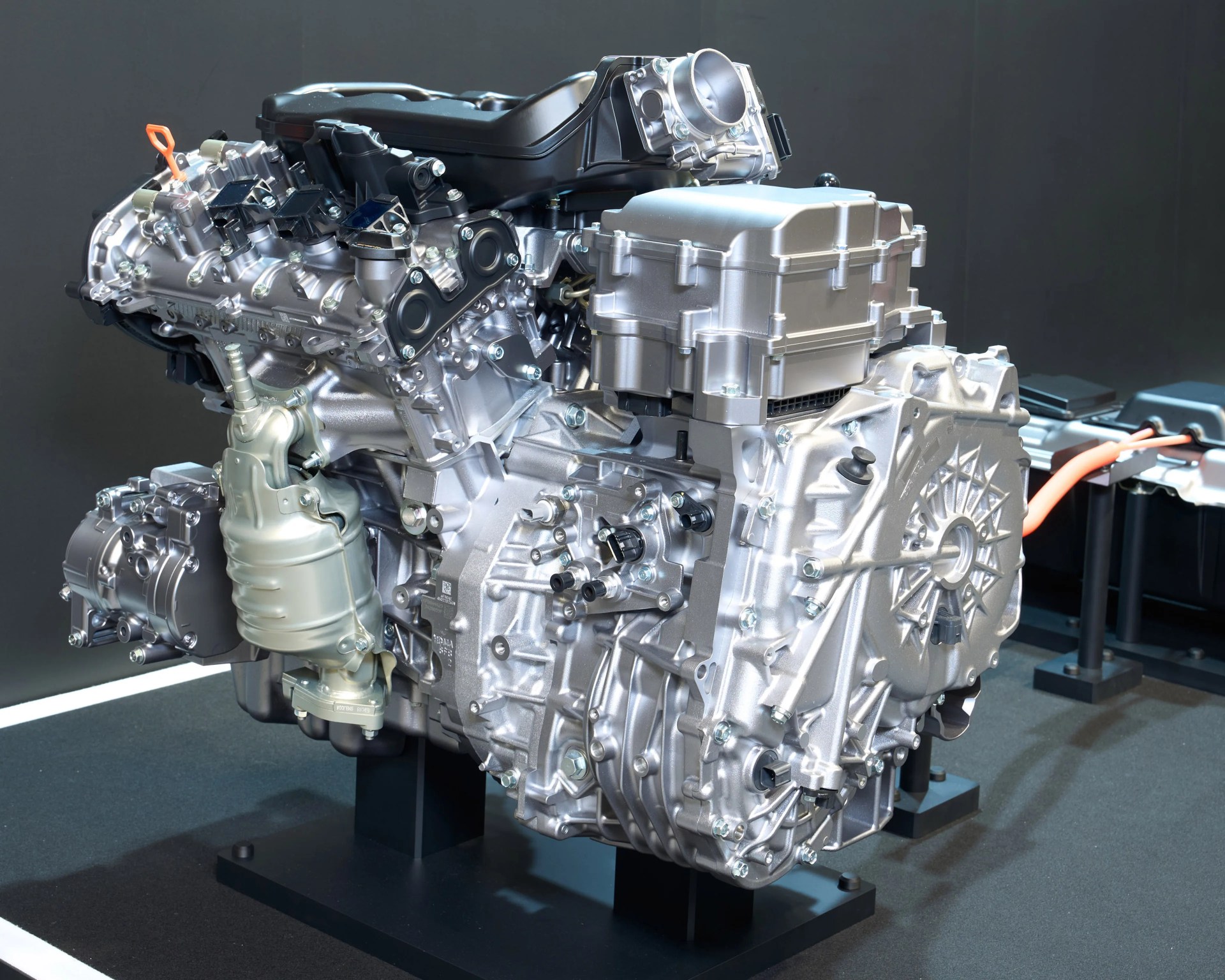
Silver and black hybrid car engine with orange high-voltage cable on a black display stand.
Honda’s newest V6 will live on as the gas component in the company’s next-gen hybrid system.
Honda

But Honda’s playing its cards differently and will keep its venerable V6 around. Only this time, the engine will be powering a gas-electric hybrid powertrain for the brand’s larger vehicles.

Electrifying its V6 for the first time
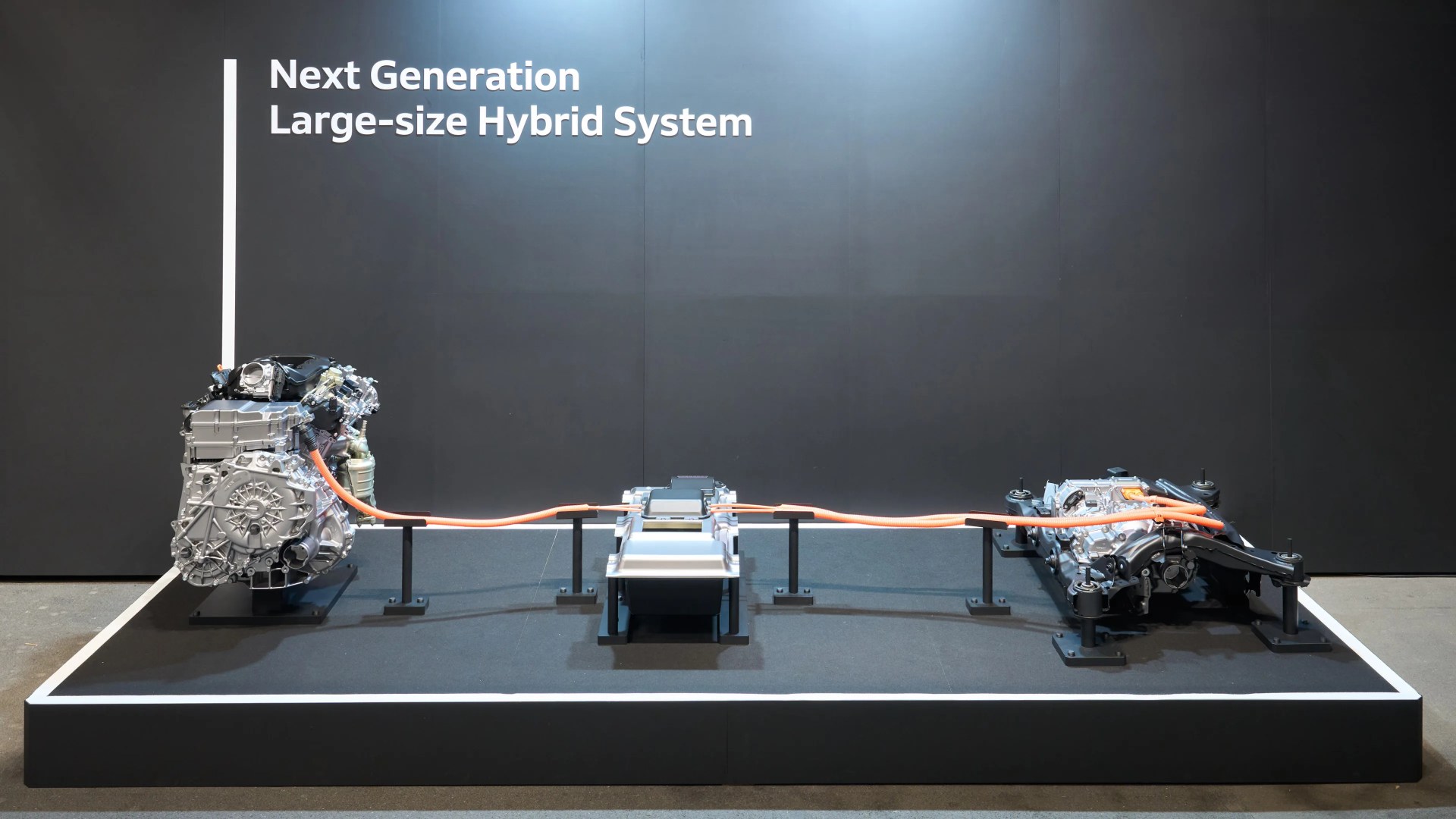
Next Generation Large-size Hybrid System components displayed on a platform with orange cables connecting them.
This will be the first time Honda will be pairing its venerable mass-market V6 with electric motors.
Honda

While other automakers have discontinued their six-cylinders in favor of potent turbocharged fours, Honda is one of the few remaining brands that continues to make naturally aspirated V6s. Of course, it’s known to make some of the best of the breed.
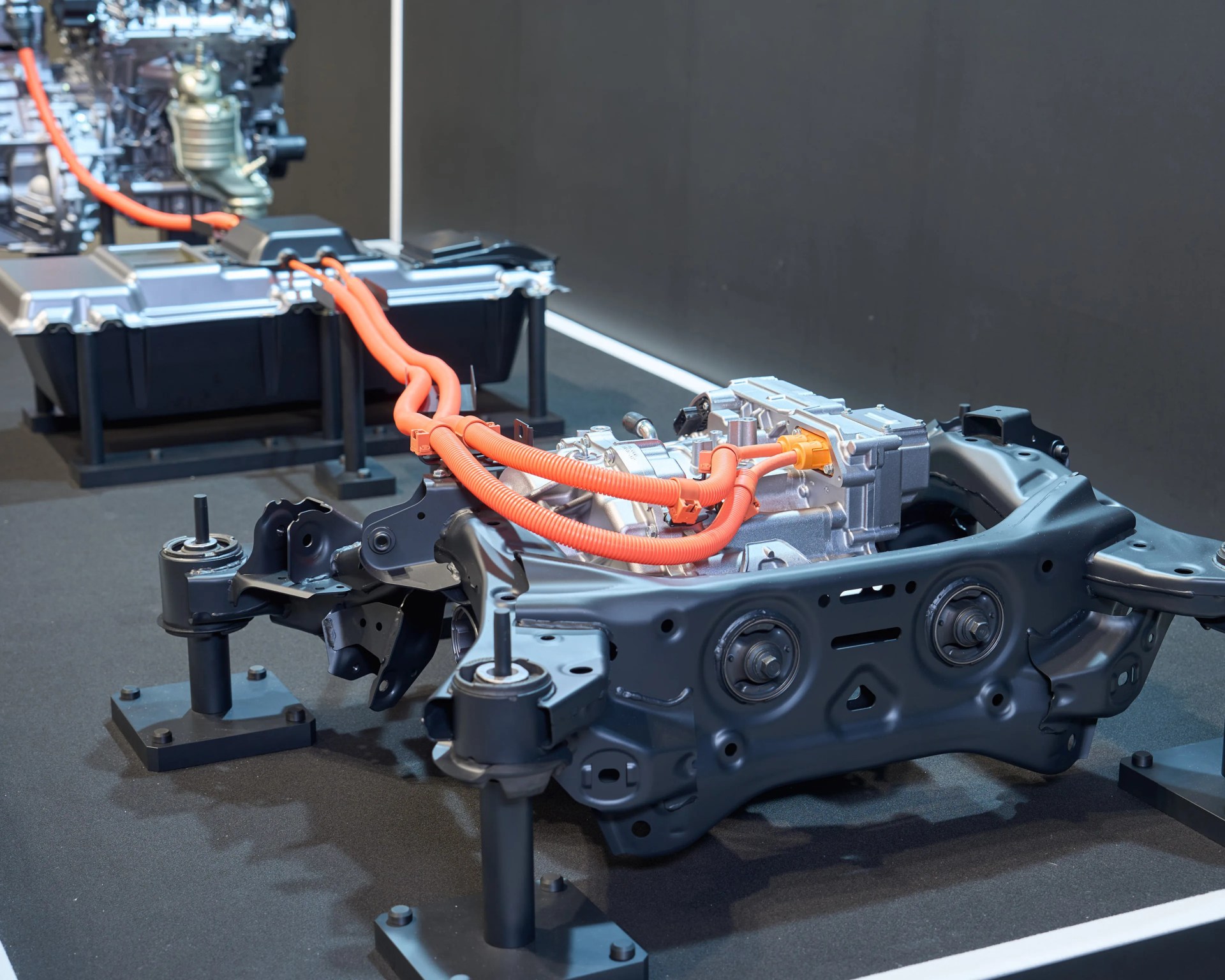
But as fuel economy and emissions compliance regulations have continued to tighten, it was only a matter of time before Honda was going to be forced to do something drastic.

Electric vehicle battery pack and motor assembly with orange high-voltage cables on display stands.
The system will be specifically used in Honda’s “large vehicle” applications, implying the Pilot and Ridgeline, as a few examples.
Honda

Instead of discontinuing the V6 altogether, however, the Big H will be pairing it up with an electric motor. The new gas-electric combination is for Honda’s next-generation hybrid propulsion system.

Specifics weren’t available. However, Honda said the new system improves fuel efficiency by up to 30 percent, all without compromising towing capacity.

Compact Honda car engine with black and silver components on a light gray background.
Honda’s “J35” V6 is one of the few remaining naturally-aspirated engines available.
Honda

But more so, the engineers seek to continue perpetuating Honda’s “joy of driving” with this new powertrain. The V6 is a major contributor to the cause.

Destined for Honda’s larger vehicles

Honda announced the new system during a company-wide media convention. While there, it confirmed the system is destined for its larger vehicles, but it stopped short of specifying.

Considering the Pilot, the Ridgeline, the Passport and even the Odyssey minivan all still use Honda’s current “J35” 3.5-liter naturally-aspirated V6, those vehicles will likely be the recipients.

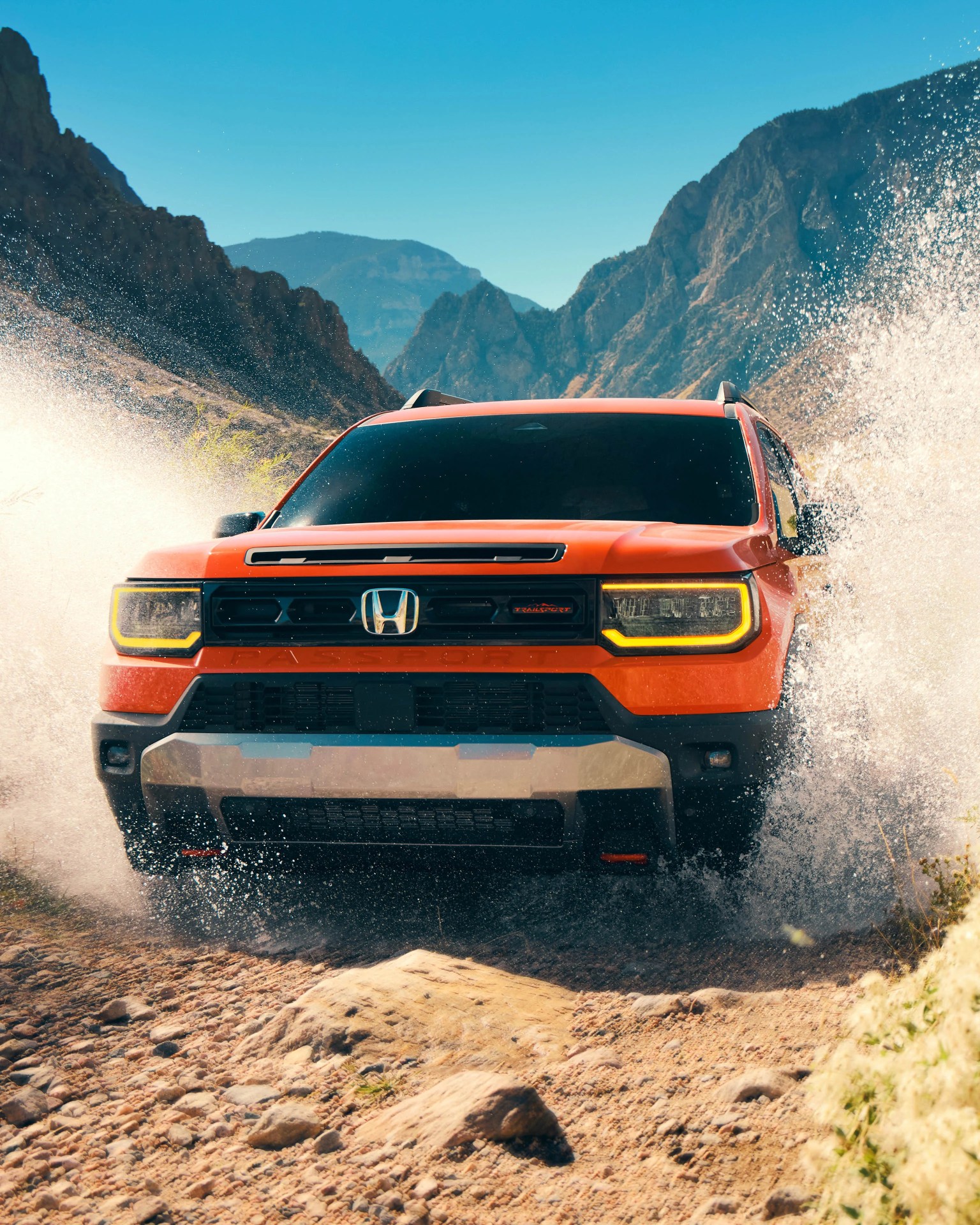
Orange Honda SUV splashing through water on a rocky mountain trail under clear blue sky.
The Honda Passport just entered its fourth generation, making it the least likely to get the new V6 hybrid powertrain.
Honda

Moreover, according to Honda, the system will be ready by 2027. Considering the circumstances, this suggests that the new V6 hybrid powertrain could debut either on the next-gen Odyssey, a facelifted Pilot or the next-gen Ridgeline.

The Passport just entered its fourth generation this year. As such, it’s the least likely candidate for the new V6 hybrid powertrain.

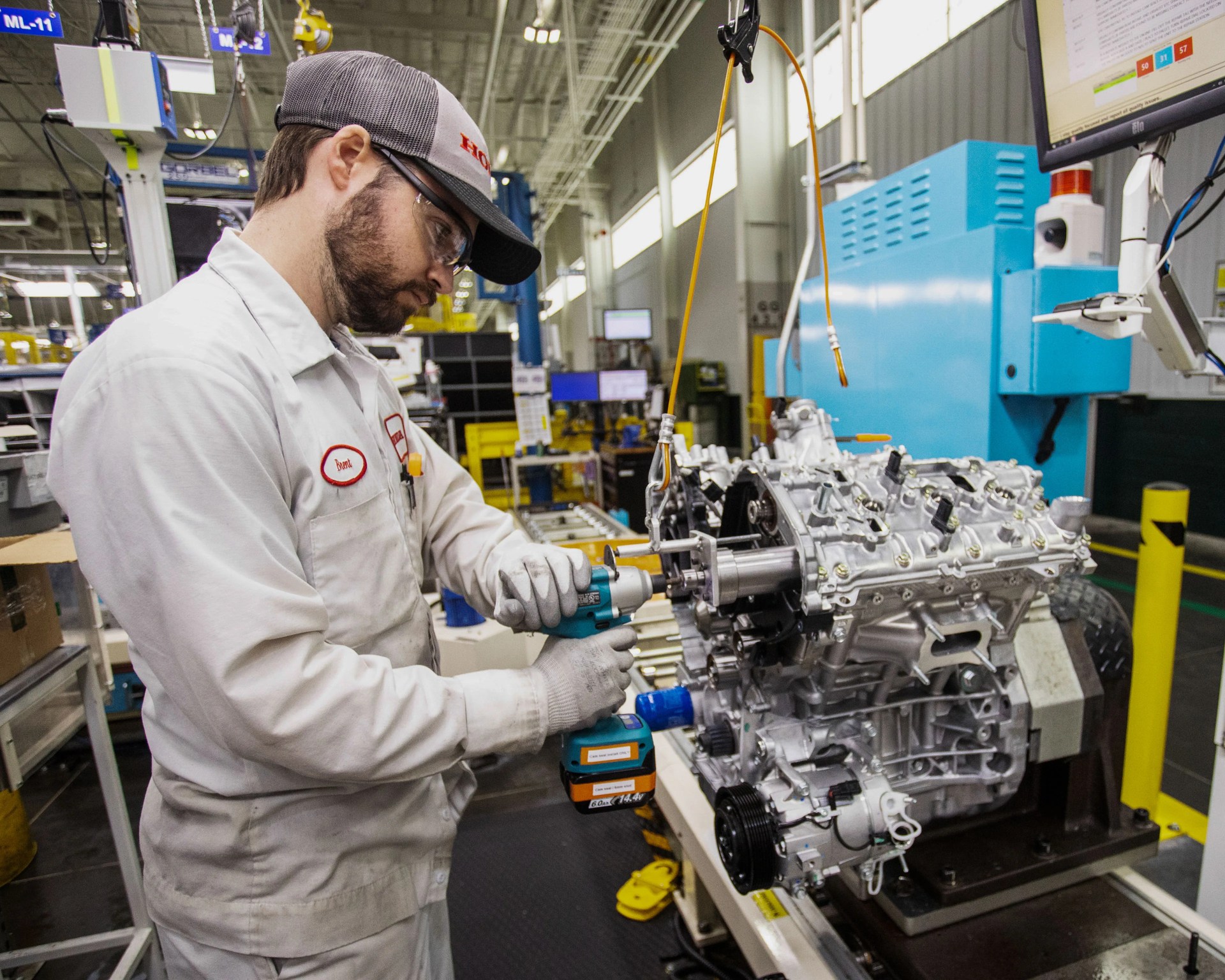
Worker in white uniform and cap using a power tool to assemble a silver engine in a factory setting.
Honda’s V6, a strictly North American-market engine, is currently assembled in Ohio and Alabama.
Honda

Next in line would be the Pilot, which just entered its third generation in 2023. Given that Honda’s series production cycle varies between six and seven years, 2027 would mark the halfway point for the current Pilot’s lifecycle. There is a possibility the V6 hybrid could surface there.

Finally, we come to the Odyssey minivan and the Ridgeline pickup. Both are nearing the end of their series lifecycles, meaning they’re each due for replacement.

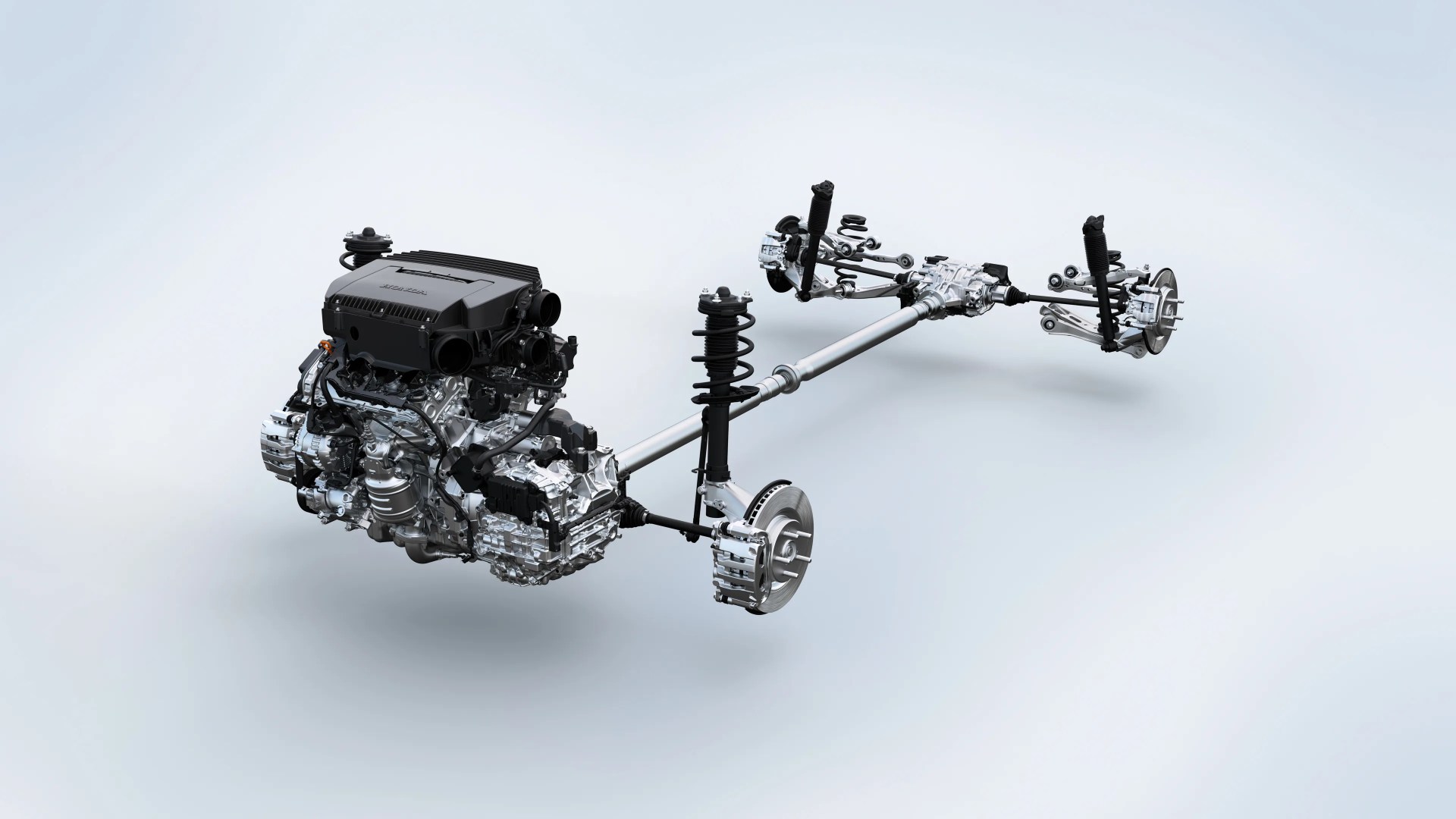
Car engine and drivetrain assembly with suspension components isolated on a light background.
The Honda Ridgeline and its V6 is currently one of the company’s oldest products.
Honda

The Odyssey could be the first to receive the V6 hybrid since its arch rival, the Toyota Sienna, comes standard with gas-electric hybrid power. But the Sienna’s system utilizes Toyota’s old 2.5-liter naturally-aspirated four-cylinder.

The Ridgeline is also a possible candidate, given it’s an enthusiast- and utilitarian vehicle. It would be the first in the segment to receive hybrid V6 power.

No return for the Accord V6, sadly

2021 Honda Odyssey
The Honda Odyssey could gain the V6 hybrid powertrain to compete more closely with its equally hybridized rival, the Toyota Sienna.
Honda

Sadly, if you were hoping for the return of a potent V6-powered Accord, you’ll be sorely disappointed. Honda made no indication that the Accord could get the new powertrain to make an enthusiast’s hidden treasure, like past V6-powered Accords.

The Accord hasn’t received V6 power since the ninth-gen model from 2012 to 2017.

Want to stay up to date on the latest product news and releases? Add Gear Patrol as a preferred source to ensure our independent journalism makes it to the top of your Google search results.

add as a preferred source on google