
Toyota’s Future Cars Could Last Longer on the Market Because of a Controversial New Strategy

The Japanese automaker wants to move to longer product life cycles and software-defined vehicles, but how will that affect buyers?

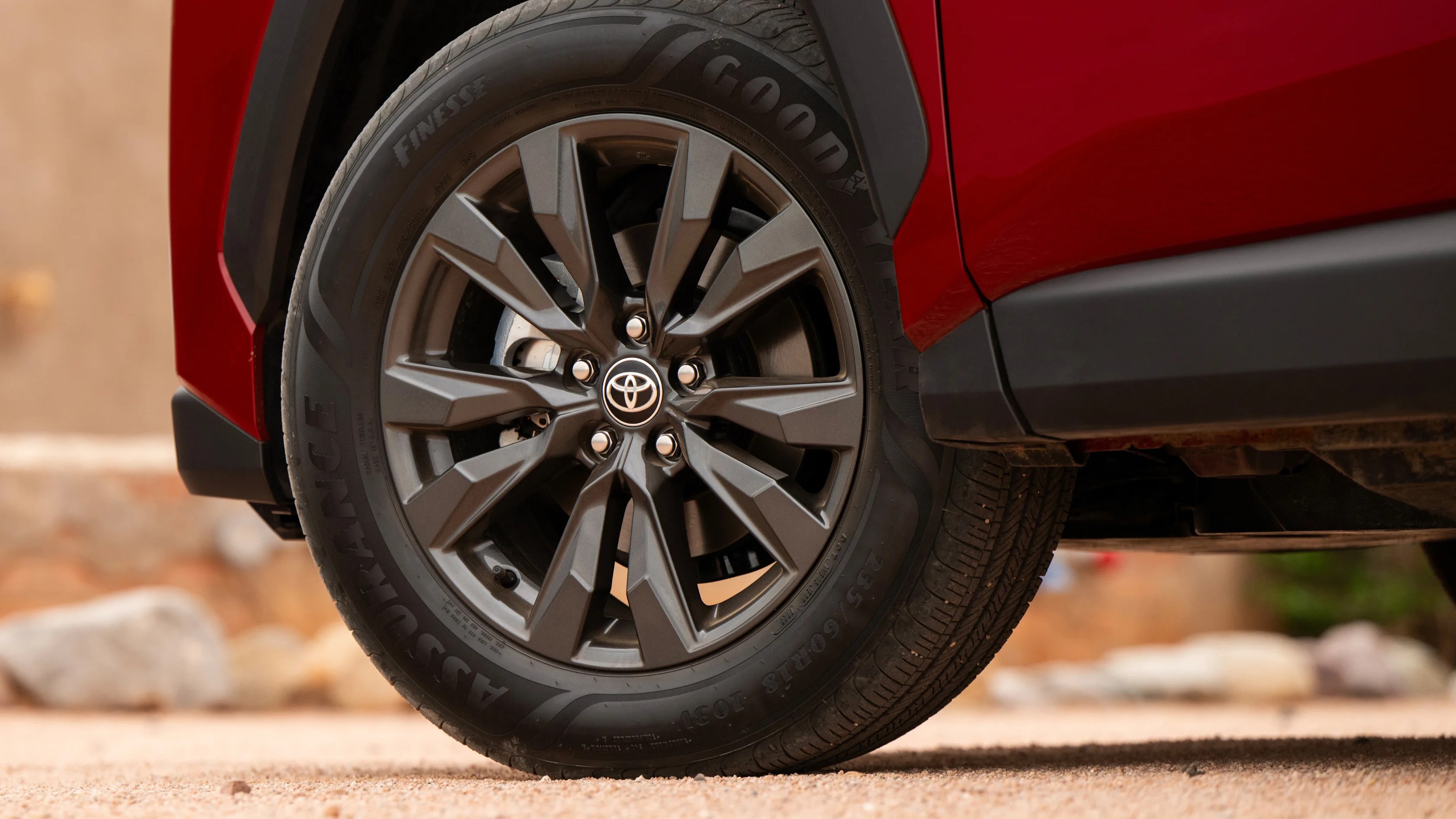
Black multi-spoke alloy wheel with Toyota logo on a red vehicle with Goodyear Assurance tire.Toyota

As is the case with many carmakers, Toyota has traditionally kept its product life cycles to around five years. 

In such models, annual changes amount to mostly minor refreshes and option updates, while more dramatic facelifts and hardware overhauls come mid-cycle or at the end of a car’s lifespan.

According to a new report, however, that could all be about to change. As part of the broader industry shift toward software-defined vehicles (SDVs), Toyota is set to lengthen its product life cycles in line with companies like Tesla.
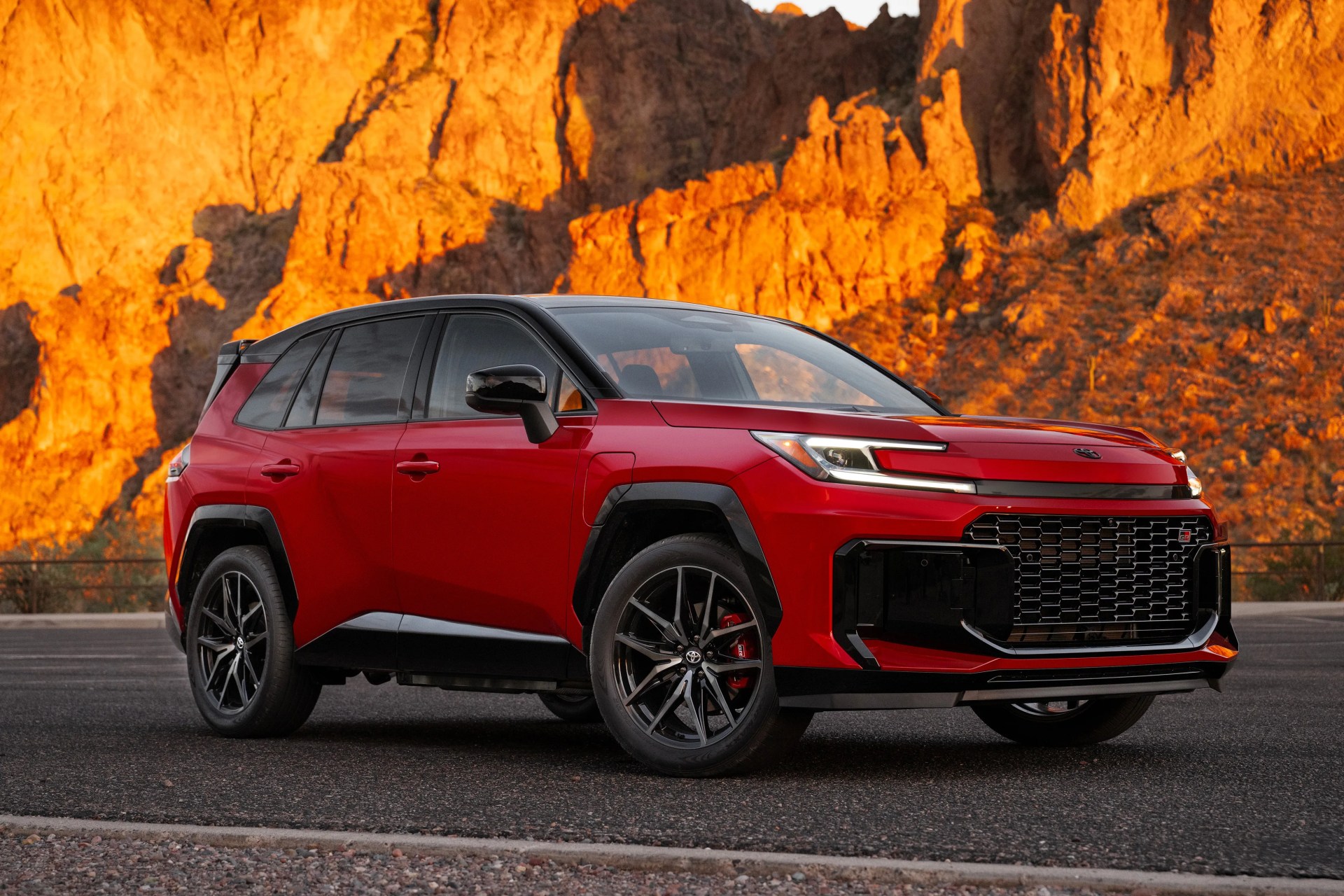
Red Toyota SUV with black roof and wheels parked on asphalt with orange rocky cliffs in the background.
Toyota’s shift to a longer product life cycle means that it will also be moving to SDVs.
Toyota

But is that a good thing? Well, it’s complicated.

Maximum shelf life 

As first reported by Nikkei Asia, Toyota is supposedly looking to up the average lifespan of its flagship cars to nine years.

Of course, given that the Toyota managed to squeeze a full seven out of the previous-generation RAV4, and the aging 12th-generation Corolla still has some years before its update, it’s not surprising that the automaker would want to extend the shelf life of other models.
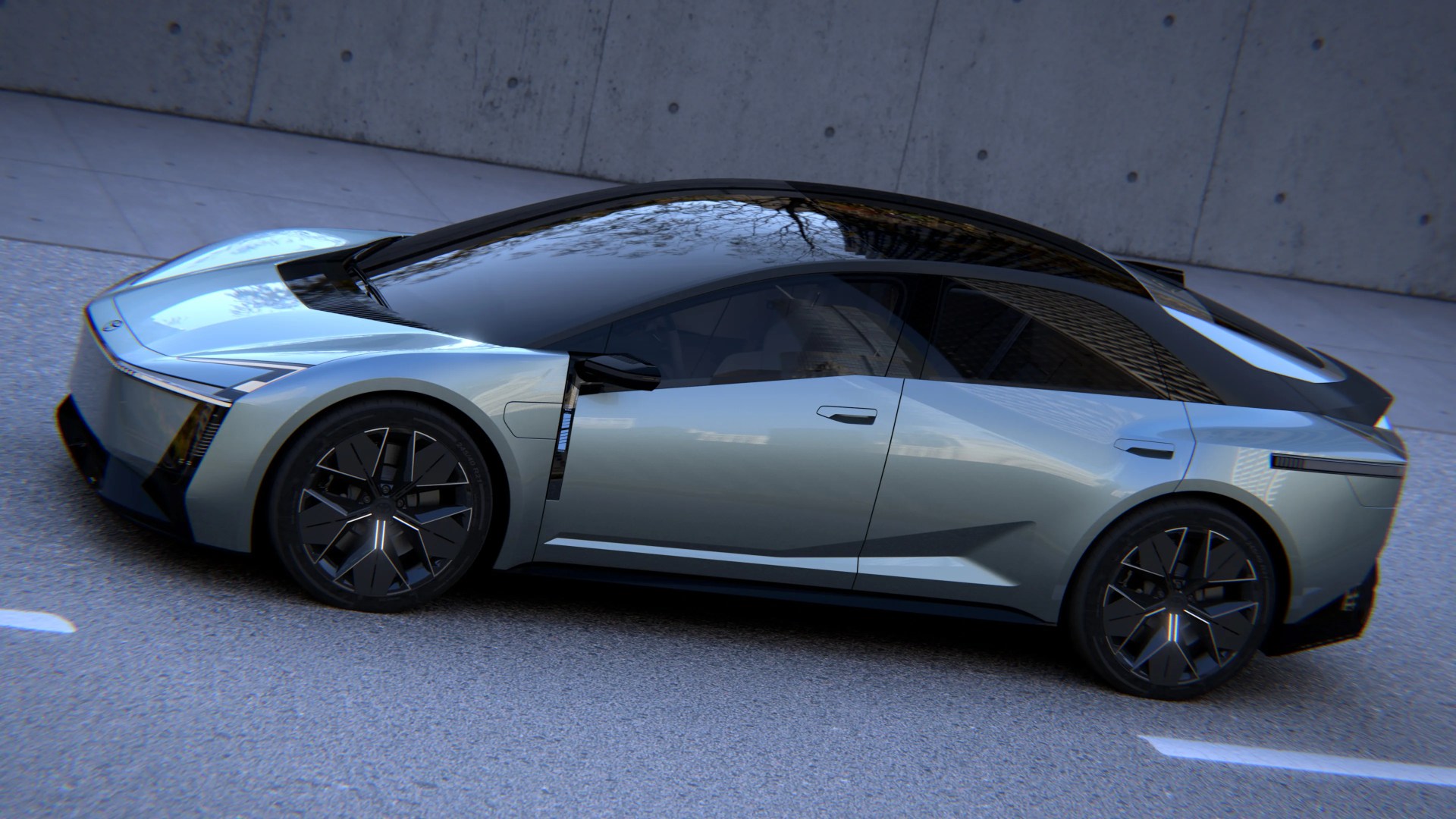
Sleek silver electric sedan with black roof and futuristic black alloy wheels parked on a street.
Toyota’s next-generation Corolla concept suggests that the model’s replacement isn’t due for a few years.
Toyota

After all, doing so promises a litany of benefits. From facilitating a more stable sales environment and creating fair buying opportunities to prolonging product relevancy and allowing for more flexible pricing, Toyota is of the belief that delaying generational overhauls has the potential to pay dividends.

Now, for its cars to stay competitive over such a period of time, this means that the automaker will instead shift its priorities to software.

In other words, rather than introducing a model with minor revisions like a tweaked powertrain or an updated infotainment system, Toyota will be keeping its vehicles current after purchase through over-the-air (OTA) updates.

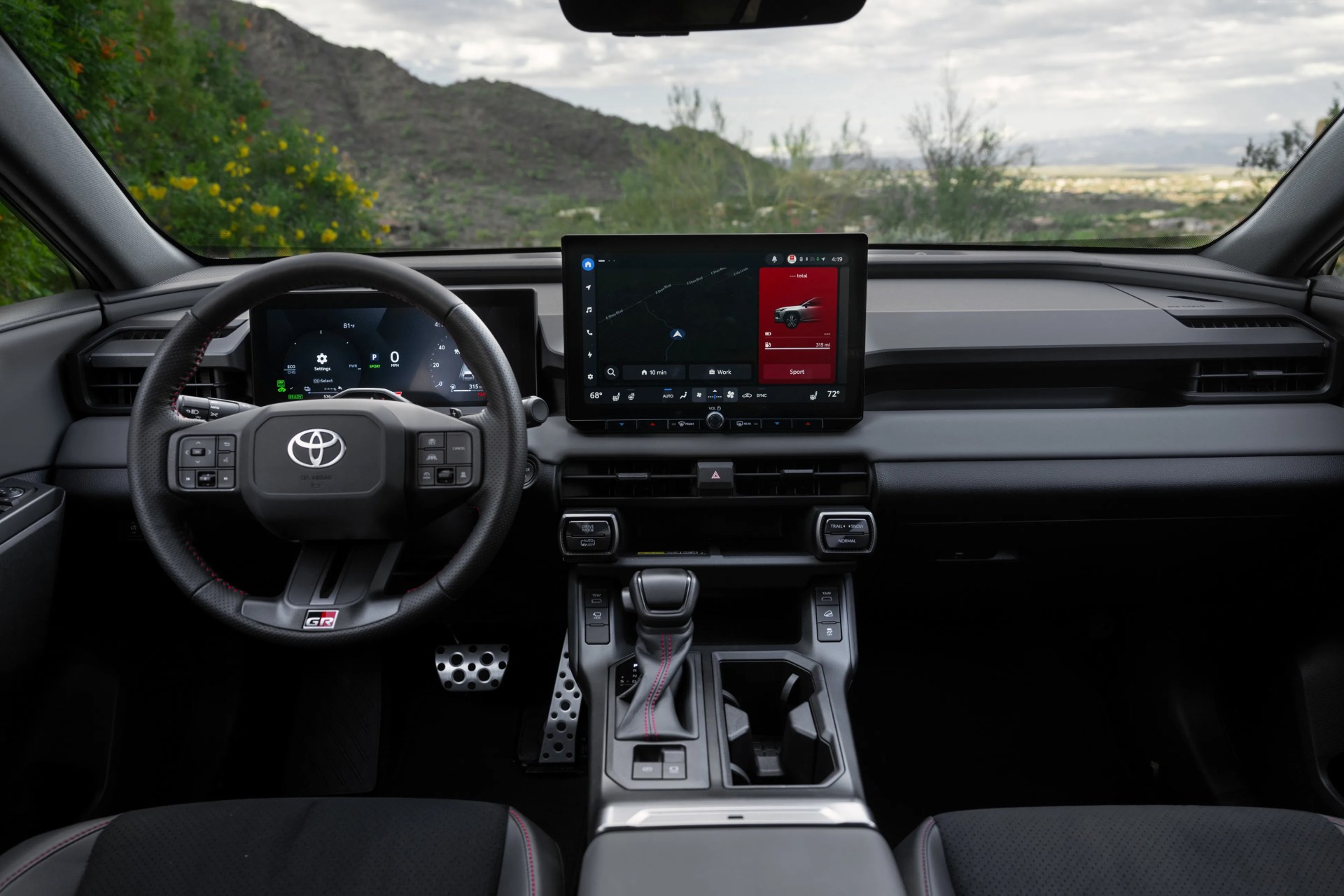
Black Toyota GR steering wheel and dashboard with digital displays and center touchscreen in a car interior.
From driving performance to infotainment, OTA updates will keep Toyota’s vehicles current.
Toyota

For buyers, this means that vehicles will invariably hold their value better, as there will be fewer visible changes (i.e., those made to the sheet metal). As such, along with maximizing forward compatibility, this will also reduce the effects of depreciation.

Ghost in the machine

It all sounds pretty good in theory. However, that’s not to say that software-defined vehicles are without their drawbacks. Quite the contrary, in fact.

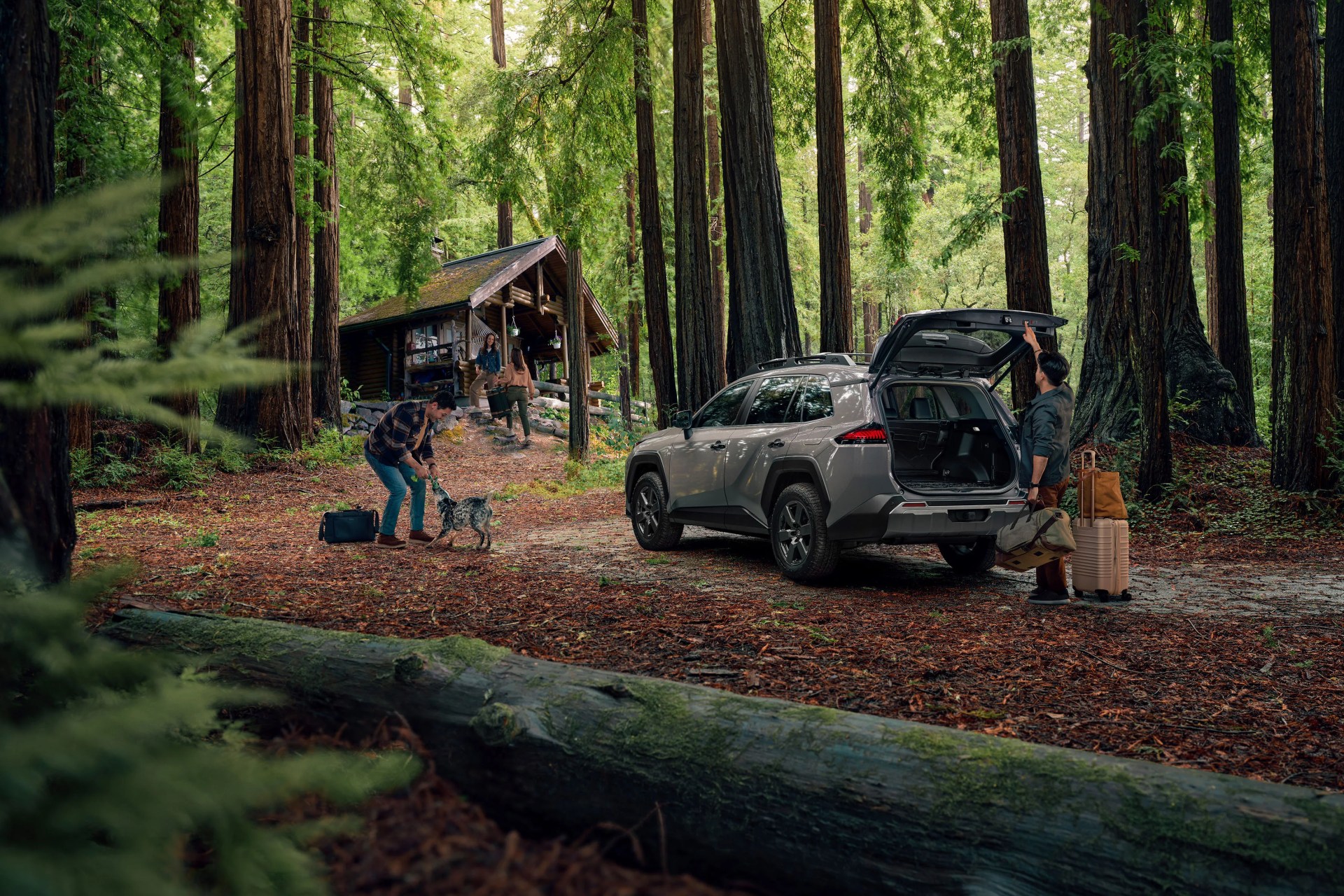
Gray SUV with open rear hatch parked in a forest near a log cabin with people and luggage nearby.
The connectivity that comes with SDVs makes owners more dependent on the manufacturer for service.
Toyota

As brands like Tesla have made evident time and time again, SDVs not only expose users to the possibility of bugs, but also the potential for data leaks.

Be it a relatively minor glitch or something so far-reaching it requires a full-on recall, there are no two ways about it: It’s downright inconvenient to be at the mercy of the manufacturer for a patch, and software-defined vehicles are ever-evolving creations.

It’s especially problematic because, if you’re like most car owners, you’d likely rather not be overly dependent on the brand once you’ve left the dealership.

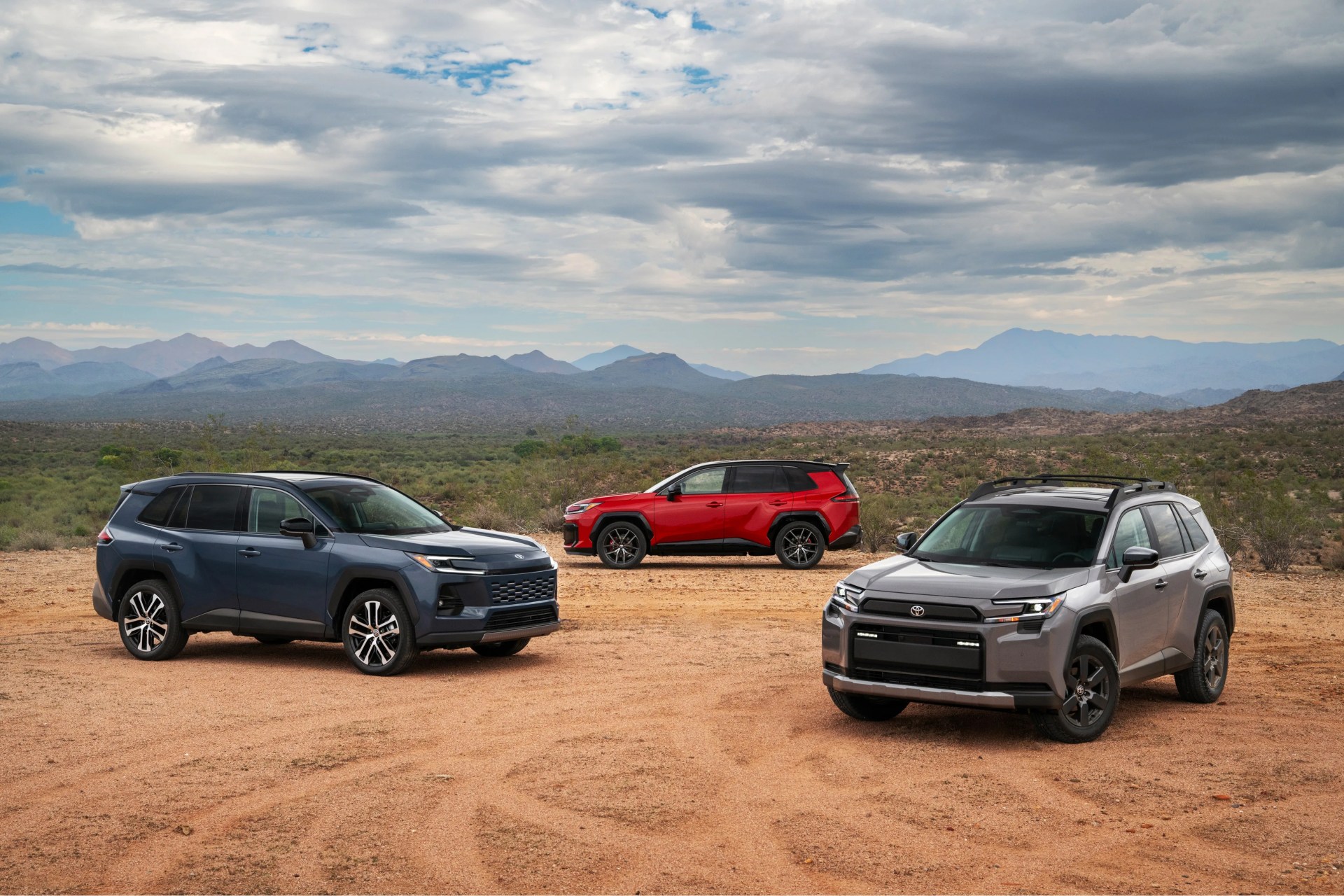
Three mid-size SUVs in gray, blue, and red parked on a dirt area with mountains and cloudy sky in the background.
Toyota has already been extending its product life cycles for flagships, and the move to SDVs will further enable it do so so.
Toyota

Yet, because of the capabilities yielded by OTA updates, many brands are instead making certain features only available through subscriptions, effectively locking drivers into rolling commitments, not unlike cell phone plans or streaming services.

It poses potential disadvantages to the traditional dealership model, too, as customers won’t need to buy a new car in order to get the latest and greatest features. Rather, they’ll be able to avoid the showroom experience entirely, as new releases will instead be available via a download.

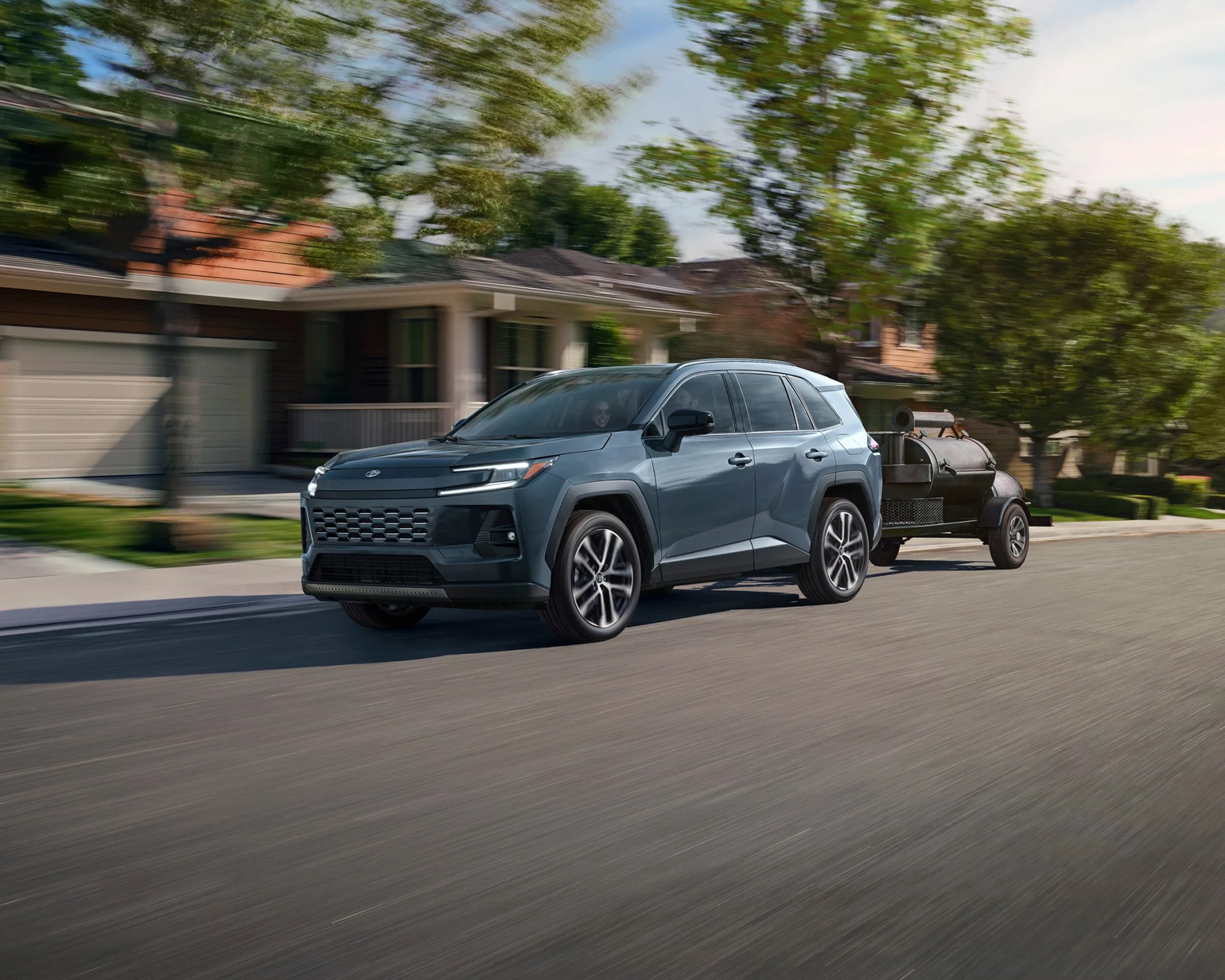
Blue Toyota SUV towing a black barbecue smoker trailer on a suburban street.
Toyota isn’t alone in wanting to prolong generational updates for the sake of cutting down on manufacturing costs.
Toyota

A sign of the times

Noteworthy as it is that Toyota is extending the life cycle of its flagships, the Japanese automaker isn’t alone in this trend. Across the industry, automakers are looking towards longer production runs with an increased reliance on tech. As such, many other mainstream manufacturers like Ford and Chevrolet have embraced software-defined vehicles as well.

While a shift to SDVs brings with it some impressive capabilities, it does also, unfortunately, introduce more subscription opportunities. And, regardless of where you stand on tech integration in vehicles, there’s no denying that another month-to-month charge is the last thing we need in an age of streaming services.

Want to stay up to date on the latest product news and releases? Add Gear Patrol as a preferred source to ensure our independent journalism makes it to the top of your Google search results.

add as a preferred source on google
,