
A Beloved, Affordable, Entry-Level Honda Motorcycle Just Got Even More Approachable

The red brand’s unique shift-assisting tech makes taking up the two-wheeled lifestyle easier — without sacrificing street cred.

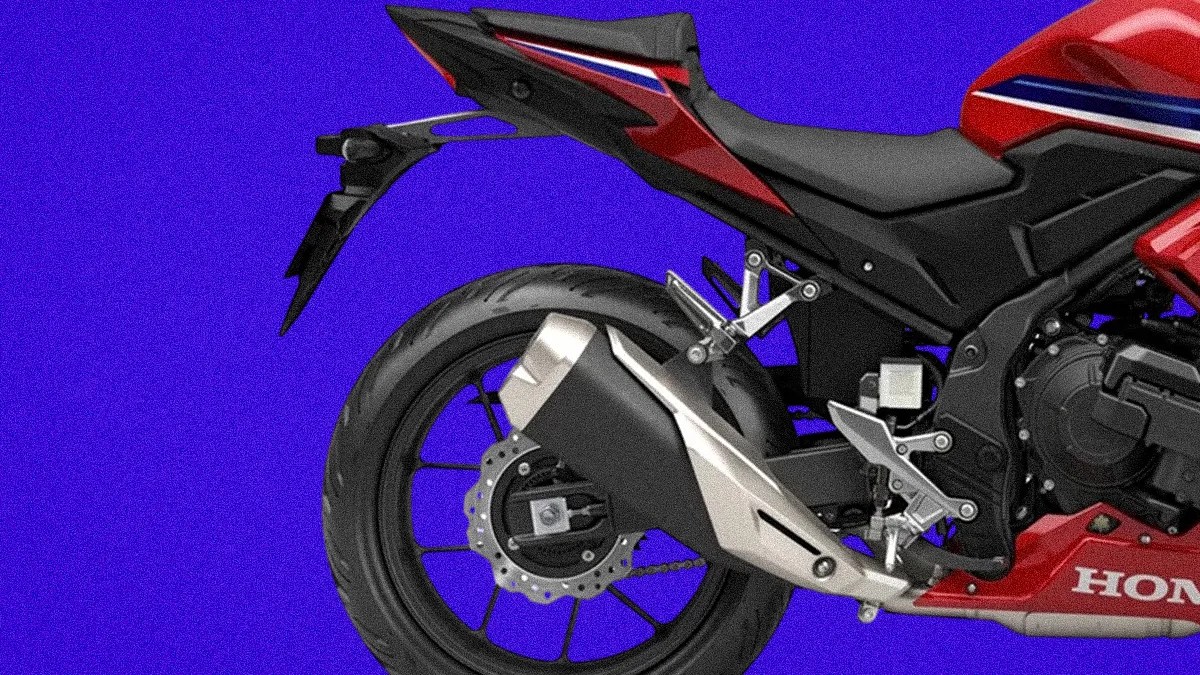
Rear side view of a red Honda motorcycle showing the rear wheel, exhaust, and part of the seat against a blue background.Honda

If you buy from a link, we may earn a commission. Learn more

As one of the most innovative brands in motorcycling, Honda has consistently demonstrated a knack for keeping up with and even getting ahead of the times.

Its upcoming electric moto, the WN7, is one instance. But when it comes to right now, a much stronger example is the steady rollout of its E-Clutch technology to more and more bikes in the stable.
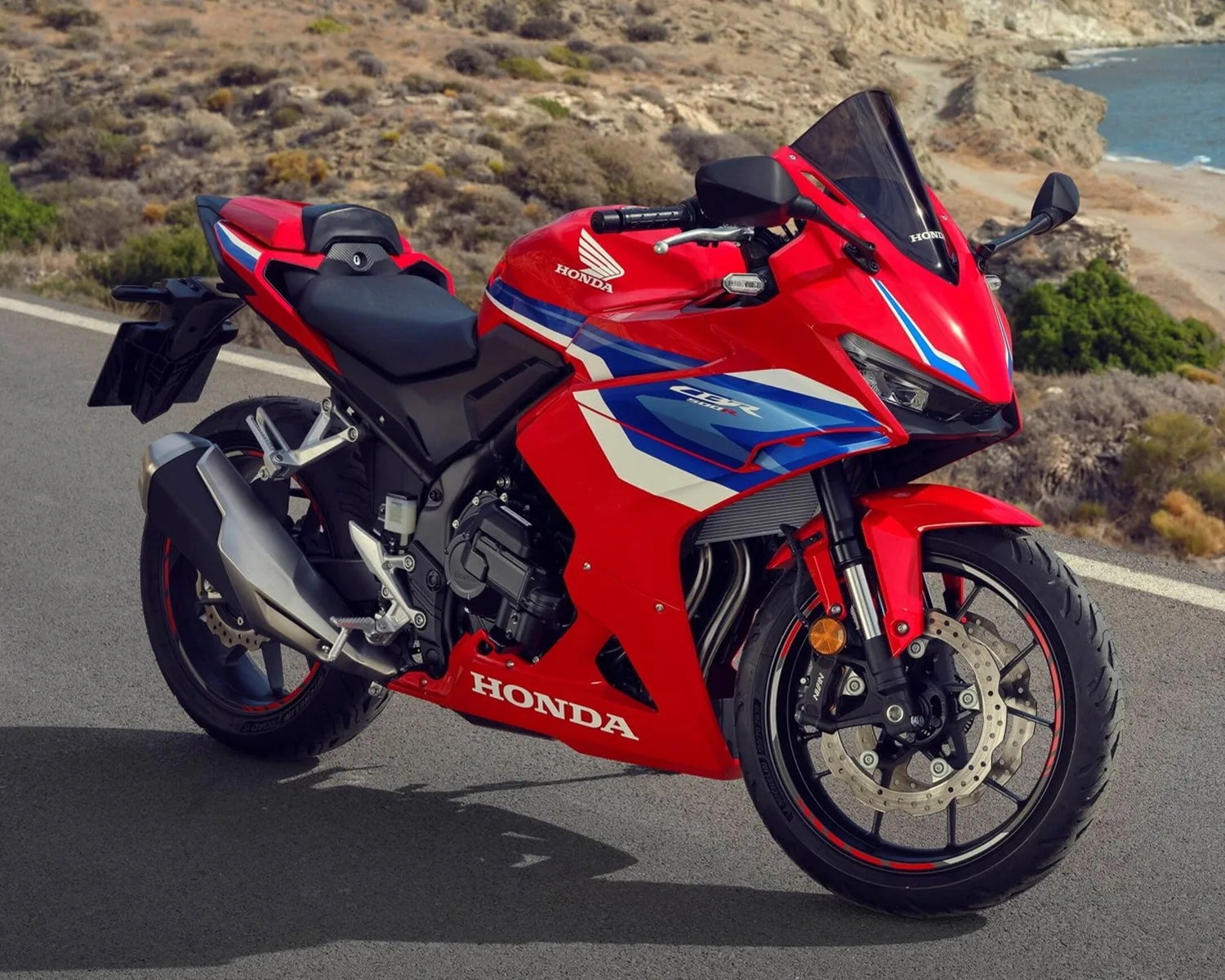
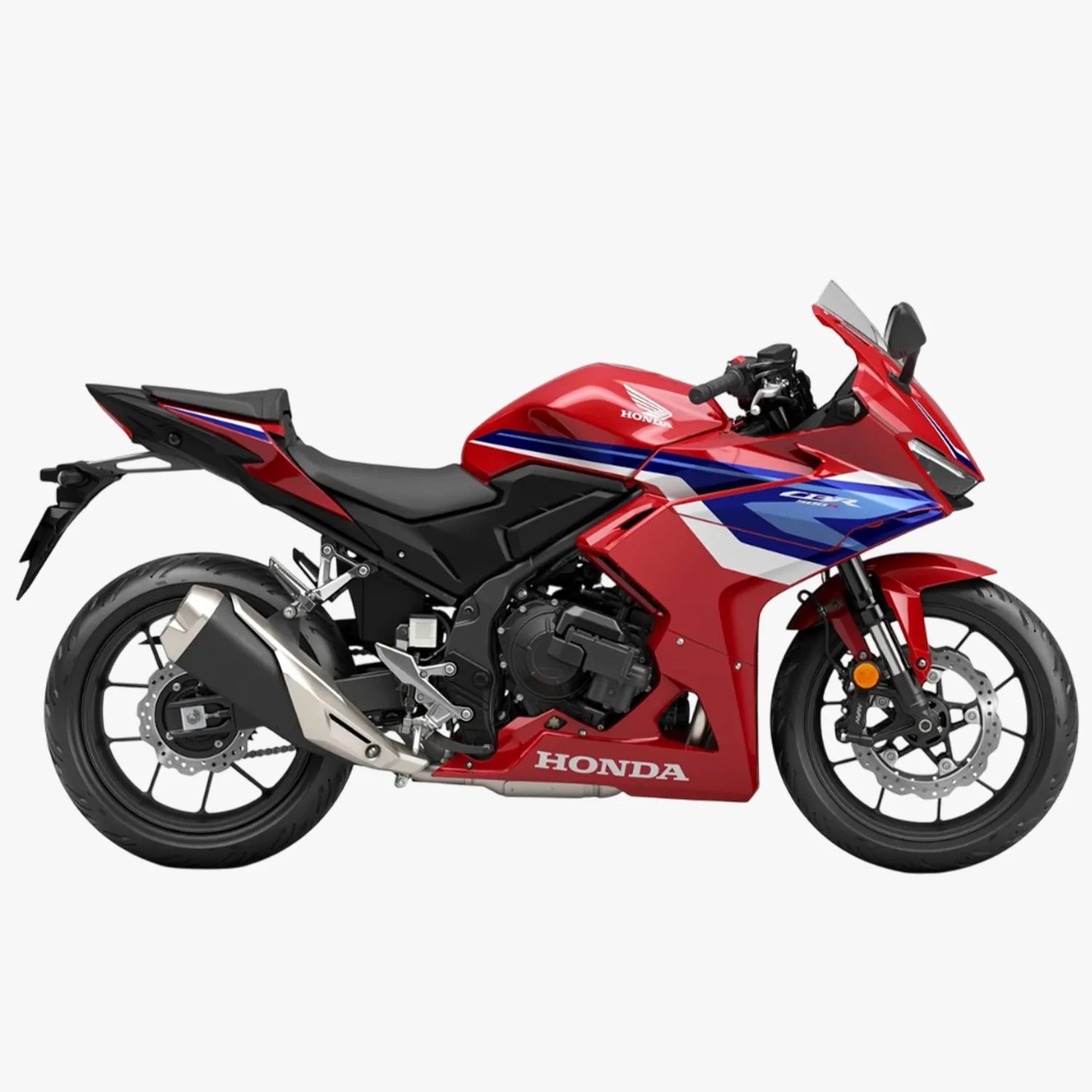
Red Honda CBR sport motorcycle with blue and white accents parked on a road near a rocky coastline.
The new CBR500R has a lot in common with its popular predecessors — and one huge difference.
Honda

We’ve tracked its introduction into such bikes as the CB650R (Patient Zero, if you will), the Rebel 300 and the Transalp

All those moves make sense for different reasons, but it might have just found the ideal home in the brand’s beloved entry-level superbike, the 2026 CBR500R.

Paradigm shift

While I have discussed E-Clutch in previous stories, I’ve never really delved into the nitty-gritty of the system and why I feel it’s superior to the growing number of alternative automatic and semi-automatic developments from other brands.

The key component is a computerized mechanical actuator that automatically pulls in the clutch when your left foot engages with the shift peg, prevents engine stalling and ensures smooth shifting without the rider ever touching the clutch lever.
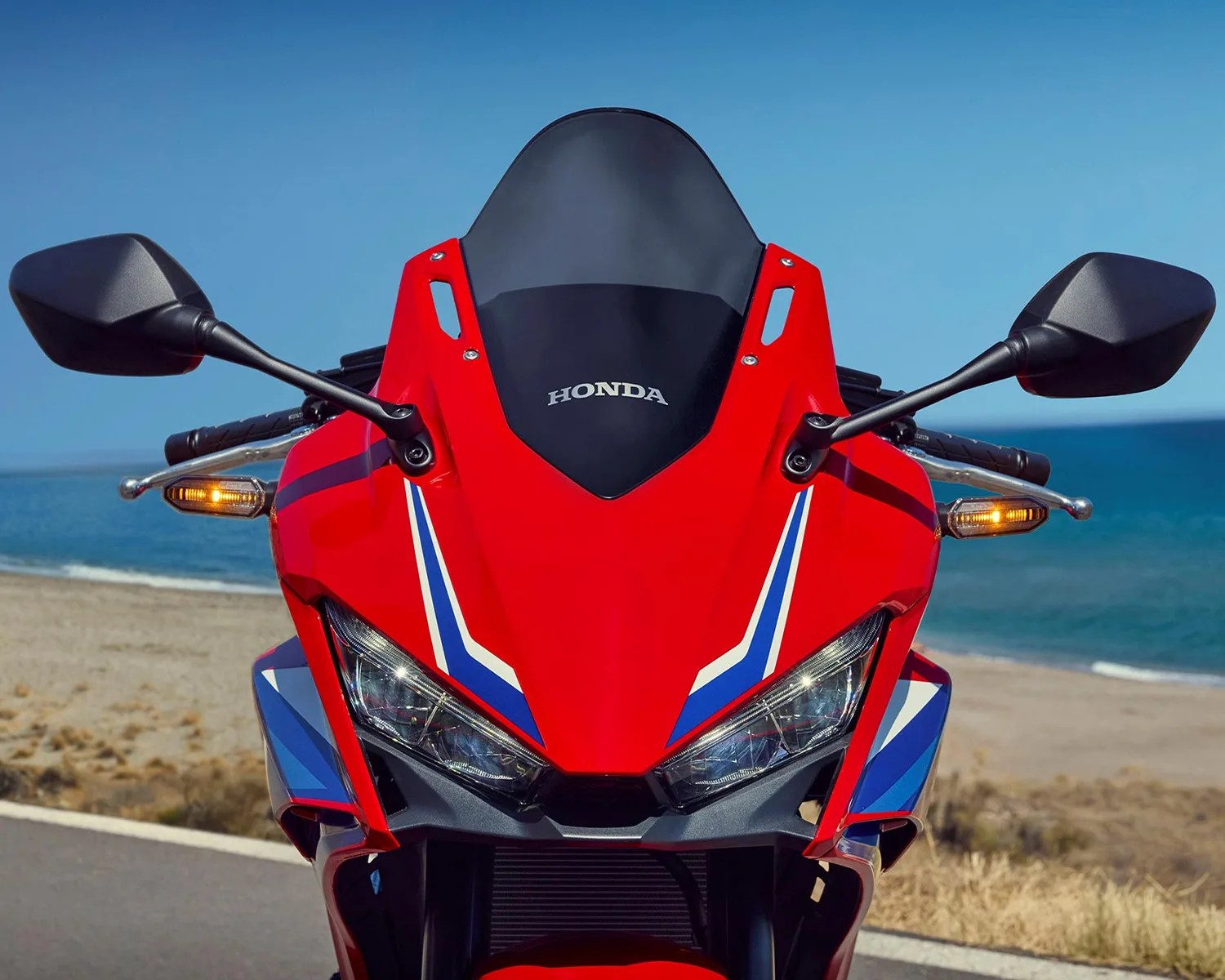
Front view of a red Honda sport motorcycle with blue and white stripes, black mirrors, and turn signals on a coastal road.
Complete with a clutch level, E-Clutch-enabled Hondas look just like strictly manual bikes from the brand.
Honda

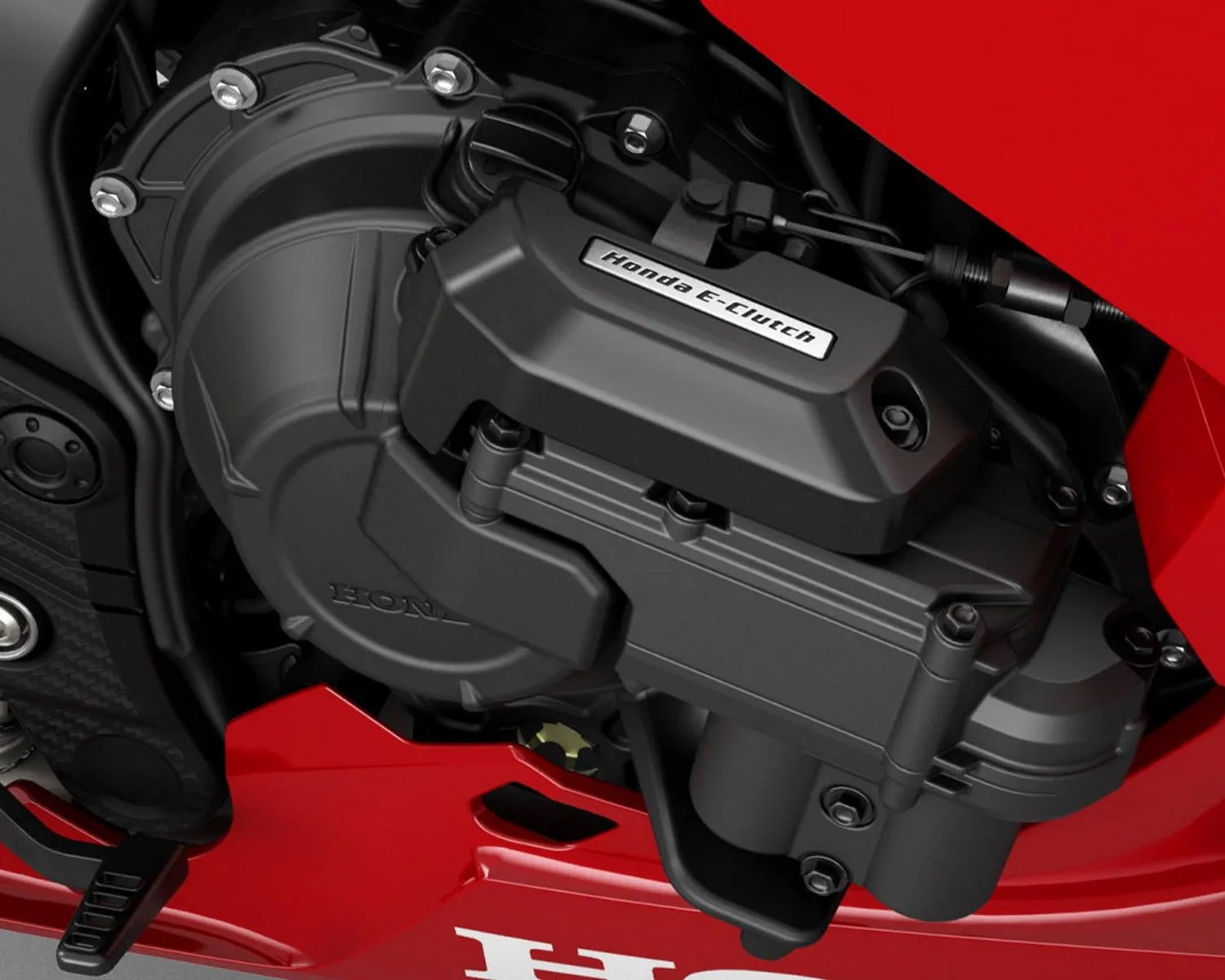
But there’s more nuance here than you might think. First off, there still is a clutch lever in place, so only folks who notice the bit of branding on the engine will suspect you are getting a little help (street cred preserved).

It is not just for looks either: the rider can actively use the lever to override E-Clutch, kind of like how cruise control can be superseded by a roll of the throttle or squeeze of the brake. (Using the clutch lever momentarily deactivates the system, with it coming back online after less than a second at higher revs and five seconds at low revs.)

Second, the system can be set to one of three levels, which determine how much pressure the shift peg (complete with a load sensor) requires to activate the system. 

Close-up of a black Honda E-Clutch engine component on a red motorcycle.
The only real giveaway is this bit of branding, which is thankfully pretty minimal.
Honda

Third, a switch on the left handlebar allows you to straight-up shut off the system and ride it like a traditional manual-shifting motorcycle. 

The clutch actuator and electronics do add a bit of weight to the bike, around 6 pounds. But considering the non-E-Clutch version of the bike we are talking about today has a curb weight of 421 pounds (plus an inseam-friendly 30.9-inch seat height), that’s barely over one percent.

Ready to rumble

The reason I am stoked to see it appear on this bike — along with two other members of the brand’s 471cc parallel-twin family, the CB500 Hornet and NX500 — is that it already balances approachability and performance beautifully. 

This tech merely improves the former without really sacrificing the latter, meaning it’s a bit easier for new riders to learn on, but it’s got enough oomph that it can grow with them. (Plus their more experienced older brother or sister can borrow it for the weekend and not turn up their nose.) 

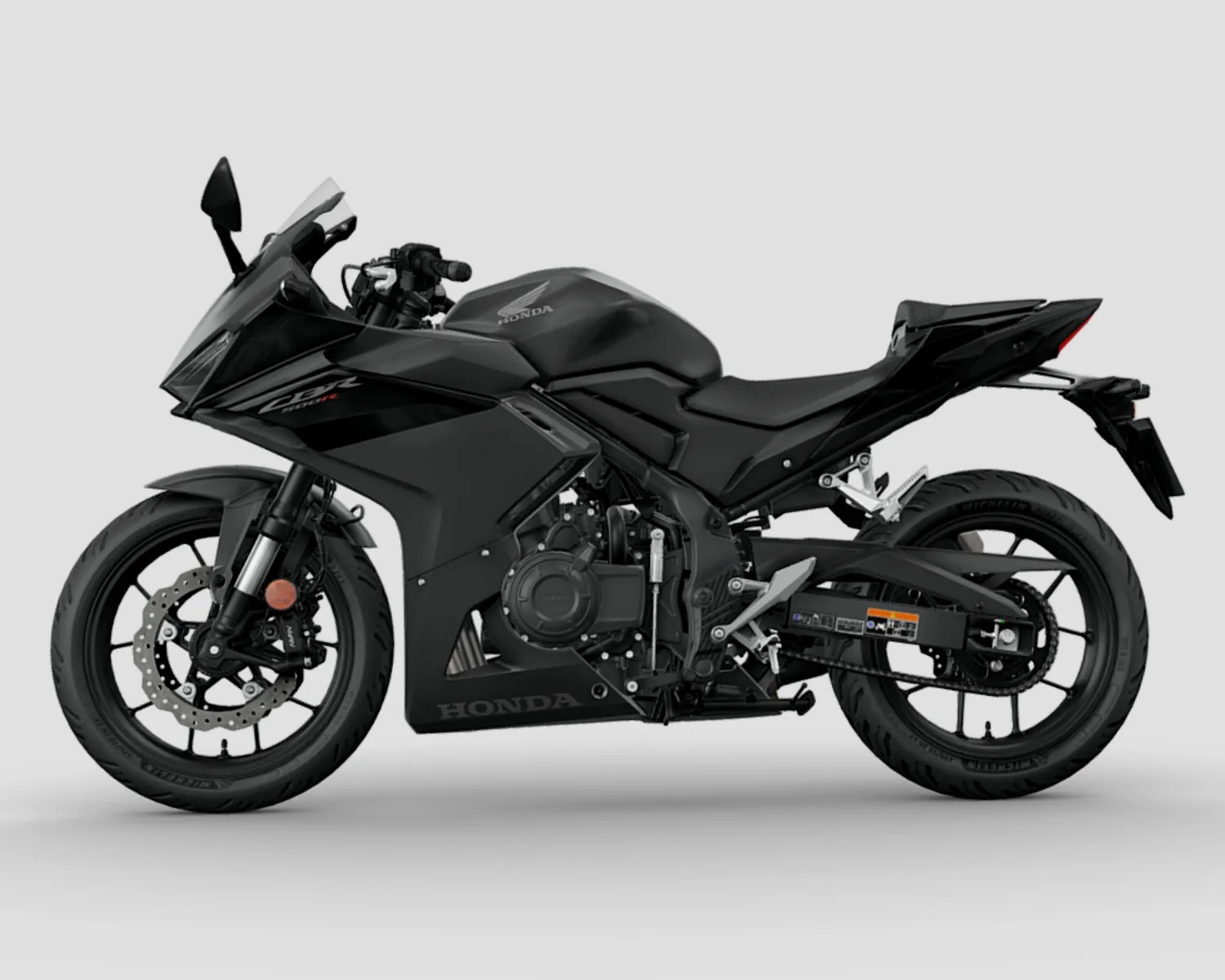
Matte black Honda CBR 500R sport motorcycle with full fairing and disc brakes on gray background.
If the well-known red, white and blue colorway doesn’t work for you, Honda also makes this darkly dazzling alternative.
Honda

With the engine making 47 horsepower at 8,500 rpm, peak torque of 32 ft-lbs at 6,500 rpm and top speed of 109 mph, you’ve got more than enough zip to make moves in urban gridlock, lean out in the twisties and hold your own on the highway.

Suspension is handled by Showa 41mm upside-down forks and a Prolink monoshock with a five-stage pre-load adjuster.

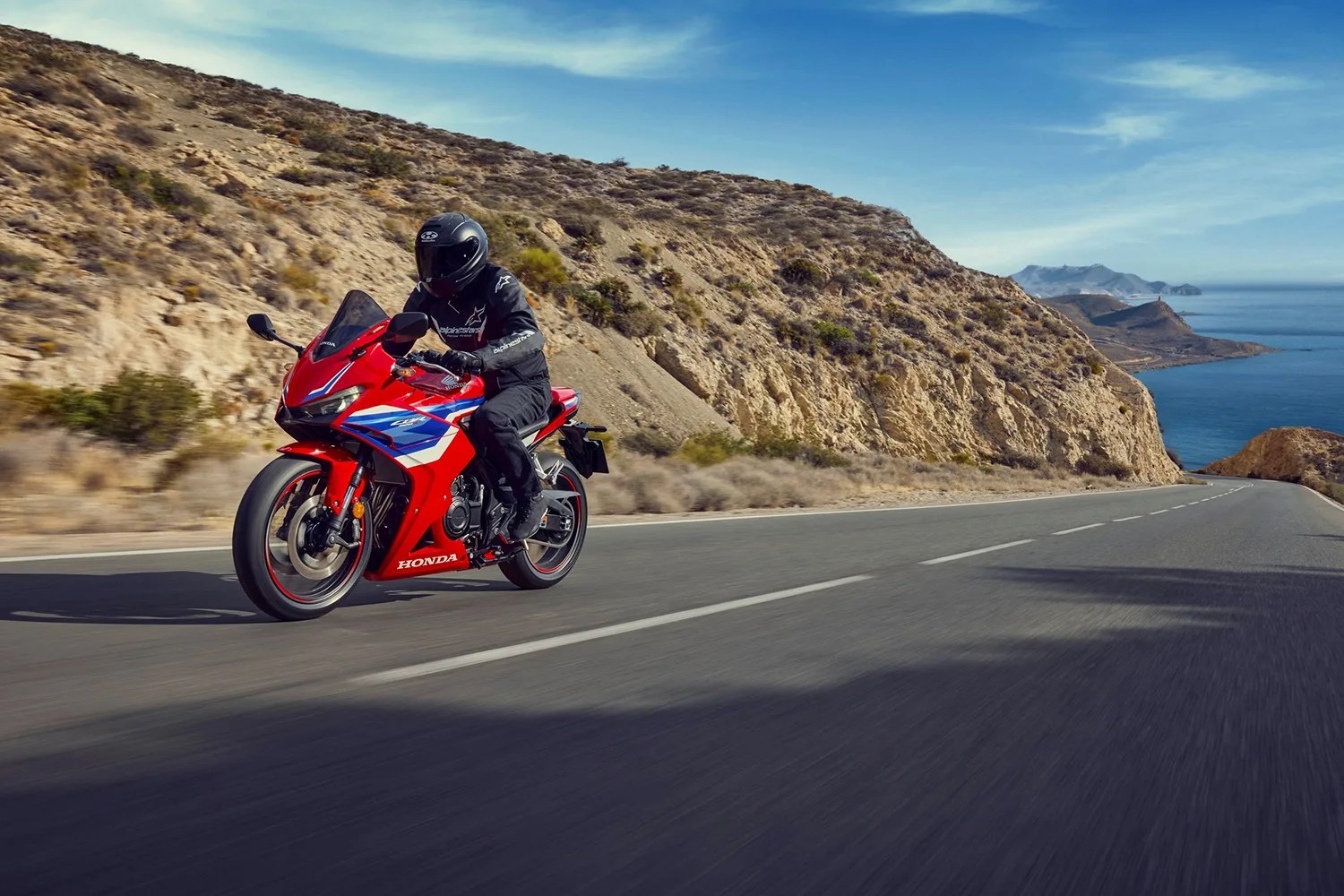
Red Honda sport motorcycle with blue and white accents ridden on a coastal road with rocky hills and ocean in the background.
The CBR500R is probably most at home in this scenario, an open two-lane road perfect for bobbing and weaving.
Honda

Braking comes from dual 296mm discs with Nissin radial-mount four-piston calipers (front) and a single 240mm disc with a single-piston caliper (rear), complemented by 2-channel ABS.

Throw in LED lighting and a 5-inch TFT display for monitoring data and pairing with Honda Roadsync for turn-by-turn navigation, and you’ve got yourself one helluva bike — no matter your experience level. 

Availability and pricing

The 2026 Honda CBR500R is scheduled to hit UK dealerships early next year at a starting price of £6,899, equivalent to just a bit over $9,100. I would not be surprised to see a US announcement in the coming weeks.

Want to stay up to date on the latest product news and releases? Add Gear Patrol as a preferred source to ensure our independent journalism makes it to the top of your Google search results.

add as a preferred source on google