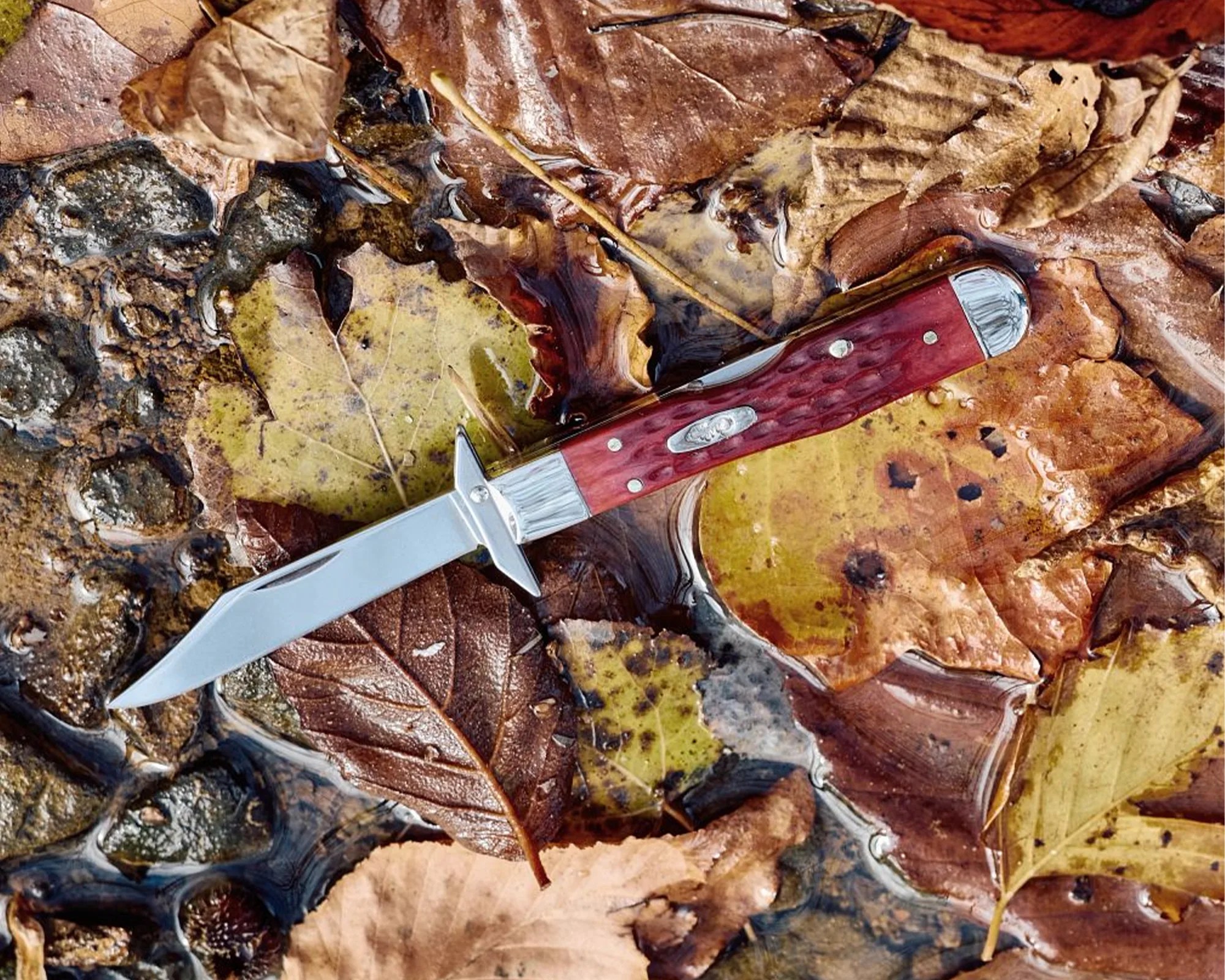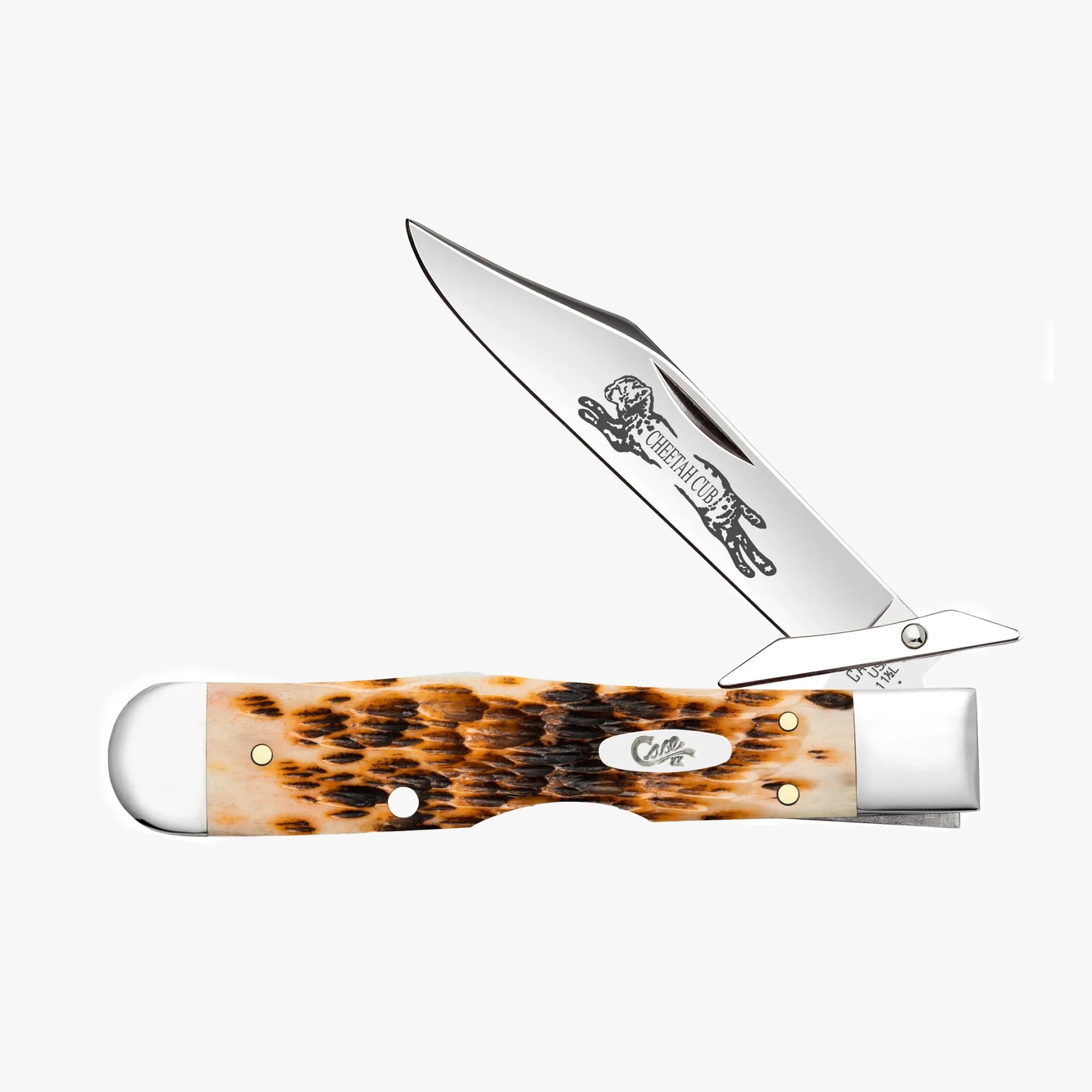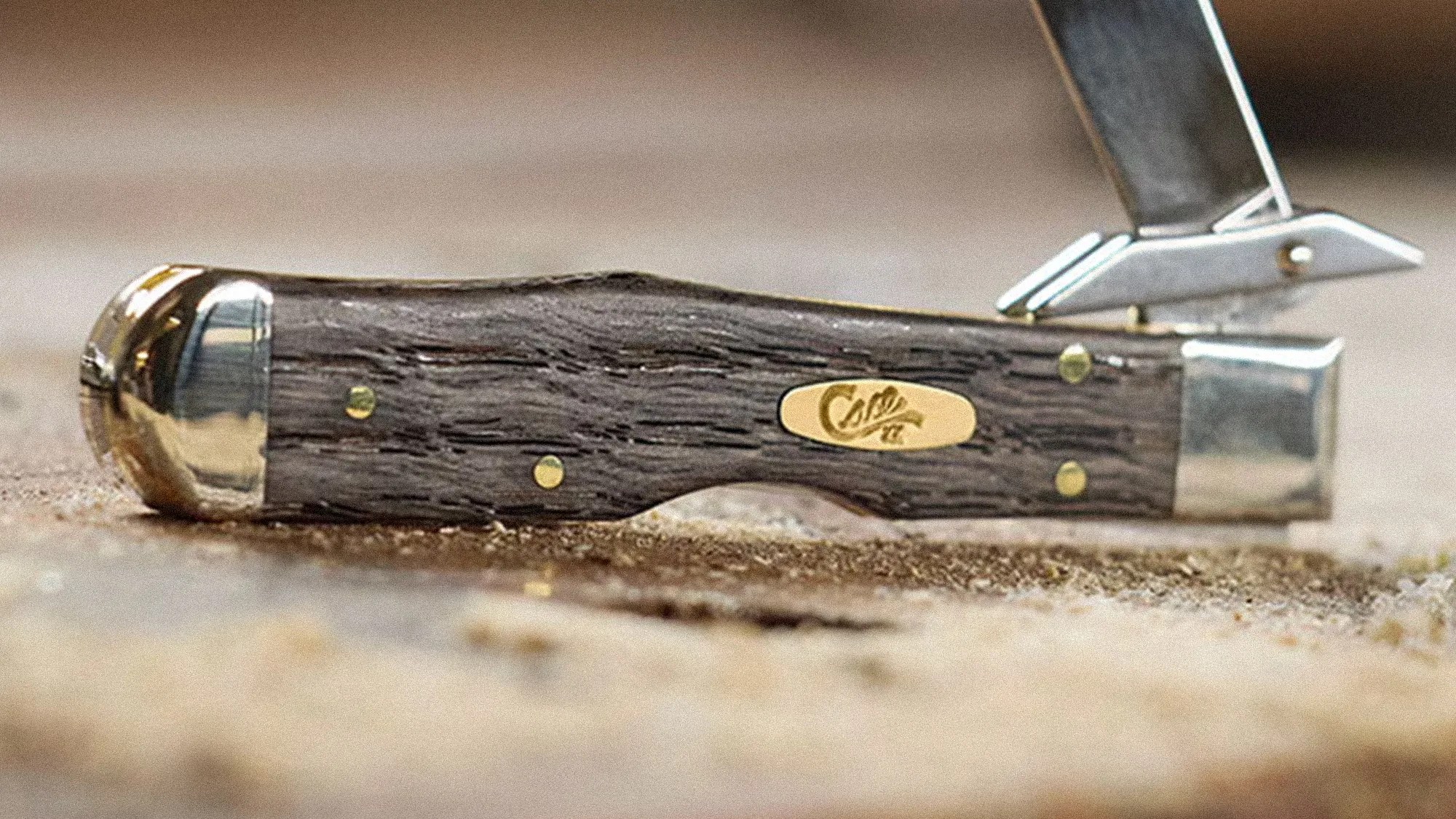


If you take a gander at the majority of swords from the late Middle Ages, you may notice some trendy features not found in the eras before, especially among dueling weapons. One particular development — the crossguard — emerged as armor became more advanced and rendered large, unwieldy shields unnecessary.
Crossguards — transverse metal bars between swords’ blades and hilts — were especially useful for blocking and parrying incoming attacks. Over time (courtesy of the increased prevalence of gunpowder), swords also fell out of fashion and knives became more common — not so much for battle (although there are fighting knives), but as tools.
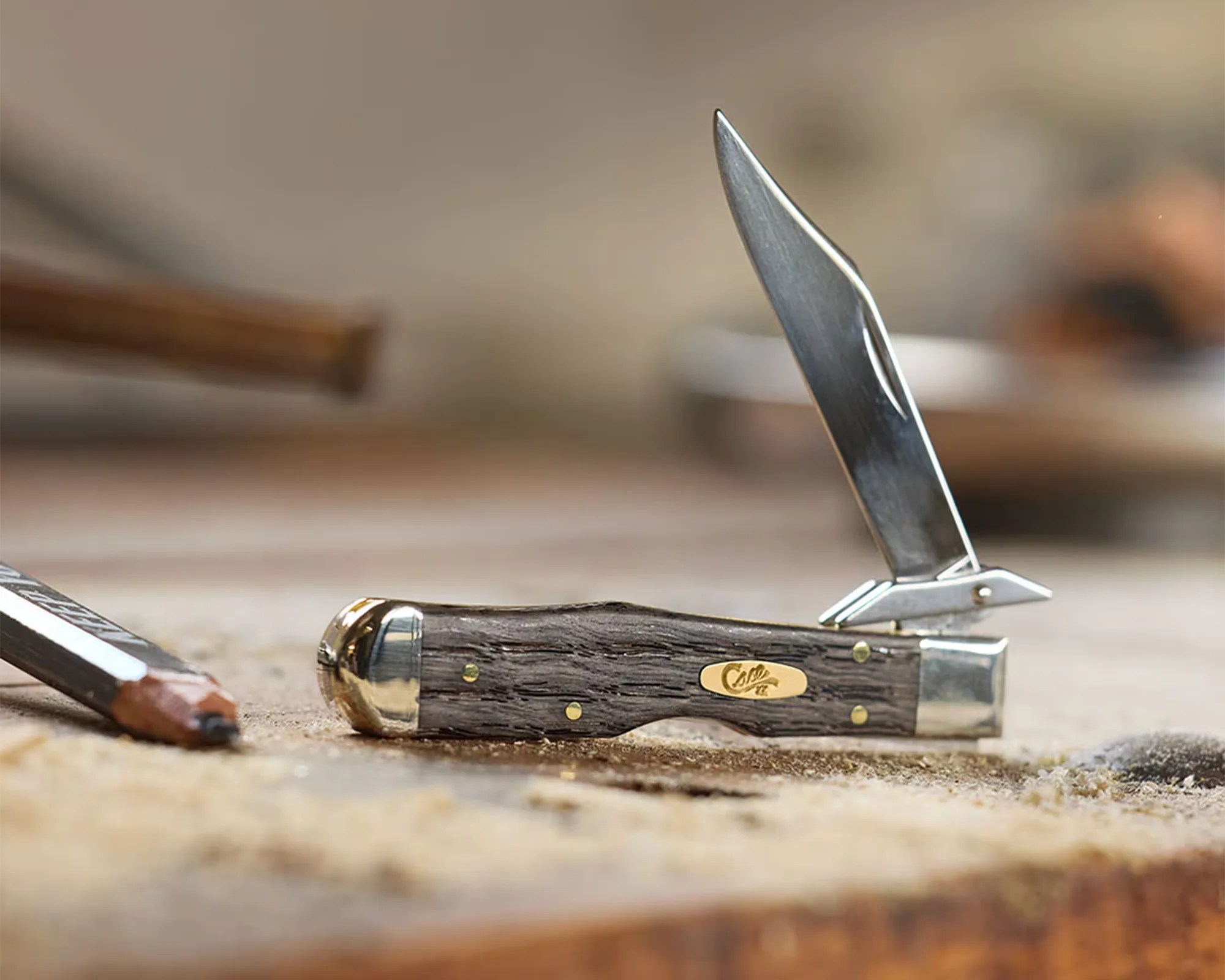
While many fixed-blade knives (especially old-school ones) retain crossguards as safety features to protect the user’s hands and fingers, they aren’t well-suited to folding technology.
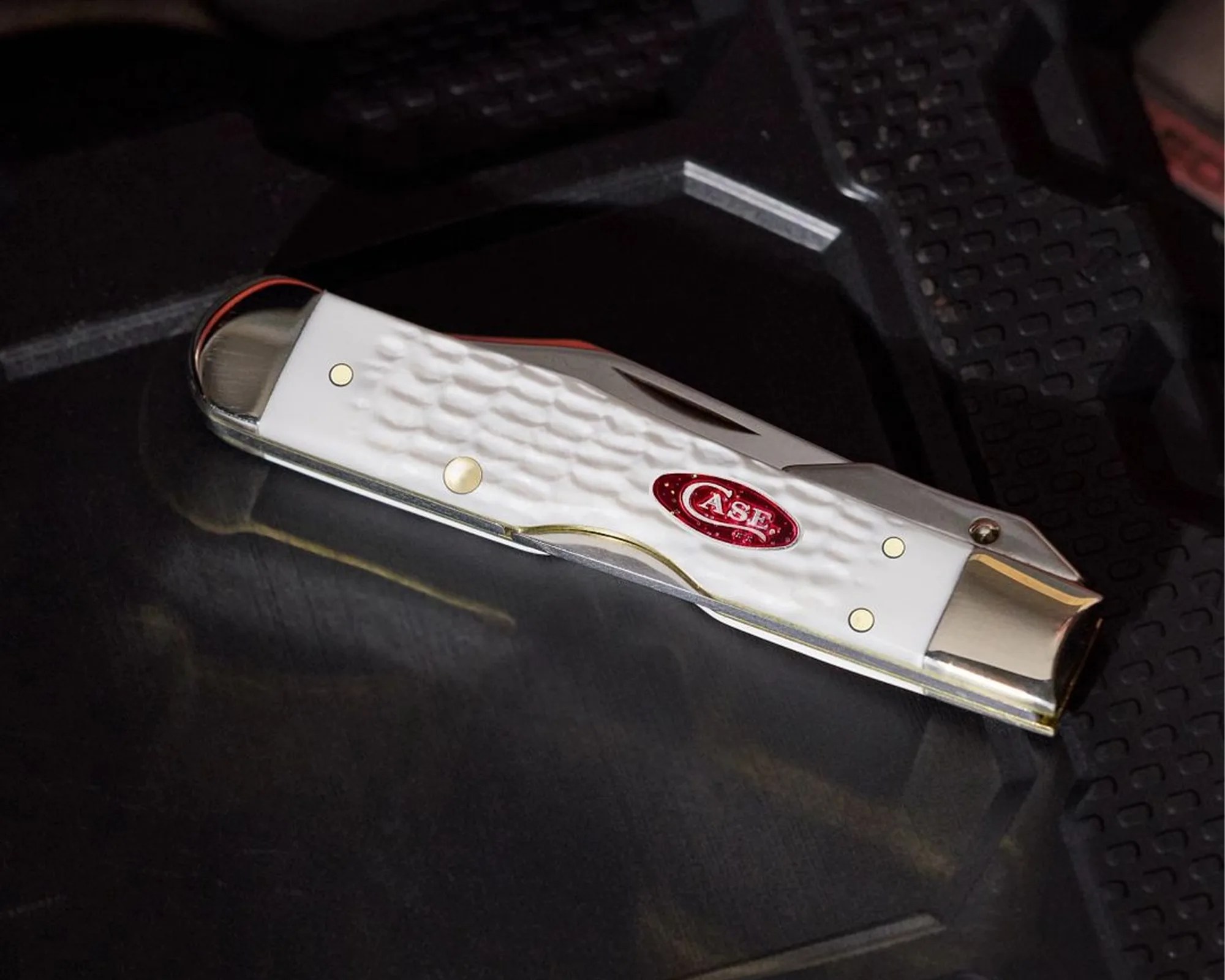
Yet Case, one of America’s oldest and most storied knifemaking brands, innovated a means to have the best of both worlds. Now, that design quirk returns in the 2026 Case Vault Release, the Case Cheetah Cub.
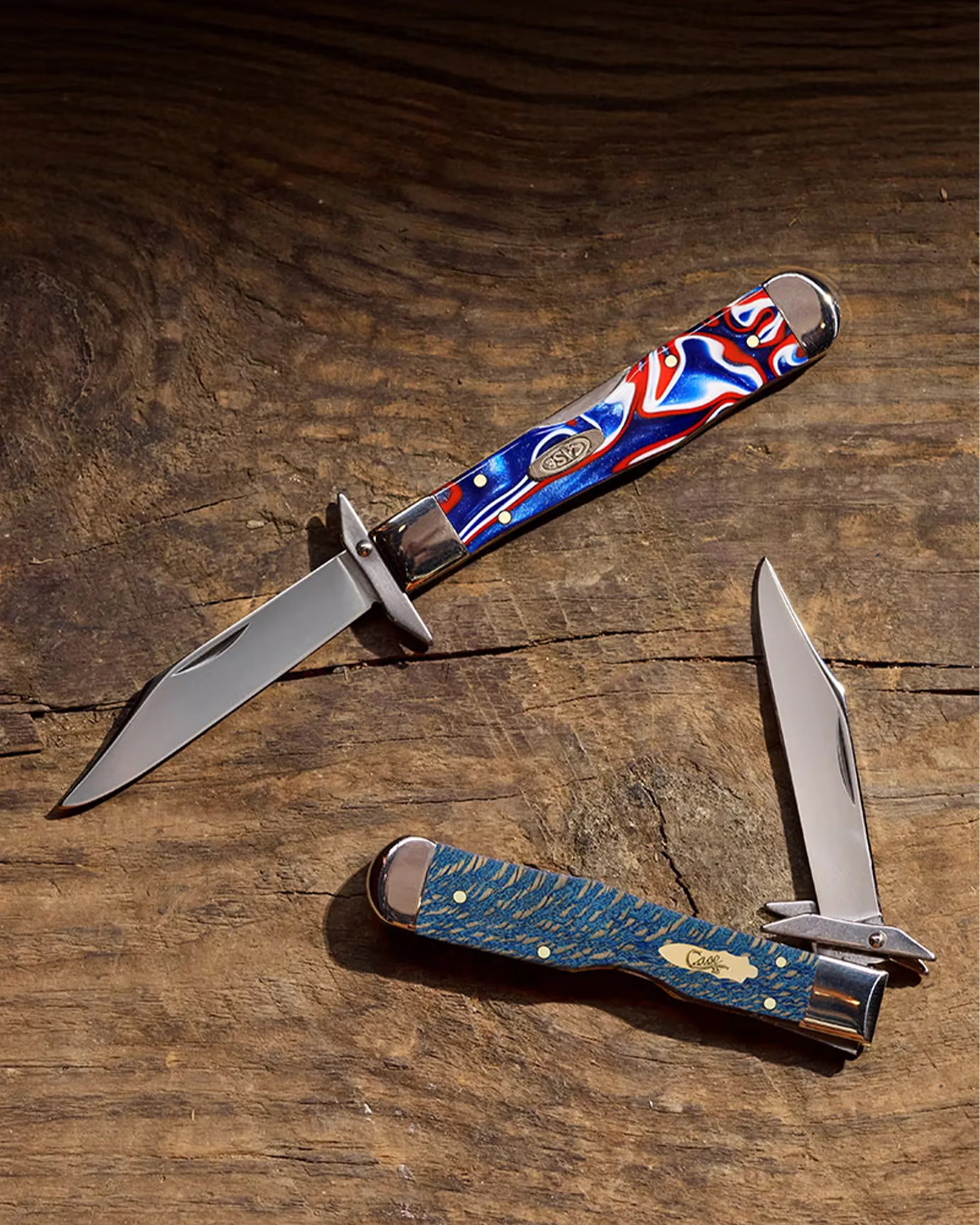
Big cat, little cat
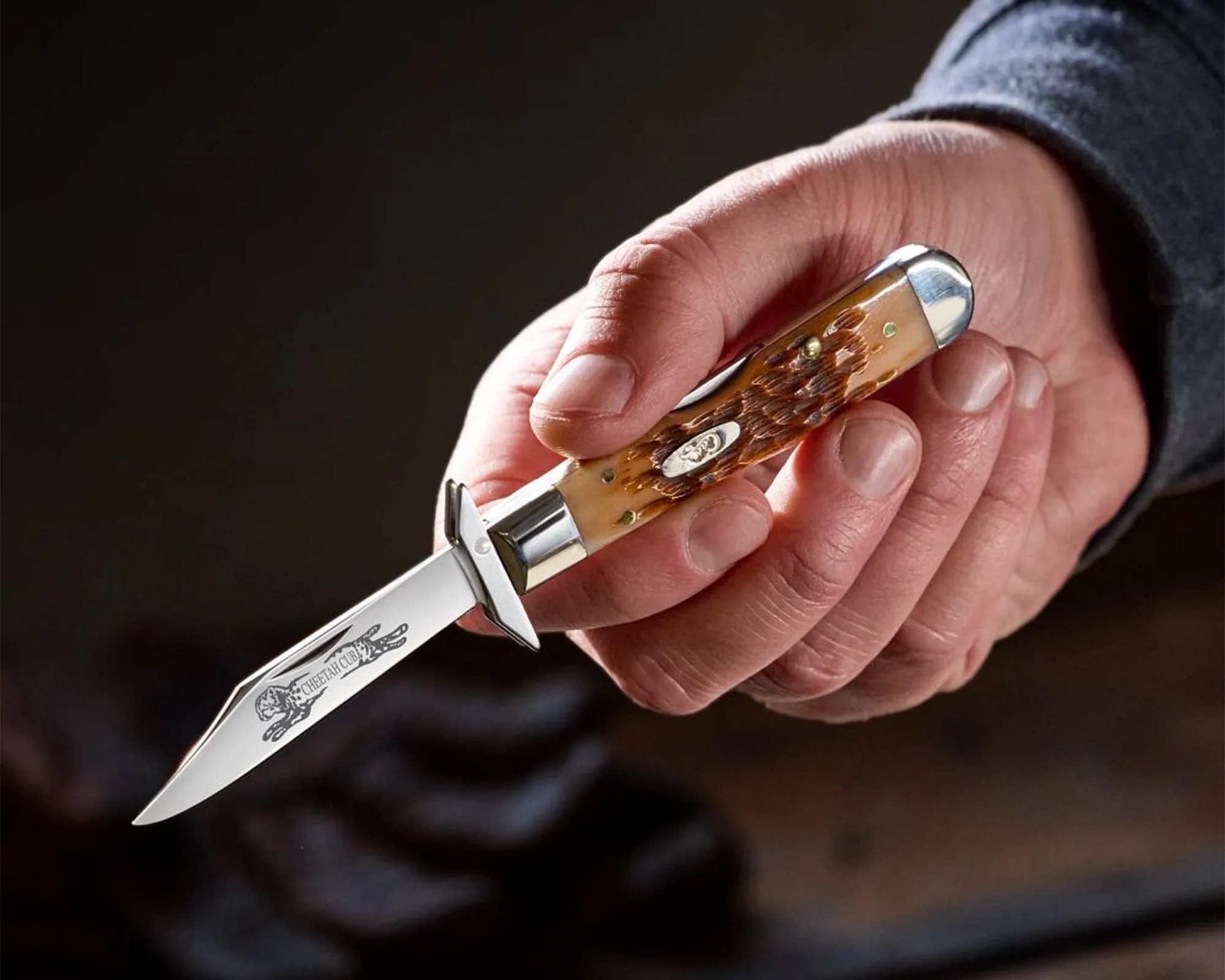
The Cheetah Cub was originally introduced back in 2005, more than 20 years ago. However, its origins actually date back decades longer. This is because the Cheetah Cub is a smaller version of another knife, aptly called the Cheetah.
Functionally, the two knives are the same. They only differ in size. The cub is much smaller, with a 3.5-inch handle, as opposed to the original’s 4.375-inch handle. It also has a smaller blade measuring 2.58 inches, making it legal to carry in many more places, especially those with stringent blade-length laws.