

Although shaft-drive motorcycles are celebrated for their low maintenance and long-term durability compared to their conventional chain-driven counterparts, they’re not without their compromises.
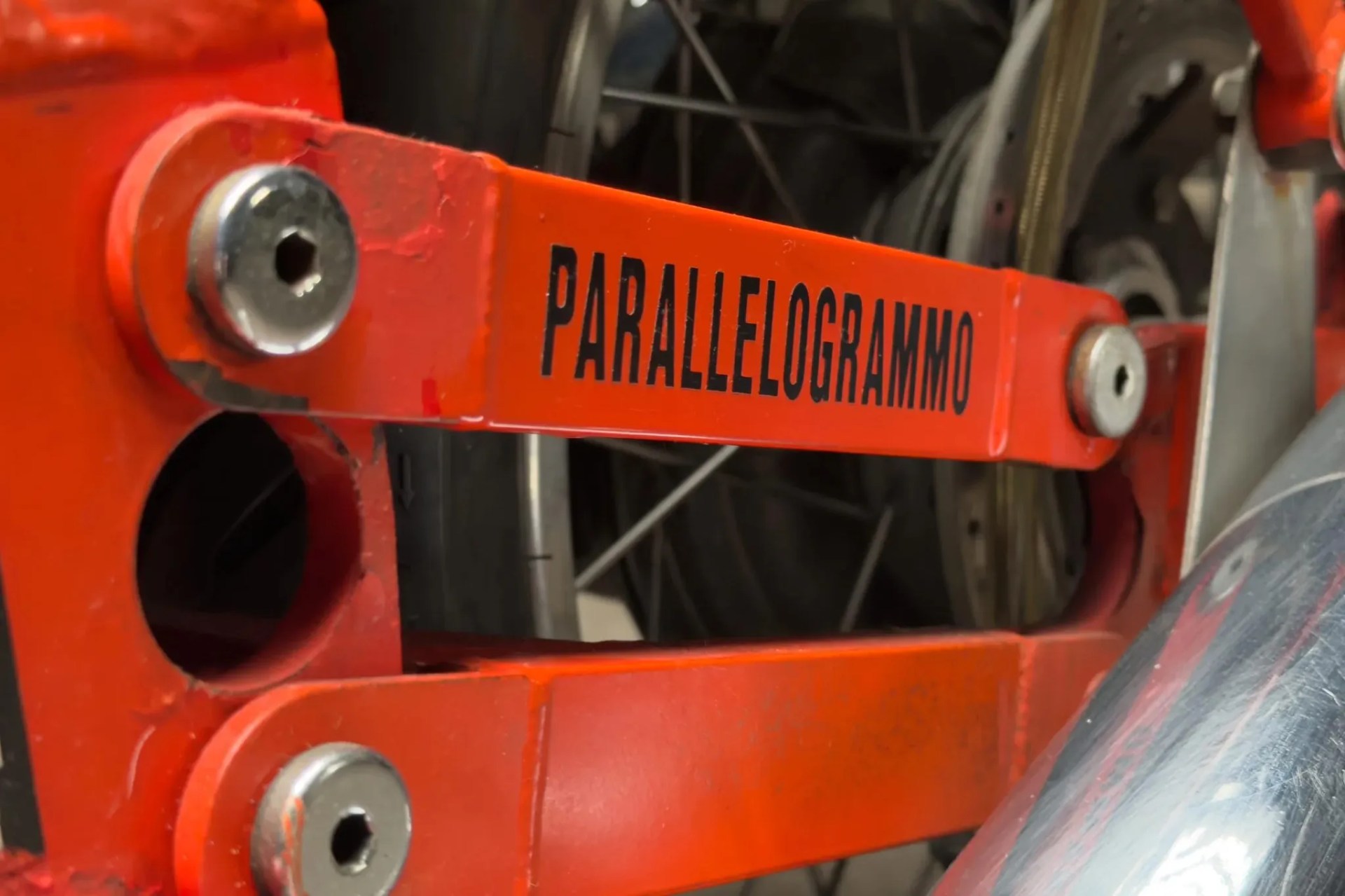
In addition to higher power loss at the rear wheel because of added complexity and extra friction, those that don’t properly accommodate their final drive exhibit a behavior called “jacking.” Put short, the suspension lifts (and can even lock) under acceleration, making the bike taller, less stable and less predictable.
BMW notably introduced its paralever design in 1988 as a means to remedy the problem on bikes like its adventurous boxer-powered GS. At the time, magazines like Cycle World even recognized it as a production first.
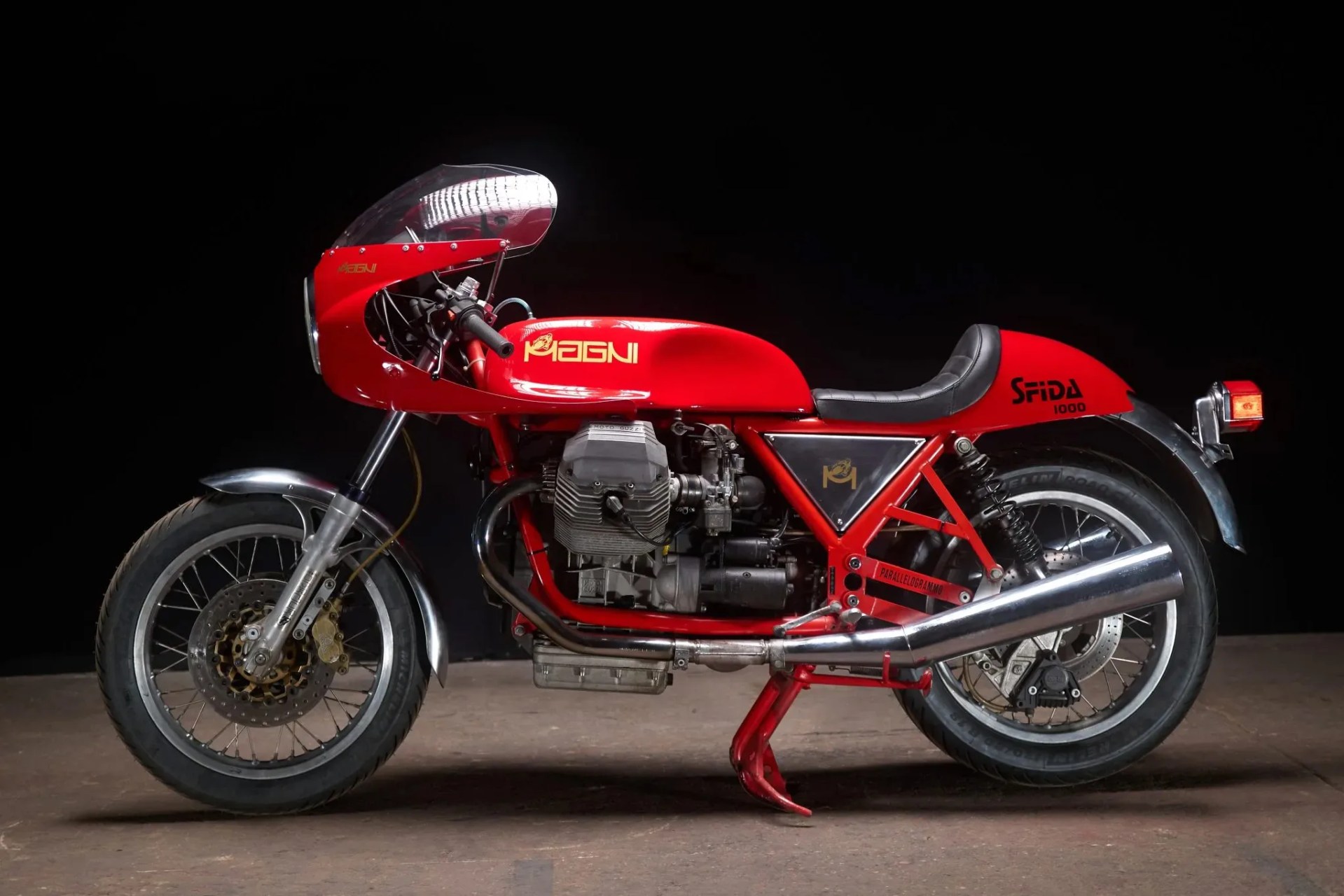
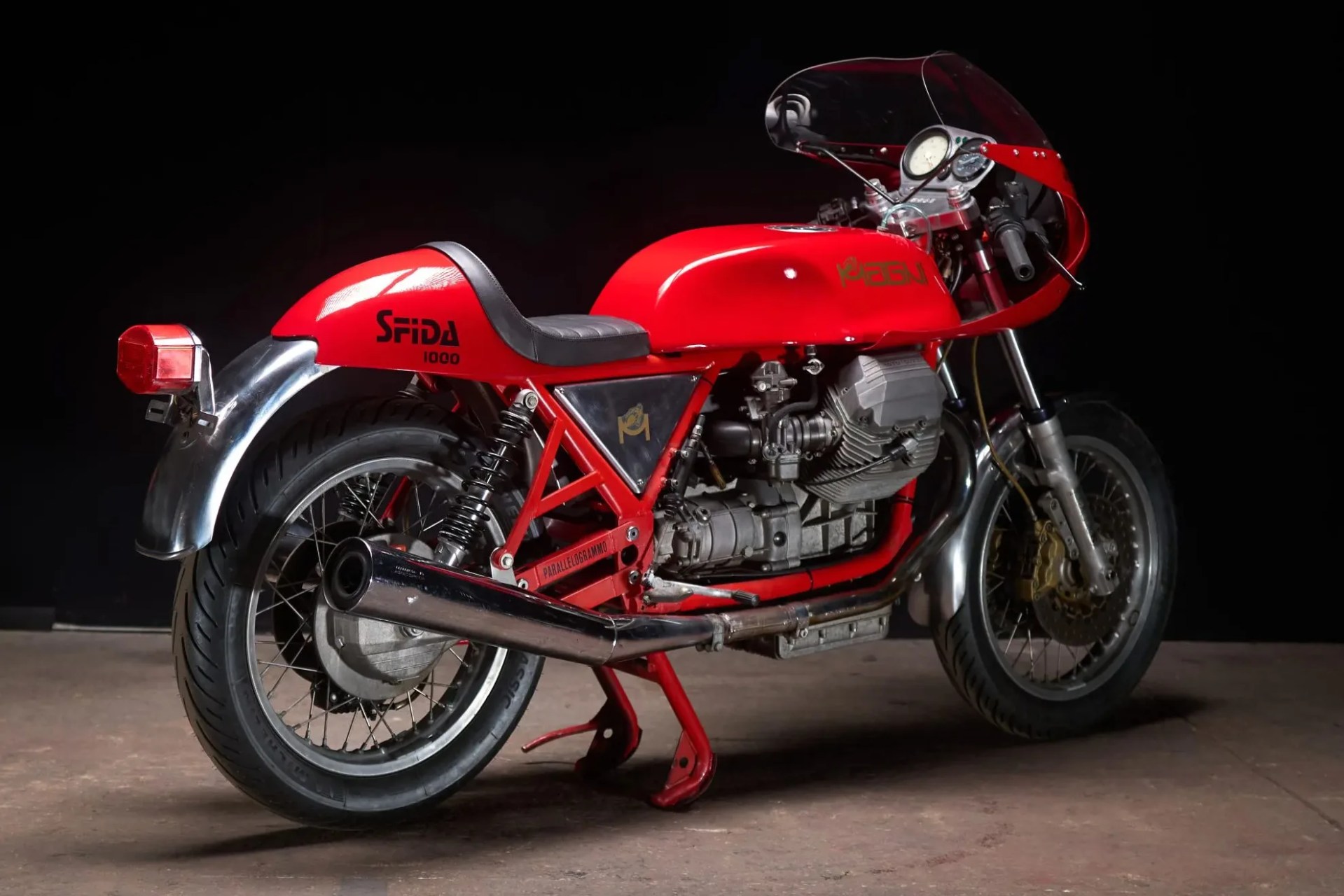
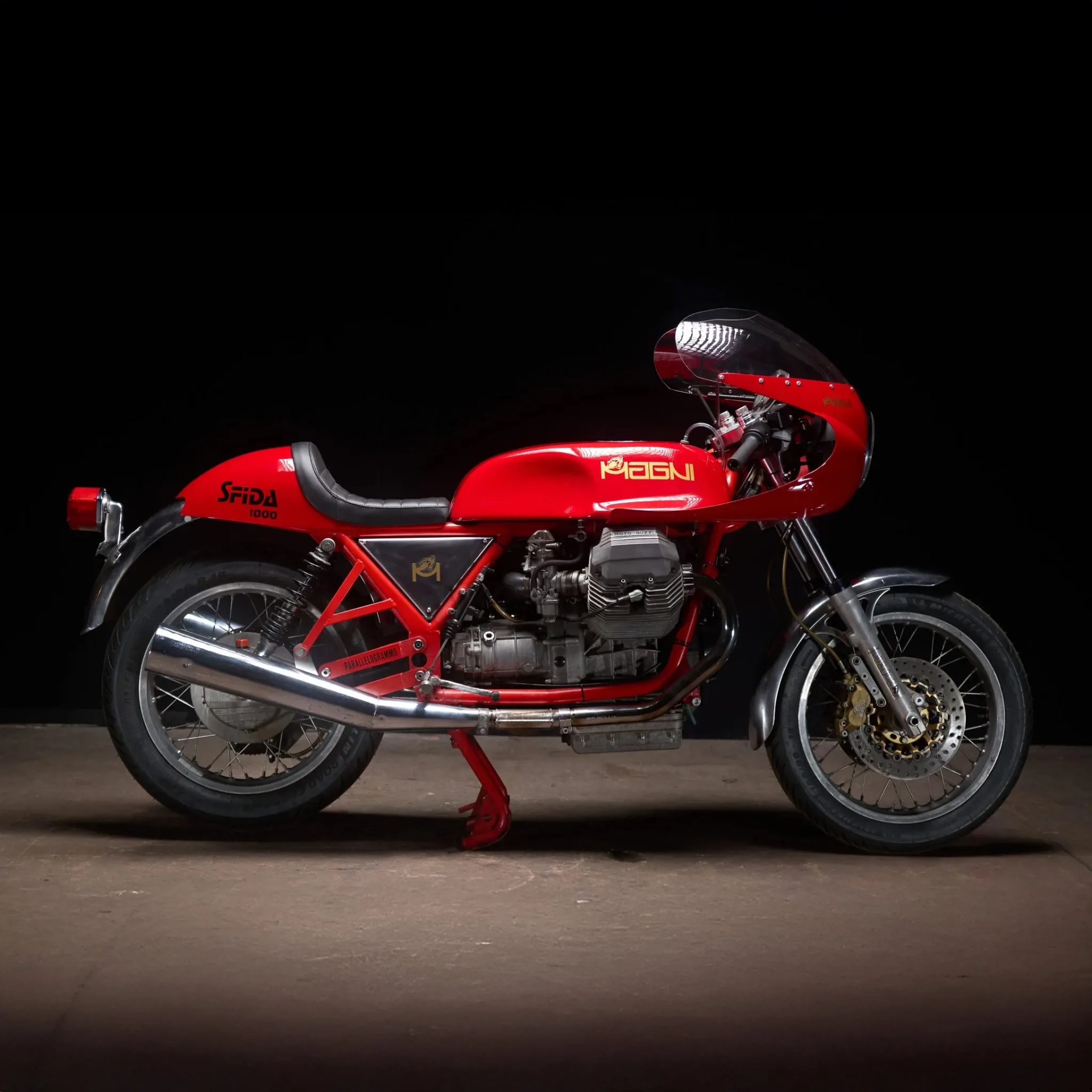
However, while it was an undeniably effective solution, a little-known Italian outfit actually managed to field a fix of its own just a few years before.
An Italian geometry lesson
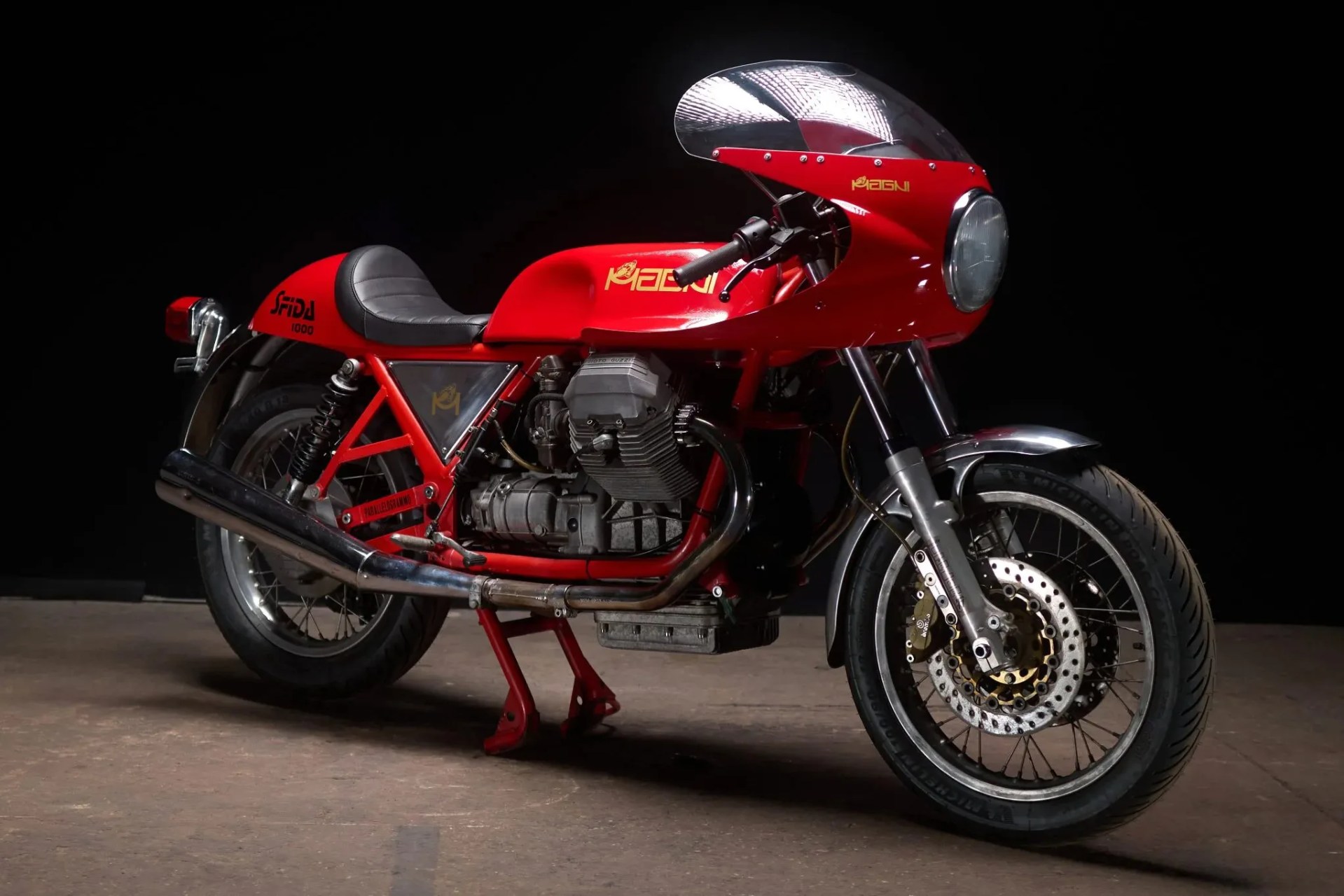
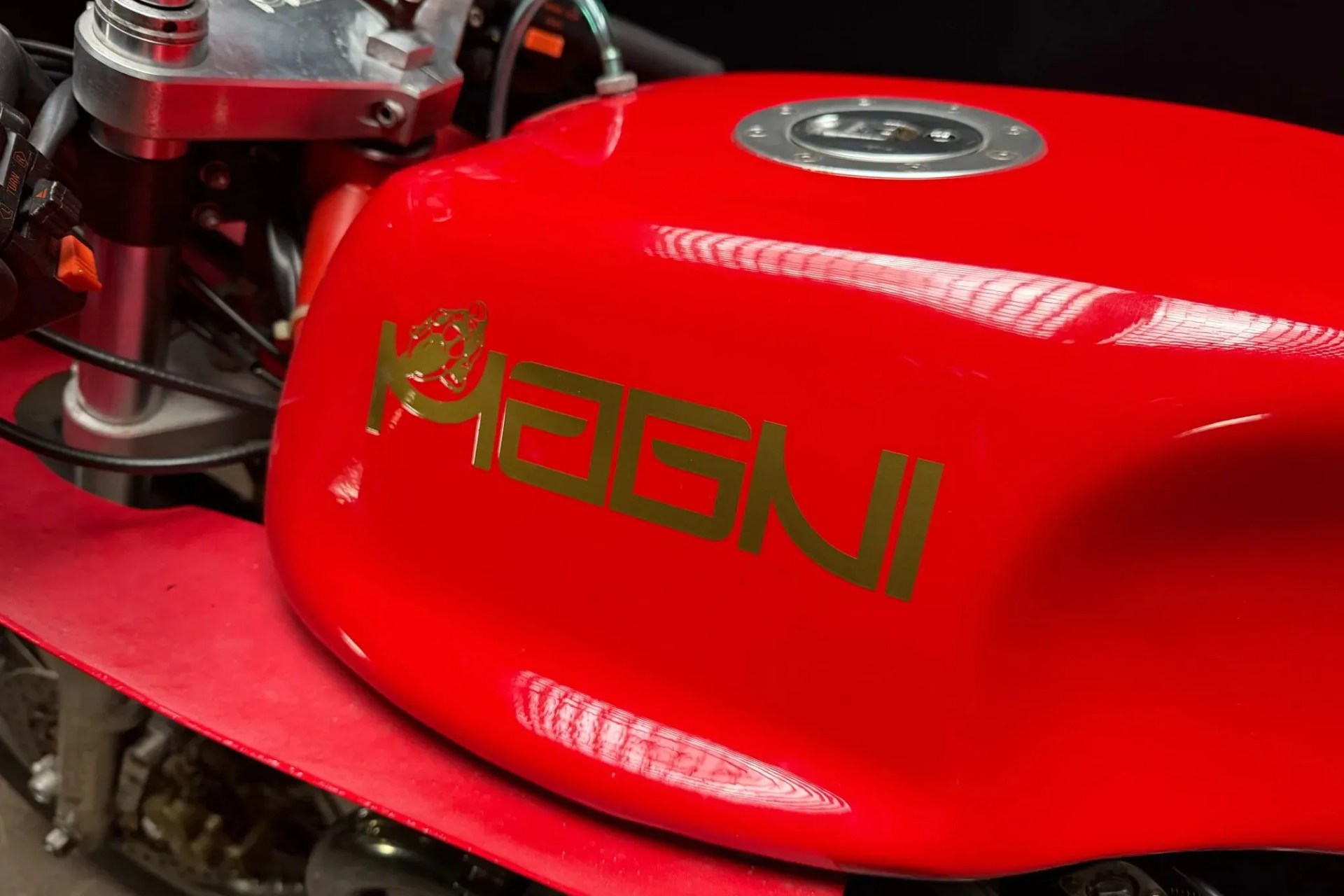
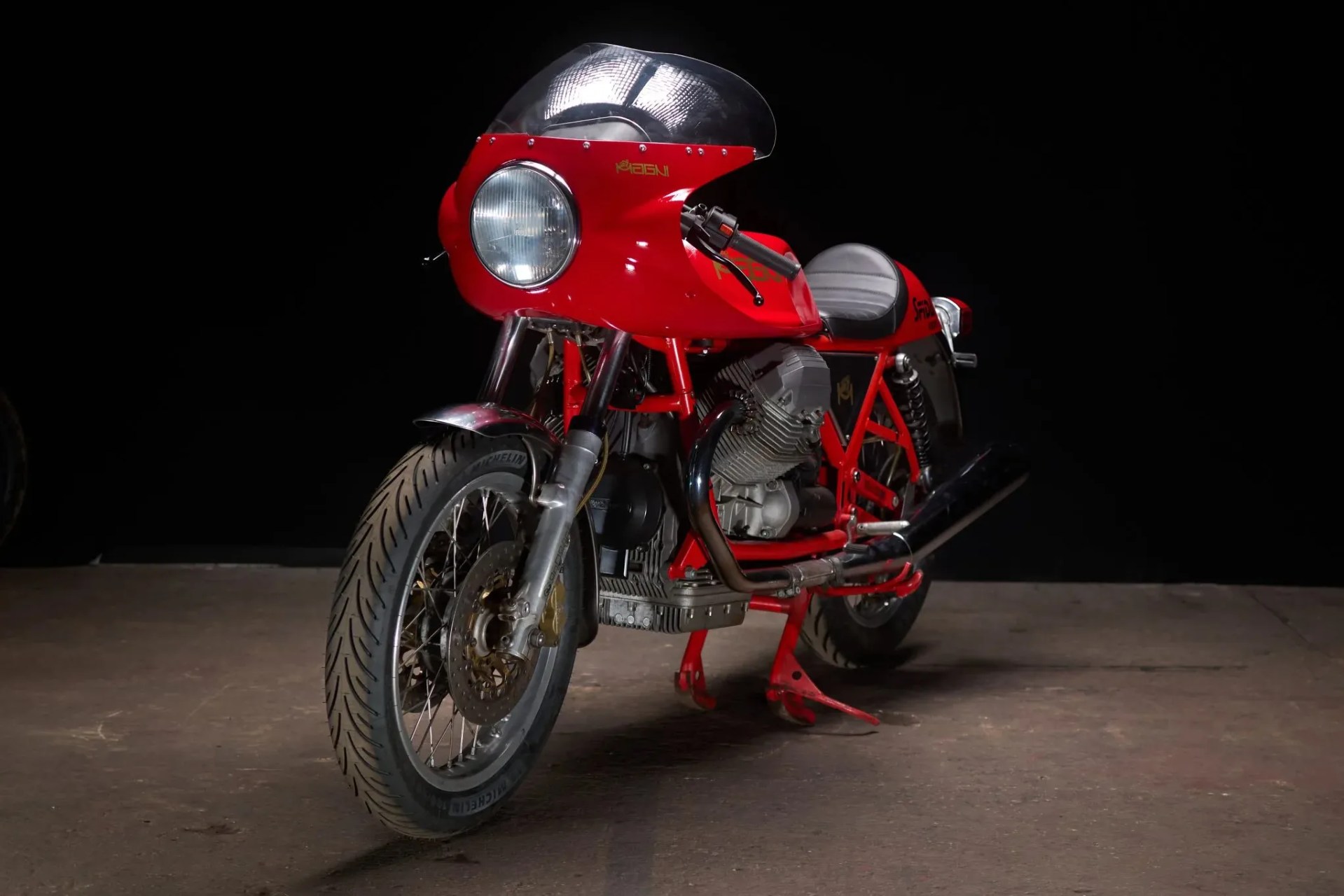
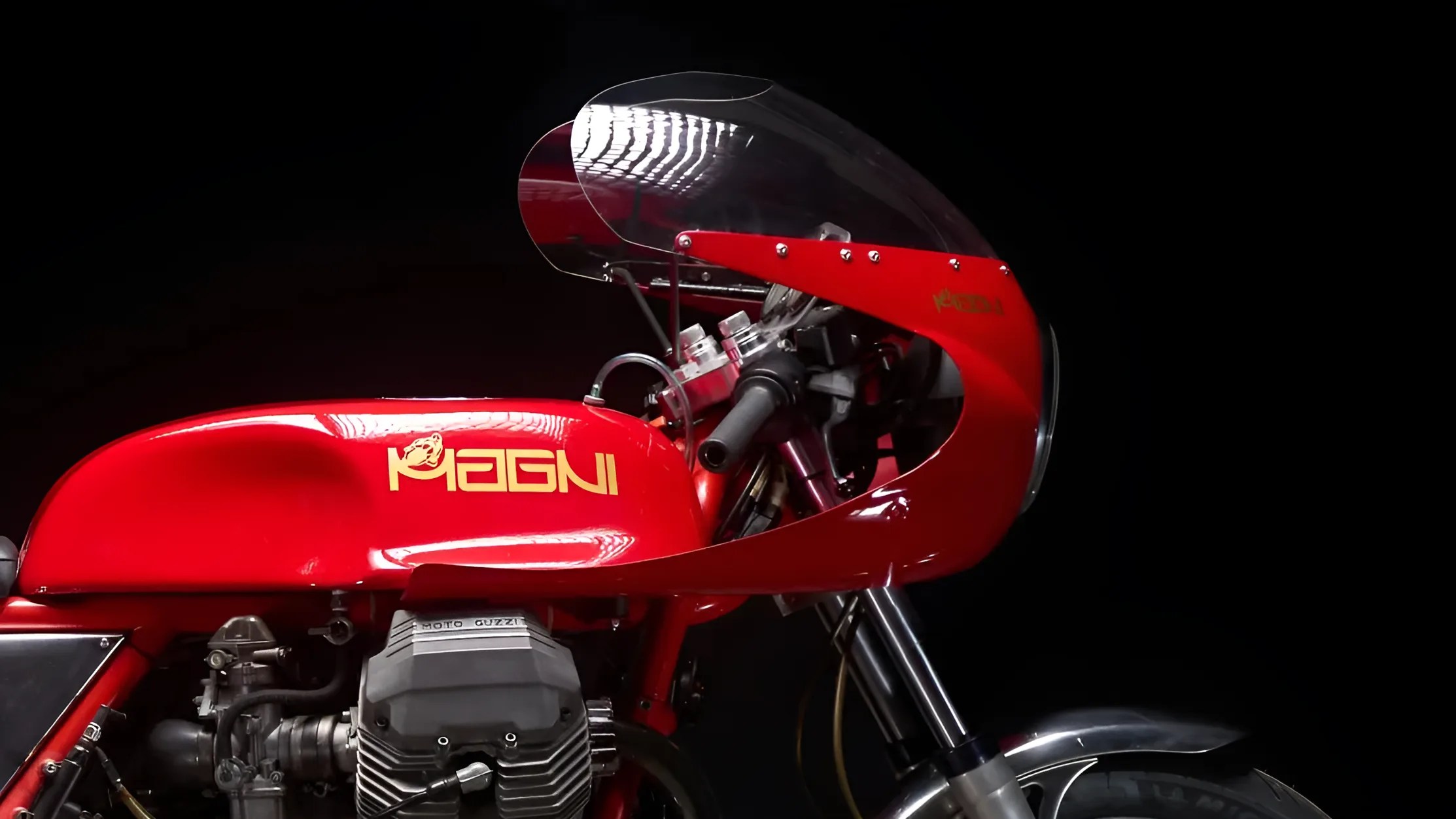
It’s called Magni, and it was founded in 1977 by an Italian engineer named Arturo Magni. Having spent time in the pits at Gilera and MV Agusta helping each brand to world championship wins, he decided to translate his race expertise into limited-production motorcycles.