
One of the Best Modern Amplifiers Just Got Even Better

One of Sonos’s biggest rivals just gave its flagship streaming amplifier a key audiophile upgrade.

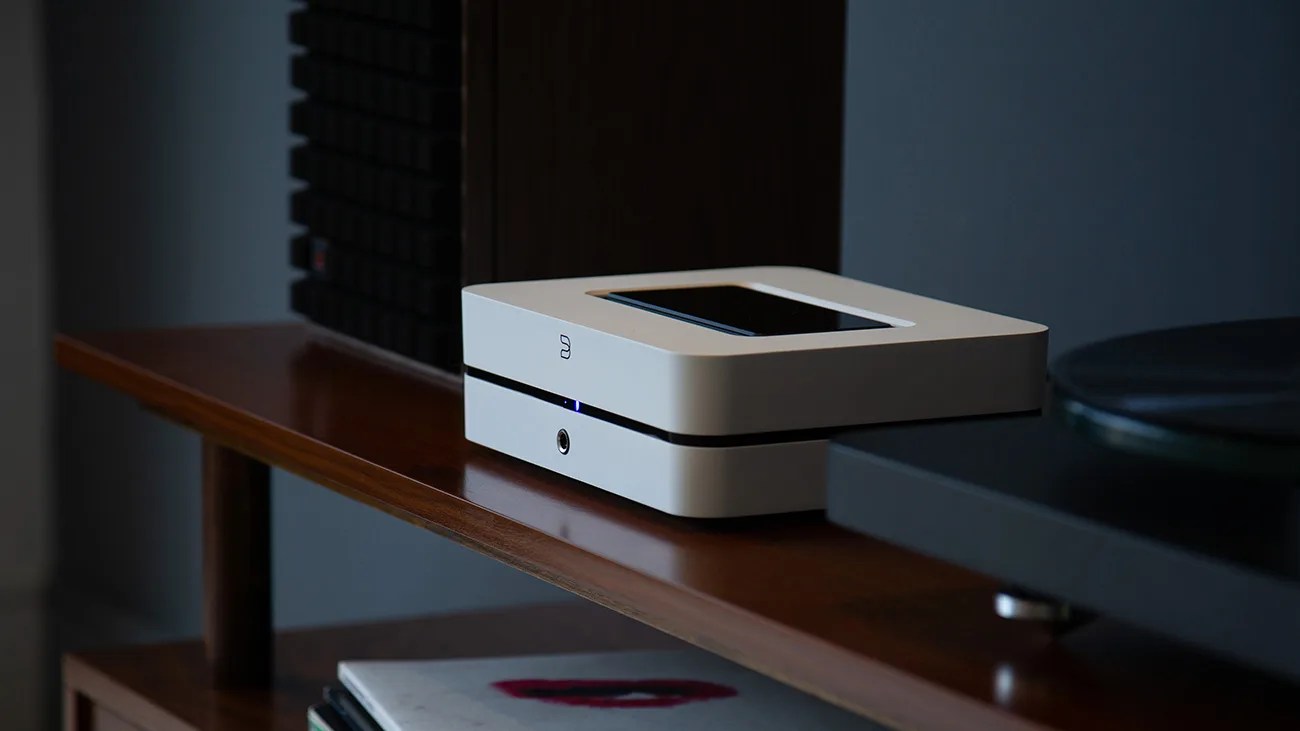
White rectangular electronic device with a black top panel and a small blue indicator light on a wooden shelf.Bluesound

If you buy from a link, we may earn a commission. Learn more

Last year, Bluesound introduced a new-and-improved version of its Powernode streaming amplifier, which was last updated in 2021 and has been one of the most popular rivals to Sonos’s Amp for the last several years.

Like its previous iterations, the Powernode is positioned as a “just add speakers” amplifier. It supports the company’s BluOS multi-room streaming platform and can drive some pretty high-end loudspeakers.

However, the 2025-released Powernode is more powerful than previous models, capable of driving 100 watts (an upgrade from 80 watts) per channel. And thanks to third pair of binding posts for a center channel speaker, it supports larger home theater systems.

Now, thanks to a recent software update, Bluesound has made its flagship streaming amplifier even better.
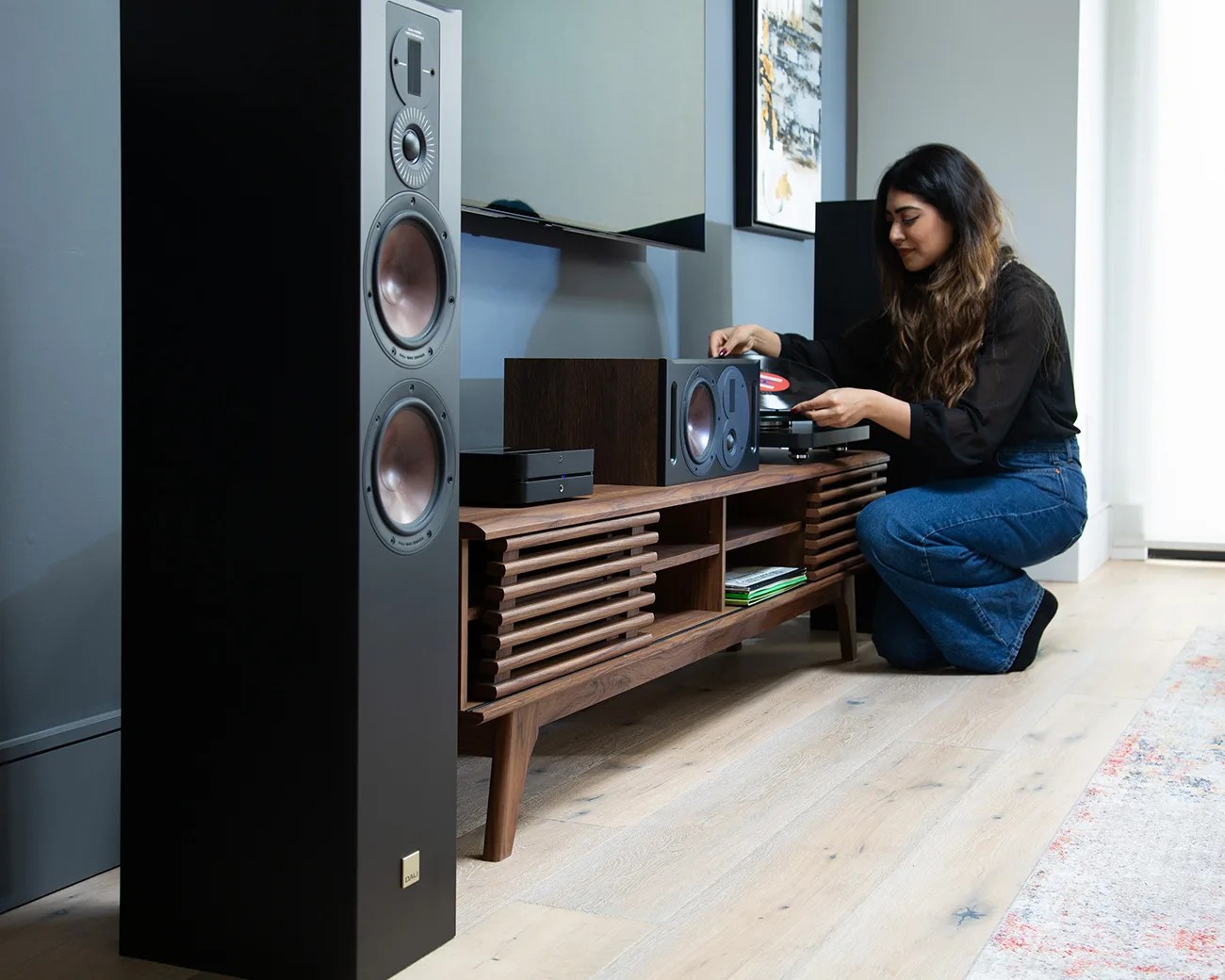
Tall black floor-standing speaker with copper-colored drivers next to a wooden media console with a woman placing a vinyl record on a turntable.
The latest Powernode features a third pair of binding posts to support a center-channel speaker. On its own, it supports a 3.1-channel home theater setup, but can be upgraded to a 5.1-channel system with wireless rear-channel speakers. 
Bluesound

Powernode, upgraded

Nearly one year after Bluesound introduced its latest and greatest Powernode streaming amplifier, the company has revealed that it’s rolling out a software update that upgrades it with an audiophile feature: support for Dirac Live room correction technology.

For those unfamiliar, Dirac’s Live room correction technology can be viewed as a more advanced version of Sonos’s TruPlay. Instead of using the speaker’s built-in microphone and your iPhone to optimize your system’s sound, Dirac Live requires a special microphone and proprietary software.
(Note: In addition to the Powernode, Bluesound has rolled out Dirac Live support to its other components, including the Node and Node Icon streamers, as well as its Node Edge streaming amplifier.)

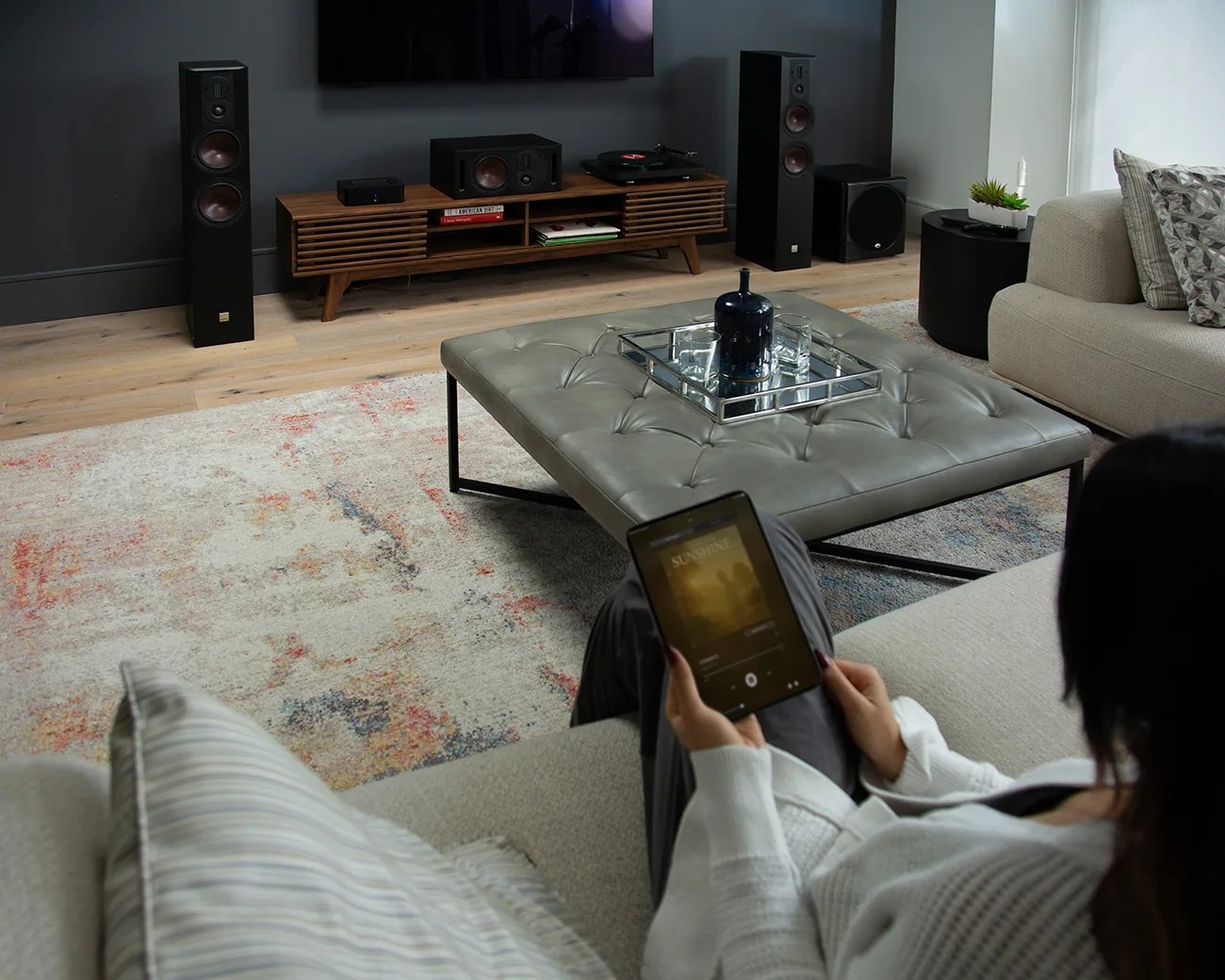
Person holding a tablet while sitting on a beige sofa in a modern living room with a tufted gray ottoman and wooden media console.
Dirac Live lets you tune your home theater system more accurately to the space it’s in.
Bluesound
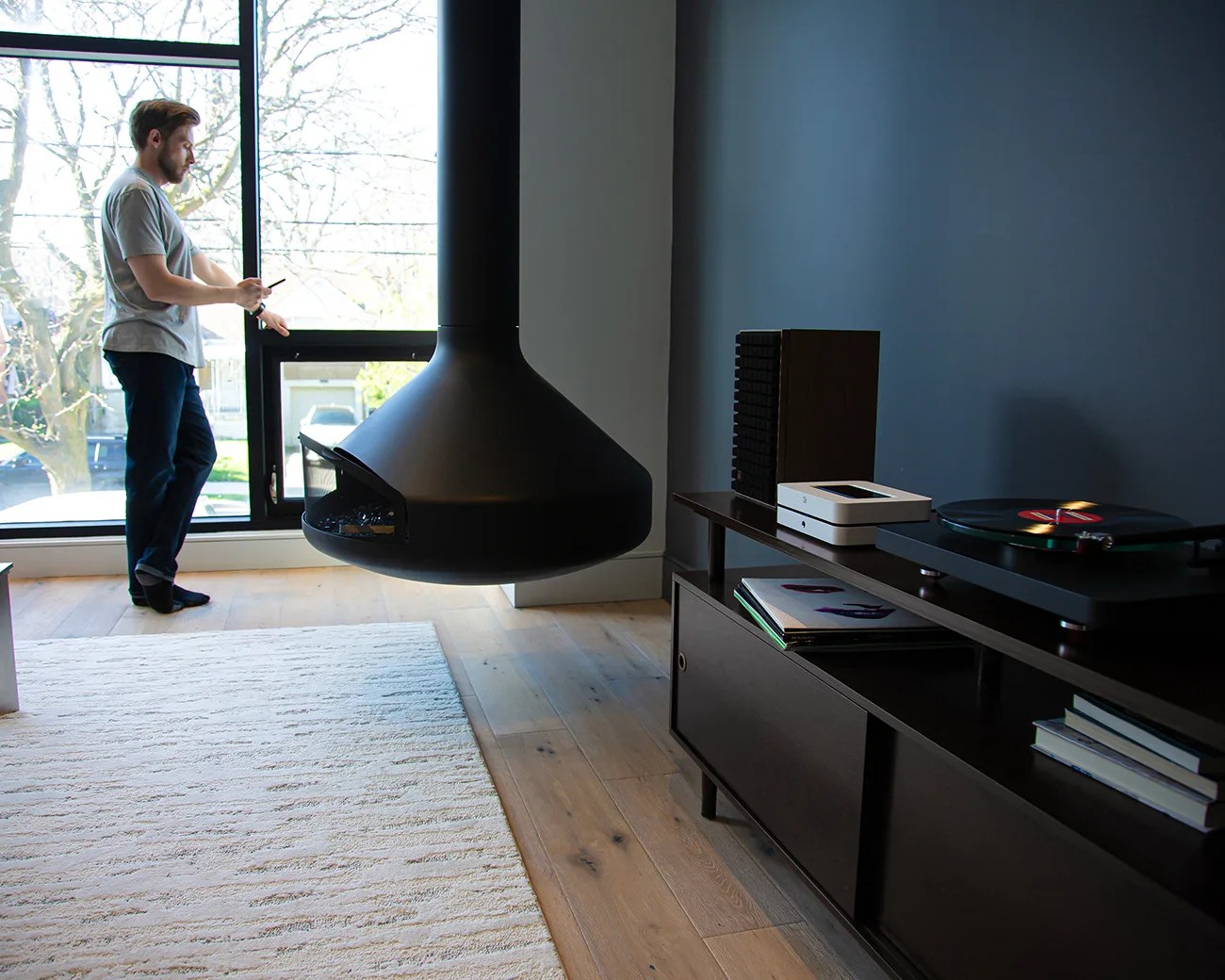
Man in a gray shirt and dark pants standing near a large window beside a hanging black fireplace in a modern living room.
The Powernode runs BluOS, but supports other streaming services including Spotify, Tidal and Qobuz, as well as AirPlay 2 and Bluetooth (aptX Adaptive) streaming.
Bluesound

The company’s press release states:

“Dirac Live is widely recognized for its ability to correct both frequency response and impulse response, going beyond traditional EQ to deliver a more accurate and natural listening experience. By addressing common acoustic challenges such as reflections, standing waves, and uneven bass, Dirac Live helps eliminate distortions introduced by the listening environment itself.”

In a nutshell, the update lets current Powernode owners make their hi-fi system sound even better. But it doesn’t come for free.

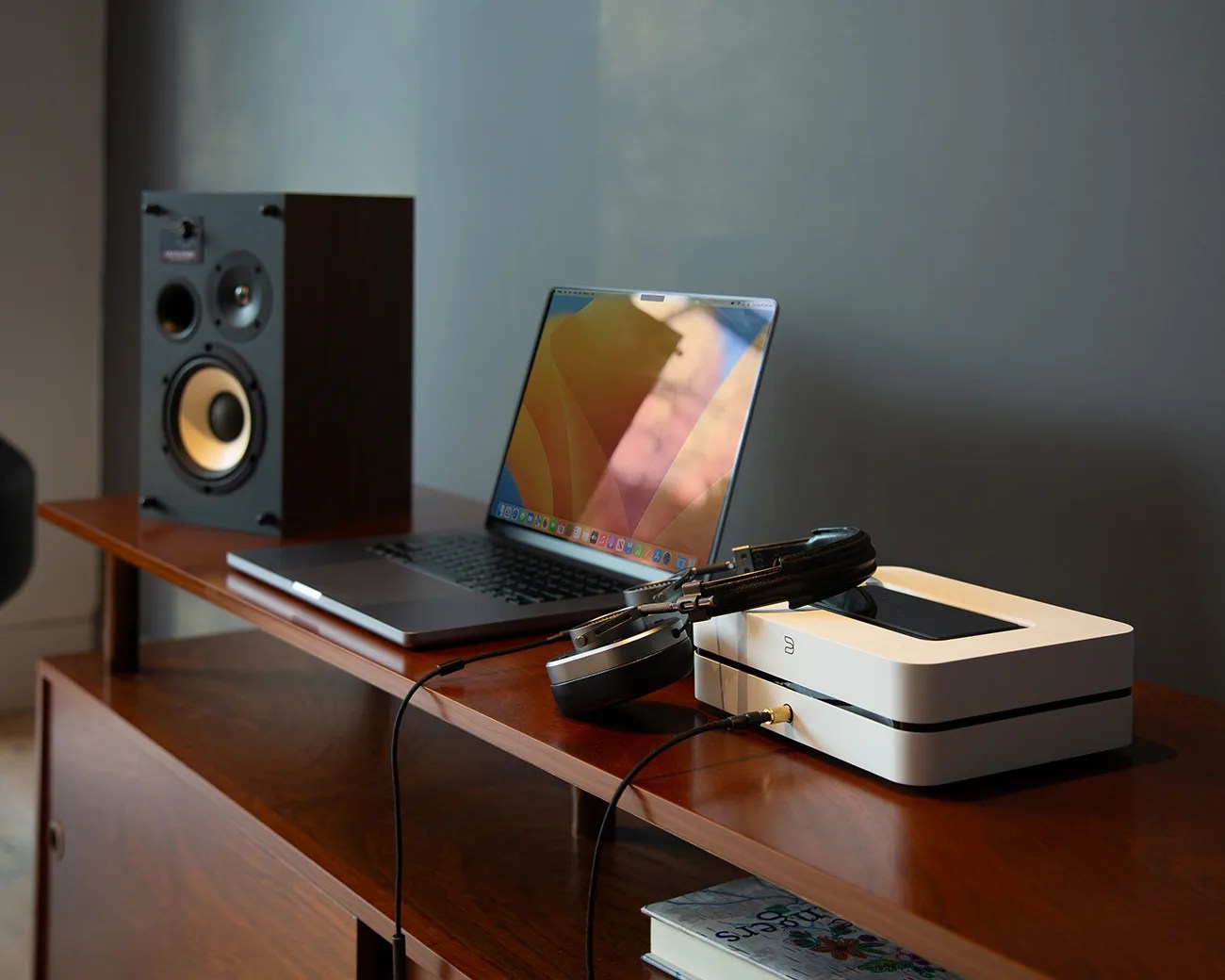
Wooden speaker, open laptop, white audio device, and black wired headphones on a wooden shelf.
The Powernode has a dedicated headphone amplifier with a standard 6.3mm jack located front and center.
Bluesound
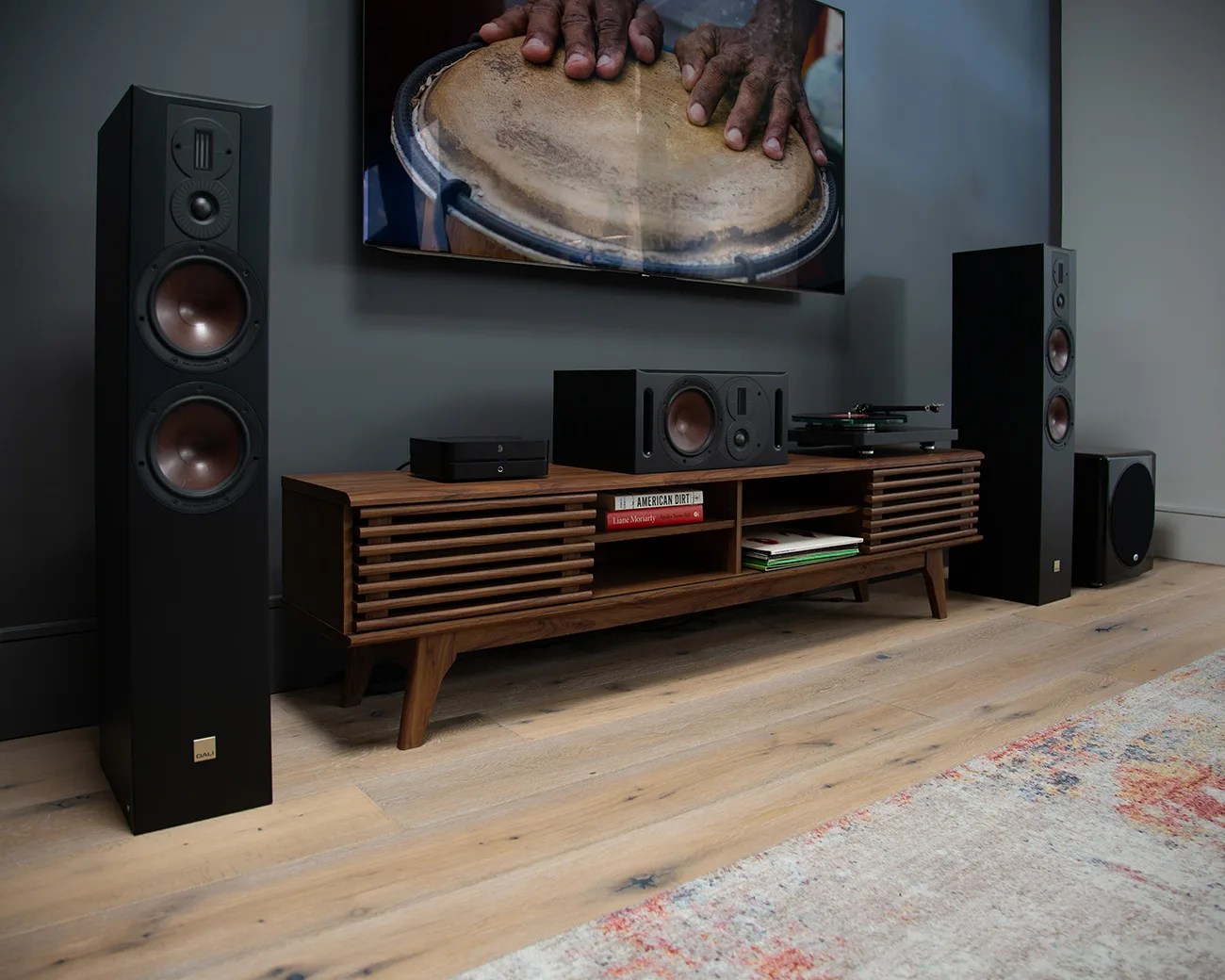
Home entertainment setup with two tall black floor-standing speakers, a wooden media console holding a center speaker, a turntable, and a subwoofer on light wood flooring.
The 2025-released Powernode has a diverse array of inputs and outputs so that you can connect your turntable, CD player, or even your TV (thanks to an HDMI eARC input).
Bluesound

Free support, extra cost

That’s right: even though the Powernode now supports Dirac Live, to tune your system with it, you have to purchase a calibration kit.

This includes a licensing fee for the proprietary software and the necessary microphone to tune the system, which can range from $159 to $349, depending on the package (based on the frequency range of your system).

For true audiophiles with an elite system, it’s a small cost. But still, it’s not nothing.

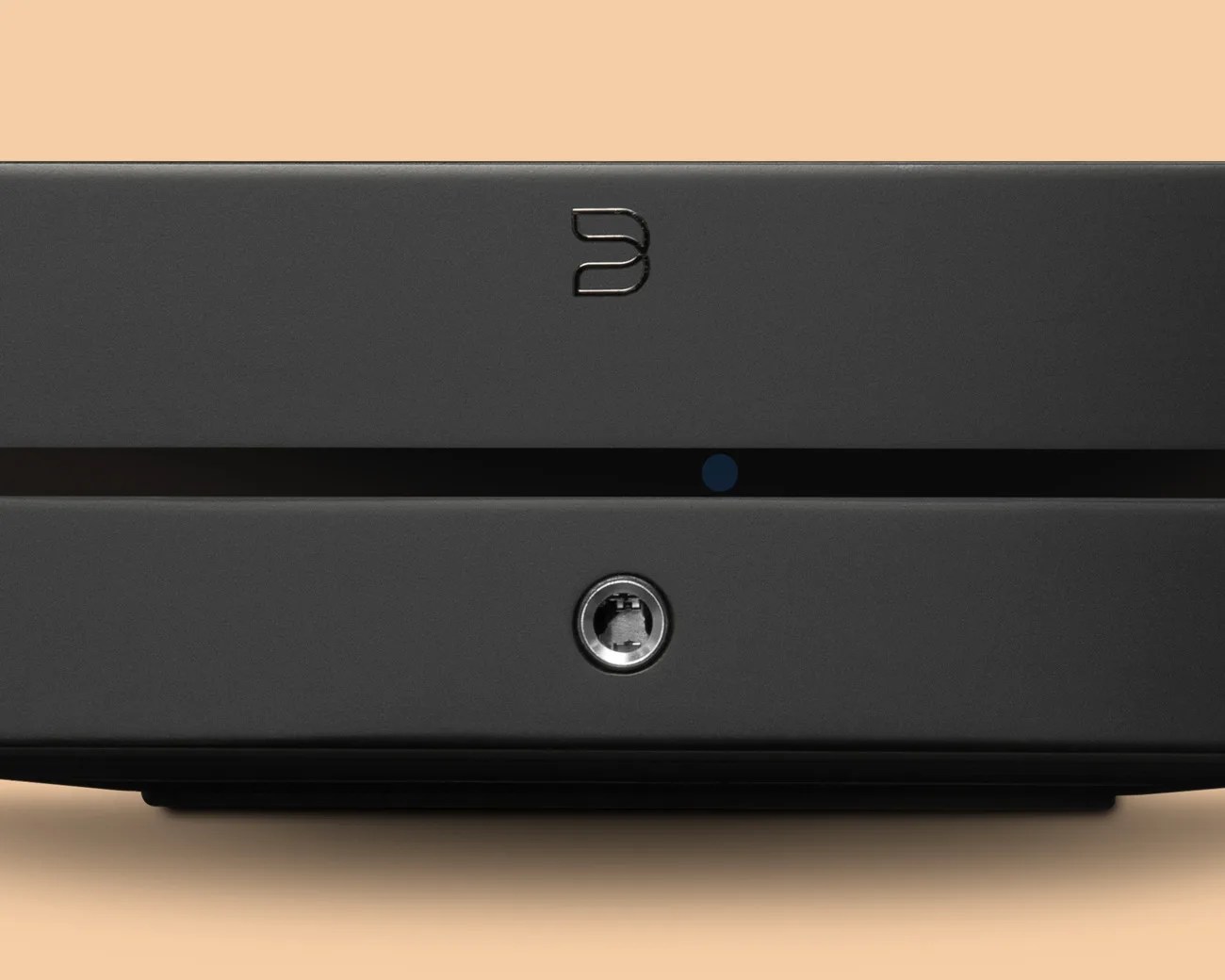
Front view of a black electronic device with a slot and a circular port below it on a beige background.Bluesound

Bluesound sells the Powernode streaming amplifier for $1,299, which is actually a $100 price increase from when it was released last year; as of May 1st, Bluesound increased the prices of many of its products due to the “impact of these rising costs.”

The Bluesound Powernode comes in two finishes: white or black.

Want to stay up to date on the latest product news and releases? Add Gear Patrol as a preferred source to ensure our independent journalism makes it to the top of your Google search results.

add as a preferred source on google