
PS Audio’s New Stereo Amplifiers Are Aimed at Serious Audiophiles

The heritage American audio brand just dropped two flagship power amplifiers for traditional hi-fi systems.

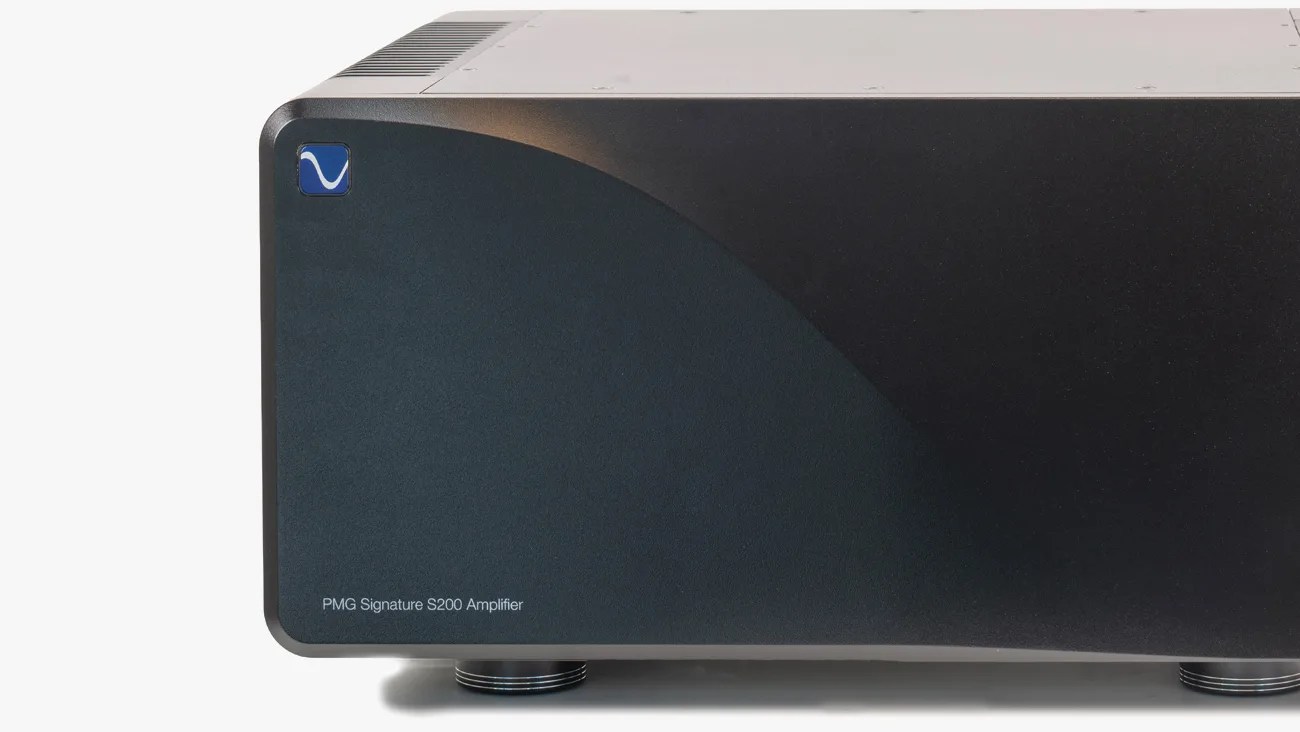
Front corner of a black PMG Signature S200 Amplifier with a blue logo on a white background.PS Audio

If you buy from a link, we may earn a commission. Learn more

PS Audio is a heritage American hi-fi manufacturer with a history dating back to the mid-1970s. Based out of Boulder, Colorado, it’s well known for its high-end separates that are primary reserved for serious audiophiles.

And its newest amplifiers certainly continue that tradition.

PS Audio PGM Signature S200 and S400
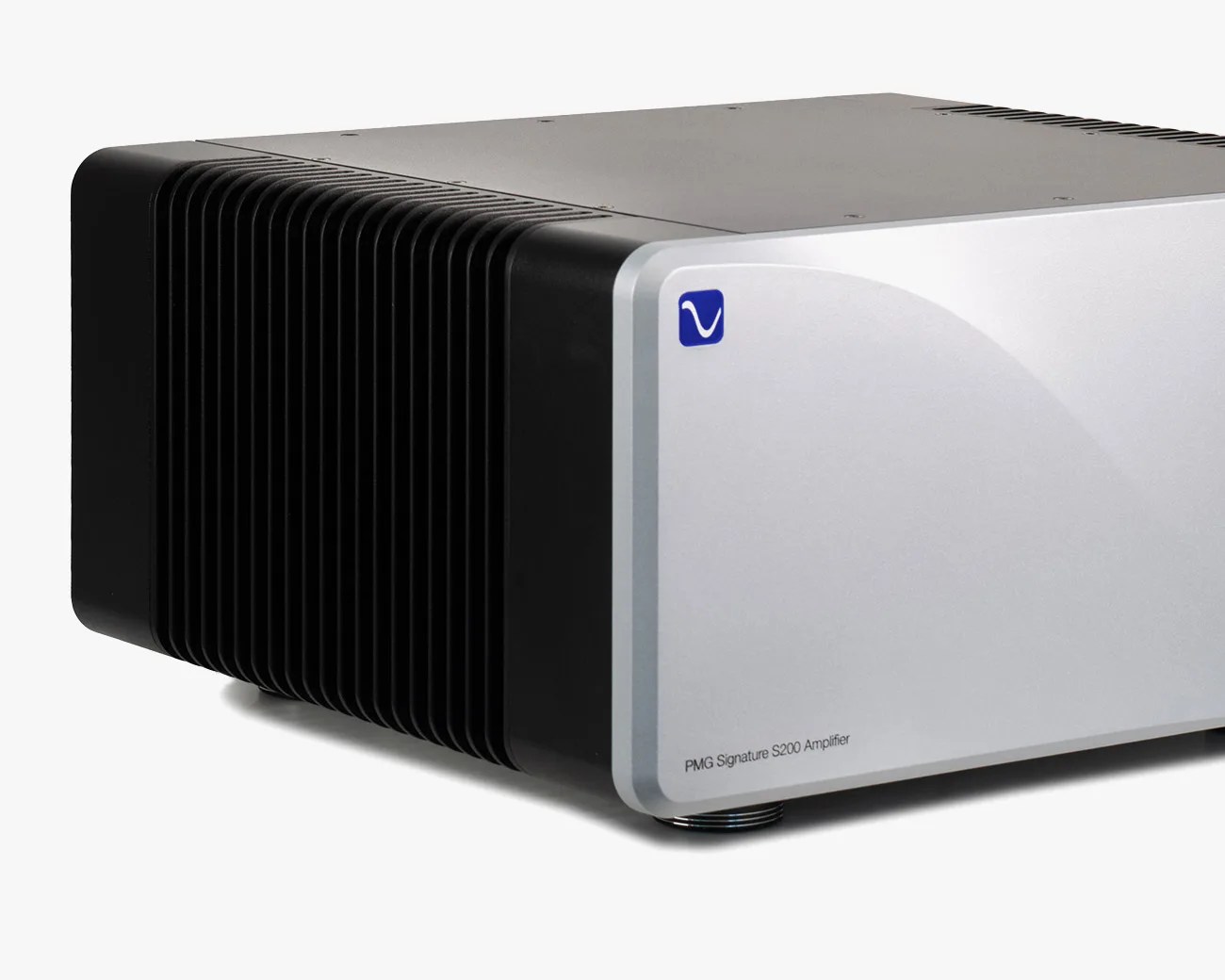
Silver and black PMG Signature S200 Amplifier with cooling fins on the side.
PS Audio has introduced two stereo power amplifiers to its flagship range.
PS Audio

Flagship stereo power (times two)

PS Audio has introduced two new stereo power amplifiers, the S200 and S400, to its PMG Signature range of components. At $8,000 and $10,000, respectively, they are designed to be the hub of an extremely high-end traditional hi-fi system.

The S200 and S400 are basically identical and share a lot in common. Both have been designed by Darren Myers and engineered by PS Audio’s Bob Stadherr to deliver reference-quality sound from a single-chassis stereo configuration.
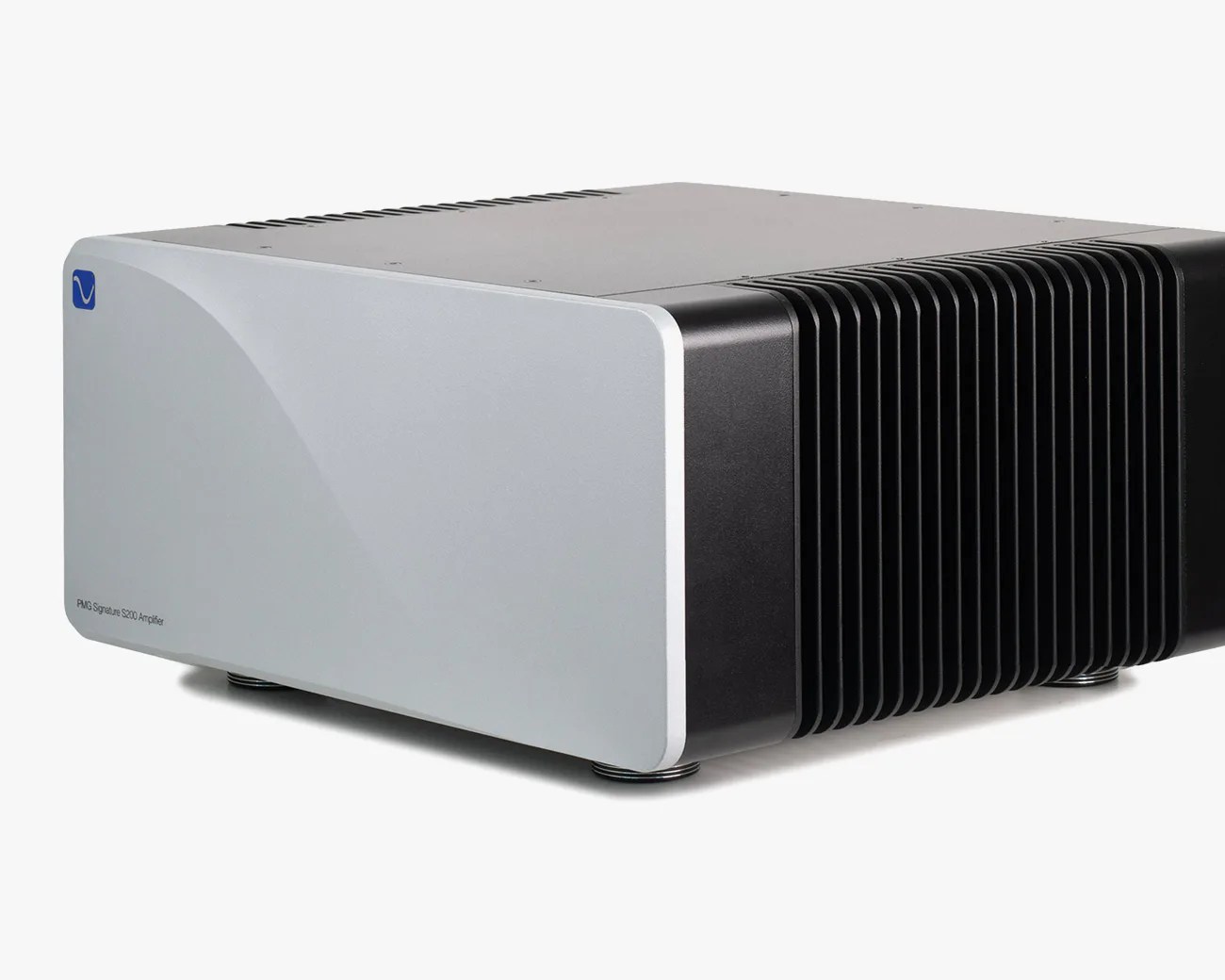
Silver and black PMG Signature S200 audio amplifier with large heat sink fins on the side.
The PGM Signature S200 shown in silver.
PS Audio
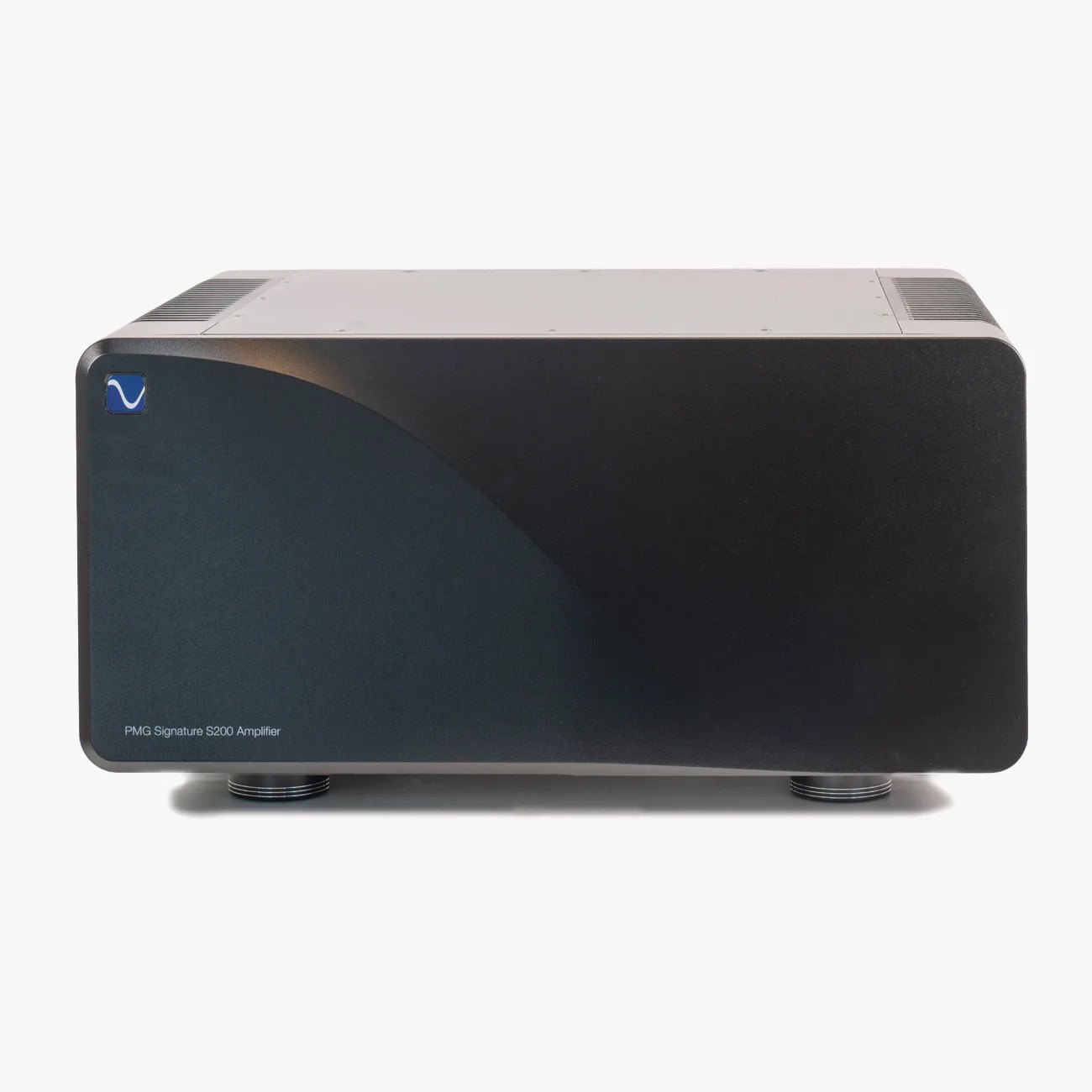
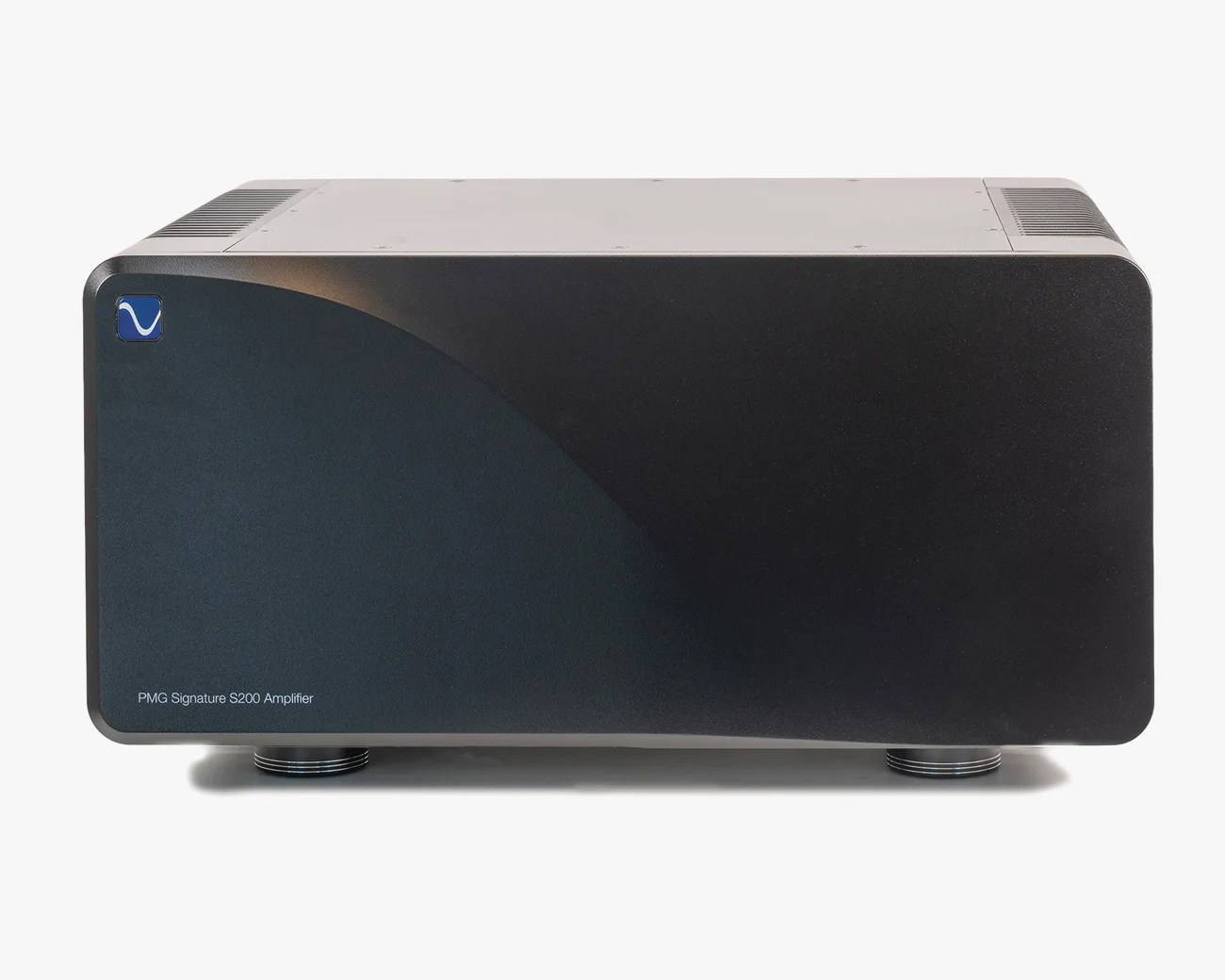
Black rectangular PMG Signature S200 audio amplifier with curved design on front panel and small blue logo in top left corner.
The PGM Signature S200 shown in black.
PS Audio

Both use a Class A amplifier topology and operate in pure Class A bias at their first 5 and 10 watts, respectively. According to the brand, this helps each “deliver extraordinary low-level resolution and transparency at this most critical of listening levels.”

And both amplifiers use an active power supply, which the company explains “allows for cleaner power and greater current on demand” than conventional transformer-based designs.

As you probably could’ve guessed, the main difference between the two amplifiers is power.

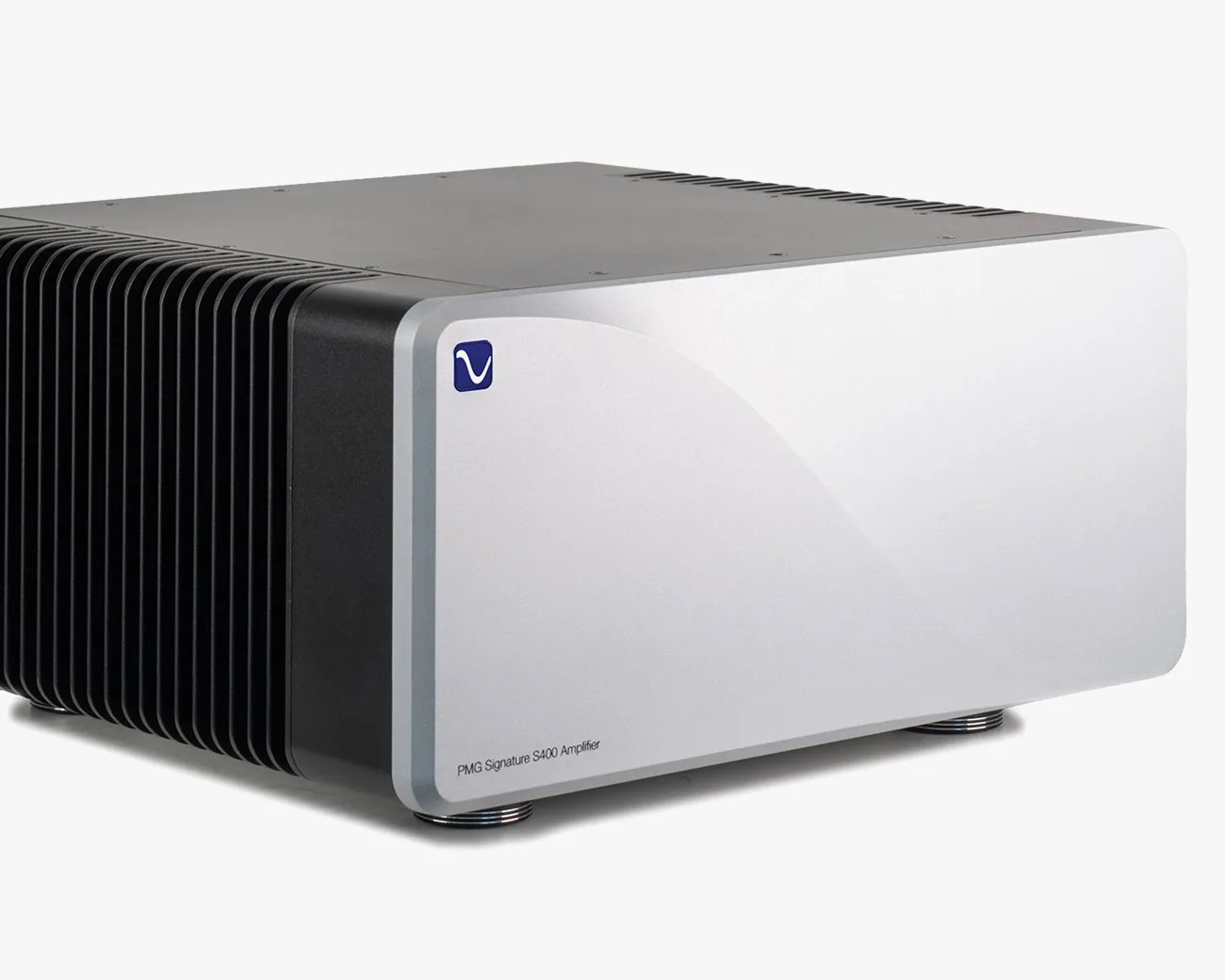
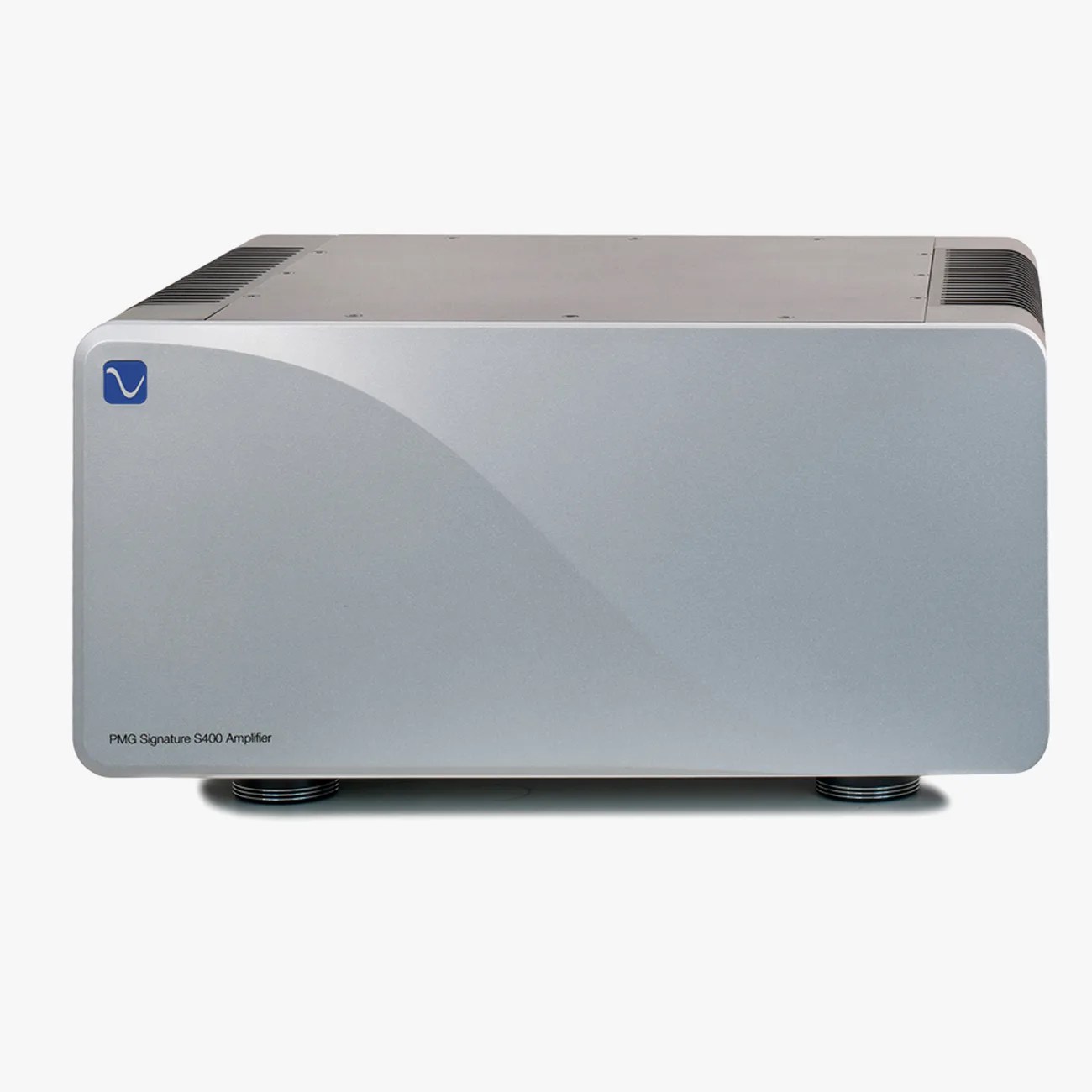
Silver and black PMG Signature S400 audio amplifier with heat sink fins on the side.
The PGM Signature S400 shown in silver. It’s nearly identical to the S200.
PS Audio
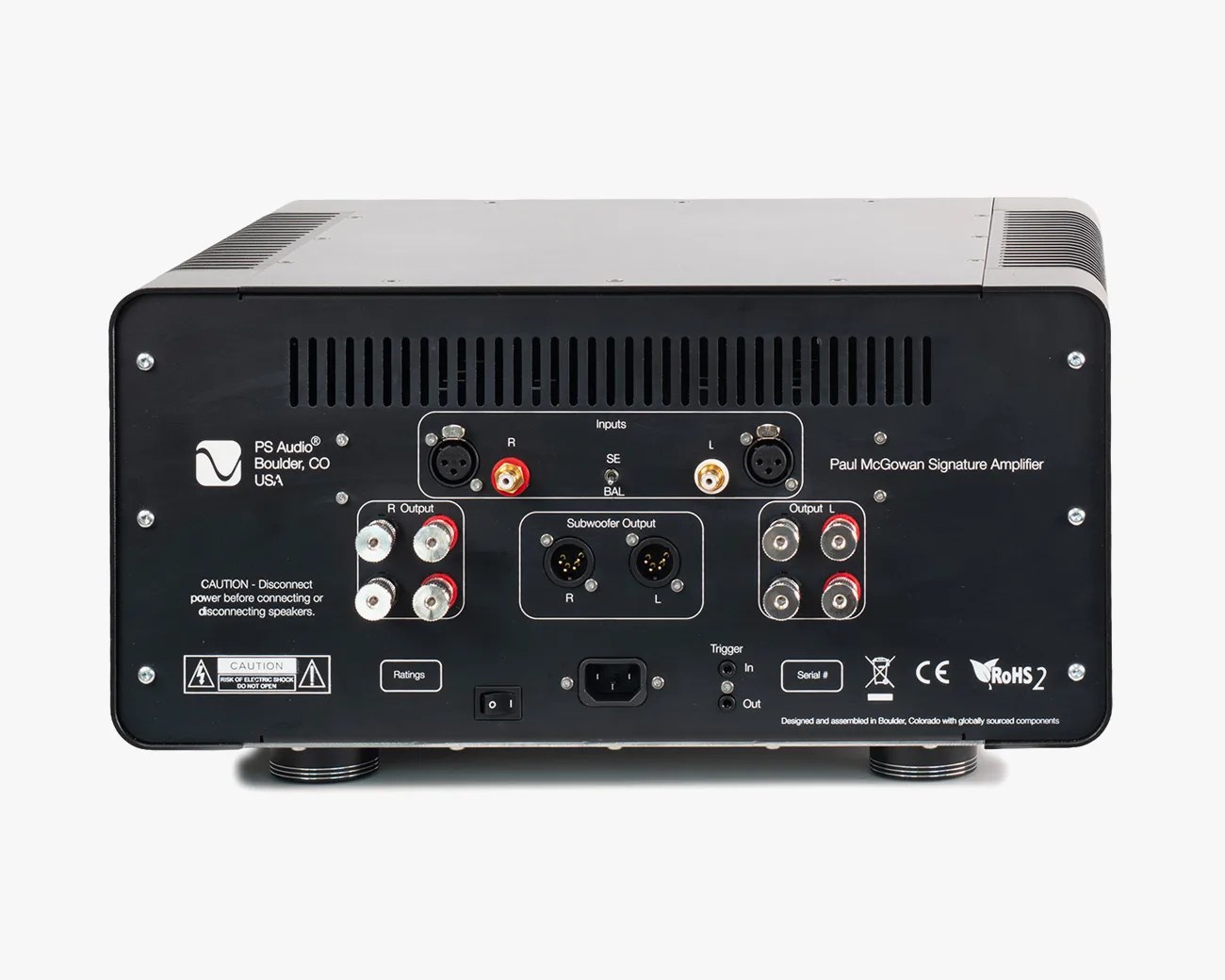
Black Paul McGowan Signature Amplifier rear panel with multiple audio input and output connectors and power switch.
Both the PGM Signature S200 and S400 (shown) have identical inputs and outputs.
PS Audio

The difference between the two

The S200 is the less powerful of the two. It’s capable of delivering 100 watts per channel into 8 ohms, or 200 watts per channel into 4 ohms. It’s the better option for more efficient or less demanding loudspeakers.

The S400 is the higher-end of the two, designed to drive more power-hungry loudspeakers with lower sensitivities. The amp delivers 200 watts per channel into 8 ohms or 400 watts per channel into 4 ohms.

As for connections, both amplifiers are equipped with balanced XLR and single-ended RCA inputs, as well as two sets of speaker outputs to enable bi-wiring. There are two subwoofer outputs, as well. 

Both the S400 and S200 deliver absolutely stunning sound quality “with pristine highs, a richly detailed, inviting midrange, and authoritative, articulate bass,” reads the press release. “Vocals and instruments are reproduced with remarkable realism, flow, and fidelity.”

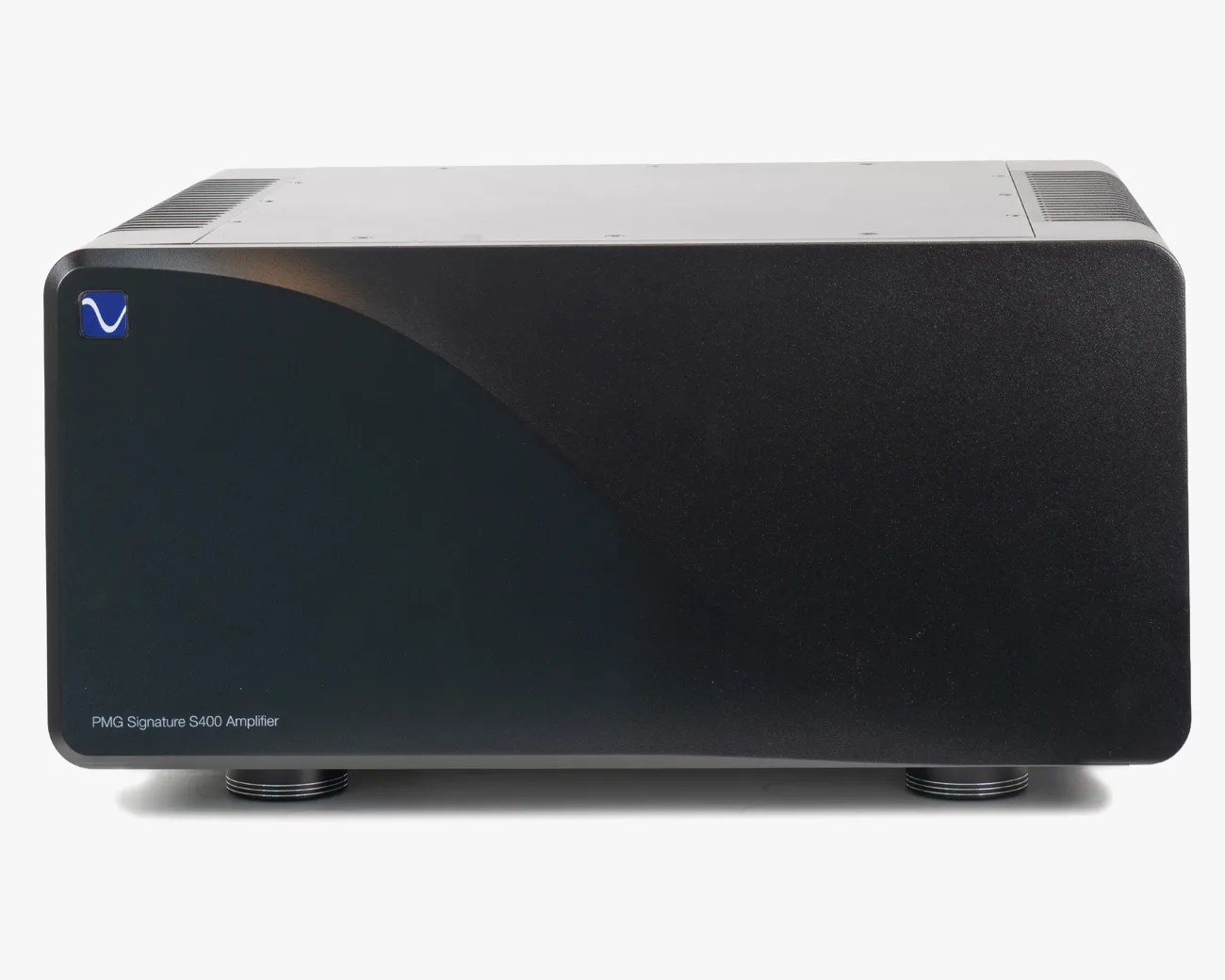
Black rectangular PMG Signature S400 amplifier with rounded corners and a small blue logo on the top left corner.
Both of PS Audio’s newest stereo amplifiers are available now.
PS Audio

Availability and pricing

The PS Audio PMG Signature Series S200 and S400 stereo power amplifiers come in two finishes: black or silver.

The S200 costs $8,000, while the S400 costs $10,000. Both amplifiers are available now.

Want to stay up to date on the latest product news and releases? Add Gear Patrol as a preferred source to ensure our independent journalism makes it to the top of your Google search results.

add as a preferred source on google
, ,