
Did Europe’s Automakers Just Save Enthusiast Cars for the Foreseeable Future?

Automakers will no longer be forced to go all-electric before 2035.

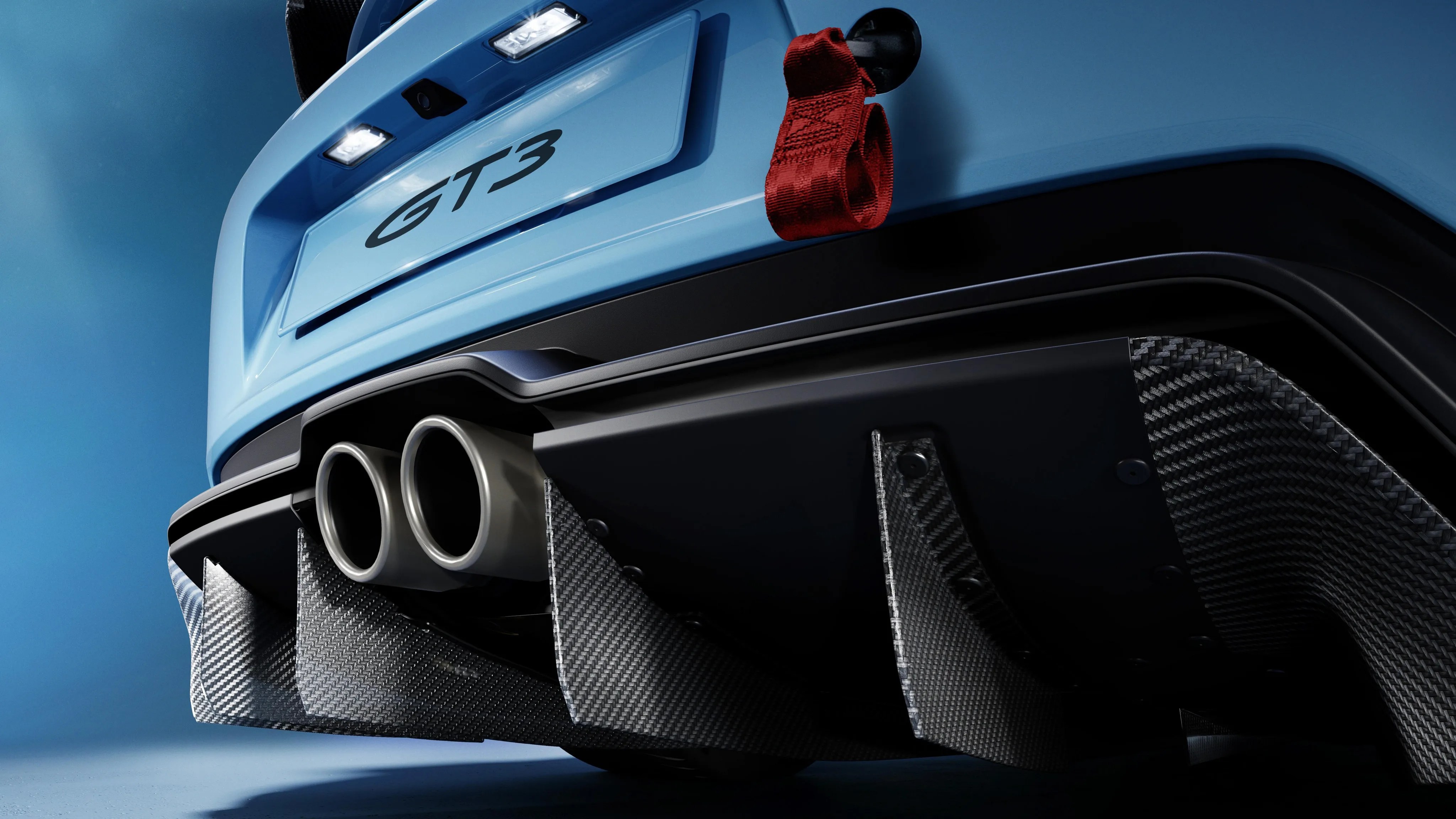
Rear close-up of a light blue GT3 sports car showing dual exhaust pipes, carbon fiber diffuser, and red tow strap.Porsche

Petrolheads rejoice! In a shocking landmark reversal, the European Union just essentially cancelled its 2035 ban on the sale of internal combustion-powered cars.

According to multiple sources and a press release from the EU, the decision comes after massive lobbying and litigation efforts, mainly by European car companies, who banded together to campaign against the ban. The new revision of the bill will now allow automakers to continue selling internal combustion-powered cars past 2035.

Not only does this mean a massive burden has lifted off auto manufacturers, but it could also potentially mean more fun and enthusiast cars returning to good ‘ole internal combustion.

No longer being forced into electrification, for now
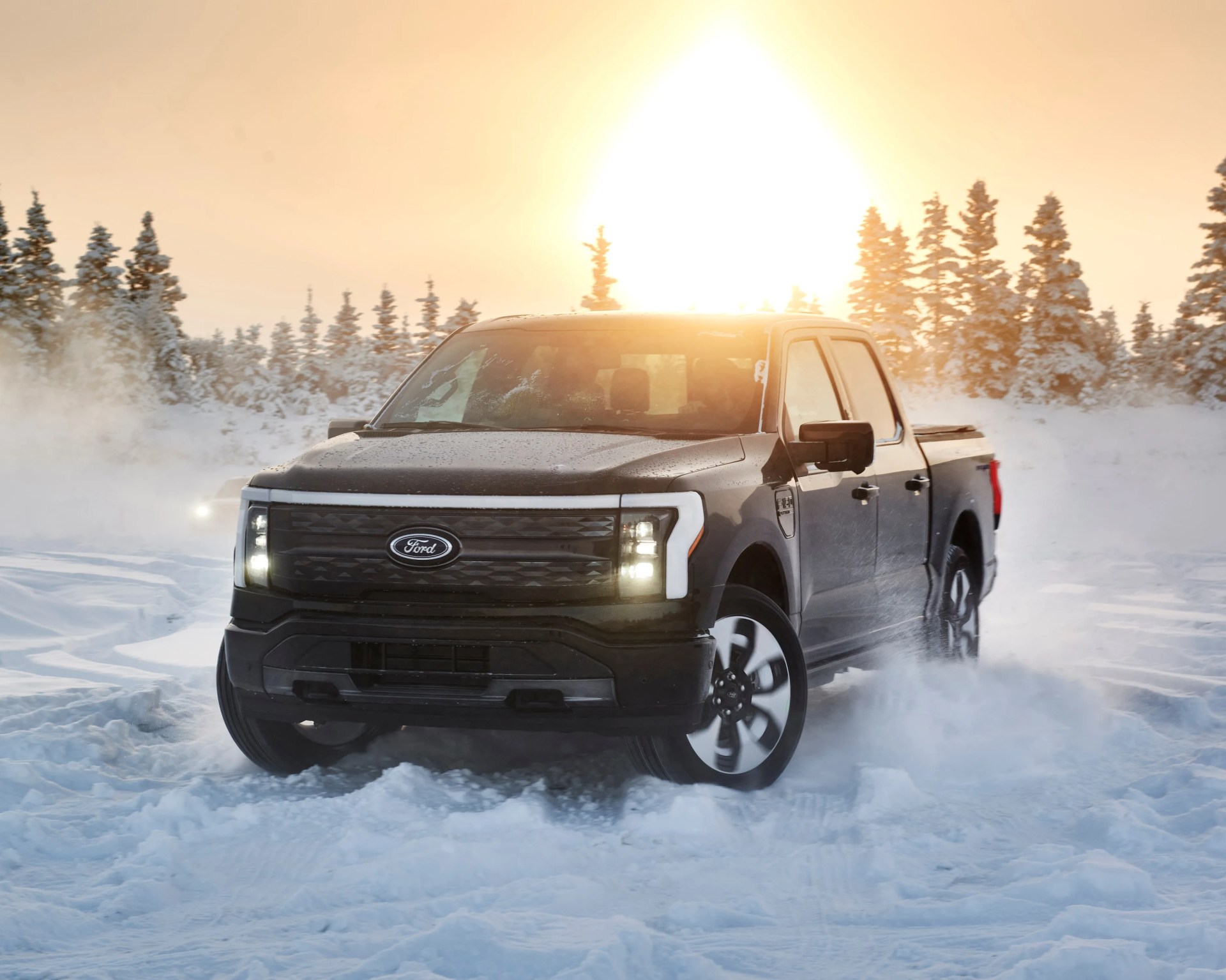
Black Ford pickup truck driving on snow with sun setting behind snow-covered trees.
Ford recently cancelled its aggressive electric vehicle strategy, and the F-150 Lightning is one of the victims.
Ford

The lift on the ban comes as big news. It’s been one of the main reasons behind the industry push towards electrification. The idea is that the ban would significantly reduce air pollution by eliminating tailpipe emissions from private cars.

However, these regulations put enormous pressure on automakers to invest in and research electric vehicles. While the industry has proven that EVs do work as cars, it’s also revealed a lot of their shortcomings.

the rear angle of a green 2025 porsche taycan cross turismo and the front angle of a blue 2025 porsche taycan sedan
Porsche announced the reversal of its electrification plans after being one of the first to innovate in the space.
Porsche

Some of these drawbacks include limited driving range, weight problems, long recharging times, inconvenient and inconsistent charging infrastructure, and rising vehicle costs.

With the ban essentially lifted, automakers can now go back to doing what they know best.

EVs aren’t dead yet

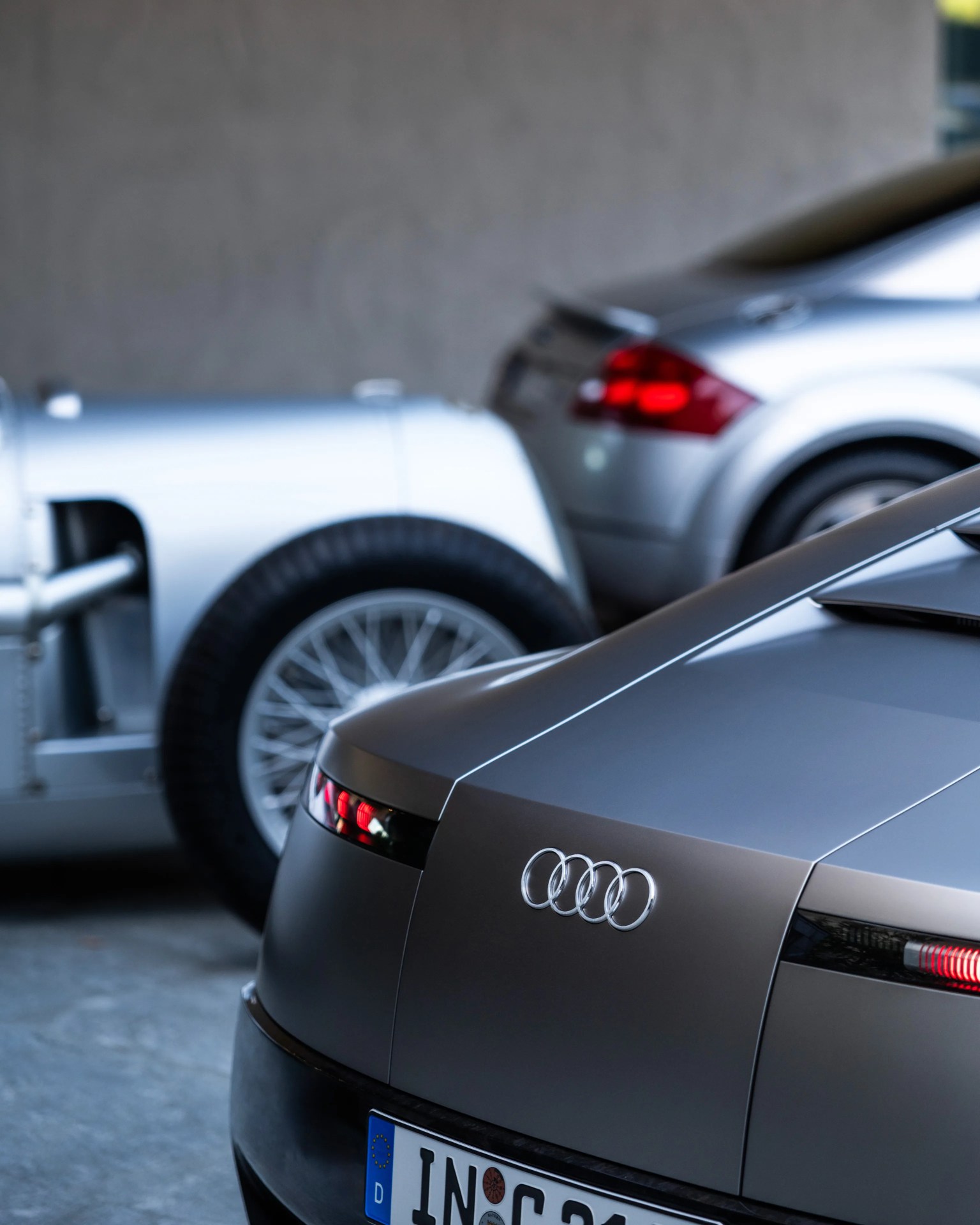
Rear view of a matte gray Audi car with illuminated taillights and a European license plate, with two silver cars blurred in the background.
Audi originally had an all-electric future planned, but they’re also reconsidering.
Audi AG

Despite this massive policy adjustment, it doesn’t quite spell the end of electric vehicles just yet. Since the ban was originally mandated in 2023, many automakers had already invested heavily in electric vehicle technology.

Calling an end to these investments would result in massive financial losses, some of which have already suffered. That said, some automakers are sticking to their own electrification plans.

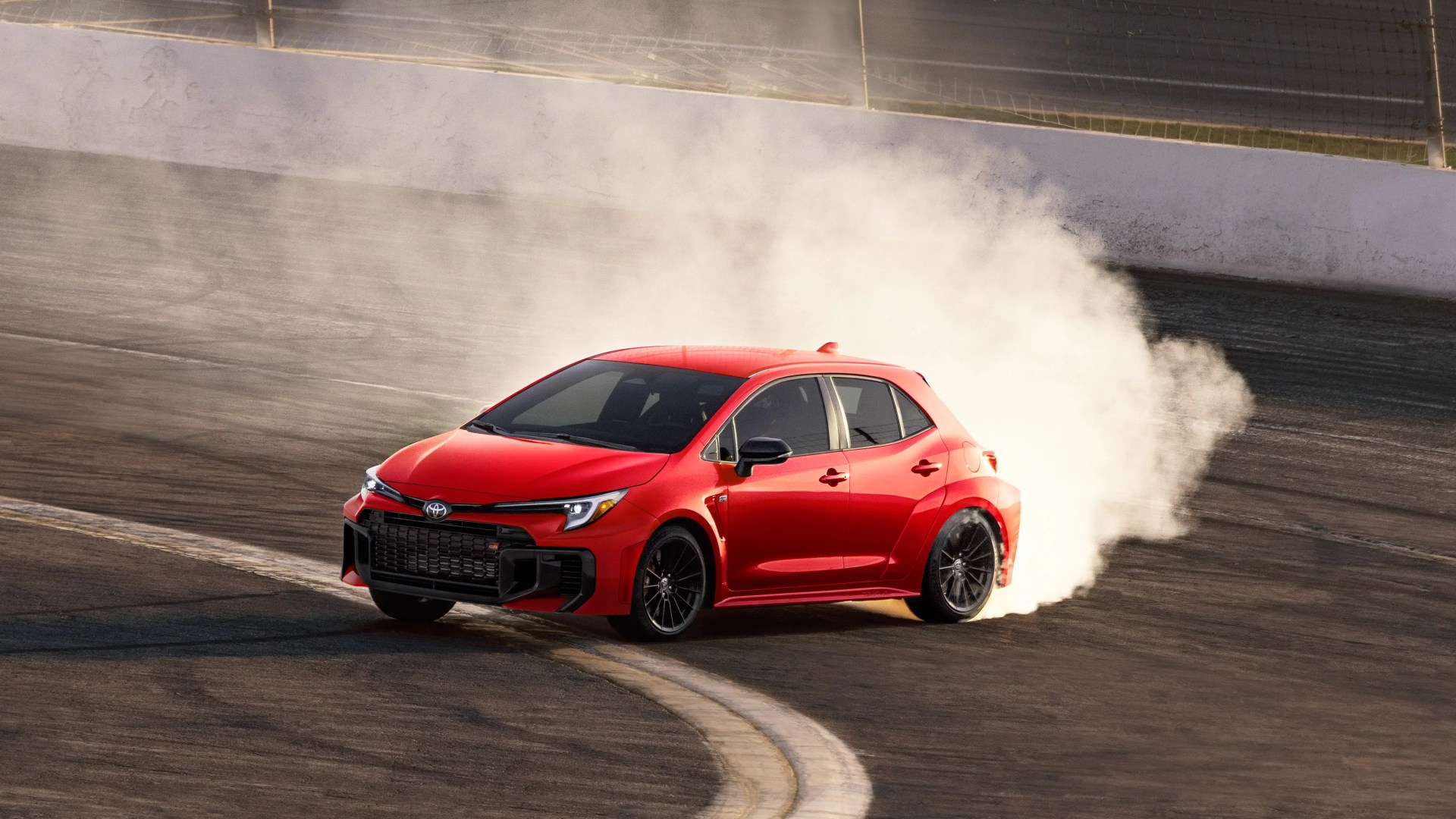
Red Toyota GR hatchback drifting on a race track with smoke coming from the rear tires.
Toyota is one of the few automakers that openly expressed disbelief in electric vehicles as the path towards an emissions-free future.
Toyota

But rather going all-in on the prospect, they’re including electric options alongside internal combustion-engine options.

Additionally, the European Union is still requiring even stricter carbon dioxide tailpipe emissions limits. When the EU enacted the bill, they required new cars to reduce their CO2 emissions by 100% compared to their outputs in 2021.

That emissions compliance essentially called for the end of internal combustion-powered cars. But now, the required reduction compared to the 2021 numbers was dialed back to 90%.

This could mean more fun cars could be sticking to ICE power

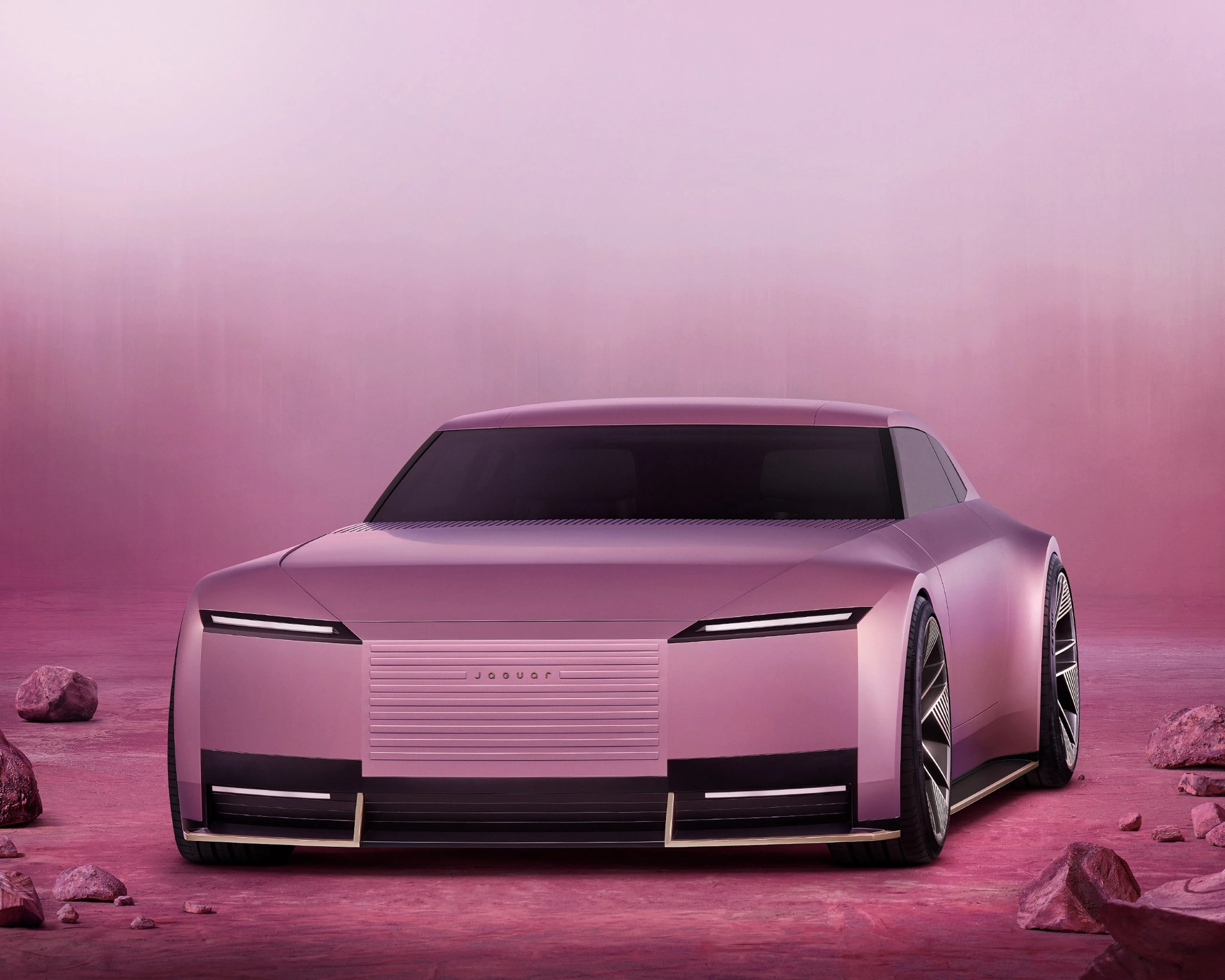
Matte pink futuristic Jaguar concept car with sleek LED headlights on a pink rocky surface.
Jaguar-Land Rover is sticking with its plans to go all-electric.
Jaguar

The original EU mandate to reduce private car CO2 emissions by 100% by 2035 is the main reason why so many cars are going electric. This caused an uproar among the enthusiast communities, both at the macro and the micro levels.

That’s because zero CO2 emissions essentially spelled the end of the internal combustion engine. And many cars depend on their ICE powertrains to deliver the sort of fun experiences that enthusiasts expect in their favorite cars.

Blue textured engine cover with a red and black Corvette emblem and visible metal components around it.
General Motors also rolled back its electrification strategy to invest billions in next-generation V8s.
Chevrolet

Some cars even define their identities with their engines. For instance, taking an internal combustion engine away from a performance car like a Lamborghini, Ferrari, Aston Martin or Porsche is like taking away their personality.

Sure, they might deliver similar performance figures. But half the fun of those cars is the stimulation and theatrics provided by the engine and exhaust notes. And it’s not just exotics that depend on those sensations.

Although this policy reversal is a major relief for automakers, it’s still a work in progress as the EU is still adamant about an electric, emissions-free future.

Want to stay up to date on the latest product news and releases? Add Gear Patrol as a preferred source to ensure our independent journalism makes it to the top of your Google search results.

add as a preferred source on google