
Honda’s Boxy Camper Trailer Echoes One of Its Most Innovative Vehicles

Turns out, the towable Base Station Prototype has a few things in common with a tiny foldable two-wheeler.

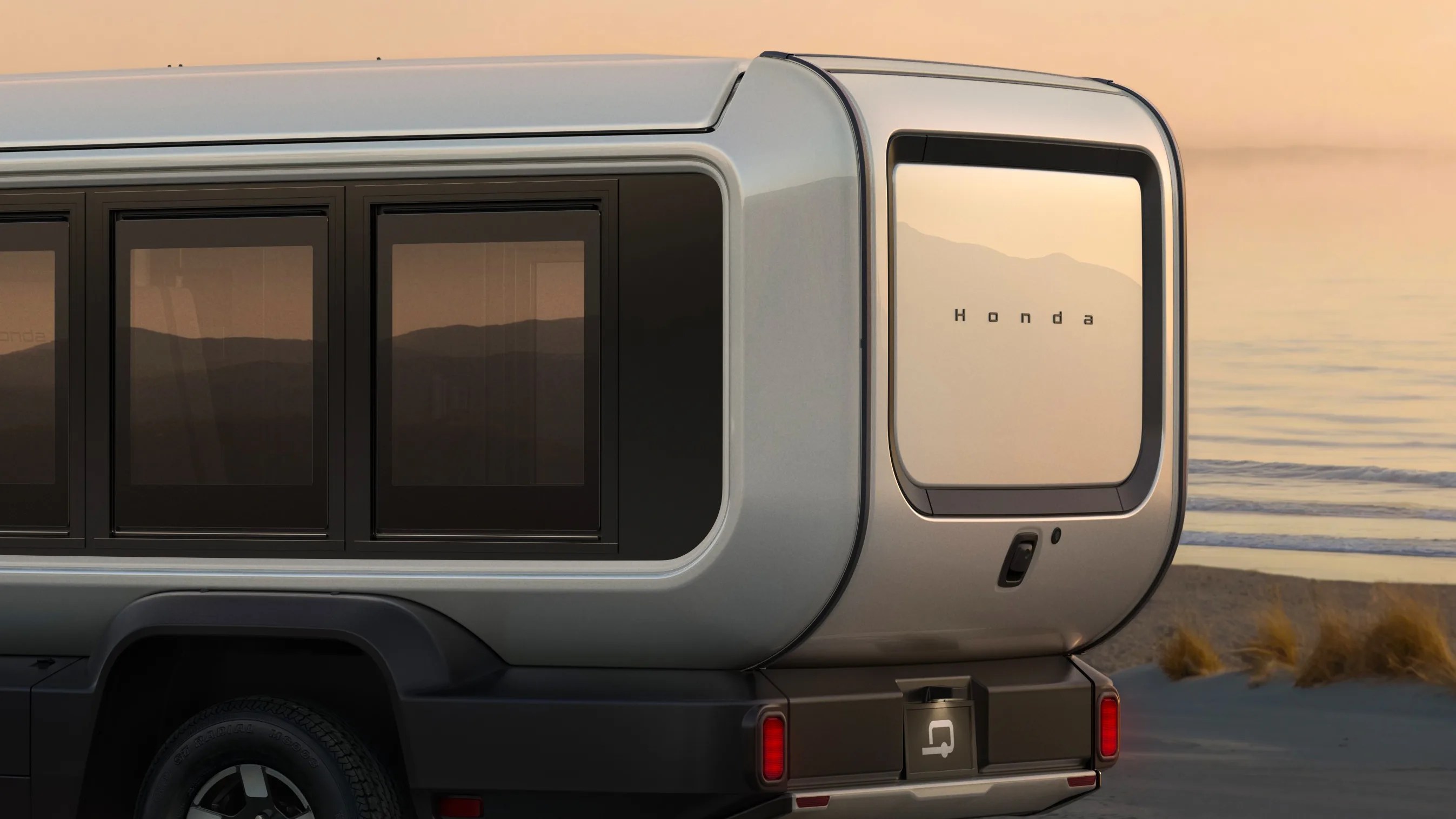
Rear side view of a silver Honda electric camper van with tinted windows parked near a beach at sunset.Honda

As more and more motorists look to venture beyond the beaten path, automakers are increasingly looking to cater their wanderlust in a bid to capitalize on the burgeoning market. Suffice to say, it’s resulted in some bold moves.

For instance, last fall, Toyota suddenly revived its long-dead Scion sub-brand in the form of a Tacoma-based hybrid UTV. Now, Honda has unveiled a futuristic trailer that it’s calling the Base Station Prototype.
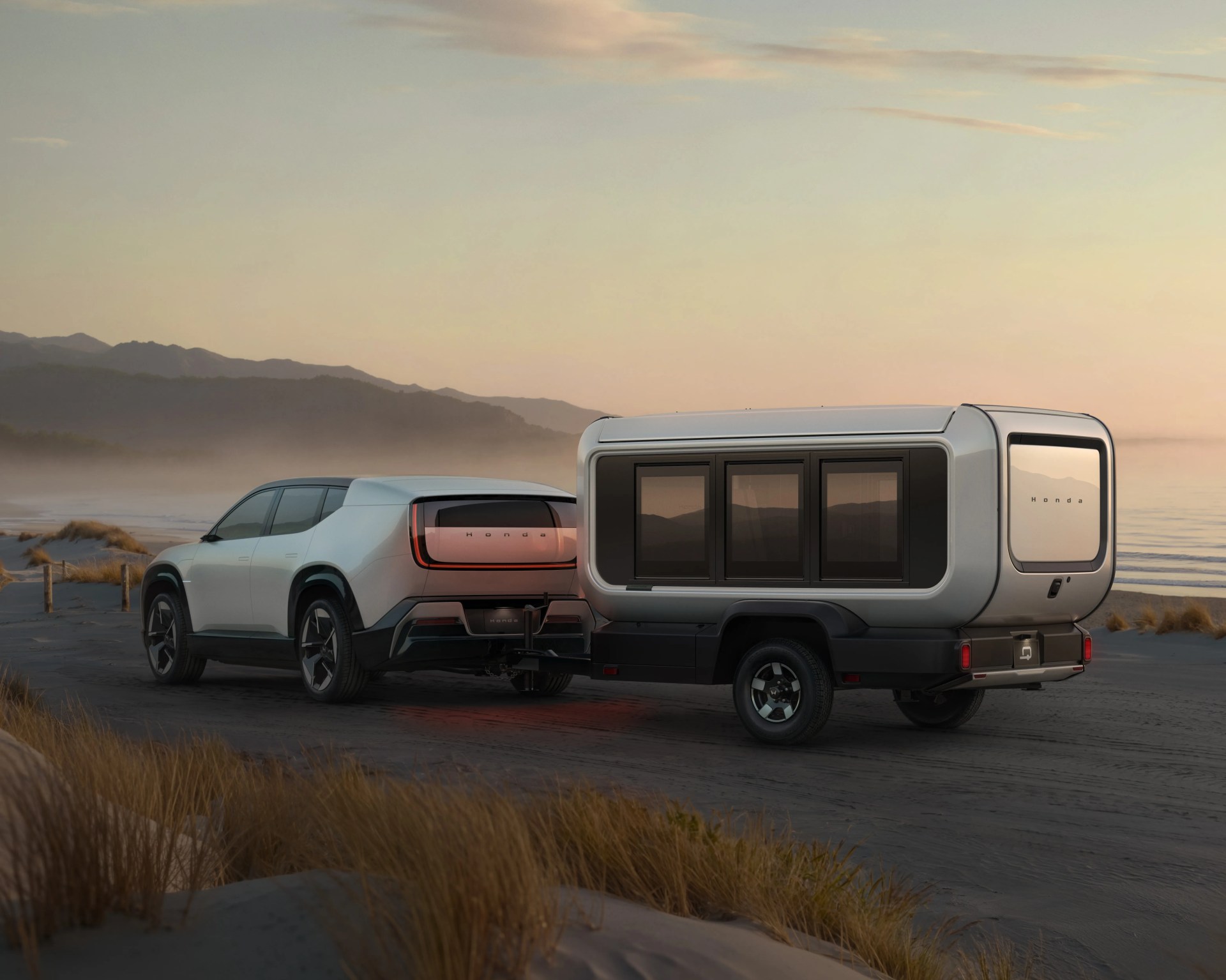
Silver Honda electric SUV towing a modern, boxy camper trailer on a sandy beach at sunset.
The Base Station Prototype goes big on functionality despite its compact form, thanks to Honda’s packing magic.
Honda

In any event, as unexpected as the concept may seem at first, I find it to be perfectly on-brand. Between its innovative design and its aim to improve accessibility, it recalls one of Honda’s smartest vehicles: the Motocompo.

Compact space-saving solutions

Now, I recognize that a towable camper and a foldable scooter are worlds apart in terms of their overall scale. Still, the Base Station Prototype echoes the quirky little two-wheeler in more ways than one.
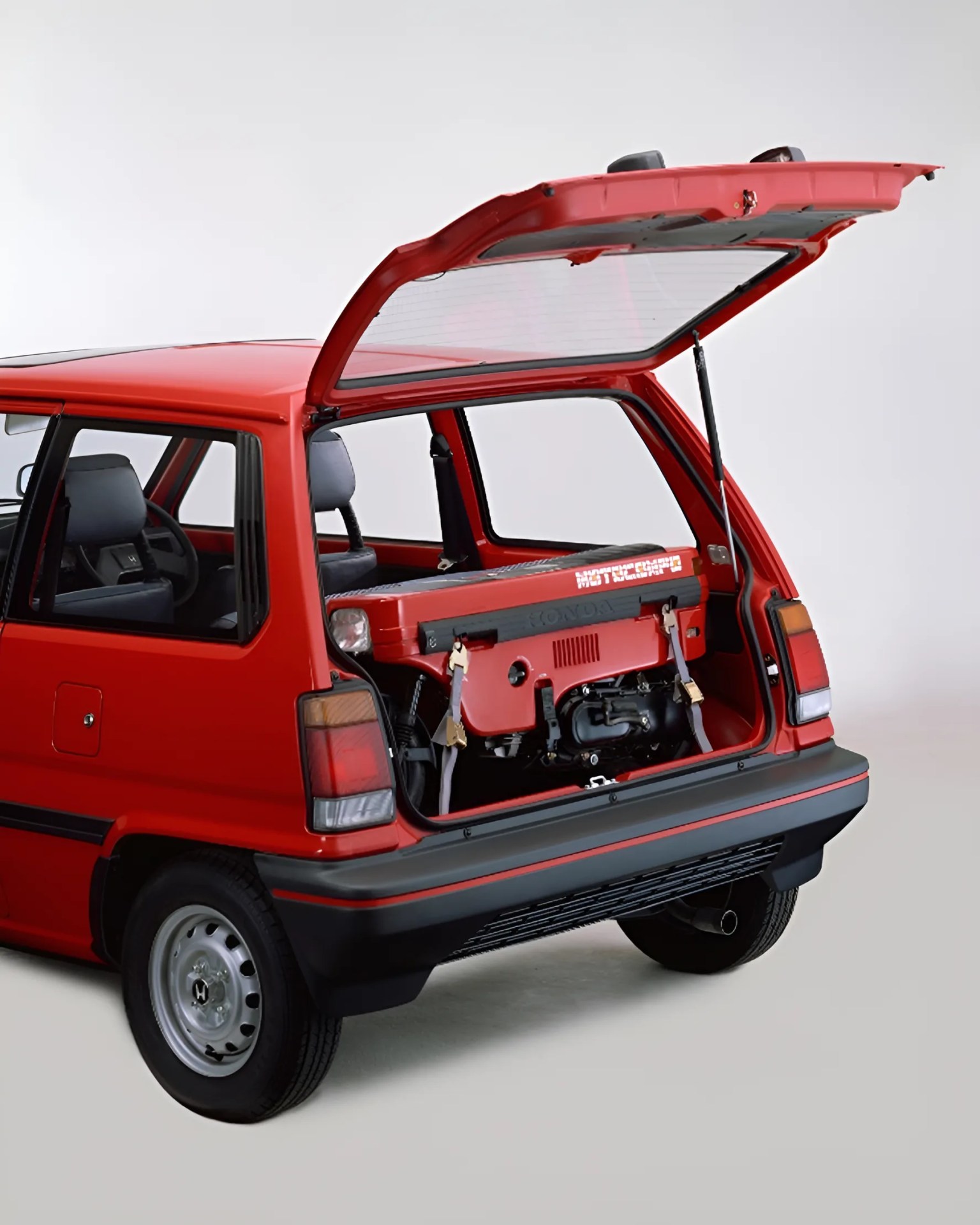
Red compact hatchback car with rear hatch open, showing a red Honda Motocompo foldable scooter inside.
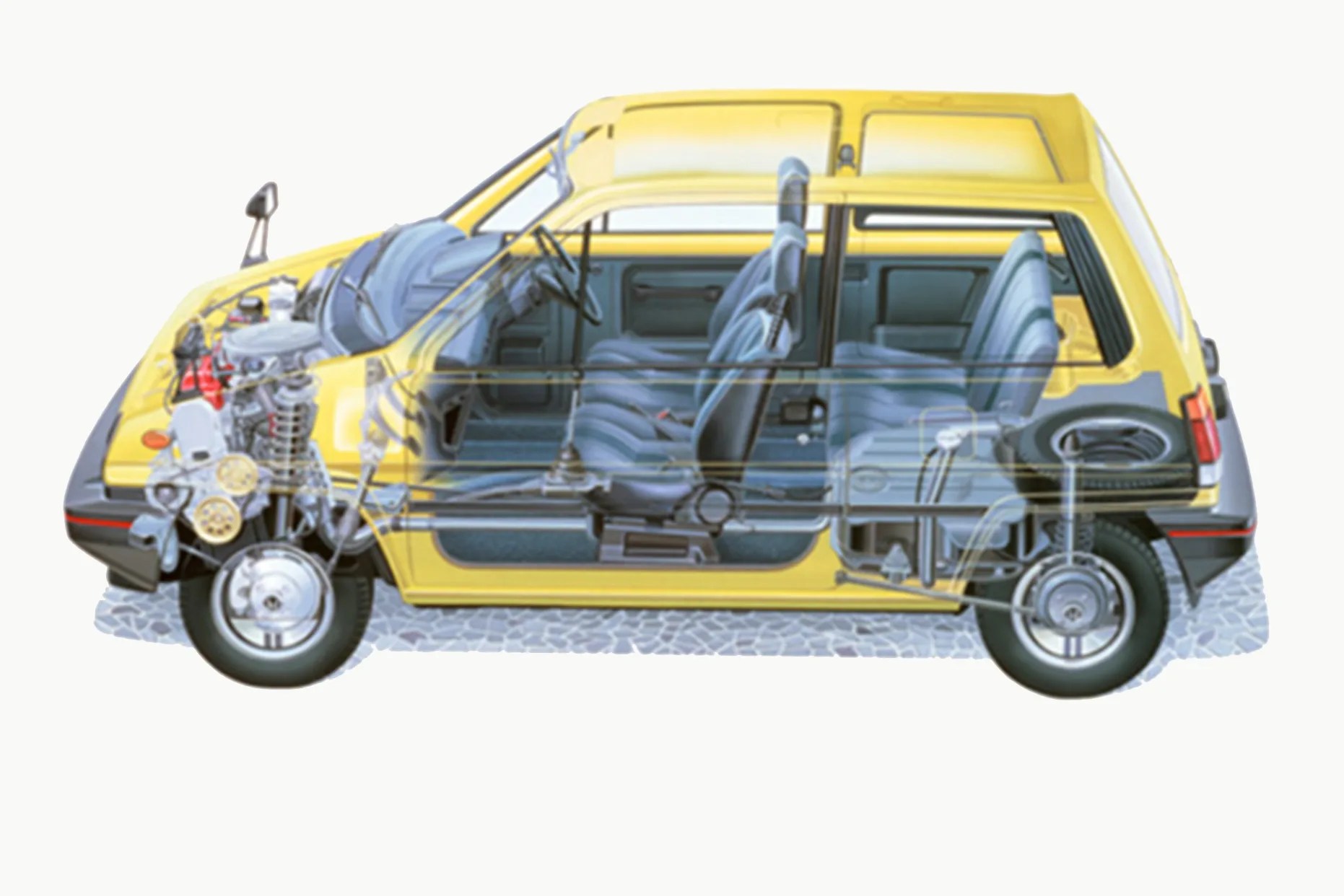
The City and the Motocompo offer another example of Honda’s “Man Maximum/Machine Minimum” design ethos.
Honda

For starters, the team that engineered this trailer was previously responsible for the Motocompo’s electric successor. If only because of their boxy shapes, it’s hard to ignore the clear visual parallels to (and shared origins with) the resulting Motocompacto

Compact white Honda electric scooter with two wheels and a built-in handle on a gray background.
The same team responsible for the Motocompacto designed the Base Station Prototype.
Honda

But these similarities are more than skin-deep — in keeping with this shared DNA, the Base Station also embodies a long-standing Honda design principle of “Man Maximum/Machine Minimum”.  The brand’s space-saving philosophy originated with the tiny N360 in 1967, later taking shape on the Motocompo’s four-wheeled counterpart, the City.

Accordingly, much like how Honda designed the car’s interior and rear suspension to provide sufficient room to stow the diminutive scooter, the Base Station Prototype aims to deliver big on utility despite bringing a compact footprint.

Yellow compact car with transparent body showing interior seats, engine, and mechanical components.
Honda engineers designed the City with plenty of room inside, even though it was an economic compact aimed at urban drivers.
Honda

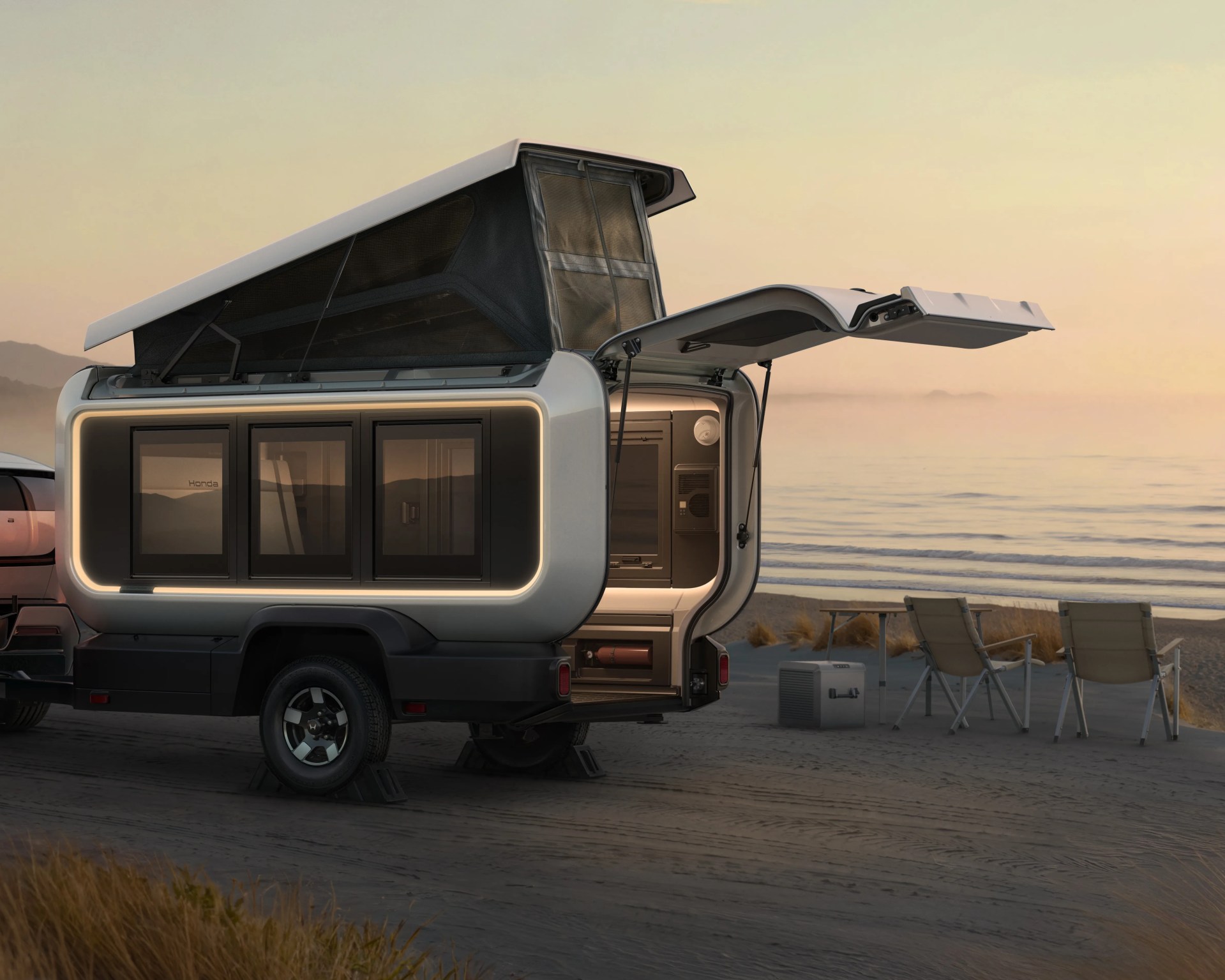
In practice, this means that, though it fits in a standard garage or parking space, the trailer prioritizes openness. A plethora of side windows facilitates a bright, airy interior, while an expanding top and a hinged tailgate allow for seven feet of standing room and a more open campsite. 

Promoting access to different places

Despite their differences in form, the Motocompo and the Base Station Prototype also ultimately accomplish the same goal of democratizing transportation. They’re just targeting different kinds of accessibility.

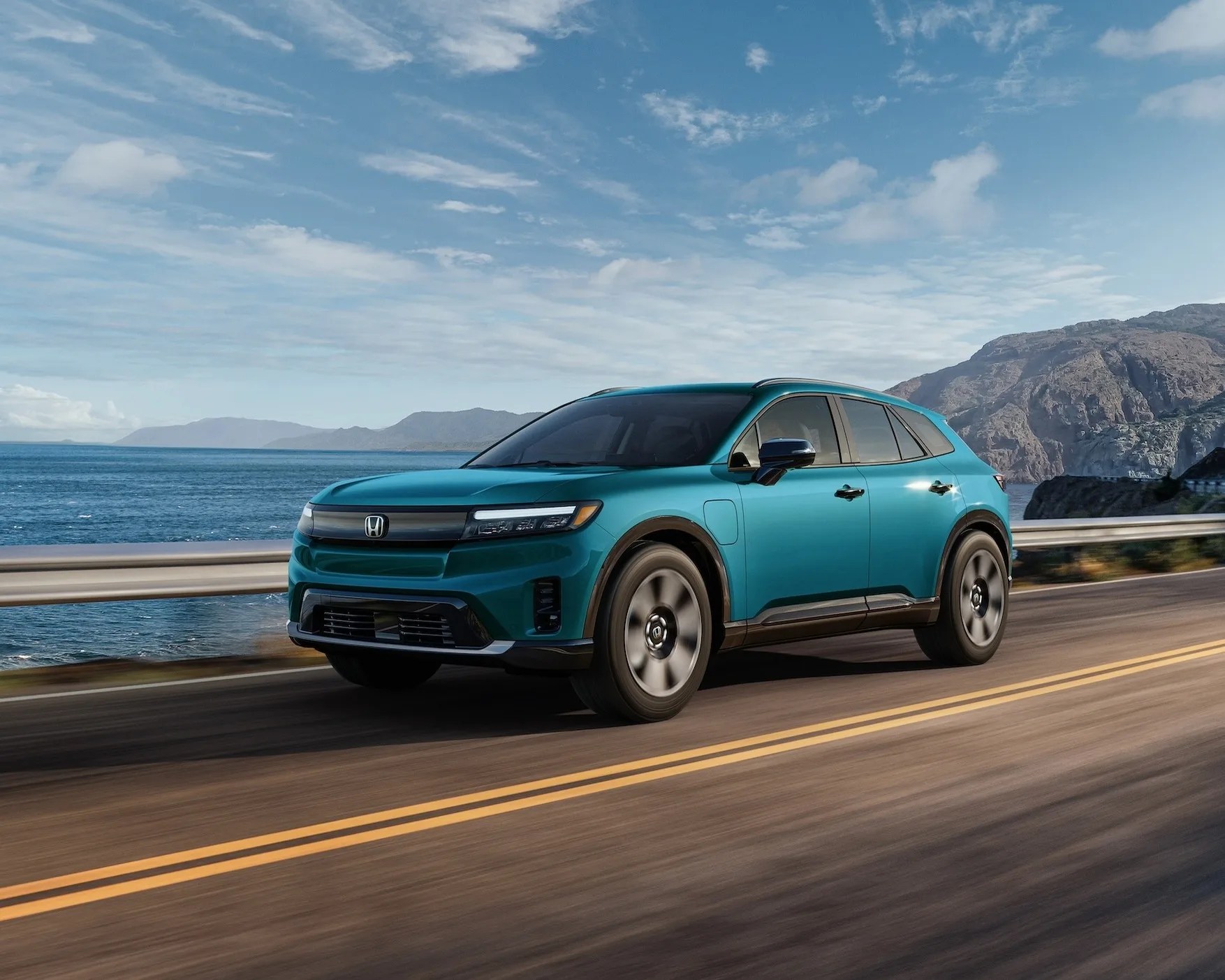
a blue honda prologue EV driving on a highway by the ocean
Honda conceived the Base Station Prototype with a lightweight design towable by EVs like the Prologue.
Honda

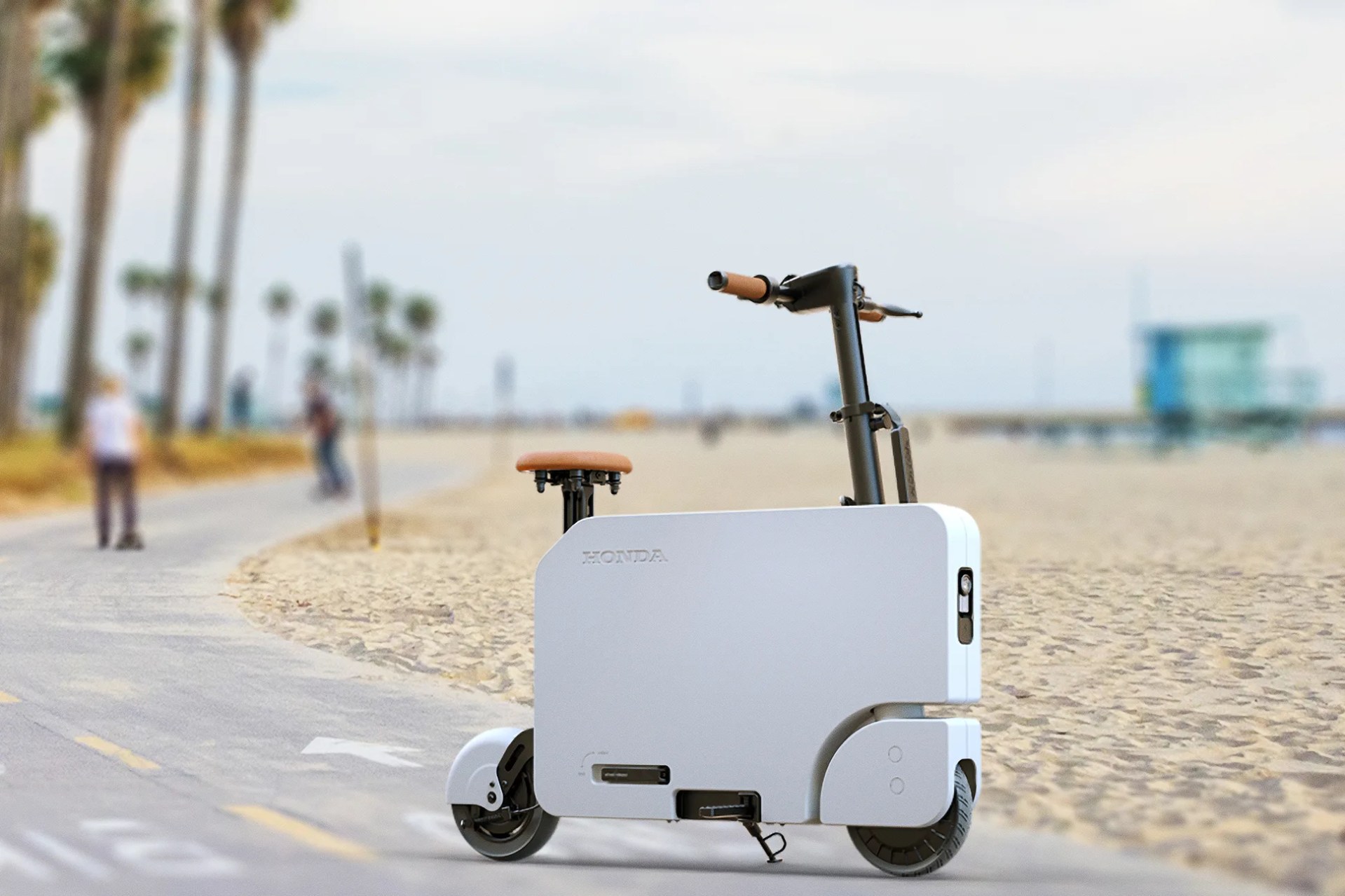
In the case of the former, Honda designed the scooter as a last-mile solution for drivers to avoid parking on crowded city streets. The subsequent Motocompacto only improved on this initiative with a move to a lighter, more carry-friendly design and an all-electric drivetrain.

Though the Base Station conversely aims to get buyers out of the city and into nature, it’s nevertheless similar in its promotion of mobility.

Honda designed it to be palatable to a wide range of buyers — it’s towable by everything from popular crossovers to EVs, and it would be “competitively priced in the lightweight travel trailer segment” were it to eventually hit the market.

Compact white Honda electric scooter with brown seat and handle grips on a beachside path.
The Motocompacto and Base Station Prototype each facilitate mobility, albeit for different environments.
Honda

To that end, Honda has outfitted its Base Station Prototype with tons of creature comforts to make camping accessible, even if you’re not a regular outdoors person.

In addition to an air conditioner, an external shower, and an external kitchen complete with running water and an induction cooktop, it also sports a standard lithium battery,  an inverter and integrated solar panels.

More to come

At this stage, the Base Station camper is only a prototype, and Honda has yet to announce official pricing or specs.

Compact silver and black camper trailer with pop-up roof and rear hatch open, parked on a beach at sunset.
The Base Station goes big on interior space because of its expandable roof and folding tailgate.
Honda

Regardless, seeing as the brand put this much effort into developing a concept, it seems highly probable that the camper will make its way to production sooner rather than later.

After all, while Honda is catering to urban mobility with last-mile solutions (new and old), it also clearly recognizes that there’s a growing population of buyers who want to leave the city behind and take a turn away from the familiar.

Want to stay up to date on the latest product news and releases? Add Gear Patrol as a preferred source to ensure our independent journalism makes it to the top of your Google search results.

add as a preferred source on google
,