
Everyone’s Favorite Affordable Sports Car Could Be Getting a Boost in More Ways than One

The Mazda MX-5 could be due for its biggest change yet, which is a transition to electrification.

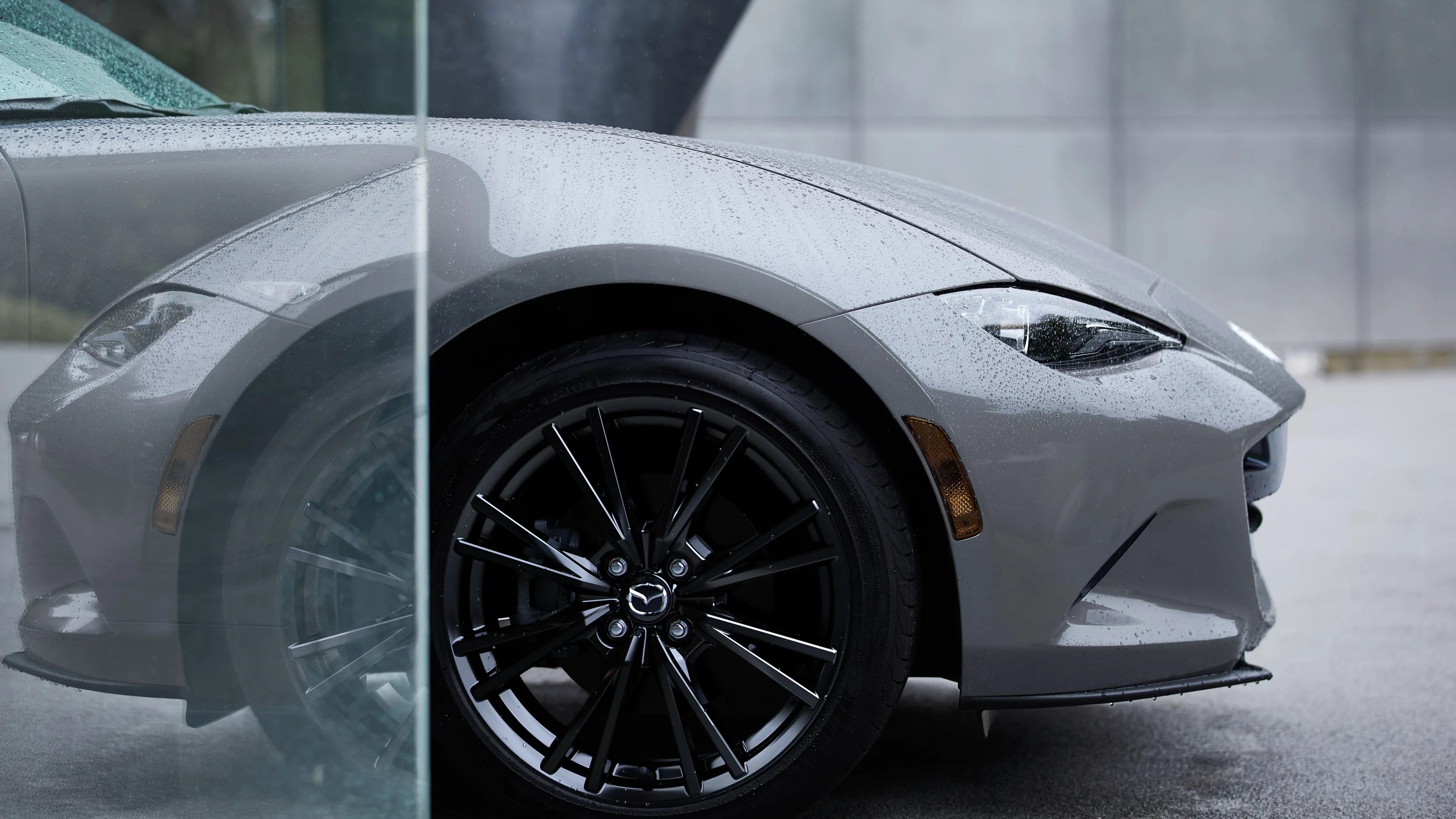
Front side of a gray Mazda car with rain droplets on the surface and black alloy wheel visible through a glass panel.Mazda USA

The current Mazda MX-5 Miata is already over a decade old, which is ancient for any series production model — no matter how good it is. That, of course, means a new, next-gen replacement is on the horizon.

But the biggest question for the auto world’s favorite affordable sports car is, “What’s next?” All the more so with electrification being on the table.

According to an interview between two Mazda executives and Dutch auto publication, AutoRAI, electrification is certainly a possibility for the Miata. Such a major change to the Miata’s formula raises some big questions.

But another alternative may also be under consideration.

Welcome to Reference Points: A series about the products that changed the standard — and never really stopped influencing it. Discover more here.

To go hybrid, or not to go hybrid, that is the question
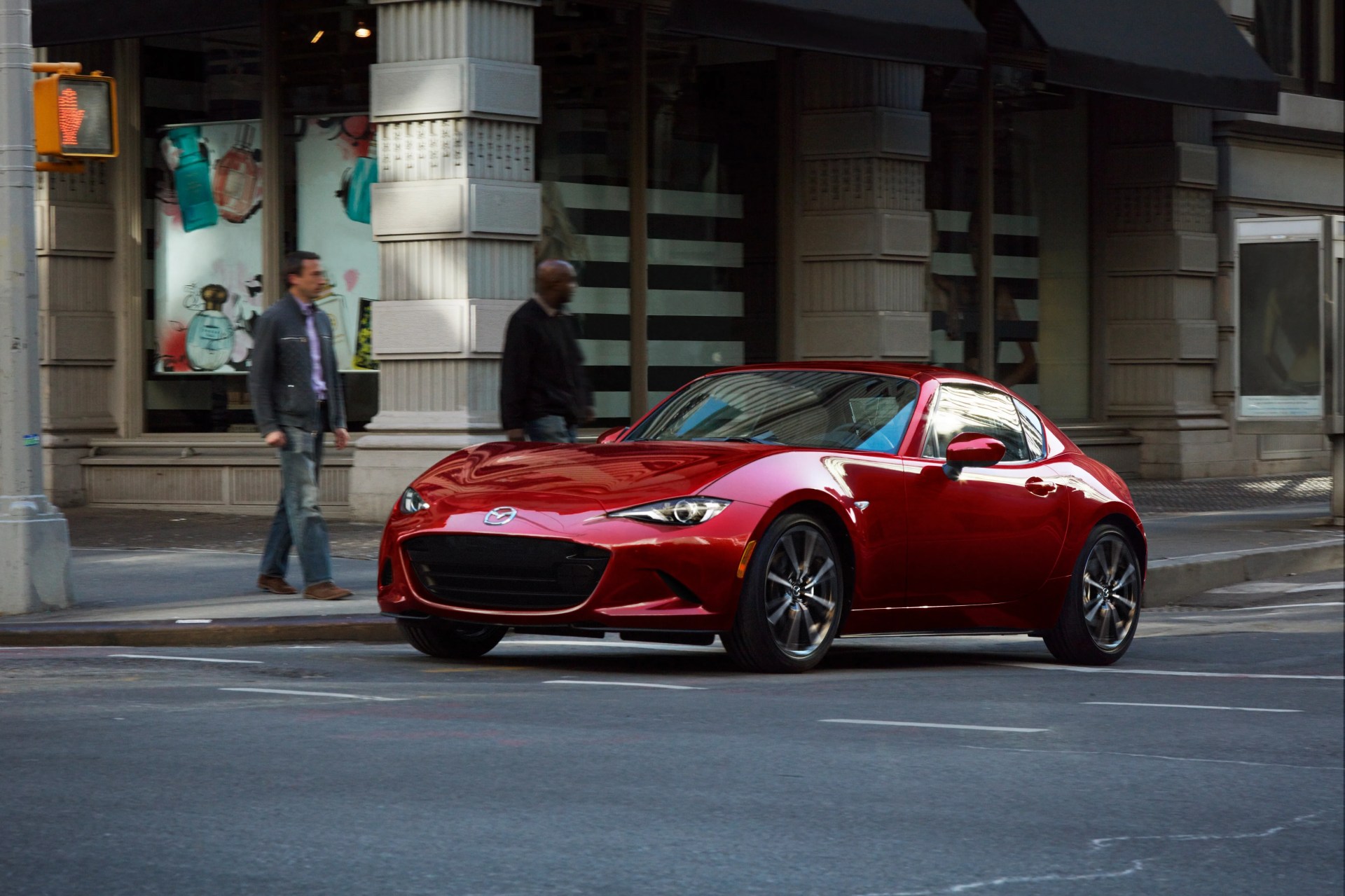
Shiny red Mazda MX-5 Miata sports car parked on a city street near a crosswalk.
Believe it or not, the current “ND” MX-5 Miata is over a decade old.
Mazda

Speaking with Mazda Europe’s chief of design, Jo Stenuit, and the division’s head of R&D, Christian Schultze, word has it that the Hiroshima-based automaker is considering electrification for the MX-5 Miata.
But it’s not going all-in on an EV version. That’s because, much like your average sports car enthusiast, who favors internal combustion power over electric motors, Mazda’s executives also think a gas engine is crucial to the Miata’s driving experience.

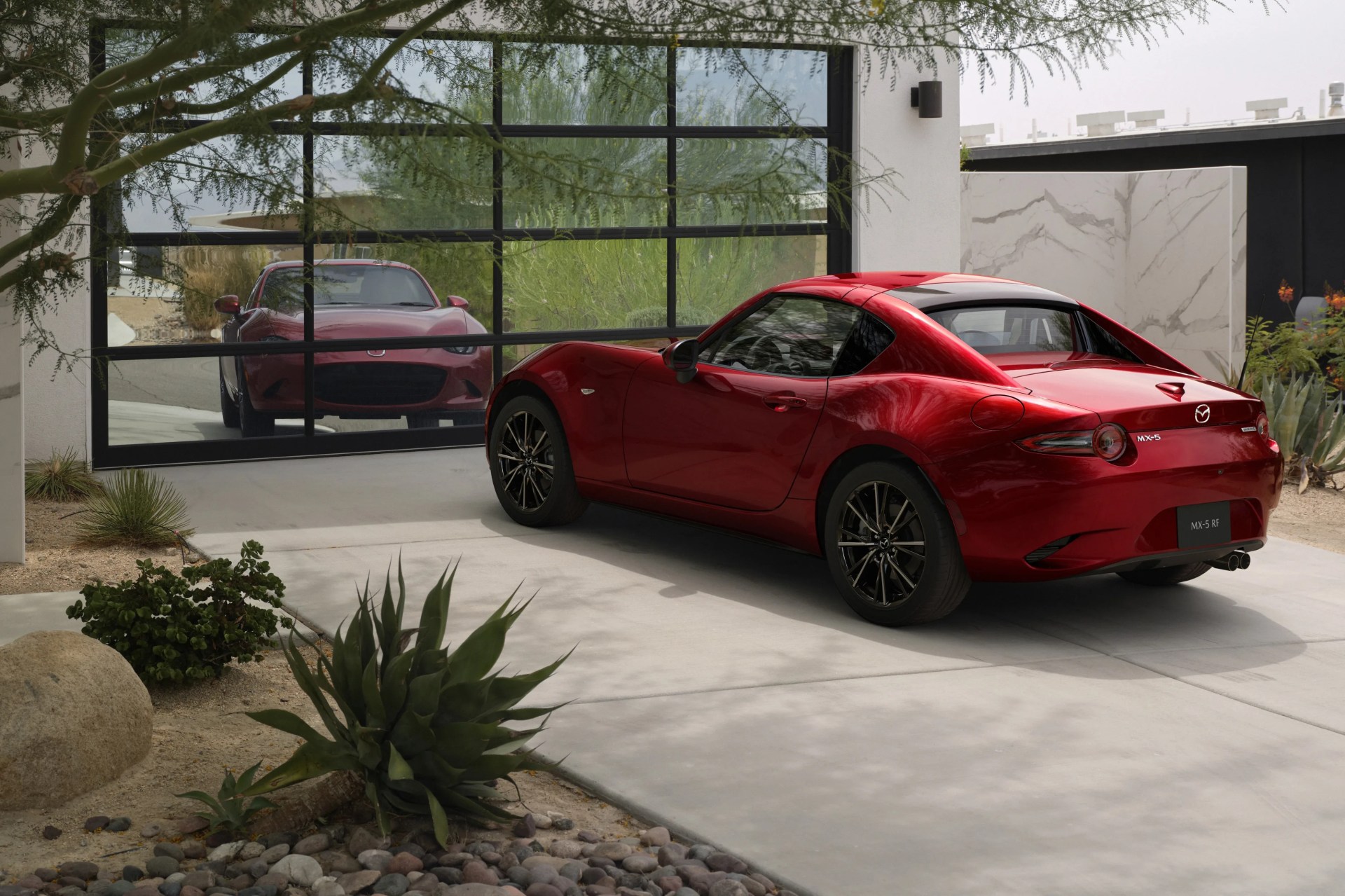
Red Mazda MX-5 RF sports car parked on a concrete driveway in front of a modern garage with glass doors.
Despite its age, the current Miata just proves how timeless it is.
Mazda

“Personally, I love a gasoline engine, but I can also imagine driving through the woods with an MX-5 and not having any engine noise when driving with the top down. The MX-5 stands above all for fun, light weight, and affordability,” Stenuit said.

“The Mazda MX-5 is, of course, the core of our company. Without the MX-5, Mazda would look completely different. So, of course, we’re working on it. The powertrain the car will have isn’t set in stone,” Stenuit continued.

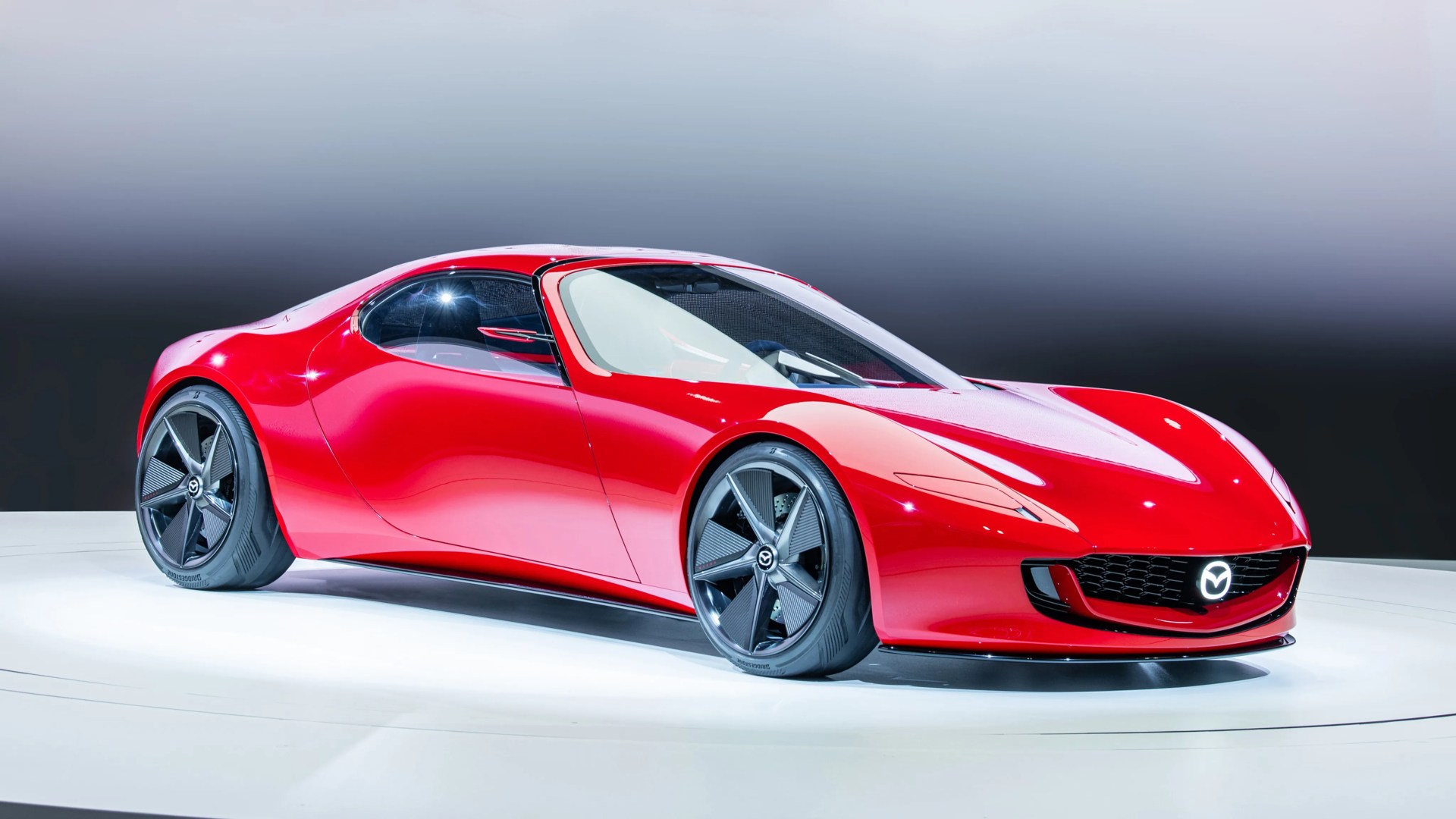
Red sleek Mazda sports car with black aerodynamic wheels on a white platform.
Although a pitch at a potential new rotary-powered RX sports coupe, the next-gen Miata could get styling inspired by the 2023 Iconic SP Concept.
Mazda

For a car that’s integral to Mazda’s ethos, the prospect of electrification comes with major risks as it can significantly alter the Miata behavior on multiple fronts. In addition to a silent motoring experience, electric drive gear adds significant weight, which compromises one of the Miata’s core attributes: lightweight nimbleness.

“If any of those three aspects are missing, it’s not an MX-5. Other brands have already tried to build an electric roadster, but that’s a completely different story,” Stenuit further noted. “Aspects like fun, lightweight, and affordability also depend heavily on the powertrain.”

The next Miata could go partial hybrid, not full hybrid

So what does that mean the Miata’s engineers would prefer? Mild-hybridization, at minimum.

For those unfamiliar, mild-hybridization involves featuring an auxiliary starter/generator that sits outboard of the gas engine. It essentially smoothens the auto-stop-start function by assisting the propulsion in the engine in small amounts in stop-and-go and full-throttle conditions.

Mild-hybridization rose to prominence over the past decade in premium and luxury automobiles. Now that the technology is more widespread and available, it’s slowly creeping into more mainstream and affordable vehicles.

“The ND generation is already twelve years old, and it’s still a perfect car. So, how do you improve it? That’s difficult,” Stenuit elaborated. “We did a project in 2024 where we explored the possibilities for the MX-5 NE. Nothing is set in stone yet, but I’m certain that car will be released and that it will have some form of electric power assistance.”

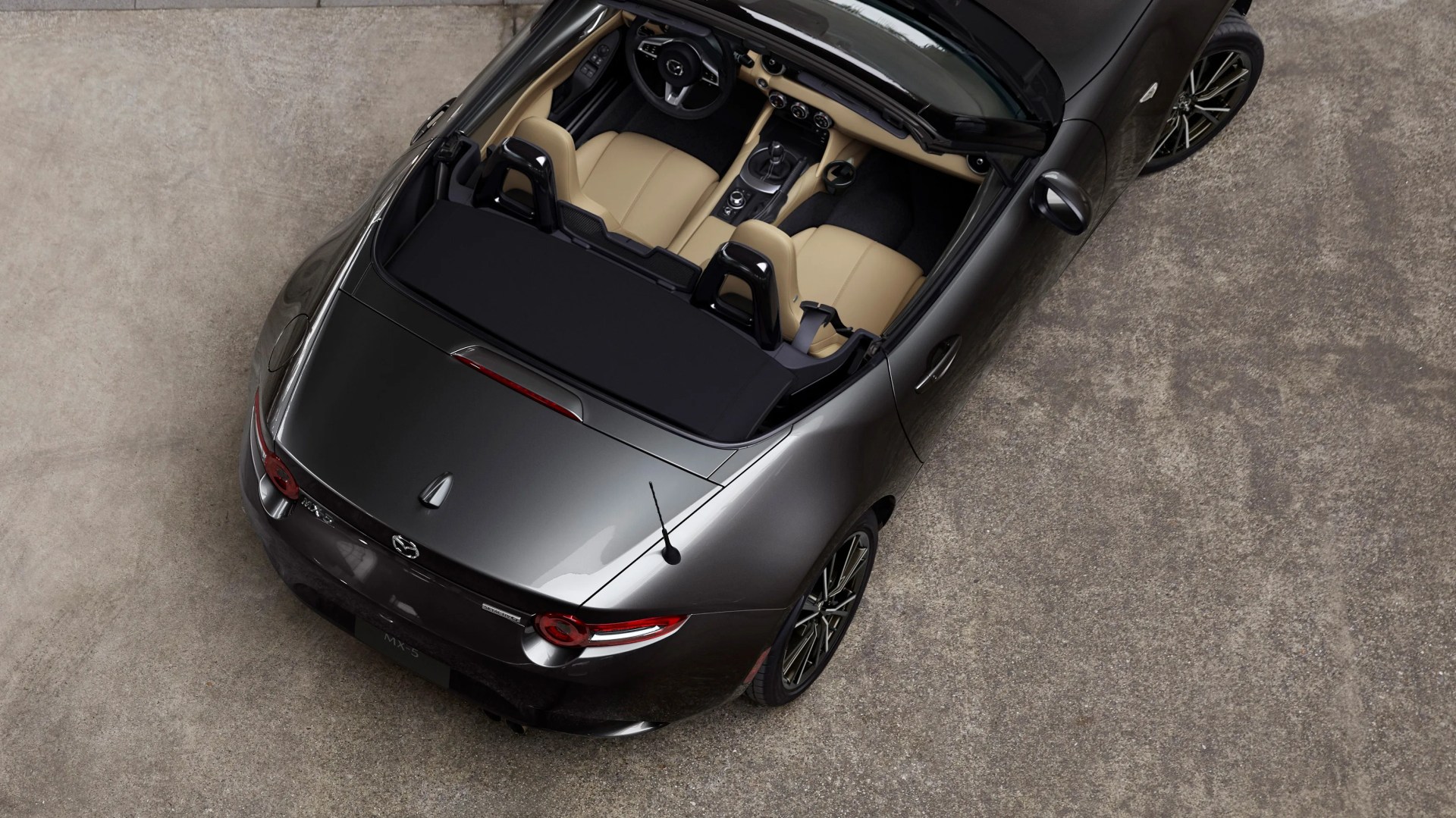
Dark gray Mazda MX-5 convertible with beige leather seats viewed from above on a concrete surface.
Electrification is in the Miata’s future to some degree, but the biggest challenge is keeping it lightweight.
Mazda

“Mild hybrid will be the least of the options. As I said: the MX-5 is the soul of the company,” Stenuit continued. “As you know, they’re a bit crazy in Hiroshima, so something interesting will surely come out of that. But that will take a few more years.”

Synthetic fuel-friendly motoring

One question AutoRAI raised was about the prospect of synthetic fuels, or fuels engineered from recycled and sustainable materials, rather than conventional crude oil.

The benefit to using synthetic fuels is that engineers wouldn’t have to deviate far from using conventional internal combustion engines. Rather, they would just have to adapt to the different burn processes and effects caused by using alternate fuels.

NA-Miata-Buying-Guide-gear-patrol-ambiance
Since its introduction in 1989, the MX-5 Miata has been a byword for lightweight automotive fun.
Mazda

While a promising prospect, infrastructure and the widespread availability of flexible fuels remains a big challenge.

“The simplest way to reduce the MX-5’s emissions is to use synthetic fuels. That’s the short answer, really,” Christian Schultze said, chiming into the discussion. “If you look at the technical reality, synthetic, CO₂-neutral fuel allows you to continue using the existing combustion engine without having to completely overhaul the car’s concept.”

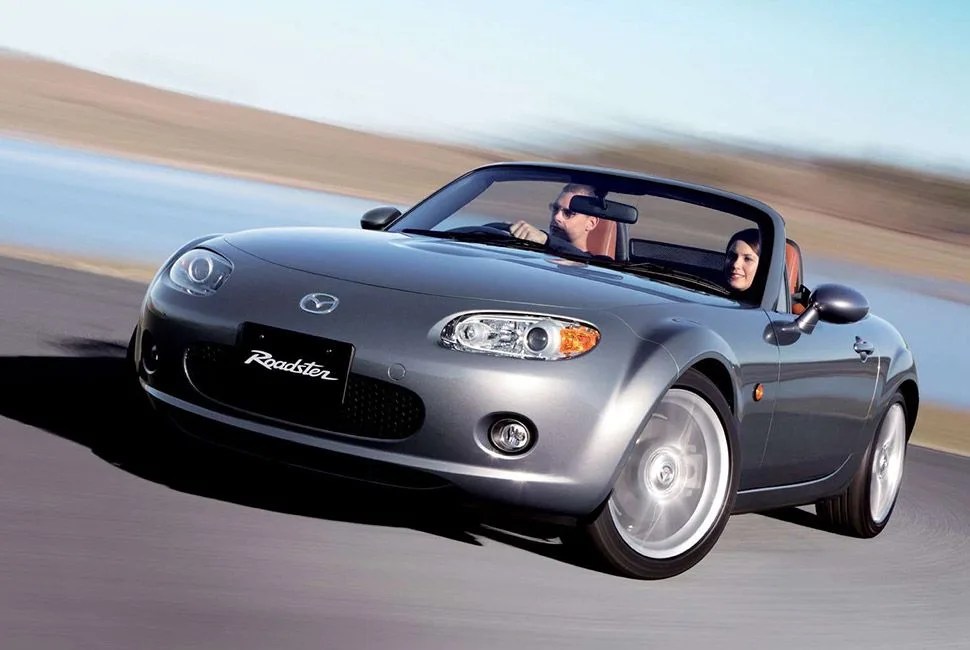
mazda-miata-3rd-generation-slide-4
There’s no other car in the world that emphasizes it small footprint and featherweight driving experience like the Miata.
Mazda

“For a model like the MX-5, which relies so heavily on lightweight construction, balance, and mechanical purity, that’s a very logical route, Schultze continued. “The moment you go fully electric, you fundamentally change the car’s architecture. That means different proportions, different weight, a different balance.

“With synthetic fuel, you retain the essence of the car. That’s why I say: if it’s the most direct and technically minimal way to make things more sustainable, synthetic fuels are the most obvious solution,” Schultze concluded.

Want to stay up to date on the latest product news and releases? Add Gear Patrol as a preferred source to ensure our independent journalism makes it to the top of your Google search results.

add as a preferred source on google
,