
Toyota Quietly Teases the Possible Revival of a Famously Rad Pre-Lexus Nameplate

The possible return of the Cressida wasn’t on our bingo cards.

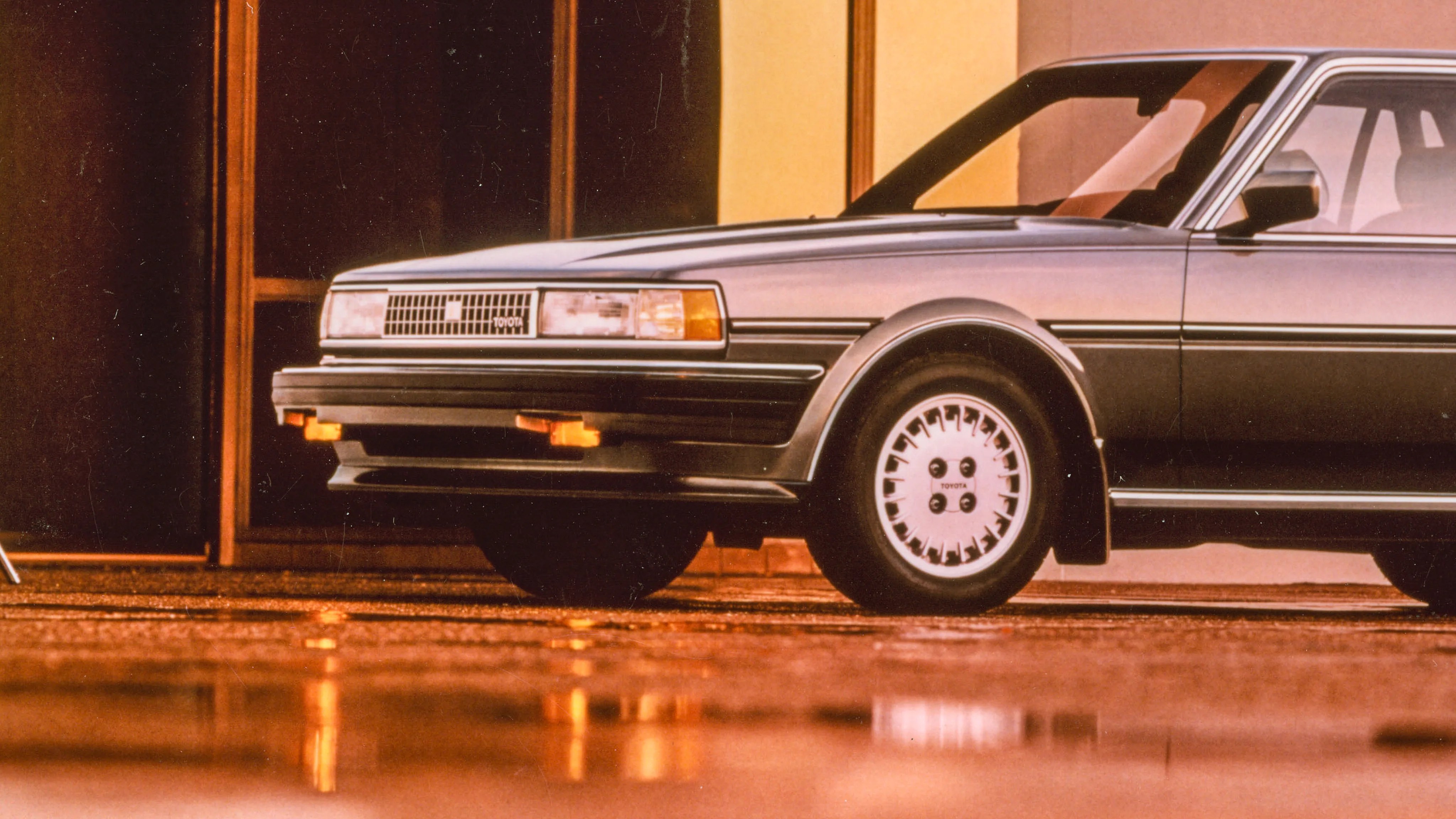
Silver Toyota sedan front side with classic rectangular headlights and detailed wheel covers.Toyota

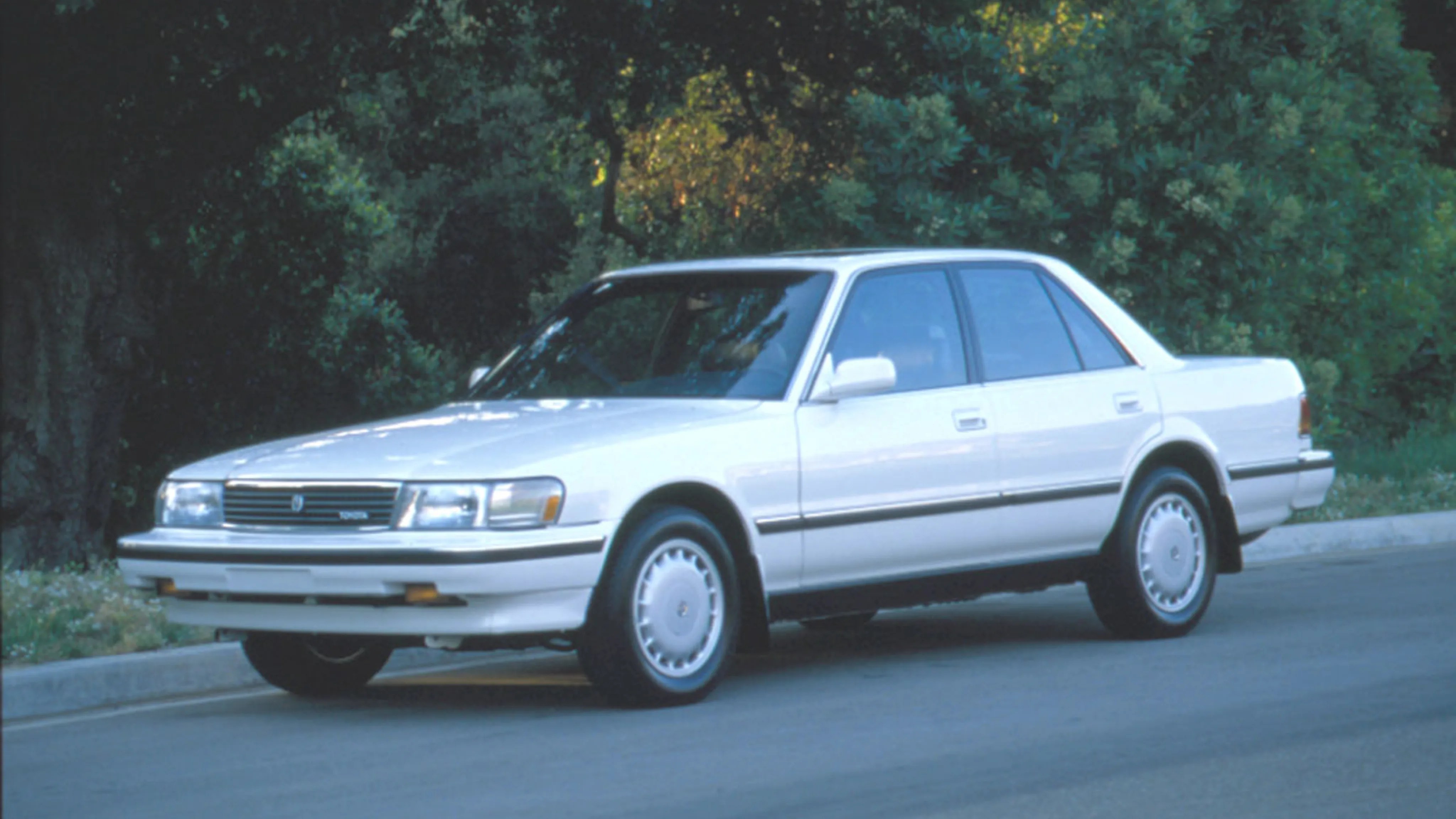
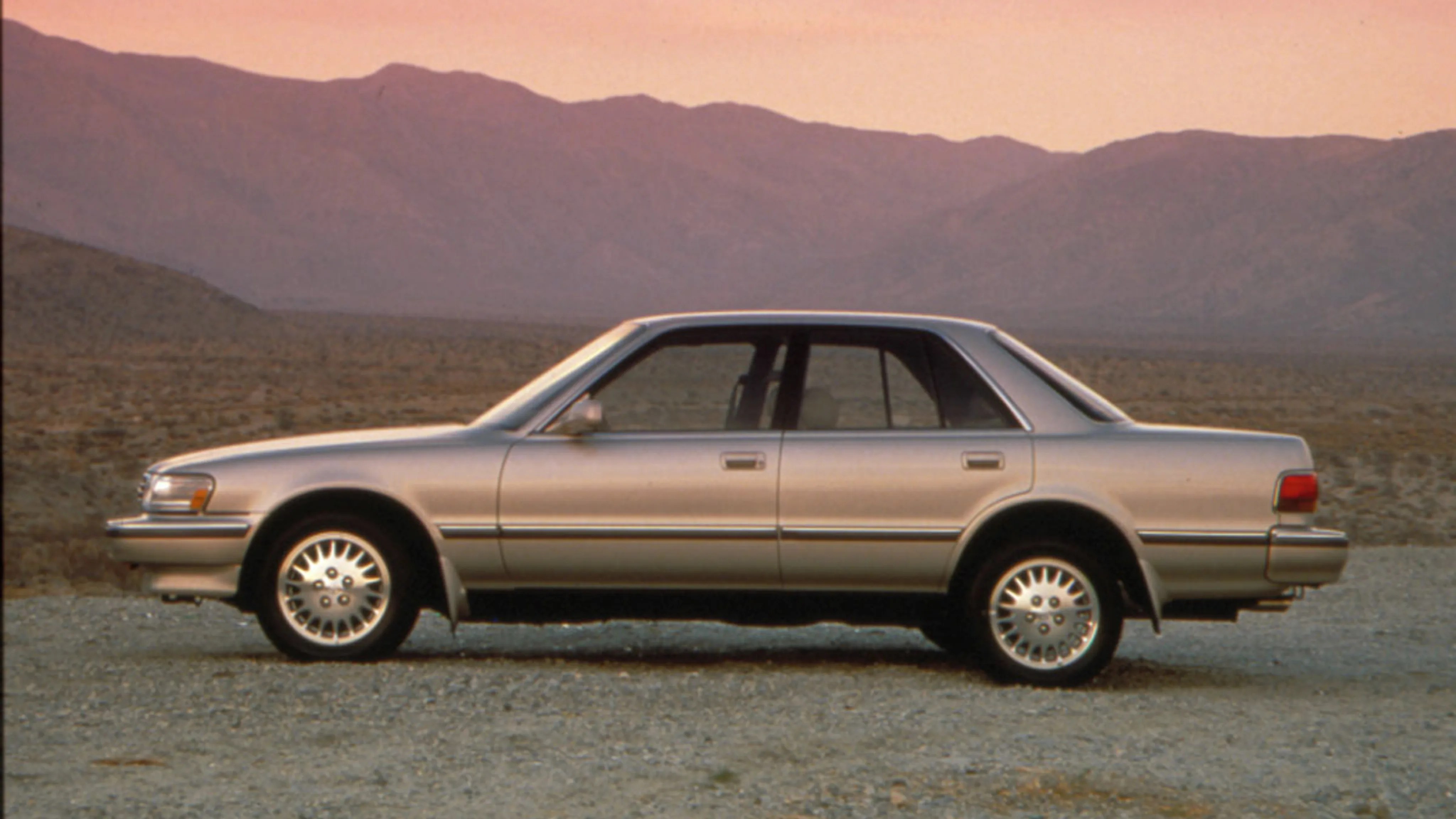
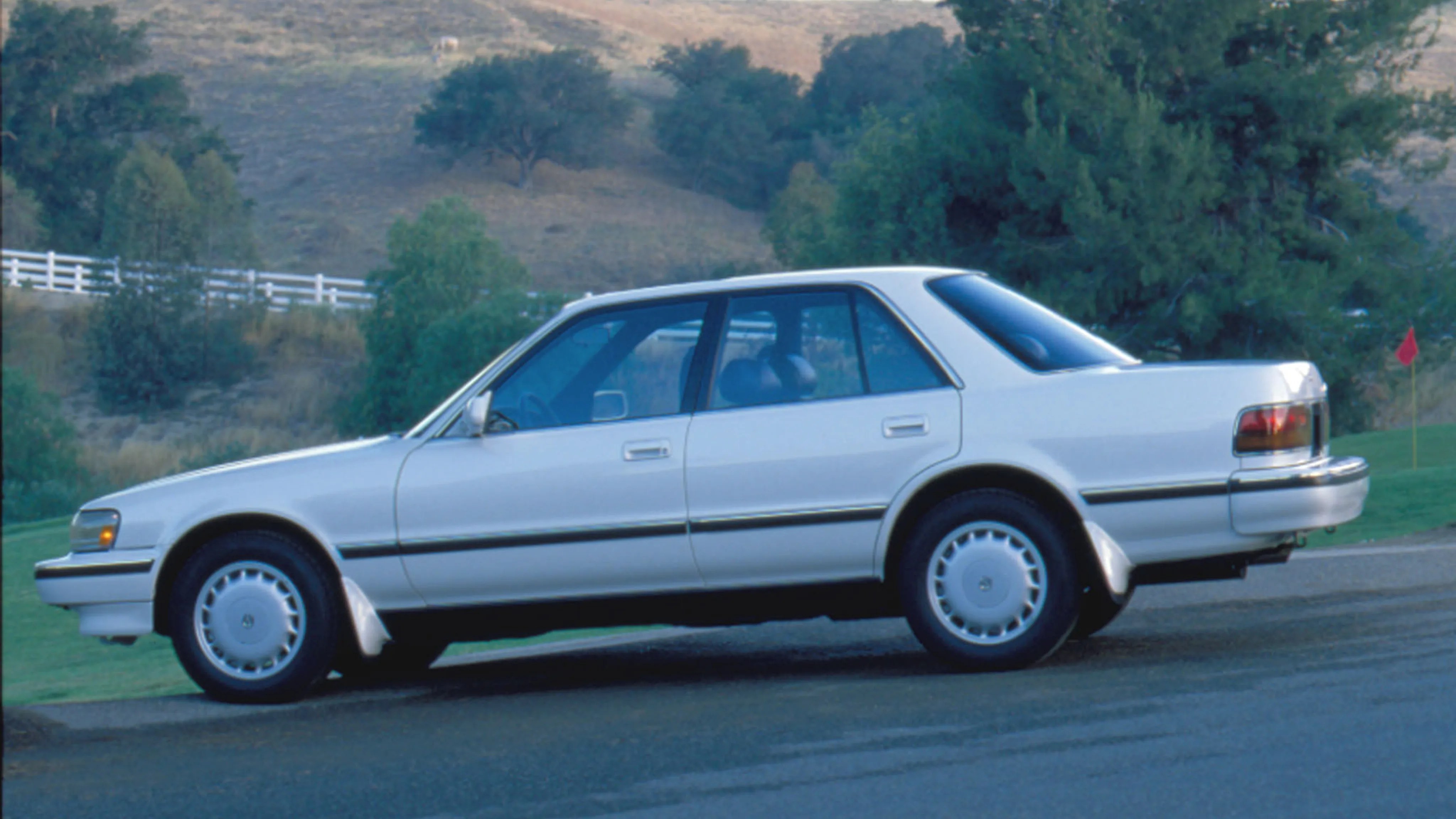
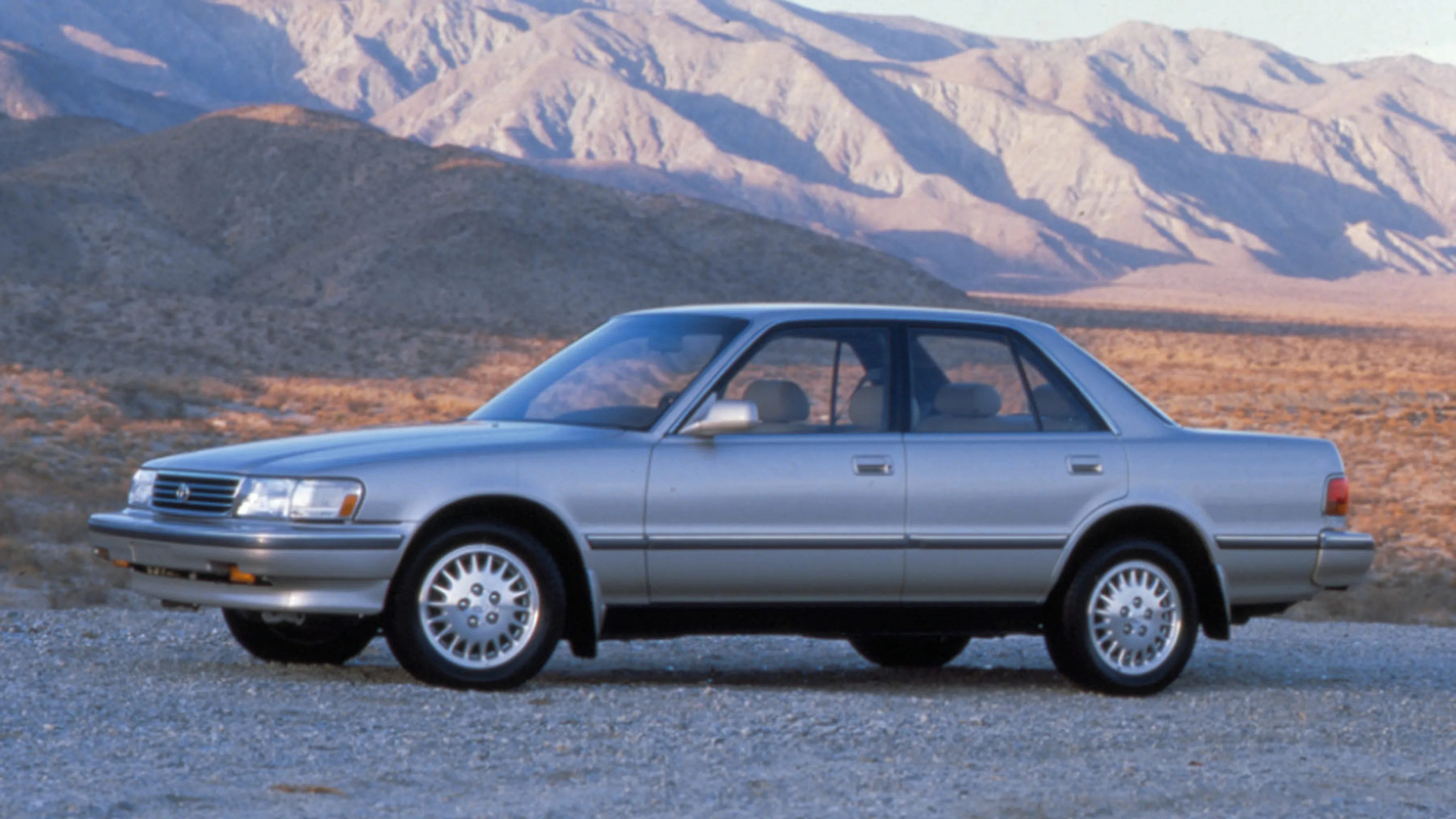
Before Lexus, Toyota dabbled in making upscale models under its own badge. One of the most well-known is the Cressida.

If that name sounds familiar, that’s because it was one of Toyota’s fanciest and most expensive cars before its luxury sub-brand even existed. We even got it on our shores.

Word has it that the iconic nameplate could be making a return. The Japanese auto giant just recently filed new trademark applications with the World Intellectual Property Office. But the interpretation of these trademark renewals could potentially be two-sided.

A rad but almost forgotten Toyota icon
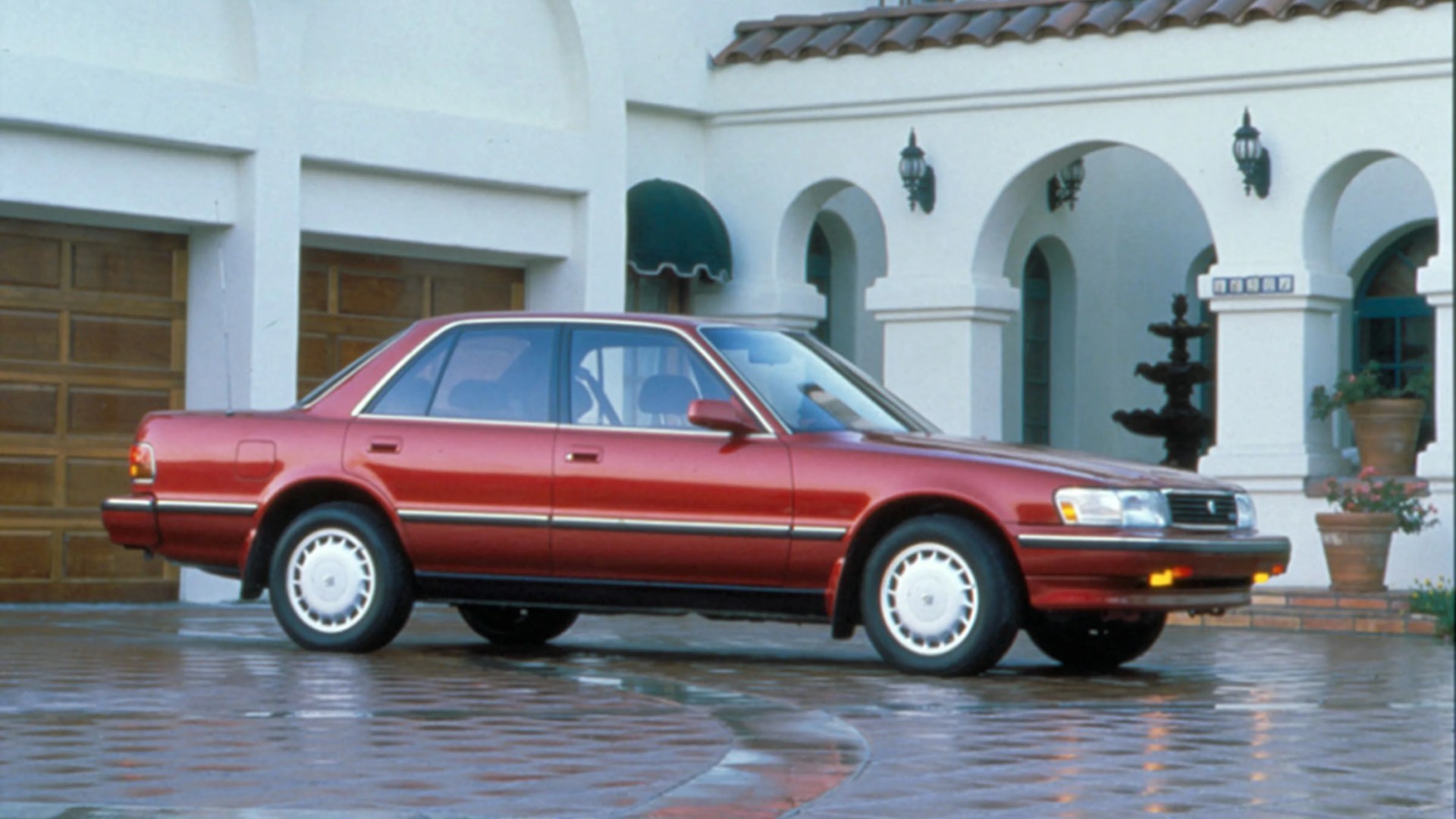
Red four-door sedan parked on a wet cobblestone driveway in front of a white building with arches and wooden garage doors.
Before Lexus, Toyota built some fancy cars of its own, one of which was the Cressida sedan.
Toyota

Built between 1968 and 2004, the Toyota Mark II, better known as the Cressida in its later years, served as one of the automaker’s top-spec offerings. The model didn’t receive the Cressida name until the third generation arrived in 1976.

The Mark II, or Cressida, sat below the flagship Crown sedan as a more affordable and flexible alternative. The Mark II was part of Toyota’s early entry into the US market, alongside the Land Cruiser, Hilux, Corolla, Celica and Corona.
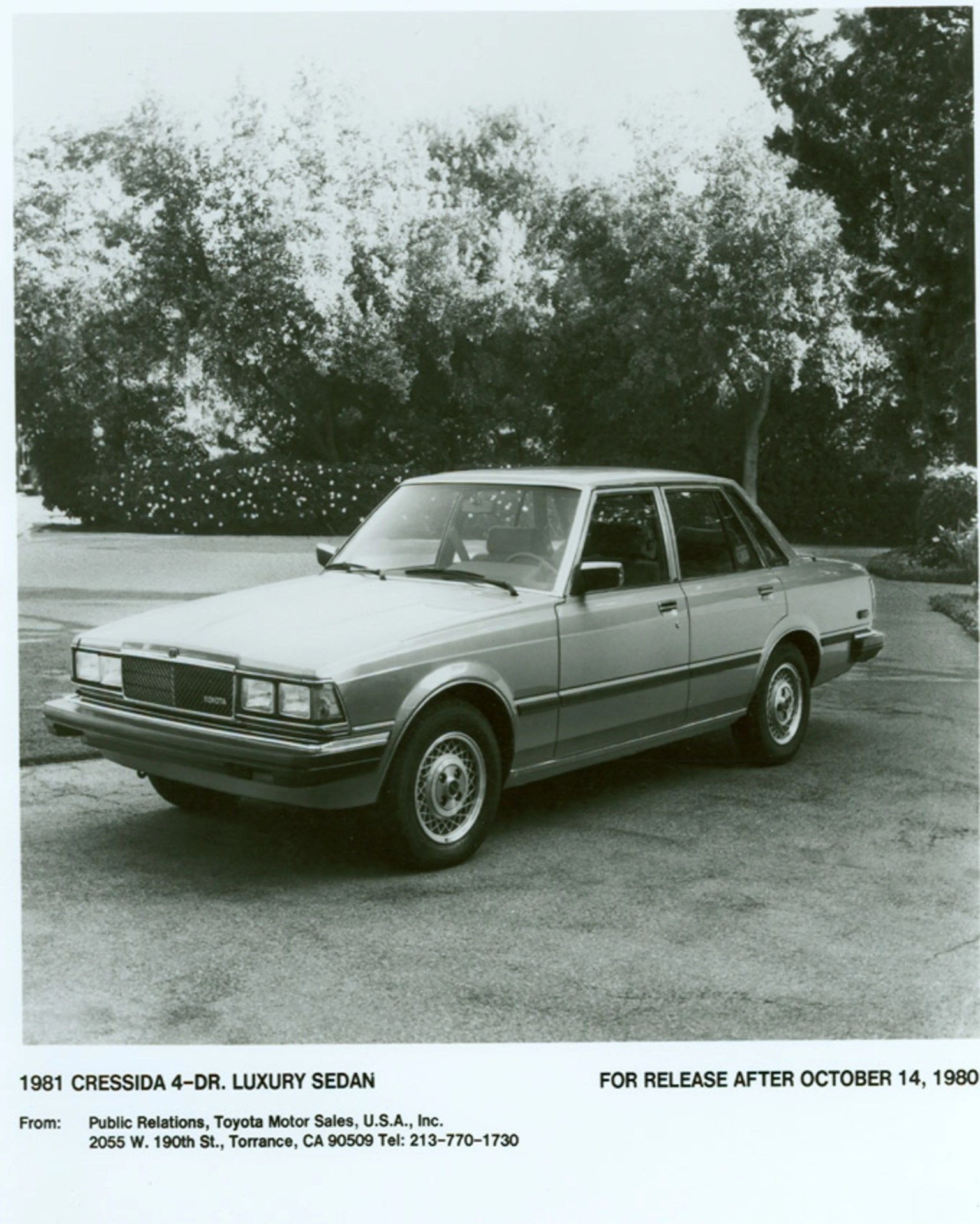
1981 silver Toyota Cressida 4-door luxury sedan parked on a driveway with trees in the background.
Originally built and sold as the “Mark II,” Toyota slapped the Cressida name for export market models in 1976.
Toyota

Toyota initially attempted to sell the Crown in the States. But after disappointing sales, the automaker tried for a smaller, more affordable approach with the Mark II. (It fared a bit better.)

But it wouldn’t be until the late 1970s and the 1980s that the Cressida would truly rise to prominence in the North American market. Then, it became a symbol of Toyota’s growth in North America and the company’s automotive innovations.

The Cressida eventually would pave the way and segue into the brand’s decision to spin off Lexus.

Could Toyota’s beloved flagship be making a comeback?

Once Lexus arrived in 1989, Toyota had no other choice but to axe the Cressida by 1992, or its seventh generation, for the North American market. At that point, it became a JDM-only model with the Lexus GS 300 taking its place.

Toyota eventually did make a large-ish sedan to slot above the Camry. After the Cressida’s introduction in 1979, it immediately became one of ‘Yota’s top-selling cars. So, Toyota felt obligated to continue making a larger model above the Camry after the Cressida’s departure.

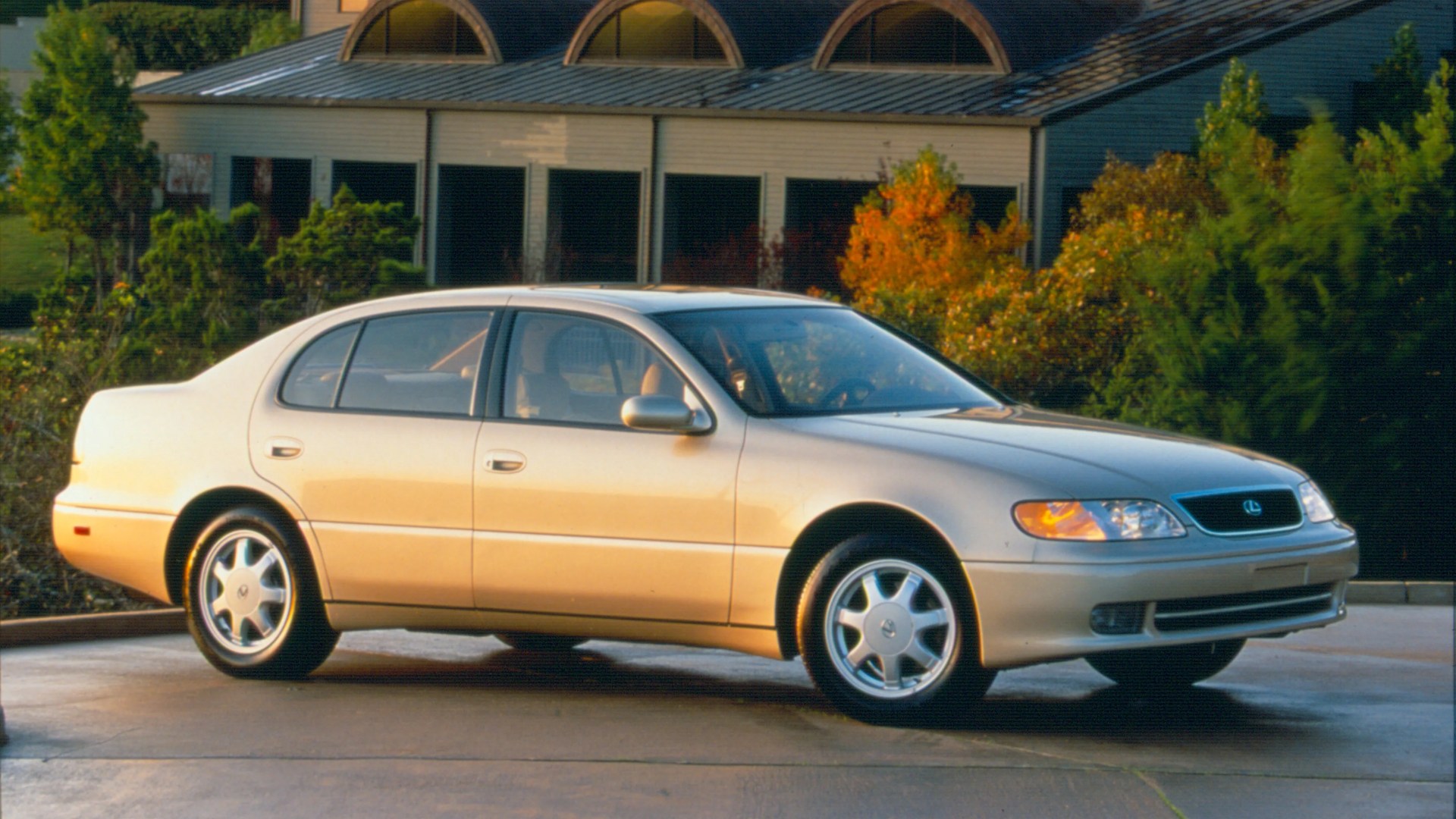
Beige Lexus sedan parked on a driveway with trees and a building in the background.
Once the Cressida outgrew its purpose, Lexus came to be with the midsize GS 300 serving as its spiritual successor in North America.
Lexus

That Cressida successor eventually gave us the modern-day Avalon. But since Toyota discontinued the Avalon in 2022, the new trademark renewals have fans wondering if Toyota’s ditching the Avalon badge for a Cressida revival.

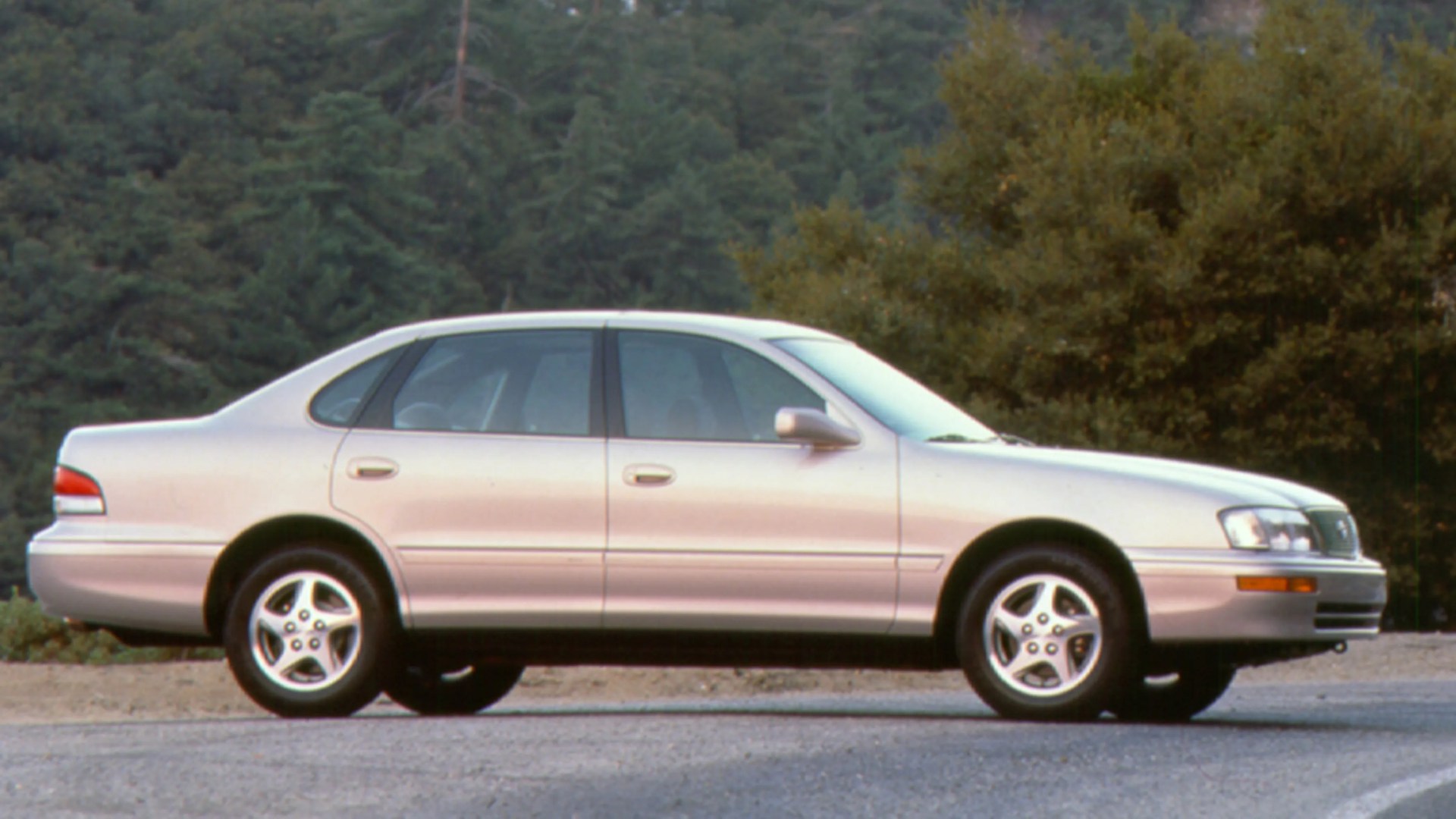
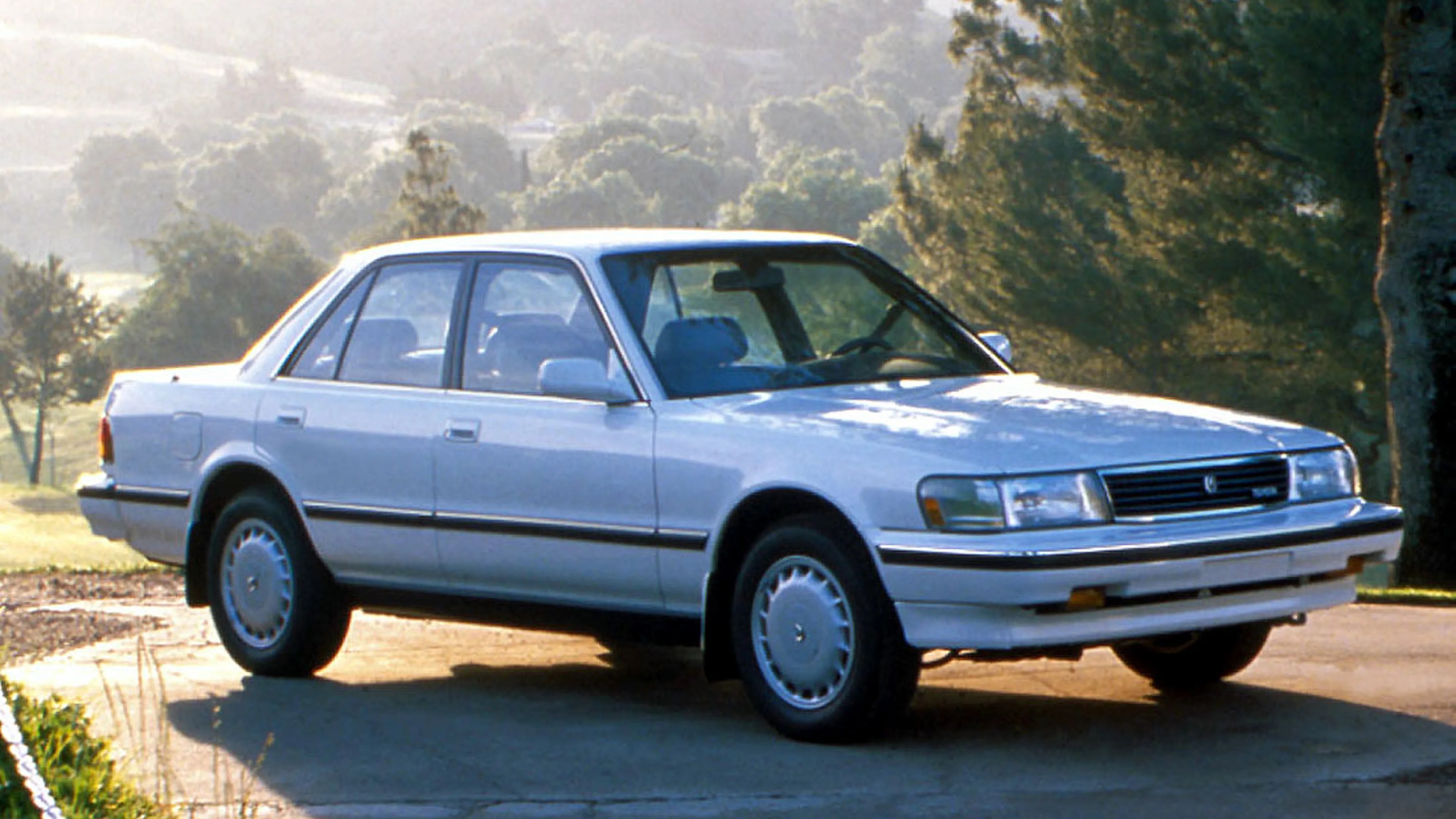
Silver four-door sedan parked on a gravel road with trees in the background.
Toyota also introduced the Avalon in 1994 to stand in as the larger sedan option above the Camry, but below Lexus.
Toyota

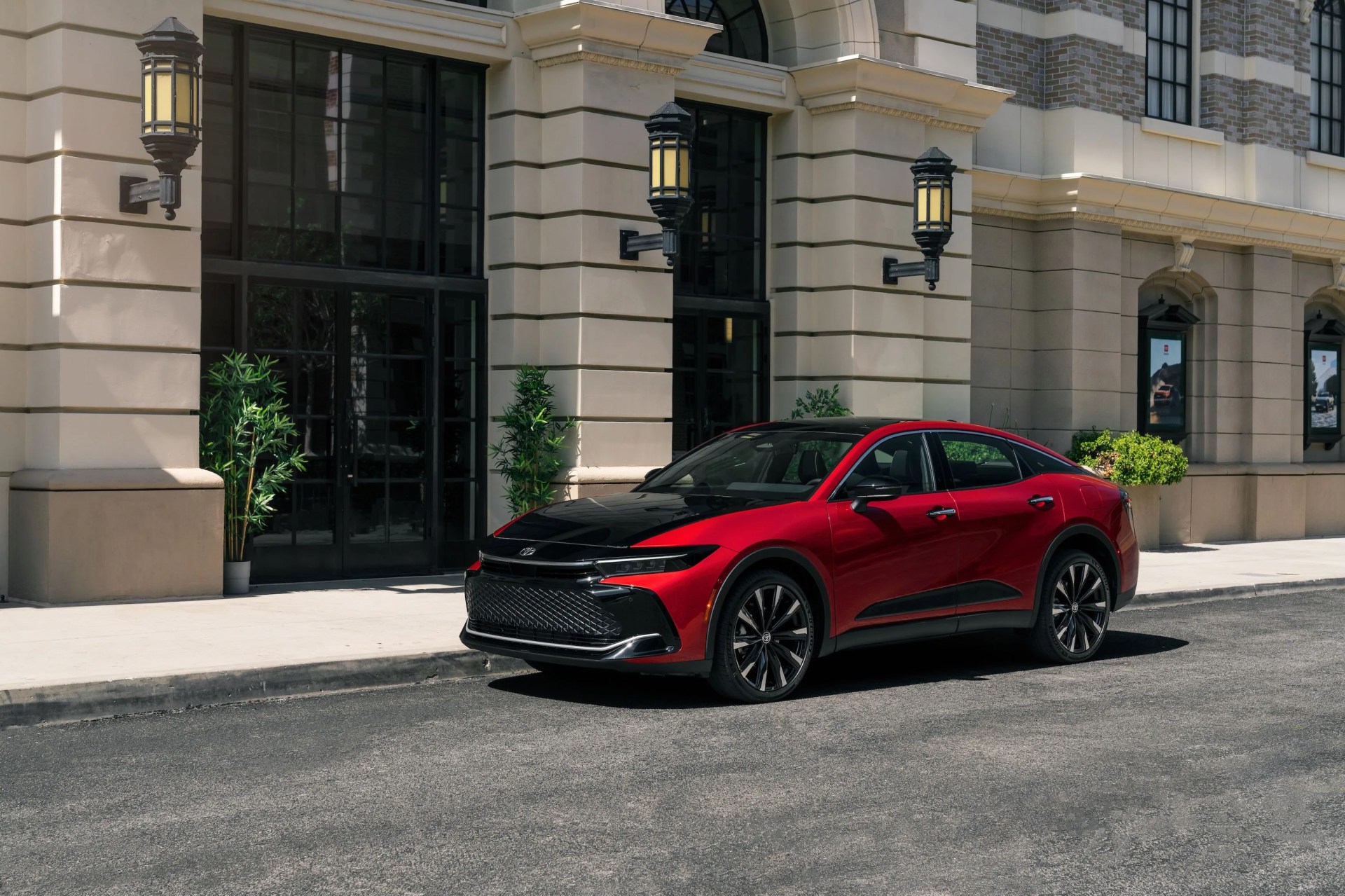
However, that’s unlikely, as Toyota recently revived the Crown nameplate for the North American market. Today, we get the Crown sedan and Crown Signia wagon, both of which serve as the Avalon’s stand-ins.

Protecting what’s theirs

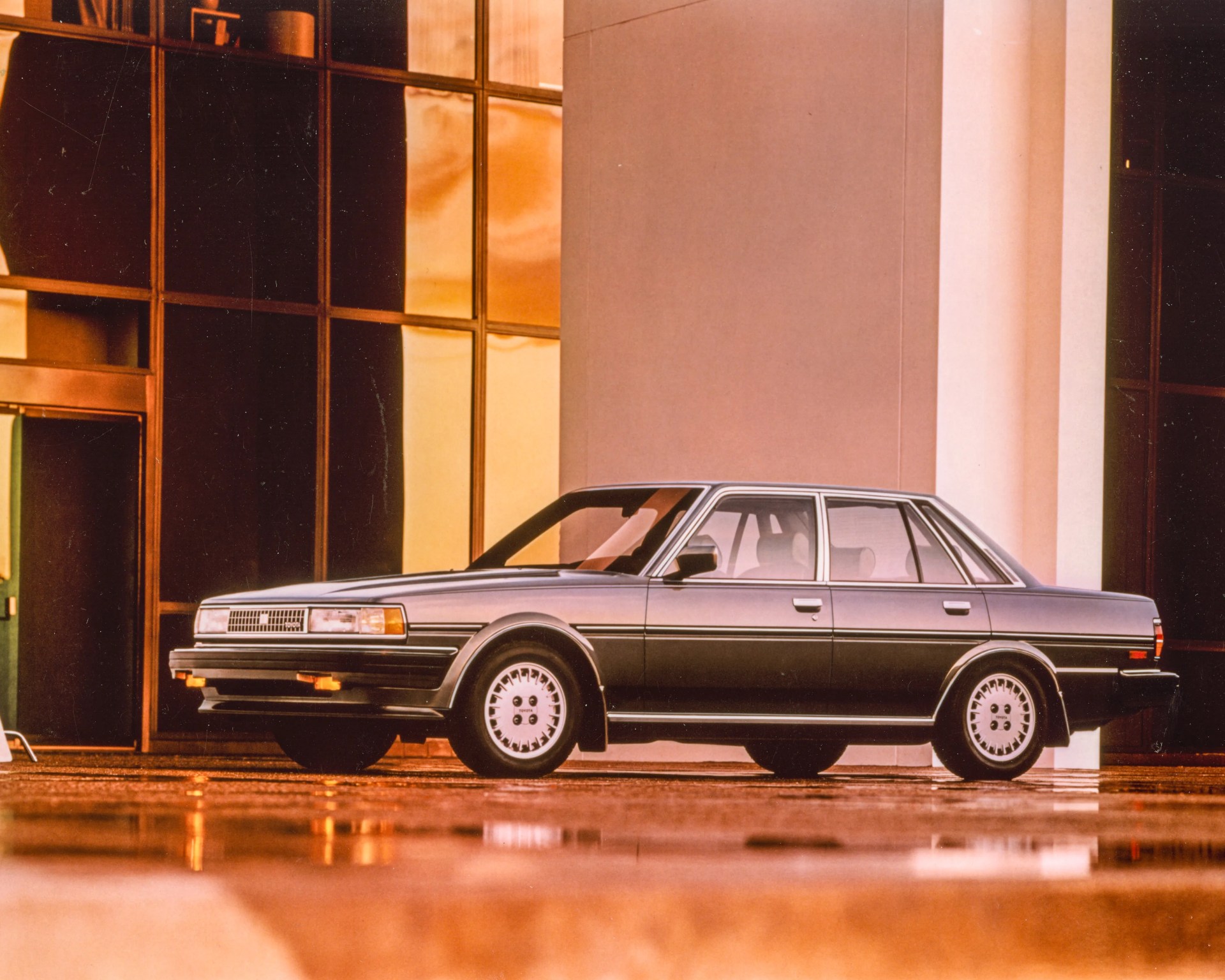
Silver 1980s Toyota sedan parked in front of a building with large reflective windows.
The seventh-generation Toyota Cressida, built from 1984 through 1988, was one of the most successful generations in America.
Toyota

On the other hand, rumors suggest the trademark filings could also just be Toyota renewing its rights to the Cressida name on a global scale. Every once in a while, or about every 10 years internationally, commercial entities need to renew their protections as they expire.

Thus, automakers need to preserve their rights to their own intellectual property and avoid losing ownership. For Toyota, holding ownership to the Cressida name is just as important as any other brand protecting the name of their own defunct models.

toyota crown parked in front of a hotel in what appears to be plano texas
Today, Toyota sells the Crown as the Avalon’s replacement, which ended production in 2022.
Toyota

So, while the trademark filings could be promising, they could just as well be more mundane in their explanation. Still, that won’t keep us from holding out some hope.

Want to stay up to date on the latest product news and releases? Add Gear Patrol as a preferred source to ensure our independent journalism makes it to the top of your Google search results.

add as a preferred source on google