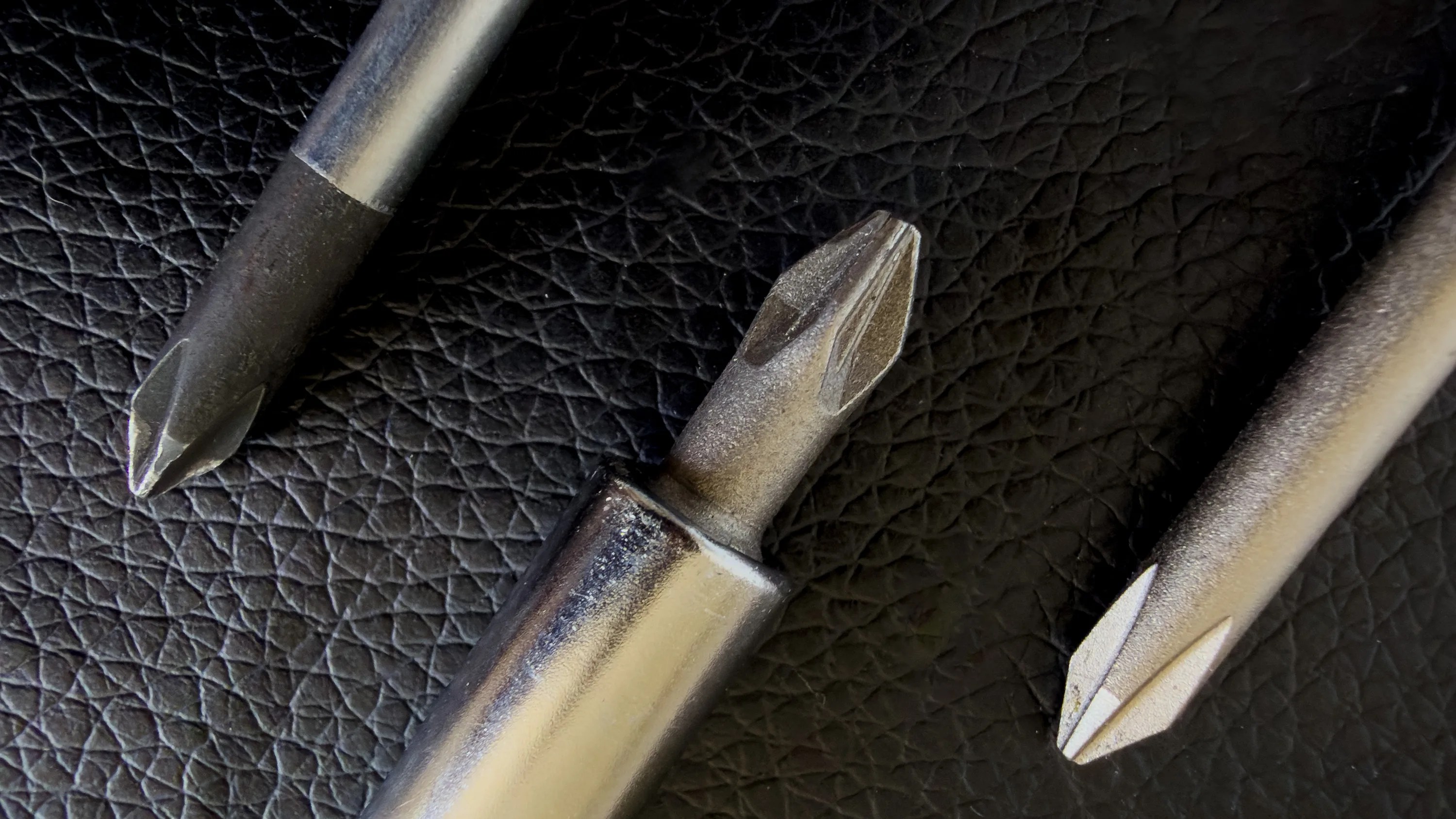


Since it arrived in the 1930s, the Phillips head has established itself as a staple bit standard of the fastener world, and for good reason.
As an improvement on the basic slotted screw and driver, the crosshair cut allowed for easy centering with much more stable engagement. Though it allowed for more torque, it also had the unintended benefit of “camming out” under too much pressure, thereby preventing damage.
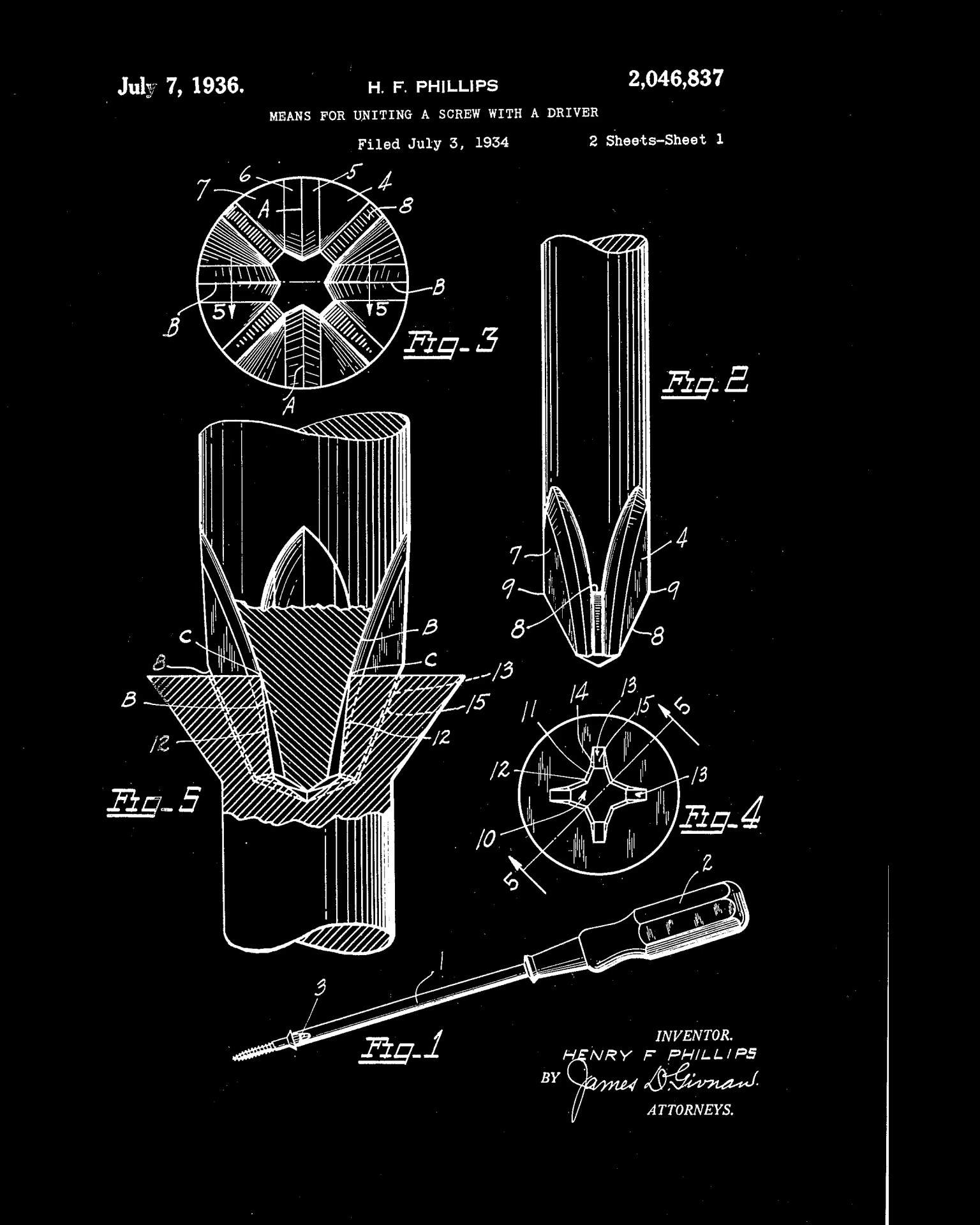
If you’ve ever stripped a screw, it might be because of this design bug feature. However, it could actually be because you’re mixing standards altogether.
Not long after the Phillips head, the Japanese Industrial Standard (JIS) arrived in the 1950s. Eventually, Phillips worked with GKN Screws and Fasteners to create the Pozidriv standard for its own improved design.