
One of Ducati’s Most Important Motorcycles Ever Gears Up for a New Chapter

The Borgo Panigale brand wouldn’t be where it is today without its Imola 750s, and one of those very legends has surfaced.

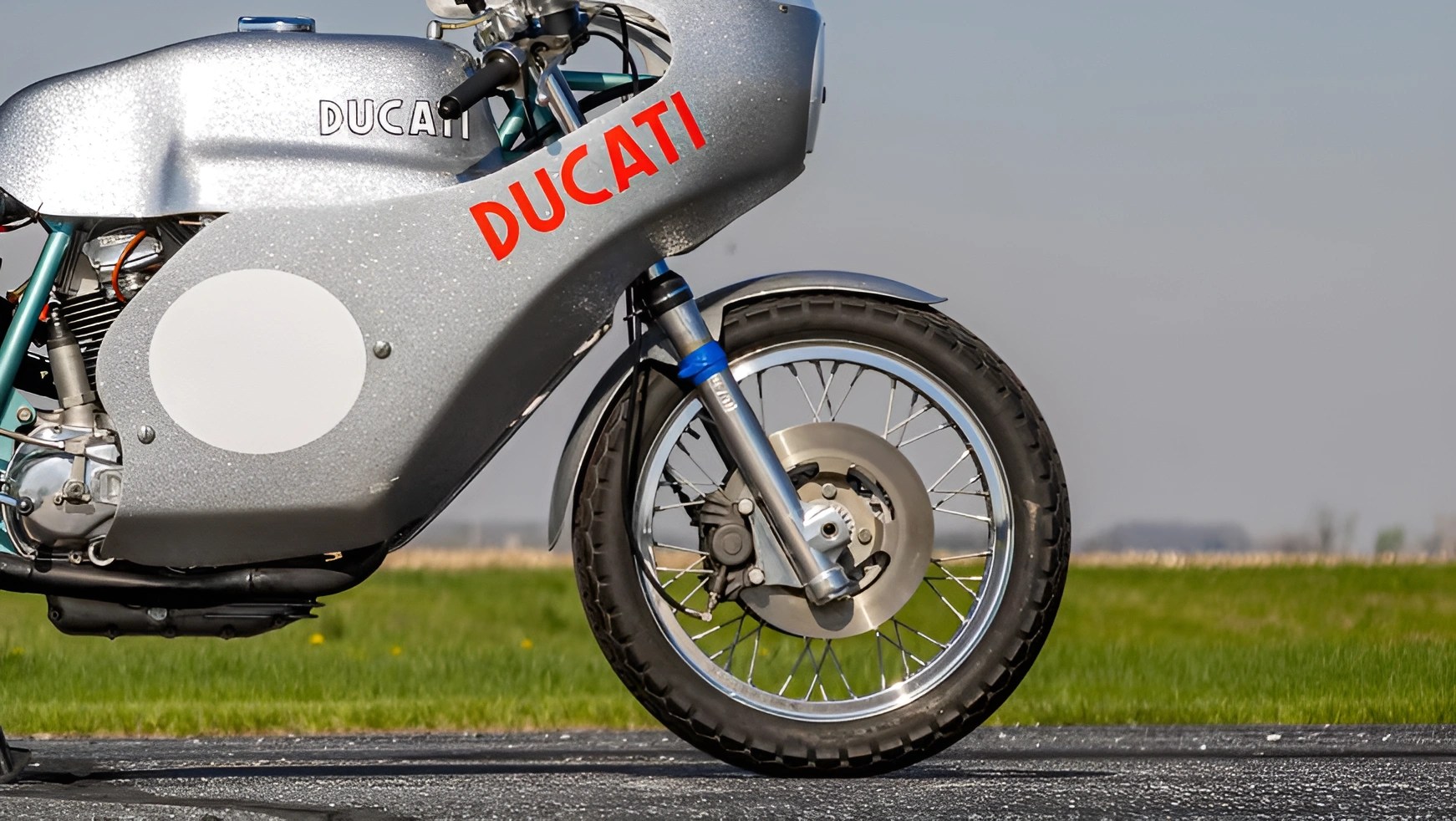
Silver Ducati motorcycle front wheel and part of the body with red Ducati logo on a road with grass background.Mecum

If you buy from a link, we may earn a commission. Learn more

Ducati is ringing in its 100th birthday this year, and the Borgo Panigale manufacturer has spared no expense in its celebratory efforts.

Between retro-inspired Formula 73 releases and lineup-wide livery tributes, the brand has orchestrated a comprehensive history lesson throughout 2026. Moreover, with carbon-clad Centenario V4s and single-cylinder supermotos, Ducati is also paving the way forward.
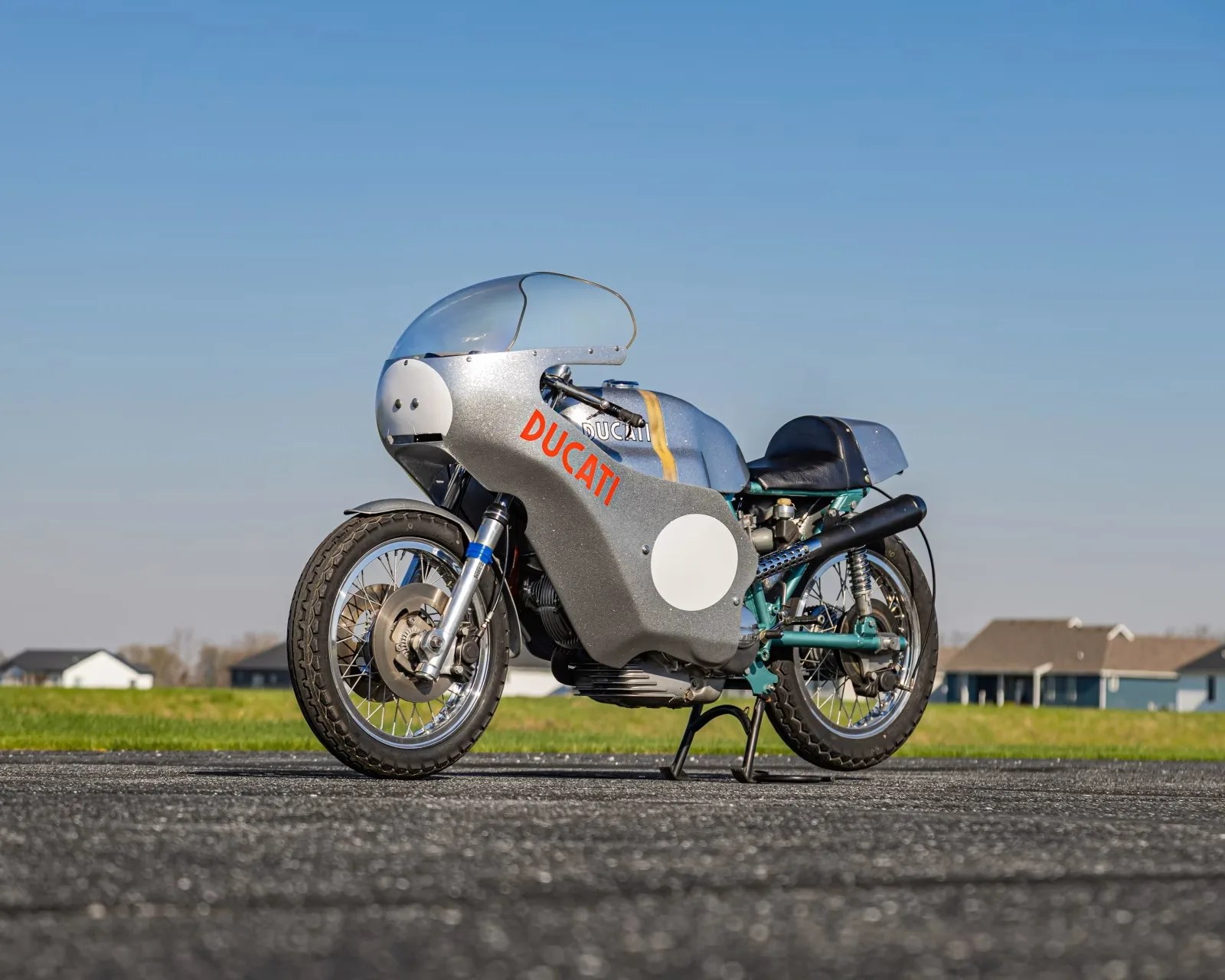
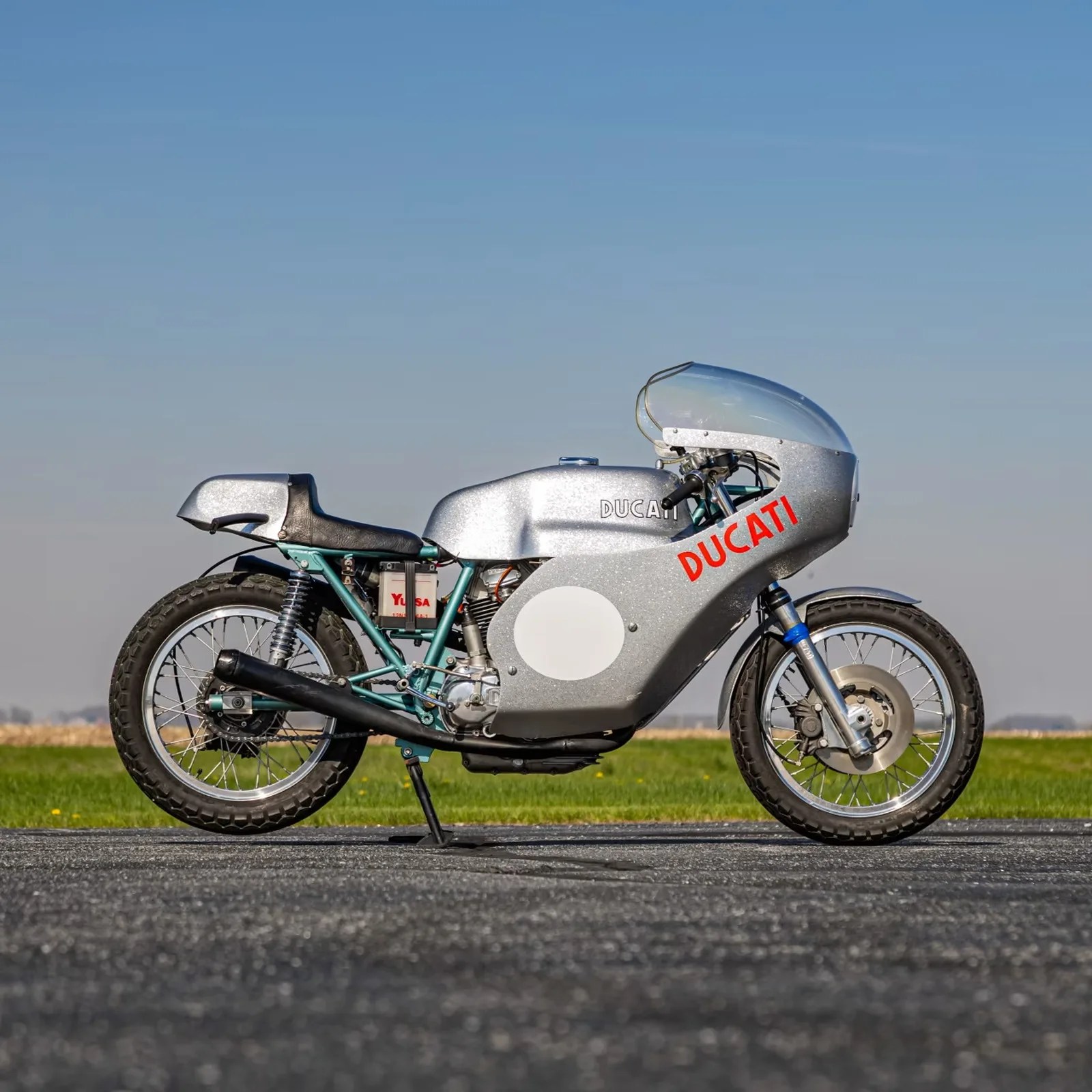
Silver vintage Ducati racing motorcycle with full fairing and red logo on a paved surface.
The 1972 Imola 200 put Ducati on the map as a brand that was capable of going handlebar to handlebar with the best.
Mecum

However, without one legendary ancestor, many of these bikes likely wouldn’t be here. In fact, the Ducati brand as we know it today might not even exist.

Ducati’s Imola mic drop

I’m talking, of course, about the 750 racer that Ducati fielded to win the first-ever Imola 200. It’s a bike that’s an absolute legend in the annals of motorcycle lore, and the one pictured will cross the block at Mecum’s Monterey auction next month. If you’re a Duc fan, you can’t miss it.
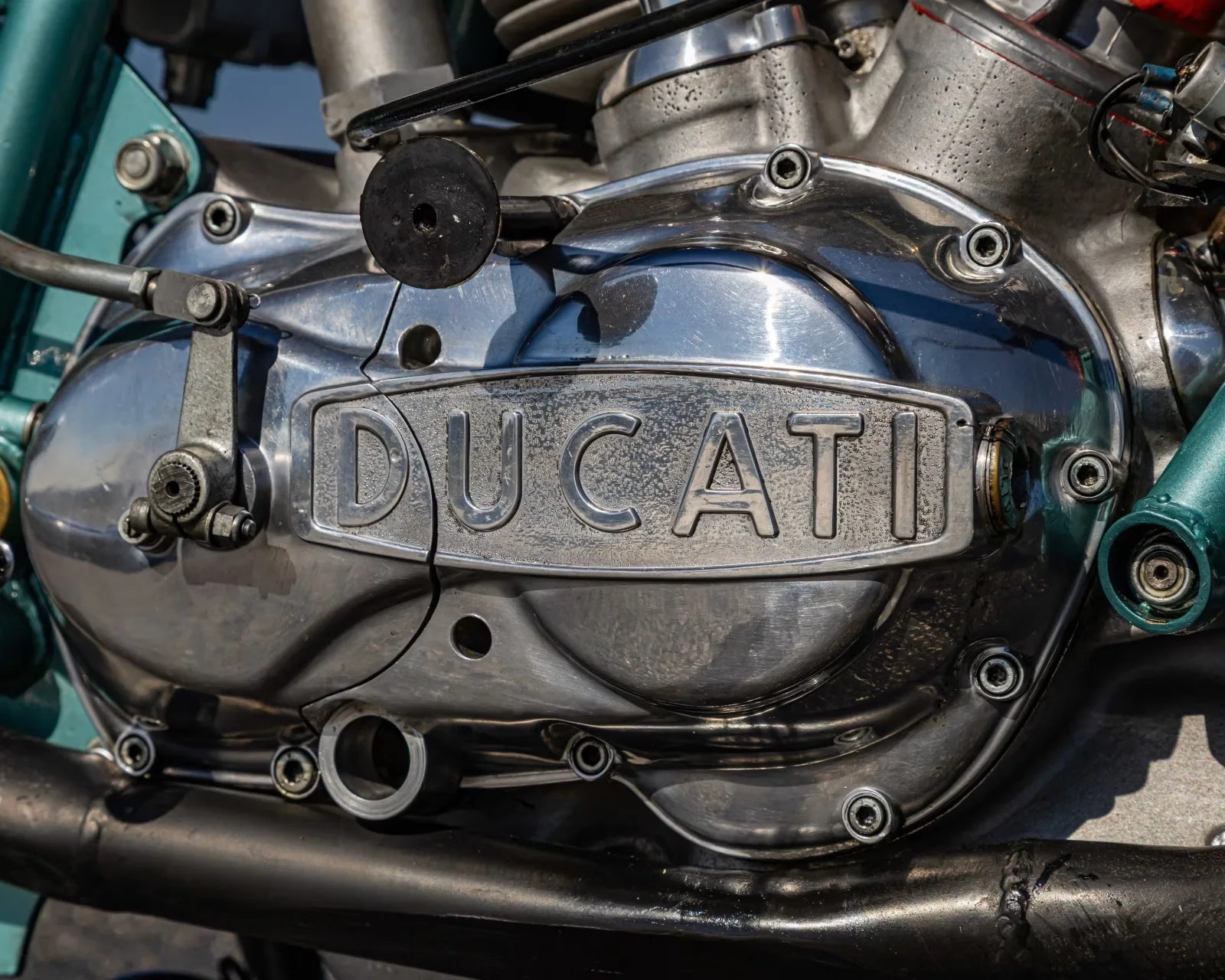
Close-up of a polished metal Ducati motorcycle engine cover with visible bolts and mechanical parts.
This Imola racer is one of three to retain its original sandcast engine cases.
Mecum

Beyond making for the first-ever public sale of such a bike, the particular desmodromic twin in question amounted to a significant inflection point for Ducati. Up until that time, the brand was a niche outfit mostly specializing in small-bore singles, and it didn’t get much attention outside of Italy.

As a result, Ducati needed a way to cement itself as a true ‘big bike’ manufacturer and guarantee its future. With the announcement of the Imola 200 in 1972, the brand decided that racing would be the best way to stay in business.

Silver vintage Ducati racing motorcycle with red logo and clear windshield on a paved road.Mecum

Now, competitors of the day like MV Agusta, Honda and Norton all had works machines in abundance with established 750 platforms. As if that wasn’t enough, they also brought dominant riders in legends like World Champion Giacomo Agostini.

Still, even with underdog status and an unproven engine design in the Taglioni L-twin, Ducati pulled off an upset that catapulted it onto the global stage. Paul Smart and Bruno Spaggiari raced to a dominant 1-2 finish over 20 seconds ahead of third place, proving that Bologna was more than capable of mixing it up with the best. 

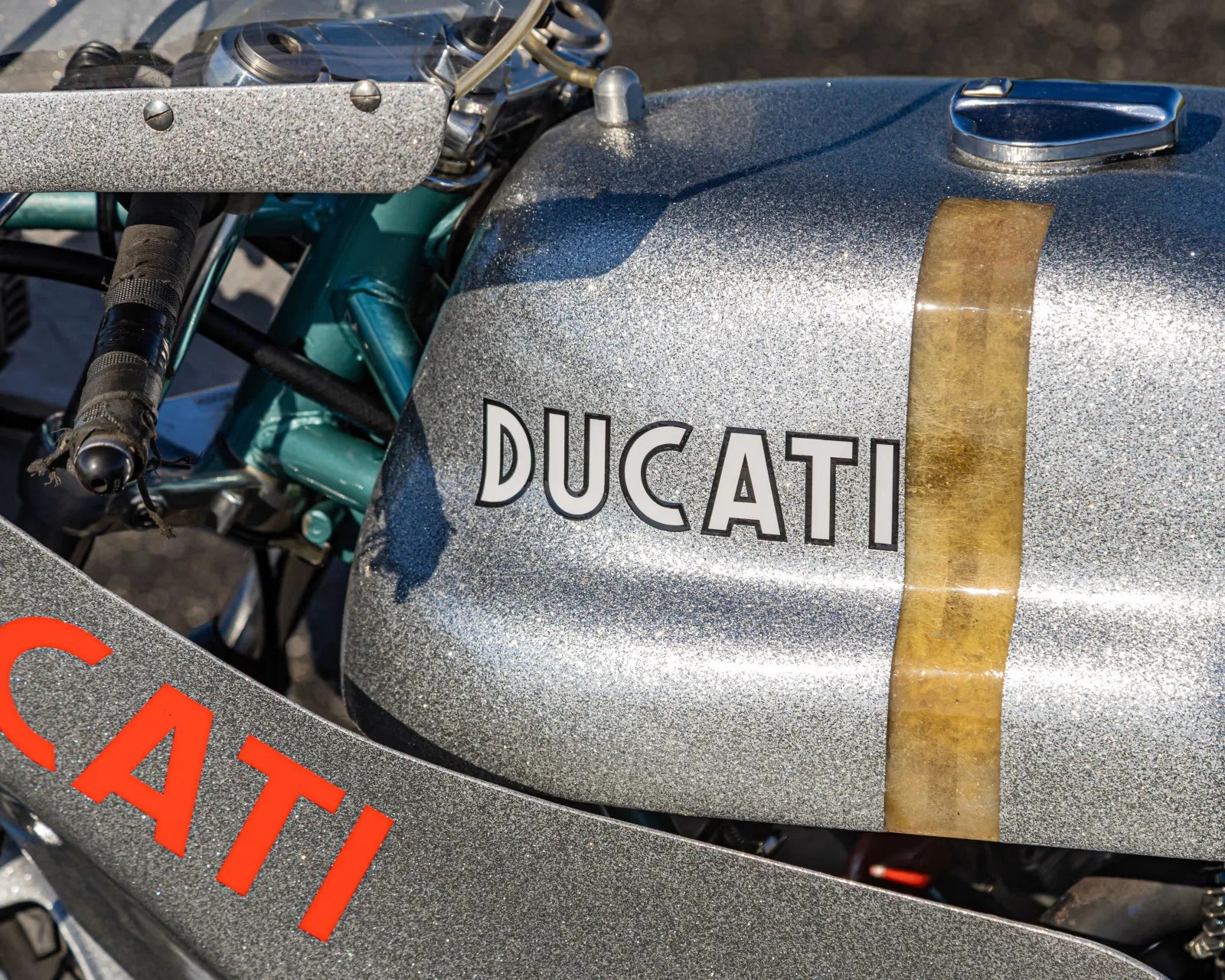
Silver glitter-finish Ducati motorcycle fuel tank with a vertical brown tape strip and part of the handlebar visible.
That stripe serves as a fuel gauge, letting riders know whether they’re about to run out of gas, at a glance.
Mecum

Race-ready time capsule

The example pictured here is one of seven 750s that Ducati brought to Imola as part of its historic 200 win back in 1972. That alone makes it a big deal, and it only gets better the more you dig into its history.

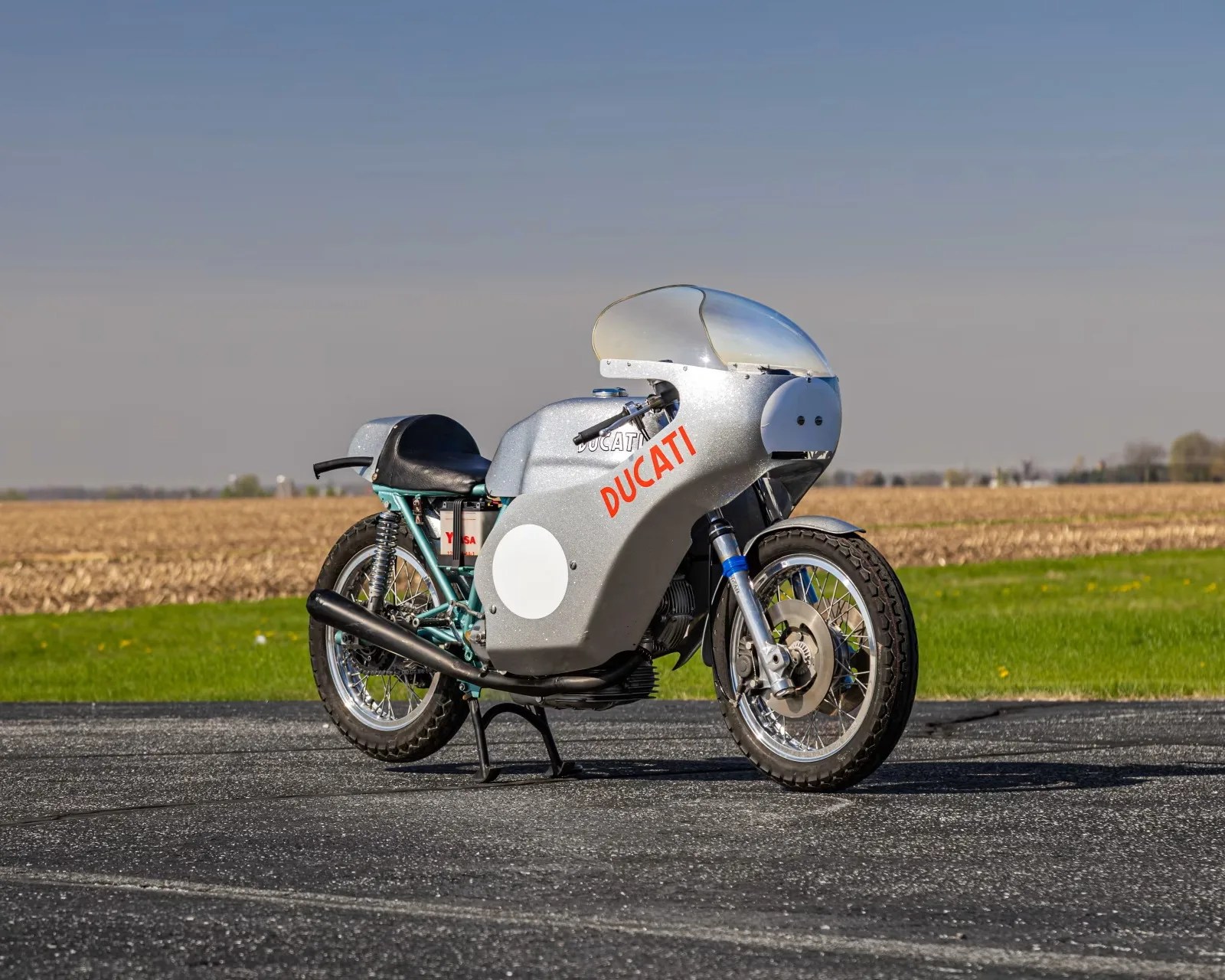
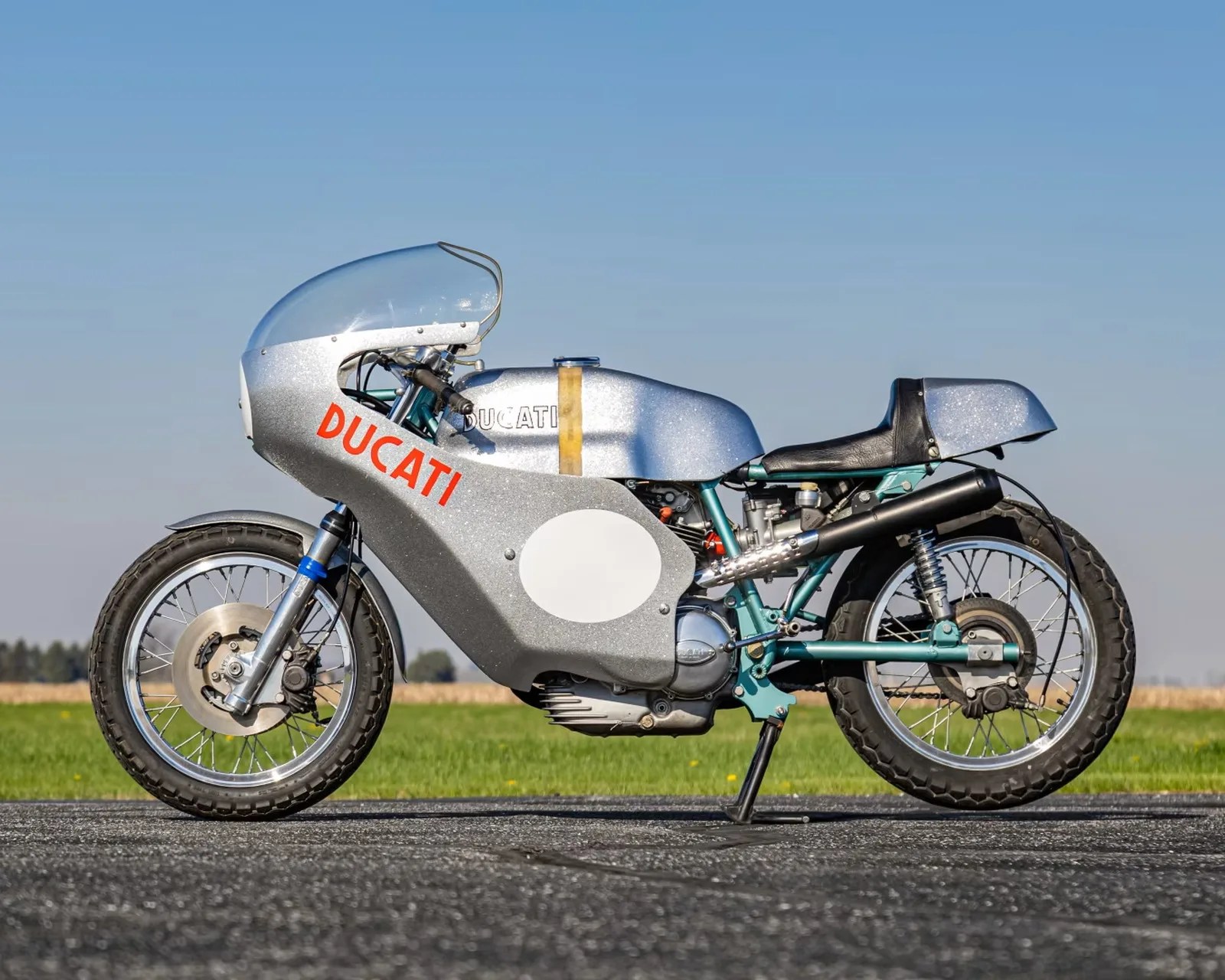
Silver vintage Ducati racing motorcycle with black seat and clear windshield on asphalt with field background.
That silver metalflake paint and unique green frame makes for a look that remains iconic today.
Mecum

For starters, according to Ducati authority Ian Falloon’s research, the bike was likely the backup for Paul Smart’s victorious number 16 mount. Though it didn’t enjoy the same fame on the track, it was later displayed alongside it at the Museo Ducati in Bologna, Italy. 

And for good reason. In keeping with its survivor status, this particular 750 Imola racer is one of only three to retain its sandcast L-twin engine case. As a result, Falloon ranks it among the most OG examples in existence today, second only to its race-winning sibling. 

Mind you, that’s even with some work back in the 1990s. Despite being fitted with irreplaceable race-spec equipment and distinctive metalflake bodywork, the iconic Ducati racer underwent a careful restoration to preserve its competition pedigree.

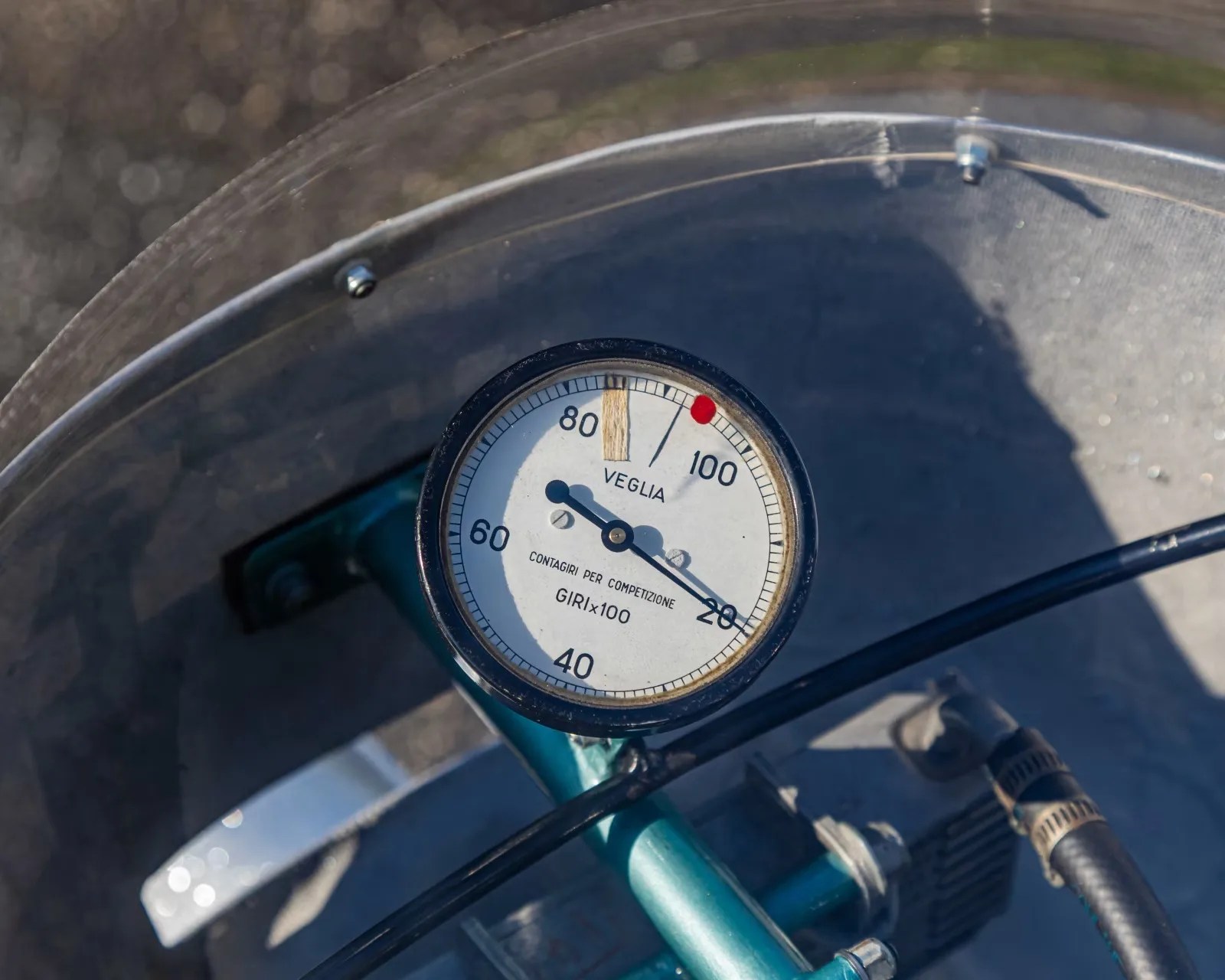
Round Veglia tachometer gauge with white face and black numbers mounted on a teal metal frame.
The cockpit was nothing if not spartan in its equipment.
Mecum

A first-ever opportunity

As previously mentioned, this 1972 Ducati 750 Imola racer will be the first-ever offered for public sale. It’s set to cross the block next month as part of Mecum’s August Monterey auction.

Want to stay up to date on the latest product news and releases? Add Gear Patrol as a preferred source to ensure our independent journalism makes it to the top of your Google search results.

add as a preferred source on google
, , ,