
Kawasaki’s Wild Next-Gen Off-Road Vehicle Will Trade Wheels for Legs

Team Green has confirmed that it will be turning its futuristic hoofed mobility solution into a commercial production reality.

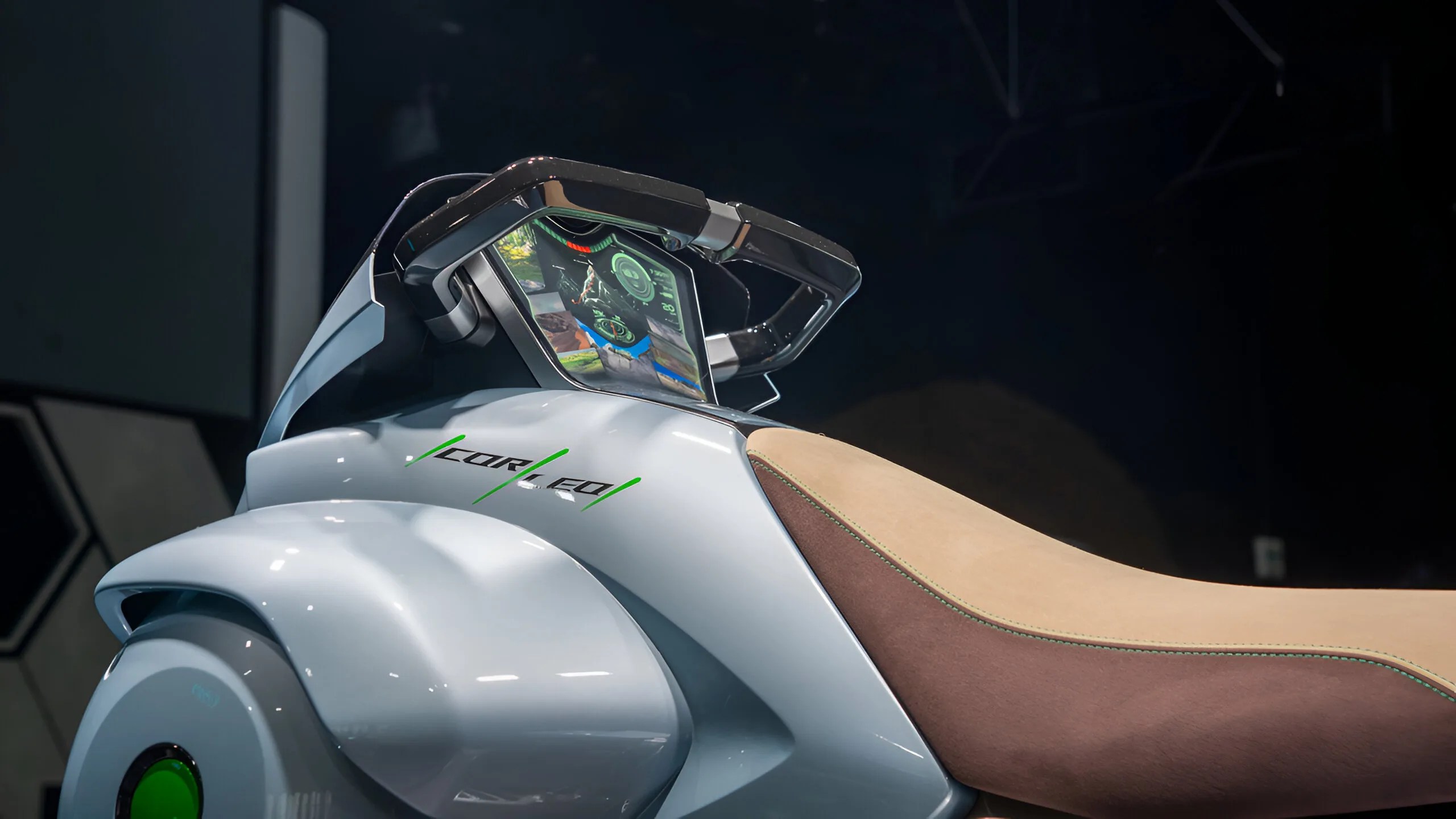
Close-up of a white Corleo electric scooter with a digital display and a two-tone brown and beige seat.Kawasaki

Last year, Kawasaki showed the world its vision of the future of personal mobility with a wild four-legged off-roader dubbed ‘CORLEO.’

Seeing as the brand unveiled the concept alongside several other forward-thinking initiatives for the ‘Future Life Expo: Future City’ showcase, it seemed to be little more than an ambitious notion of what transport could look like one day. In many ways, far too good to be true. 
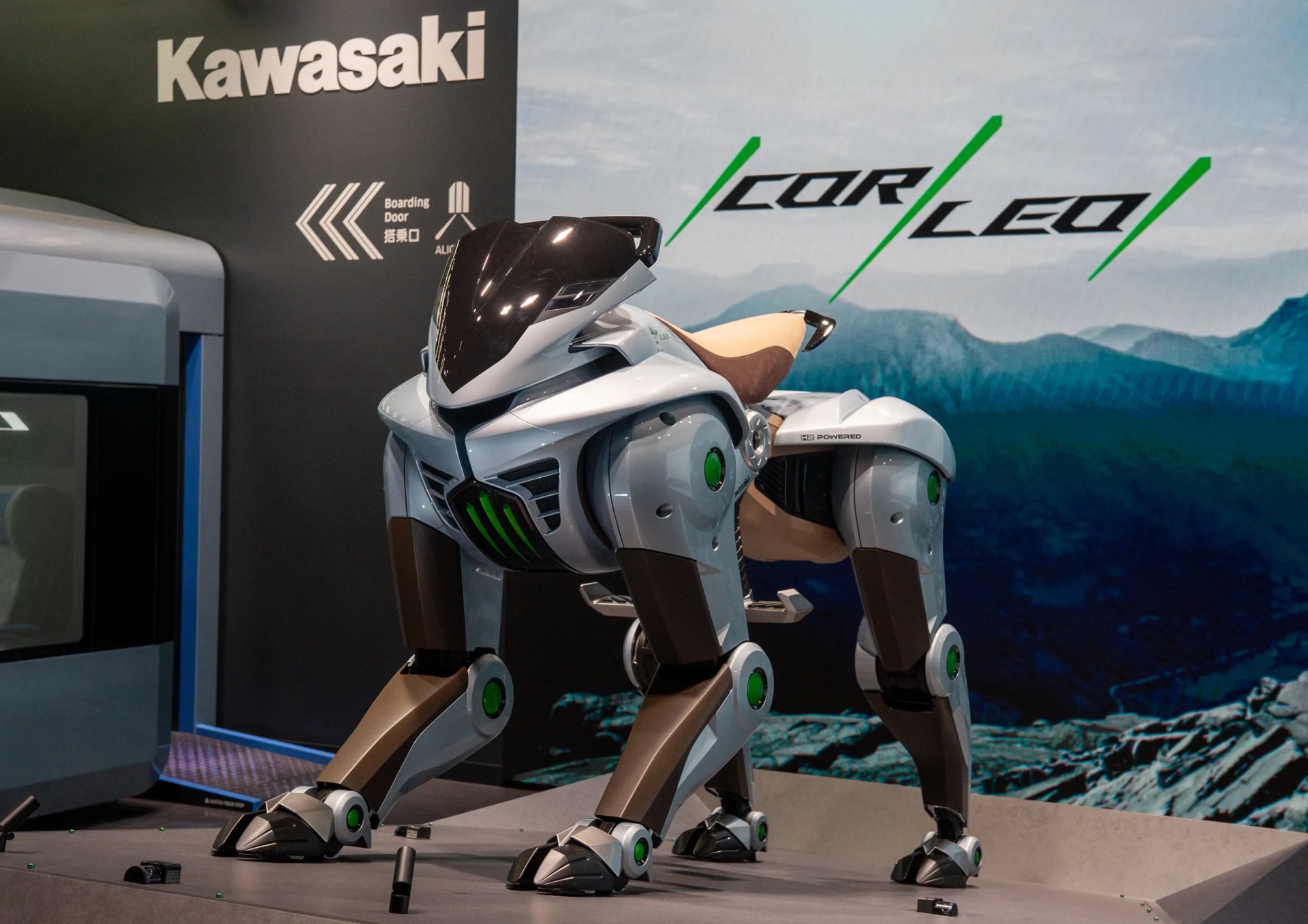
Robotic dog with a sleek white and brown body and green accents displayed at a Kawasaki booth.
Kawasaki’s CORLEO concept may seem impossibly futuristic, but it could be a commercialized vehicle within the next decade.
Kawasaki

As it turns out, however, Team Green wasn’t messing around. Per a recent announcement, the engineers at Kawasaki fully intend to transform the CORLEO concept into a viable production offering — and sooner rather than later.

Kawasaki lays out a timeline

According to the latest Kawasaki announcement, the company has established a task force — the Safe Adventure Business Development Team — that’s directly responsible for bringing CORLEO into the world.
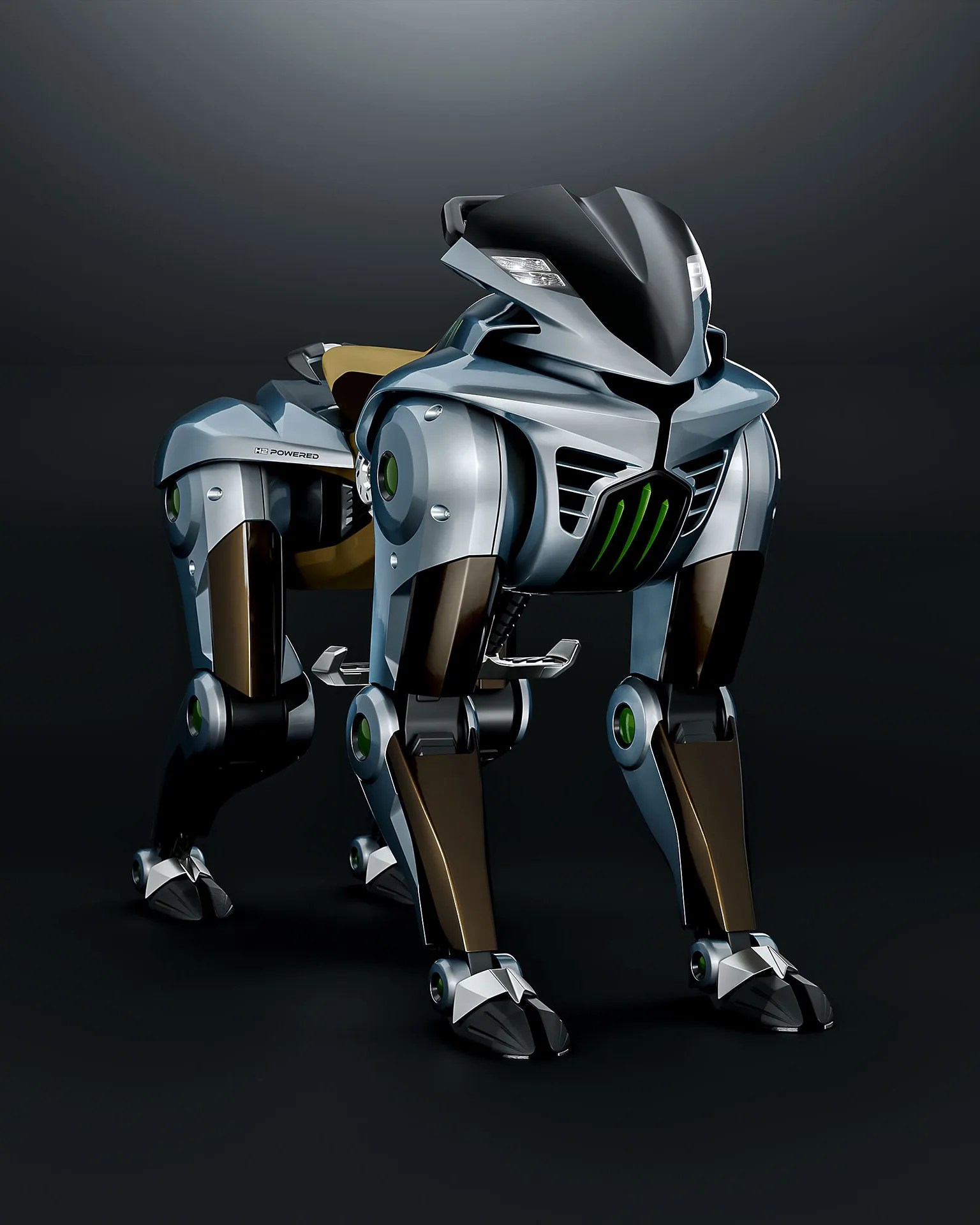
Though a fully functional product is still a few years out (the concept displayed at Japan World Expo 2025 wasn’t nearly as advanced in its capabilities), Kawasaki is nevertheless targeting use as an on-site mobility vehicle at the World Expo 2030 in Riyadh, Saudi Arabia.

Assuming that goes well, the brand hopes to be working on commercialization come 2035. As much as that may seem like a distant possibility, it’ll be here before you know it (it’s imminent enough for automakers to have lobbied against electrification mandates, anyway).

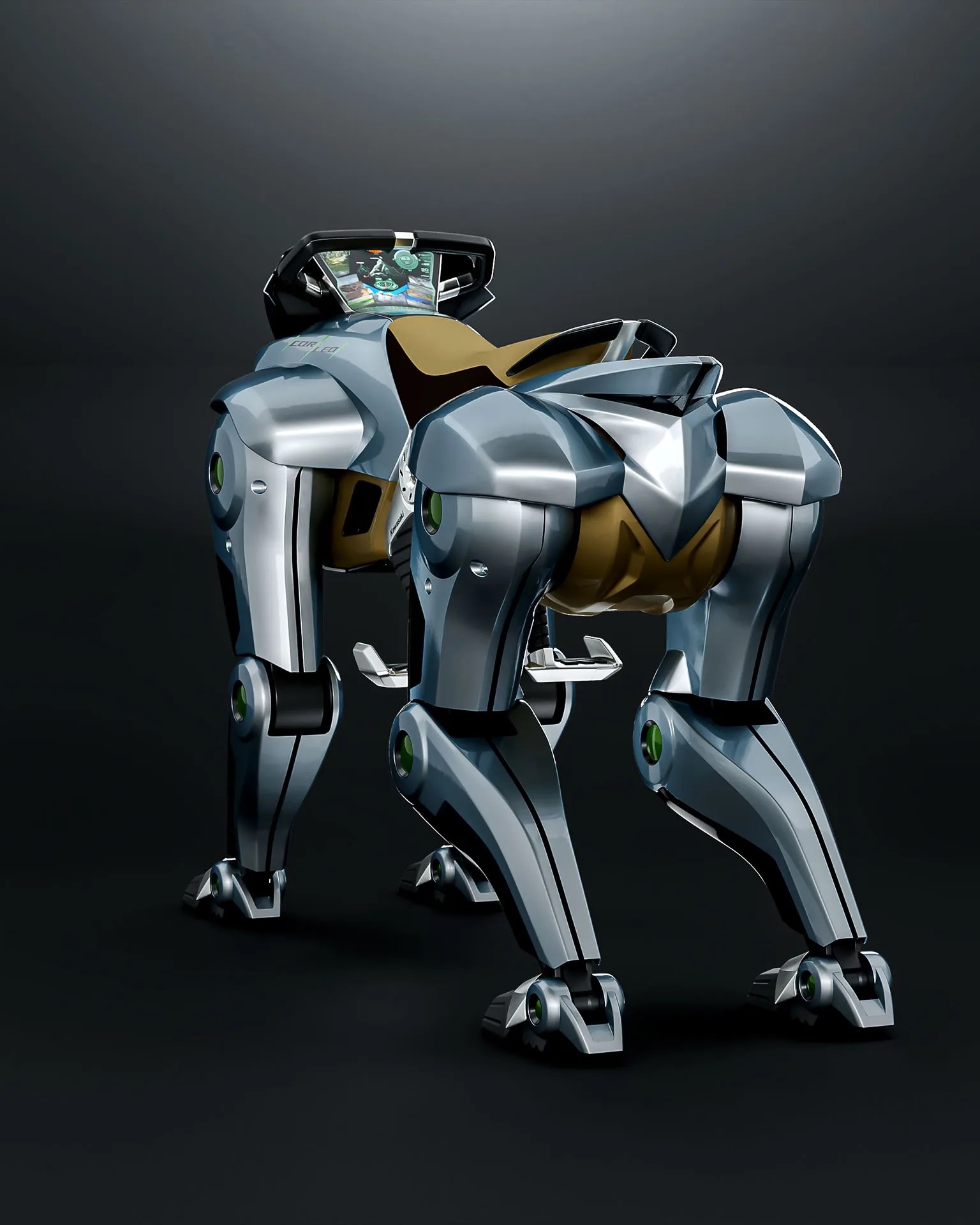
Four-legged robotic dog with metallic silver and black body and green accents on a dark background.
Kawasaki is working on a simulator to allow riders to experience four legs ahead of CORLEO’s production.
Kawasaki

In the near term, Kawasaki is working on a sim rig to mimic the experience of riding a four-legged mobility vehicle. Per the brand, “this riding simulator targets completion by 2027, with plans to deploy the entire system—including motion data, 3D models, and motion data obtained during CORLEO development—to the gaming and e-sports industries.”

Team Green may be pioneering a whole new category of off-roaders, then, but it’ll be well informed come time to put this hoofed creation into production. 

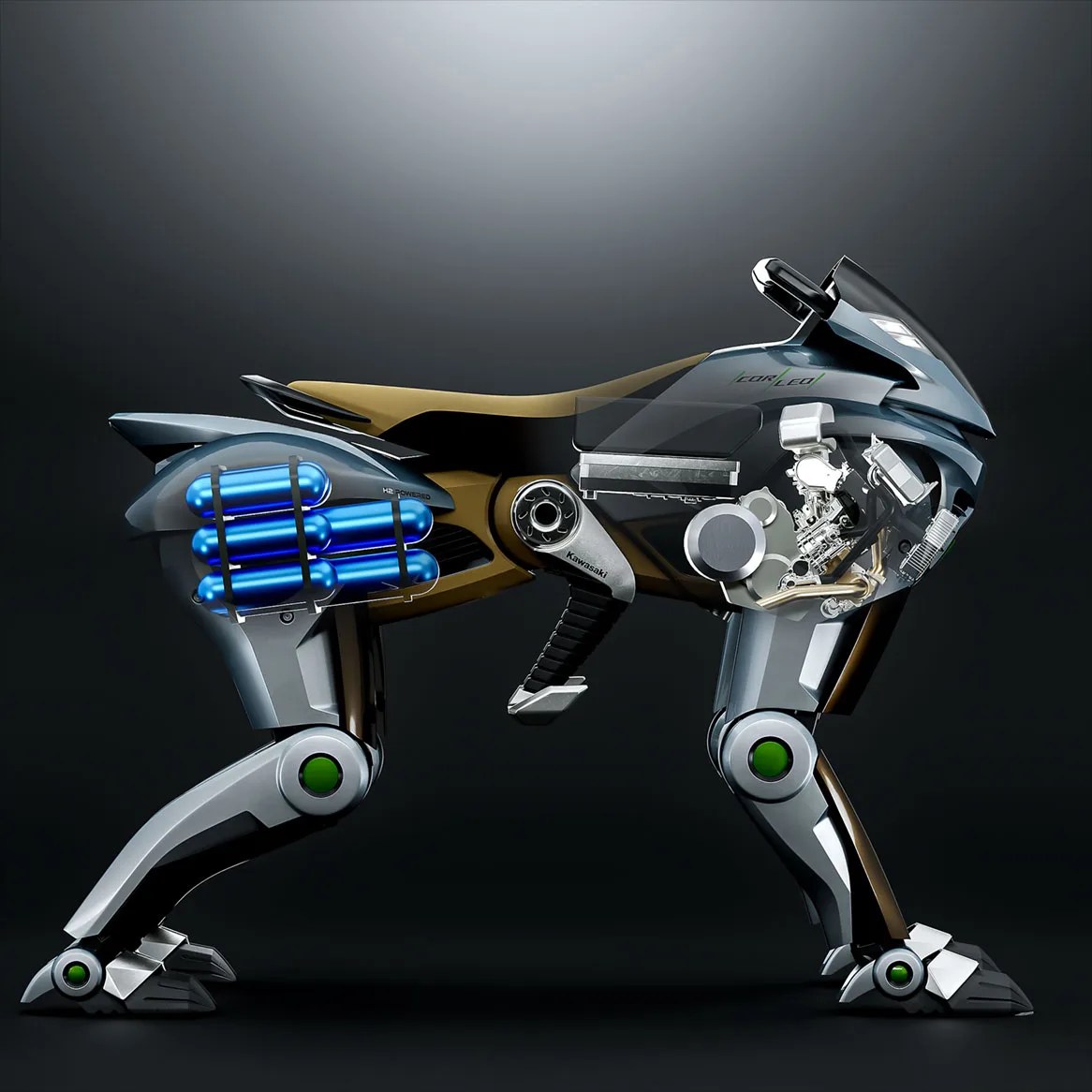
Robotic dog with metallic legs, blue cylindrical tanks on the rear, and mechanical components visible in the front section.
A 150cc hydrogen motor will generate electricity in the front legs, while the fuel cells will be stored at the rear.
Kawasaki

A collaborative company effort

As impossible as a four-legged vehicle may seem (especially given the capabilities suggested by the CGI demonstrations), Kawasaki is uniquely positioned to make such a concept a reality. 

Futuristic quadruped robot with metallic silver legs and a brown central body against a dark background.
Kawasaki intends for riders to steer CORLEO by shifting bodyweight, as on a horse.
Kawasaki

After all, the Kawasaki Heavy Industries umbrella includes much more than motorcycles. In addition to aerospace, transportation and defense divisions, the multinational corporation also has a hand in robotics, energy and various other industrial arenas.

It’s precisely this kind of internal collaboration that yielded boundary-breaking bikes like the Kawasaki Ninja H2R. Beyond being the world’s first factory-supercharged production motorcycle, it’s a beast that puts out a monumental 322 horsepower and is capable of hitting an unofficial top speed of 249 mph.

Diagram of a Safe Adventure Model showing an Integrated Mountain Navigation System connecting Mountain Users with Smart Devices and Adaptive Mobility to an Off-Grid Hydrogen Village for lodging, dining, and hydrogen supply.
Kawasaki’s ambitions span multiple industries, so CORLEO is merely one piece of the puzzle.
Kawasaki

Moreover, CORLEO is set to employ familiar technologies. For instance, Kawasaki says that, “by applying the swing-arm mechanism developed for motorcycles, the rear legs move independently up and down to absorb shock.”

It’s also set to be powered by hydrogen fuel using a 150cc hydrogen engine to generate electricity. Considering that Kawasaki has already managed to create a functional hydrogen-powered motorcycle prototype (not to mention sell hybrid and electric Ninja street bikes), this kind of alternative powertrain solution really doesn’t seem like too much of a stretch.

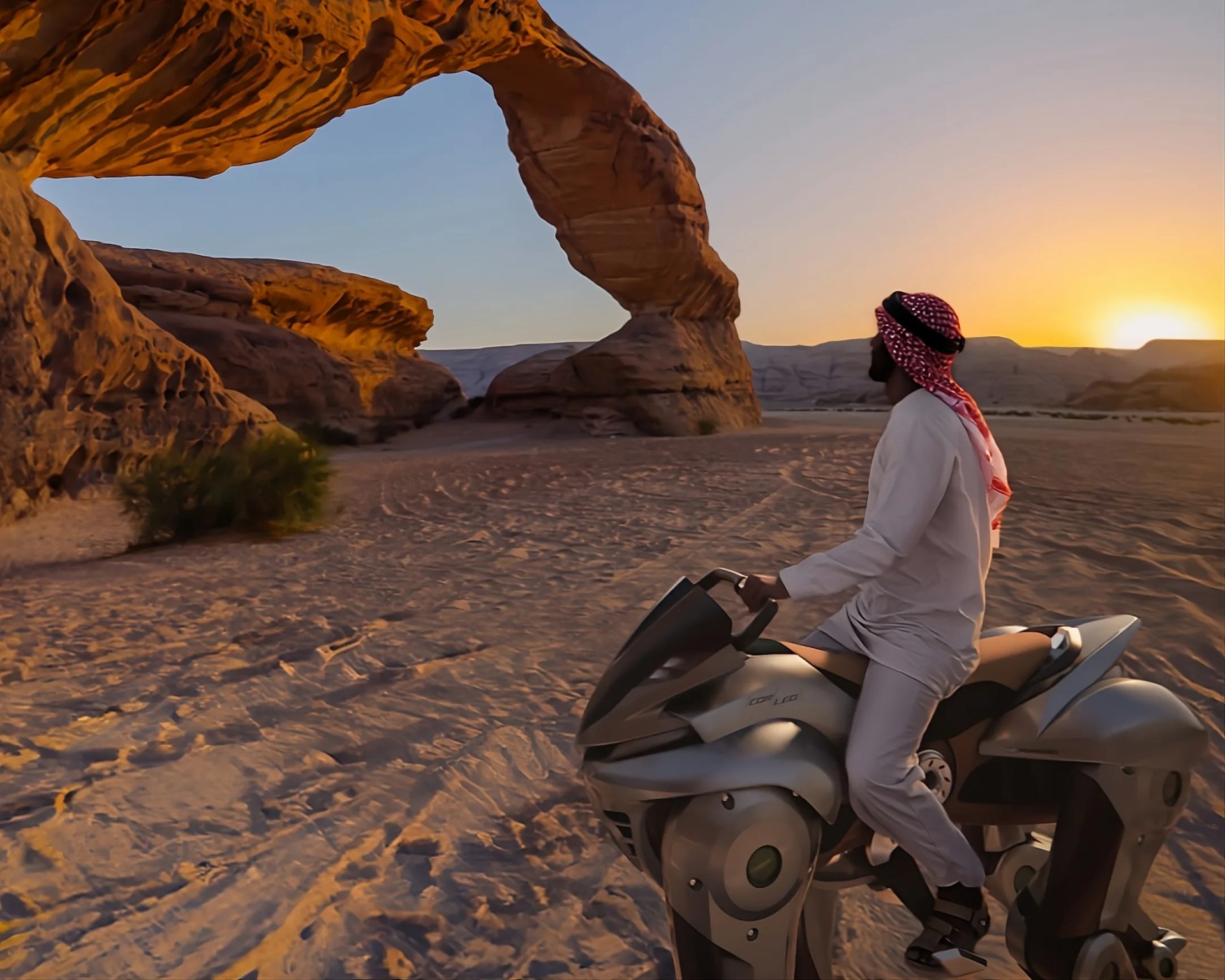
Person wearing traditional Middle Eastern attire riding a futuristic robotic motorcycle in a desert at sunset.
Assuming CORLEO development stays on target, such four-legged vehicles could be deployed as early as 2030.
Kawasaki

Of course, those are merely a few aspects among many complex systems required to bring CORLEO to life. In addition to developing a new navigation unit that “detects weather, temperature, road surface conditions and wildlife appearances,” Kawasaki also intends for it to be operated by “shifting body weight, like horseback riding.”

Still, even though a four-legged off-road vehicle seems like a vision of a future far-removed, the fact that Team Green has laid out a public timeline for CORLEO’s creation means it could be up and running before the end of the decade.

Want to stay up to date on the latest product news and releases? Add Gear Patrol as a preferred source to ensure our independent journalism makes it to the top of your Google search results.

add as a preferred source on google
,