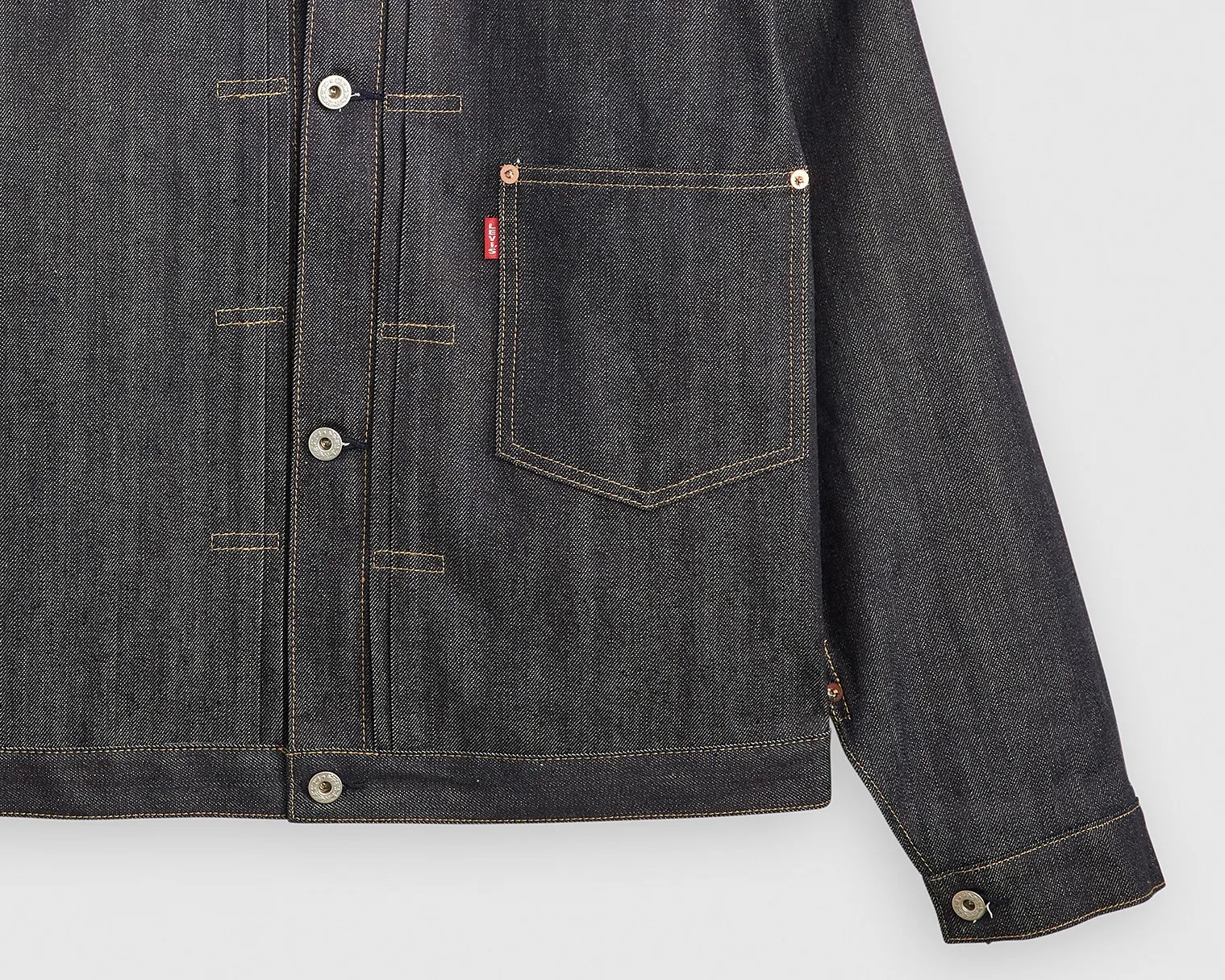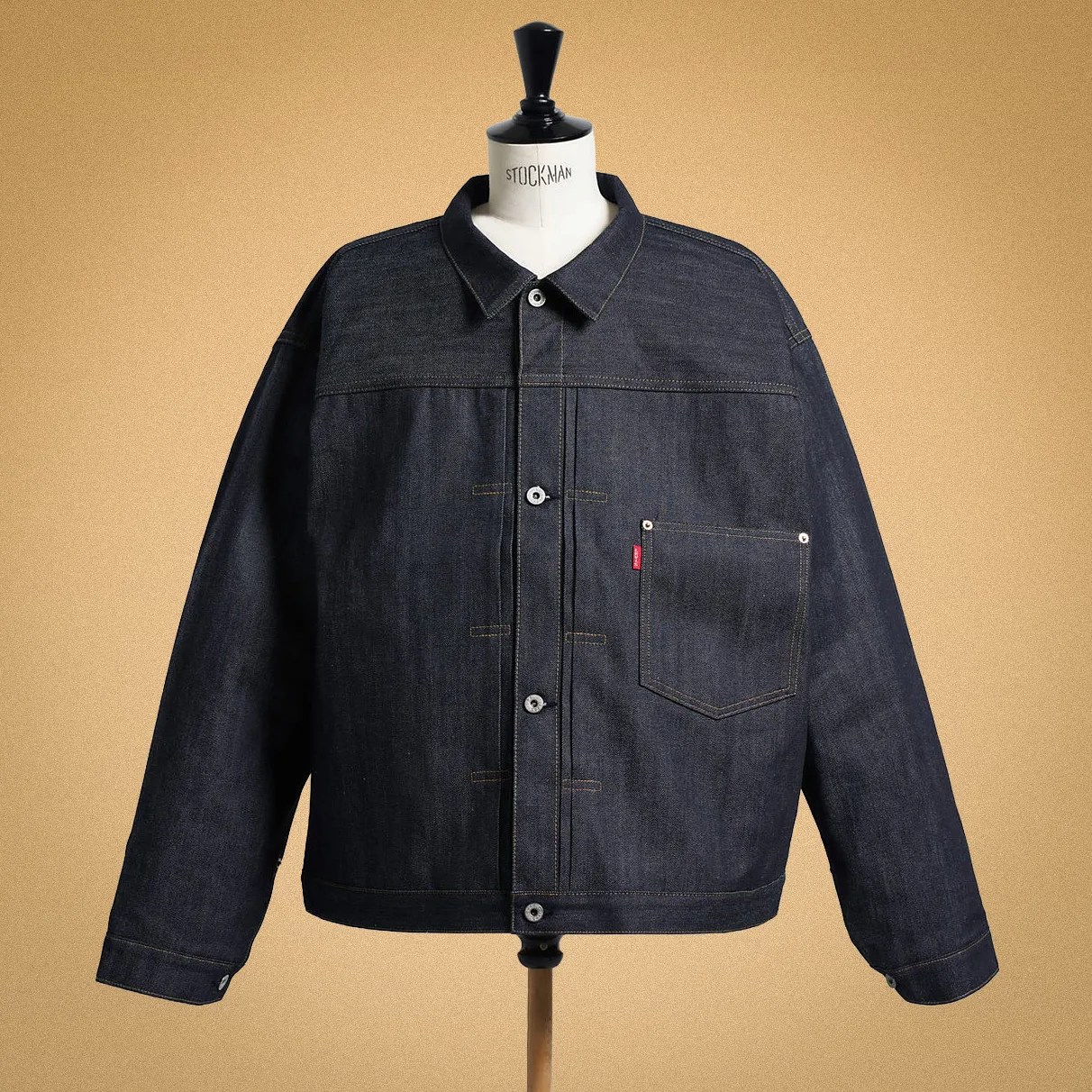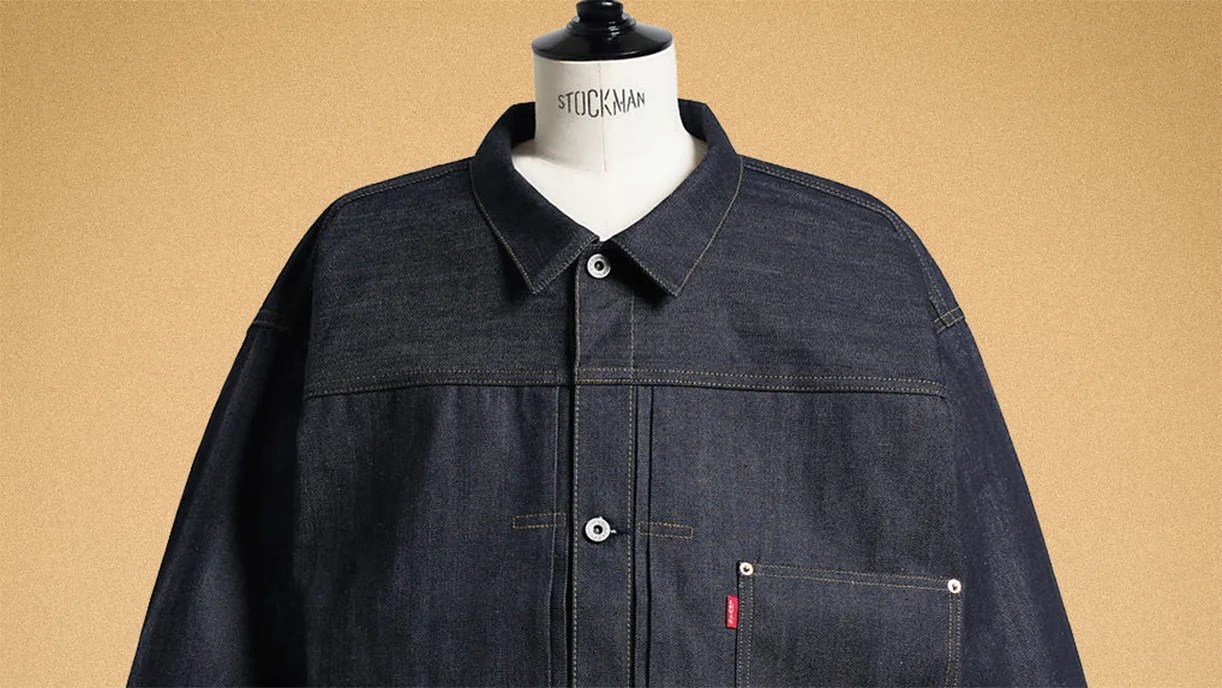


During WWII, every American business was forced to make sacrifices and accommodations to support the war effort.
Levi’s adapted to wartime rationing, imposed by the American government, by simplifying designs to exclude non-essential details and use less metal and fabric.
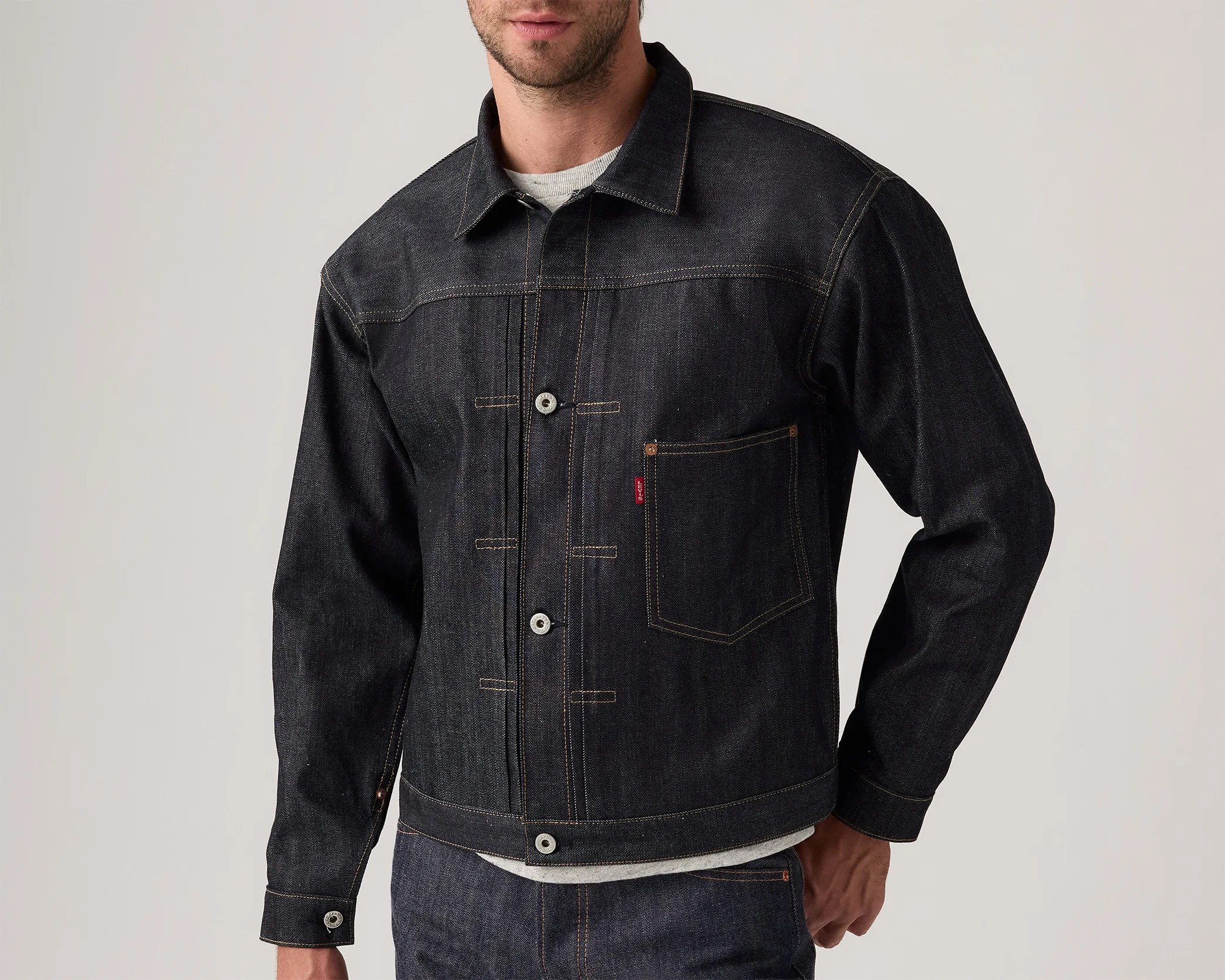
During the 1940s, Levi’s was already one of the world’s largest producers of denim clothing. Rather than cut back on overall production, the brand got creative with streamlining designs to meet market demands with the materials available.
Jeans, denim jackets and overalls were still primarily professional clothing worn by America’s booming working class, which reached an all-time high with the assistance of Roosevelt’s New Deal. Accordingly, once America entered the war in December 1941, Levi’s denim clothing was regulated by the War Production Board.
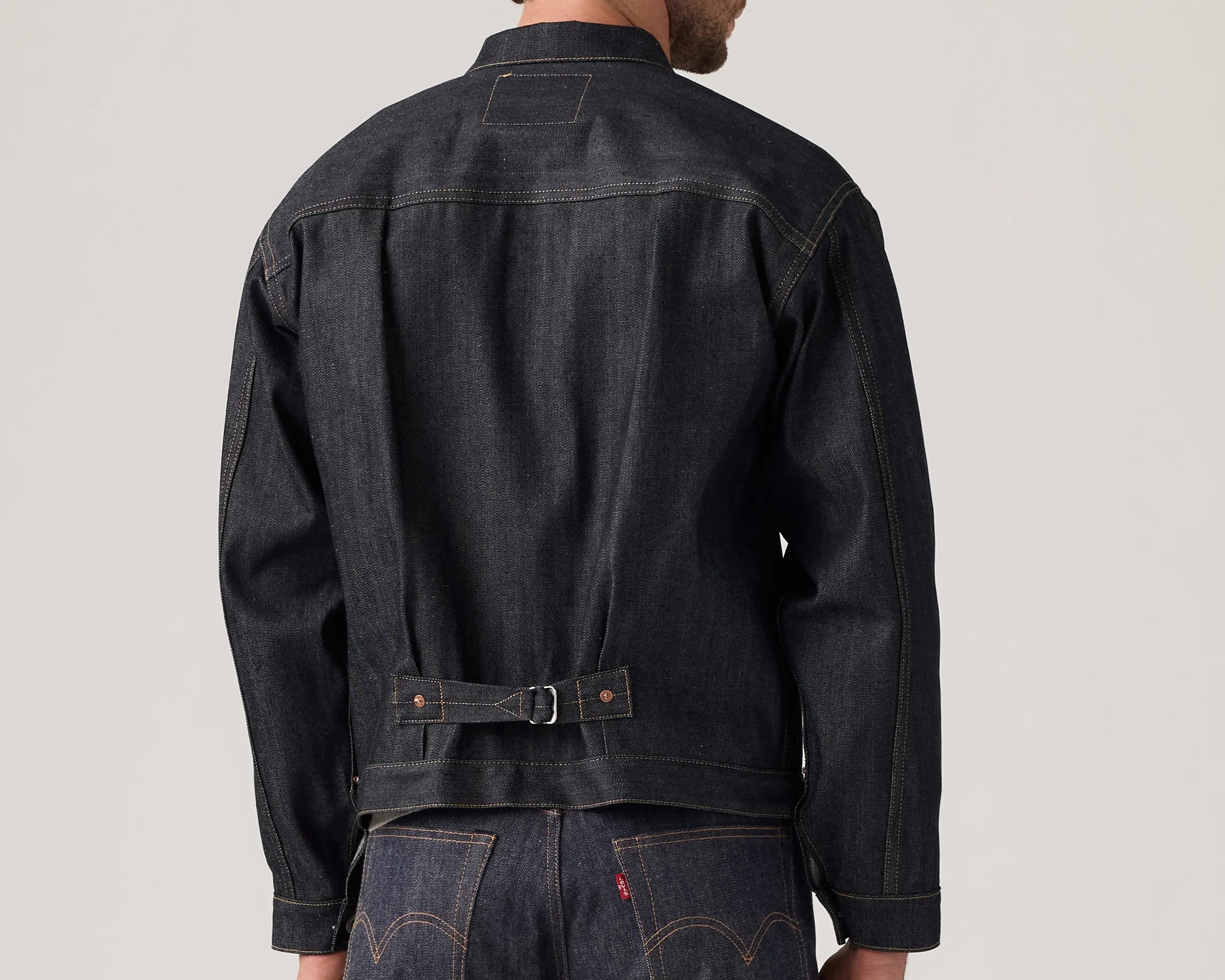
Levi’s jeans, like the 501, underwent notable changes, such as the removal of the crotch rivet — which only returned on Levi’s Vintage reproductions — and the decorative stitching on the back pockets.