
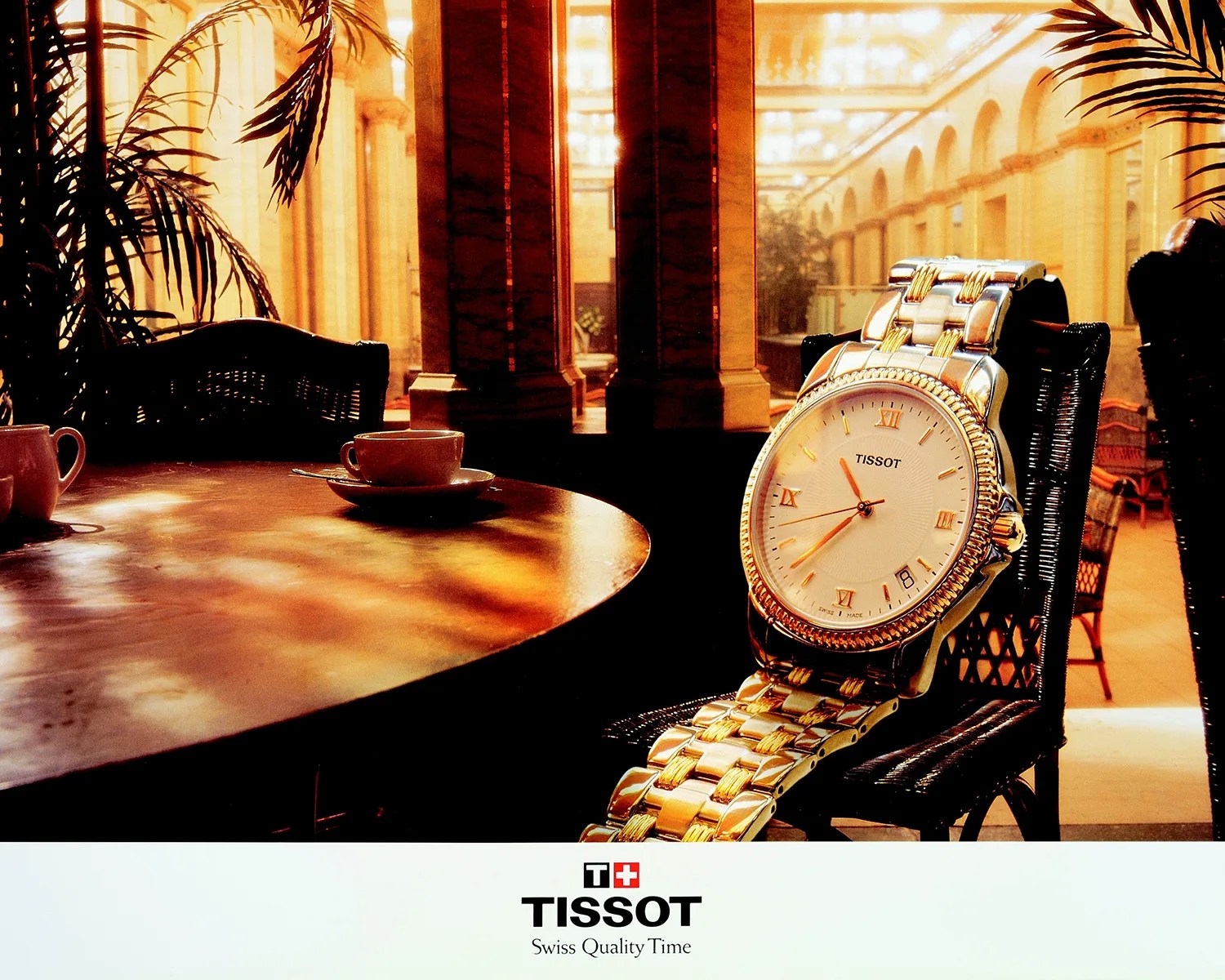
Back in 1994, Tissot launched the Ballade. Conceived as a unisex “day to night” watch, the original quartz-powered Ballade featured a two-tone design with a multi-link bracelet, a knurled bezel and applied indices. It was very, very ’90s-looking.
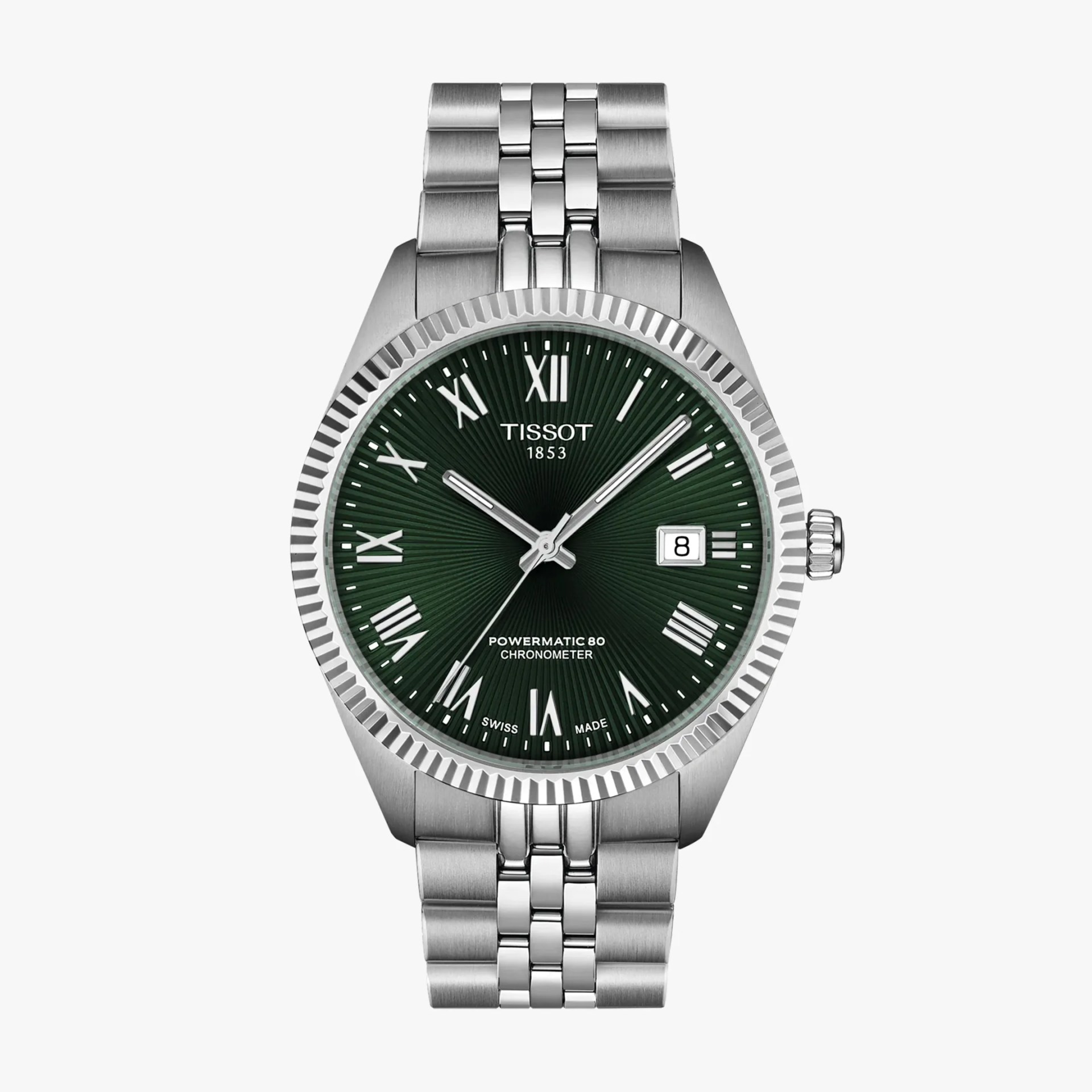
Fast-forward to last year, when Tissot resurrected the Ballade for the model’s 30th anniversary with far more attractive and contemporary styling. The new version boasts applied hour markers, a Jubilee-style bracelet, a fluted bezel, lumed baton hands, a framed 3:00 date window and a radial-textured sunburst dial. In other words, it now looks quite a bit like a Rolex Datejust.
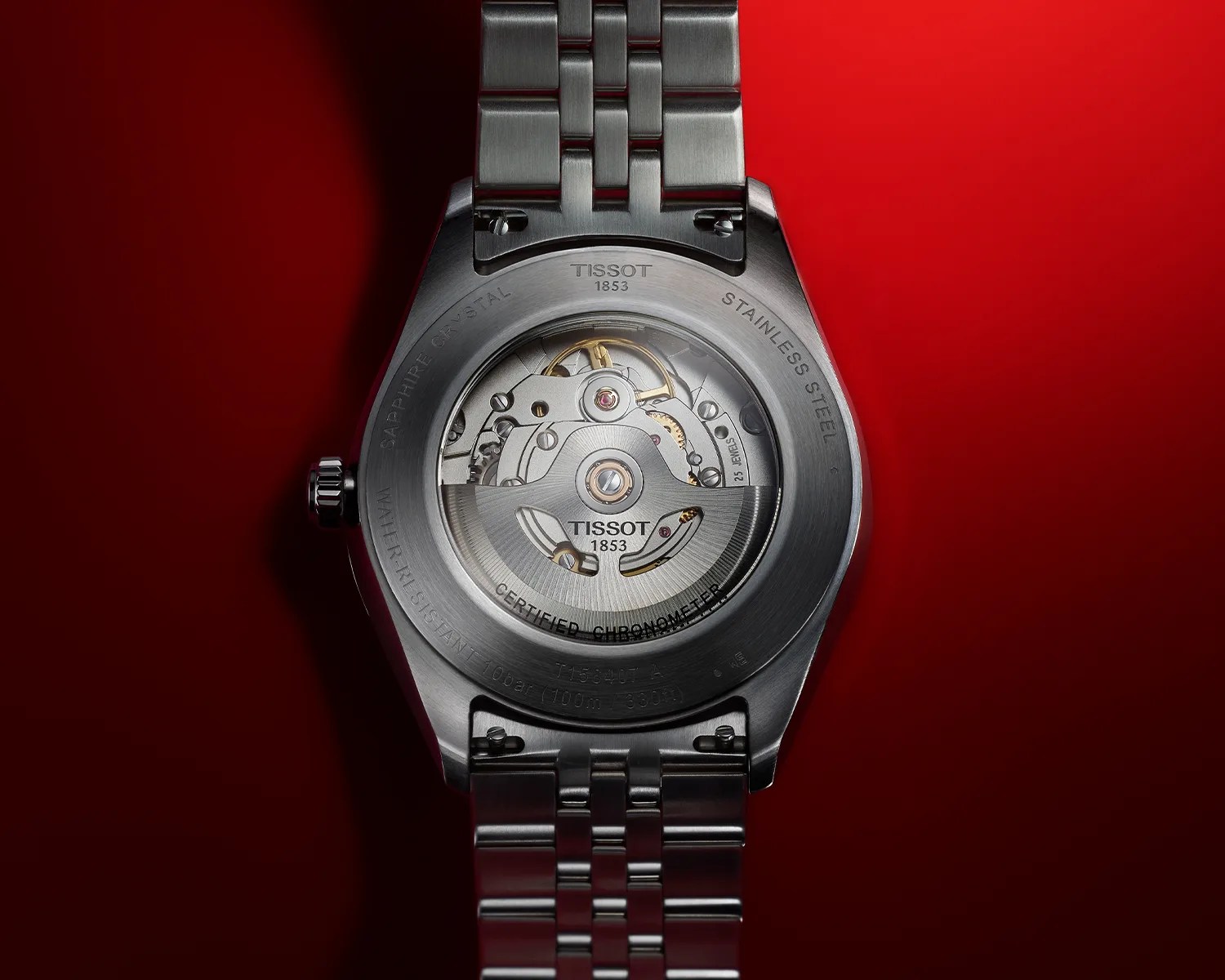
Priced from $375 to $475, the new Ballade makes for a nice, affordable option for anyone who likes the look of a Datejust, but with a quartz movement inside, the watch was never going to mimic much that a Rolex offers outside of its appearance. But that’s changed as of today, as Tissot has now released the Ballade with a COSC-certified automatic movement, bringing it closer in line with its aesthetic inspiration.
Officially certified
Rolex’s watches are famously “officially certified superlative chronometers,” which is a two-step process. The first step involves Rolex sending its watches out to Contrôle officiel suisse des Chronomètres (AKA COSC) in Switzerland, which is the nation’s official chronometer-certifying body.
After Rolex watches receive COSC certification, the brand then puts them through additional testing in-house to ensure they meet its more rigorous “superlative chronometer” qualifications, which say the watch must be accurate to within +/- 2 seconds per day, a boost over COSC’s -4/+6 seconds per day criterion.