

We all know that accuracy is of little consideration to most people shopping for mechanical watches. After all, the cheapest quartz watch will be more precise than almost every mechanical watch on the planet, and it’s been this way for over 50 years.
But even though precision is no longer the main draw for a mechanical watch like it was pre-Quartz Crisis, there’s still something special about a mechanical watch making new strides in the pursuit of accuracy. Even if their creation will never keep up with a cheap Casio, there’s a certain level of charm associated with classically trained watchmakers embarking on a quixotic quest for precision.
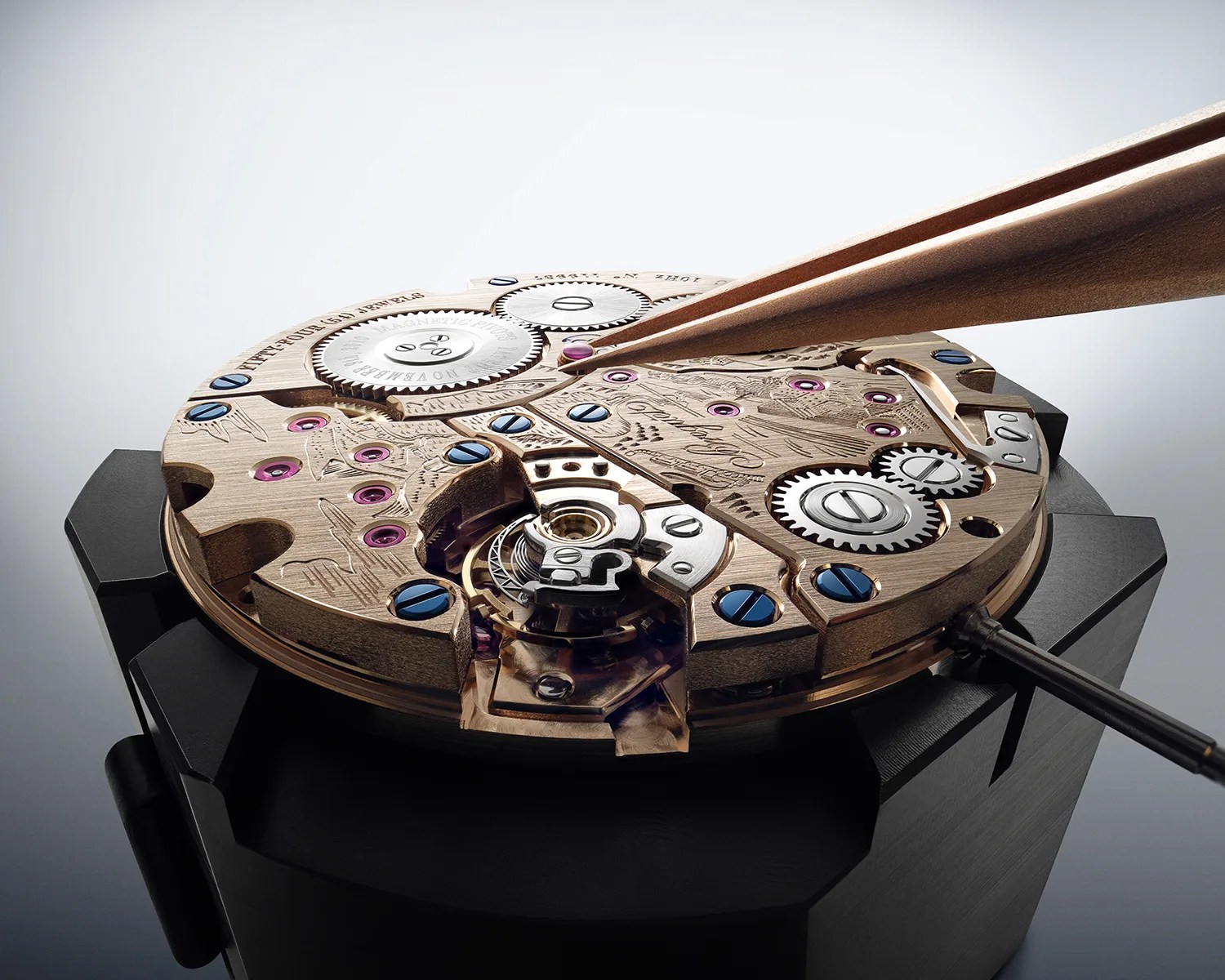
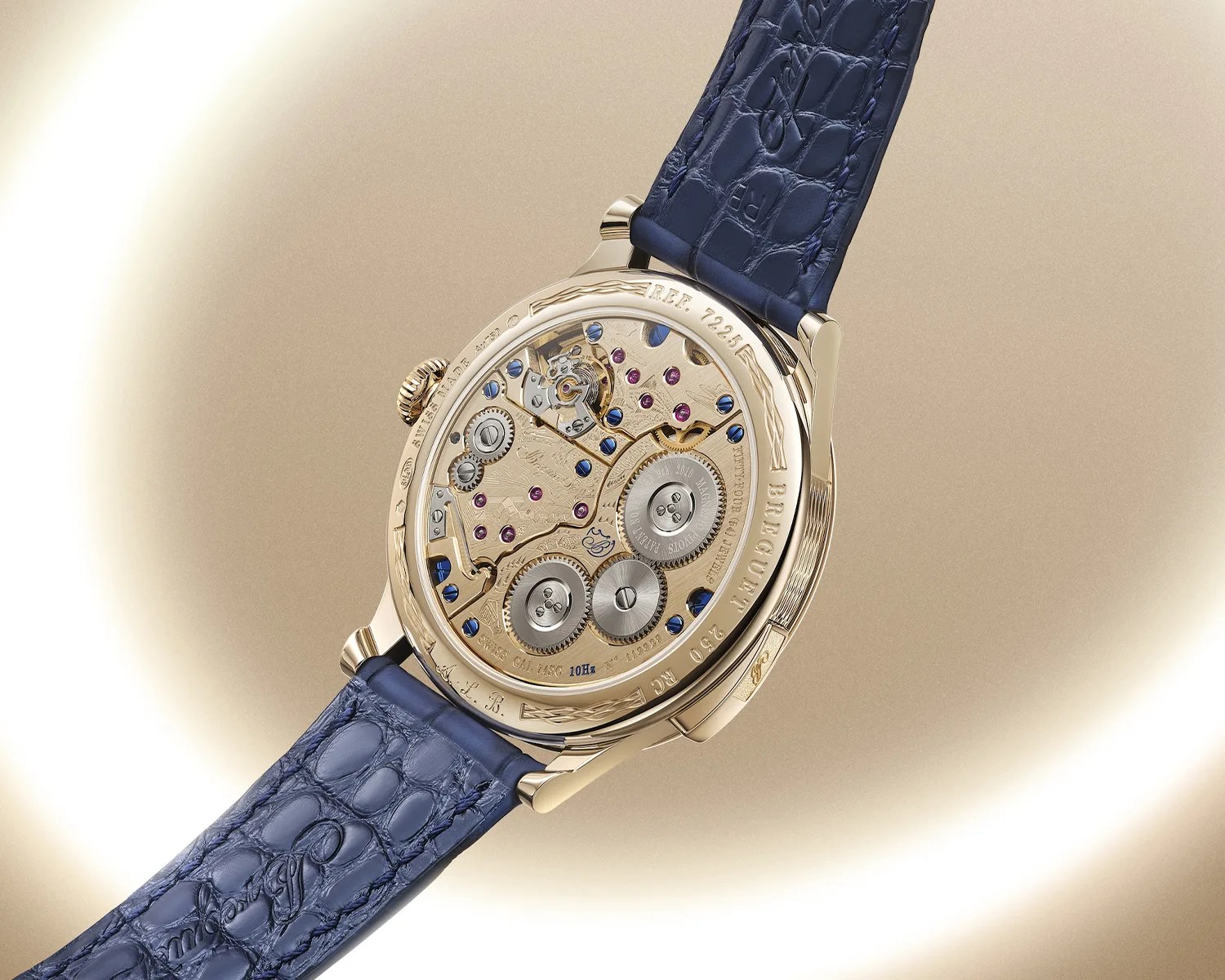
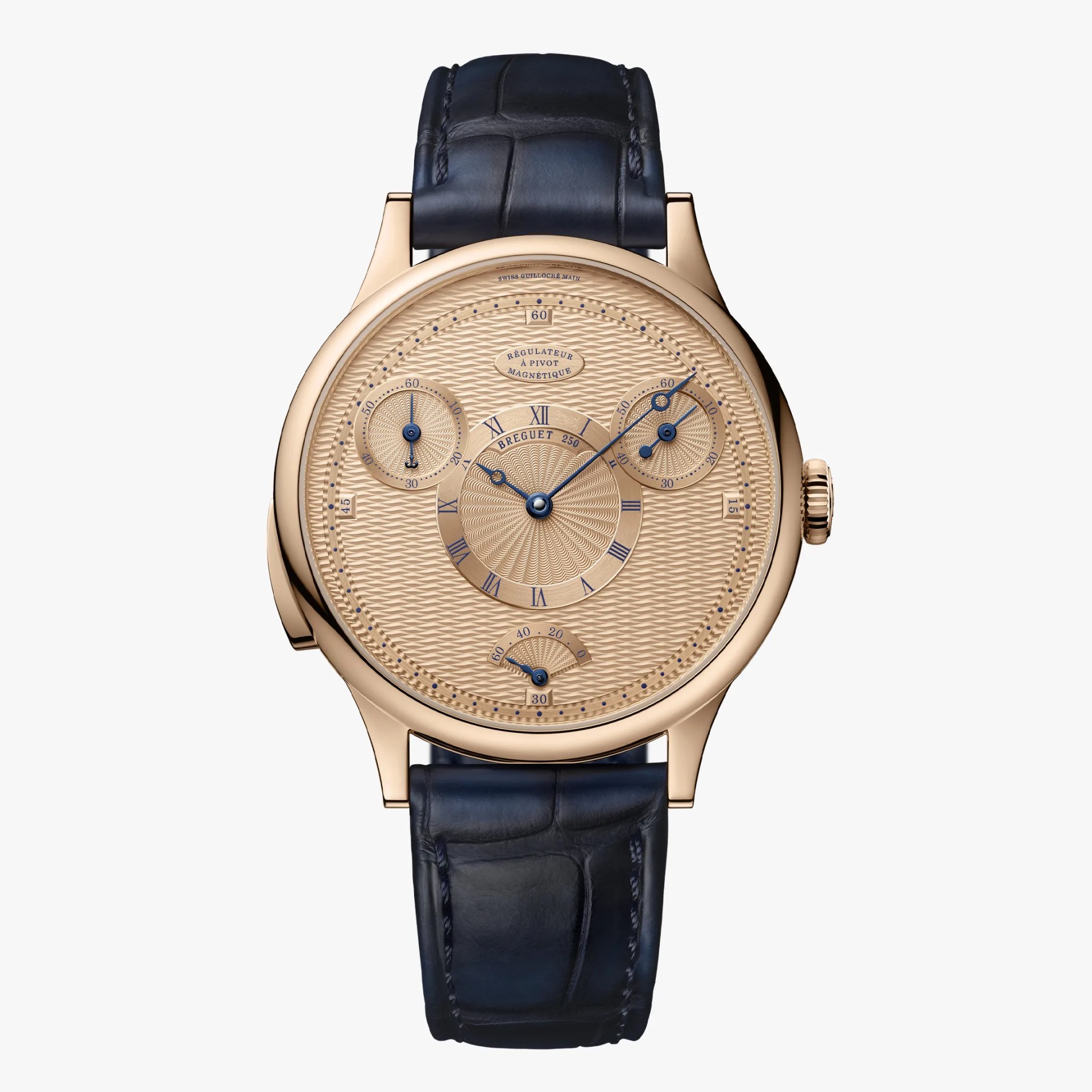
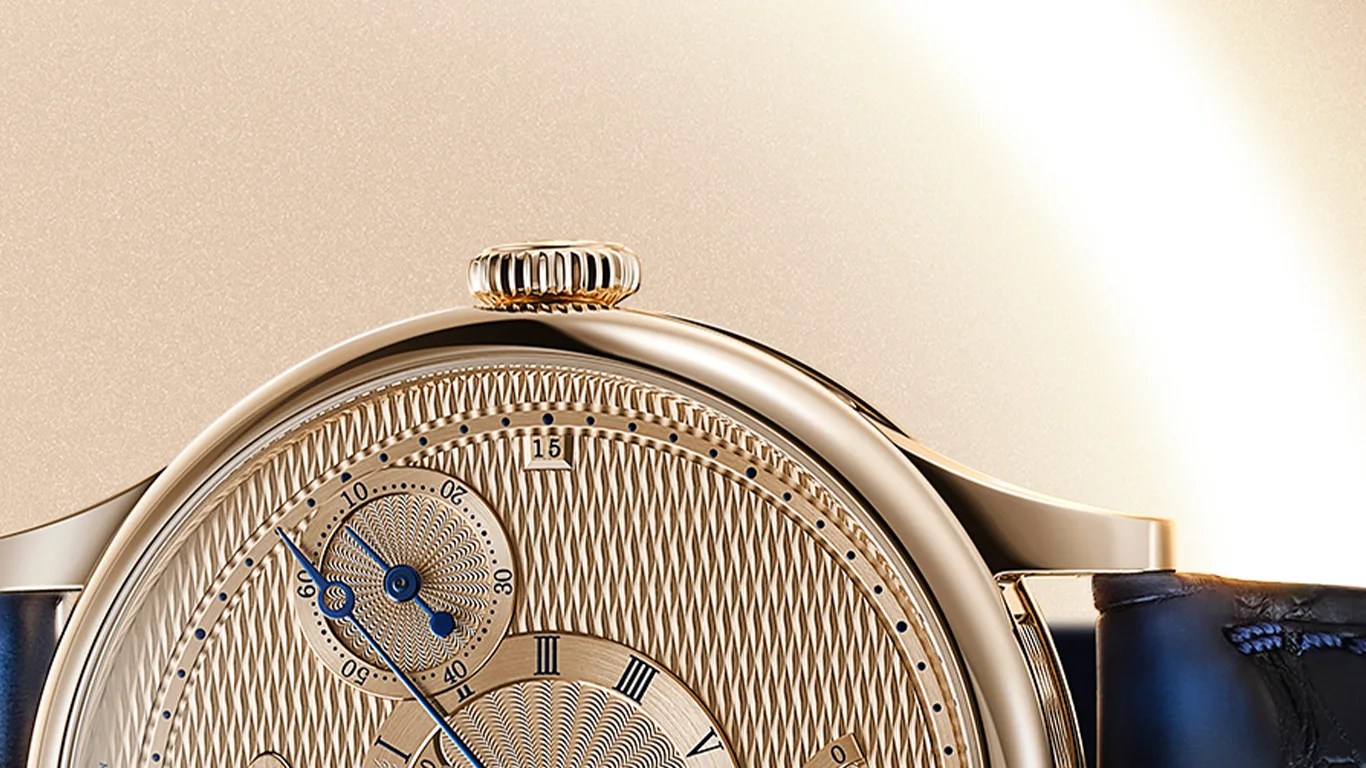
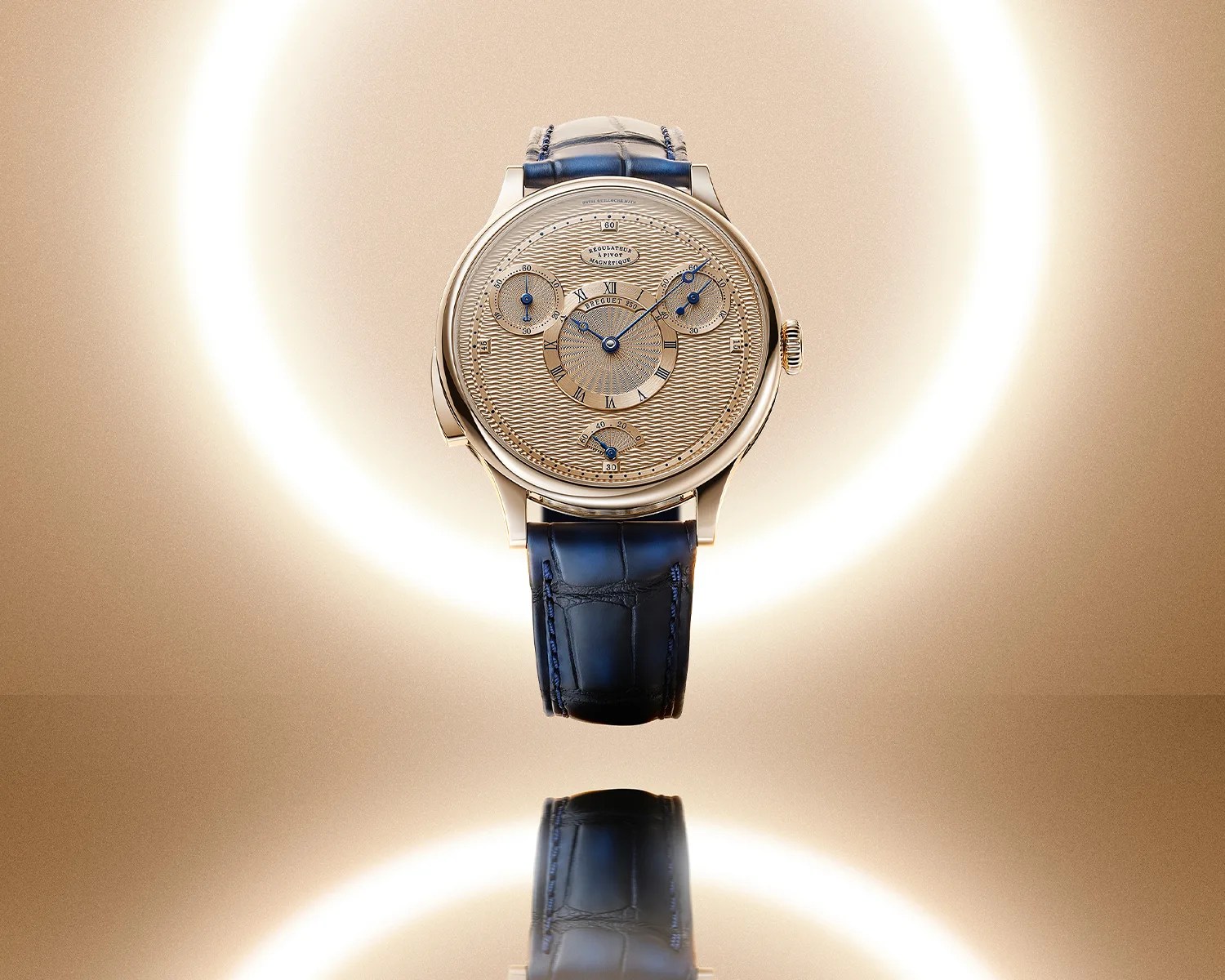
The latest such quest comes to us from Breguet, which has been putting the industry on notice all year as it celebrates its 250th anniversary with stellar release after stellar release. Its newest is the Classique 7225, which is almost certainly the most accurate mechanical watch on the market today.
To be precise
For some context, let’s first go over what kind of accuracy is expected from a mechanical watch. For common, affordable movements from the likes of Seiko, Miyota and Sellita, accuracy tends to fall somewhere around ±15 to 40 seconds per day (spd).
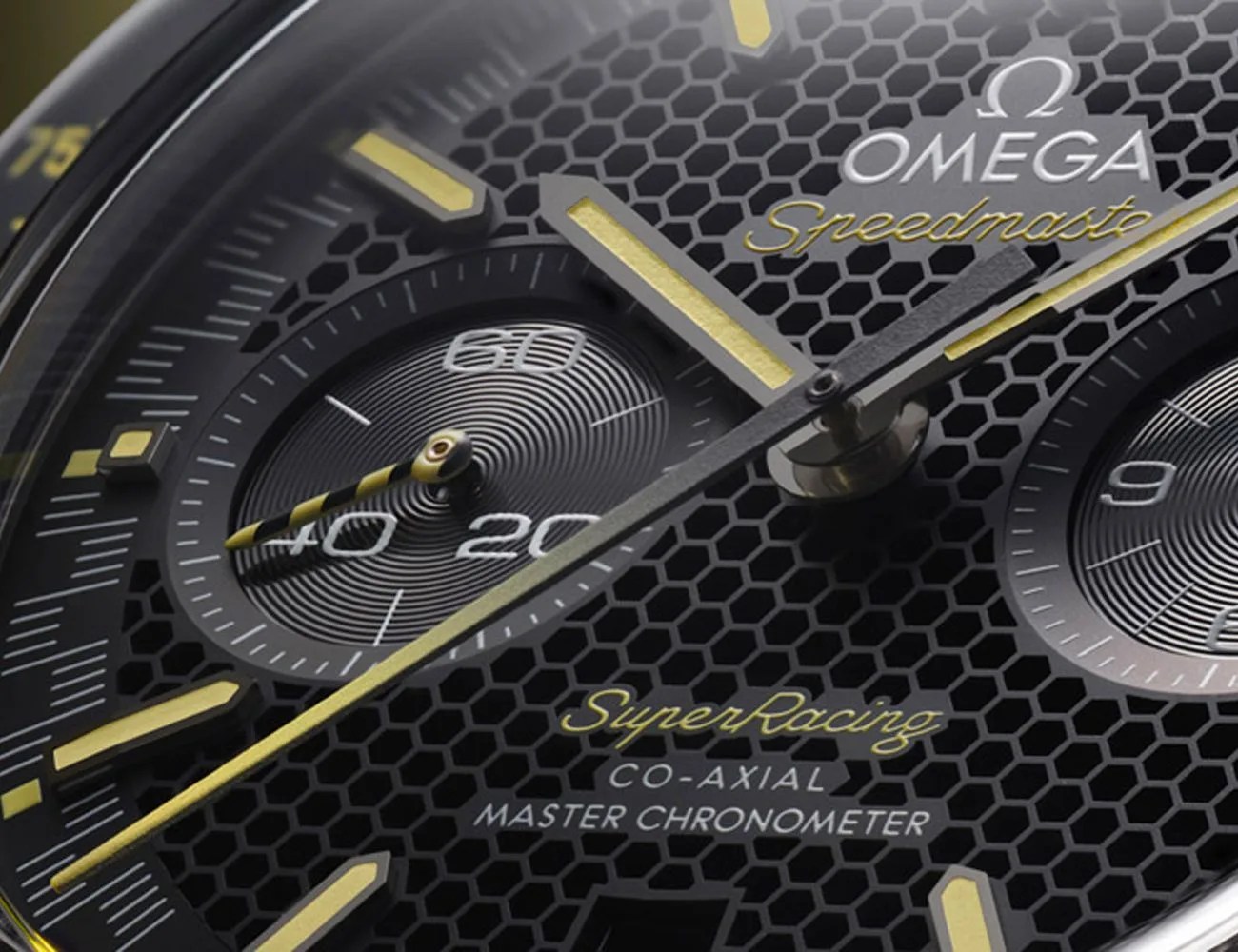
COSC chronometer certification improves accuracy to -4 to +6 spd, METAS Master Chronometer certification calls for 0 to +5 spd, Rolex’s Superlative Chronometer standard achieves a rate of ±2 spd and the Omega Speedmaster Super Racing, with its Spirate system, slightly improves that to 0/+2 spd.