
George Clooney & Co. Are Back in the Drink Biz, Just Not Like You’d Expect

The Casamigos founders made tequila the celebrity business of the decade. Their next move may prove to be much harder.

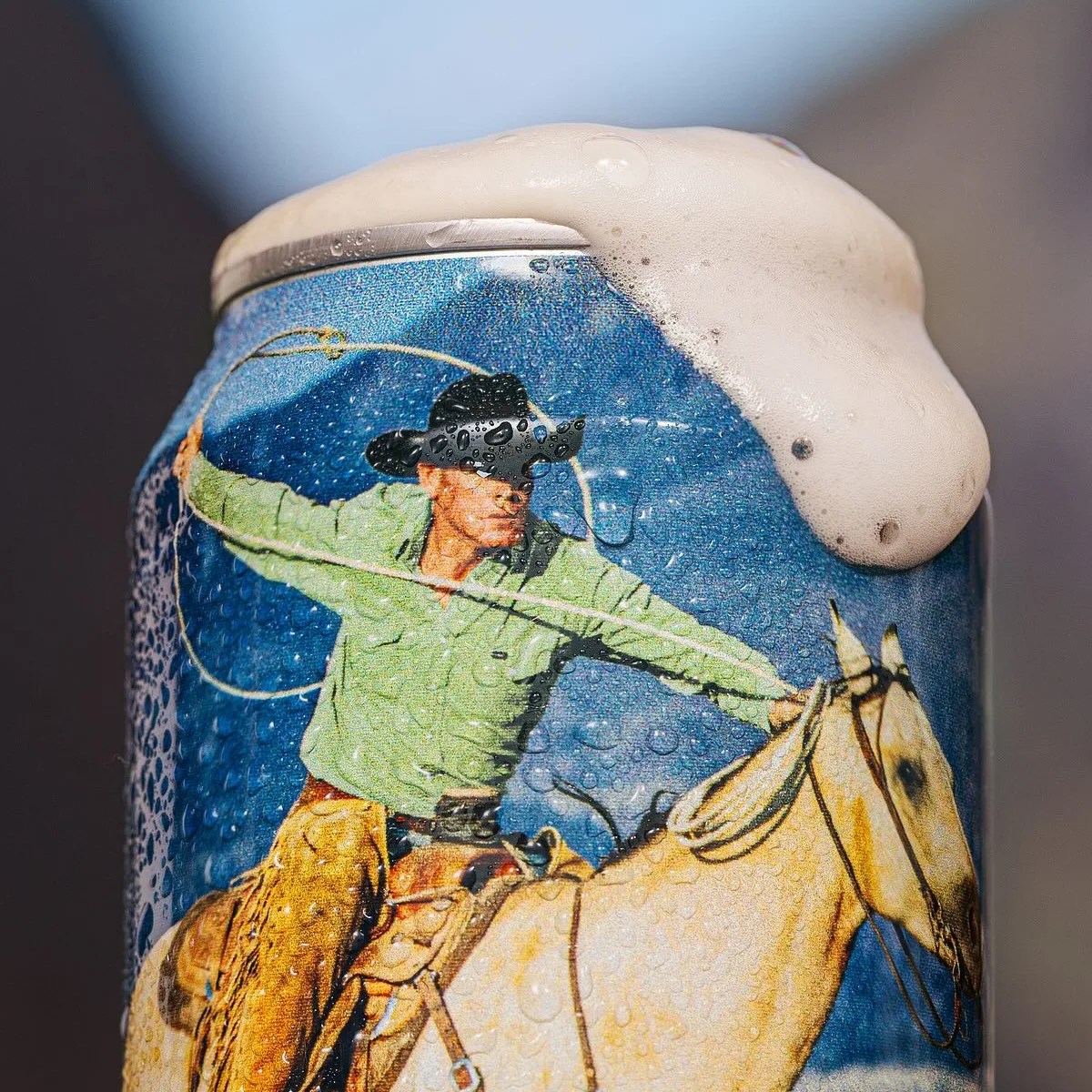
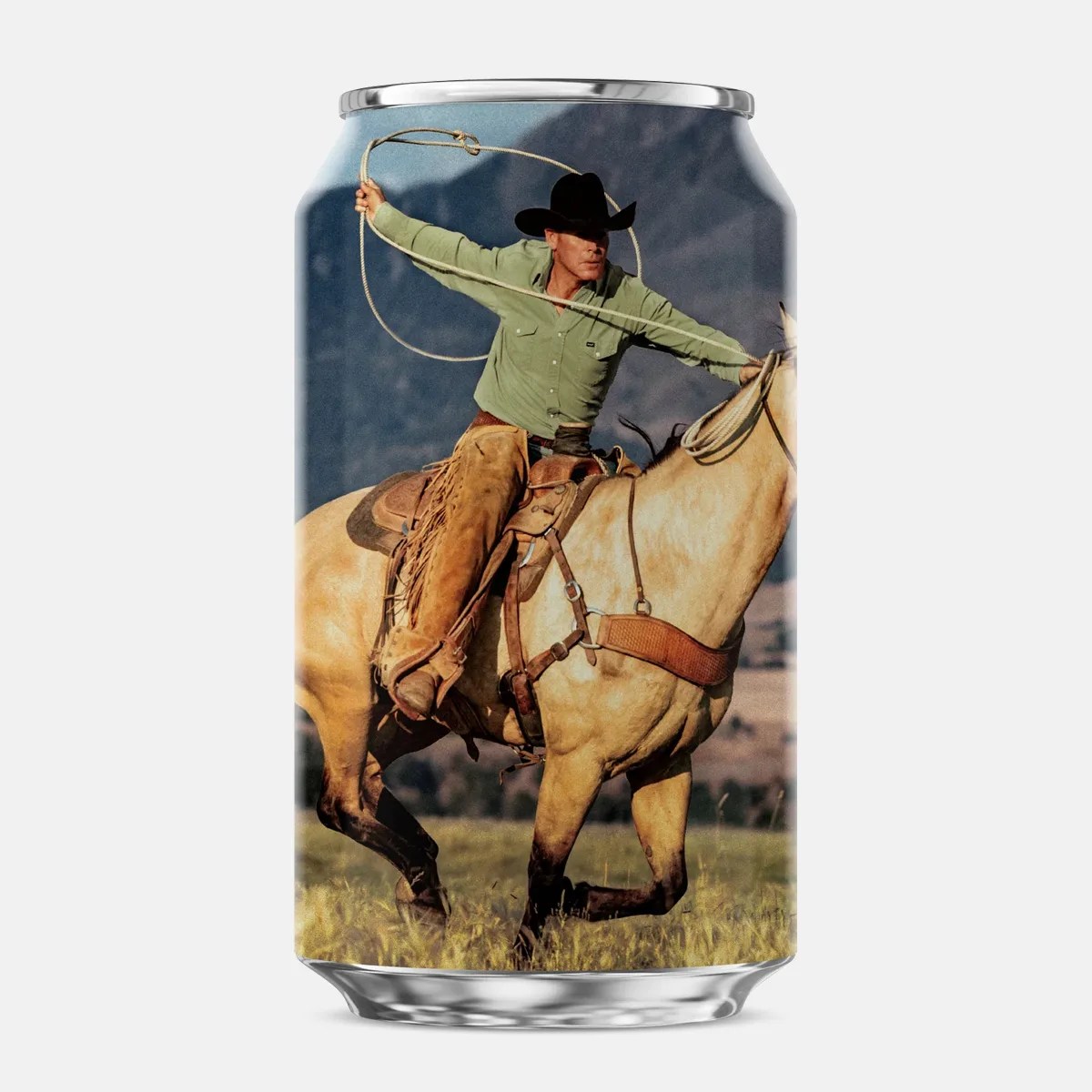
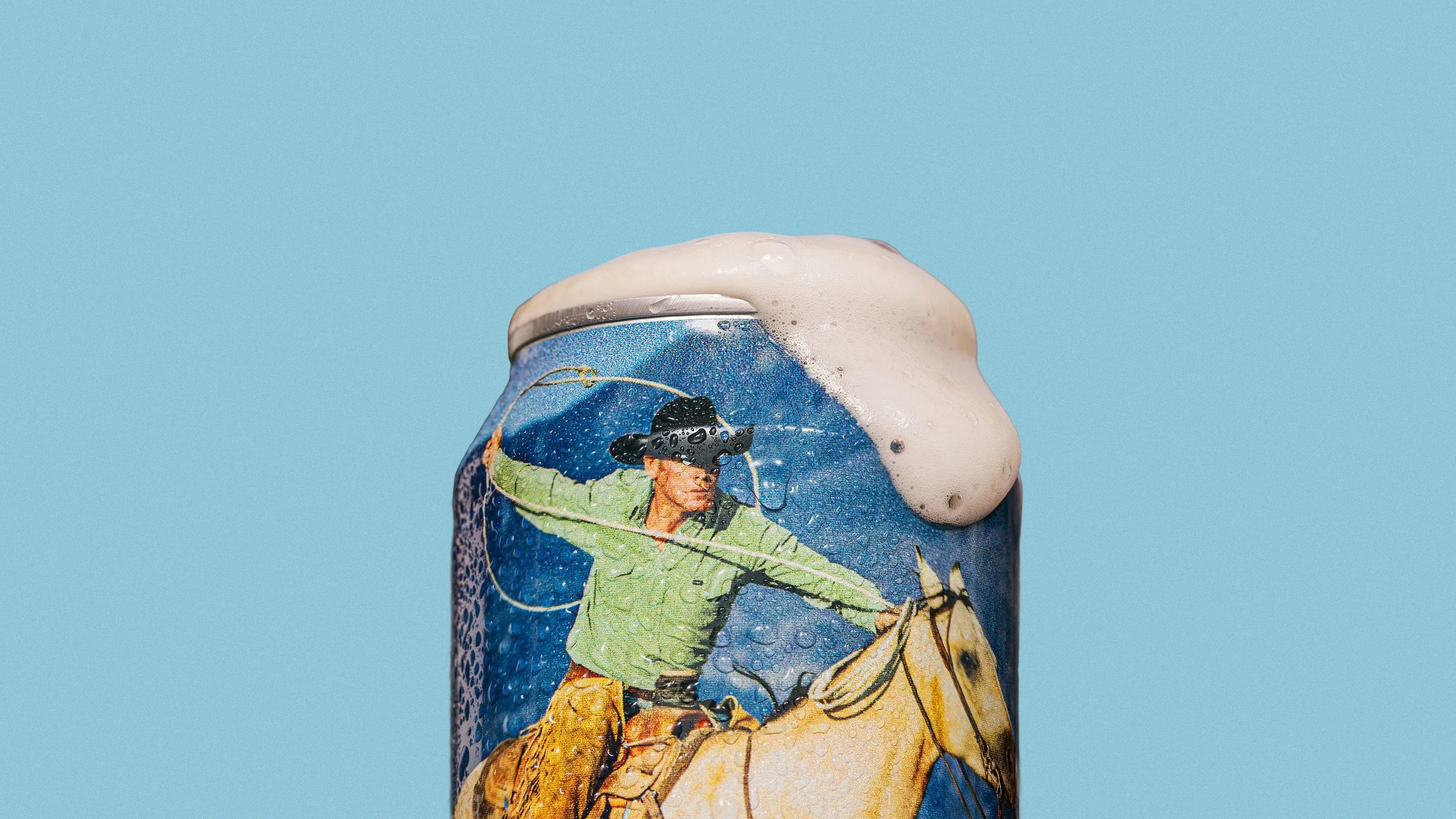
Close-up of a wet beverage can with foam overflowing, featuring a cowboy on horseback illustration.Crazy Mountain

If you buy from a link, we may earn a commission. Learn more

Celebrity alcohol brands used to feel like a novelty. Then George Clooney and his friends transformed a personal passion project into a billion-dollar business.

Now the same trio is back — and this time they’re betting on a category that may be even bigger.

George Clooney, nightlife entrepreneur Rande Gerber and real-estate developer Mike Meldman — the partners behind Casamigos tequila — have introduced a new venture called Crazy Mountain, a non-alcoholic beer brand entering one of the fastest-growing corners of the drinks industry.

Welcome to Power MovesDiving deep into the product and brand moves that can change where a category is headed. Discover more here.
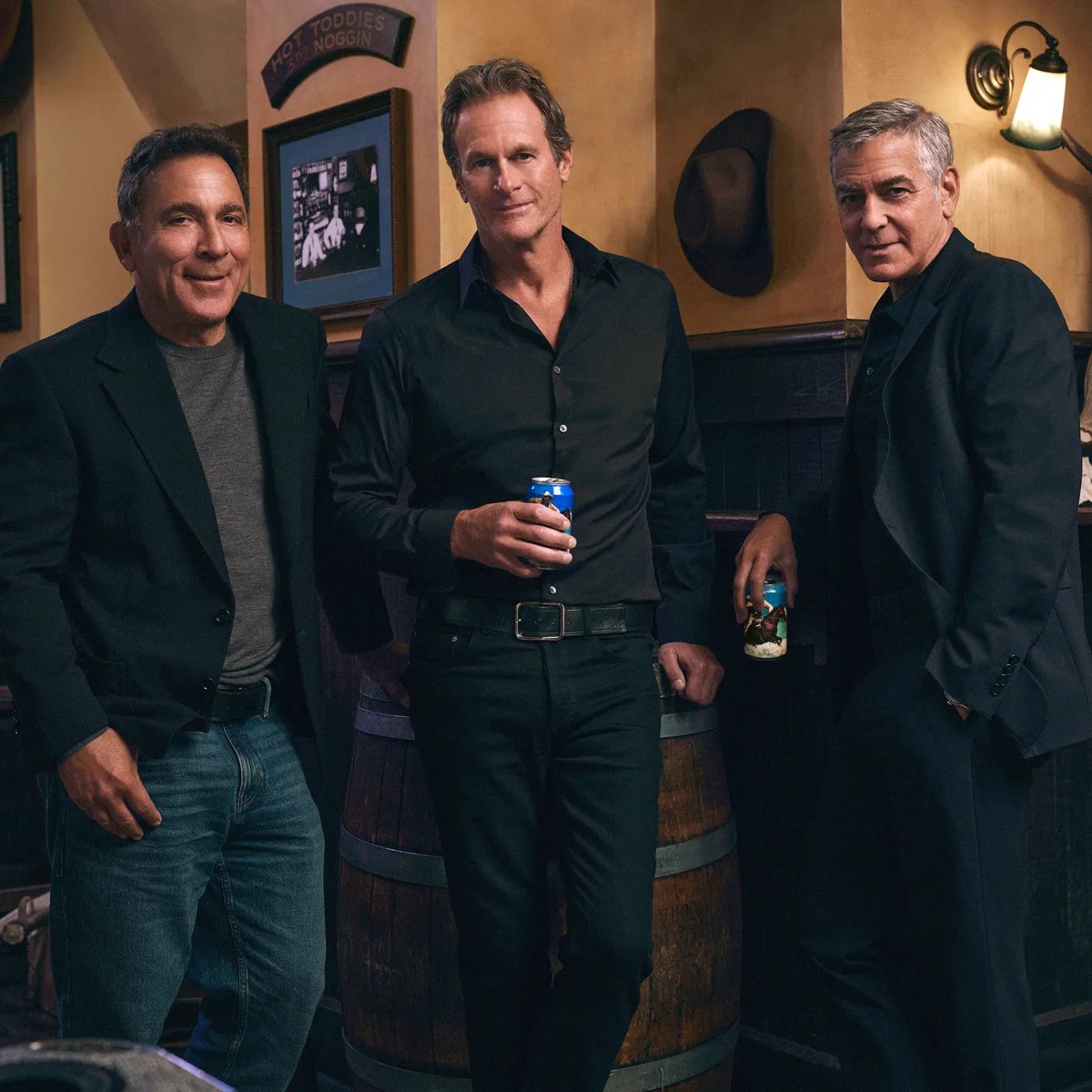
Three men in dark jackets and shirts holding cans, standing indoors near a wooden barrel and wall with framed pictures.
George Clooney, nightlife entrepreneur Rande Gerber, and real-estate developer Mike Meldman — the partners who built and sold Casamigos tequila for a cool billion to Diageo — are now back with a new non-alcoholic beer venture called Crazy Mountain (not to be confused with the Denver, CO-based microbrewery of the same name).
Nathaniel Goldberg

On paper, the move makes perfect sense. The non-alcoholic beer category is booming, and the Casamigos team has already demonstrated an uncanny ability to capitalize on cultural shifts in hangout culture.

But what makes Crazy Mountain interesting isn’t necessarily the liquid inside the can.

It’s the strategy behind it — and whether lightning can strike twice.
Re-reading the room

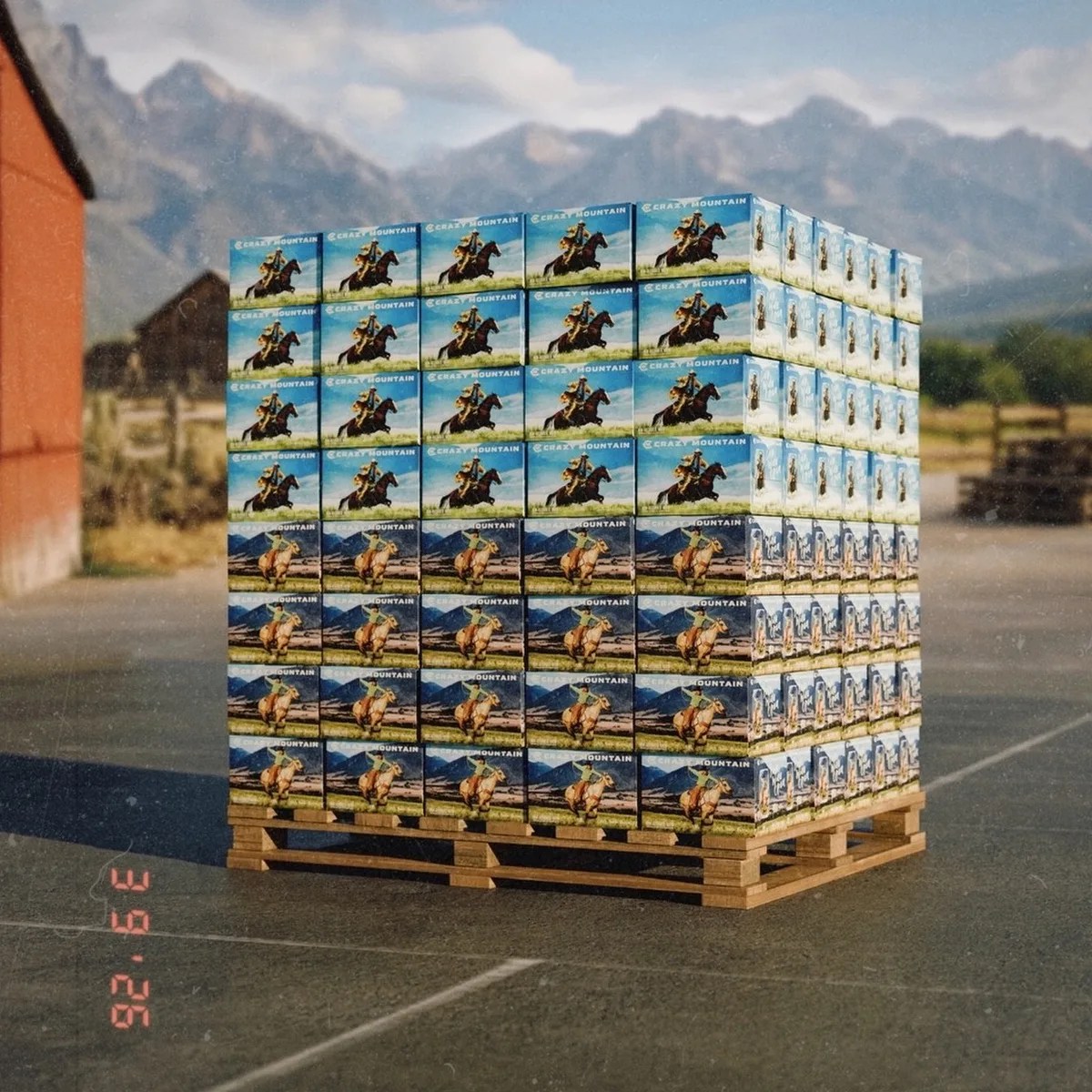
Stack of "Crazy Mountain" branded boxes with horse rider images on a wooden pallet outdoors with mountains in the background.
Beyond aligning with the stark non-alcoholic drinking habits among Gen-Z in particular, Crazy Mountain’s marketing teams are also clearly taking steps to align with aesthetic trends embraced by the younger generation, including posting product images on Instagram that appear to have been captured on film.
Crazy Mountain

The obvious reason Crazy Mountain exists is simple: the market has moved.

For decades, non-alcoholic beer was an afterthought — a category associated mostly with bland lagers and designated drivers. That perception has changed dramatically over the past few years.

According to the Brewers Association, non-alcoholic beer sales have surged more than 30 percent since 2021 and now account for the majority of growth in the “low- and no-alcohol” beverage category. Industry analysts expect the segment to continue expanding rapidly, with some projections suggesting non-alcoholic beer could soon surpass traditional ales in sales volume.

The shift isn’t happening in a vacuum.

On paper, the move makes perfect sense. The non-alcoholic beer category is booming, and the Casamigos team has already demonstrated an uncanny ability to capitalize on cultural shifts in hangout culture.

Close-up of a wet beer can with foam overflowing, featuring a cowboy in a green shirt and black hat riding a horse.
Crazy Mountain comes in two varieties: Original, described as a balanced, clean, and refreshing take on a classic lager, and Lime, a citrus-forward option for those who want a little more brightness in the can.
Crazy Mountain

Americans today — especially Gen Z — are consuming less alcohol overall than previous generations, driven by a mix of health awareness, shifting social norms, and the rise of “mindful drinking.” Surveys consistently show younger consumers are more likely to moderate their alcohol intake or avoid it entirely while still wanting beverages that feel social, sophisticated and adult.

That combination has turned non-alcoholic drinks into one of the beverage industry’s most closely watched growth stories.

From an entrepreneurial perspective, it’s the exact kind of moment the Casamigos founders have shown they know how to build on.

Rinse and repeat

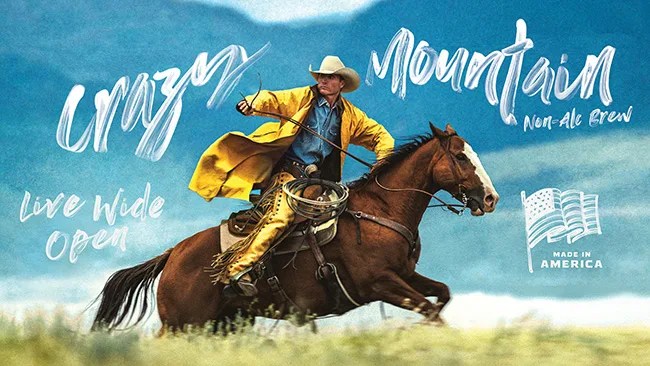
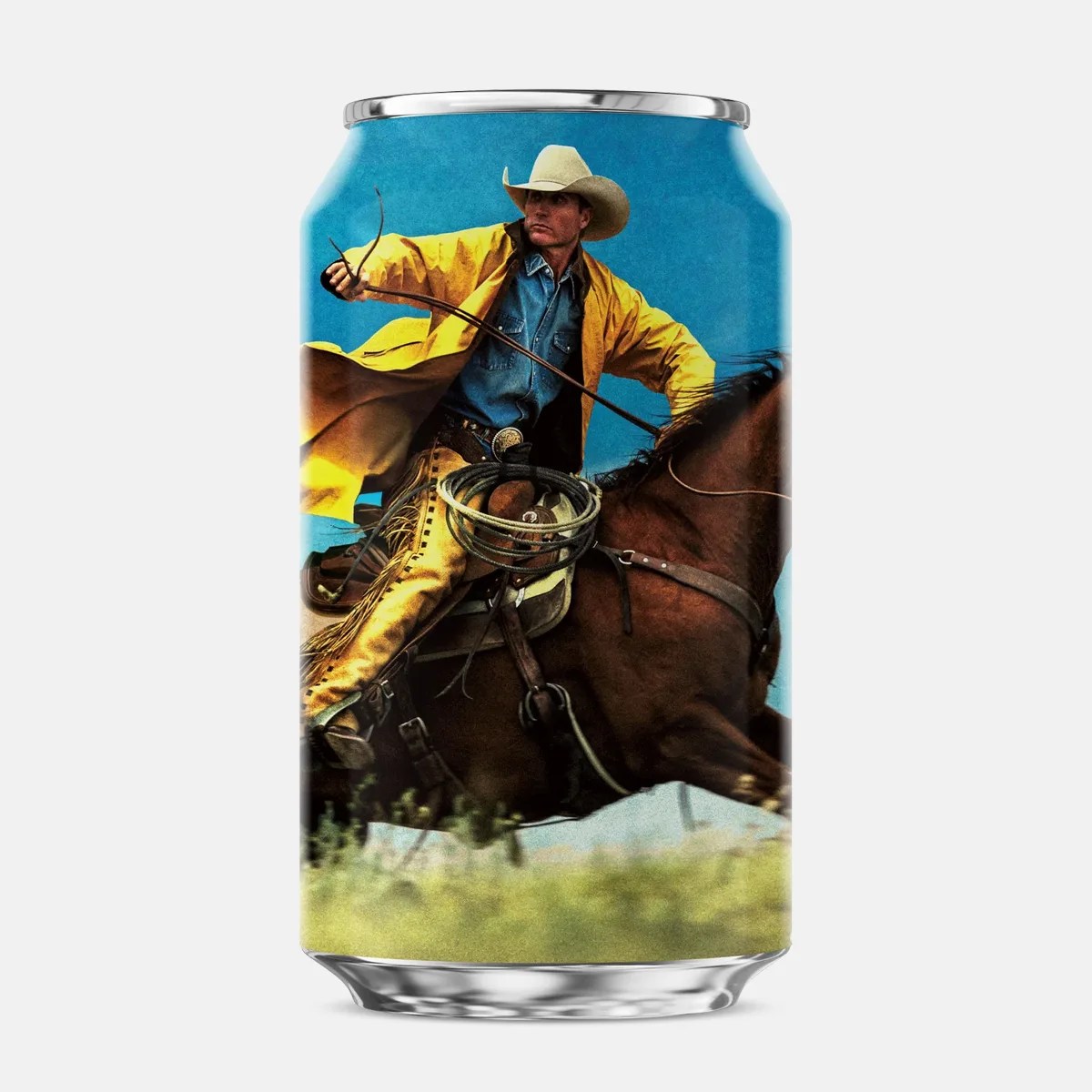
An ad campaign for Crazy Mountain beer showing a cowboy riding a horse wearing a yellow jacket against a bright blue sky
Crazy Mountain’s visual branding isn’t using Clooney’s handsome mug as a cheat code, as Casaamigos did in its early startup years, but it still features a man riding something against a lush, picturesque landscape.
Crazy Mountain

If the business logic behind Crazy Mountain feels new, at least parts of the marketing playbook look awfully familiar.

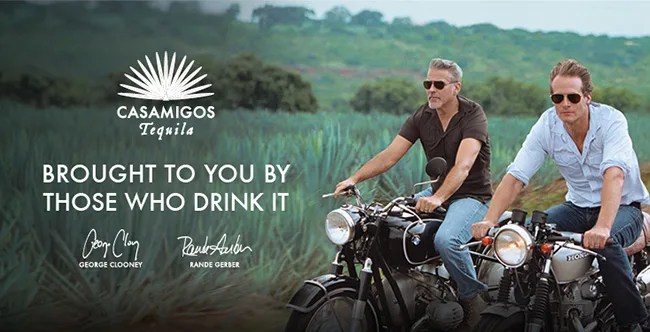
After all, years before Diageo’s attempt to mix Tequila’s party reputation with a C-level Wes Anderson aesthetic in its “anything goes with my Casamigos” ad campaign, the brand’s story was intentionally casual.

When Clooney and company launched Casamigos, the brand sold a simple idea: an easy tequila born from a personal adventure, made for long nights with friends — premium but never fussy.

Whether mythology or marketing, the narrative worked. Casamigos quickly became one of the fastest-growing spirits brands in the world, culminating in Diageo’s acquisition.

Casaamigo’s early brand positioning was intentionally casual and personal, leveraging the idea of a buddy trip as a modern-day quest for adventure and discovery. Crazy Mountain’s positioning follows a similar casual playbook, while leaning heavily on both old tropes of American ruggedness and newer interpretations of the theme.
Casa Amigos

Crazy Mountain positions itself similarly as an easygoing social beer. The vibes emphasize quality ingredients and drinkability rather than craft-beer geekery.

Just in this case, it’s something you can drink with friends without worrying about alcohol content, hangovers, or complicated tasting notes.

Like Casamigos, Crazy Mountain’s packaging design also takes a different, distinct direction.

The original tequila bottles stood out through understatement: minimalist labels, subdued colors, and a design that quietly telegraphed “premium.”

The Marlboro Man is back — he’s just sober now and probably likes ending his day with a cold plunge.

Crazy Mountain takes the opposite visual approach but pursues the same restrained outcome.

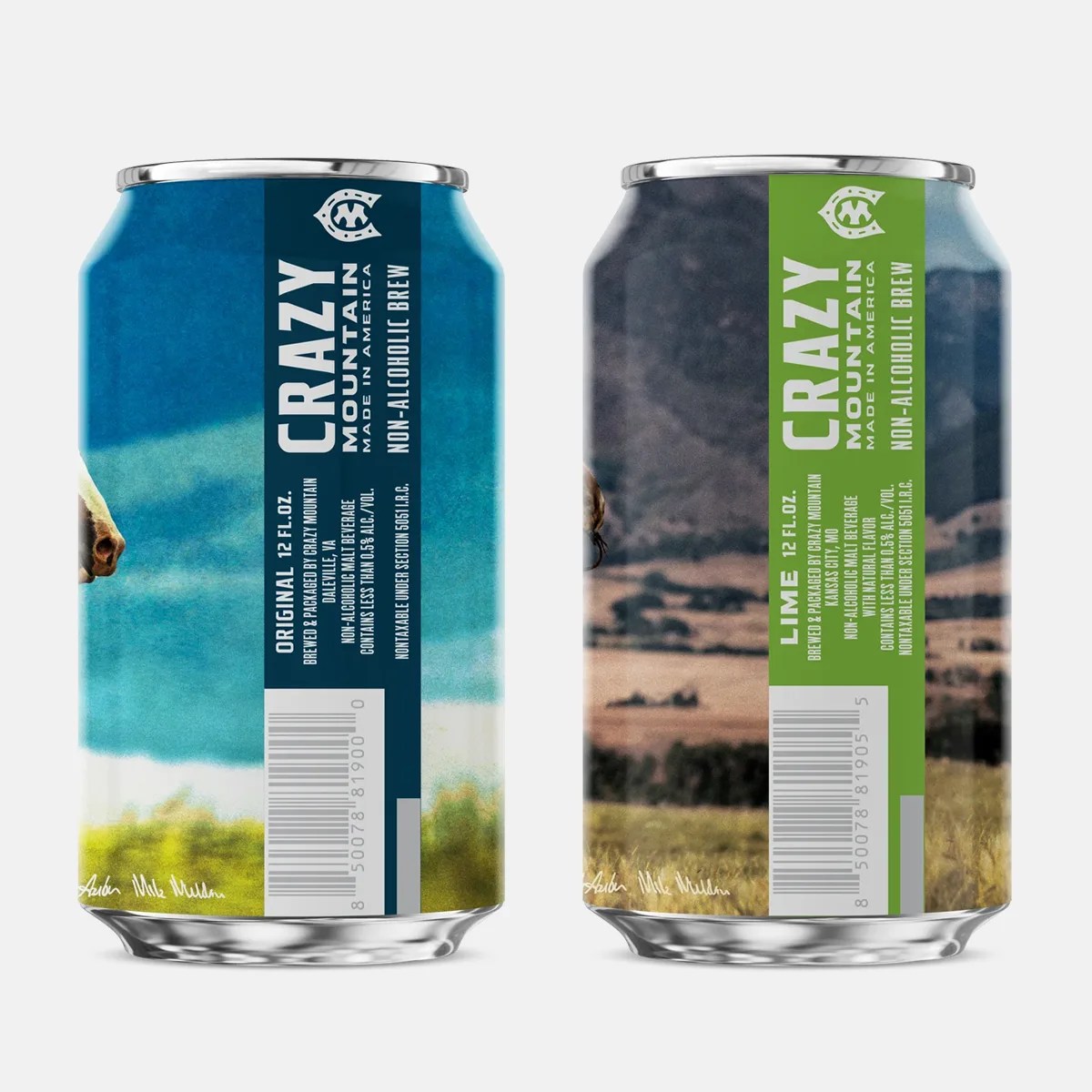
Instead of the text-first instincts of traditional beer can designs, roughly 90% of a Crazy Mountain can’s surface area is covered by a single vivid, saturated picture. The beer’s name and other product information are relegated to a narrow strip of labeling on the back.

Two cans of Crazy Mountain non-alcoholic brew, one Original with blue label and one Lime with green label, both 12 fl. oz.
Unlike most beer can designs, which function as miniaturized billboards for brand recognition and flavor soundbites, Crazy Mountain’s packaging is notably text-free, with product information relegated to a narrow strip of labeling on the back.
Crazy Mountain

In a category where most beer cans function like tiny billboards packed with logos and descriptors, the design feels almost deliberately cryptic.

The bet is clear: curiosity first, brand recognition later.

Visually, though, the inspiration is less Cabo and more cowboy country. The brand’s imagery is dominated by colorful illustrations of riders galloping across the West.

The Marlboro Man is back — he’s just sober now and probably likes ending his day with a cold plunge.

Late to the party?

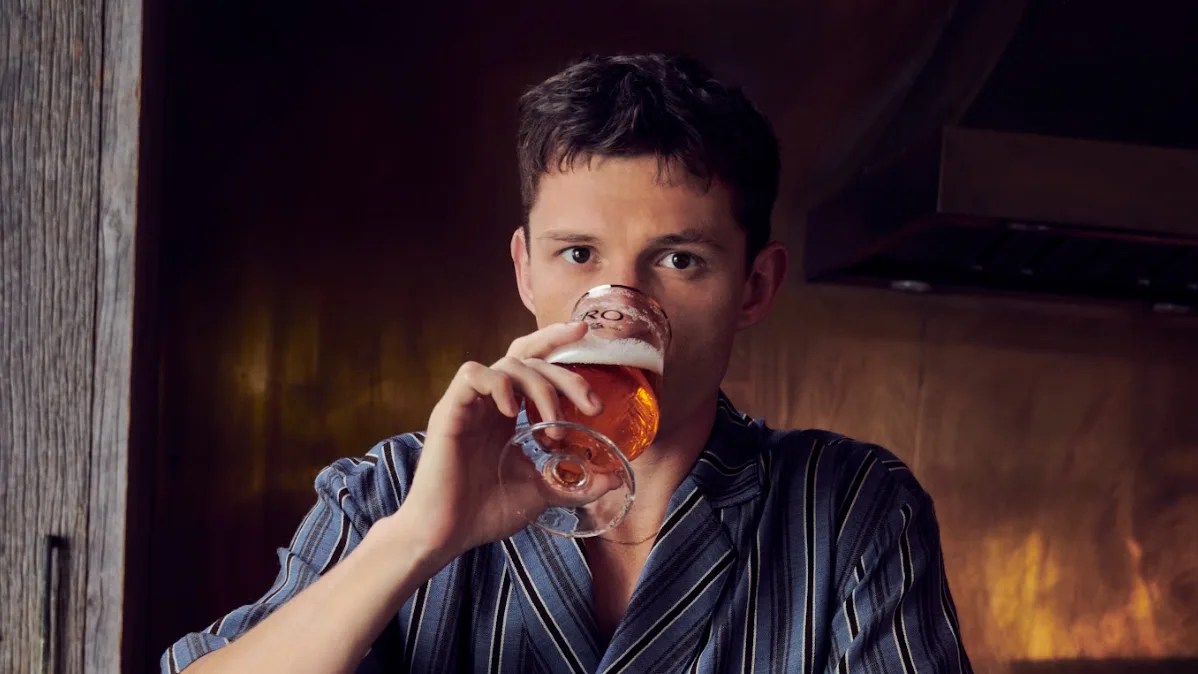
tom holland drinking a beer
The trio behind Casamigos isn’t the first celebrity to see opportunity in the non-alcoholic beer market. In fact, in many ways, they are now late to the party. Tom Holland, previously crowned by Gen-Z as one of the most influential stars, launched his own Bero brand in the fall of 2024.
Bero

The challenge for Crazy Mountain is that the landscape surrounding it looks very different from the one Casamigos entered a decade ago.

When Casamigos launched, celebrity spirits were still relatively rare. The brand benefited from a combination of novelty, timing and Clooney’s cultural cachet. Its success helped ignite a wave of imitators.

Unlike Casamigos, Crazy Mountain isn’t introducing Hollywood to the category — it’s arriving in a market where celebrity involvement is already part of the playbook.

Today, the celebrity tequila market alone includes brands from Kendall Jenner, Dwayne “The Rock” Johnson and Michael Jordan, among many others.

At the same time, the broader spirits industry has cooled. U.S. sales of several high-profile brands — including Casamigos itself — have recently shown signs of slowing as consumers cut back on discretionary spending and alcohol consumption overall.

casamigos tequila founders george clooney, rande gerber and partner mike meldman celebrate the launch of casamigos at andrea's
Beyond the current saturation of non-alcoholic beers on the market, Crazy Mountain also lacks the romantic, personal origin story of Casamigos and instead feels more overtly strategic, a business venture designed to make money.
Denise Truscello

The non-alcoholic beer category Crazy Mountain is entering has a different problem: competition.

The boom in low- and no-alcohol beverages has already attracted dozens of startups and several celebrity-backed brands trying to replicate the same magic Clooney created in tequila.

Tom Holland, an actual member of Gen Z and described by his generational peers as one of its most influential stars, launched Bero, a premium N/A beer brand positioned around mindful drinking and lifestyle balance, back in the fall of 2024. Dwayne Wade helped “co-found” Budweiser Zero over four years earlier.

Unlike Casamigos, Crazy Mountain isn’t introducing Hollywood to the category — it’s arriving in a market where celebrity involvement is already part of the playbook.

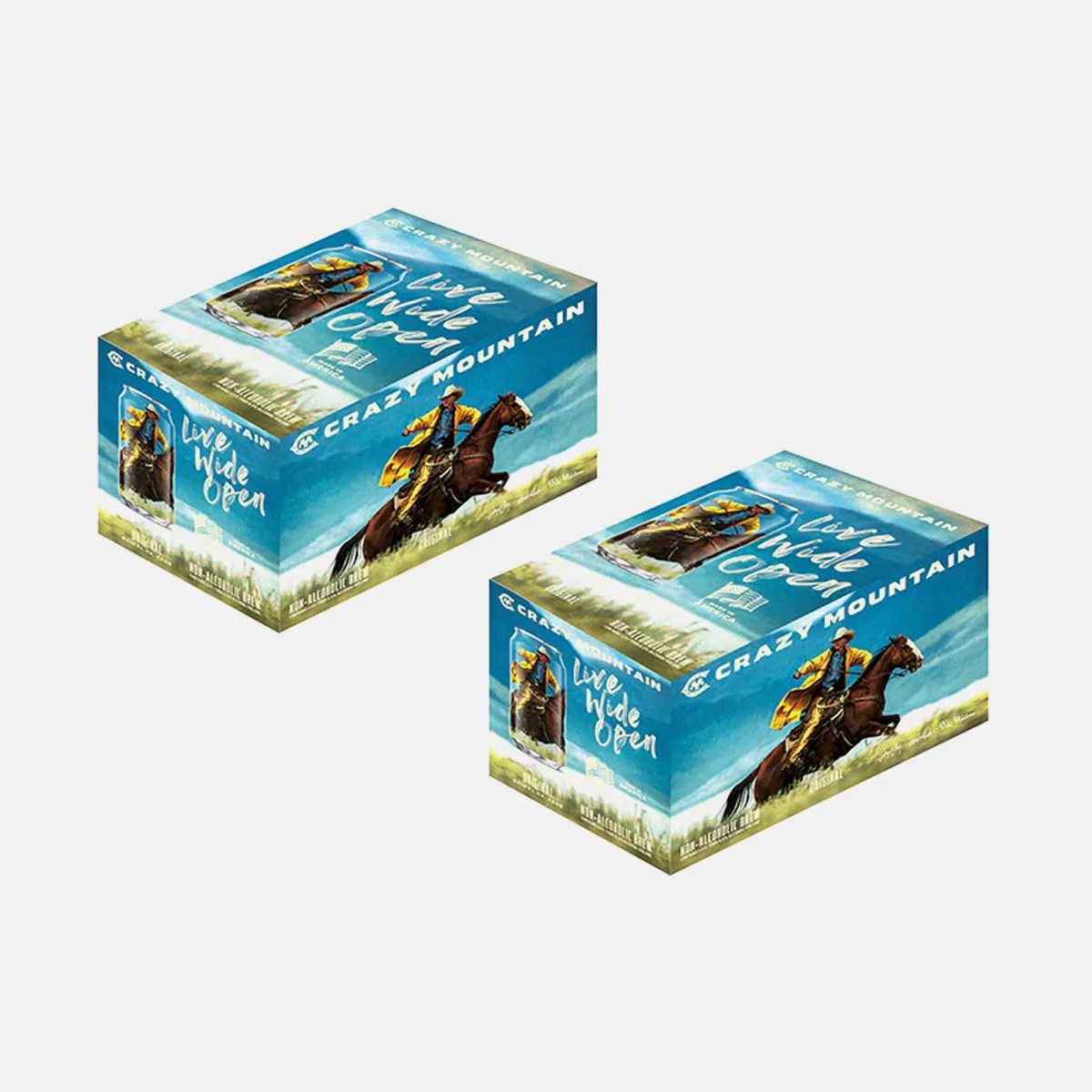
Two blue rectangular boxes of Crazy Mountain Live Wide Open non-alcoholic beer featuring a cowboy riding a horse on the packaging.
The brand currently sells beers in 12-packs by variety directly on its website. There’s also a mixed pack that includes six of each flavor: original and lime.
Crazy Mountain

The brand origin story is also far from organic.

Casamigos famously began as a personal project — a tequila the founders supposedly created just for themselves before realizing they could sell it. Whether entirely true or not, the narrative helped make the brand feel organic.

Crazy Mountain feels more overtly strategic. A celebrity team with a proven exit scanning the market, identifying a high-growth category and launching a product designed to capture it.

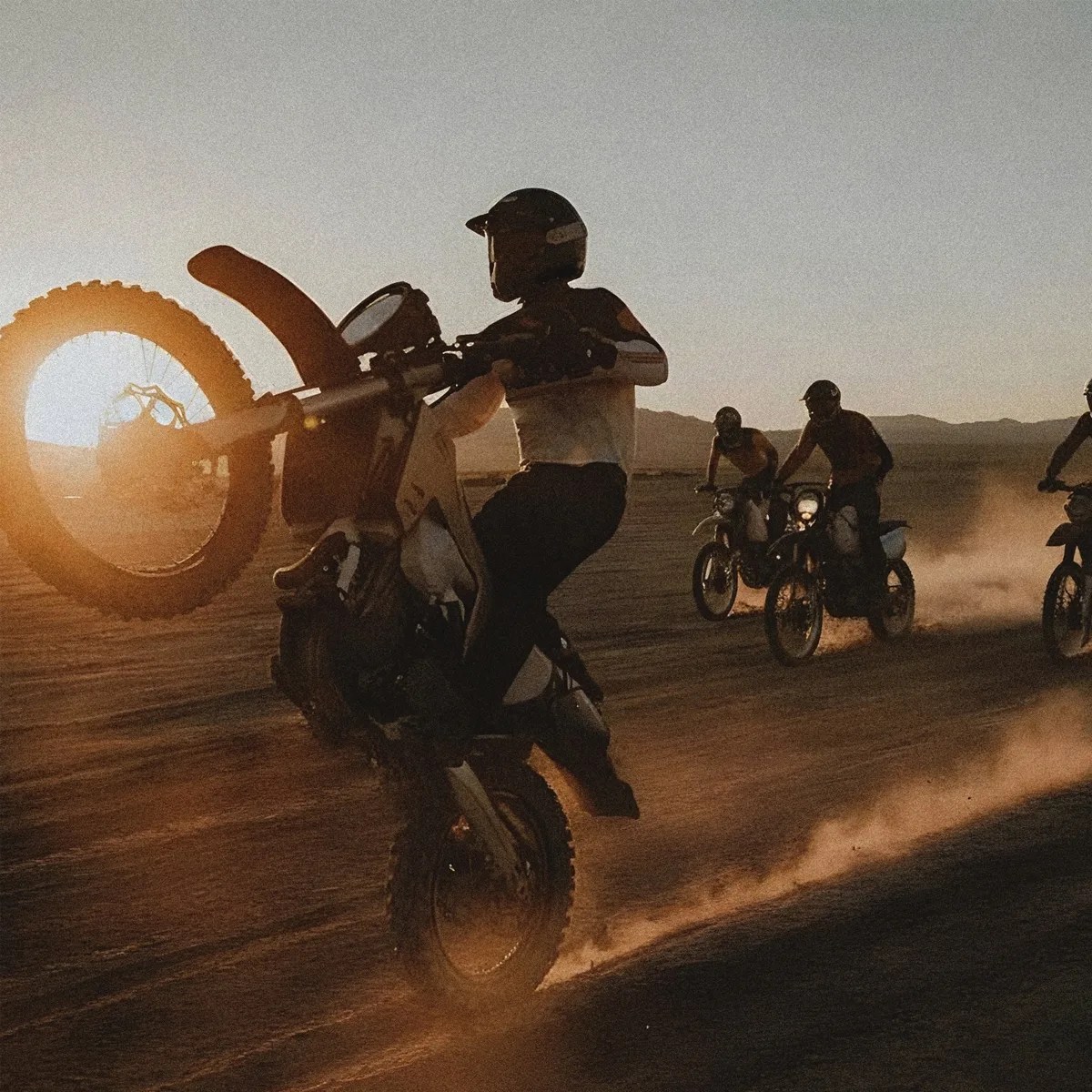
Motorcyclist performing a wheelie on a dirt bike at sunset with three other riders in the background on a dusty terrain.
Traditional cowboy imagery may dominate Crazy Mountain’s aesthetic, but the brand’s definition of the American sense of adventure and ruggedness also applies to more modern pursuits like dirt-bike riding and surfing.
Crazy Mountain

None of that means the venture is doomed.

Clooney remains one of the most recognizable celebrities on the planet. The founders also have deep experience building and scaling beverage brands — not to mention the financial resources that came from their previous billion-dollar exit.

If the beer tastes good and the branding resonates with younger drinkers, Crazy Mountain could still become a major player.

But this time around, success won’t come from simply being first.

If the beer tastes good and the branding resonates with younger drinkers, Crazy Mountain could still become a major player.

But this time around, success won’t come from simply being first.

Pricing and availability

Crazy Mountain comes in two varieties: Original, described as a balanced, clean, and refreshing take on a classic lager, and Lime, a citrus-forward option for those who want a little more brightness in the can.

Both varieties clock in at around 65 calories per 12-ounce can.

A 12-pack (two six-packs) is priced at $28 and is available now online at crazymountain.com, with a rollout to select U.S. retail stores planned for later in 2026.

Want to stay up to date on the latest product news and releases? Add Gear Patrol as a preferred source to ensure our independent journalism makes it to the top of your Google search results.

add as a preferred source on google
,