
The 2026 Ford Explorer Tremor Is the Most Capably Badass Variant in Years

An Explorer hasn’t been this all-terrain ready since it last had a truck-based ladder frame.

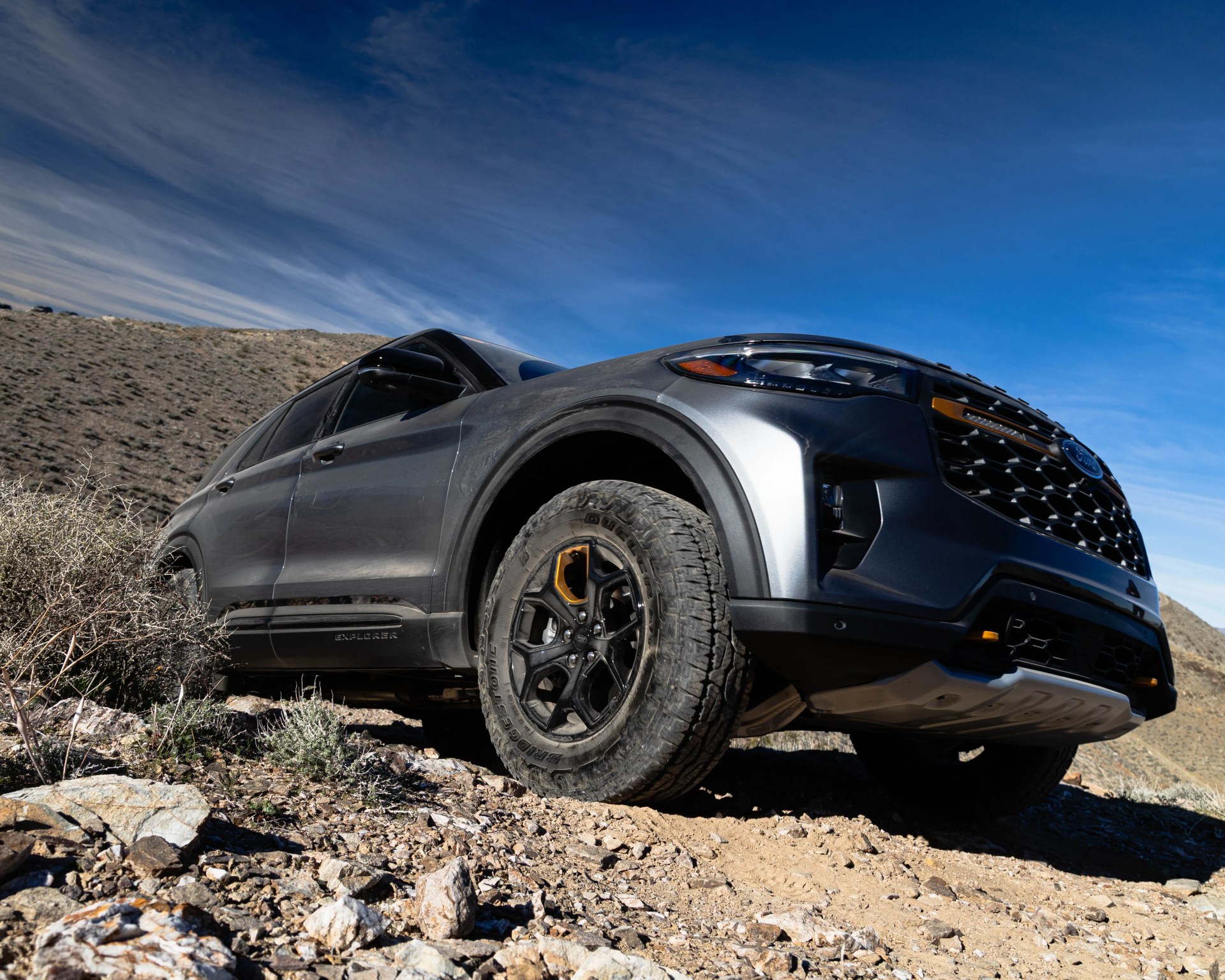
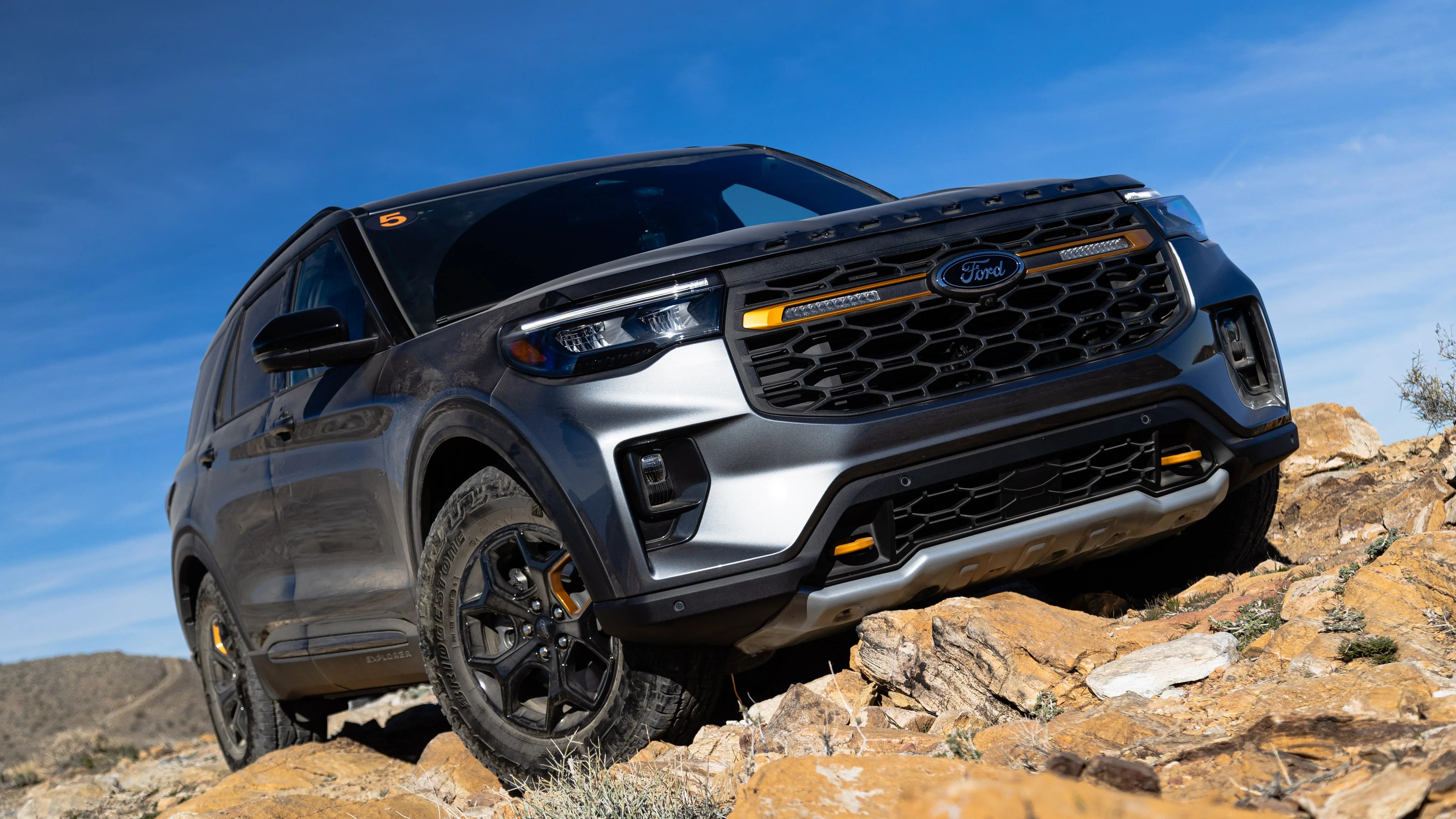
Black and gray Ford SUV with orange accents climbing rocky terrain under a clear blue sky.Chris Chin

If you buy from a link, we may earn a commission. Learn more

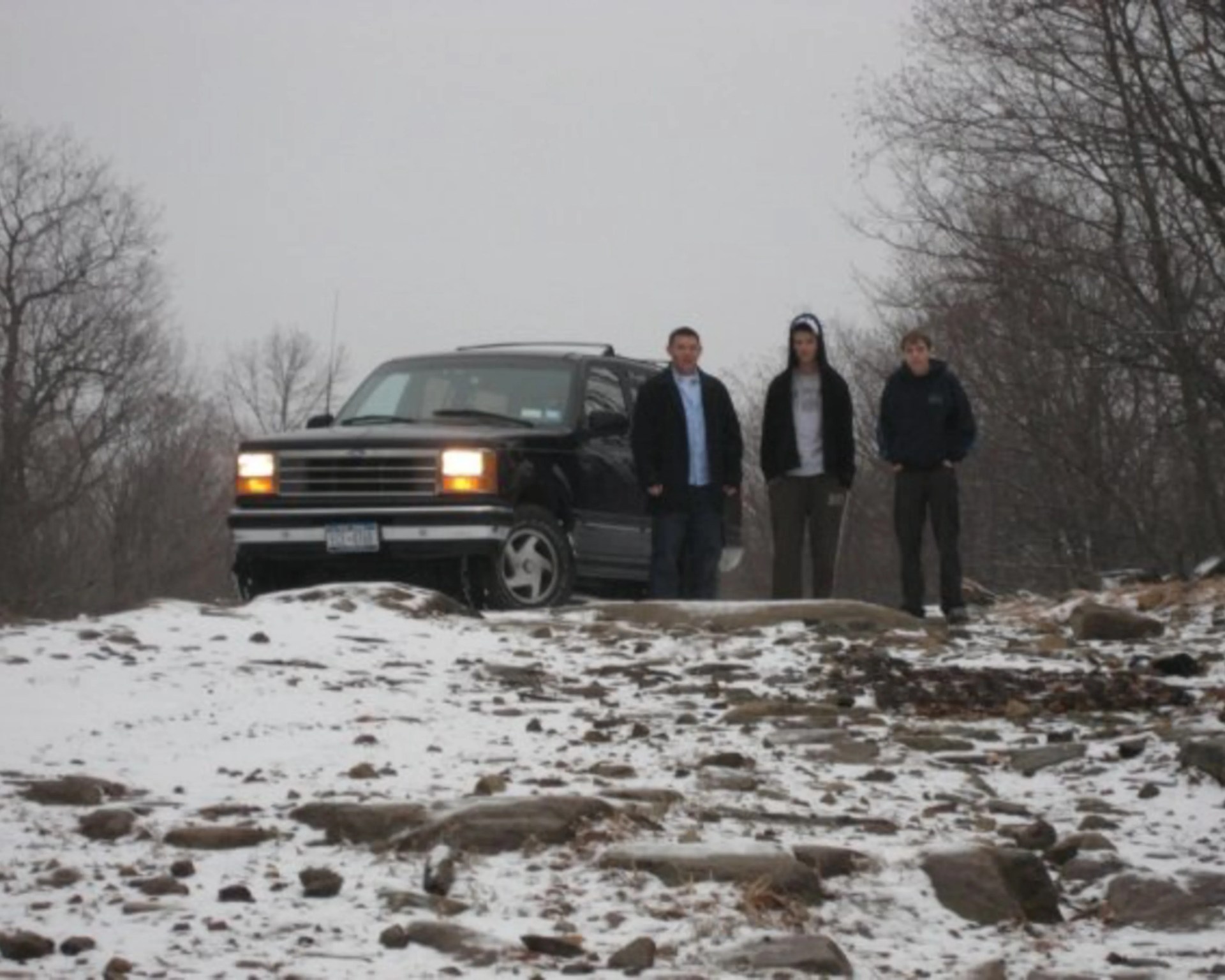
I vividly remember the first time I ever went off-roading. It was in the late 2000s. I had just turned 18, and my friend wanted to give it a go on the local trails in his weathered first-generation, Emerald Green-on-Beige 1994 Ford Explorer XLT — a hand-me-down in his family, which served as his first ticket to four-wheeled freedom.

Only, he wasn’t the one who wanted to drive. Rather, he handed me the keys and told me to take the wheel out of reluctance due to his naivety about the activity.
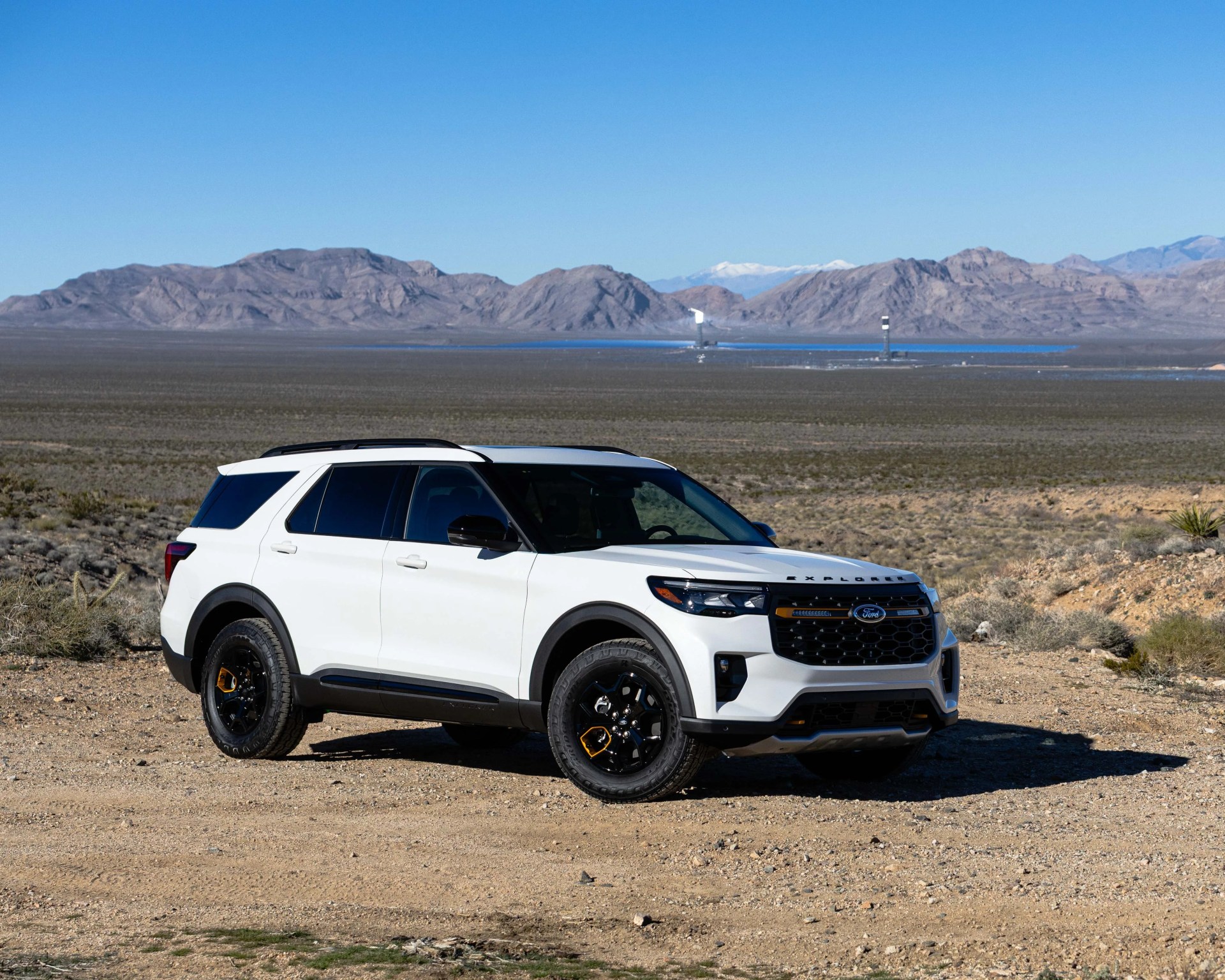
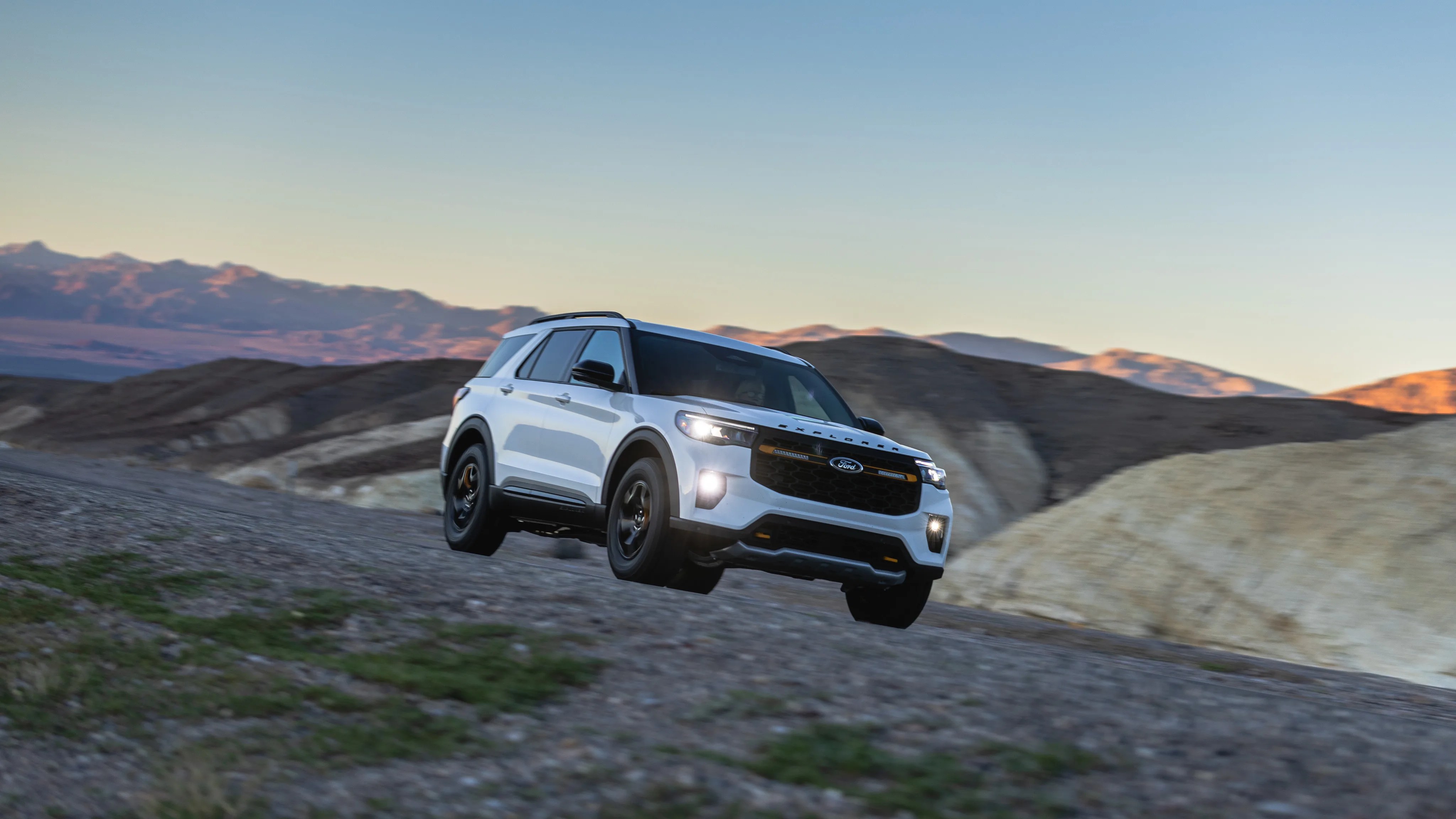
White Ford Explorer SUV with black trim and wheels parked on a dirt road with mountains in the background.
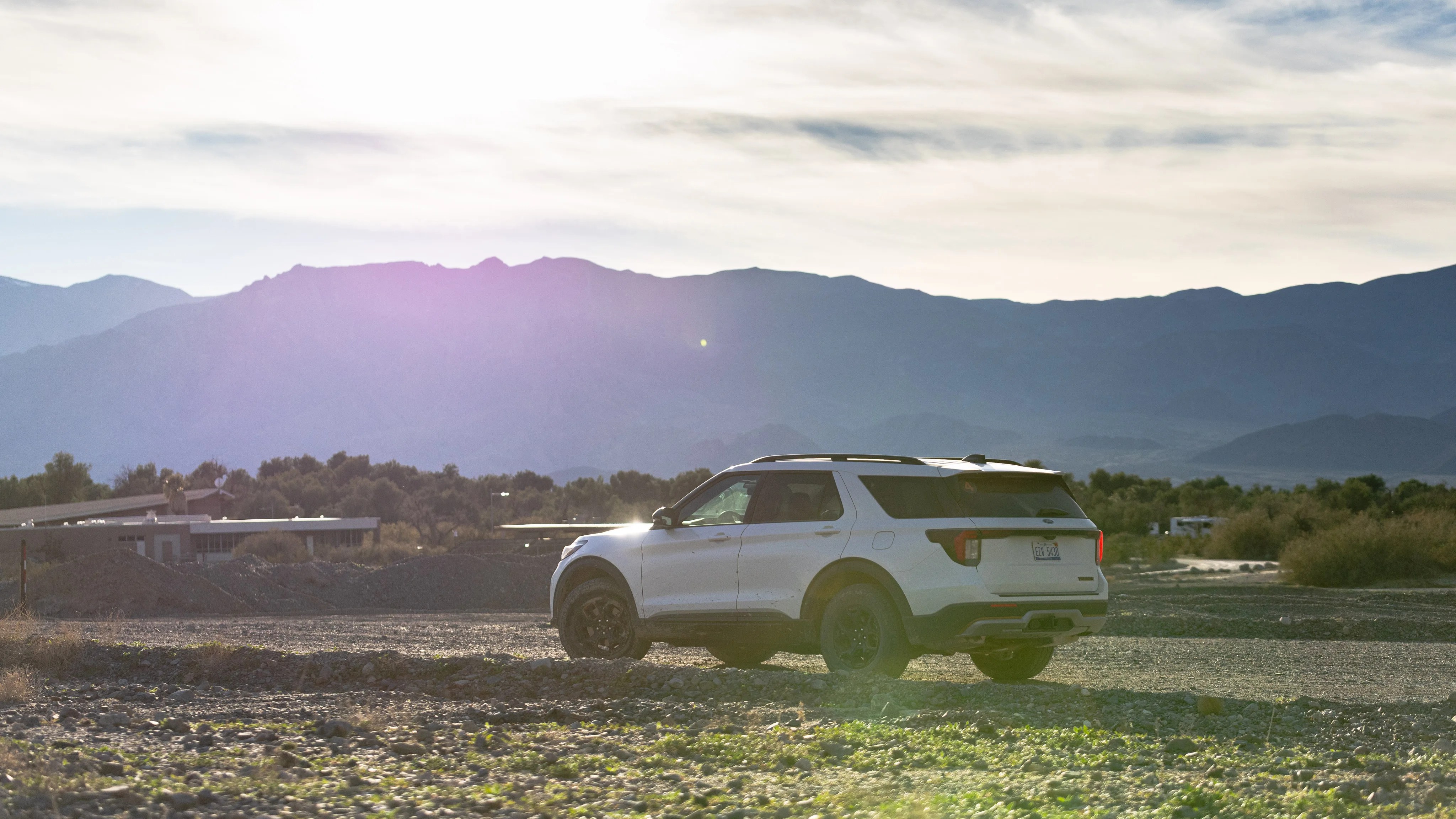
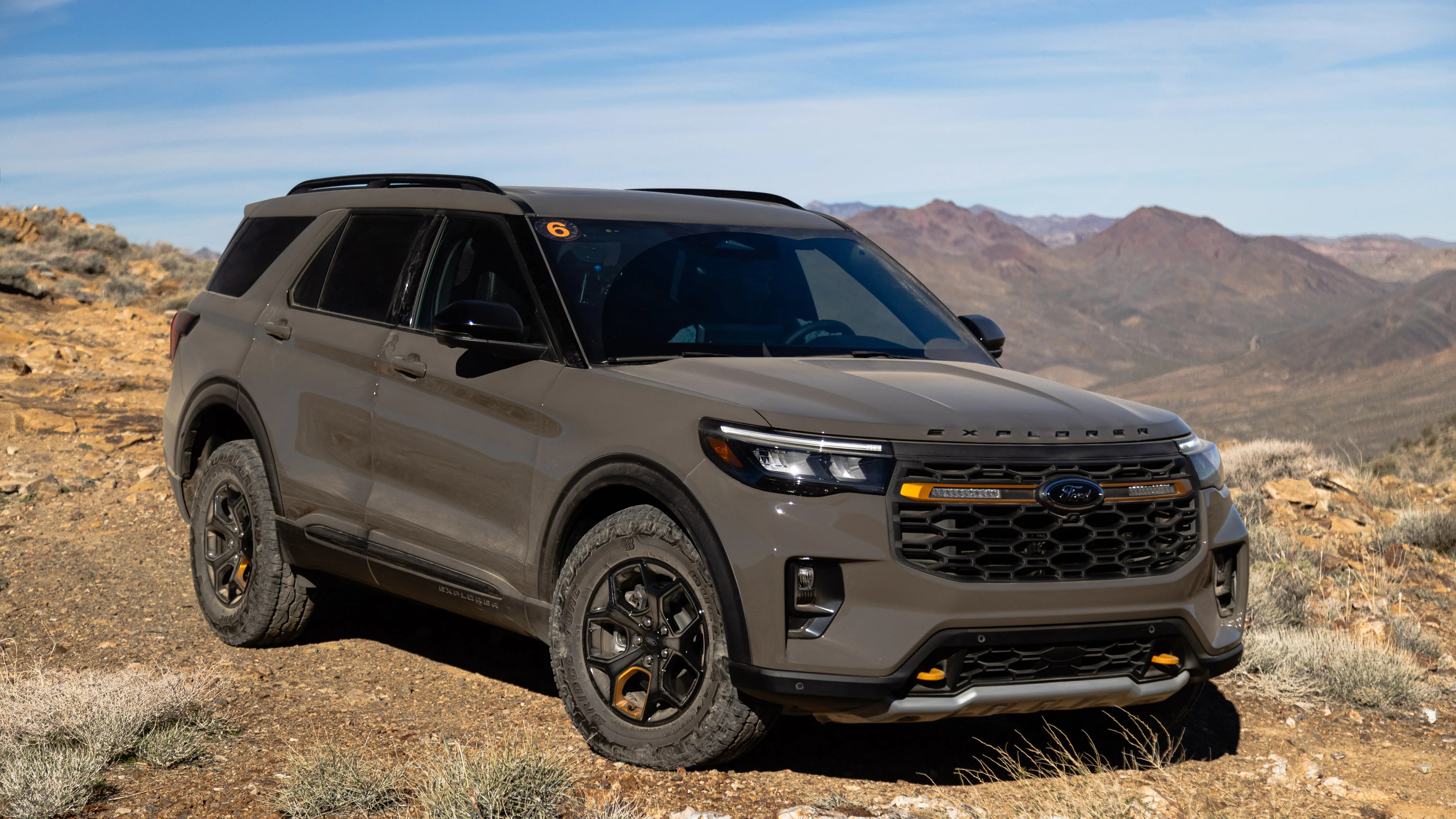
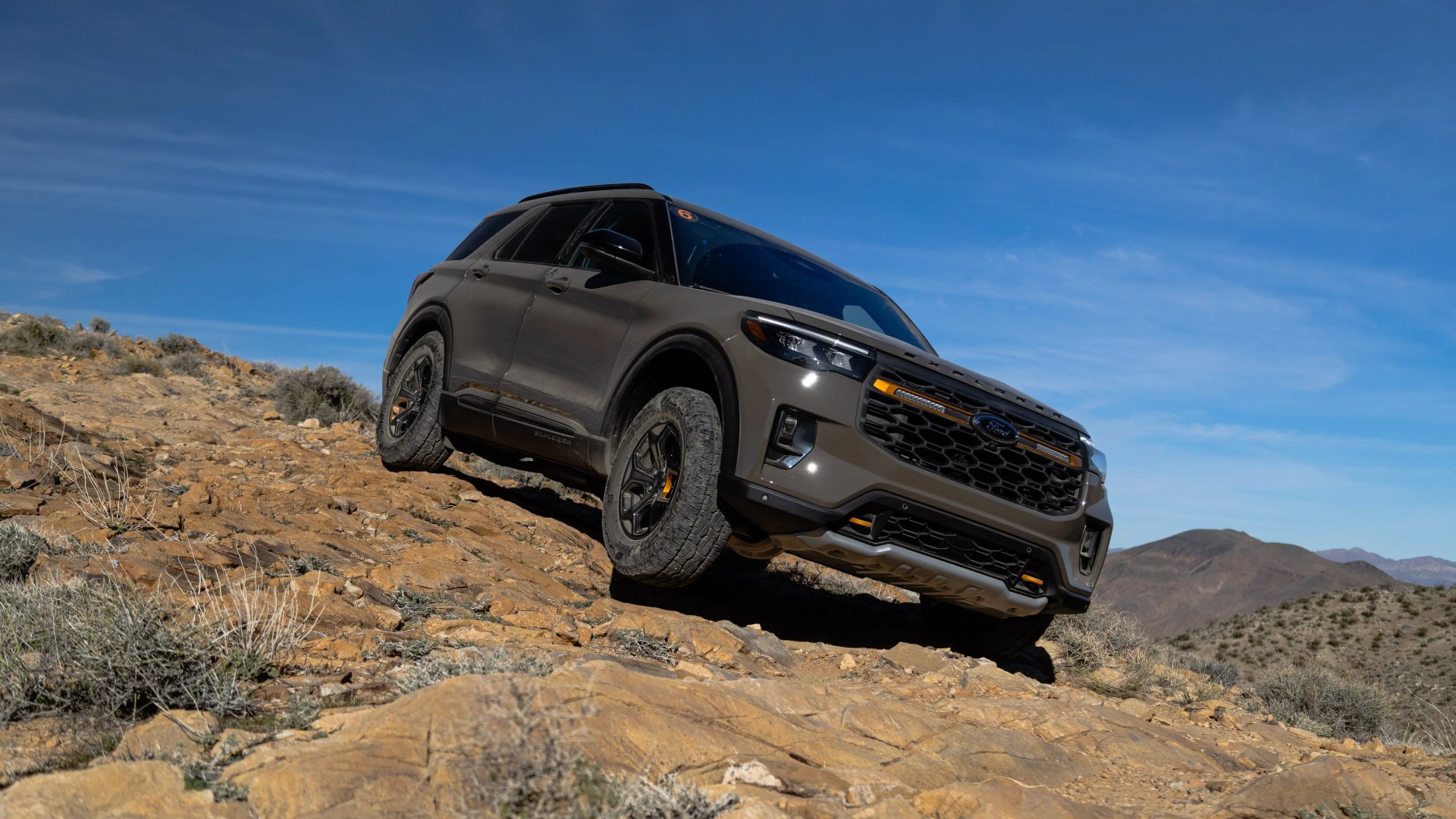
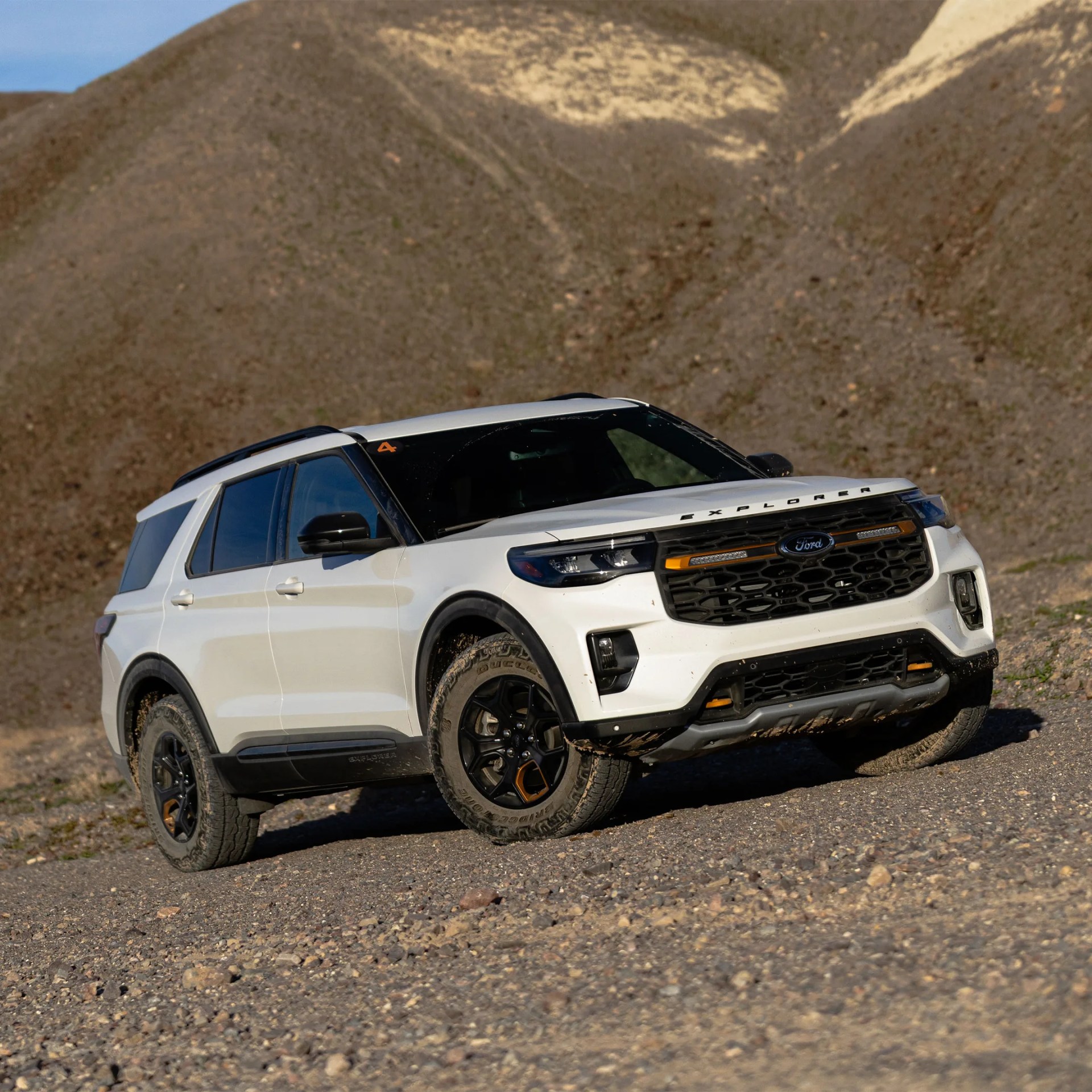
The Explorer Tremor and its previous iteration, the Timberline, are the first truly all-terrain capable models in years.
Chris Chin

During those initial moments, I had several epiphanies. I discovered my true appreciation for adventuring off the beaten path — on top of my already ardent and preexisting passion for cars. I also realized the first-gen Explorer was a seriously capable and rugged off-roader right out of the factory.

It was these specific memories that the new 2026 Explorer Tremor conjured up as me and a group of auto journalists gave it a whip in the Mojave. Just due west of Las Vegas, east of the Sequoia National Forest, on the California/Nevada border, and south of Beatty.
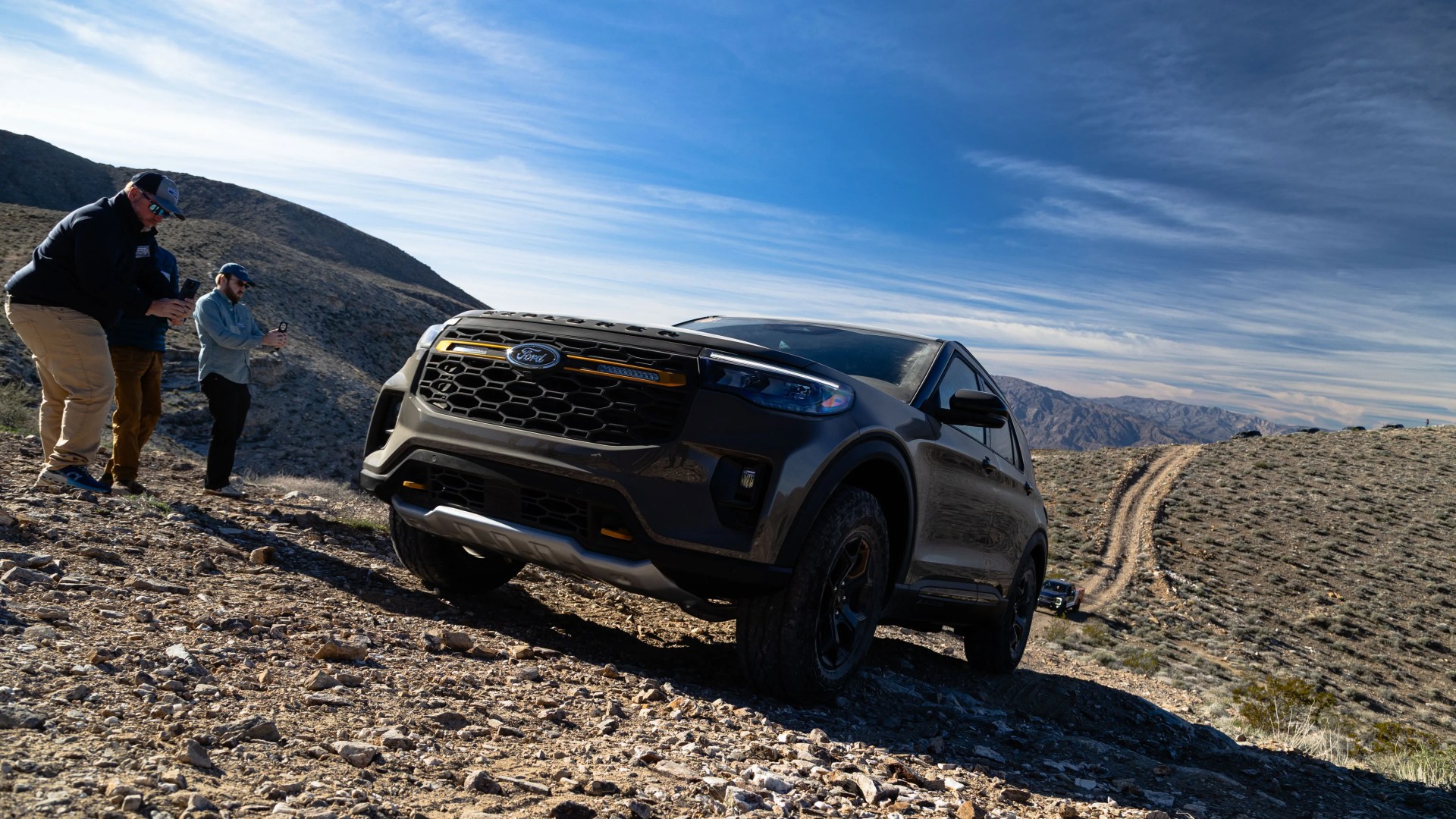
Dark gray Ford SUV driving on rocky off-road terrain with three people photographing it nearby.
Out in the Mojave, west of Las Vegas, the Tremor really proved itself in the middle of the desert.
Chris Chin

And it was during those moments of reflection, out on the craggy, dusty, desert trails, that I realized the new Tremor is the most badass and capable Explorer in years.
Reviving the Explorer’s rugged heritage

Chris Chin's First Off-Road Experience Driving - 2008
Peak 18-year-old me, ambitiously off-roading for the first time with a friend’s first-gen Explorer.
Chris Chin

The first-generation and the current Explorer might share the same badge, lineage and Dearborn origins. But they are far from being the same.

Unlike the original Explorer and its succeeding three generations, the current model uses a car-based unibody platform. The first four gens use a tougher truck-based body-on-frame. That alone, on paper, affects its versatility on the trails. It also ruffles the feathers of hardcore off-road enthusiasts.

Matte gray Ford SUV with black wheels and orange accents driving on rocky terrain under a clear blue sky.
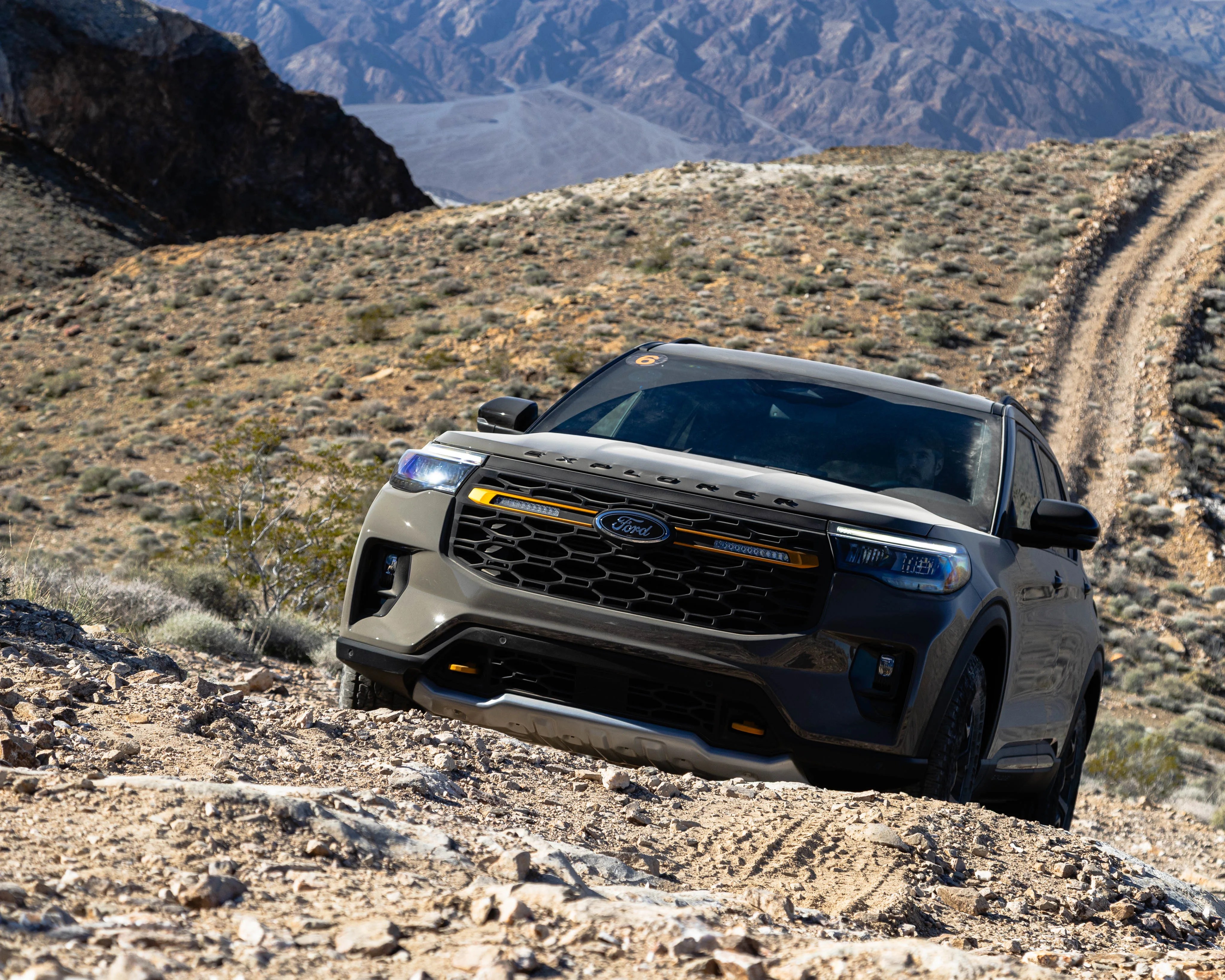
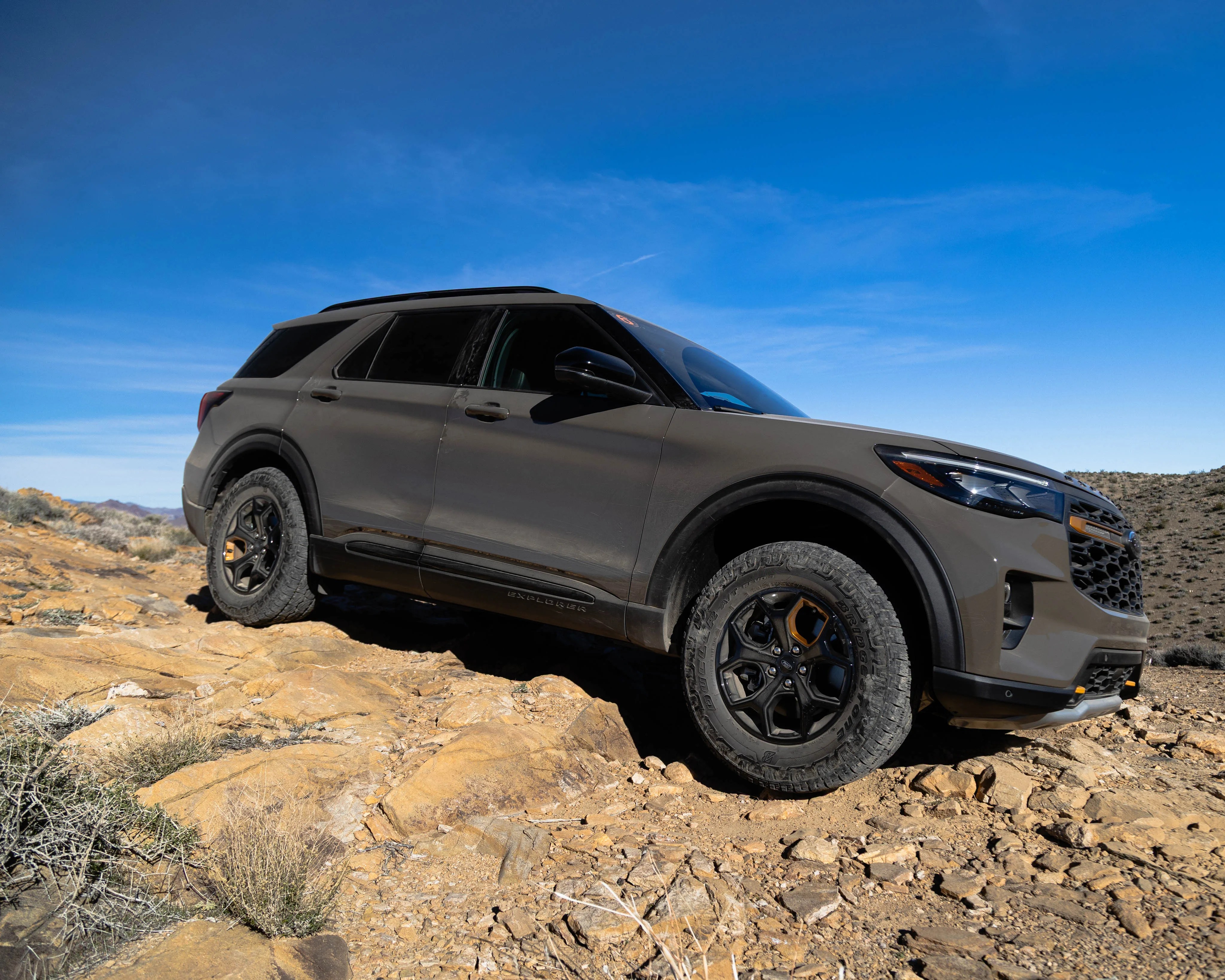
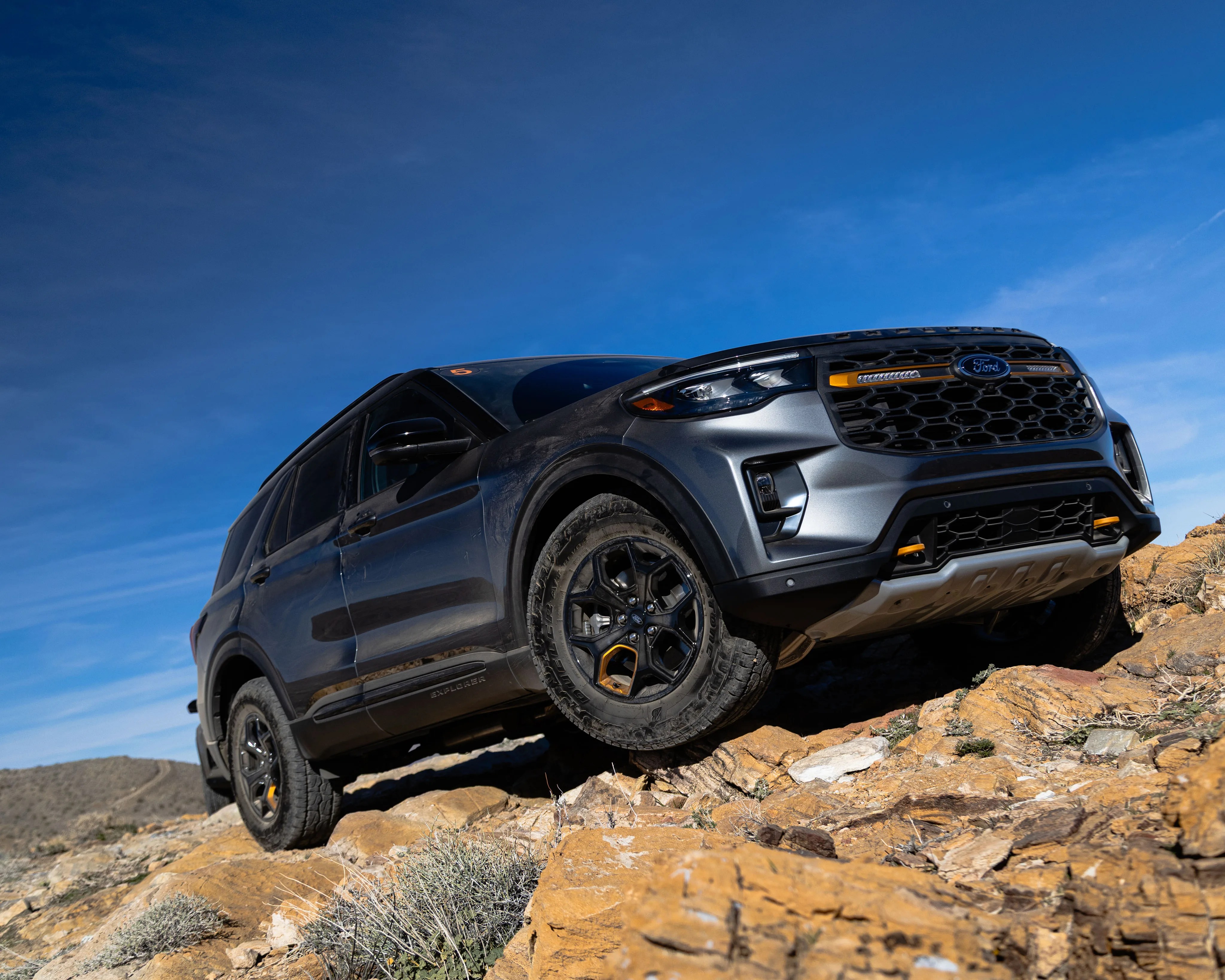
The Tremor’s nearly extra inch of ground clearance (8.7 inches versus the standard Explorer’s 7.6) lent itself over the craggier parts of the desert.
Chris Chin

But as other automakers (like one of Ford’s own former partners, Land Rover) have proven, monocoque frames are just as capable off-road as their ladder-frame counterparts. Additionally, Ford engineers said the Explorer Tremor isn’t really aimed at the hardcore lot, anyway.

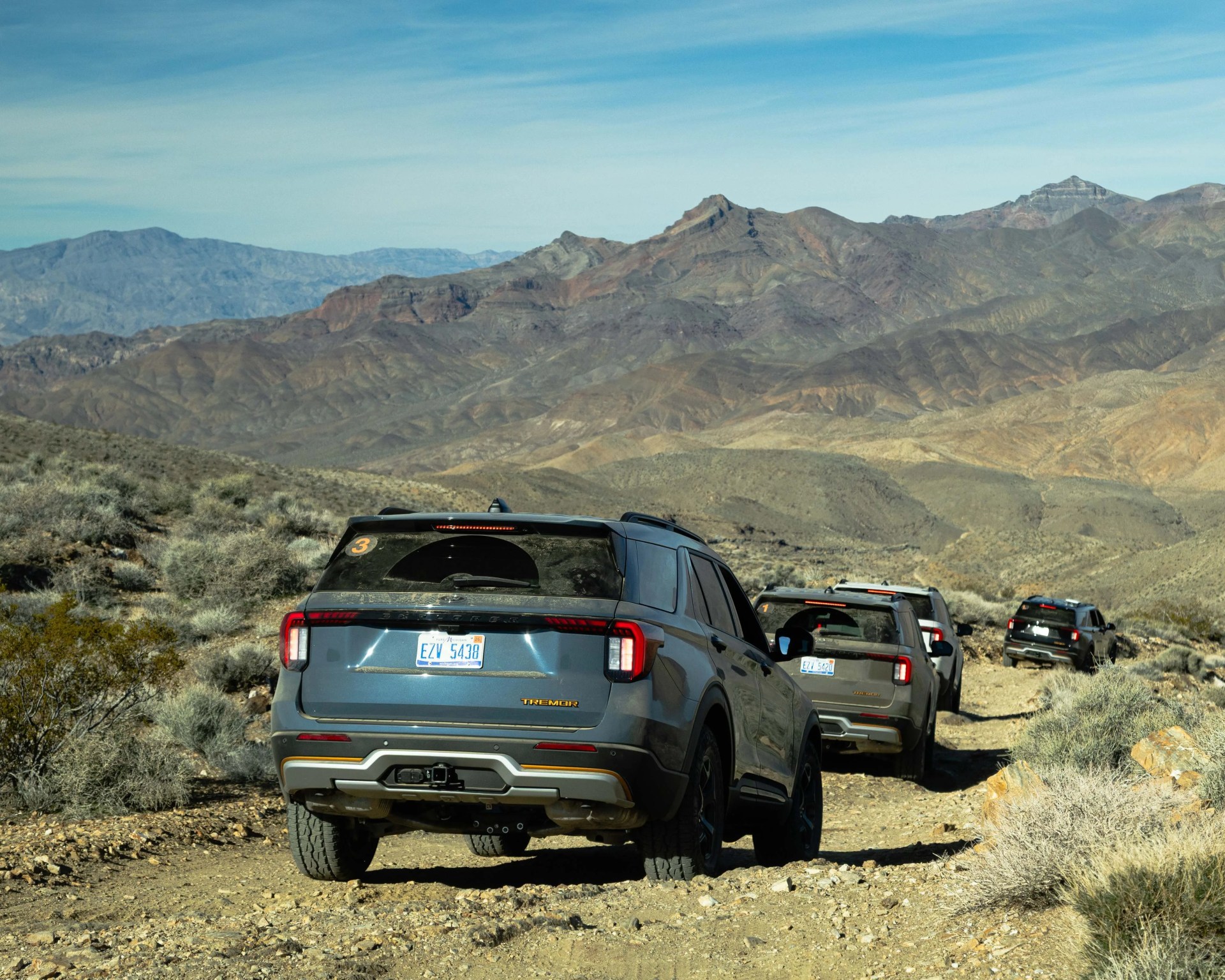
Four gray Ford Bronco SUVs driving on a rocky desert trail with mountains in the background.
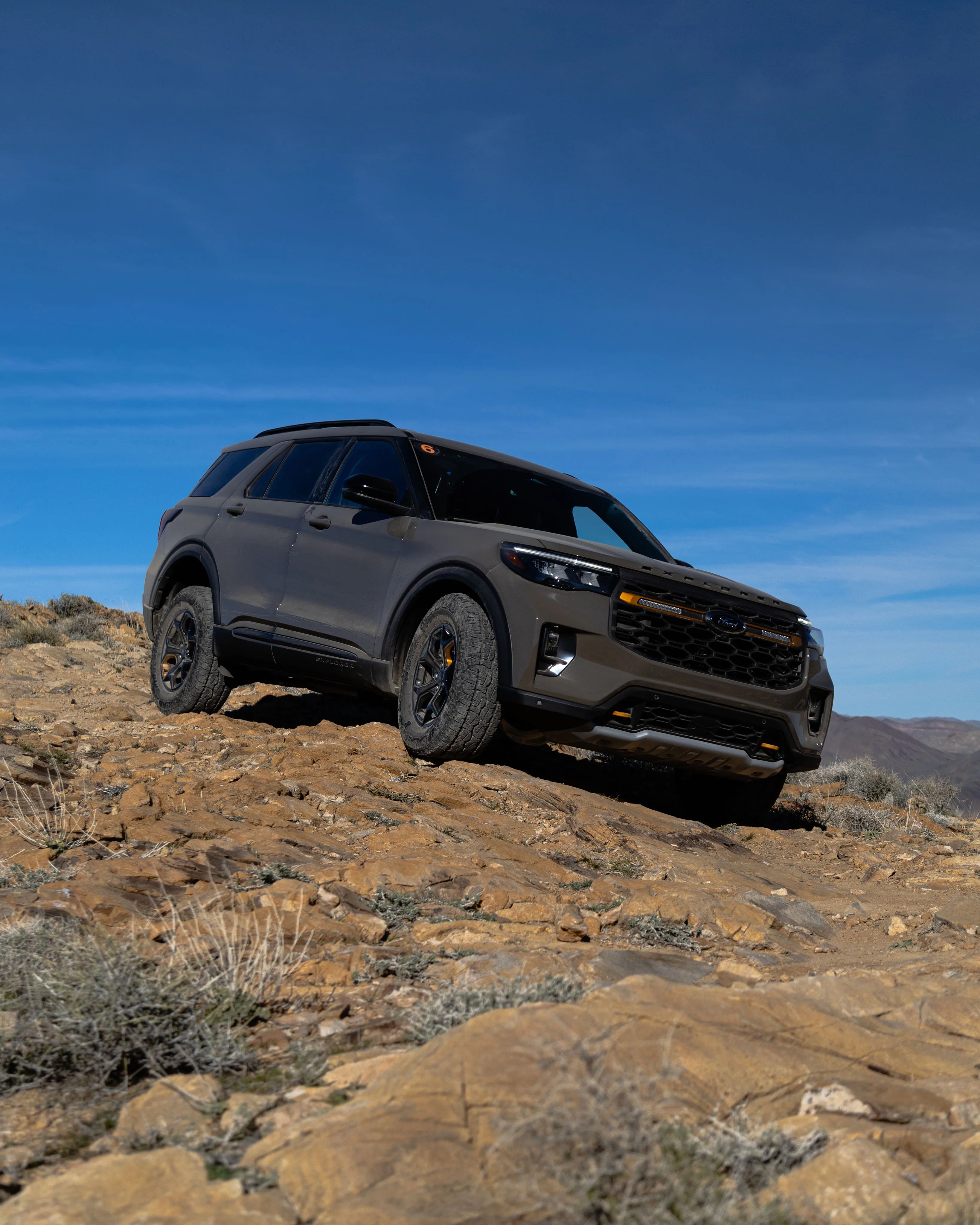
Reaching this sort of terrain in the standard Explorer wasn’t typically achievable.
Chris Chin

Despite originating as a replacement for the off-road-ready Bronco II using first-gen Ranger bones, Ford departed from the OG Explorer’s rugged roots for the fifth-gen model in 2011. Instead, it used the same front-wheel-drive platform as the last Taurus. And that essentially ripped the Explorer of its off-road cred.

The reason was to cater to a more family-centric mode of transportation. Rather than a rugged go-anywhere utility vehicle that just happened to be able to carry up to five people.

But after the COVID-19 pandemic, a new surge in the propensity to explore (no pun intended) the outdoors prompted automakers to start making more all-terrain-biased versions of its cars. A natural result after being holed up indoors to “social distance” for a very extended period of time.
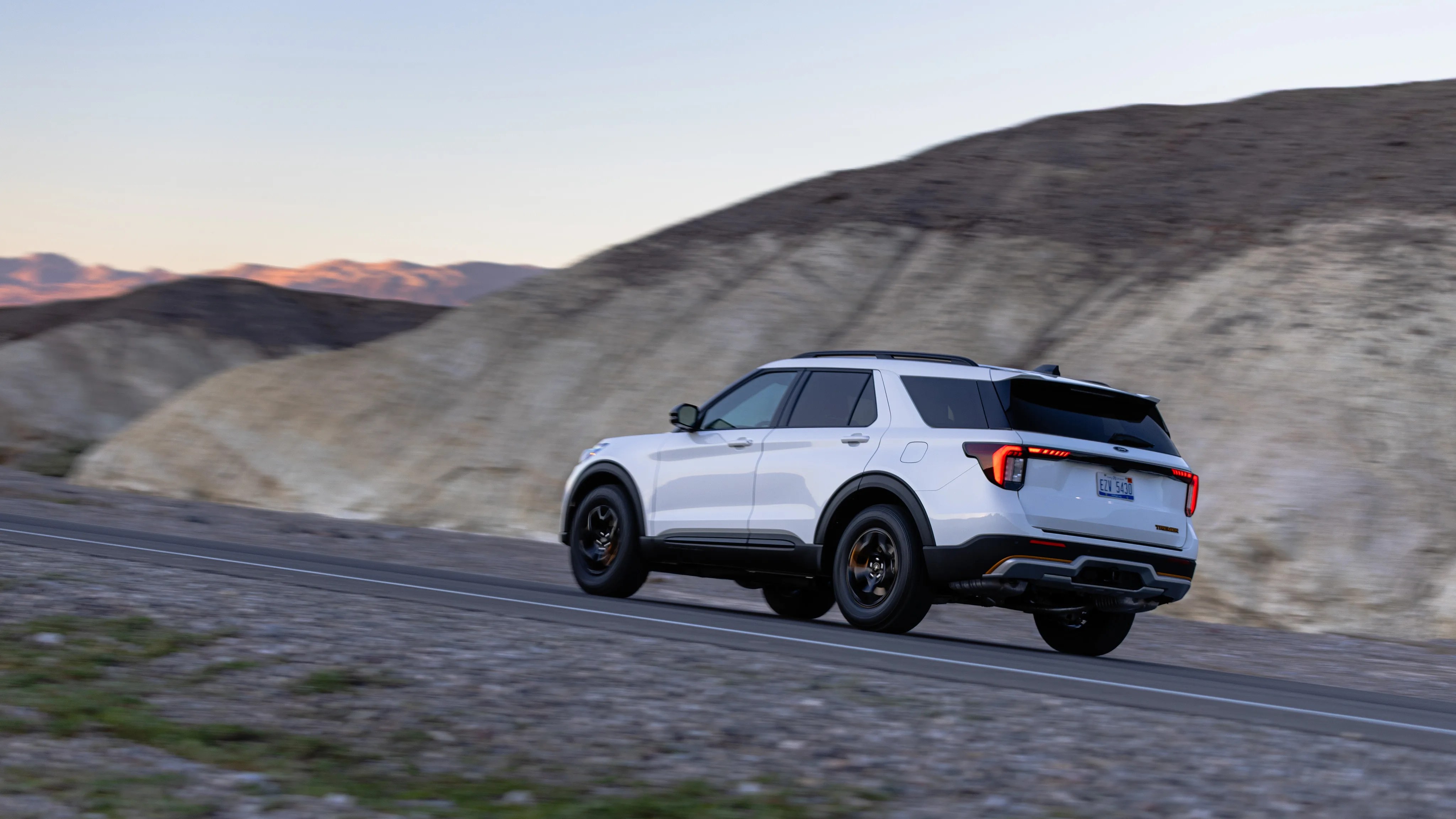
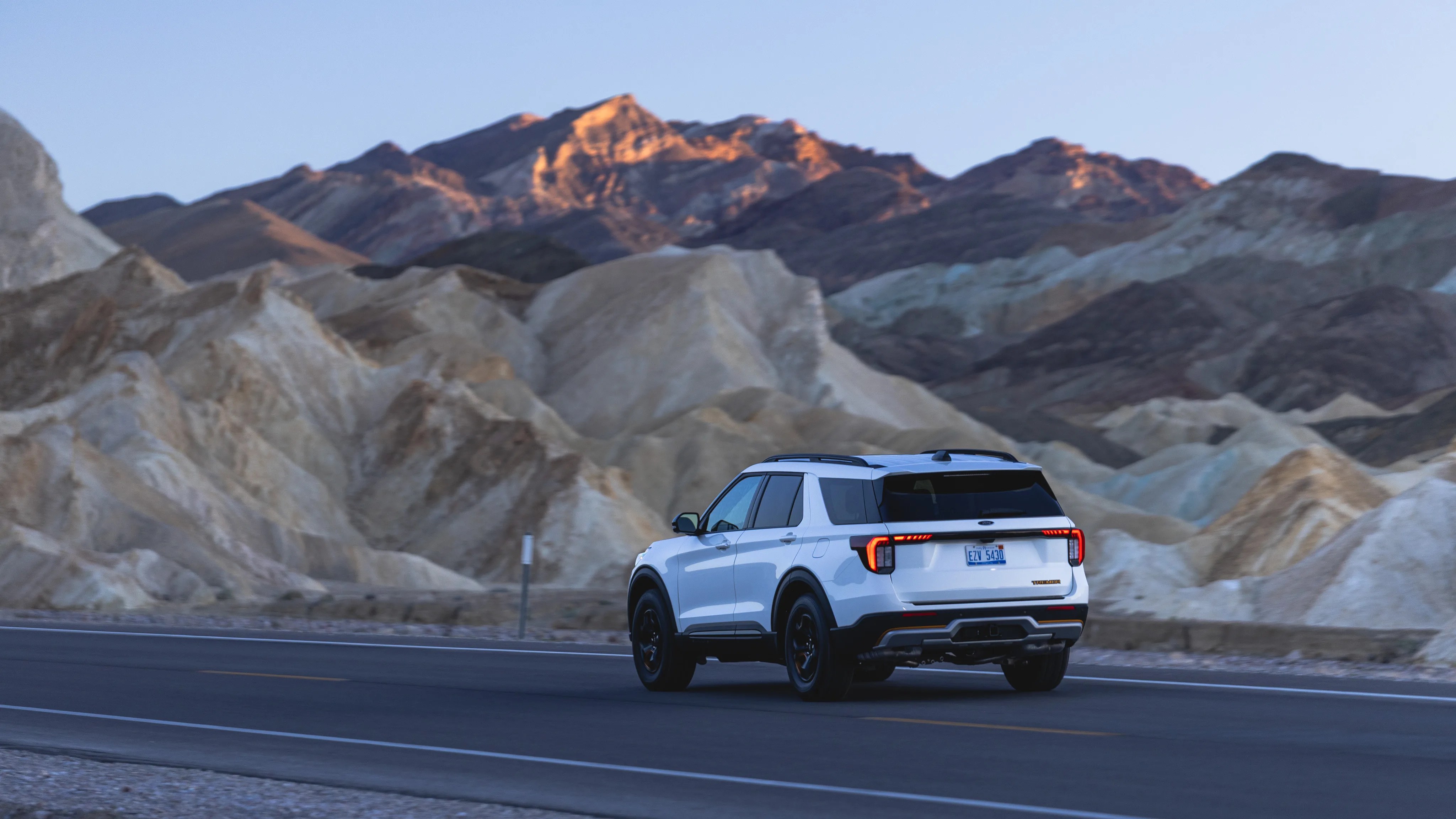
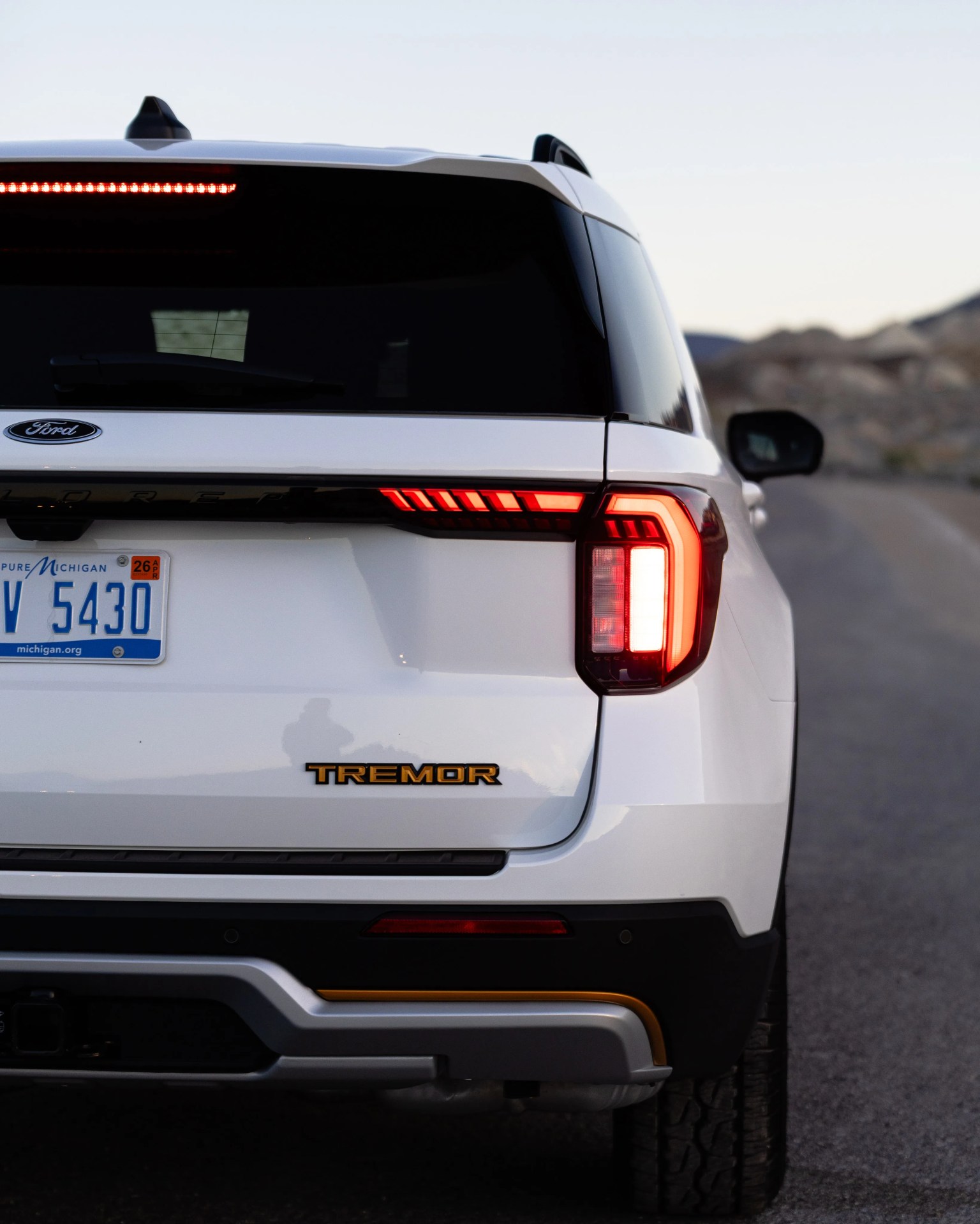
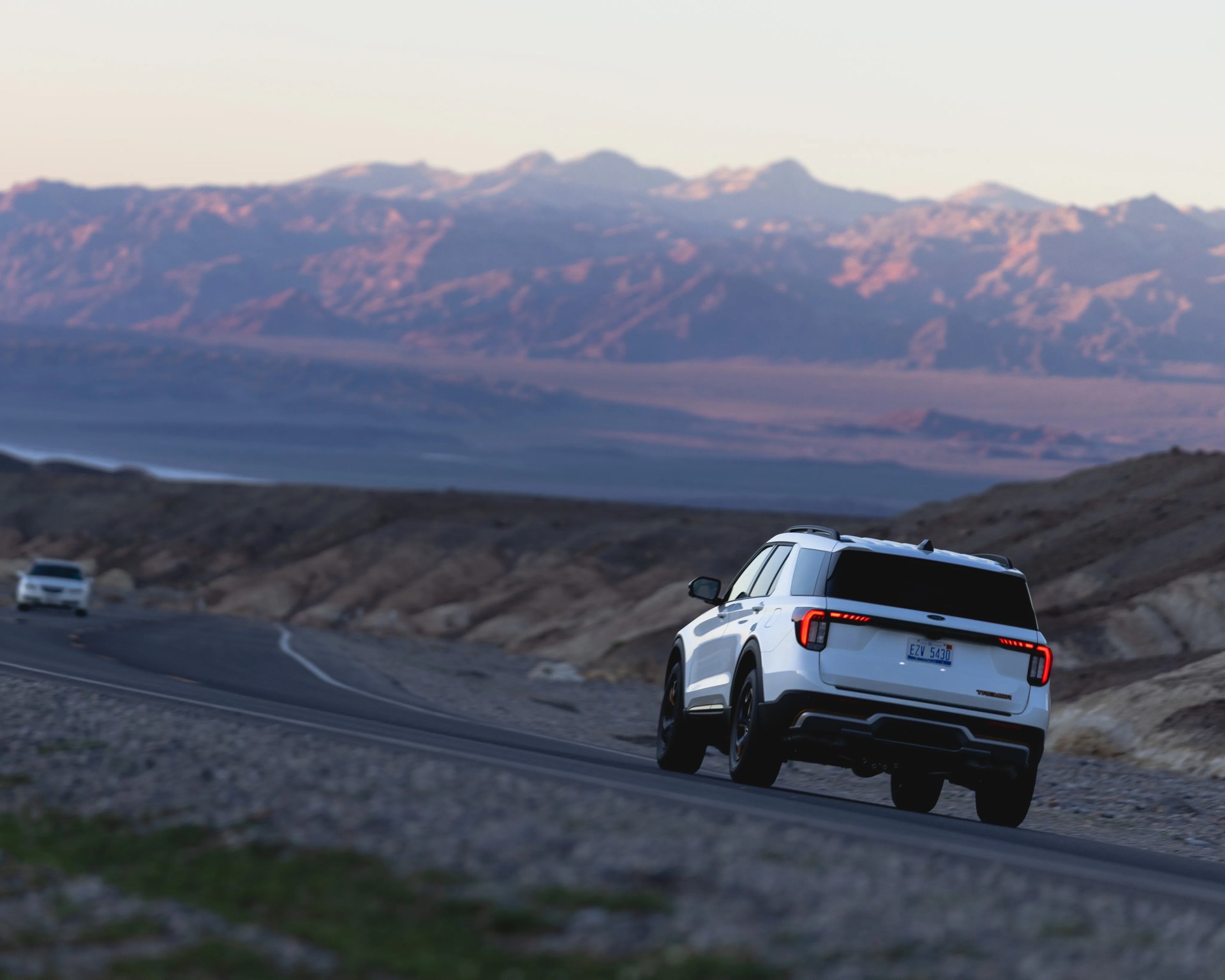
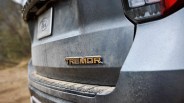
Rear view of a white Ford SUV with Tremor badge and illuminated taillights on a road.
The Tremor essentially succeeds the Timberline from 2021.
Chris Chin

To jump on the trend, Ford originally created the Tremor’s immediate predecessor, the Timberline in 2021. Not only did it mark the first time that the Explorer resummoned its off-road heritage.

It’s the first Explorer in over a decade engineered with unpaved roads in mind.

The Explorer gets its off-road mojo back…sort of…

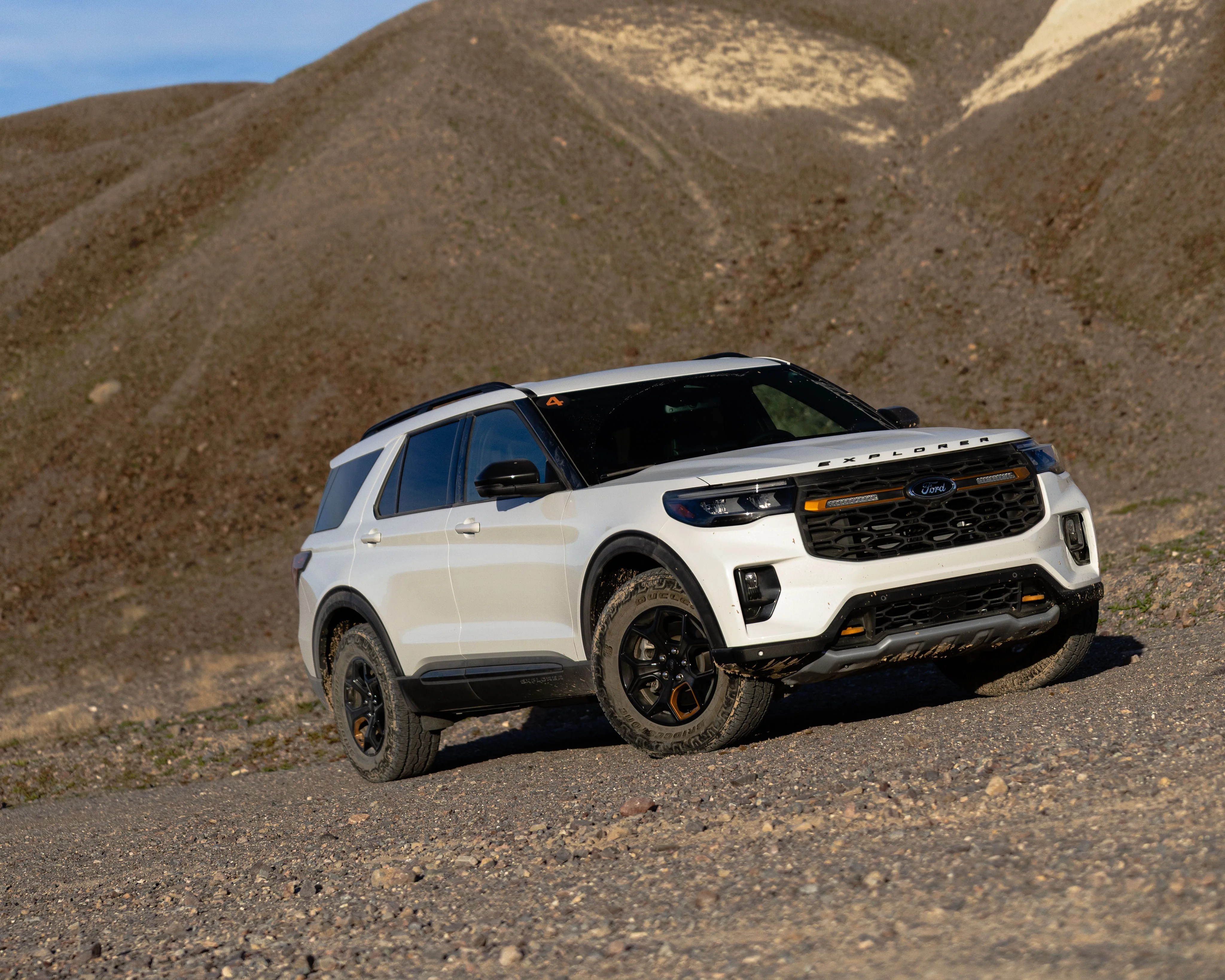
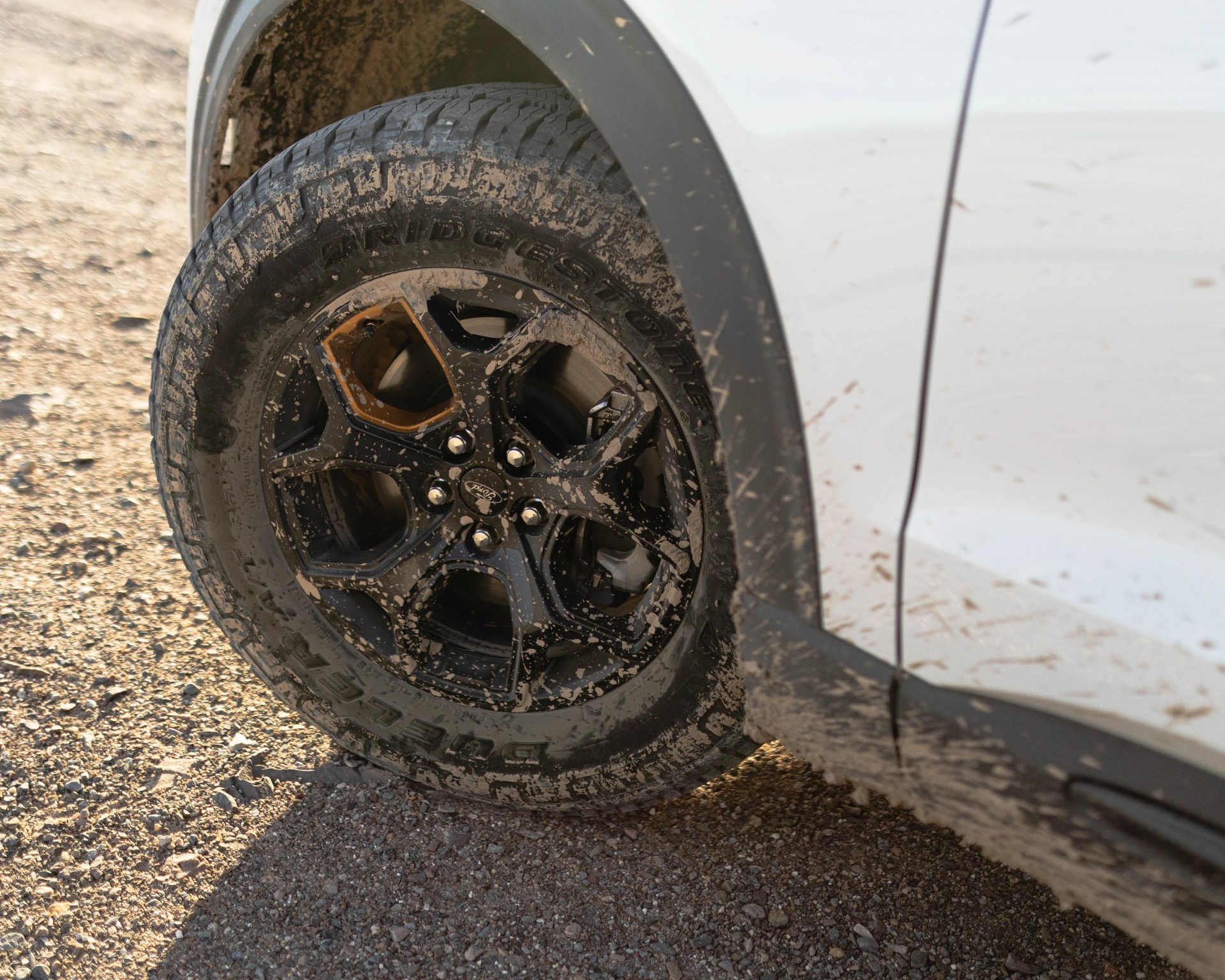
Black Ford alloy wheel with mud-splattered Bridgestone Dueler tire on a white vehicle on gravel.
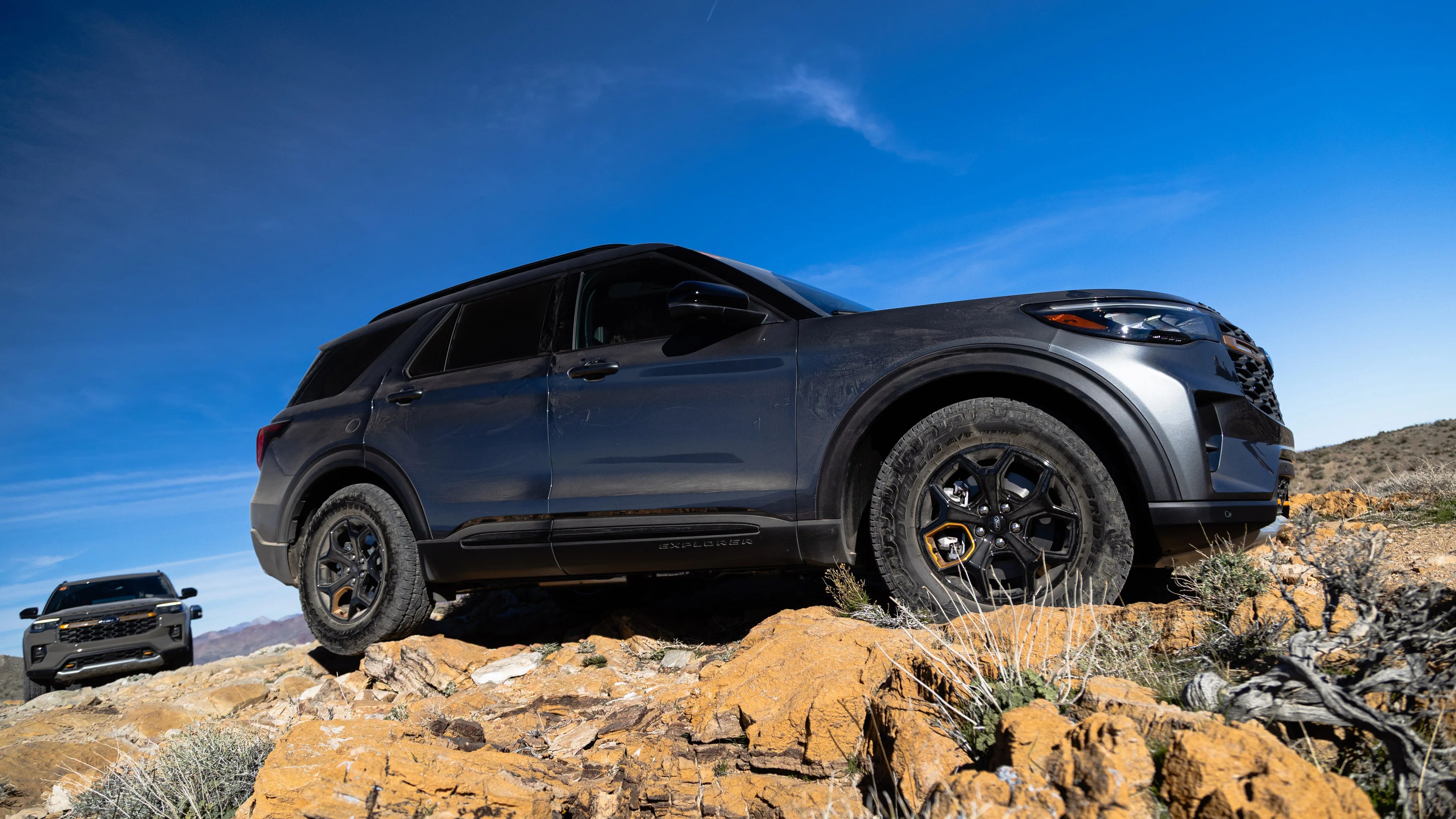
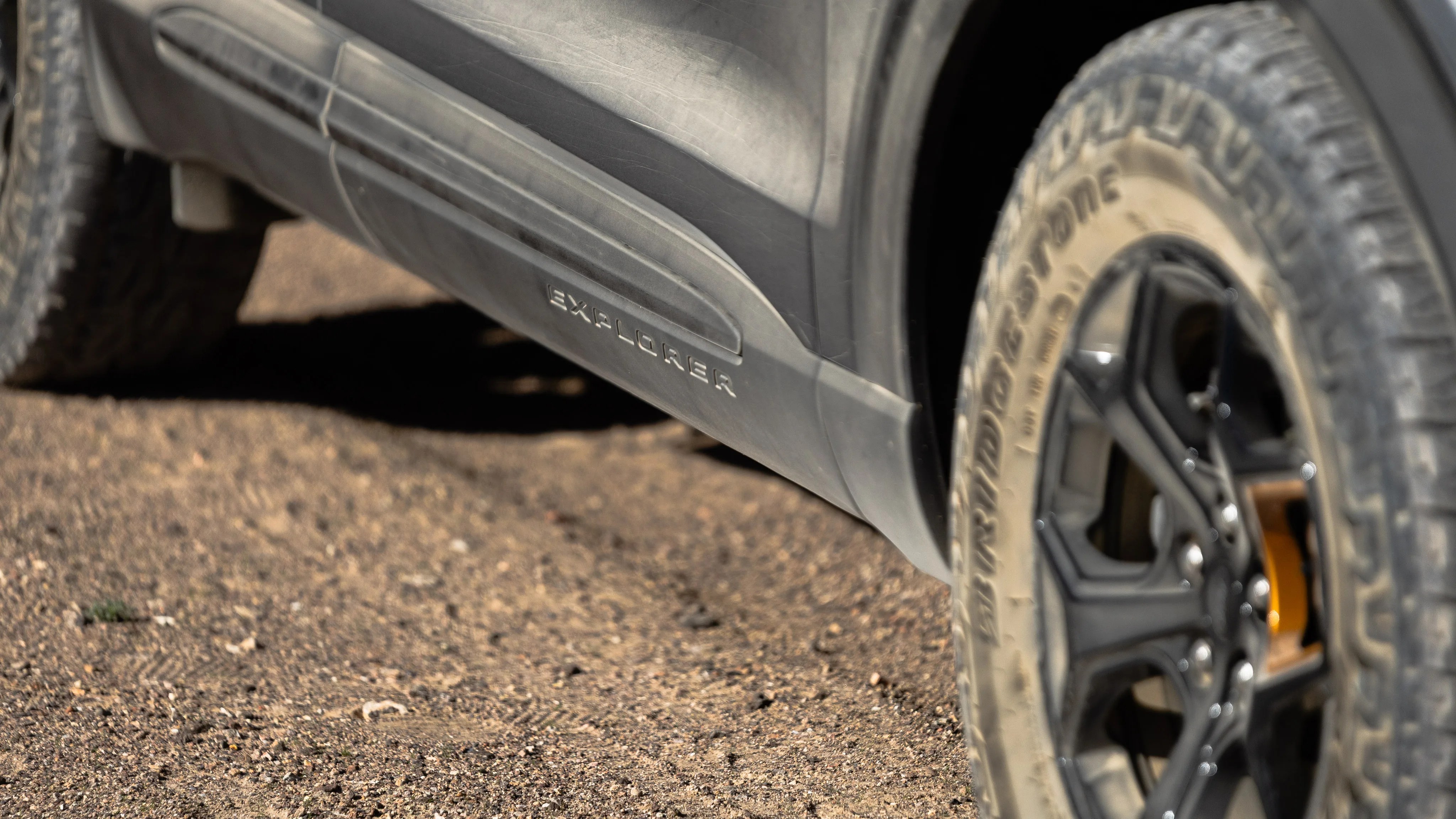
All Explorer Tremors come standard with Bridgestone Dueler A/T all-terrain tires in size 265/65R18.
Chris Chin

As we exited Las Vegas proper and headed out into the desert, it was immediately apparent to me as to why the Explorer remains a popular choice. Unlike the previous car, the current model utilizes rear-wheel-drive architecture, which, for on-road mannerisms, is as good as it gets.

On I-15 towards Mountain Pass and through the desolate secondary county roads, the Explorer’s composure at highway speeds really spoke volumes for its solid bones. It exudes the feelings of a good driver’s car for long distances, especially with the latest BlueCruise 1.5 hands-free semi-autonomous driving system.

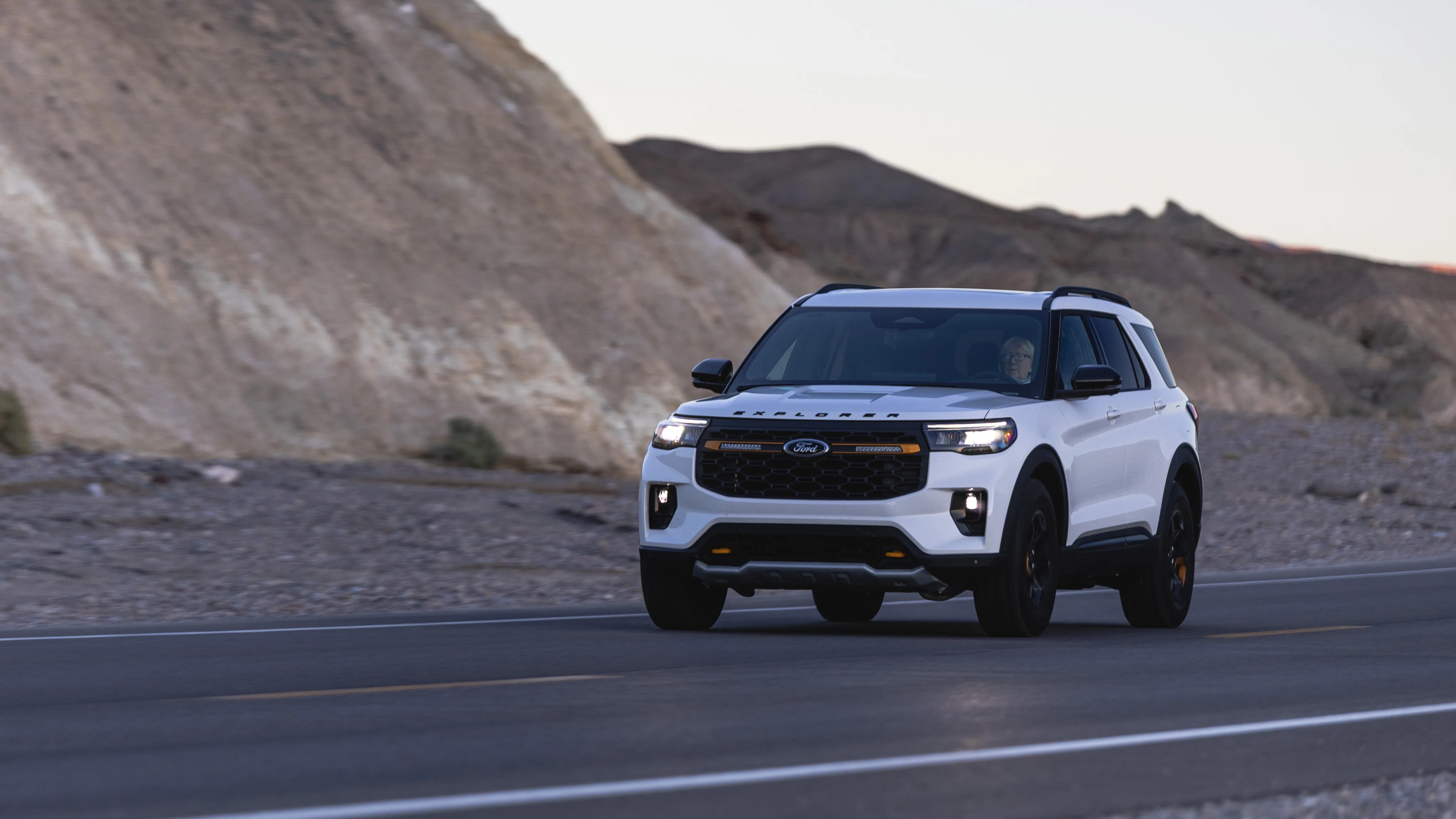
White SUV with black trim driving on a winding road in a mountainous desert landscape.
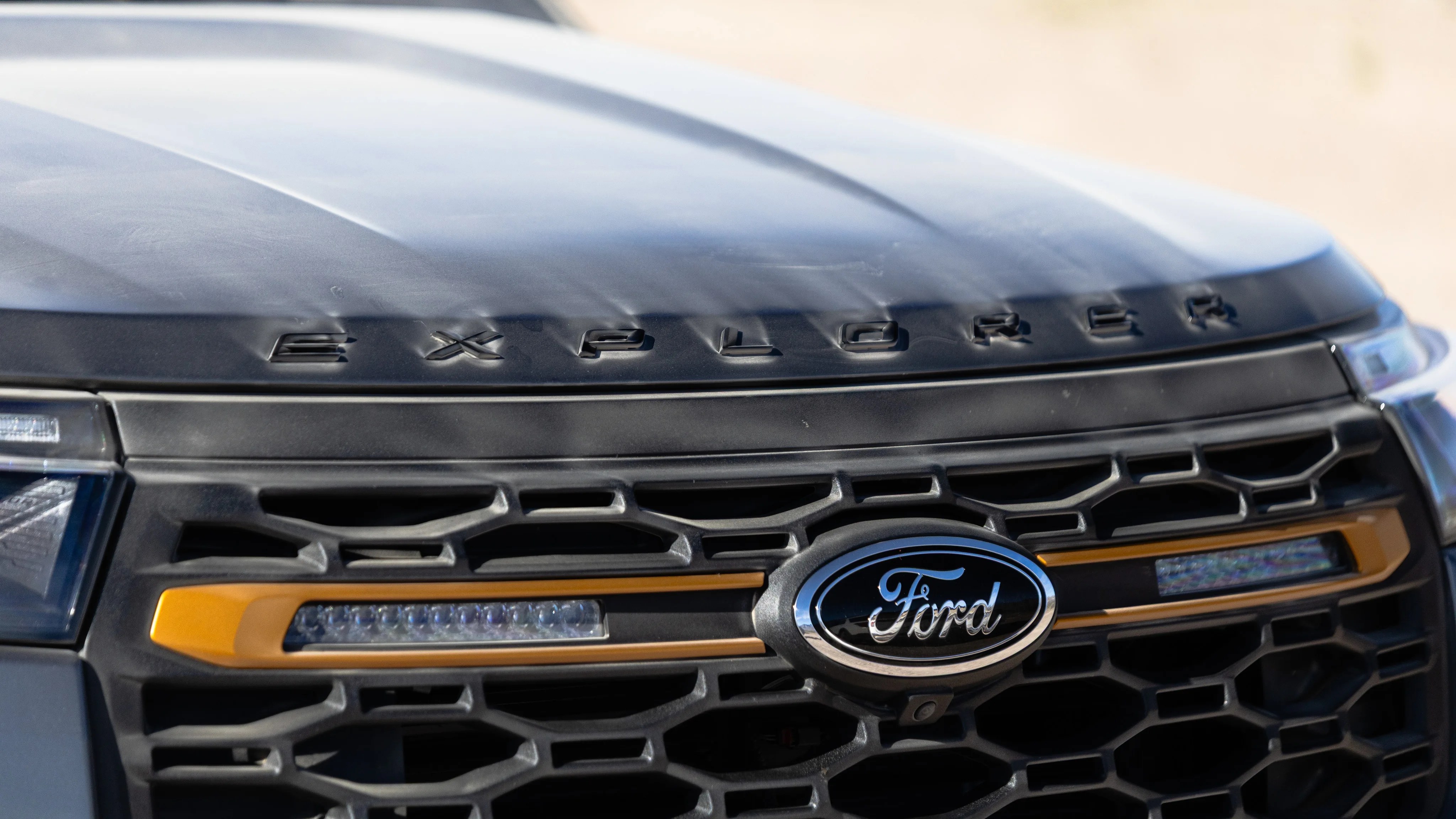
You probably won’t mistaken an Explorer Tremor for a Police Interceptor, with its distinctive exterior bits.
Chris Chin

Even with its knobby Bridgestone Dueler A/T all-terrain tires, nearly extra inch of ground clearance, and beefier suspension, the Explorer Tremor felt as good on the pavement as it always has since adopting a more car-like structure.

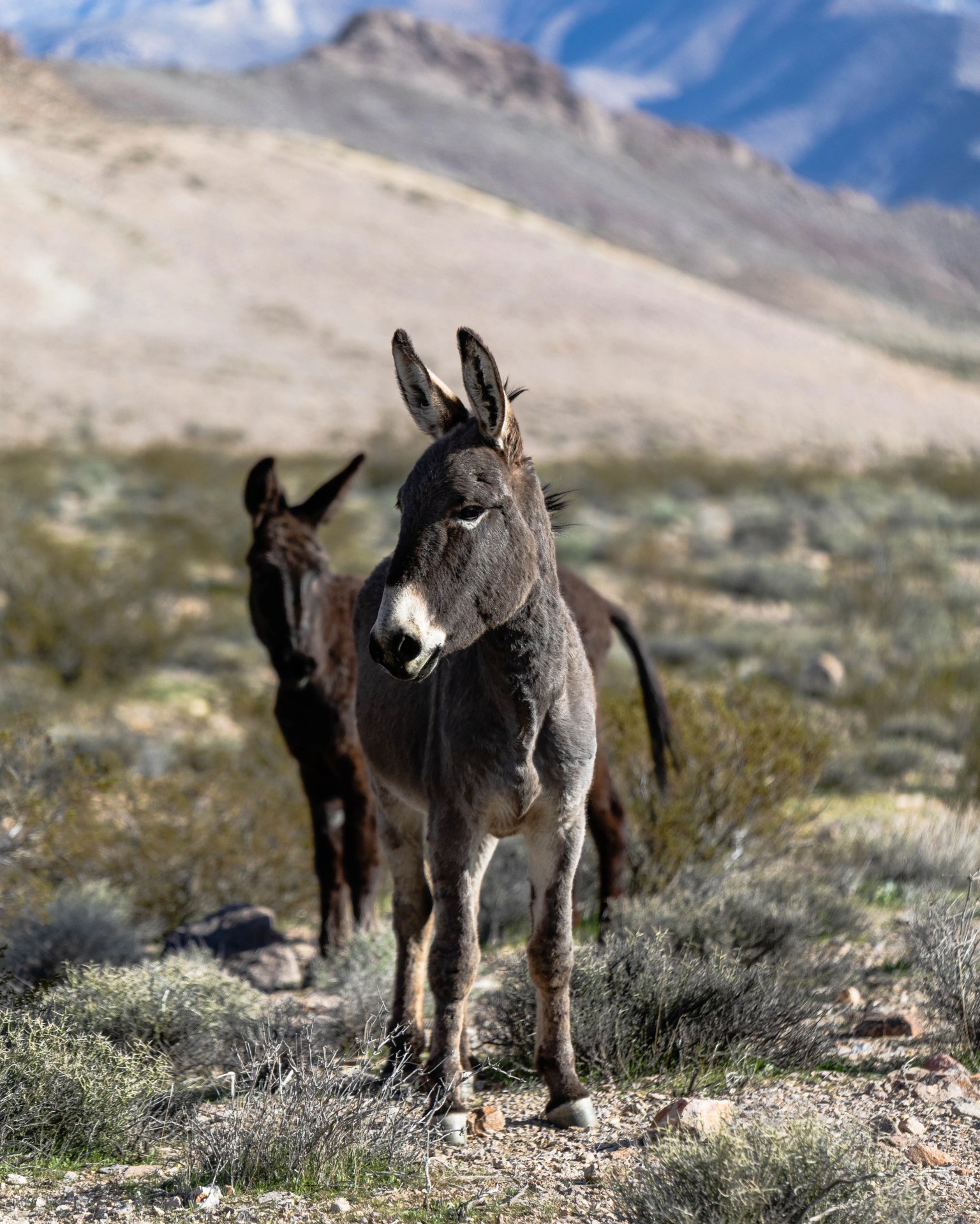
Two donkeys standing on rocky desert terrain with mountains in the background.
Wild asses are native to parts of the Mojave Desert.
Chris Chin

Buyers can still opt for the wheezy and underwhelming 2.3-liter EcoBoost turbocharged four. But thankfully, all our test cars featured the top-spec 400-horsepower 3.0-liter EcoBoost turbo V6, which felt like the only logical option for the Tremor.

Especially since all-terrain tires tend to dampen on-road performance. But as expected, the Tremor really came into its own once the surface stopped being paved.

Small changes, big results

Gray Ford Explorer SUV with black and orange off-road wheels on rocky terrain under a blue sky.
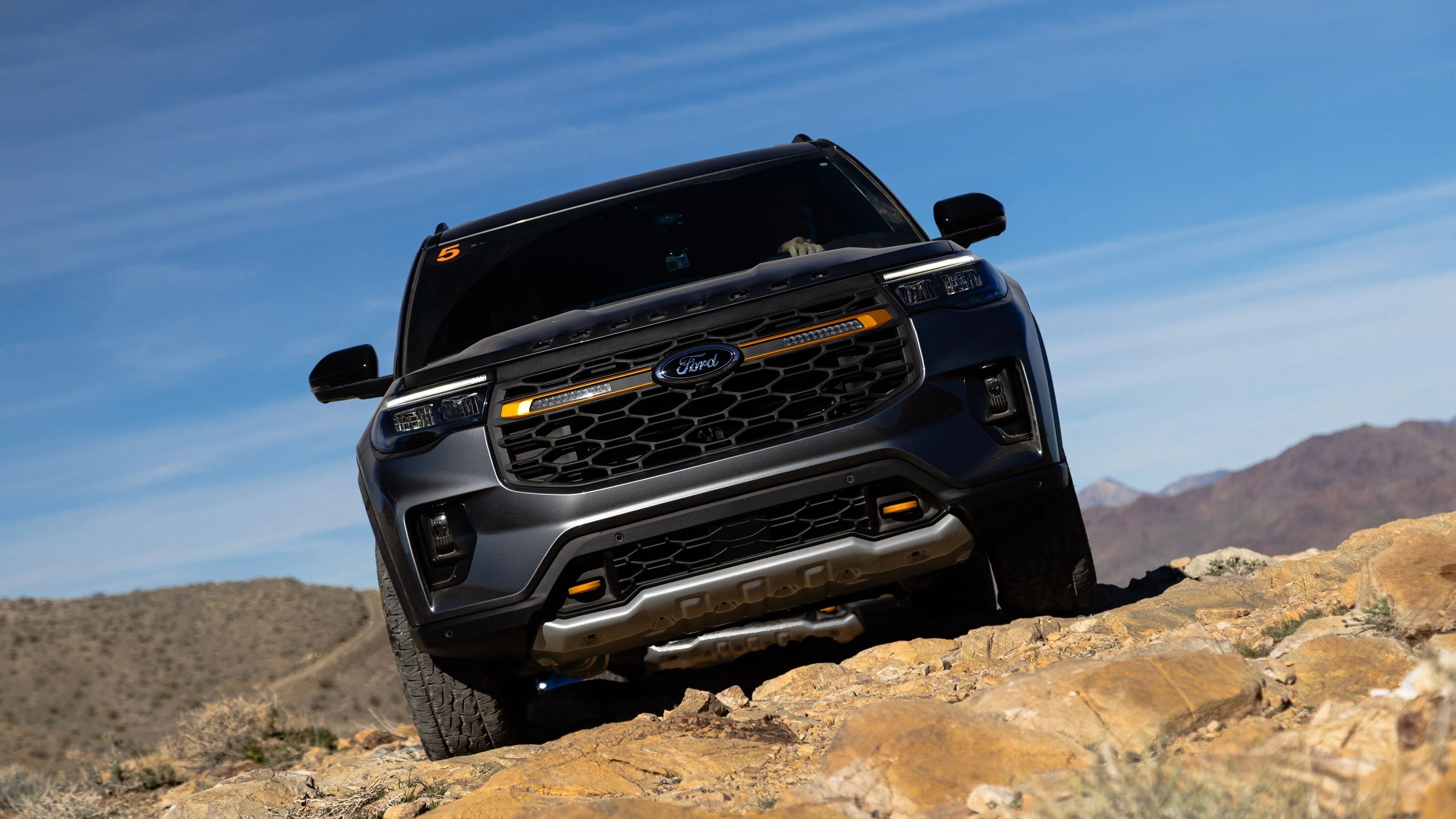
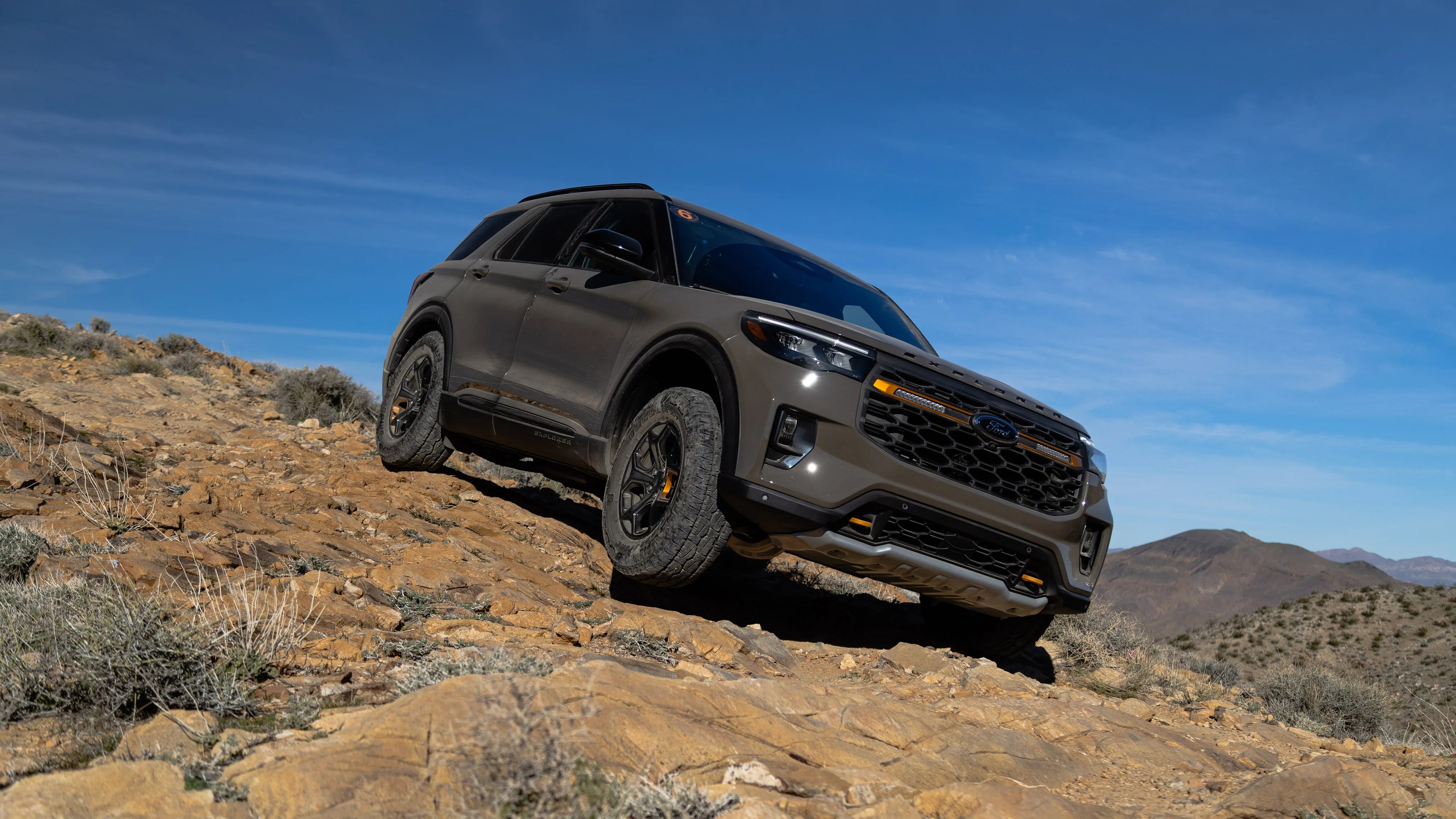
Explorer Tremors come with underbody skid plates to protect the really important bits.
Chris Chin

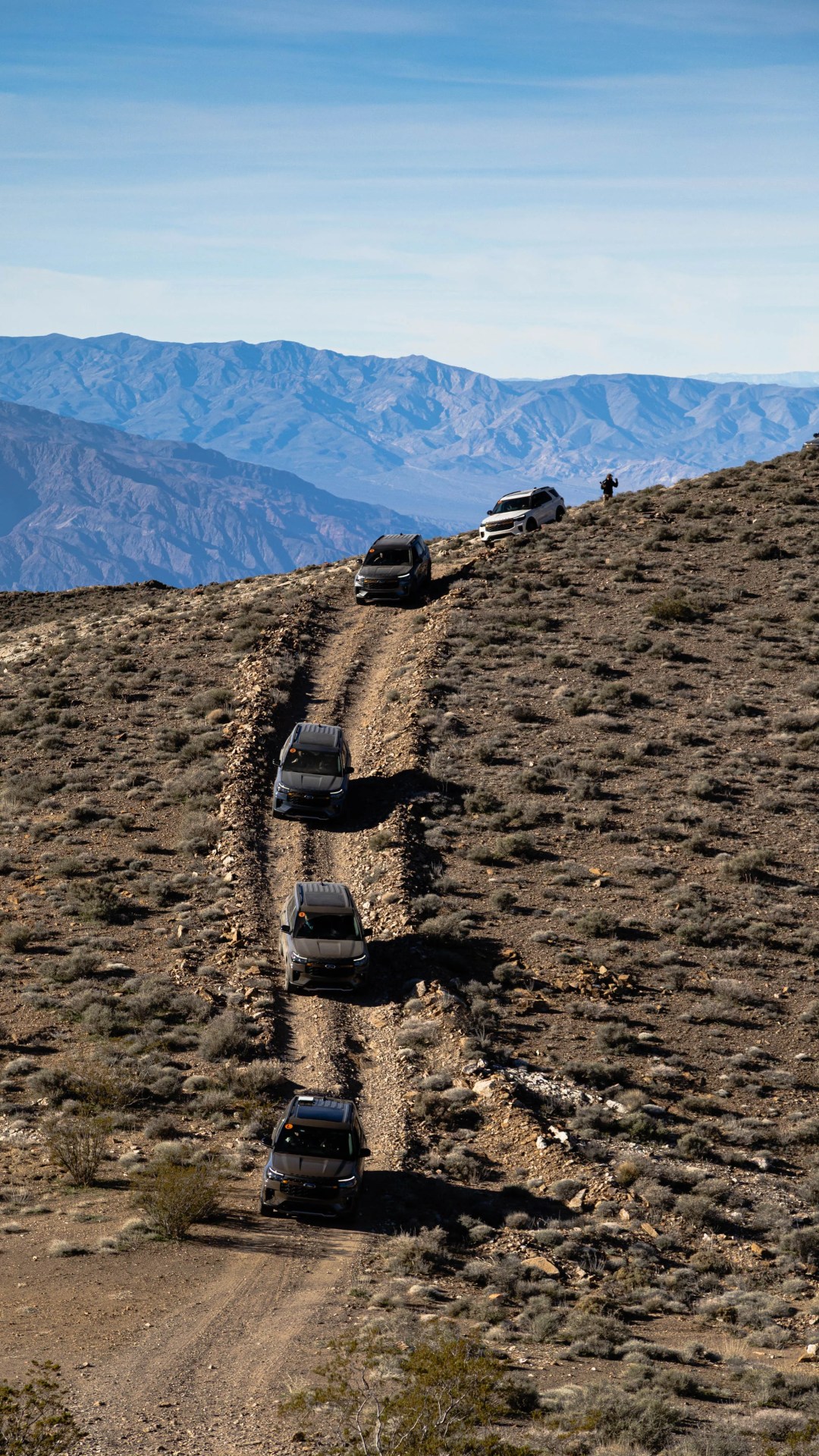
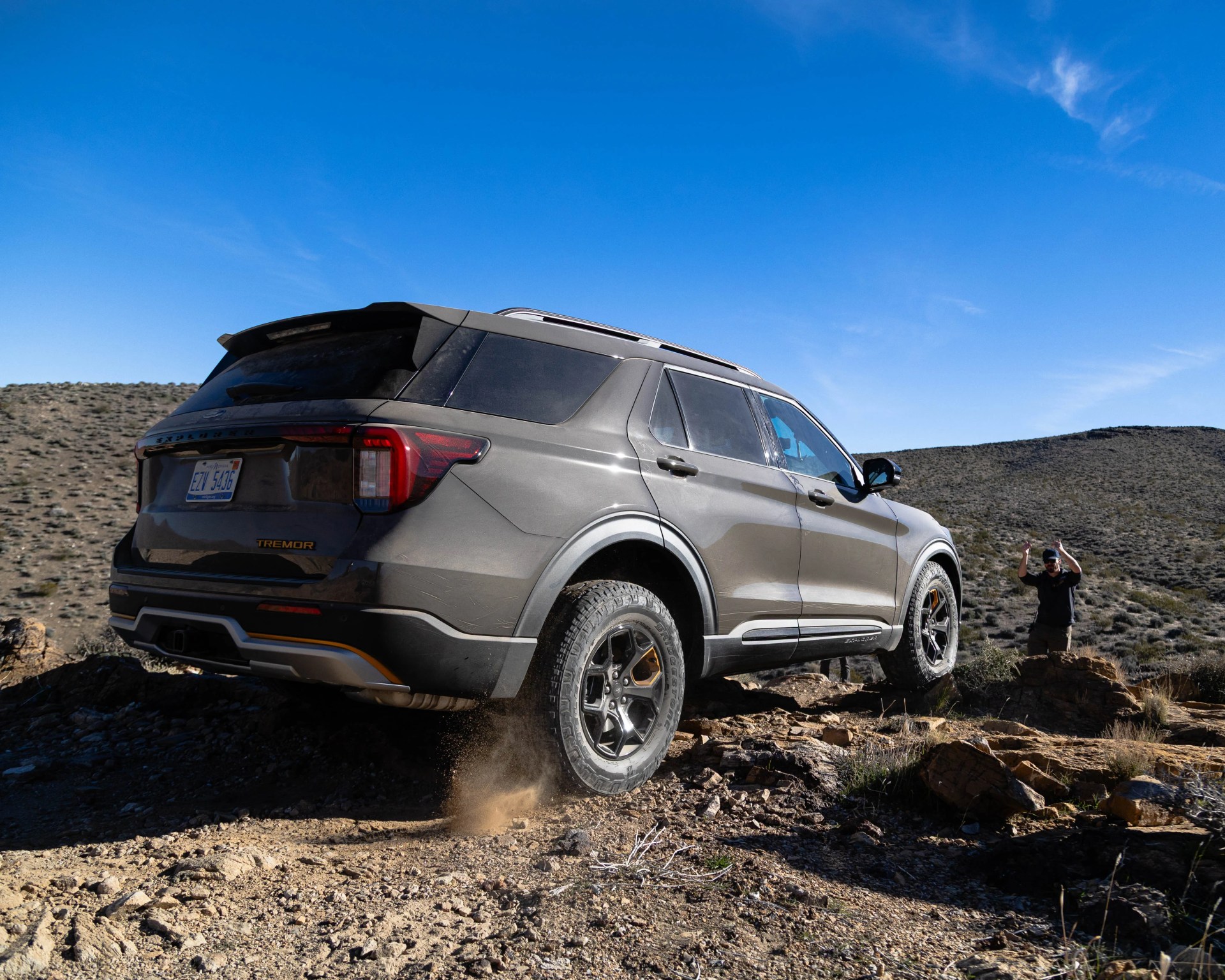
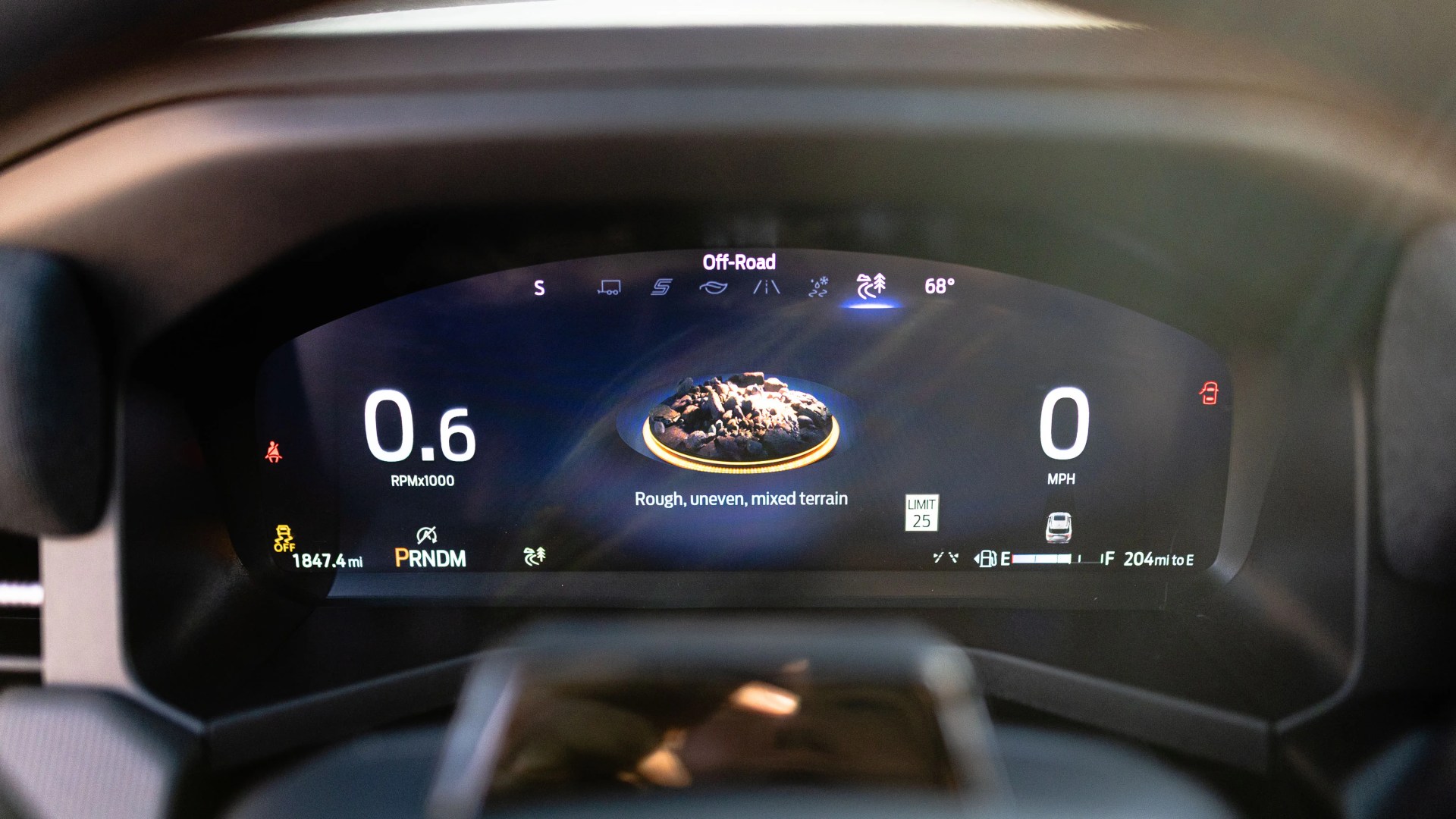
Once the terrain became more difficult, the Tremor’s extra clearance, factory-equipped skid plates, bespoke off-road drive mode and standard Torsen rear limited-slip differential came in handy. Particularly as we traversed the steep mountains of Chloride City — home to the now defunct Keane Wonder Mine, a former prime locale during the California gold rush.

Five SUVs driving in a line on a narrow rocky dirt trail on a dry hillside with mountains in the background.
Views like these are usually only reachable by rigs like the Explorer Tremor.
Chris Chin

The Tremor’s limited wheel articulation did represent some signs of compromise over the narrower, steeper and craggier trails. Especially as the rocks got bigger and sharper.

But the extra nearly one inch of space between the Explorer’s shielded belly and the ground alleviated some of the fear of accidentally cracking open an oil pan.

An Explorer truly meant for treading, lightly

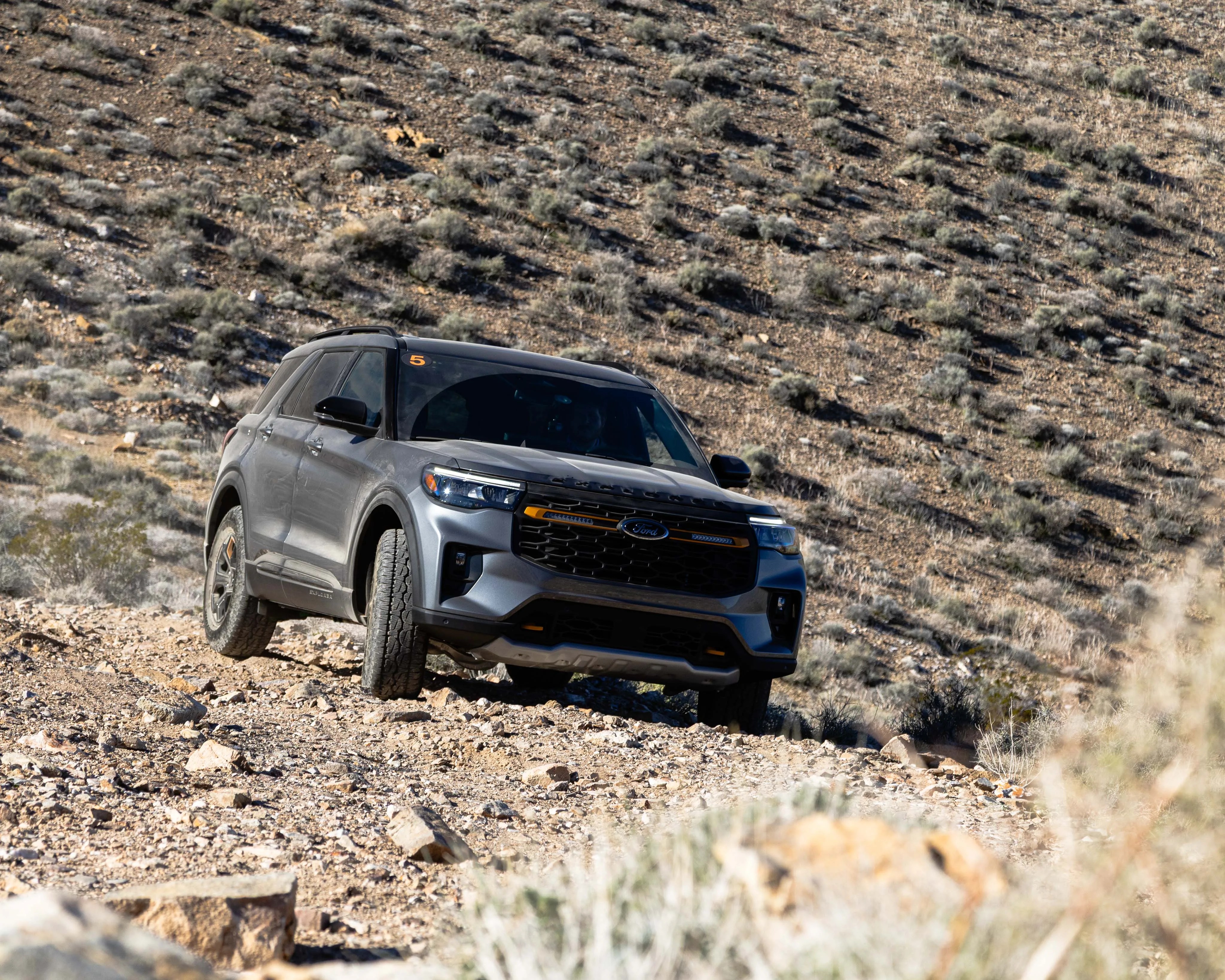
Gray Ford Explorer Tremor SUV climbing rocky terrain with a person standing on rocks nearby.
The standard Torsen limited-slip rear differential did prove helpful when extra traction was needed for the four-wheel-drive system.
Chris Chin

After a day of roaming through the desert, the Tremor clearly showed it was capable of doing more than any other version of the Explorer since its major transformation in 2011. However, don’t expect it to keep up with your friend’s Wrangler or 4Runner, if they choose to tackle more treacherous terrain.

Digital car dashboard showing off-road mode with rough, uneven, mixed terrain, 0.6 RPM, 0 MPH, and 68°F.
The Tremor is the only Explorer to feature an “off-road” driving mode.
Chris Chin

Because that’s not what Ford engineers designed the Tremor to do. Rather, it’s designed to get you and your family to the less-frequented campsites or scenic spots where even your standard Explorer might struggle.

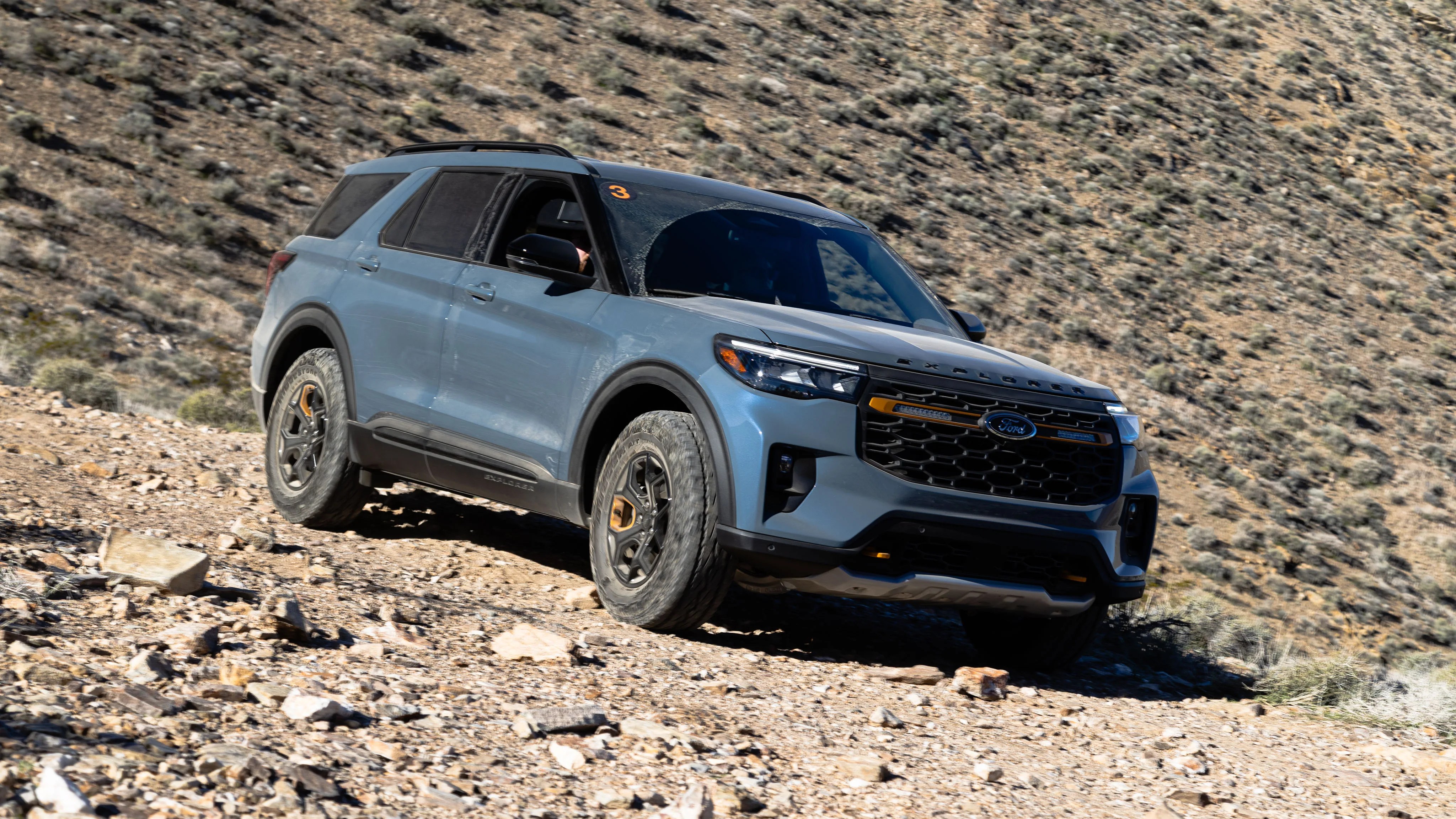
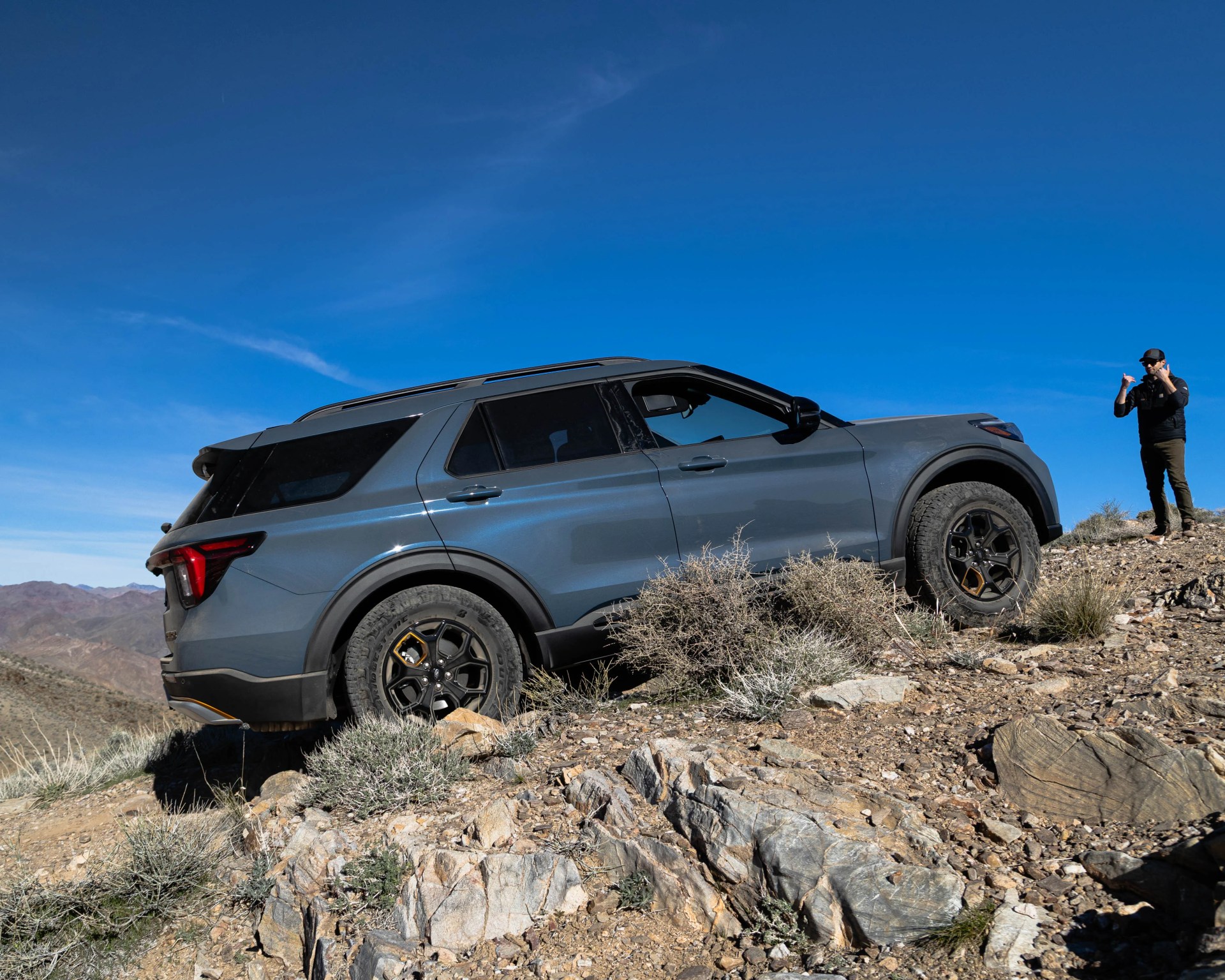
Blue-gray SUV with black wheels climbing rocky terrain under a clear blue sky.
The Tremor boasts more impressive 23.5-degree approach and 23.7-degree departure angles, versus the standard Explorer’s 19.7 and 21.5.
Chris Chin

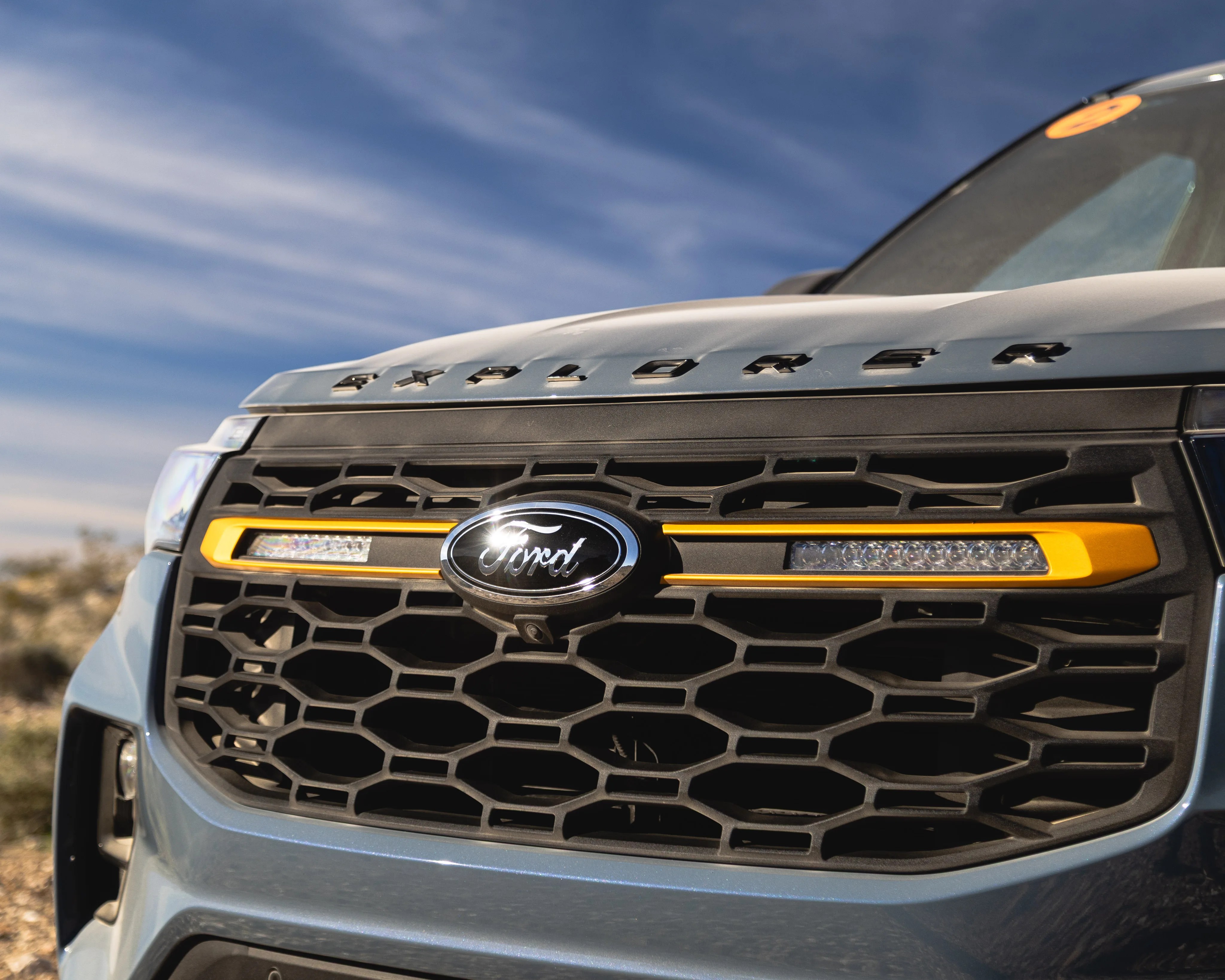
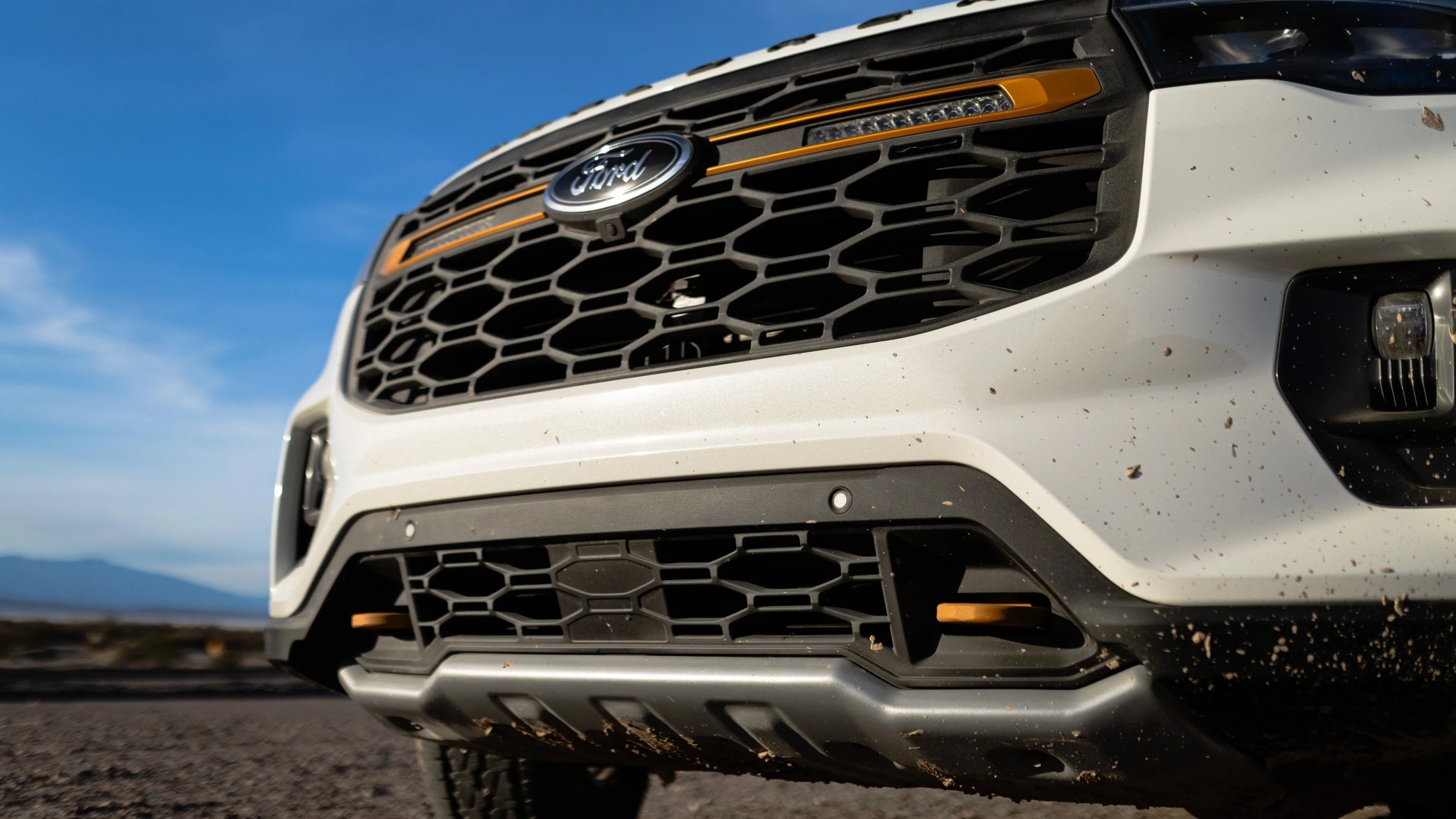
But it won’t take you too far off the beaten path where you’d need a much more serious machine. However, if you do happen to find yourself stuck in a precarious situation, engineers made sure to equip the some pretty-looking tow hooks at the front, painted in the Tremor’s signature “Electric Spice” orange.

Close-up of a white Ford vehicle front grille with black honeycomb pattern and orange accents, with dirt splatters.
Tow hooks are bespoke to the Tremor, as is their Electric Spice orange-hued trim bits.
Chris Chin

The price for all this awesomeness? The Tremor starts at just under $49,000 without destination. Though, just take note. Opting for the punchier V6 catapults the invoice well past $60,000.

Yes, you read that correctly. But that stratospheric cost shouldn’t be much of a surprise, considering a loaded enthusiast-aimed, road-performing ST stickers for nearly just as much.

White Ford Explorer SUV with black and orange accents parked on rocky terrain with hills in the background.Chris Chin

2026 Ford Explorer Tremor

Specs

Engine 2.3-liter gas turbo-four / 3.0-liter gas turbo V6 (tested)
Transmission 10-speed automatic
Output 300 hp & 315 lb-ft / 400 hp & 415 lb-ft

Pros

  • The most off-road capable Explorer in over a decade
  • Composed and sophisticated on-road manners
  • Not too heavy-duty
  • Off-road gear doesn't compromise comfort or on-road drivability

Cons

  • Expensive when loaded
  • Limited axle articulation
  • EcoBoost V6 sounds like a vacuum cleaner
  • Cramped and uncomfortable third row

Want to stay up to date on the latest product news and releases? Add Gear Patrol as a preferred source to ensure our independent journalism makes it to the top of your Google search results.

add as a preferred source on google
, ,