
Ford Is Making Some Radical Changes to One of Its Most Notorious Muscle Cars

The Blue Oval’s California Special seems to be taking on new meaning as it changes in both form and scope.

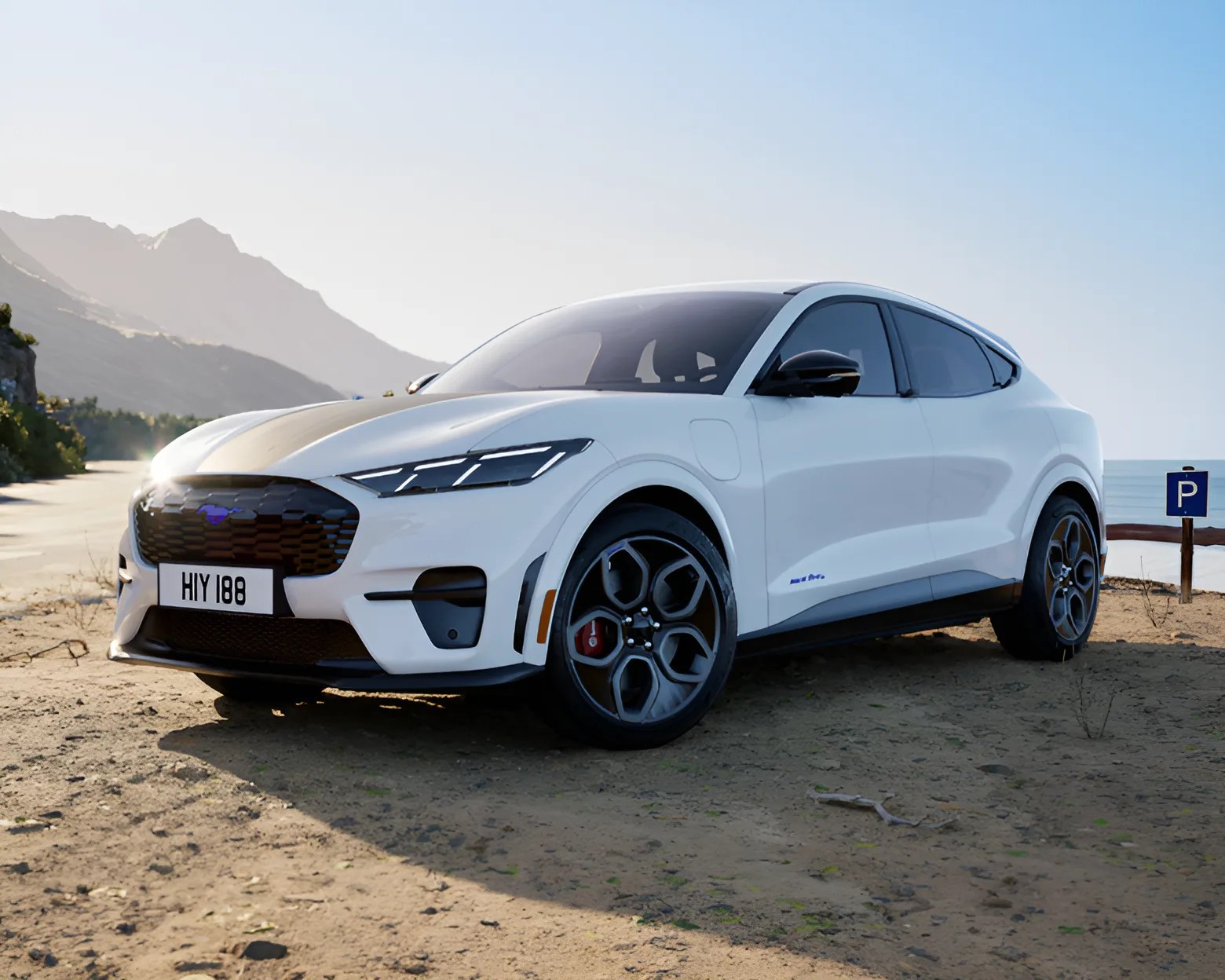
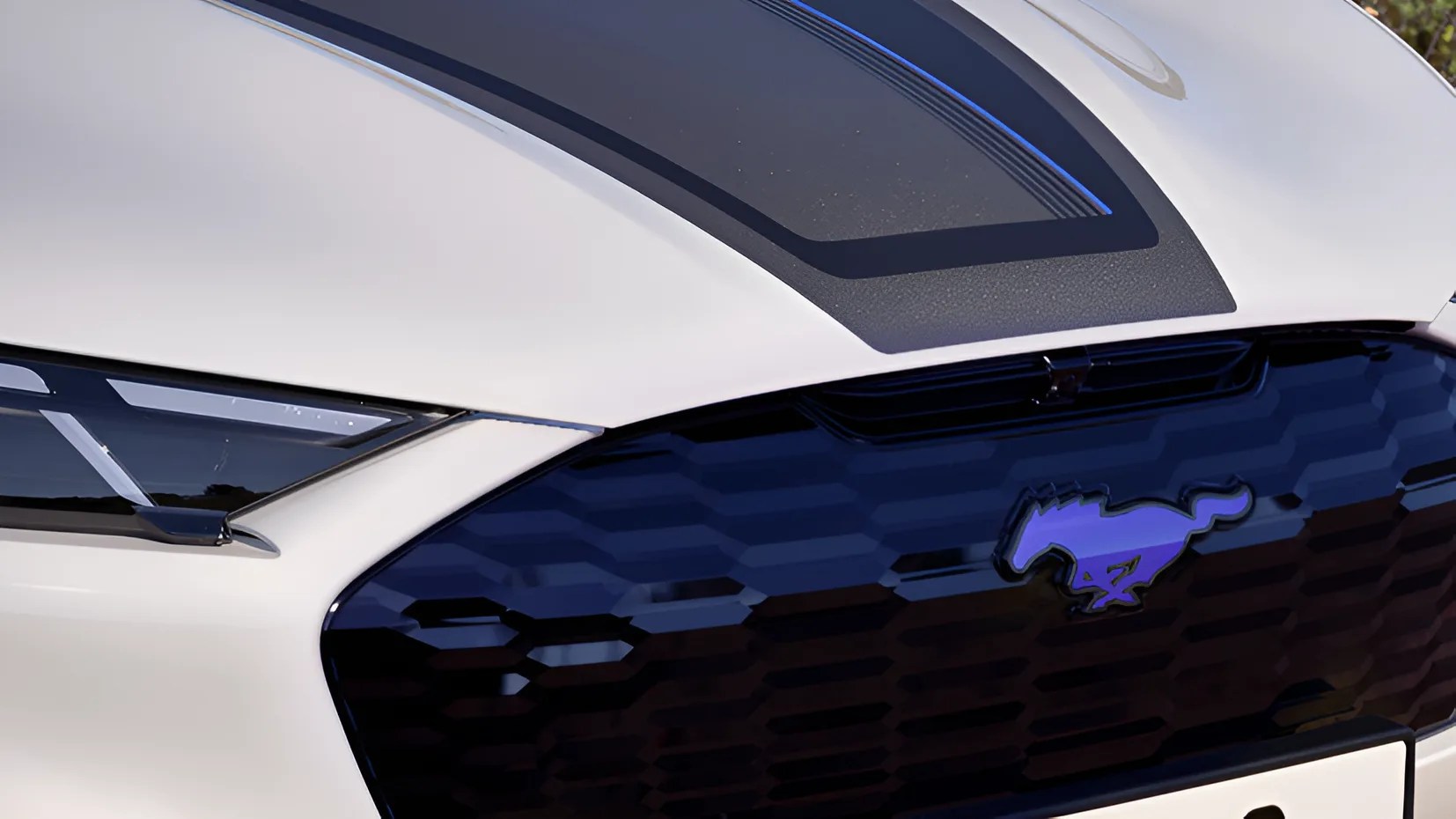
Close-up of a white Ford Mustang front grille with a blue running horse emblem and a black hood decal.Ford

While Ford is pumping the brakes on electric vehicles in the United States with models like the F-150 Lightning, it nevertheless remains committed to the Mustang Mach-E.

For good reason. Besides posting historically strong sales performances (some of which have even surpassed those of its gas-fed stablemate), the electric crossover remains relevant in other markets where battery power continues to be a viable prospect.
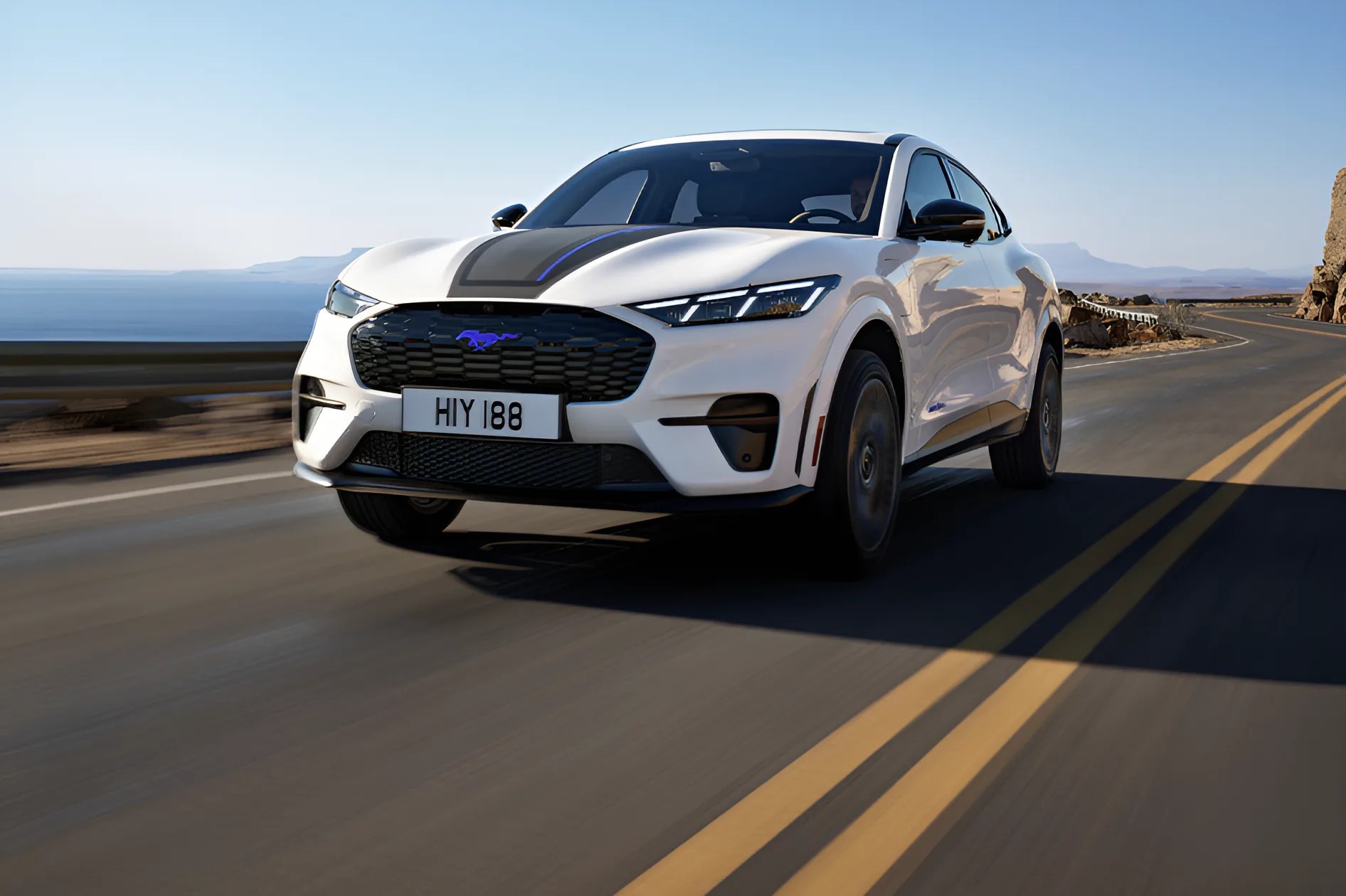
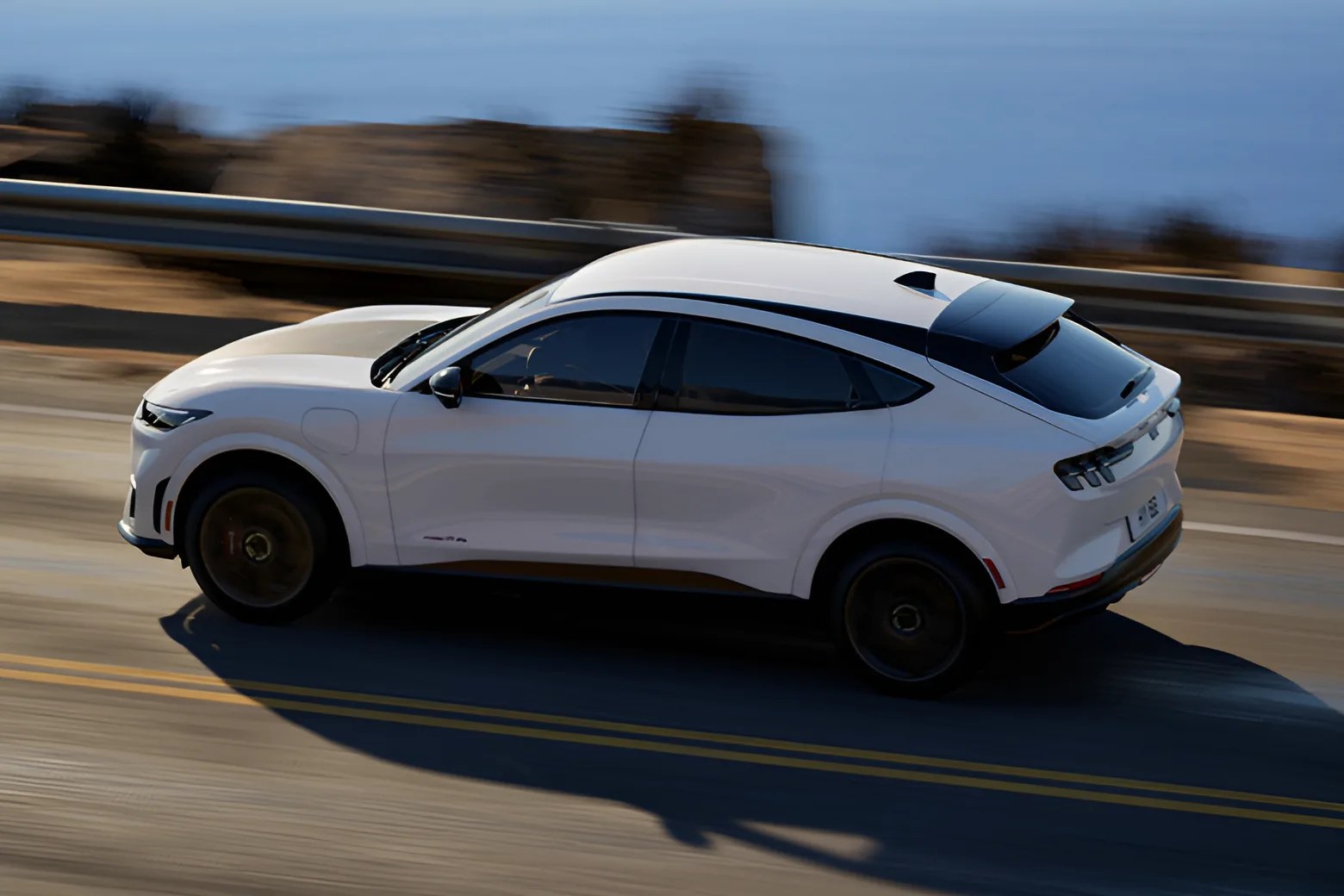
White Ford Mustang Mach-E electric SUV with black hood stripe driving on a coastal road.
The Mach-E GT California Special is making its way to Europe for 2026.
Ford

Accordingly, Ford just announced a series of updates that’ll be hitting the European Mustang Mach-E for the 2026 model year. However, in doing so, I’d argue the automaker is making a pretty significant change to one of its most notorious Mustangs.

Europe gets a Golden State icon

That’s because, beyond expected refinements like fresh color options, updated ADAS features and lower rolling resistance tires, Europe’s Mach-E is gaining the new ‘California Special’ option for the GT trim.
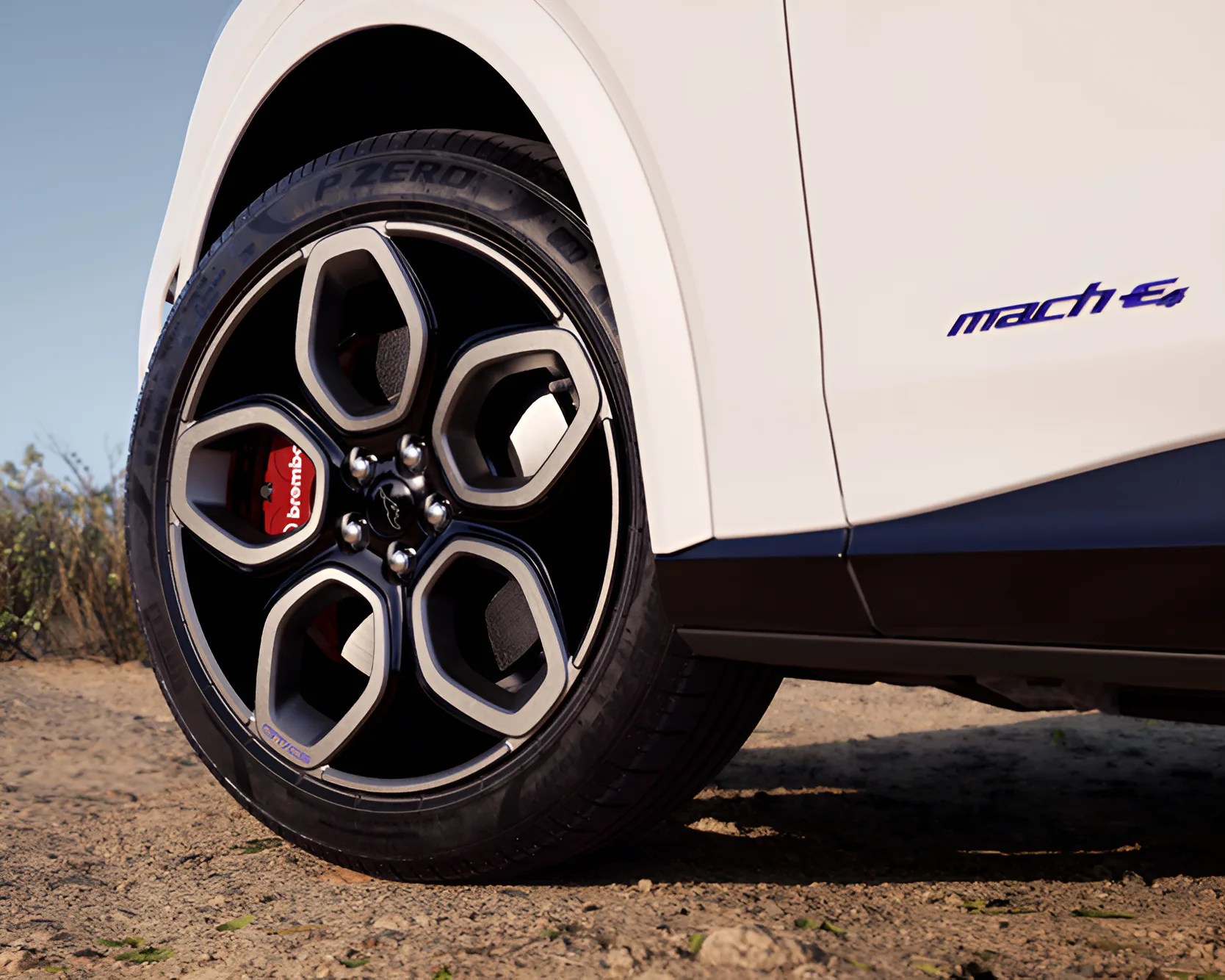
Close-up of a black and silver alloy wheel with red Brembo brake caliper on a white Mach-E vehicle.
The EV benefits from special styling touches inside and out.
Ford

Ford first unveiled the package last October, and it already made for an interesting interpretation of the historic nameplate on US shores (more on that later). The overseas version heralds the same changes as its American counterpart.

As such, along with Rave Blue accents inside and out, the California Special also benefits from a light-up grille mark, a unique ‘California Special’ font, a set of 20-inch Carbonized Gray wheels and some fresh hood graphics, among various other exclusive touches.

Granted, an appearance package in and of itself is nothing revolutionary, as automakers are spinning up such options pretty much all the time.

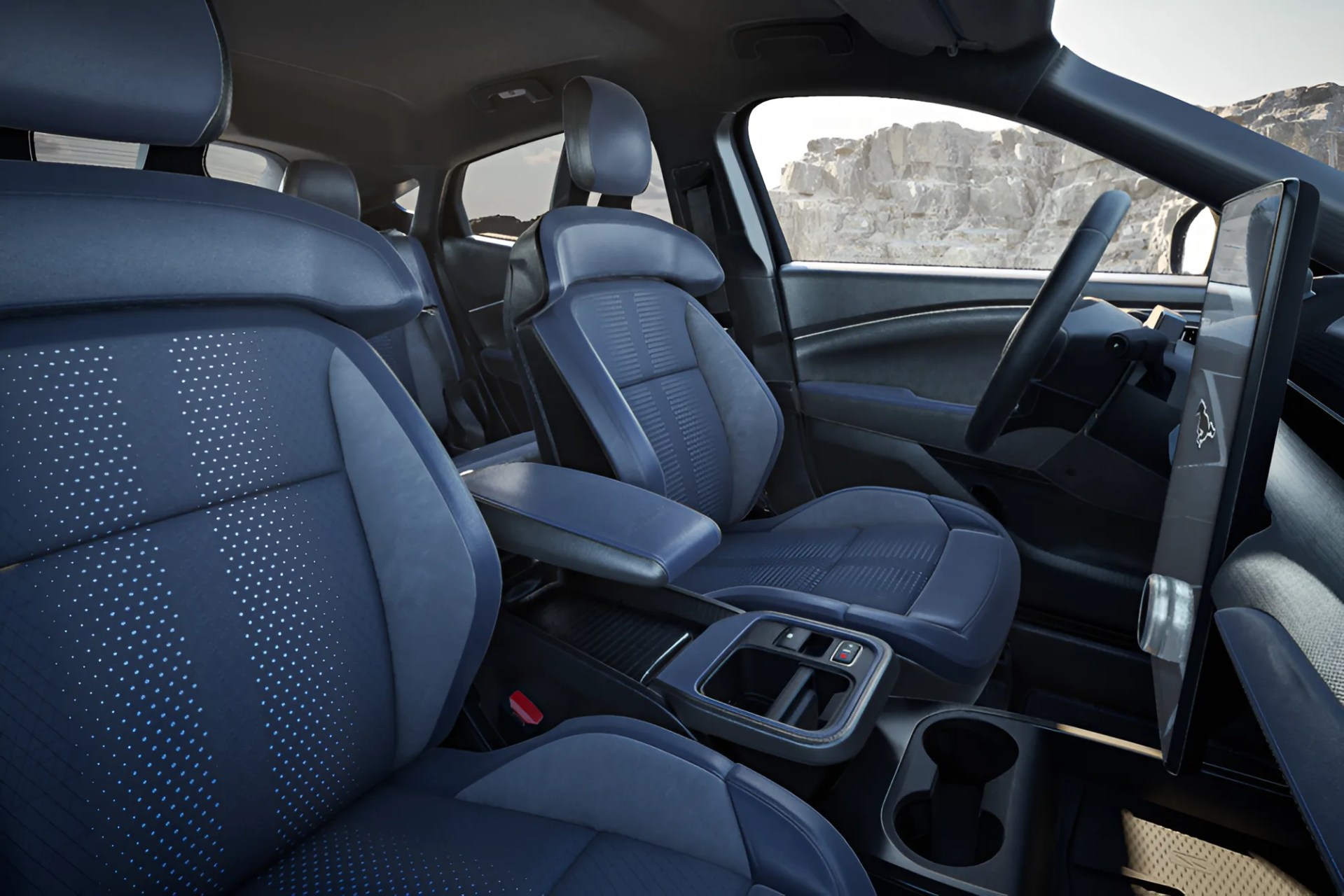
Interior of a car with blue perforated leather seats, a large vertical touchscreen, and a black steering wheel.
The Rave Blue interior matches the accents on the outside of the car.
Ford

Rather, it’s the combination of the Mach-E California Special treatment to begin with and the subsequent expanded European availability that I believe is so radical in the context of the Mustang’s history. Together, it dilutes what makes the California Special, well, special.

A Mustang by any other name

After all, though the Blue Oval markets the package as something that “brings the legendary soul of the American West Coast to Europe,” it’s really a model that calls upon history for its naming.

White Ford Mustang Mach-E electric SUV parked on sandy ground near a "P" parking sign with mountains in the background.
Ford’s Mach-E poses constant challenges regarding its relationship with iconic models from Mustang history, as it’s fundamentally a very different beast.
Ford

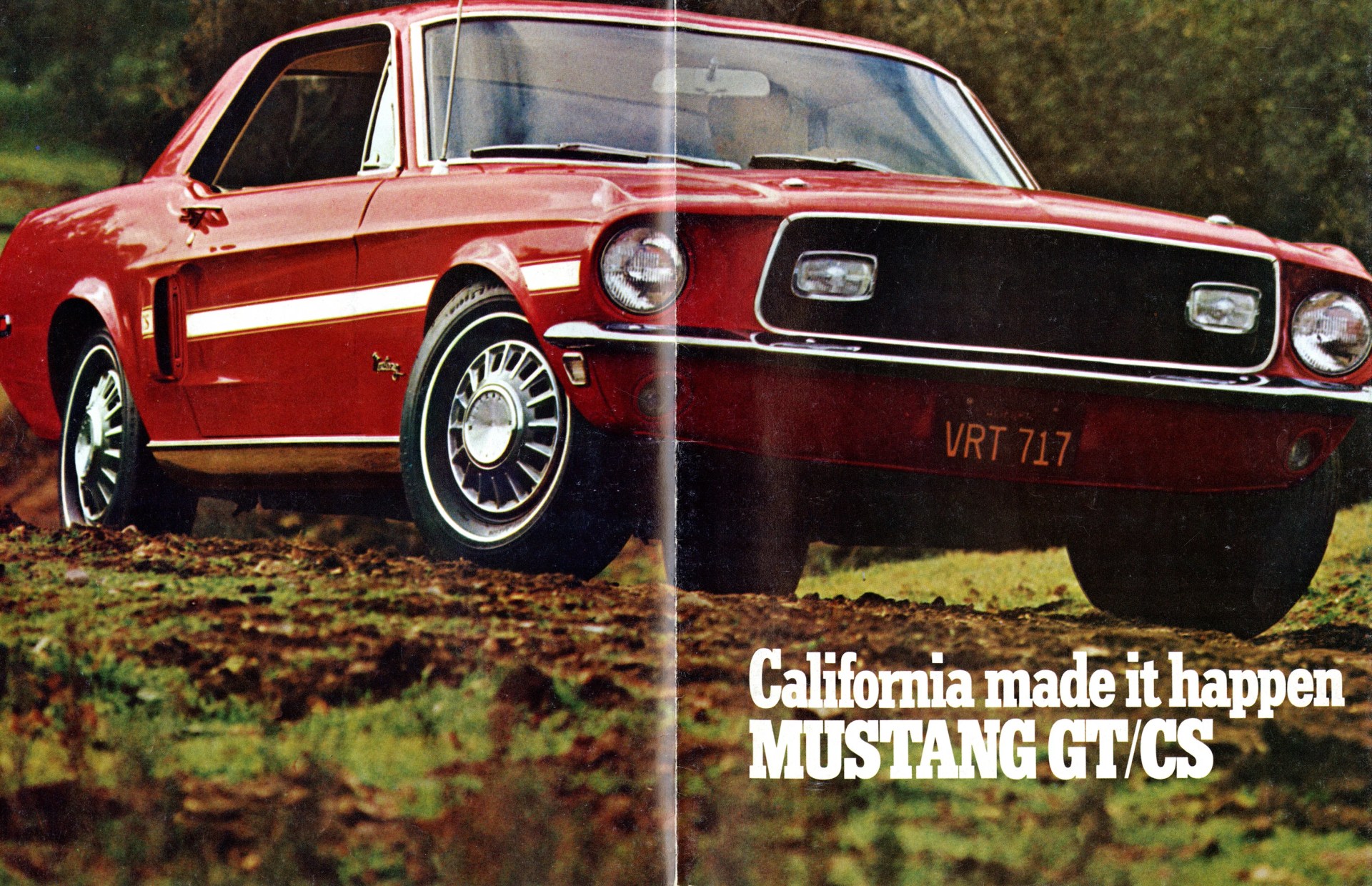
That’s because the California Special dates all the way back to 1968 with the first-generation Mustang. At the time, Ford created it as an exclusive Golden State option to celebrate the dealers responsible for a large portion of the pony car’s sales throughout the decade.

Like its modern reinterpretation, it was also a styling upgrade, albeit considerably more eye-catching. Along with Thunderbird taillights, twist-type hood pins, side scoops and a rear decklid spoiler, it added stripes and die-cut GT/CS logos.

Red 1968 Mustang GT/CS with white side stripes parked on grassy terrain with text "California made it happen MUSTANG GT/CS.
The tagline from the original brochure speaks to why I don’t think a European-bound Mach-E makes sense for the name.
Ford

In any case, though Ford did eventually distribute some first-generation California Specials to dealers in other western states and Canada, they weren’t known by the same name. Those in Denver, Colorado, for instance, were sold as ‘High Country Specials.’

Moreover, while this isn’t technically the first time Ford has brought the package across the pond (that would be 2022 with the S550 Mustang), the Mach-E is obviously and notably doing so without a coupe body or a V8 powertrain.

Chalk it up to semantics, if you want; however, as an owner of a 1967 model, I think the name seems to be too big a stretch at this point. An evolved Mach-E GT/CS for the States or a wider release of a more faithful tribute would be one thing.

White electric SUV driving on a coastal road with tinted windows and black roof spoiler.
What about the Mach-E GT/CS makes it a California Special, if it’s sold abroad and also nothing like its predecessor?
Ford

But can a few coastal styling cues justify this Mustang being called a California Special? If the model is both more global in market and also nothing like its forbear under the hood, what’s the point of looking to history with its name?

Want to stay up to date on the latest product news and releases? Add Gear Patrol as a preferred source to ensure our independent journalism makes it to the top of your Google search results.

add as a preferred source on google
,