
Turns Out, Volvo Isn’t Totally Done Building Wagons Yet

A recent interview confirms that the automaker sees the market potential for longroofs, even in SUV-favoring countries like the USA.

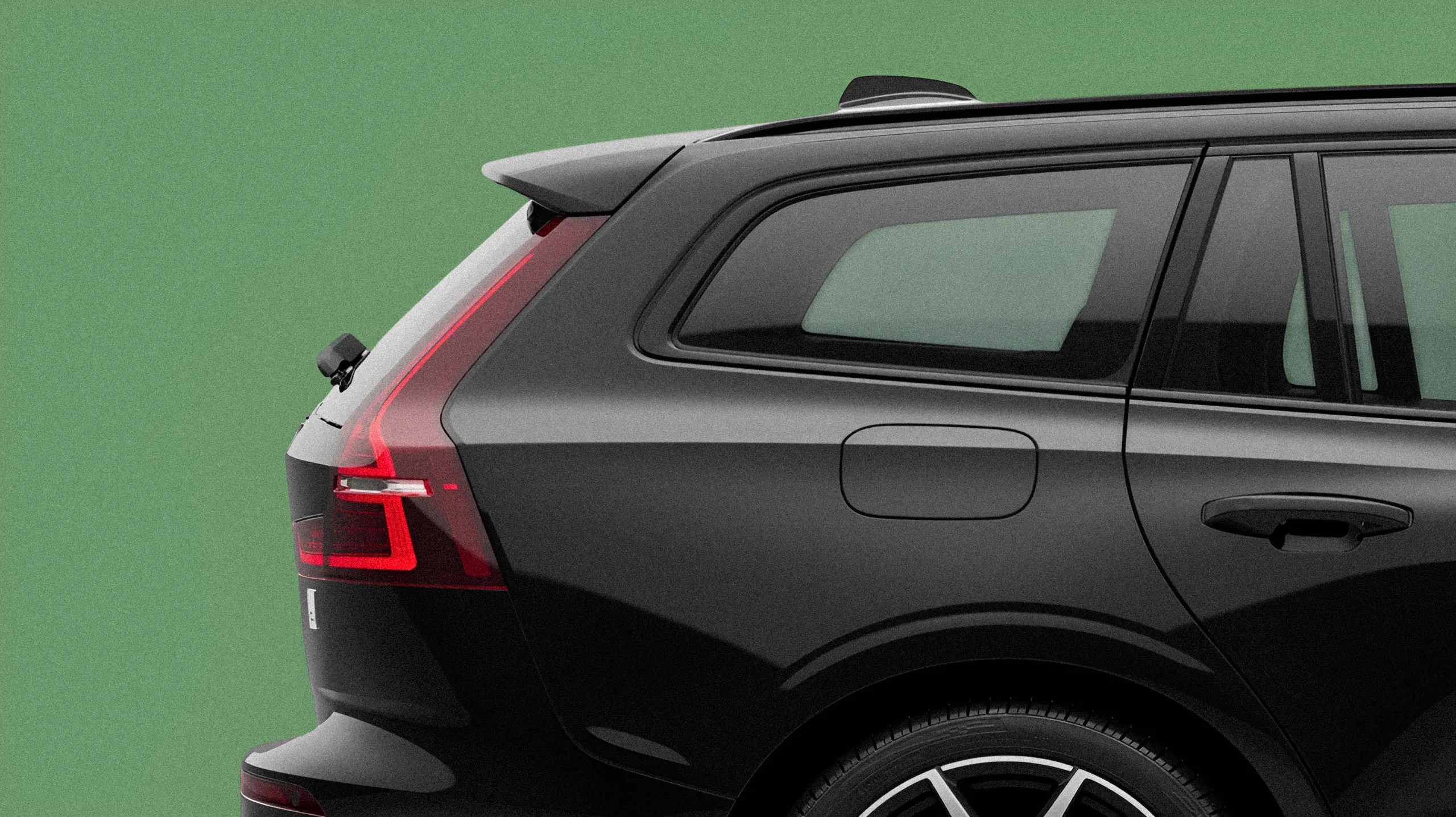
Rear side view of a black SUV with tinted windows and red taillights against a green background.Volvo

Just before the end of last year, Volvo made headlines by announcing that it would end production of the V60 Cross Country in April 2026. Being the last brand’s only non-SUV in the United States, the news proved especially disheartening to wagon enthusiasts.

As someone who grew up bouncing around in the trunk of an old V70, I know it certainly struck a chord with me. While our passenger situation rarely required the trunk space, I took any opportunity I could to demonstrate the Swede’s quirky jump seat to friends.
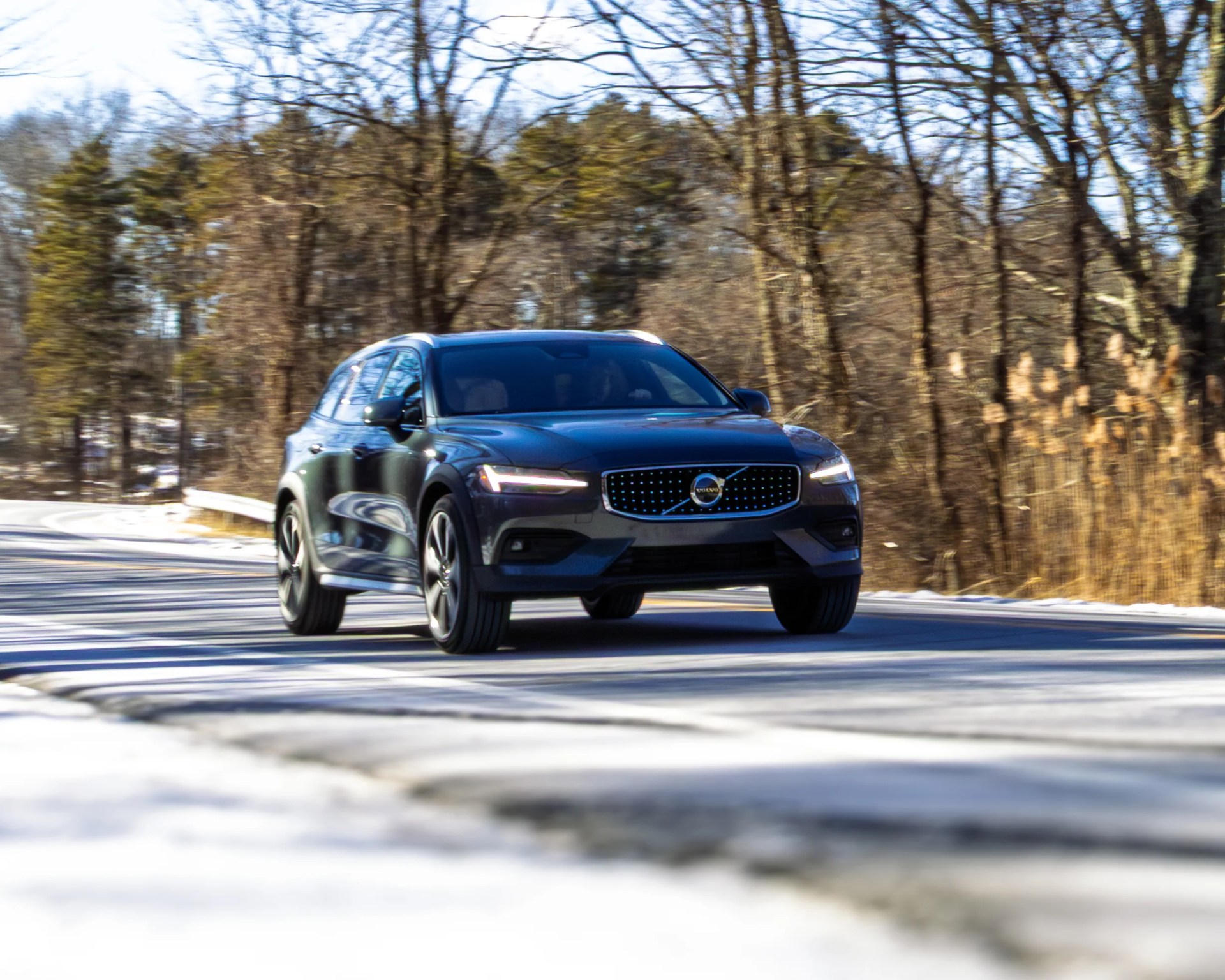
Dark blue Volvo SUV driving on a snow-lined road with leafless trees in the background.
Volvo’s V60 Cross Country will be ending production in April.
Volvo

But I digress. And besides, there’s now cause to breathe a sigh of relief, not wax nostalgic. According to a new report, Volvo isn’t done building wagons for the American market yet.

Circle the wagons

The confirmation comes from Volvo’s Chief Strategy and Product Officer, Michael Fleiss. Ahead of the recent EX60 launch, he spoke with The Drive to talk shop about the state of the brand’s wagon models.

While Fleiss made sure not to offer up anything too revealing, he did nevertheless concede some telling answers about what Volvo’s lineup could look like in the coming years. Most importantly, he confirmed that longroofs aren’t completely off the table for Americans.
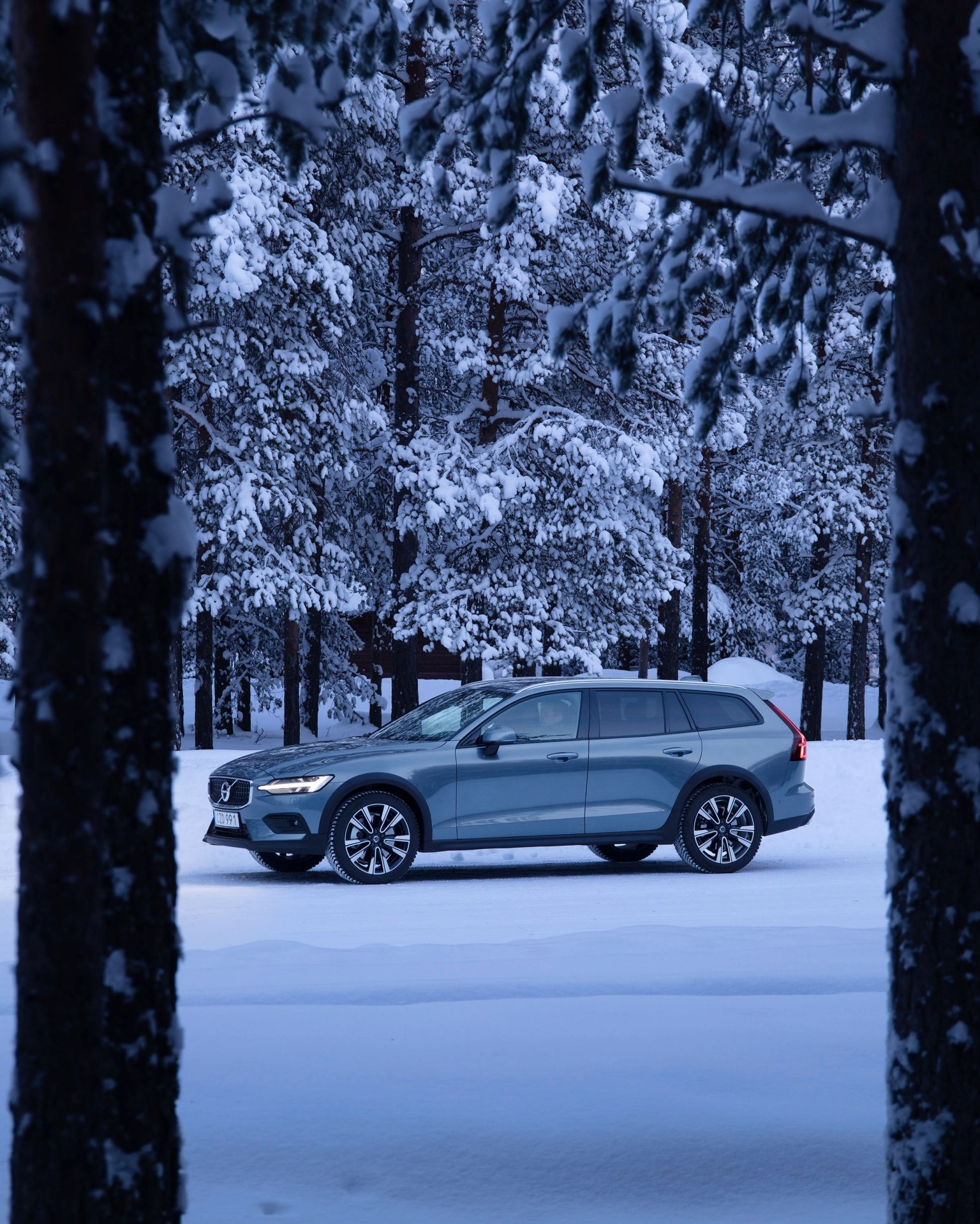
Blue Volvo station wagon parked on snow-covered ground with snow-laden pine trees in the background.
In many ways, the V60 Cross Country was the definitive all-road wagon — certainly in the United States.
Volvo Cars USA

Along with acknowledging that there is, in fact, a market for wagons in the United States, the Volvo exec also told The Drive to “watch this space” when asked about the possibility of introducing future models. 

Now, as with pretty much any car release, it ultimately comes down to a matter of demand. Provided there’s a sufficient demographic of buyers in the United States, Fleiss doesn’t see any problem with plucking a wagon from another market. 

In his view, Europe offers the biggest customer base for the segment, though the rest of the world is hopping onboard the (band)wagon. “10 years ago, it was a no-go, but now it’s coming” — even China is demonstrating new interest.

Volvo XE90 Car
Volvo recognizes that there’s a growing demand for wagons, even in markets like China.
Volvo

But what would it be?

While it’s relieving to know that Volvo isn’t averse to the possibility of reintroducing its wagons back to the United States, Michael Fleiss’s statements do leave us with a number of questions. Chiefly, what could the brand’s return to the market in the United States bring?

Given recent releases like the EX60 and its Cross Country counterpart, some degree of electrification would seem likely. Volvo currently does sell its V60 and V90 wagons in Europe with plug-in hybrid powertrains.

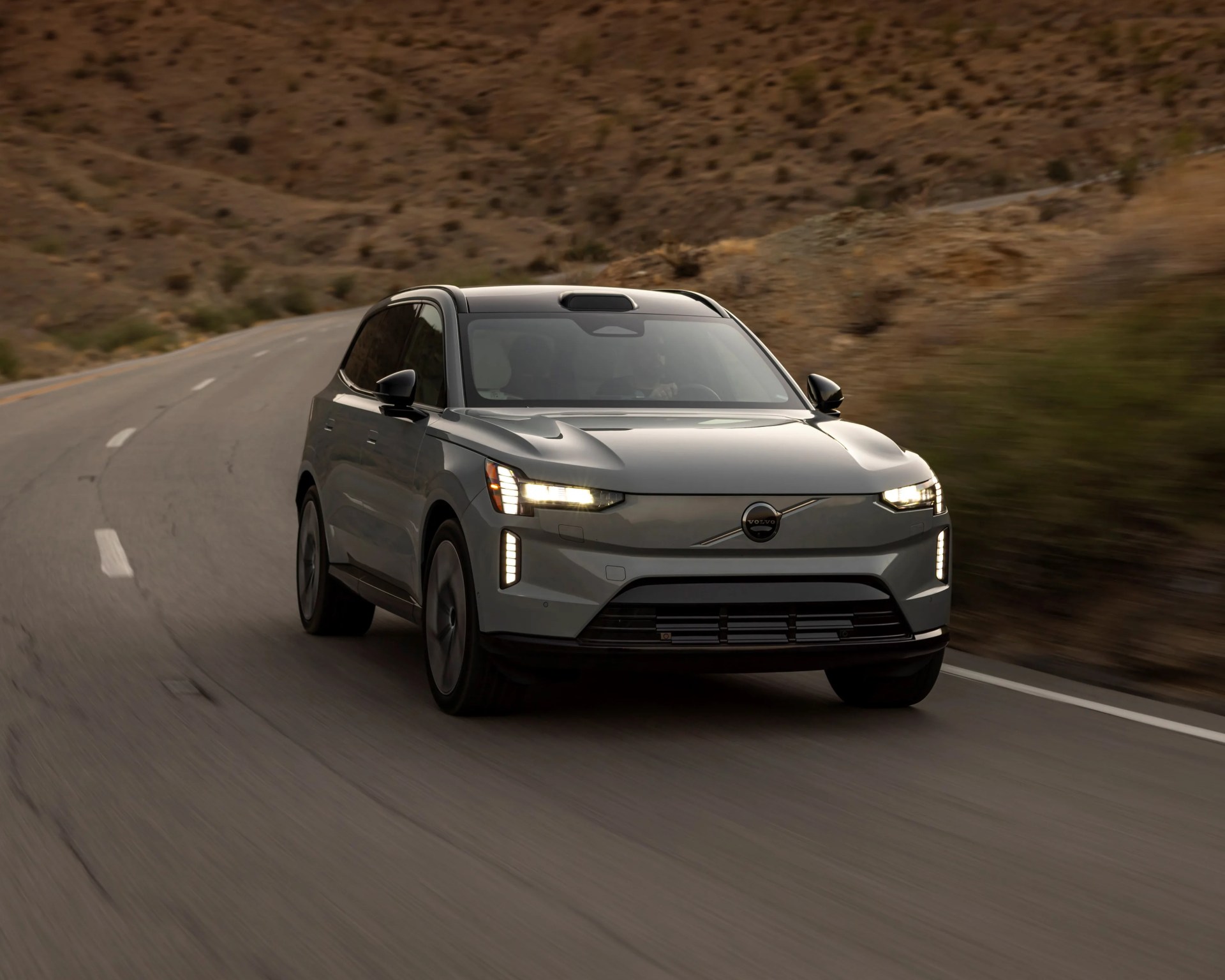
Gray Volvo SUV with LED headlights driving on a winding desert road.
With relaxed efficiency standards potentially allowing for more wagons, will we see Volvo pivot strategy?
Volvo

However, the end of the federal EV tax incentives last year made for a marked drop-off in consumer demand. Some automakers, such as Jeep, have even gone as far as to pull their PHEVs from the market altogether — Volvo won’t want to introduce something that’ll fall on deaf ears.

Especially if Transportation Secretary Sean Duffy’s statements last year are anything to go by. Thanks to relaxed emissions standards and reduced fuel economy requirements, the Trump Administration official claimed that full-size station wagons from the 1970s could finally make a return.

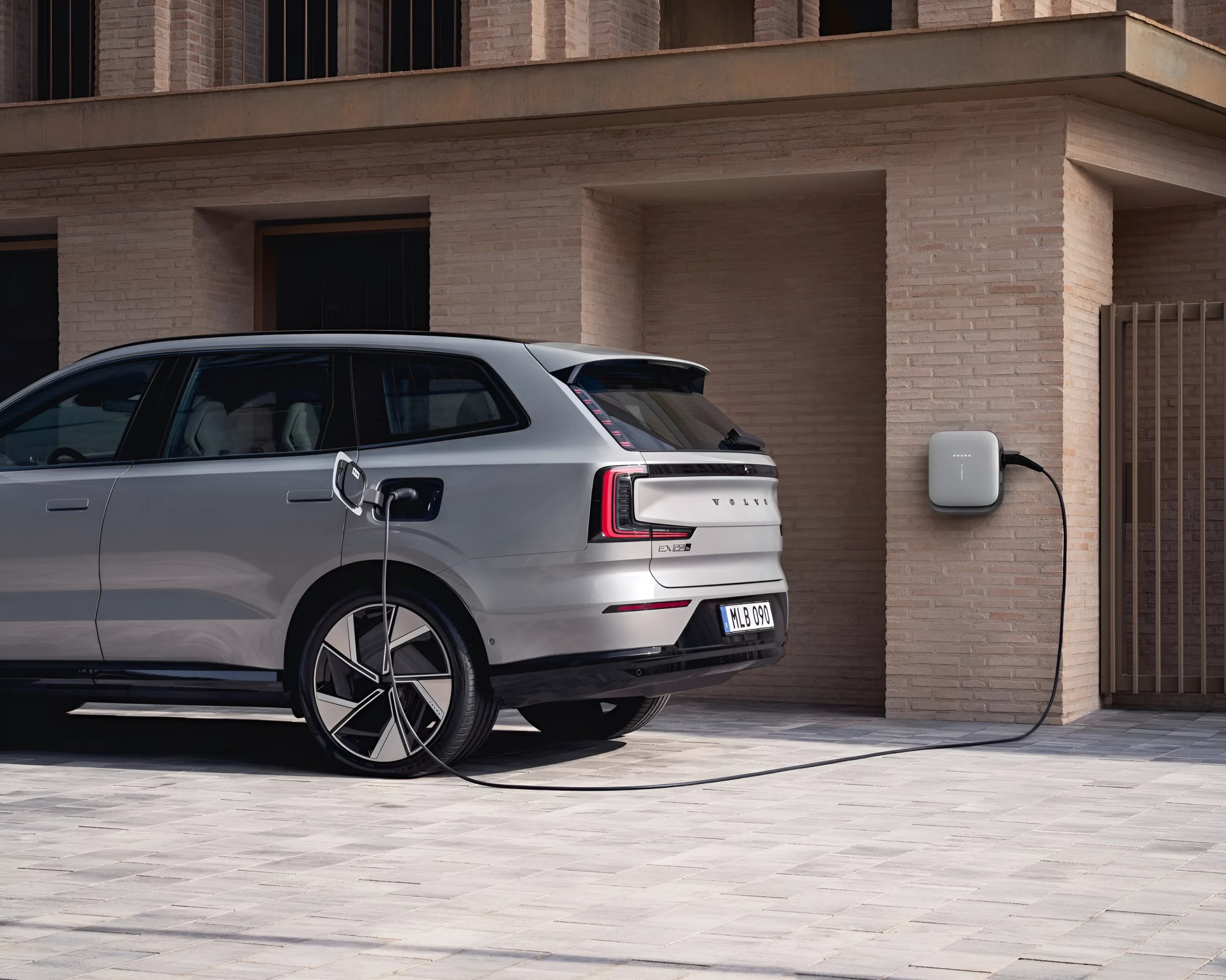
Silver Volvo EX90 electric SUV charging at a wall-mounted charger outside a modern brick building.
Will future Volvo wagons bring some degree of electrification? Most likely, although that’s less of a concern now.
Volvo

Of course, many consumers now favor SUVs for their high seating position, cargo capacity and ease of entry and exit. As things stand, it’s the enthusiast crowd that justifies the existence of exciting models like BMW’s M5 Touring or Audi’s RS6 Avant — especially here in the United States

Could this mean that Volvo will take a swing at building a performance wagon once again? Probably not, but there’s a part of me that’ll be holding out hope for something like the legendary longroofs of old.

Want to stay up to date on the latest product news and releases? Add Gear Patrol as a preferred source to ensure our independent journalism makes it to the top of your Google search results.

add as a preferred source on google
,