
America Is Finally Saying Goodbye to the Definitive Wagon After Nearly 40 Years

The last of what was once one of America’s favorite models drives off into the sunset for good.

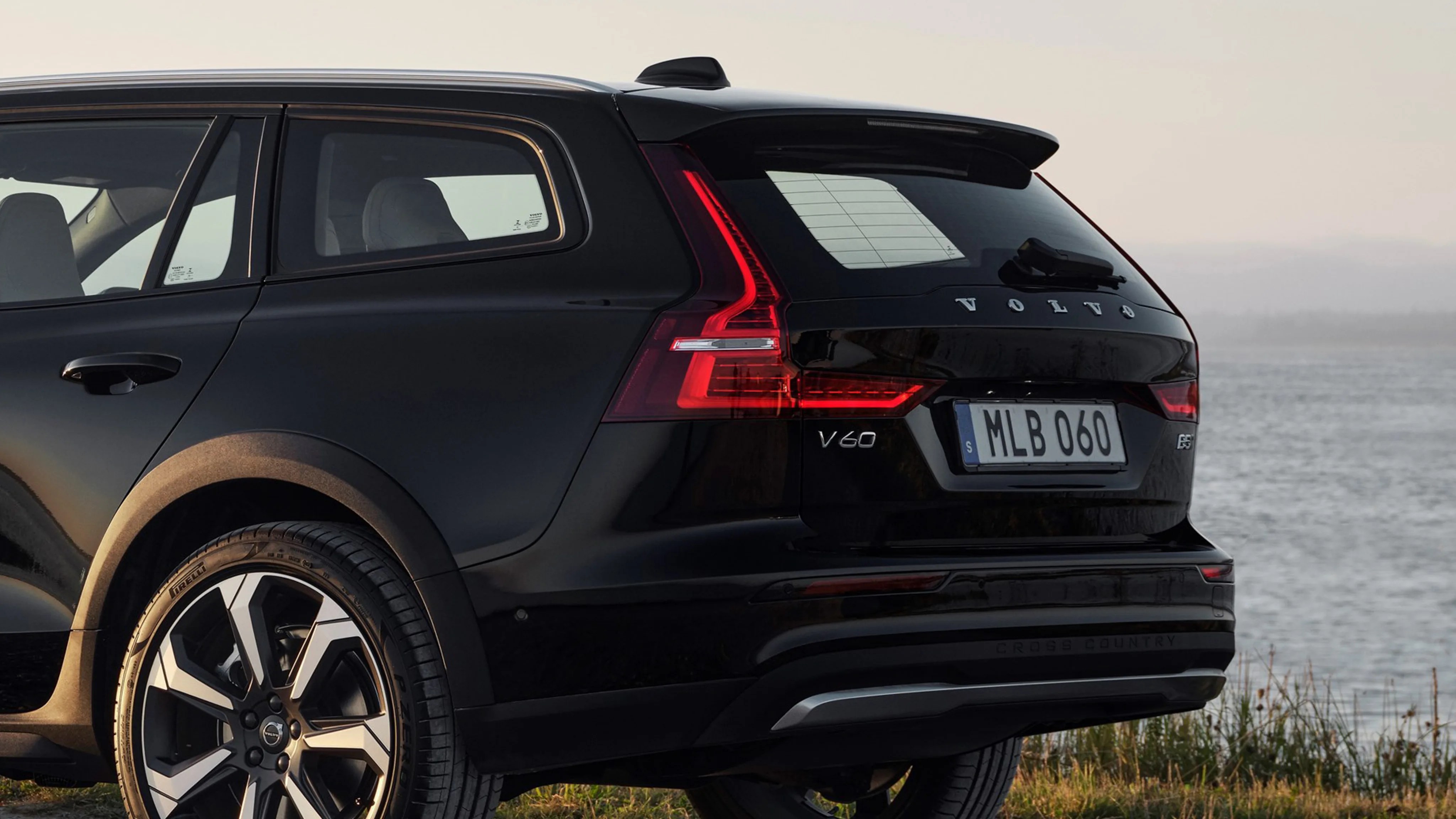
Rear side view of a black Volvo V60 Cross Country with illuminated taillights near a body of water.Volvo Cars USA

It seems 2025 won’t be the only thing we’ll be pouring one out for. Volvo just officially announced that it’s closing the order books on one of its most iconic and beloved wagons for good: the V60 Cross Country.

Introduced in 2018 as a successor to the original V70 Cross Country/XC70, its discontinuation was inevitable from the mere fact it was coming to the end of its production life cycle. Especially as it crests the age of seven years old.

But the other primary reason for its end is one that you can probably guess pretty easily. And it will seriously ruffle the feathers of wagon fans and enthusiasts.

Overwhelming demand for SUVs
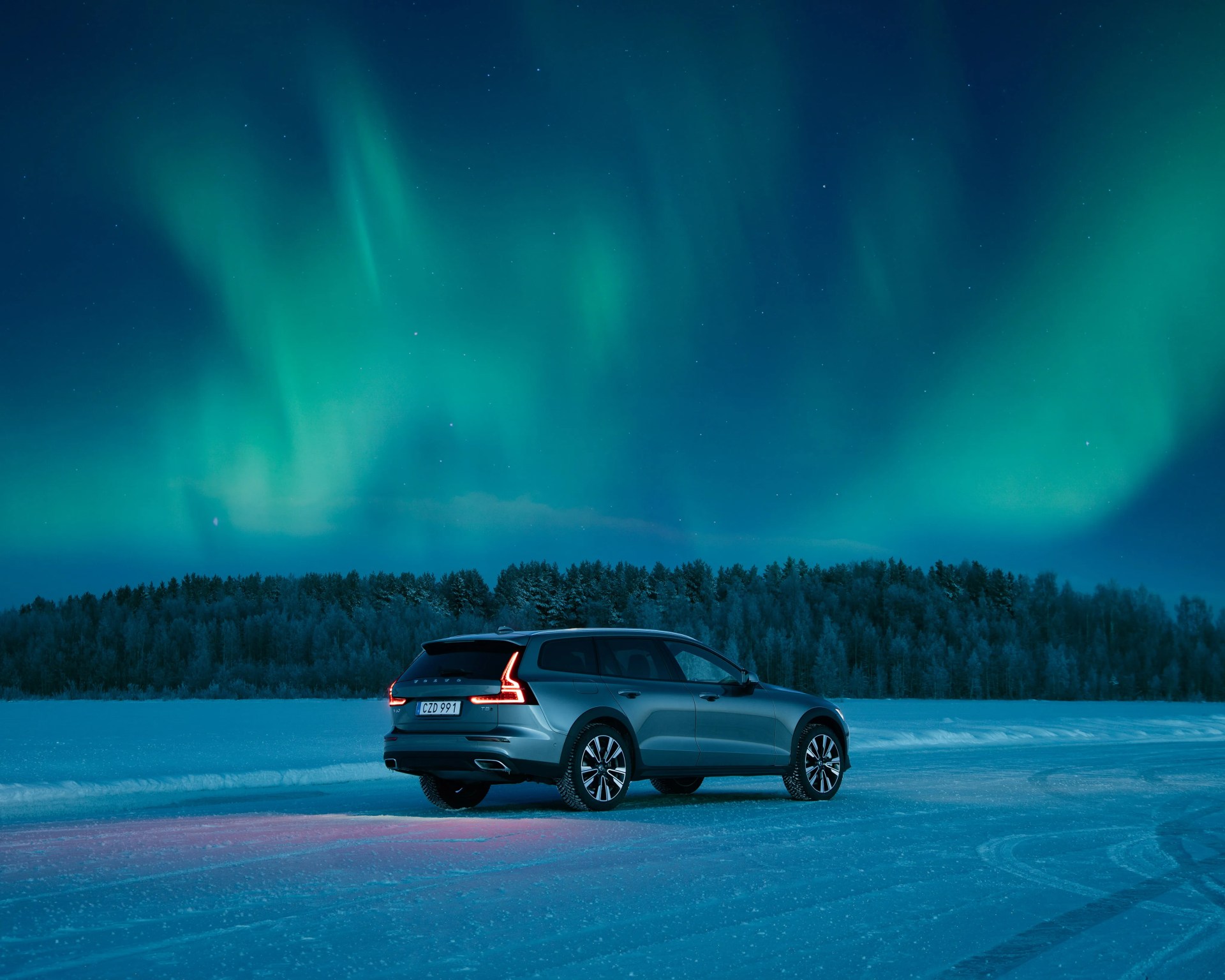
Silver Volvo V90 Cross Country station wagon on snowy ground under green northern lights at night.
It’s time for Americans to say goodbye Volvo’s iconic wagon.
Volvo Cars USA

In addition to being a bit antiquated, at least when it comes to new cars, Volvo said the reason for its end in America comes down to the fact that its customers “overwhelmingly prefer SUVs.”

In Volvo’s case, that would be the company’s best-seller, the midsize XC60. There’s also the larger and pricier XC90 and the compact XC40.
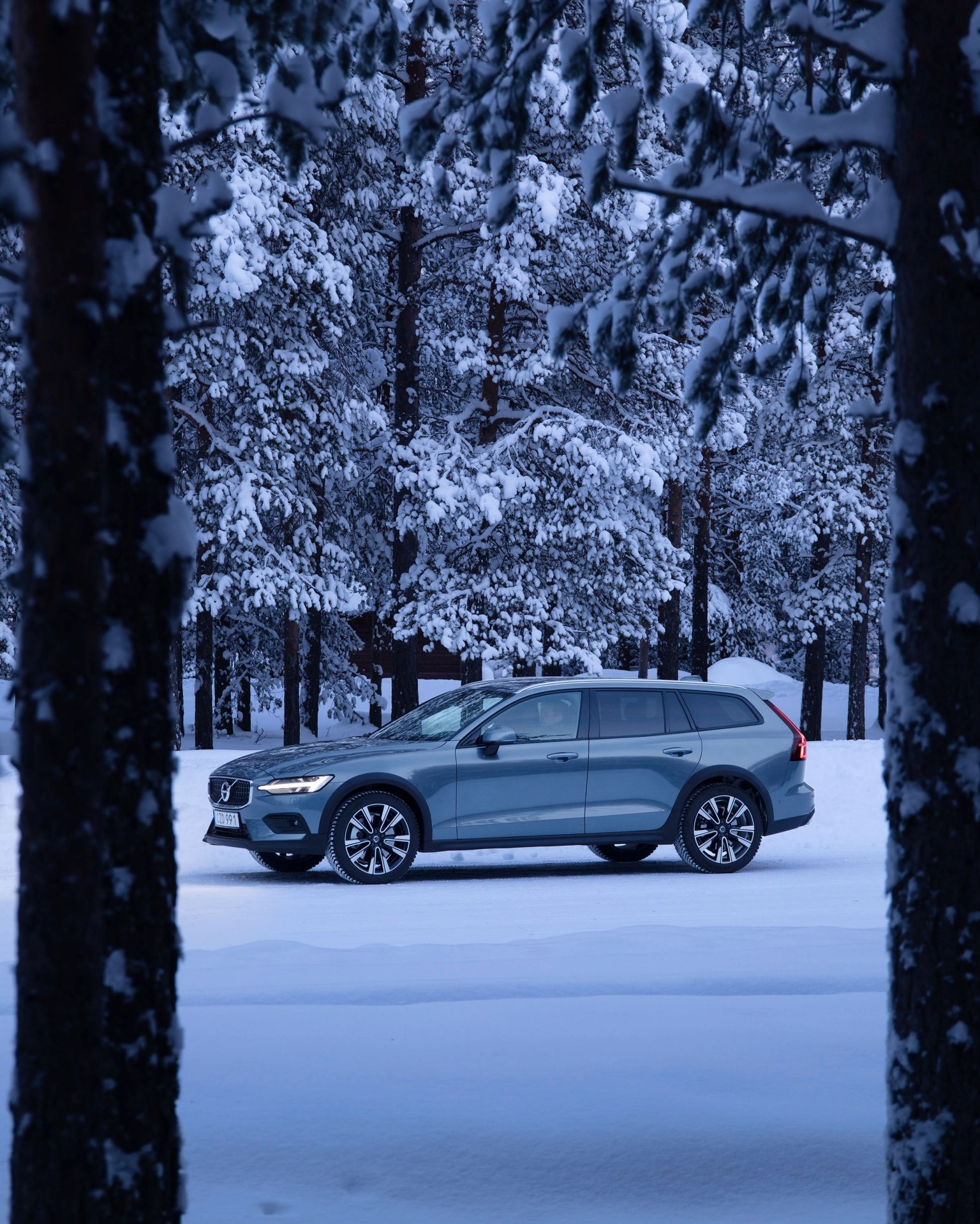
Blue Volvo station wagon parked on snow-covered ground with snow-laden pine trees in the background.
Volvo Cars USA announced order books for the V60 Cross Country in April 2026.
Volvo Cars USA

But despite being an oldie, the V60 Cross Country is certainly still a goodie. Especially for those who want a nice driving, practical and damn-good-looking vehicle, but don’t want to make the jump to a soul-sucking and clunky SUV.

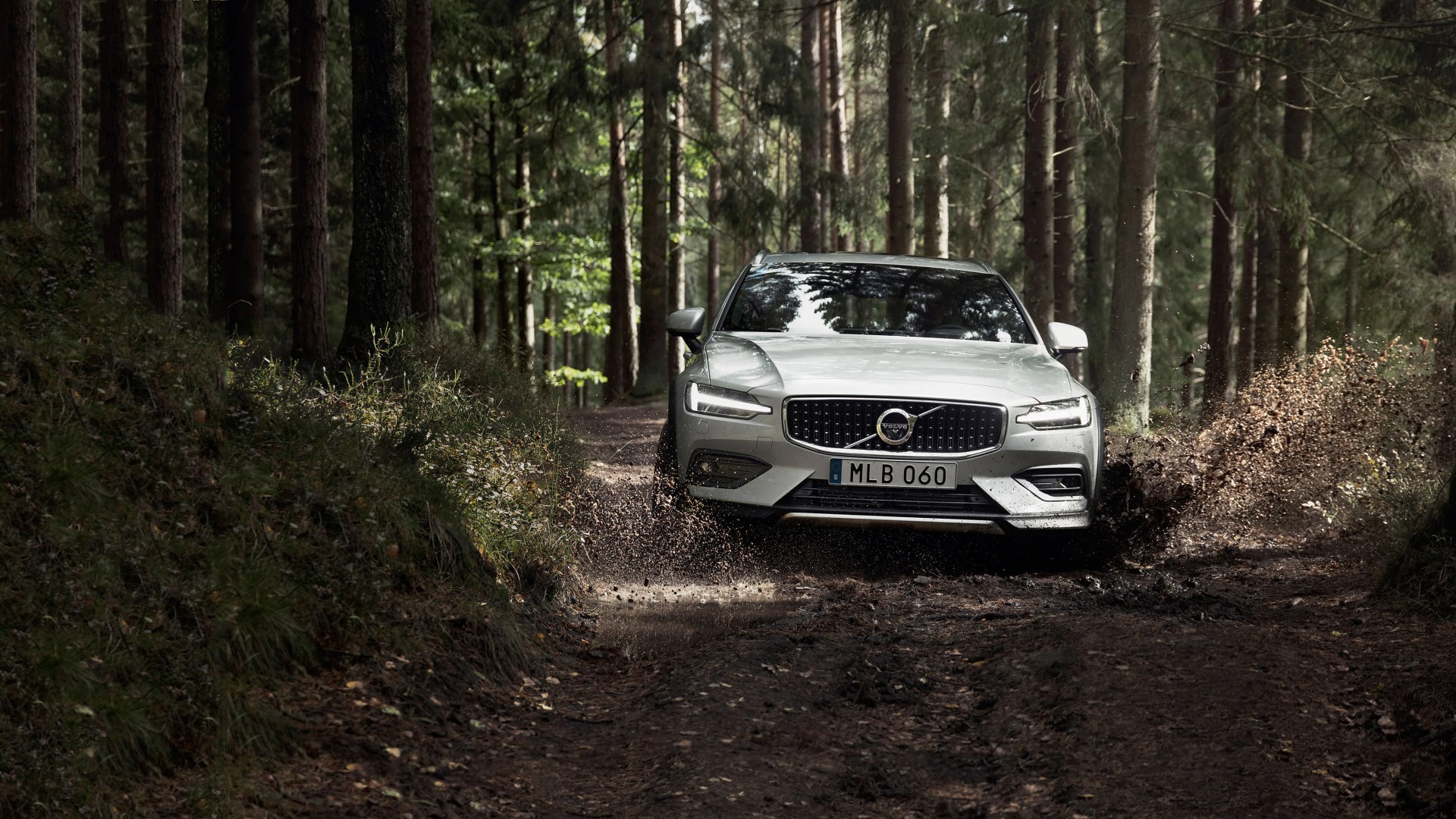
Silver Volvo car splashing mud while driving on a forest dirt road.
Volvo’s Cross Country models played a major role in the growth and popularity of crossovers.
Volvo Cars USA

Volvo Cross Country wagons always catered to the same clientele who went after the Subaru Outback, but were looking to graduate to something more mature and upscale.

However, the V60 Cross Country’s significance to Volvo’s history and heritage, especially in America, has a much greater meaning.

America’s love affair with modern wagons wouldn’t exist without Volvo

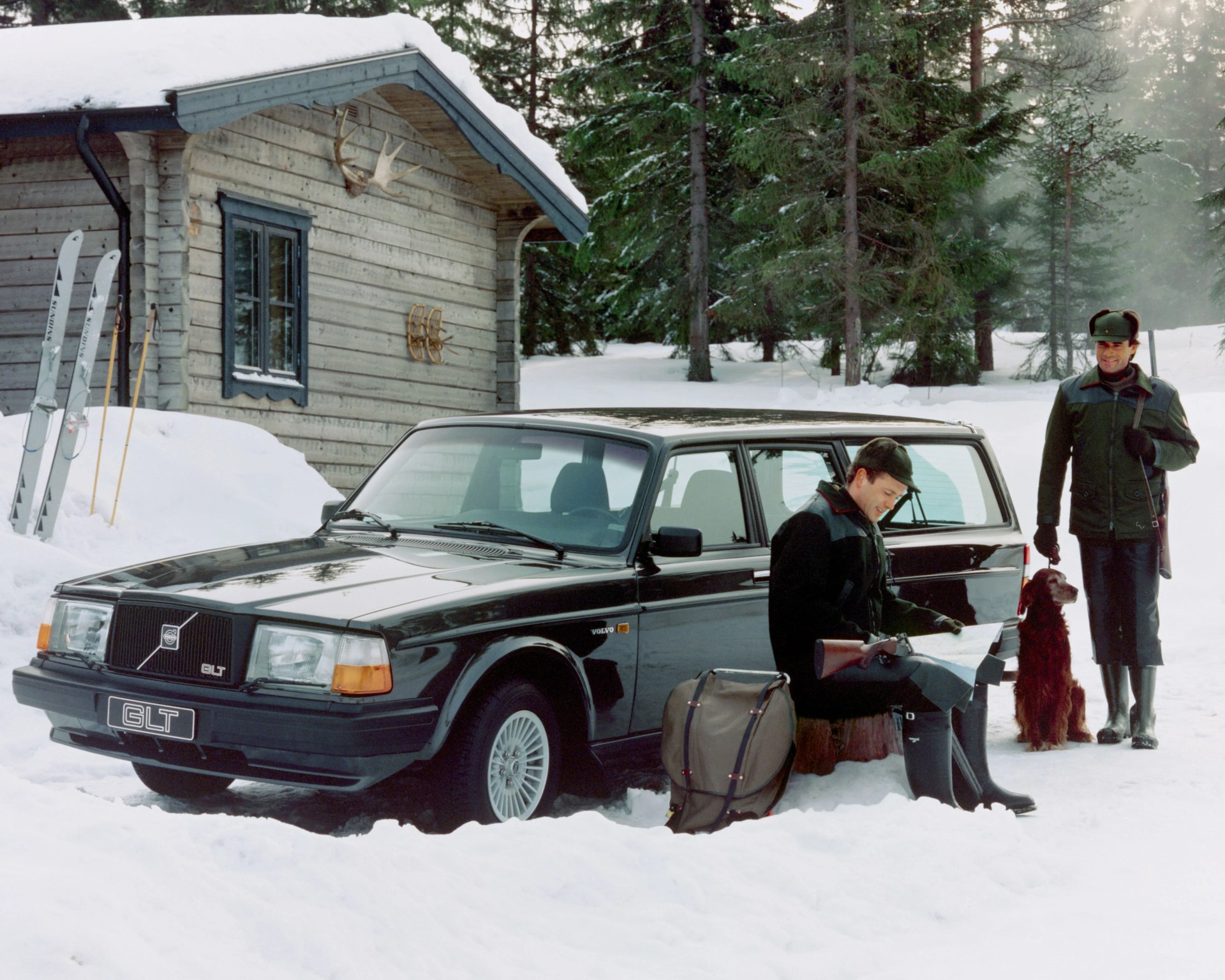
Black Volvo GLT station wagon parked in snow near a wooden cabin with two men in hunting attire and a dog.
Volvo kept the wagon popular in America with its original 200-series wagons.
Volvo Cars USA

Whenever anyone discusses wagons, Volvos are often the first to come to mind. That’s because the Swedish automaker was one of the undisputed champions of the type in the North American market.

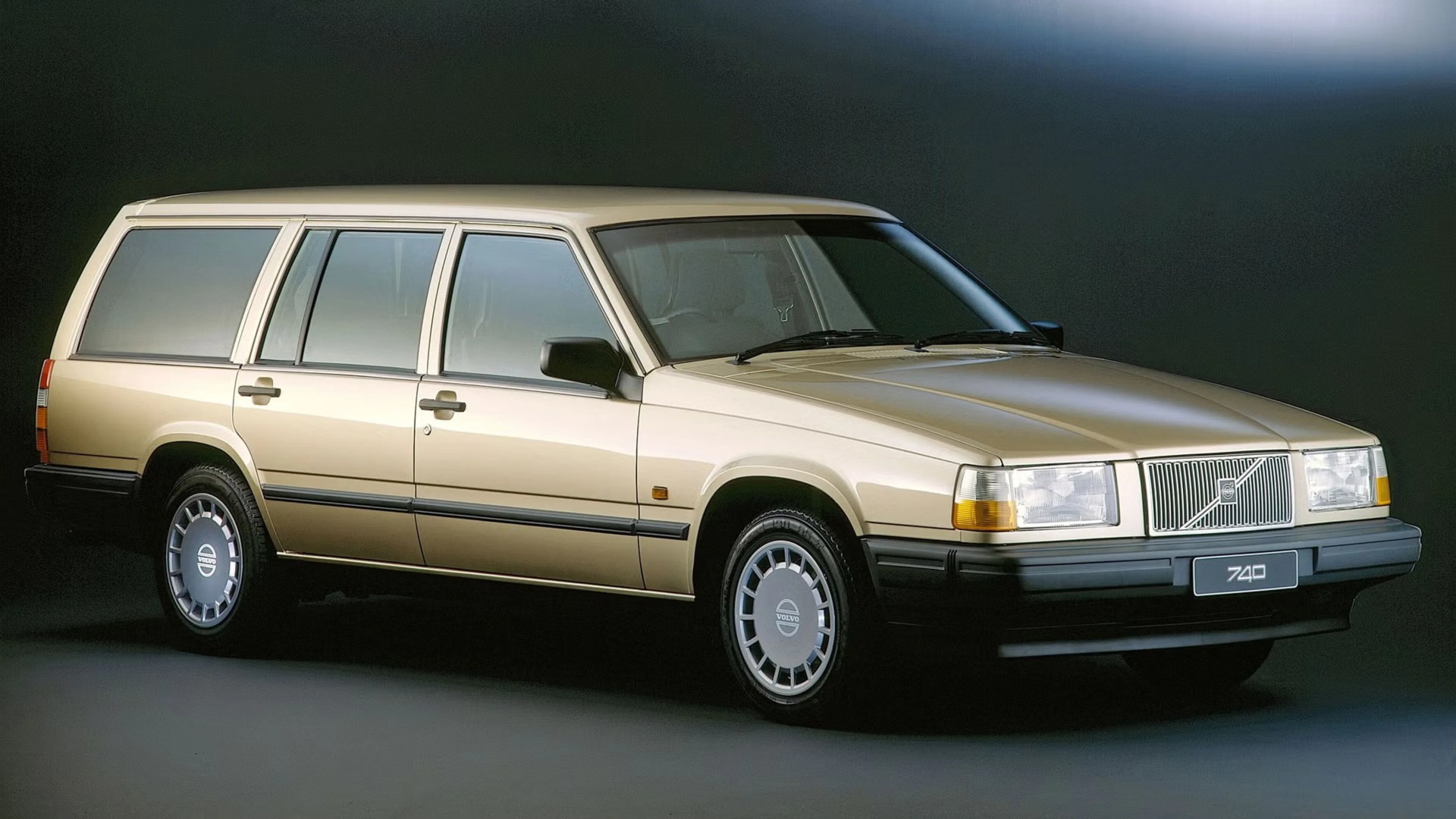
Beige Volvo 740 station wagon with black trim and silver hubcaps on a dark background.
Volvo wagons remained a staple for American family transportation with the 740.
Volvo Cars USA

After big, full-size sedan-based Detroit-made wagons fell out of favor to the then revolutionary minivan (i.e. the Dodge Caravan), smaller, more modern and efficient wagons didn’t really proliferate until Volvo introduced its iconic 200-Series model.

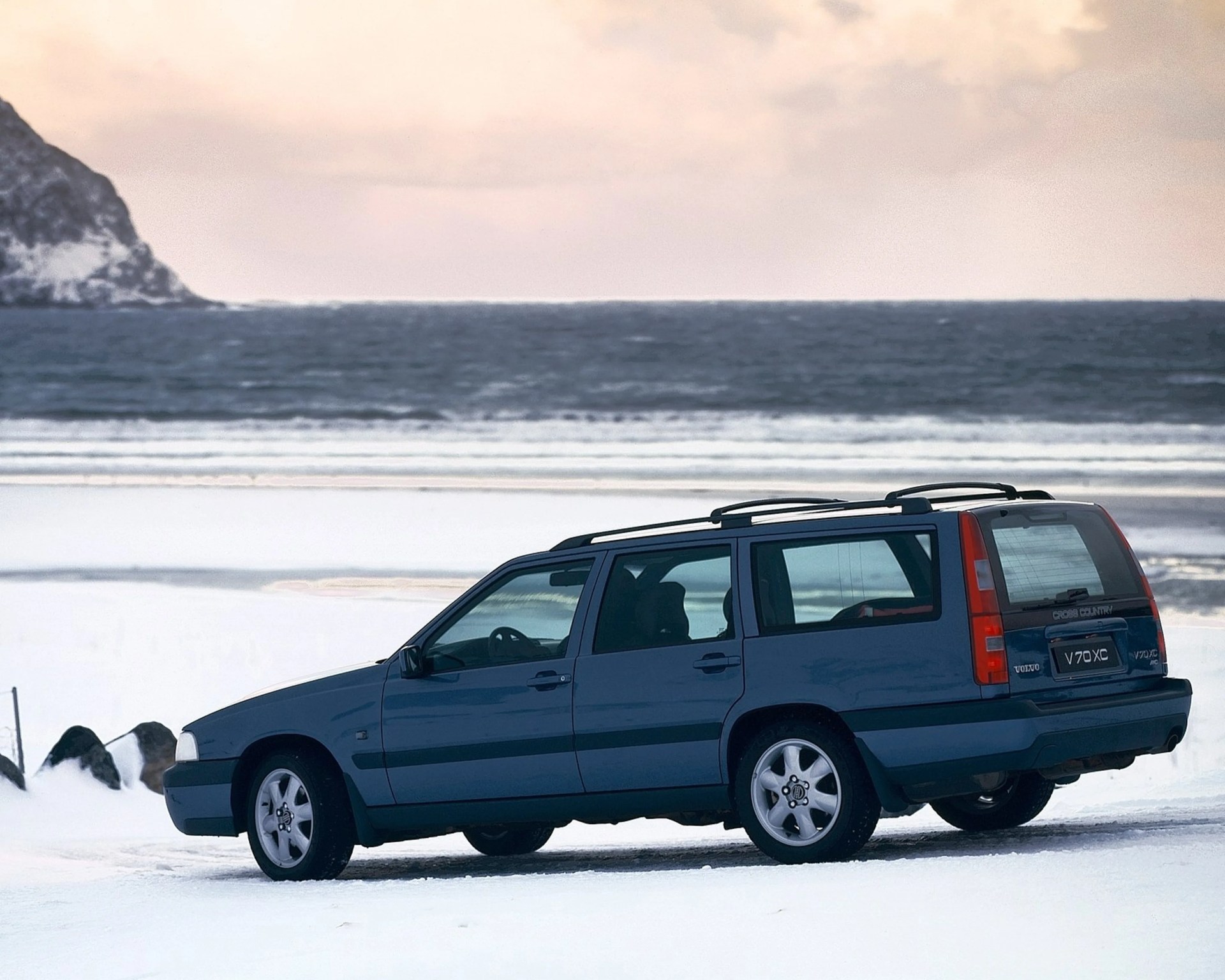
Blue Volvo V70 XC Cross Country station wagon parked on snowy ground near a body of water with rocky hills in the background.
Volvo’s image for wagons arguably peaked with the 850/V70 in the 1990s.
Volvo Cars USA

Following its huge success, Volvo followed up the 200 wagons with the more modern 740/760. But Volvo’s long-roofs didn’t become a staple of American family transportation until the arrival of the 850/V70.

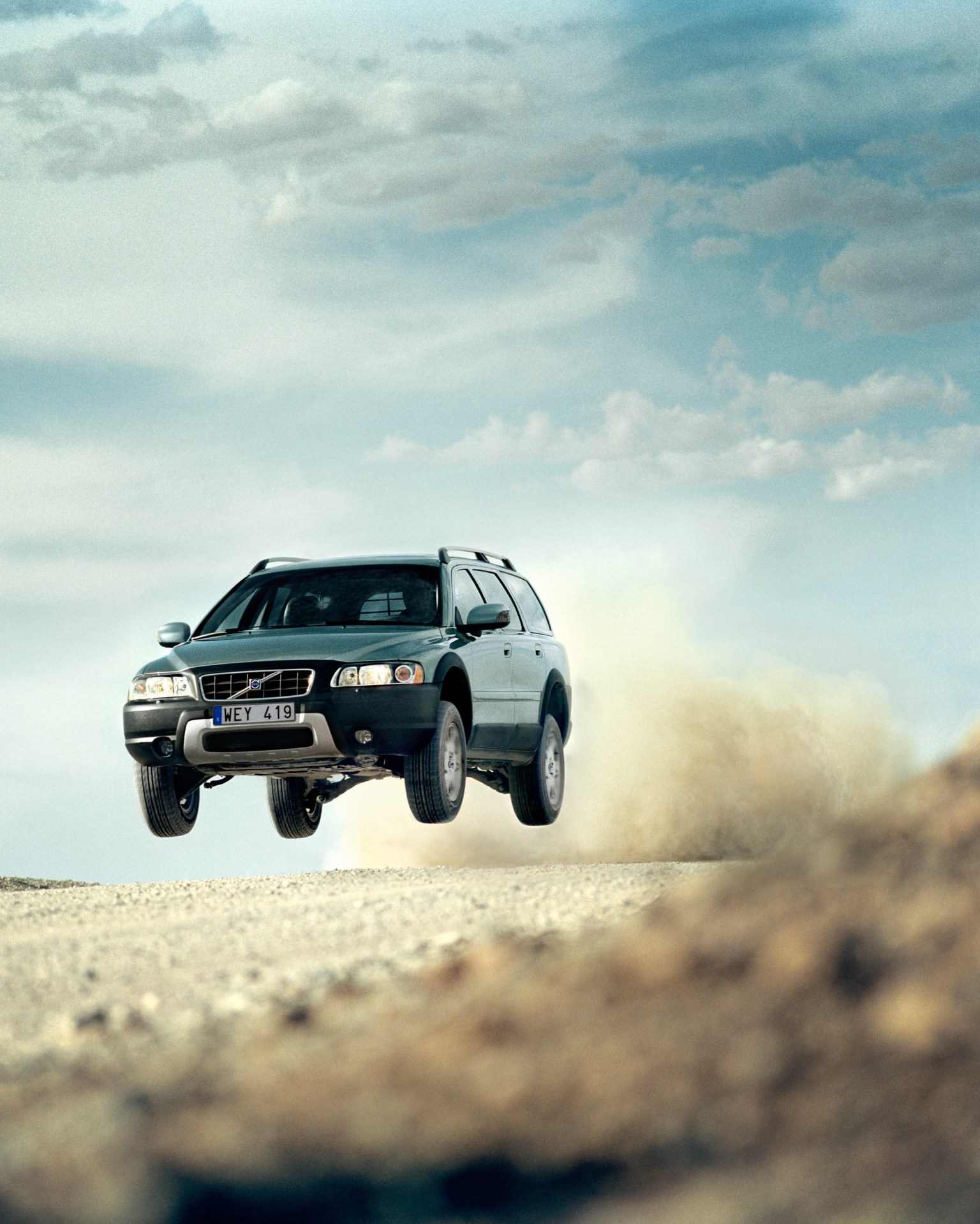
Dark green Volvo SUV airborne on a dirt road with dust trailing behind under a cloudy sky.
The second-generation XC70 was one of Volvo’s most popular wagon variants.
Volvo Cars USA

Along with the introduction of the V70, which was basically a heavily updated 850, the Swedish automaker created its first technical crack at a crossover: the XC70 or more recently, the V70 and V60 Cross Country.

The XC70 was essentially Volvo’s line of all-terrain-capable vehicles. They were also the stepping stone to what would eventually evolve into the XC90, XC60 and XC40.

Mud-covered beige Volvo station wagon driving through a muddy forest trail with headlights on.
Despite its humdrum roots, the XC70 was a very capable all-terrain wagon, which made it all the more desirable.
Volvo Cars USA

The XC70 and its Cross Country successors, like the V90 and the V60, were all distinguished by their plastic wheel well lining and underbody cladding, raised ride height, standard all-wheel drive, and more.

Because the Cross Country models blended the ruggedness of an off-roader with the road-going ease of a car-based wagon platform, it was a smash hit. But more so, it was also a crucial stepping stone to Volvo’s popular crossover lineup.

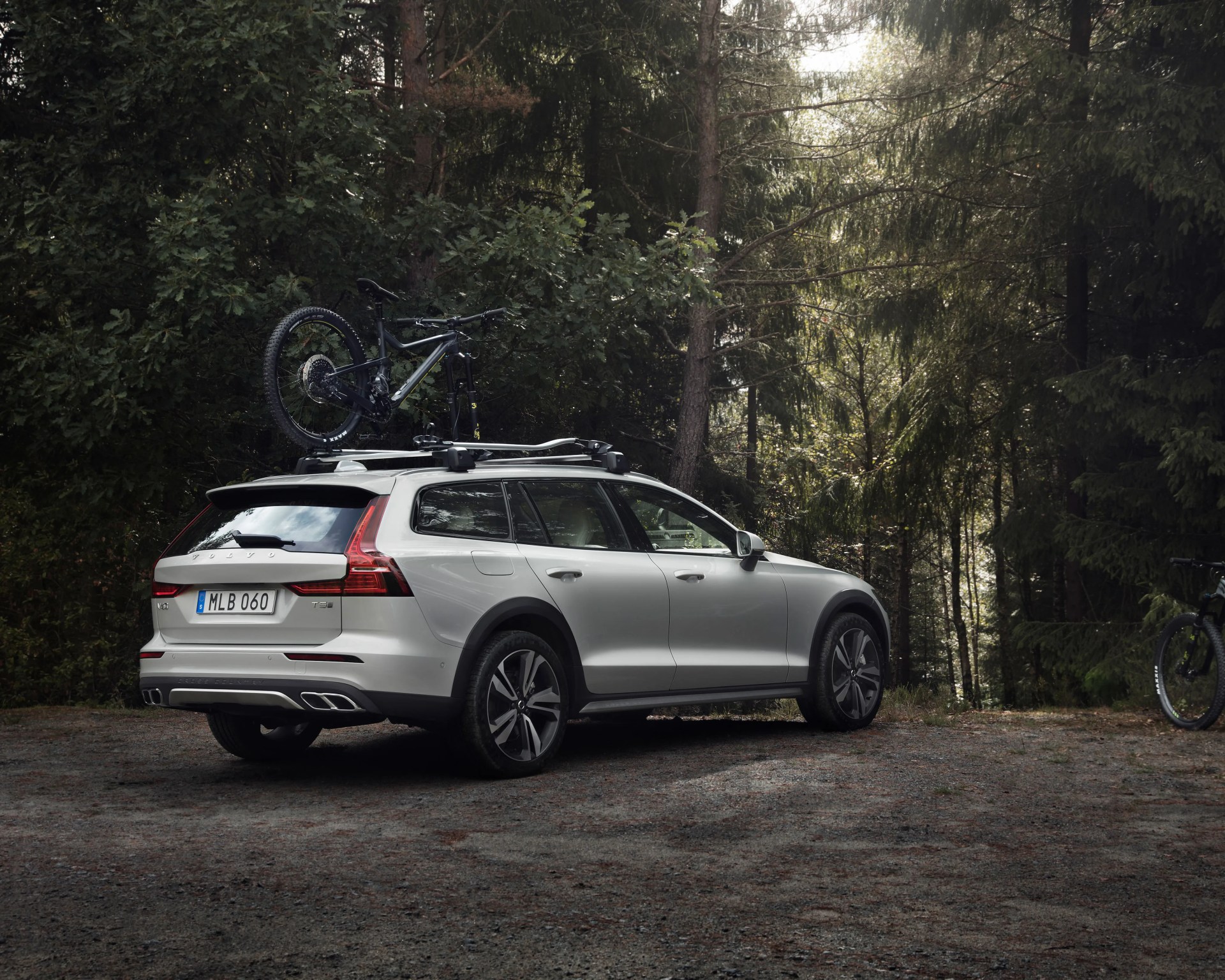
White Volvo V60 Cross Country station wagon with a mountain bike mounted on the roof rack, parked on a forest gravel clearing.
So long V60 Cross Country, you’ll be sorely missed at the GP Motoring desk.
Volvo Cars USA

Ironically, the proliferation of its SUVs is also what led to the death of the Cross Country models. But one thing’s for sure.

Despite falling out of favor to SUVs, the impact Volvos wagons and its more rugged Cross Country models on the North American market, and even globally, is undisputed. Which is why, with a very heavy heart, we’re sad to see it go.

Want to stay up to date on the latest product news and releases? Add Gear Patrol as a preferred source to ensure our independent journalism makes it to the top of your Google search results.

add as a preferred source on google