
Fitbit’s Whoop Challenger Quietly Added a Game-Changing Upgrade

The Fitbit Air launched with great hardware and work-in-progress software. Now, a new partnership with a cult-favorite health startup may shore up the new tracker’s biggest weakness.

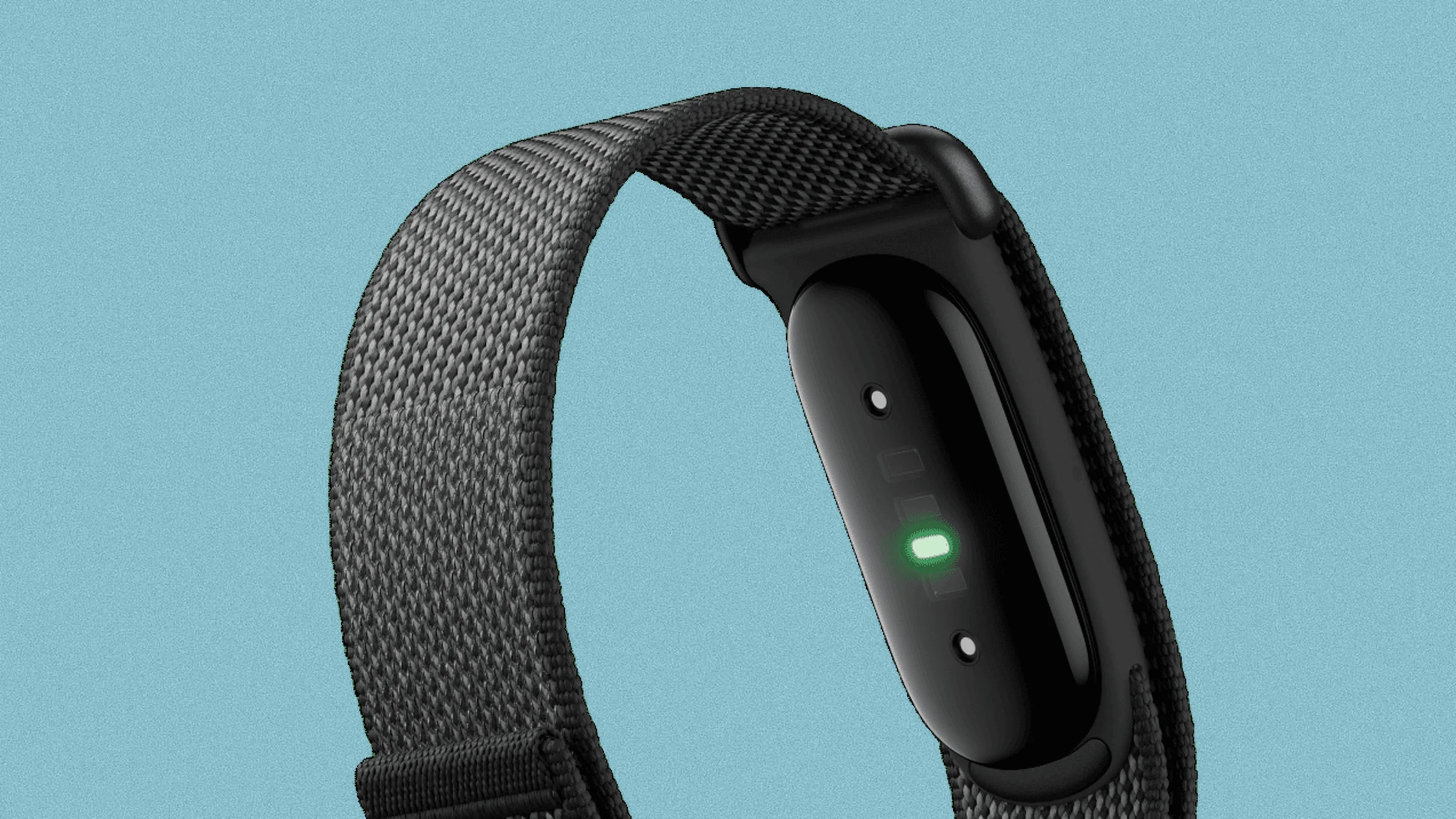
Black fitness tracker with a woven black nylon band against a blue background.Bevel.Health

If you buy from a link, we may earn a commission. Learn more

The Fitbit Air, which opened pre-orders May 7 and began shipping May 26, marked a return to form for Fitbit, one of the consumer wearable category’s earliest pioneers, which was acquired by Google in January 2021.

But the new device’s similarities to Whoop’s core product — a screenless, advanced health-focused wearable band that’s carved out a niche among elite athletes and data-focused wellness enthusiasts for its holistic approach to recovery, sleep, and strain were also undeniable.
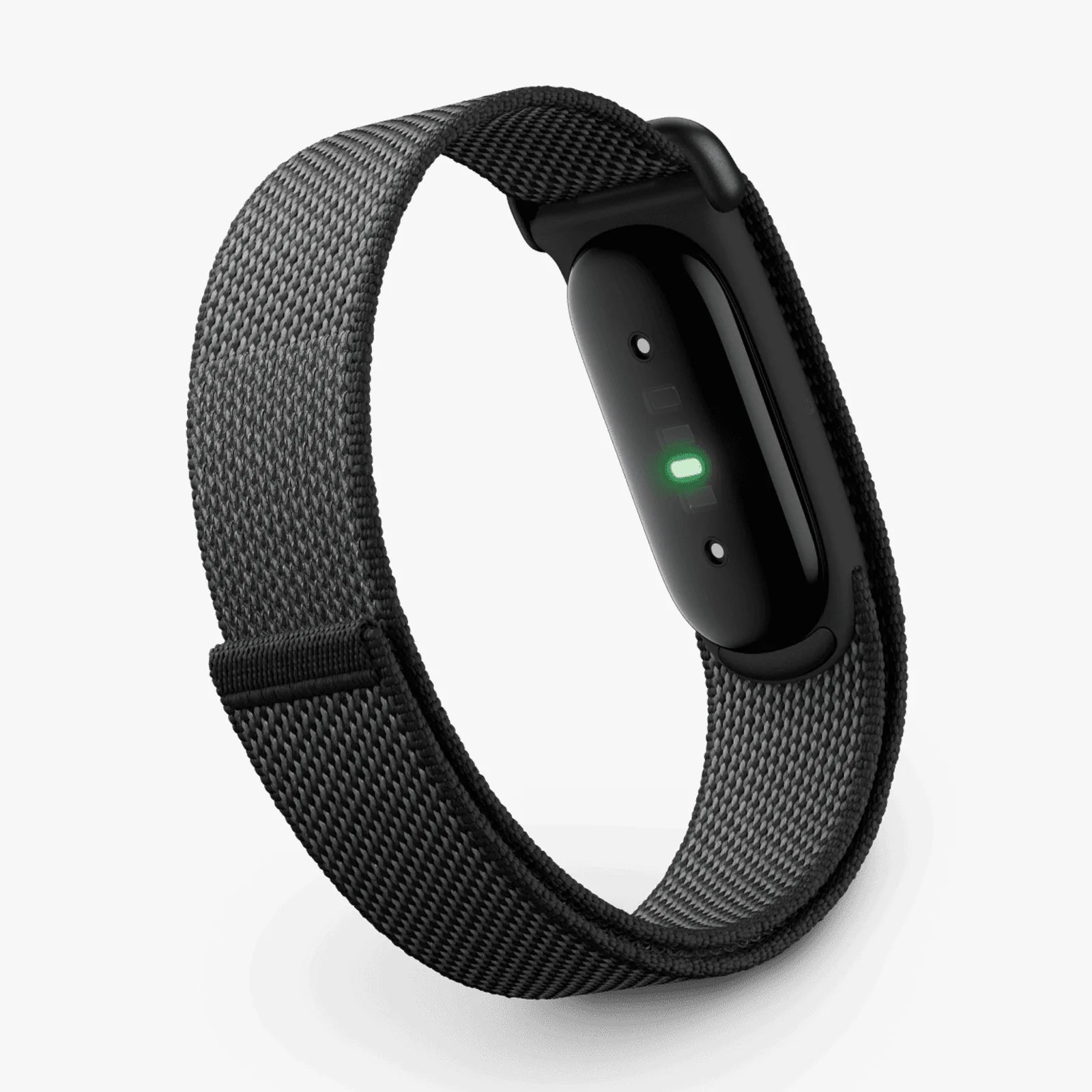
Black fitness tracker with green sensor light and woven nylon strap on a white background.
The Fitbit Air is the first new health tracking device from the now Google-owned wearable company in four years.
Google

Early reviews of the new Air have generally praised the hardware design, but also offered mixed opinions on the value and effectiveness of Google’s new Gemini-AI-powered Google Health Coach.

At least some independent reviewers and mainstream outlets have dinged Google’s Gemini-powered health coaching as often inaccurate, surface-level, and slow to act on your actual data. 

Owners of the Fitbit Air, as well as any other modern Fitbit devices, just received a new upgrade of sorts that directly addresses this weakness for anyone who’s willing to engage in a little tech legwork.

Beveling up
Google Health Integration text with colorful heart and black Fitbit logos linked by a green chain icon.
Bevel connects to Fitbit Air data through Google Health Connect, then returns personalized coaching based on your biomarker trends.
Bevel.Health

Bevel Health — a startup backed by a $10 million Series A led by General Catalyst — recently announced an integration with Google Health Connect that brings its AI-powered coaching layer directly to Fitbit Air users.

The powerful third-party solution that has quietly and quickly built a cult following in the wearable space for its hardware-agnostic approach to AI health data and coaching. 

The company detailed the integration in a YouTube video as part of a larger feature rollout, and the pitch is straightforward. Connect its app to the Google Health platform, then let Bevel synthesize biomarker trends and deliver coaching that feels more reactive to what your body is actually doing — closer to what Whoop’s platform does at its best.
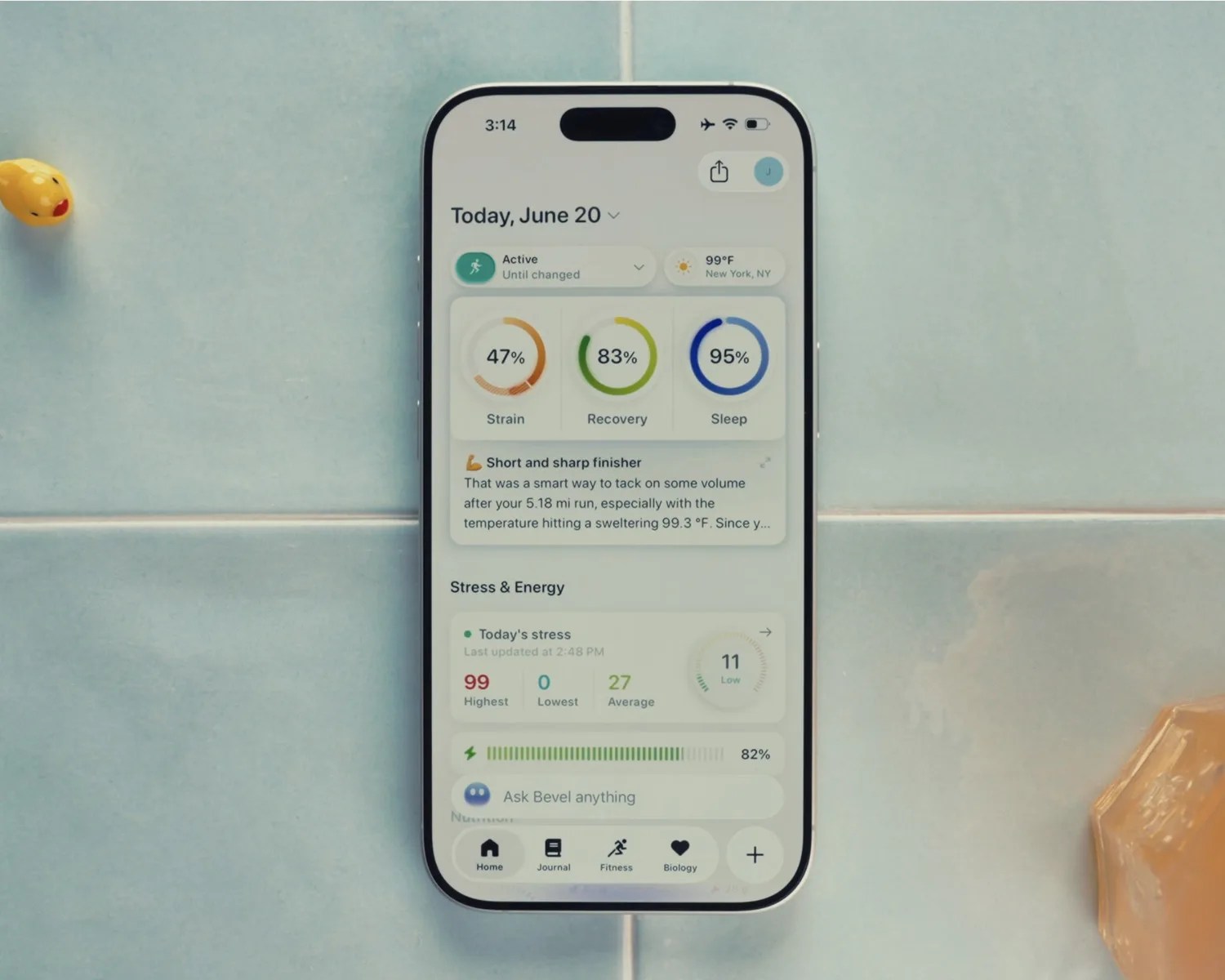
Smartphone displaying a fitness app with strain, recovery, and sleep stats on a tiled surface.
Gemini’s health coaching drew criticism for being too generic to act on, which happens to be a feature gap vs. Whoop that Bevel’s AI layer could effectively close.
Bevel.Health

The catch is set up friction. Getting this to work requires downloading and signing up for a separate app, authorizing Google Health Connect permissions, and ultimately trusting another third party, along with Google, which is still a startup handling your health data. That’s not nothing.

But early accounts suggest the payoff is real — particularly for users who found Google’s own Gemini’s coaching lacking.

And while even this particular combination of hardware and software may still fall short of everything the more premium Whoop has to offer, the fact that Whoop is currently suing Bevel over allegations detailed in its formal complaint signals, at minimum, that the established player sees Bevel as a threat worth fighting.
Availability and pricing

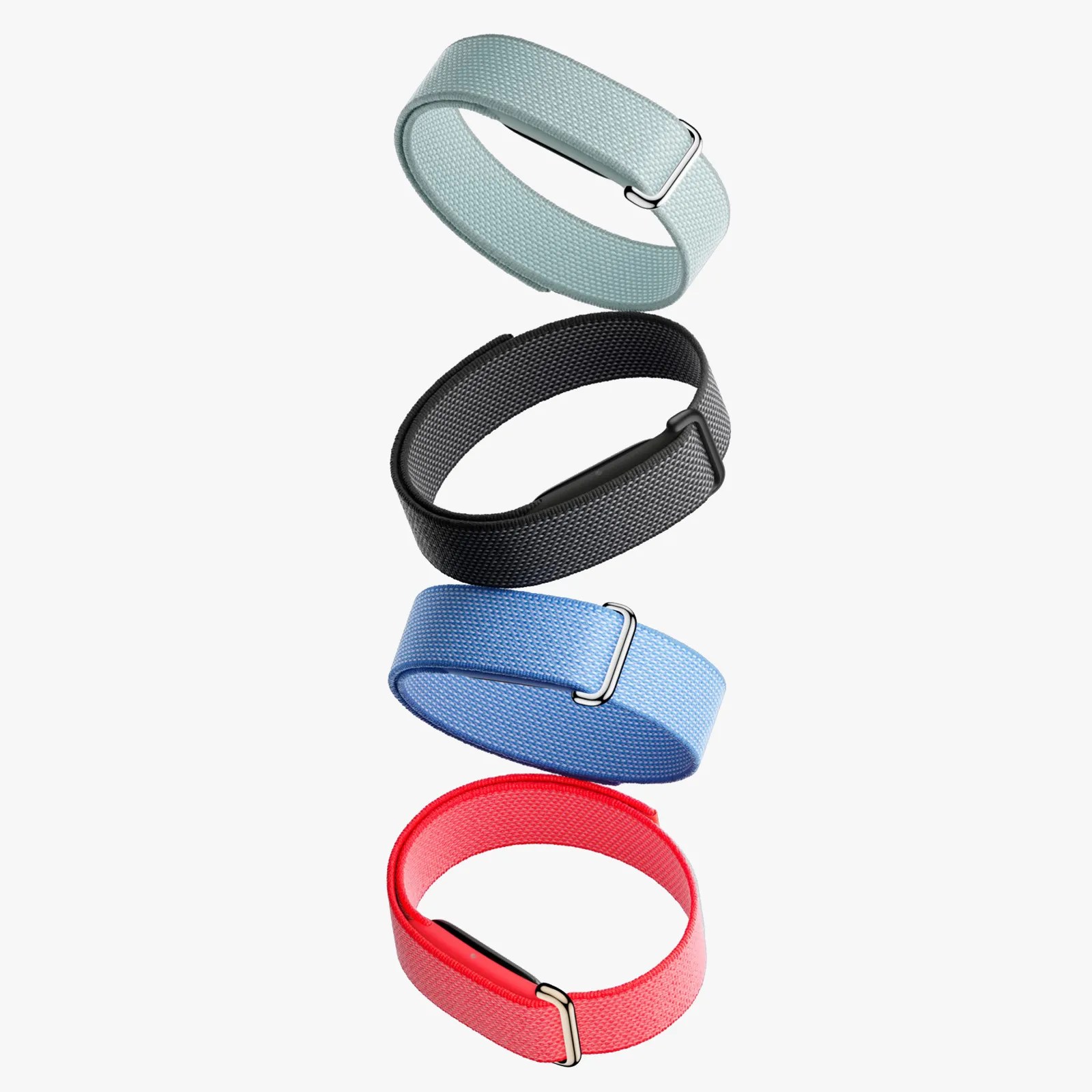
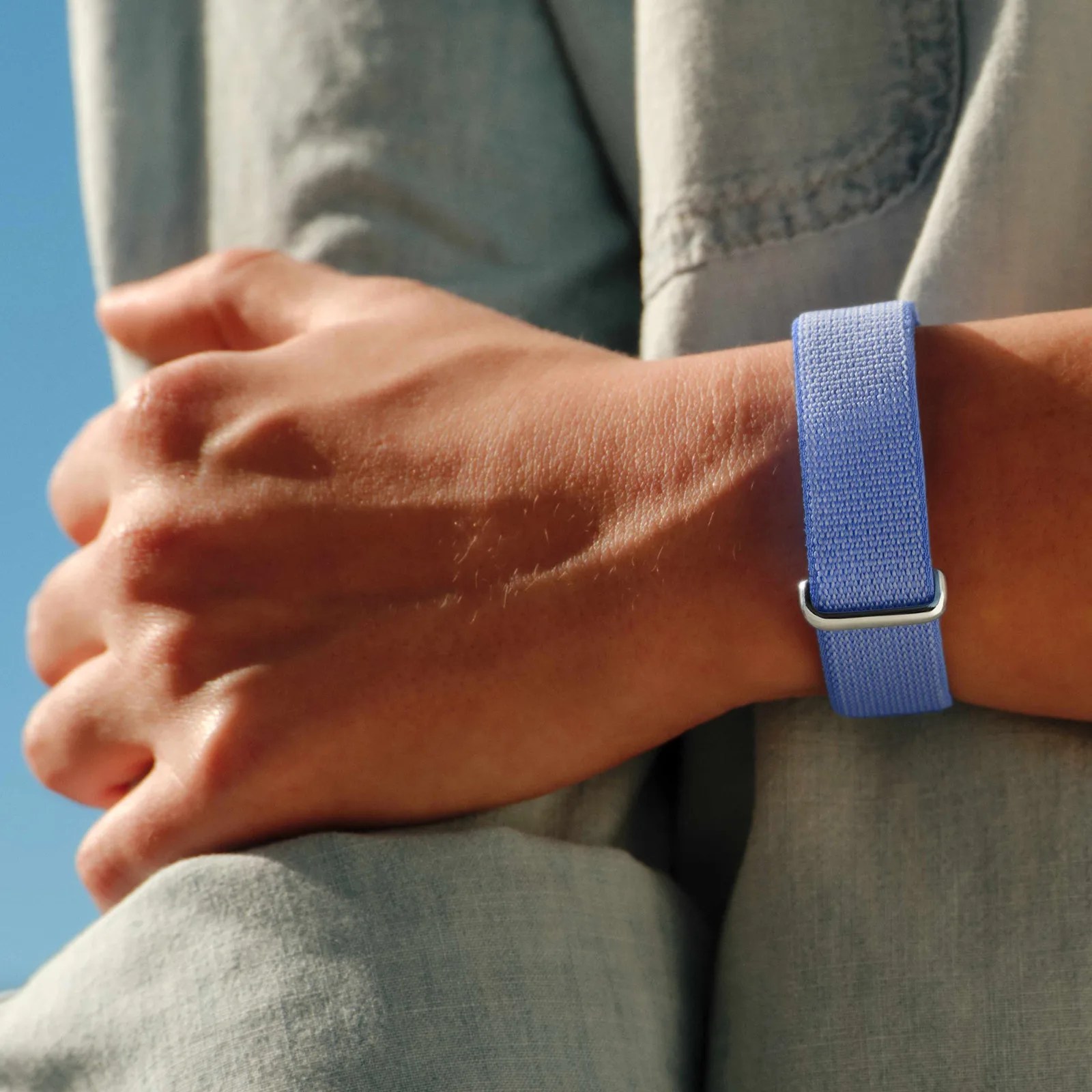
Close-up of a wrist wearing a light blue woven fabric strap with a silver metal buckle.
The Fitbit Air is noticeably thinner than the Whoop 5.0. It’s also significantly cheaper to puchase, especially for anyone hoping to use the device over the course of several years.
Google

Opting for this hardware-and-services combination also significantly shifts the value proposition for buying a Fitbit Air, especially for anyone unsure whether they’ll keep using it after the first 12 months. 

Bevel operates on a subscription model.  While a free tier is available, more capabilities are unlocked via a Pro Plan, which costs up to $15 a month if paid monthly, or as low as ~$8.33 if paid upfront for a full year ($100). 

As such, paying for the services’ pro-level features essentially doubles the cost of owning a Fitbit Air in the first year, since the device alone costs $100. 

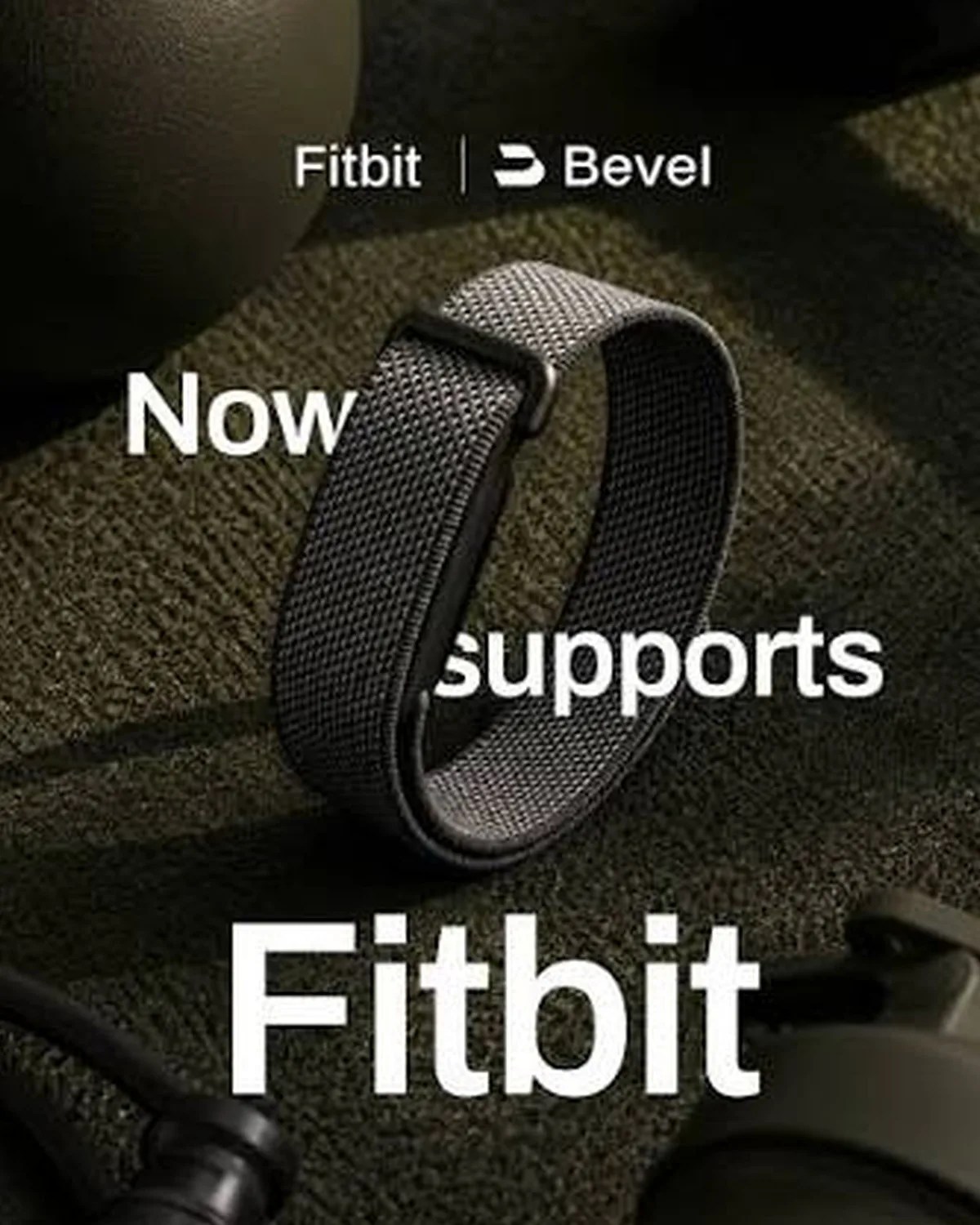
Black woven fabric Fitbit wristband on textured dark surface with partial text "Fitbit | Bevel" and "Now supports Fitbit.
Those who want to access the most advanced features of Bevel Health will need to pay for a Pro subscription plan, which costs $100 a year, a minimum, putting the total cost of using the Fitbit Air and Bevel’s Pro plan exactly in line with Whoop’s cheapest first year of service.
Bevel.Health

Still, Fitbit Air users who want the most advanced AI-health-focused features from Google directly would also need to opt into a $ 10-a-month Google Health Premium subscription.  

Whoop, by contrast, bundles its hardware and app capabilities into a single membership plan. Its entry-level plan, dubbed Whoop One, costs $199 and includes the Whoop 5.0 device and access to 12 months of the Whoop App, matching the price of the Fitbit Air + Bevel Pro subscription. 

Whoop owners will need to keep re-upping their full $199 One subscription every twelve months to keep using the tracker though, while Fitbit Air owners would only need to keep paying $100 to maintain their Bevel Health Pro subscription.

This makes the Pro Bevel Health subscription and Fitbit Air still noticeably more affordable over a few years of use for anyone willing to do a little extra configuration.

Want to stay up to date on the latest product news and releases? Add Gear Patrol as a preferred source to ensure our independent journalism makes it to the top of your Google search results.

add as a preferred source on google