
This Simple New Shoe Should Worry Crocs, Nike and Every Brand In-Between

The recovery shoe brand that pro athletes helped build just dropped its first open-back design — and it’s got potential far beyond locker rooms.

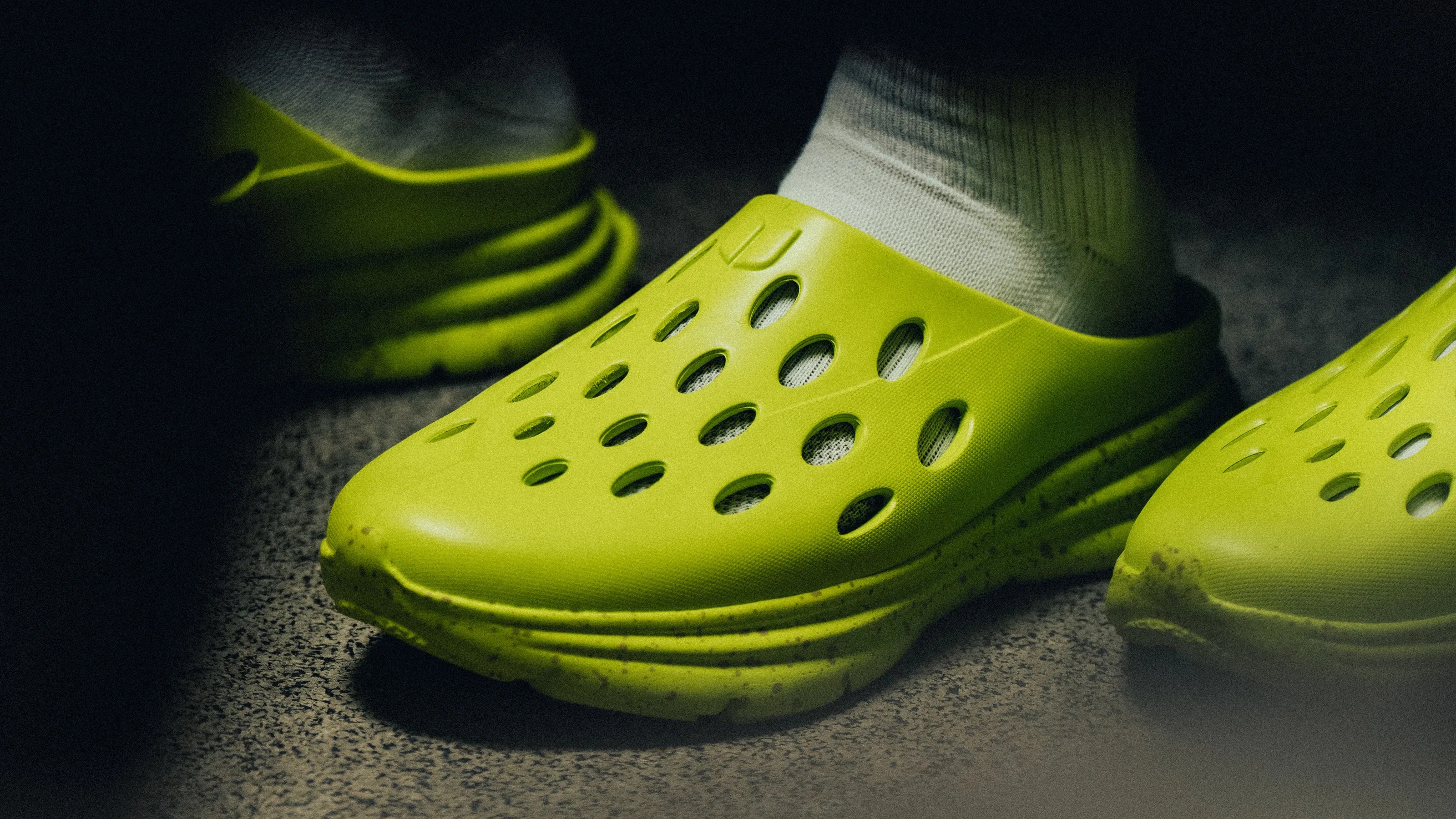
Bright yellow slip-on shoes with oval ventilation holes worn with white socks on a textured floor.Kane

If you buy from a link, we may earn a commission. Learn more

Recovery footwear used to mean one thing: a cheap foam slide tossed on after a workout. Comfortable enough, forgettable by design.

Kane Footwear has spent the last few years trying to change that.

Since launching in 2021, the Westport, Connecticut–based company has built its reputation around a simple premise: the shoes you wear between workouts should be engineered with the same seriousness as the ones you train in. The idea has struck a chord with pro athletes and everyday runners alike, helping Kane carve out a loyal following among people who want more than a generic locker-room sandal.

Now the brand is expanding that vision with the Revive OB (Open Back), its third distinct silhouette in just over four years — and arguably the most inevitable one yet.

Welcome to Power MovesDiving deep into the product and brand moves that can change where a category is headed. Discover more here.
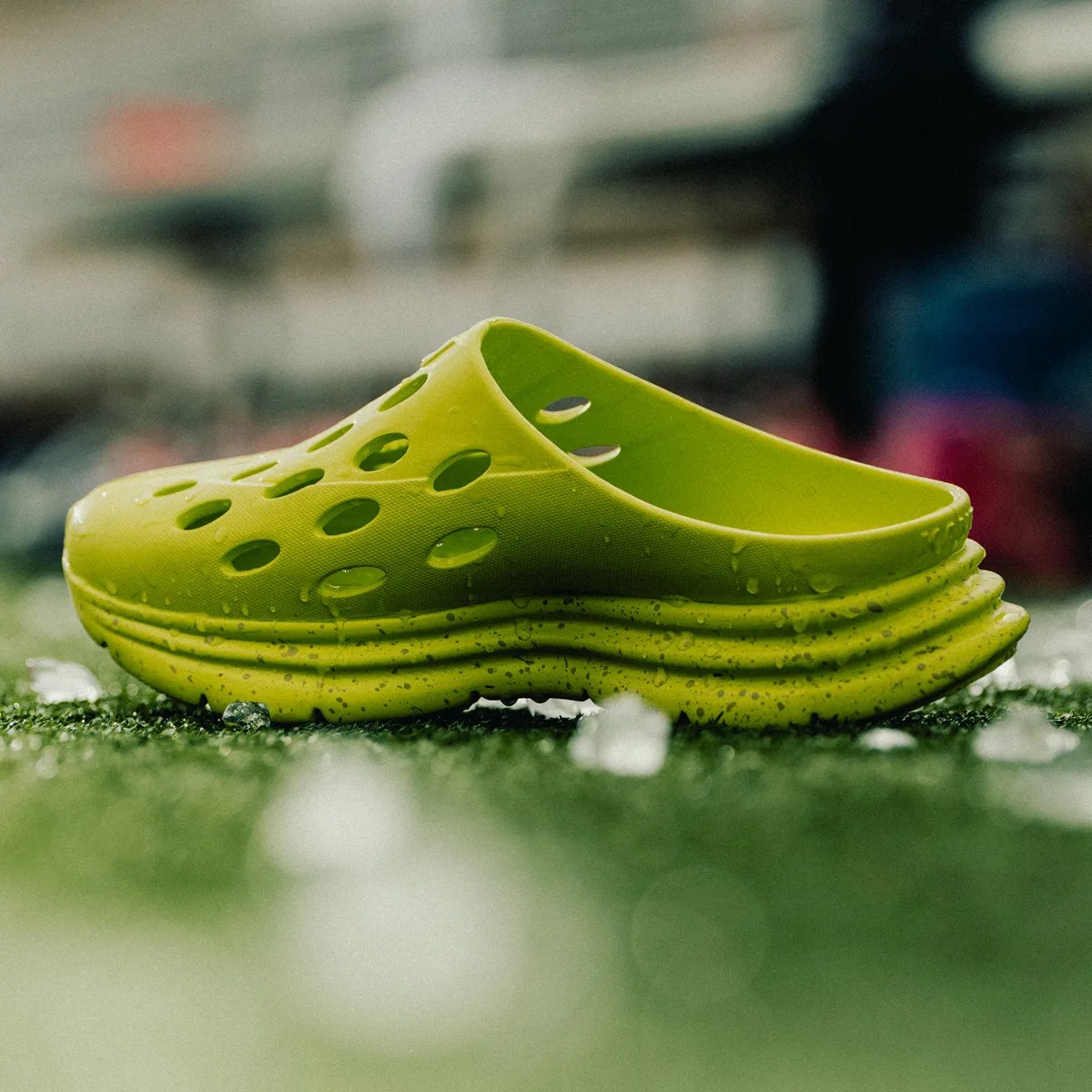
Bright green slip-on clog with multiple oval ventilation holes and a textured sole on grass.Kane

The open-back foam recovery mule isn’t Kane’s invention. The format has quietly become one of the most competitive corners of foam footwear, with brands like Hoka, Nike and Crocs all fighting for locker-room and airport-terminal dominance.

Hoka’s Ora Recovery Mule leans into sculptural futurism. Nike’s ReactX Rejuven8 looks like a beefier house slipper carved in a wind tunnel. Crocs’ Mellow Recovery Slide takes the simpler, budget-friendly route. Merrell’s Hydro Moc line was really devised with quick drying and water sports in mind.

Kane’s version appears to split many of these differences — pairing modern, athletic styling with the kind of recovery-focused engineering the brand has built its identity around. On paper, it’s a lane that could resonate not just with athletes coming off a hard training session, but with the much larger crowd that has decided comfortable foam footwear is simply how modern life should feel.

Not as simple as it looks

kane revive shoes
Our former fitness editor tested Kane’s original Revive shoe extensively, and while the new open backed version might look similar at first glance, the process of bringing it to market was more complex than you might expect.
Ben Emminger

The Revive OB is, at its core, a refinement of the original Revive — but the open-back design required more engineering than you might expect.

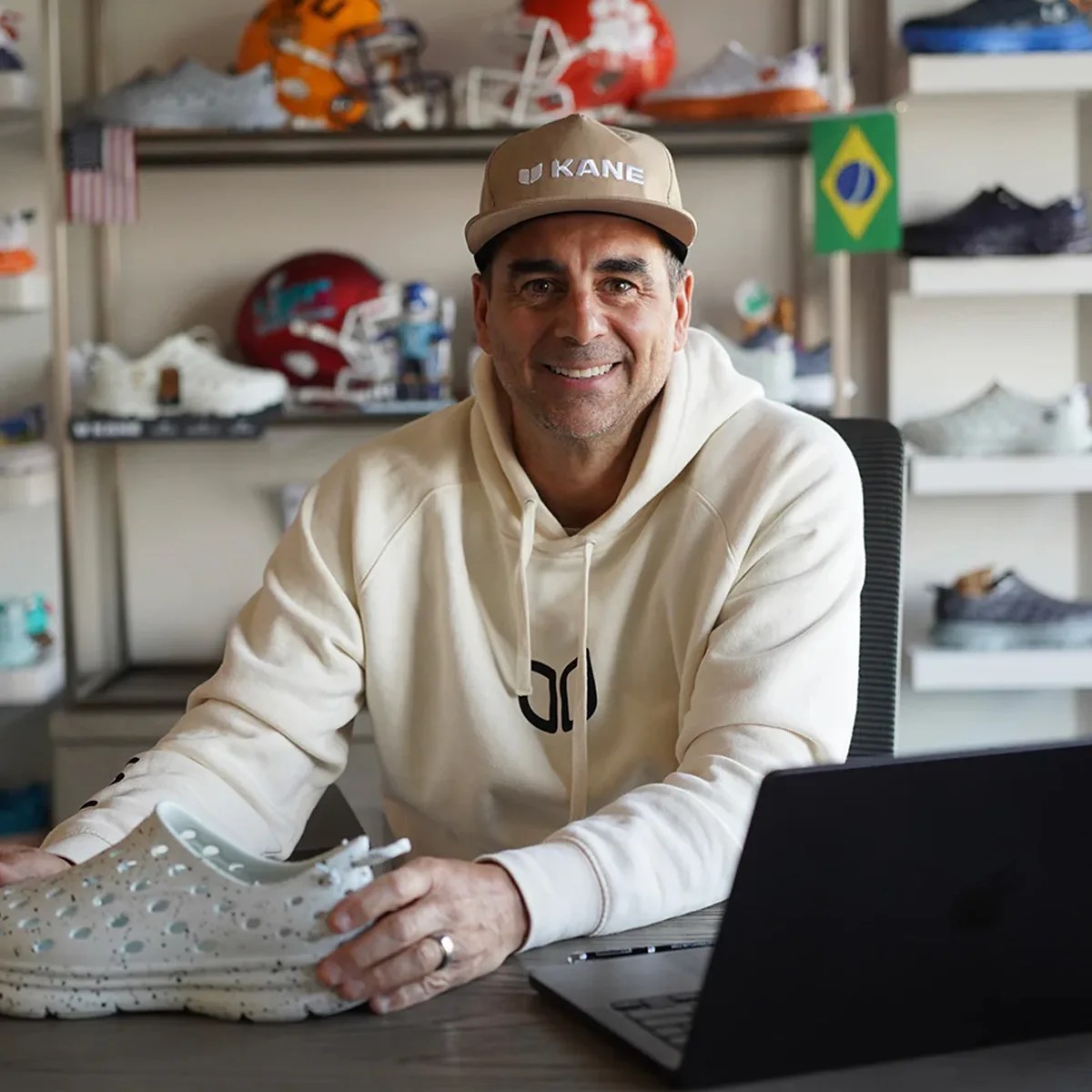
“You can’t just slice off the back,” Kane Founder and CEO John Gagliardi told us frankly in a launch day interview.

“We wanted it to have its own identity but stay in the same family, so we used the same molds for the base and the sole, but the upper is completely different. You’ve got to make sure these shoes are capturing your foot properly — it’s not that easy.”

The brand’s medical advisor and shoe designer, board-certified foot and ankle surgeon Dr. Daniel Geller, was brought back into the process to ensure that the open configuration still delivered legitimate recovery function.

From start to finish, the Revive OB development process took approximately 2 years.

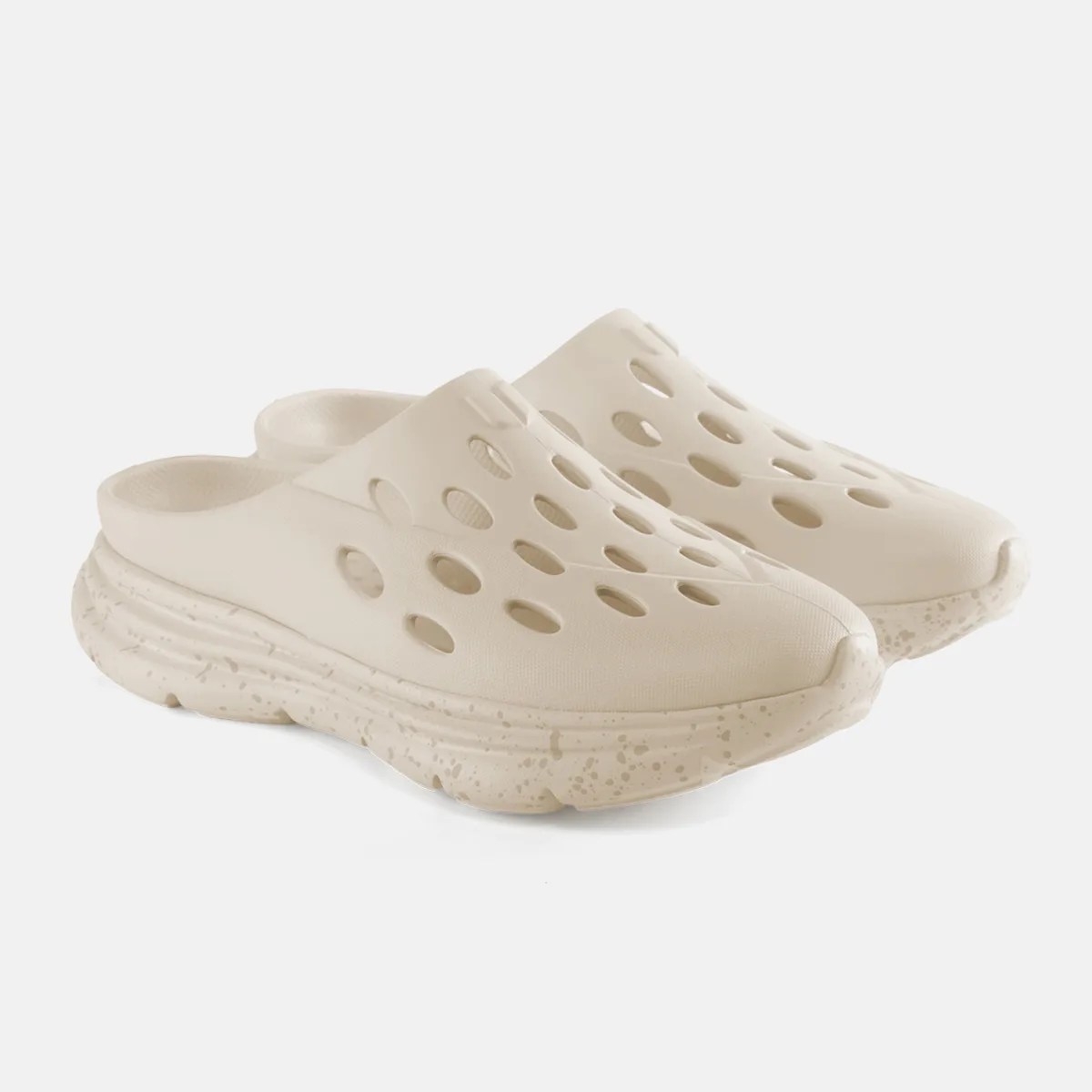
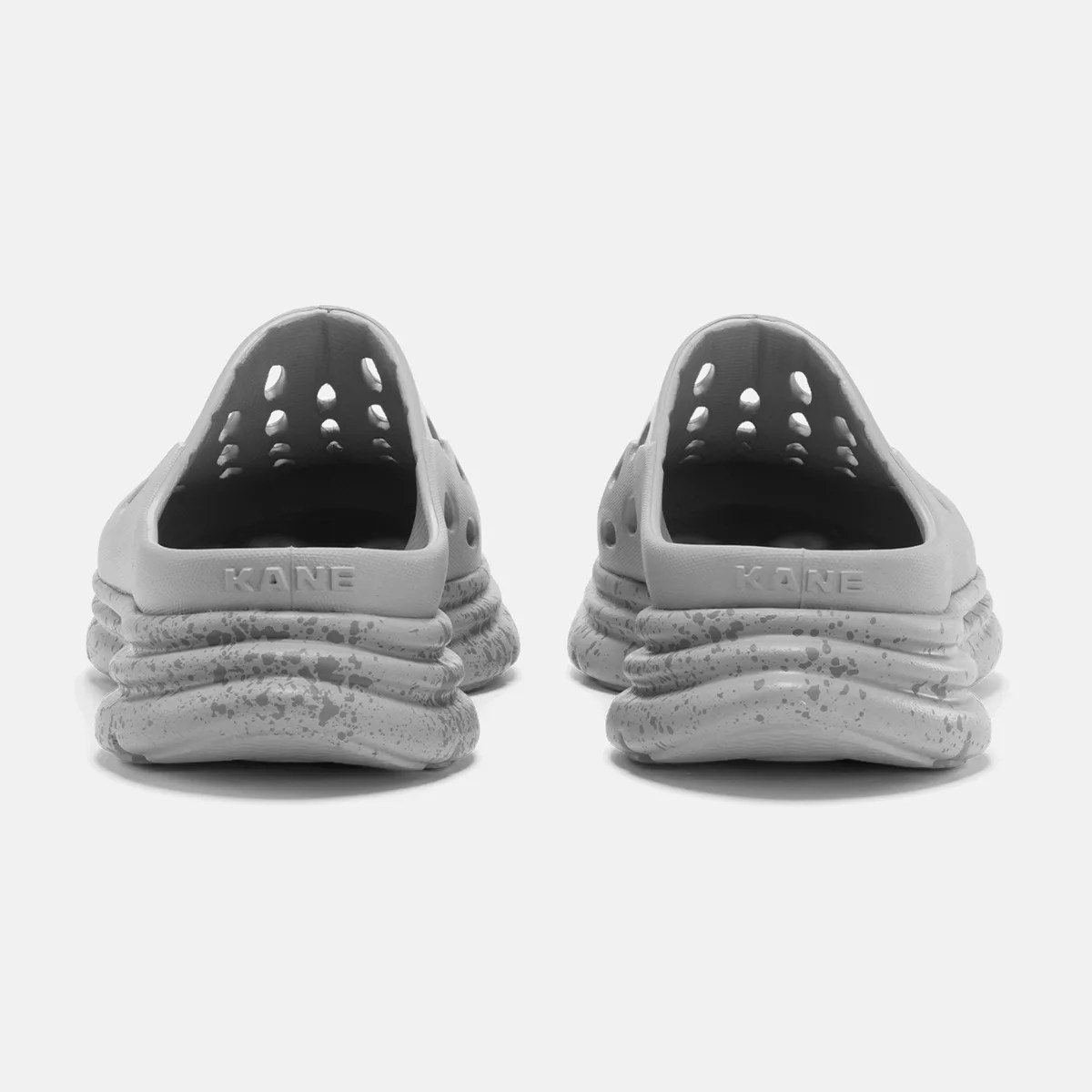
Pair of light gray slip-on shoes with perforated uppers and speckled, textured soles, viewed from the back.
Getting the height of the heel lip was a key focus during the development process, which required intensive testing to find the right balance between fit and ease of slipping the shoe on and off.
Kane

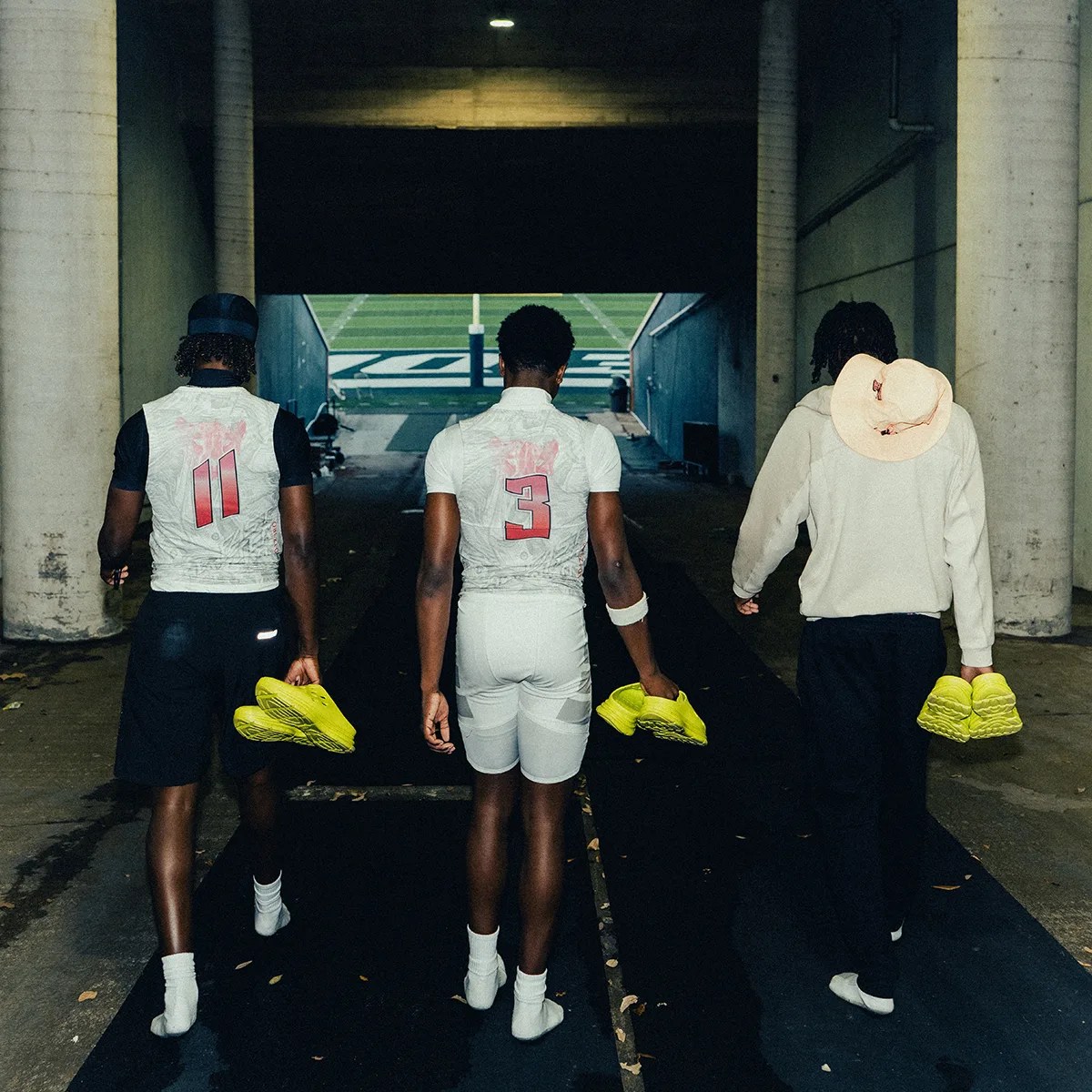
The origin story, as Gagliardi tells it, started in NFL locker rooms.

“We weren’t looking at footwear data or chasing the biggest category. This is coming from tier‑one pro athletes and what they’re asking for in the locker room,” Gagliardi clarified.

“In NFL locker rooms in California, we started seeing guys stepping on the back, even cutting out the back. They just wanted something they could slip on.”

– Kane CEO & Founder John Gagliardi


“In NFL locker rooms in California, we started seeing guys stepping on the back, even cutting out the back. They just wanted something they could slip on.”

That consumer behavior — players literally modifying their shoes — is what pushed Kane to build a dedicated open-back model rather than simply iterating on the existing Revive.

Man in beige hoodie and tan cap holding a white speckled sneaker at a desk with a laptop.
We had a brief chat with Kane Founder and CEO John Gagliardi on launch day, mainly to ask him what led the brand to finally create a product line extension that felt so obvious from the get-go. His response was eye-opening.
Kane

One of the key structural decisions to nail was heel design. Rather than leaving the back fully open like a traditional slide, the Revive OB features what in shoe design-speak is known as “semi heel capture” — a.k.a., a lip at the rear that provides enough stability to keep the shoe on your foot without requiring you to step in.

“You need enough capture so it doesn’t flip on you, but it still has to be easy to get in,” Gagliardi explained. Multiple height options were tested and shown to focus groups of athletes and everyday wearers before Kane landed on the current configuration.

Three athletes walking away in a tunnel holding bright yellow cleats, two wearing white sports uniforms with numbers 11 and 3.
A tipping point for the young footwear startup was seeing professional athletes step on the heels of their standard Revives, or even cut out the back to make them easier to slip on.
Kane

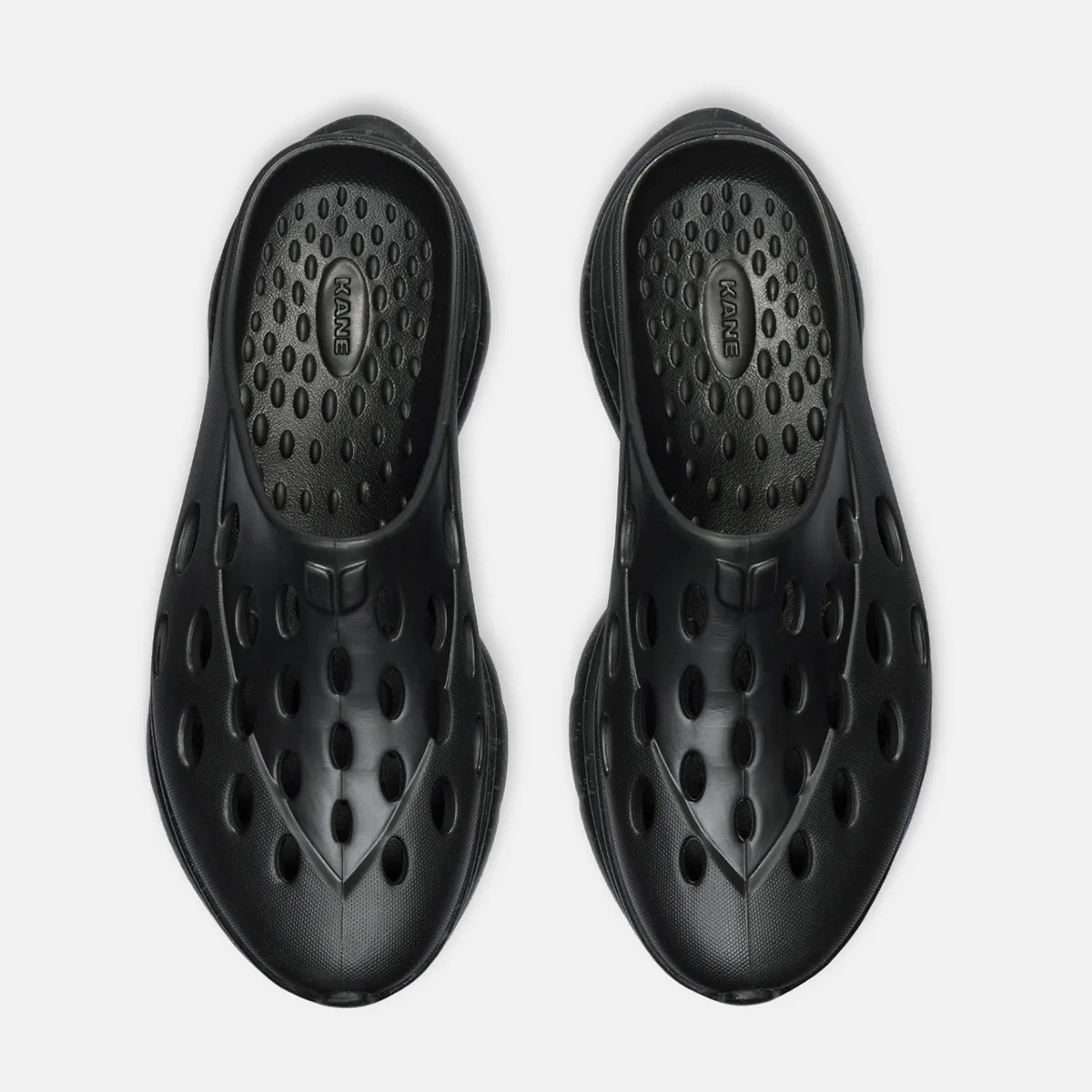
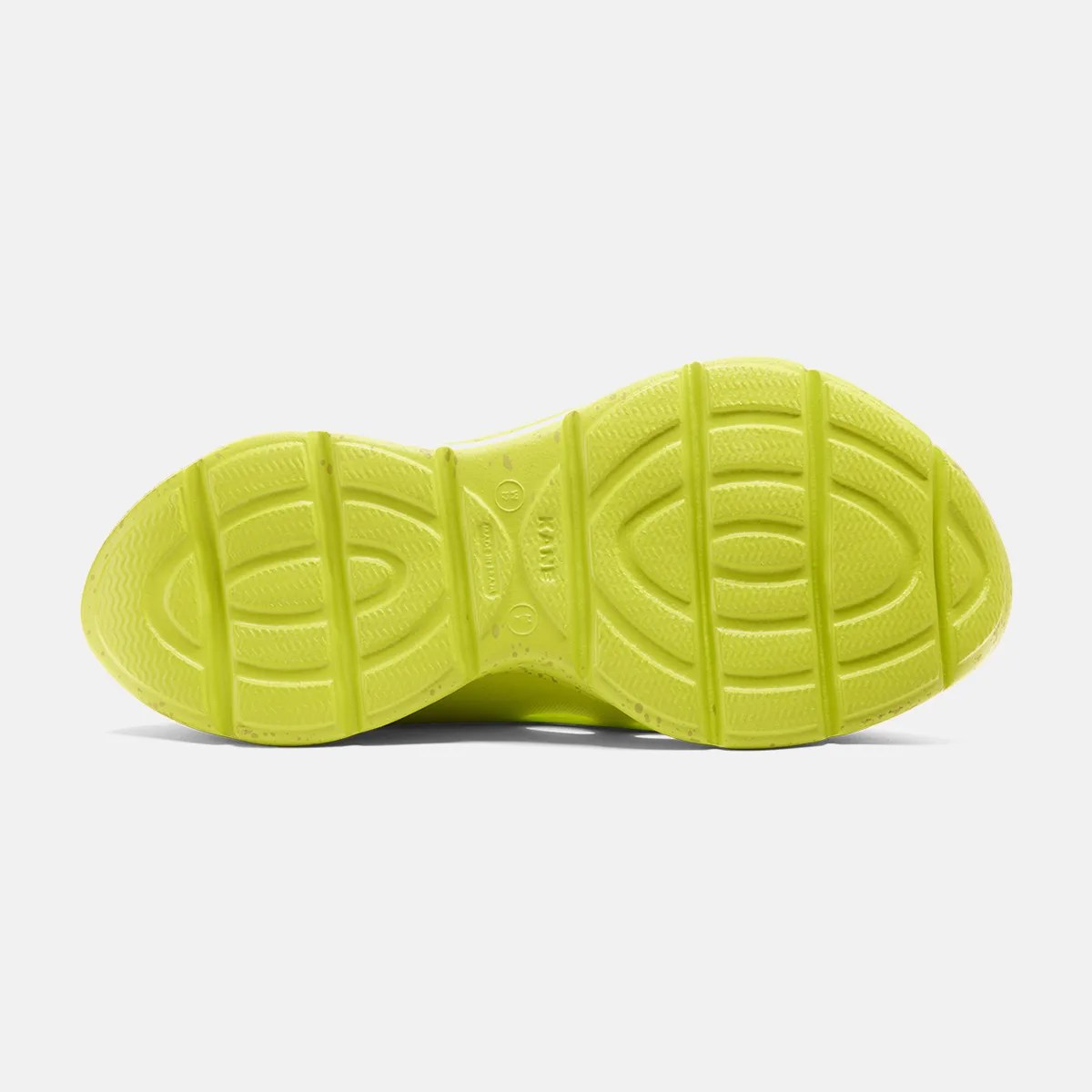
Beyond the silhouette, the Revive OB carries the same recovery-focused features as the rest of the Revive line: raised footbed nodes to activate blood flow, dual-density EVA construction for both cushioning and support, oversized channels and siped soles for grip and flexibility, and exterior perforations that act as interior channels for airflow.

The toe box remains closed — a deliberate decision. “Trainers and athletic staff tell us they don’t want players jamming their toes between games,” Gagliardi said.

That’s a meaningful distinction from a standard slide or open-toe mule.

Pair of black slip-on shoes with multiple oval ventilation holes and textured insoles labeled "KANE.
The larger and longer holes on the Revive OB are another design difference from the original Revive,
Kane

Kane also emphasizes its two-piece mold construction as a key differentiator from competitors that use single molds. A two-piece build allows the brand to dial in different foam densities for the upper and the base — softer on top where it contacts the foot, firmer below for stability and energy return.

Pricing and availability

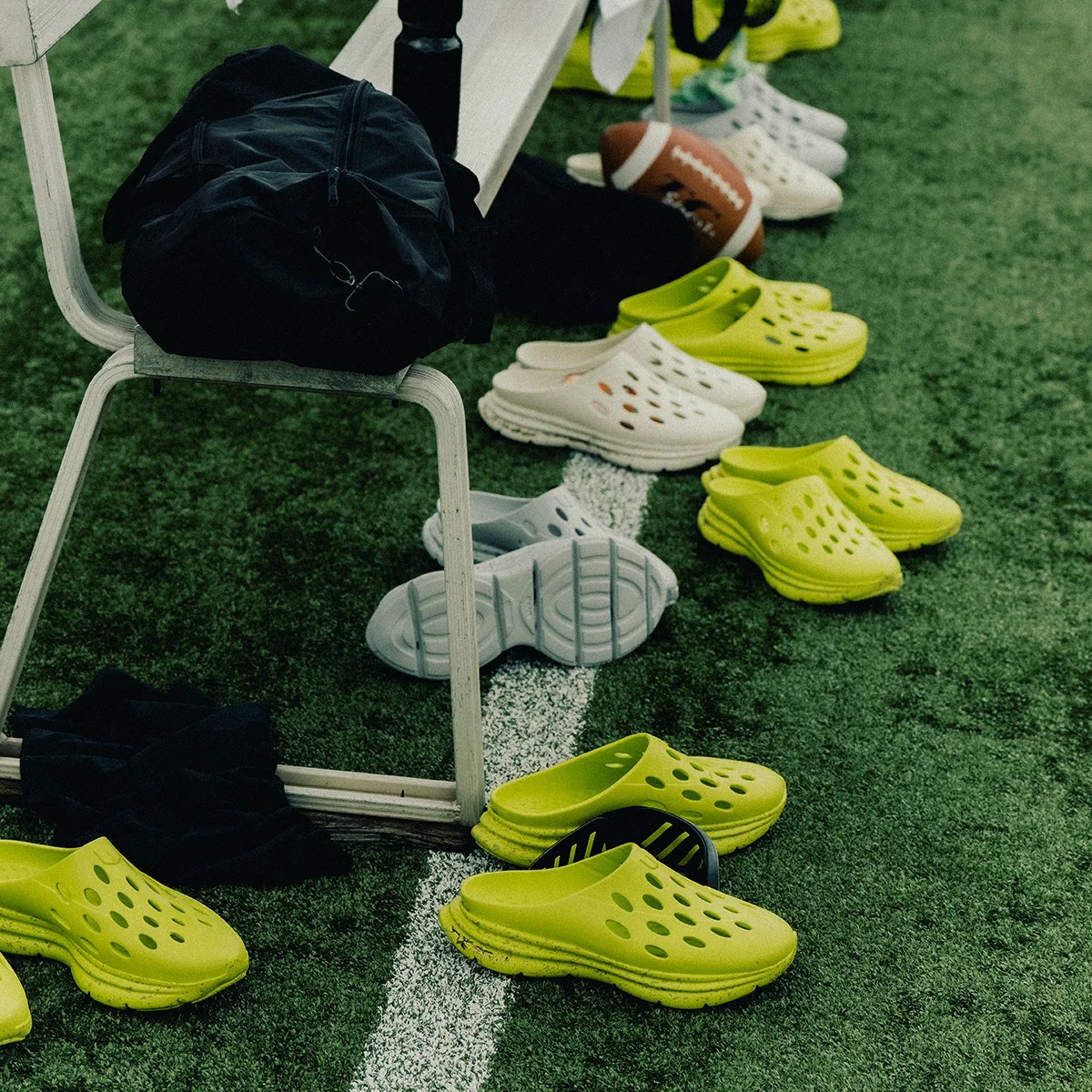
Pairs of yellow and white slip-on clogs arranged on artificial turf near a white bench with a black bag and a football.
The shoe has launched in a slate of four solid colored options, but if the original Revive is any indication, we’d expect a wide range of color options, including versions with different colored outsoles to hit the market sometime soon.
Kane

The Revive OB retails for $78 and is available now at kanefootwear.com. At launch, it arrives in four colorways — Bone, Stone, Black and Neon Yellow — with an unusually broad size run spanning men’s 3 through 17 (or women’s 5 through 19).

Like Kane’s earlier models, the shoe is fully water-friendly, making it equally suited to cold plunges, locker rooms and pool decks as it is to everyday errands.

But the bigger story here isn’t where you wear it — it’s who might end up wearing it.

Recovery footwear has quietly become one of the most competitive categories in modern casual footwear. The same foam silhouettes that started in training rooms now show up in coffee shops, airports and grocery store lines. That’s the world where brands like Crocs, Nike and Hoka have thrived.

Bright yellow-green rubber shoe sole with textured grip pattern and horizontal grooves.
If the Revive OB reaches its full potential, it won’t just compete in recovery footwear. It could start stealing the same casual wear moments that turned foam clogs and slides into one of the strangest and most successful footwear trends of the past decade.
Kane

Gagliardi, to his credit, isn’t ignorant of the possibility, even though serving the broader lifestyle market isn’t the brand’s north star. Kane’s already experienced the phenomenon once with the original Revive.

“All of a sudden Drake was wearing them in New York City, then Quavo, and it just became not only a sports thing but culturally acceptable as well,” he shared.

Like numerous other performance brands before it, making shoes for athletes first might be the true key to Kane’s ultimate broader appeal.

If the Revive OB reaches its full potential, it won’t just compete in recovery footwear. It could start stealing the same casual wear moments that turned foam clogs and slides into one of the strangest and most successful footwear trends of the past decade.

And that’s exactly the kind of development that should make everyone from Crocs to Nike pay attention.

Want to stay up to date on the latest product news and releases? Add Gear Patrol as a preferred source to ensure our independent journalism makes it to the top of your Google search results.

add as a preferred source on google
,