
Japan’s Coffee Brewing Icon Has Never Been This Advanced – or Controversial

The company behind the V60 thought it had found a smarter path to better pour-over coffee. Not everyone is convinced.

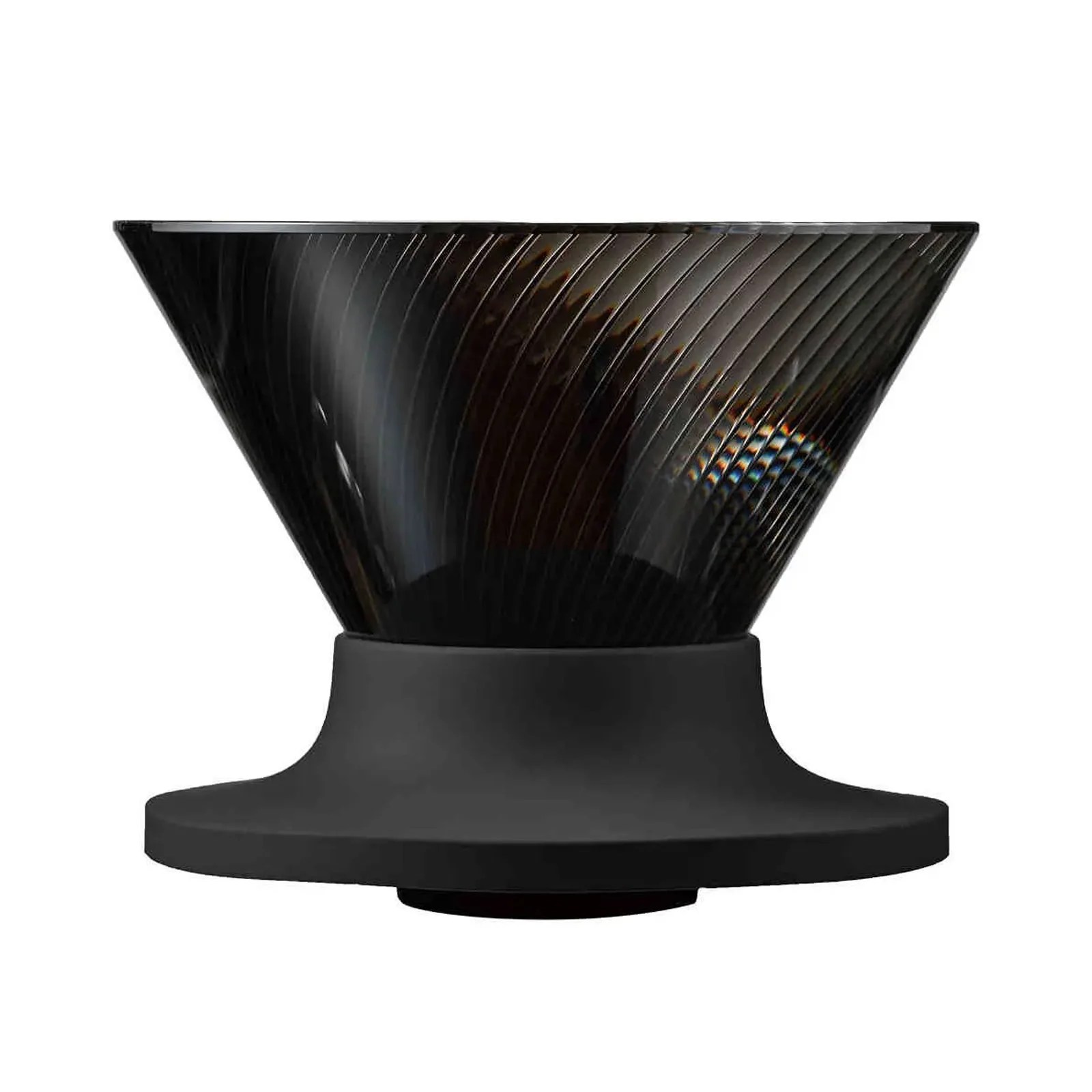
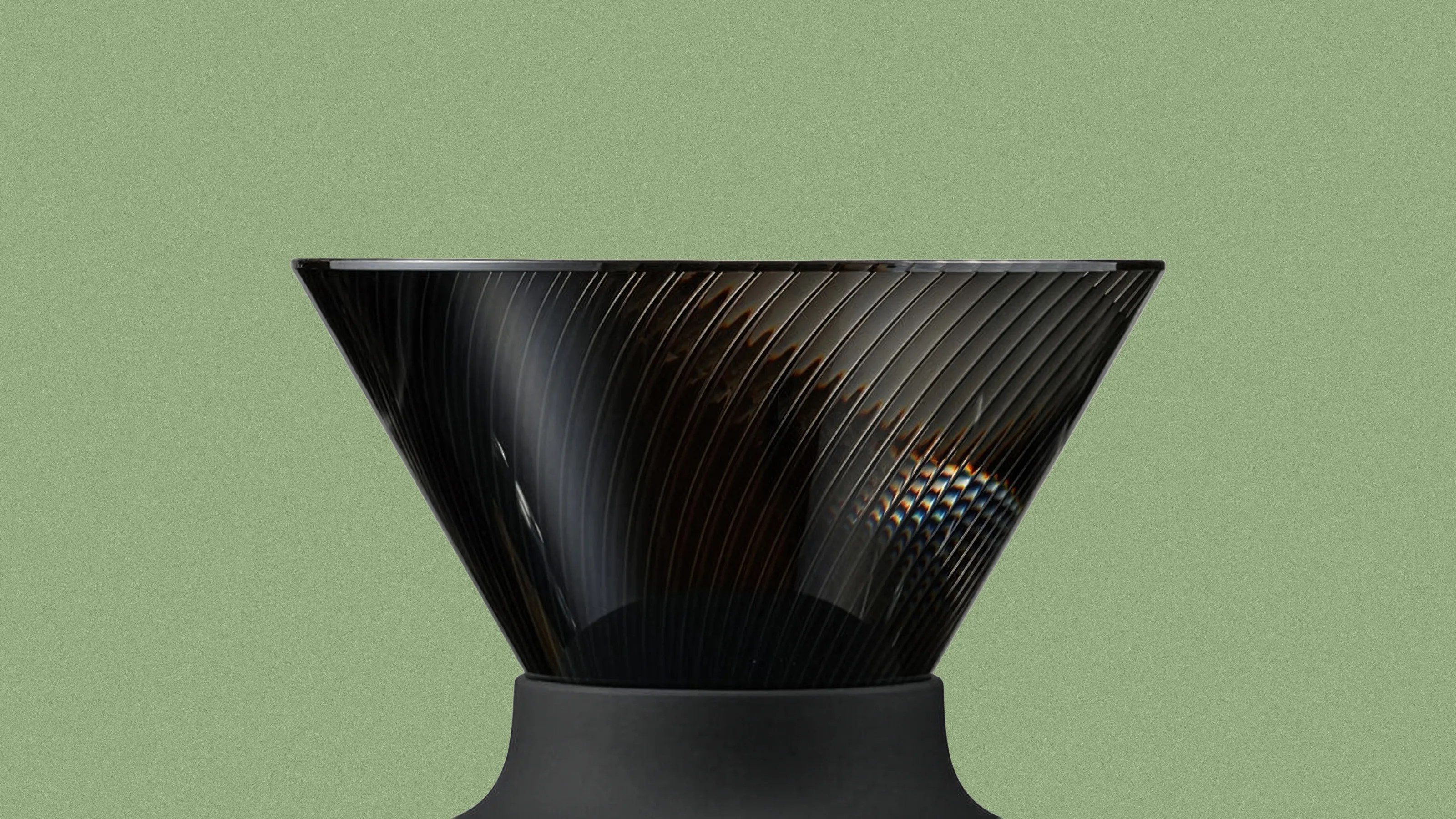
Black conical glass coffee dripper with spiral ridges on a green background.Hario

If you buy from a link, we may earn a commission. Learn more

Few pieces of coffee gear have achieved the near-universal respect of the Hario V60. Since its introduction in 2004, the cone-shaped brewer has become a staple of specialty coffee shops, championship brew bars and obsessive home setups alike, earning praise for the kind of precision and clarity that can make a great coffee taste revelatory. Even The Wirecutter’s coffee gear guide still frames it as one of the best options for advanced brewers willing to refine their technique.

That reputation is exactly why the arrival of the new Hario V60 Dripper NEO has generated so much discussion among coffee enthusiasts since its launch in Japan last year and its recent expansion into wider U.S. availability.

Faster, but different
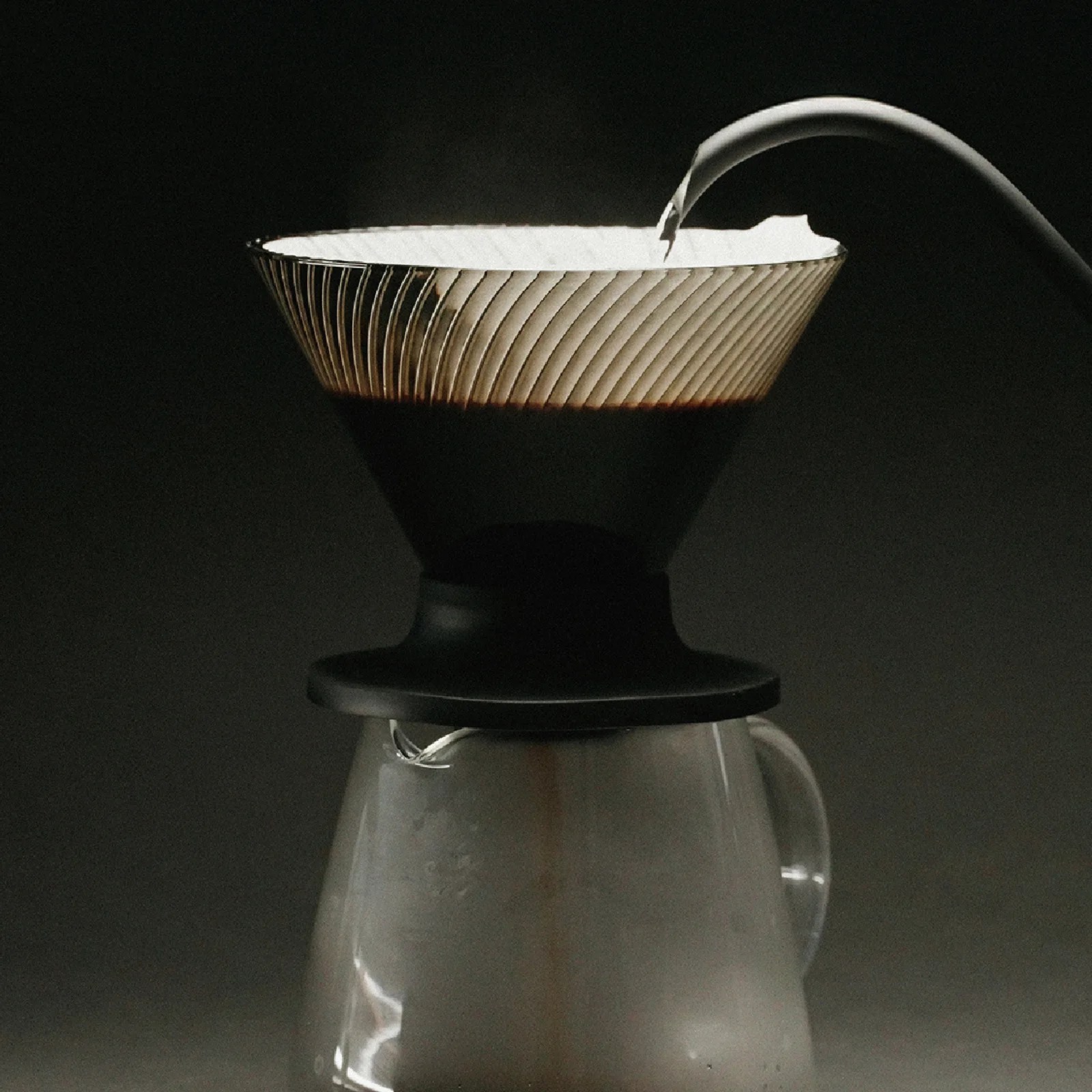
Glass coffee carafe with black lid and a ribbed coffee dripper on top, with water pouring from a gooseneck kettle.
The V60 Neo may shave seconds off brew times, but the bigger change appears to be how it reshapes the final cup.
Hario

On paper, it sounds straightforward enough: take one of the world’s most iconic pour-over brewers and make it faster, more forgiving and easier to extract from.

The brewer has already earned some early industry validation too, with the V60 Neo winning a 2026 iF Design Award for its updated interpretation of one of coffee’s most recognizable brewing tools.

In practice, though, the Neo has sparked a surprisingly divided response from the coffee community, now that it’s been on the market for months.

Some users see it as a meaningful refinement, at least in certain brewing situations. Others think it softens some of the very characteristics that made the original V60 special in the first place.

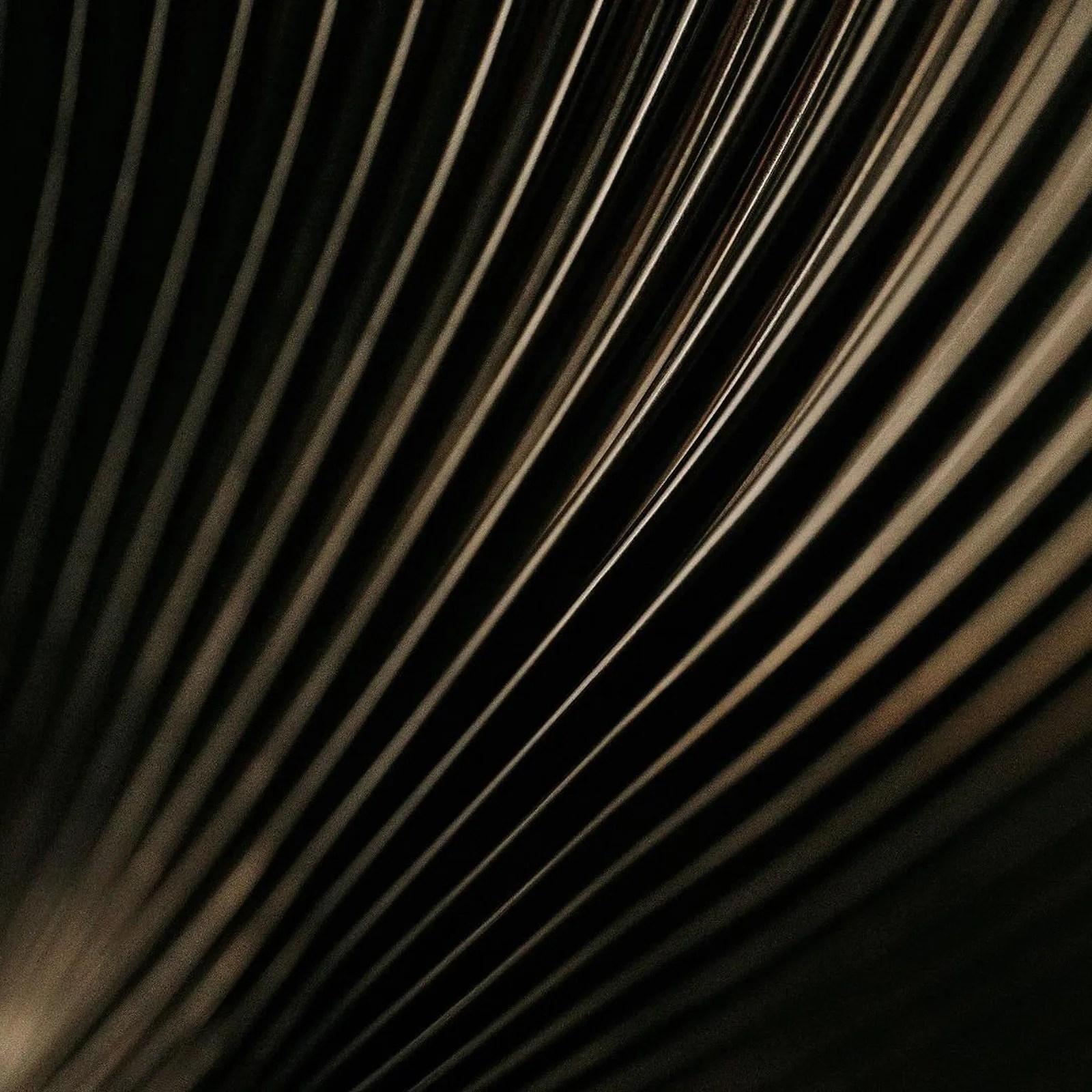
Close-up of a spiral pattern with black and white curved lines radiating from a bright, flower-shaped center.
Hario’s new V60 Neo keeps the iconic cone shape intact, but radically increases the number of internal grooves to speed up drawdown and alter extraction.
Hario

The Neo’s most obvious design change is its dramatically expanded internal rib structure. Compared to the original V60’s relatively sparse spiral ridges, the Neo introduces a denser pattern of grooves intended to increase airflow and promote faster drawdown during brewing.

According to Hario’s own product announcement, the redesign aims to create a quicker flow rate while improving consistency. Reviewers who have tested the brewer generally agree that it does move faster than a standard V60, though perhaps not by the dramatic margin some buyers expected.

In both a hands-on YouTube review and an in-depth write-up from the niche outlet Lowkey Coffee Snobs, testers found the Neo consistently brewed quicker than a standard V60, but often only by seconds rather than transformative amounts of time.

Another video review comparing the Neo directly against the original brewer reached a similar conclusion: the difference is noticeable, just not revolutionary.

Part of that speed increase also appears tied to a greater emphasis on bypass, the brewing phenomenon where water partially avoids the coffee bed rather than fully extracting through it. In coffee circles, bypass can be a loaded topic because it often changes body, texture and flavor clarity in noticeable ways.

That tradeoff has become one of the Neo’s defining points of debate.

In a growing number of Reddit impressions and community reviews, users describe the Neo as producing cleaner, lighter and more tea-like cups. Others argue that it reduces some of the acidic “punch” and intensity associated with a traditional V60 brew. One redditor described the Neo as simply presenting coffee “differently” rather than necessarily better.

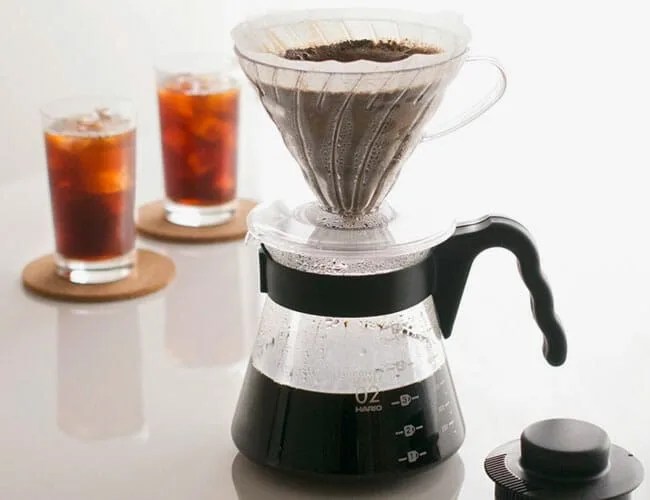
Hario-V60-4-Piece-Pour-Over-Set-gear-patrol-lead-feature
The original V60 became a specialty coffee icon by rewarding precision. The Neo appears more interested in accessibility and consistency.
Hario

That distinction matters because the original V60’s appeal has always stemmed in part from the control it gives experienced brewers. The Neo appears designed to flatten some of that learning curve while simultaneously nudging the resulting cup profile in a softer direction.

For some drinkers, that’s a feature. For others, it feels like sanding down part of the V60’s personality.

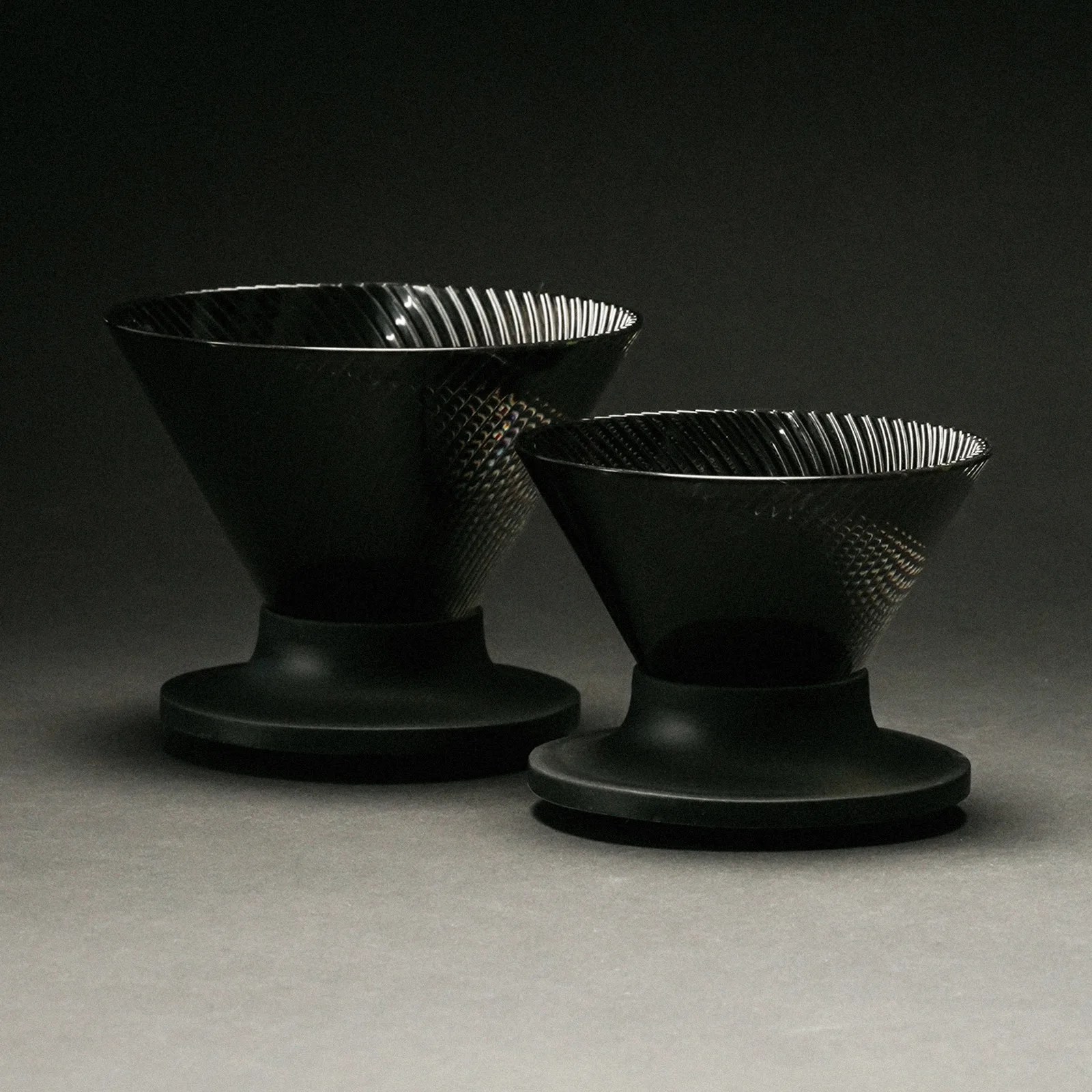
The material choice has also generated discussion. Unlike ceramic or glass V60 variants that many enthusiasts prefer for aesthetic, thermal or durability reasons, the Neo is currently made from ABS resin. While the tougher construction arguably makes it more travel-friendly and less fragile than other versions, some coffee hobbyists still prefer to avoid plastic entirely in their brewing setups.

Two black conical coffee drippers with ribbed interiors on black bases against a dark background.
The V60 Neo’s ABS resin construction makes it lighter and tougher than many ceramic pour-over setups, though not every enthusiast is sold on the material.
Hario

None of this means the Neo is a failure. If anything, the opposite may be true. The broader consensus emerging from reviews is that Hario didn’t accidentally make a bad V60. It made a different one.

For brewers chasing lighter extraction profiles, slightly faster workflows or a more forgiving pour-over experience, the Neo may carve out a very real niche. But the mixed reactions also suggest that the classic V60’s place in coffee culture is probably safer than ever.

Availability and pricing

Close-up of dark brown and black palm leaf veins with light highlighting the ridges.
At roughly $24 from Hario and around $30 through Amazon resellers, the V60 Neo remains a relatively affordable experiment for curious coffee obsessives.
Hario

The Hario V60 Dripper NEO is now easier to buy stateside after once being sold exclusively in Japan. Pricing currently sits around $24 directly from Hario, while Amazon listings hover around $30, depending on the reseller.

That relatively modest price tag makes the Neo an unusually low-risk experiment for curious coffee drinkers. Even if it doesn’t dethrone the original V60 for most enthusiasts, it may still prove compelling enough for brewers interested in seeing how small changes to a familiar design can meaningfully reshape the final cup.

Still, what happens next could ultimately define the Neo’s long-term reception far more than this initial launch. If Hario proves that the updated flow dynamics genuinely make brewing more forgiving and consistent without sacrificing cup quality, future versions in materials like glass or ceramic could dramatically soften skepticism from the enthusiast crowd. In that scenario, the Neo may eventually come to be seen less as a compromise to the V60 formula and more as the next meaningful evolution of it.

Want to stay up to date on the latest product news and releases? Add Gear Patrol as a preferred source to ensure our independent journalism makes it to the top of your Google search results.

add as a preferred source on google