
One of Honda’s Most Controversial Rides Is Reborn as a Street-Legal Three-Wheeler

The spirit of the brand’s genre-defining ATC lives on in the form of a modern (and much more accessible) three-wheeled vehicle.

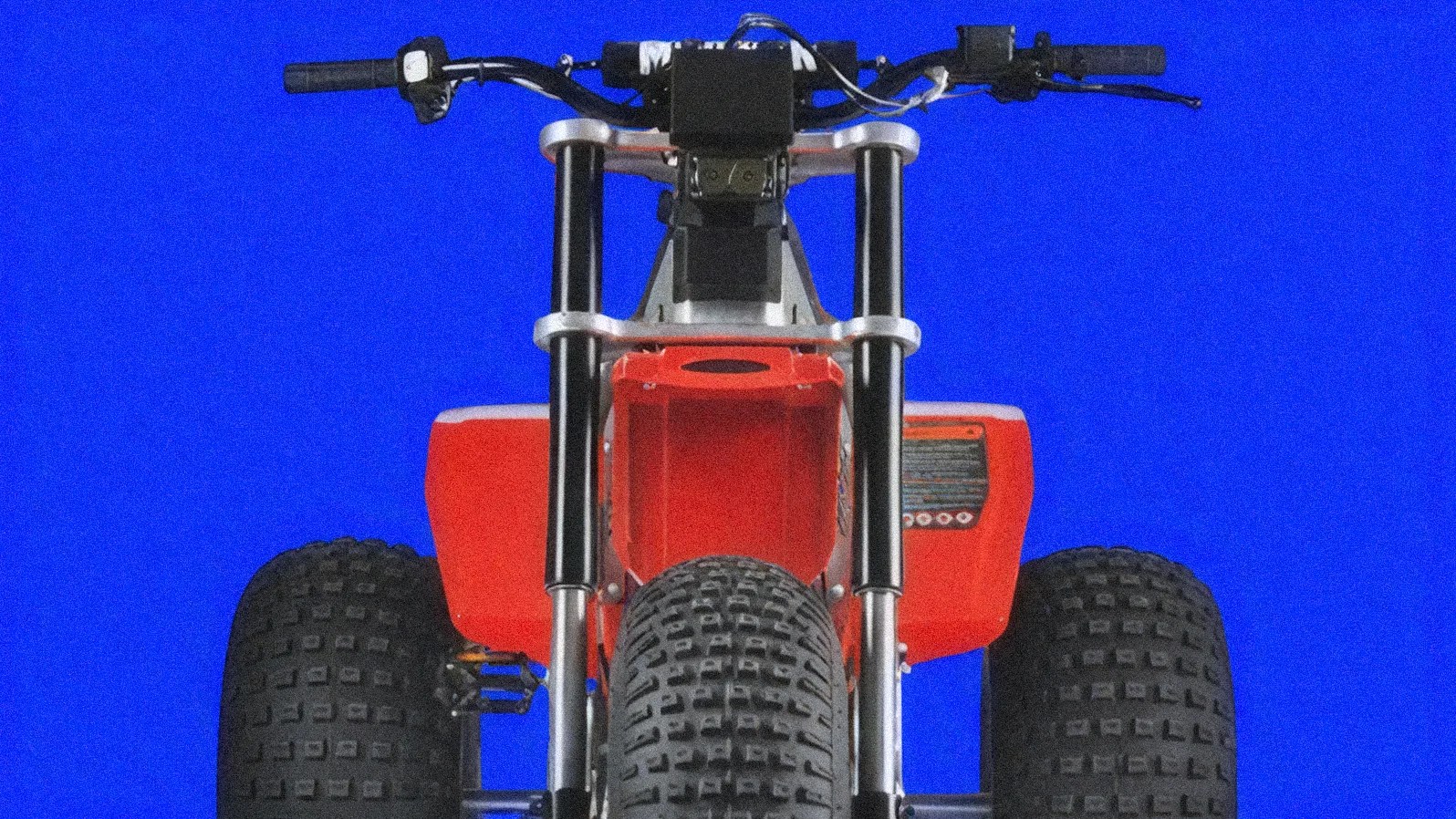
Front view of a red three-wheeled ATV with large knobby tires and black handlebars against a blue background.Mini RCR

If you buy from a link, we may earn a commission. Learn more

While most people picture a four-wheeler when they think of an ATV, the category is far more diverse than quads. Some of the earliest examples in the segment rolled on six wheels; from those initial efforts, many manufacturers adapted three-wheeled designs.

Honda was the first mainstream brand to do so, launching the US90 (later renamed the ATC) in 1970 to win Americans over during the winter months when it was too cold to ride motorcycles. The big-tired trike proved immensely popular in its day, and it inspired a sea of imitators before safety concerns eventually brought an end to the fun.
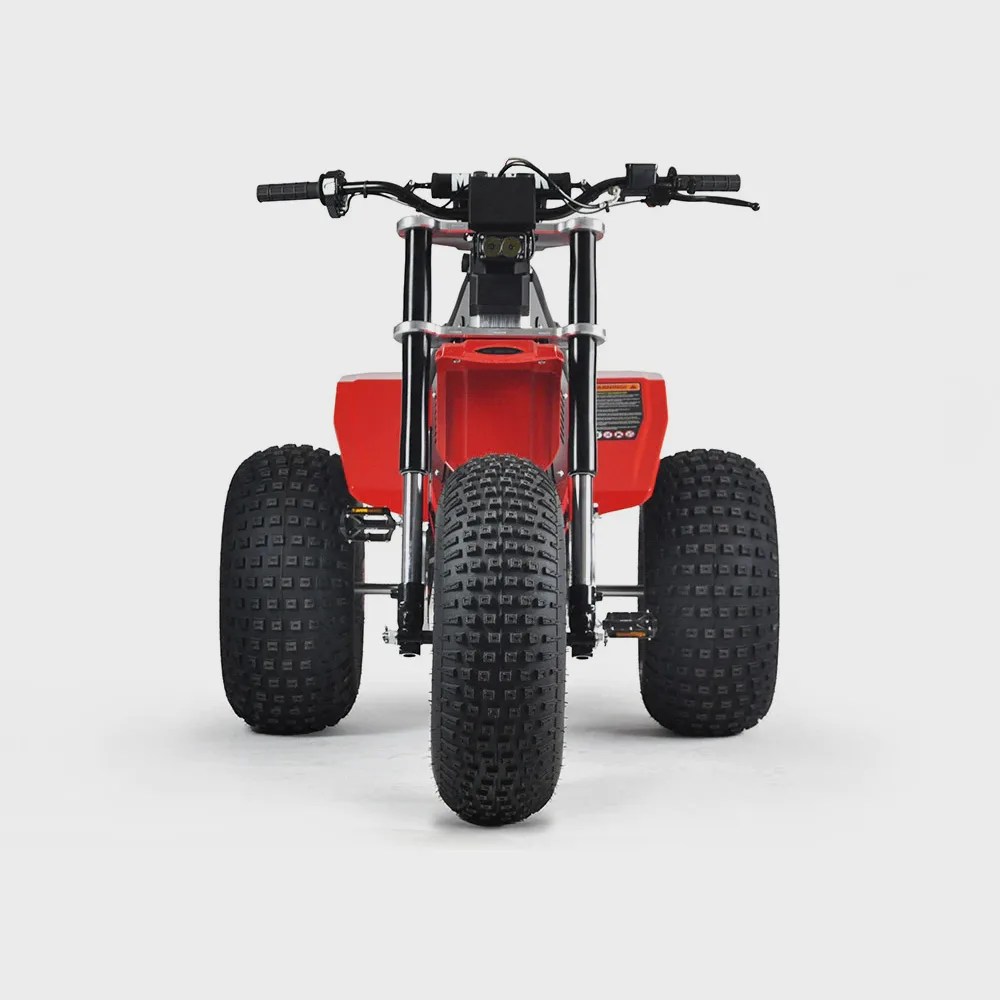
Red three-wheeled ATV with large knobby tires and black handlebars on a white background.
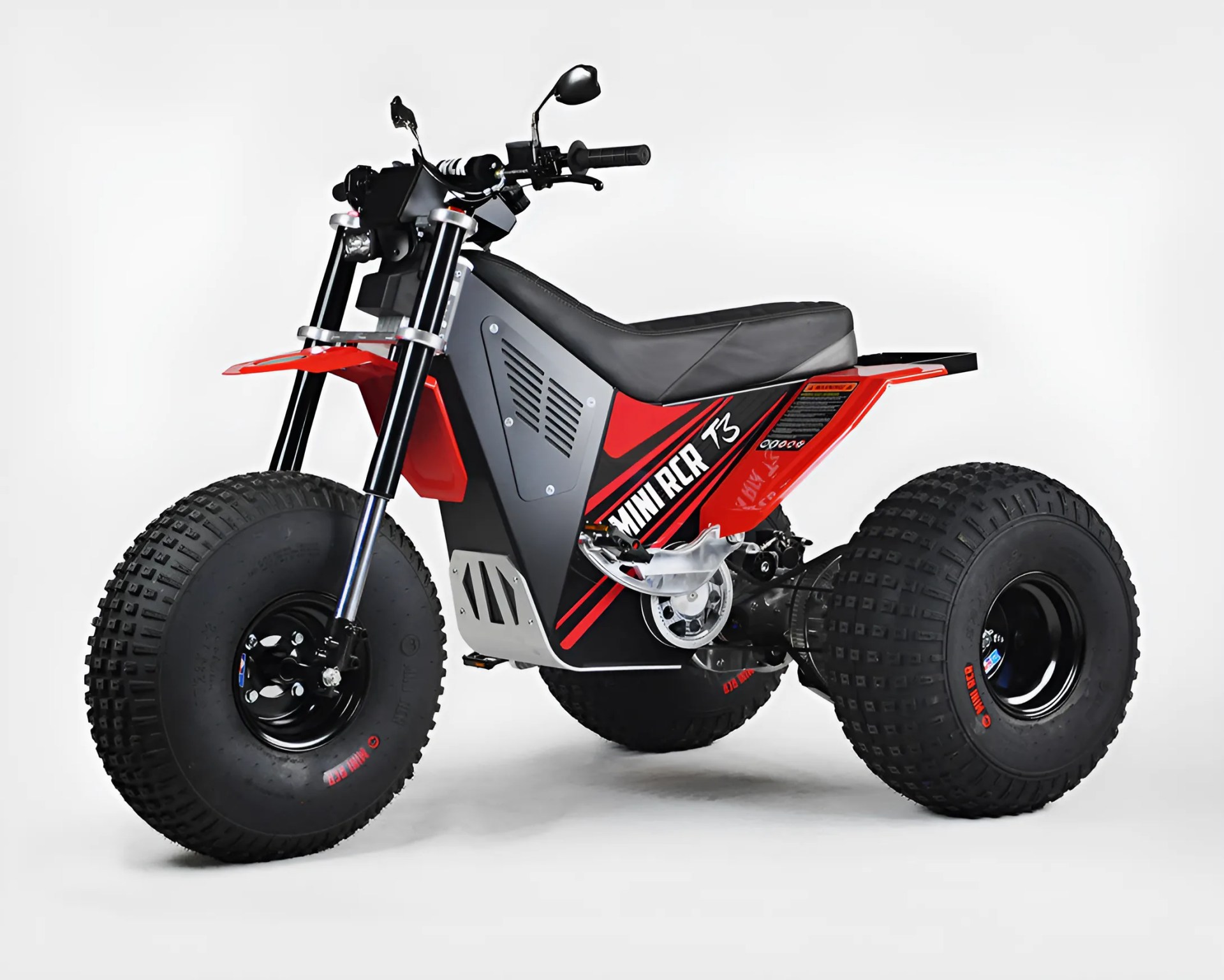
The Mini RCR T3 revives the three-wheeled ATV format for the modern day.
Mini RCR

Now, there’s a new three-wheeler that carries the spirit of its winged predecessor. This time, however, it doesn’t wear a Honda badge.

An ATC-inspired Class 2 E-bike

It’s called the T3, and it’s the product of an Arizona-based company known as Mini RCR. With many classic three-wheelers now being rare, expensive and/or in disrepair, founder Jon Roberts decided he wanted a modern alternative.
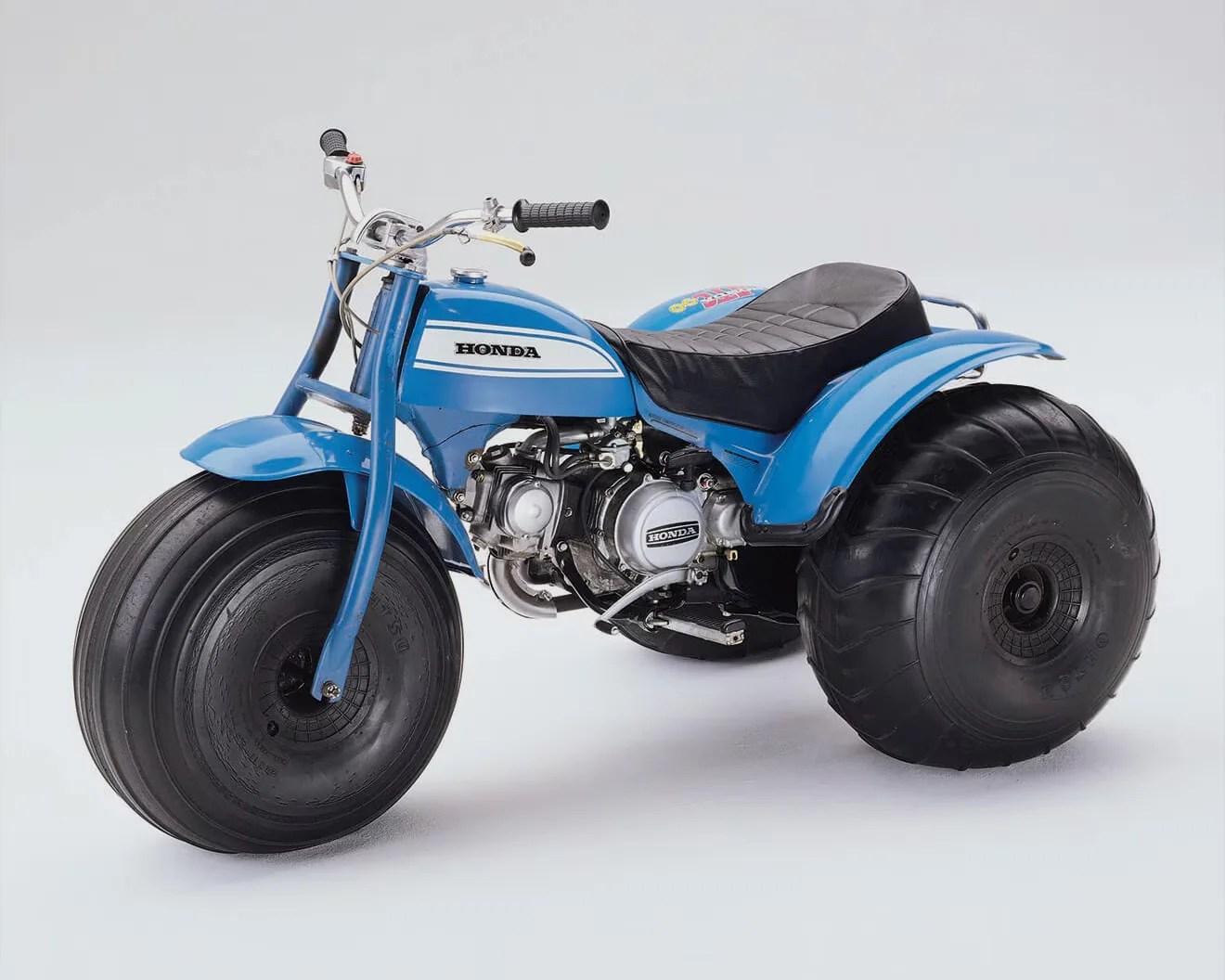
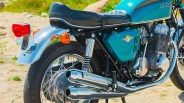
Blue Honda three-wheeled mini bike with large black tires and a black padded seat.
Big tires took the place of conventional suspension on Honda’s ATC90.
Honda

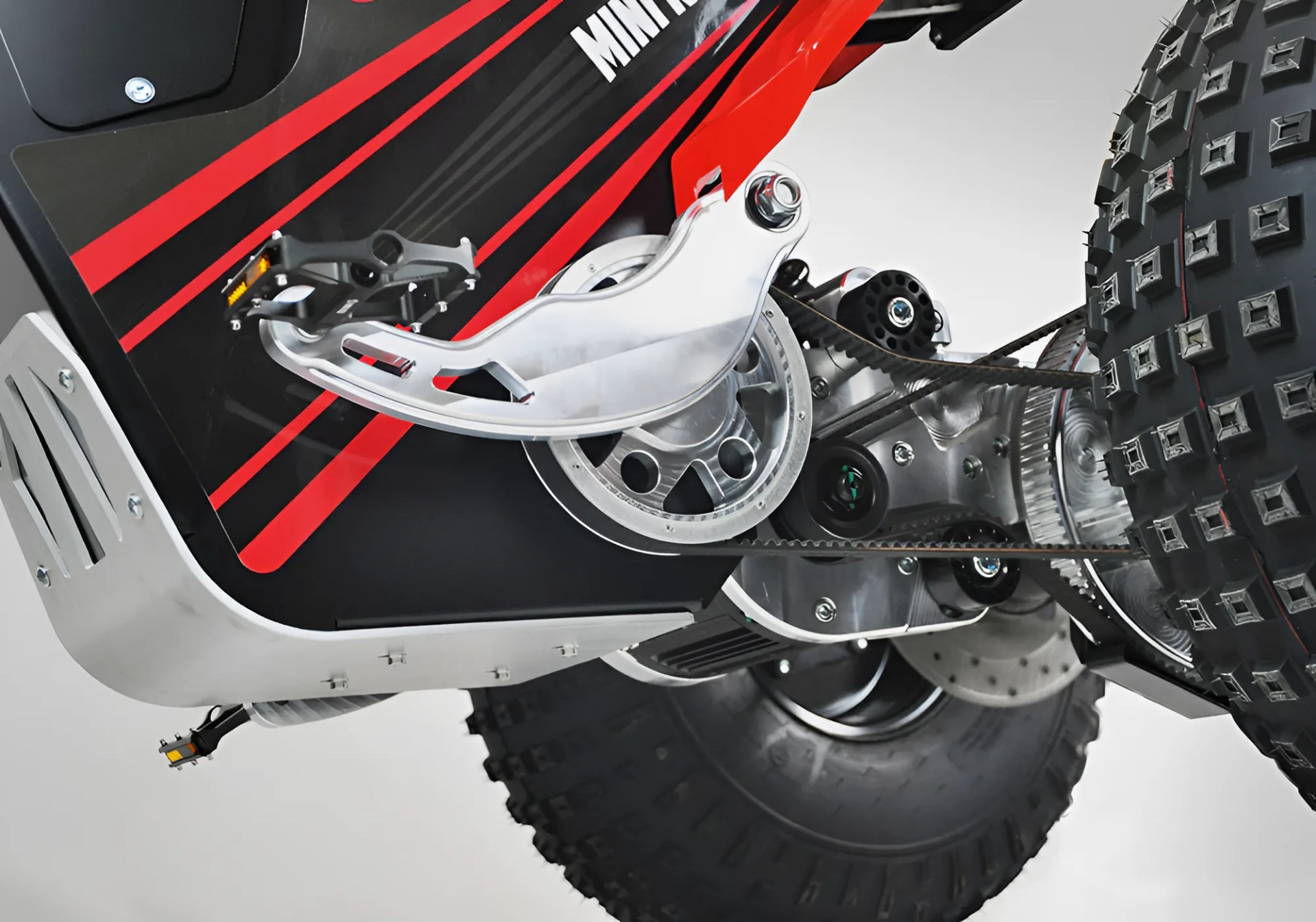
However, rather than designing the T3 to be an ATV like its Honda predecessor, he instead worked to have it certified as a Class 2 E-bike. Accordingly, the three-wheeler features a centrally mounted 750-watt electric motor and a pair of drop-down pedals for assistance.

Per Mini RCR, this means that the T3 is good for a top speed of 20 mph, with a claimed 4-hour range and a total charge time of five hours. It rides on a set of 28-inch forks up front with a 13-inch adjustable shock at the rear, and the tires are, of course, appropriately oversized all around.

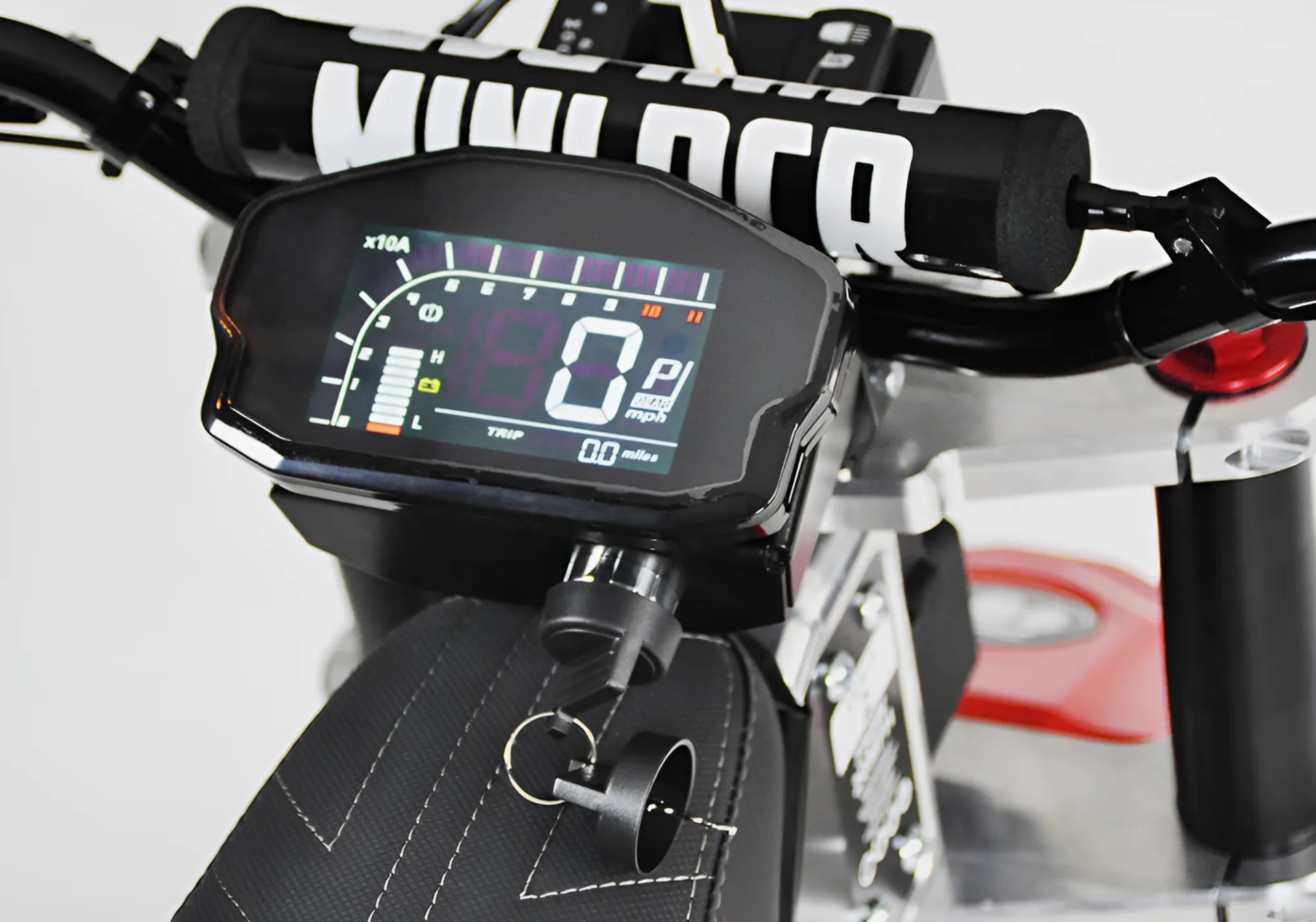
Close-up of a digital speedometer and ignition key on a Mini Moto electric bike handlebar.
An LED display allows you to keep tabs on your speed and battery level.
Mini RCR

Some gearheads will undoubtedly lust for a two-stroke like those found in the trikes of old, but the T3’s positioning as an E-Bike ensures that it’s a unique value proposition. Riders don’t need to have registration or insurance (provided that they’re over 18) to operate it, and it can be driven in many of the same places as traditional bicycles, depending on where you live— think bike paths, streets and even some trails.

It’s also a very calculated move, as it’s currently illegal to import or distribute three-wheeled ATVs in the United States today. But why is that?

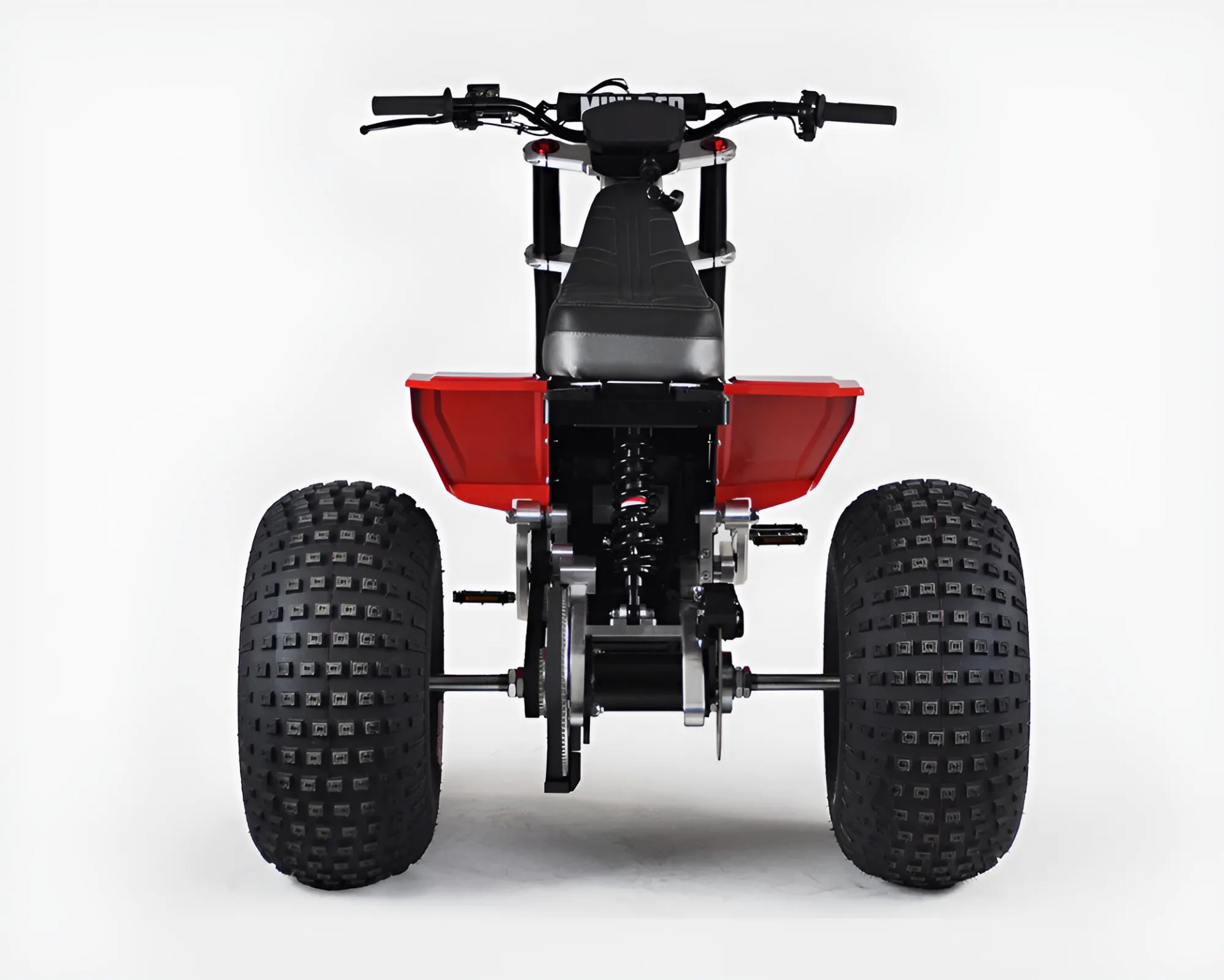
Rear view of a black and red three-wheeled off-road vehicle with large knobby tires and a padded seat.
The Mini RCR T3 benefits from both suspension and meaty off-road rubber.
Mini RCR

So, what happened to 3-wheelers?

After the debut of the US90, Honda continued to build out its lineup of three-wheeled ATVs to span models of varying sizes, with engine displacements as large as 248cc. Moreover, given the ATC’s immense popularity, rival manufacturers like Suzuki, Kawasaki and Yamaha also fielded options of their own.

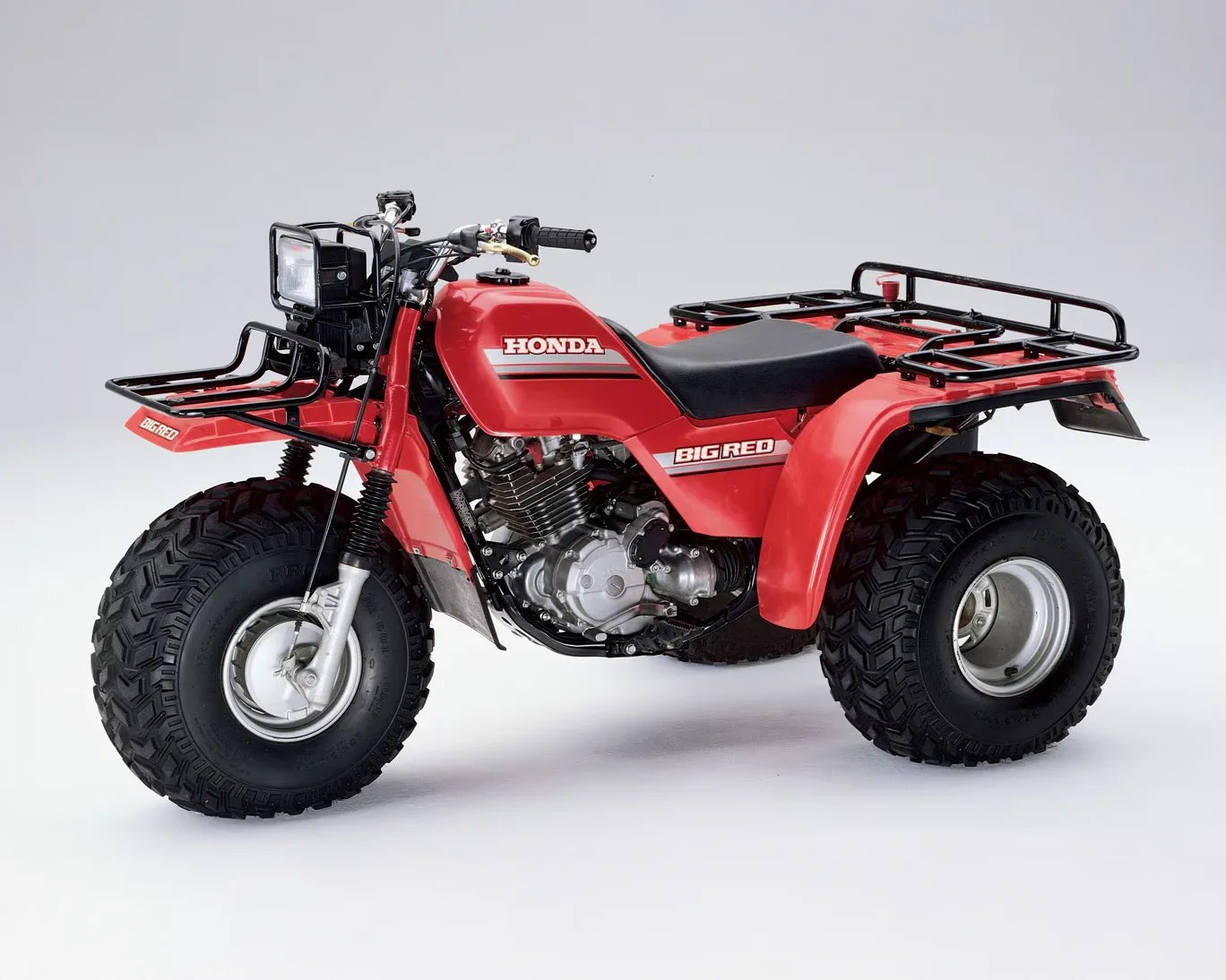
Red Honda Big Red three-wheeled ATV with black seat and front and rear cargo racks on a white background.
Later Honda three-wheelers, like the Big Red, were designed for off-road utility.
Honda

Ultimately, however, the instability of the configuration — especially in the hands of younger riders — proved to be undoing. At the time, the New York Times published an article finding that more than 300,000 injuries and 1,000 deaths between 1983 and 1988 resulted from three-wheel ATVs.

Needless to say, this kind of negative attention called the design into question — no matter if it was more down to the way people were riding them. As a result, even though the Consumer Product Safety Commission (CPSC) didn’t officially declare such off-roaders to be outright defective, it did cite their increased rollover potential, pressuring major manufacturers to adhere to a consent decree starting in 1988.

Close-up of a red and black electric dirt bike's pedal, chain drive, and knobby rear tire.
Drop-down pedals allow you to turn the wheels with your legs for extra ‘range.’
Mini RCR

The resulting agreement stipulated that three-wheeled ATVs wouldn’t be sold in the United States for a decade, and that brands would buy back unsold inventory from dealers while shifting production to four-wheelers.

Naturally, by the time those 10 years were up, the industry had already moved on — four wheels had become the status quo. Nevertheless, the real nail in the coffin came later still.

Come 2008, the Consumer Product Safety Improvement Act made it unlawful to import or distribute new three-wheeled ATVs in the United States until a formal safety standard could be written. Seeing as such the CPSC has yet to create such guidelines (outside of those allowing for specialty closed-course racing vehicles), consumer-grade options remain indefinitely banned.

Red and black Mini RCR T3 electric three-wheeler with large knobby tires on a white background.
The T3 exists at all because it’s an E-bike rather than an ATV.
Mini RCR

Pricing and availability

If you’re interested in getting your hands on the T3 (which is legal according to the CPSC), you can check it out on the Mini RCR website. Prices start at $6,599, and a range of accessories is available to equip it for trail or commuter duty.

Should you want a balloon-tired pit bike of the two-wheeled variety, Mini RCR also offers an F2 model. However, if it’s classic cool you’re after, the modern all-electric ATC lookalike can’t be beat.

Want to stay up to date on the latest product news and releases? Add Gear Patrol as a preferred source to ensure our independent journalism makes it to the top of your Google search results.

add as a preferred source on google
,