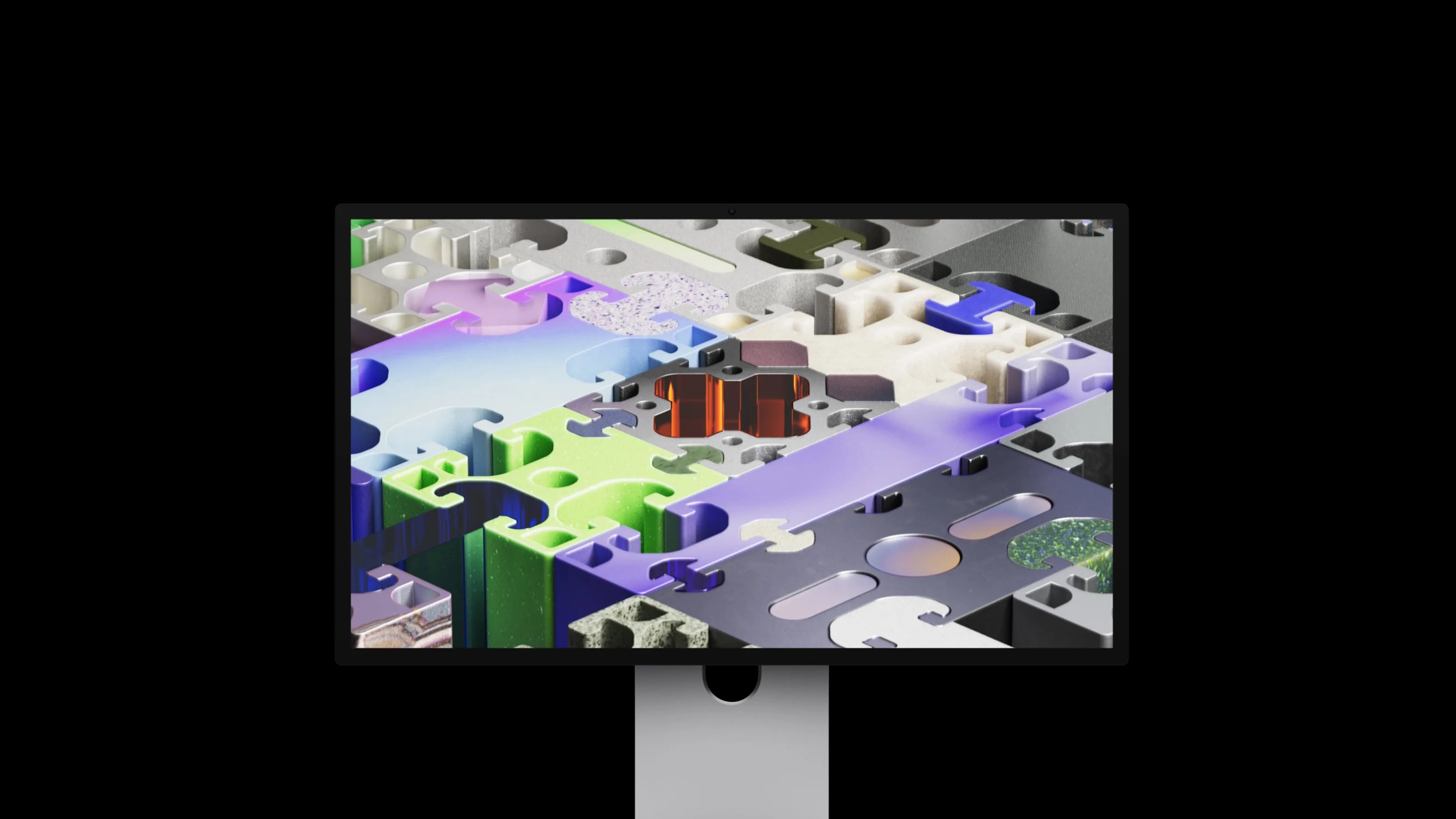

Apple Just Quietly Changed What a Monitor Is Supposed to Be

Apple finally refreshed its monitor lineup — and the result perfectly captures both the brilliance and the blind spots of the company’s hardware integration philosophy.

Computer monitor displaying a colorful 3D puzzle with various textured and shaped pieces.Apple

If you buy from a link, we may earn a commission. Learn more

Apple has always believed in the power of the walled garden. Not as a metaphor, but as a design philosophy. Build the hardware. Build the software. Control the experience. Let everything work together so well that people forget the seams exist.

For long stretches of the company’s history, that strategy has produced some of the most satisfying and “magical” consumer tech products ever created. It’s why Macs, iPhones, and AirPods often feel less like gadgets and more like parts of a single, coherent system.

But every so often, Apple releases a product that makes the limits of that philosophy easier to see — reminding us all that when one company controls the walls, it also decides how wide the gates can open.

Person working on 3D digital art displayed on a laptop and dual monitors in an office setting.
Apple’s new simplified monitor line for 2026 includes just two options: a slightly upgraded version of the previous Studio Display, as well as the more premium Studio Display XDR which features enhanced display technology and replaces the previous flagship Pro XDR display.
Apple

Apple’s newly revamped monitor lineup — which introduces an updated Studio Display and replaces the long-running Pro Display XDR with a new flagship model — is one of those moments.

And it exposes something bigger: how far we’ve moved from the era when a monitor was the most universal device in computing — a piece of hardware that could plug into almost anything and simply work.
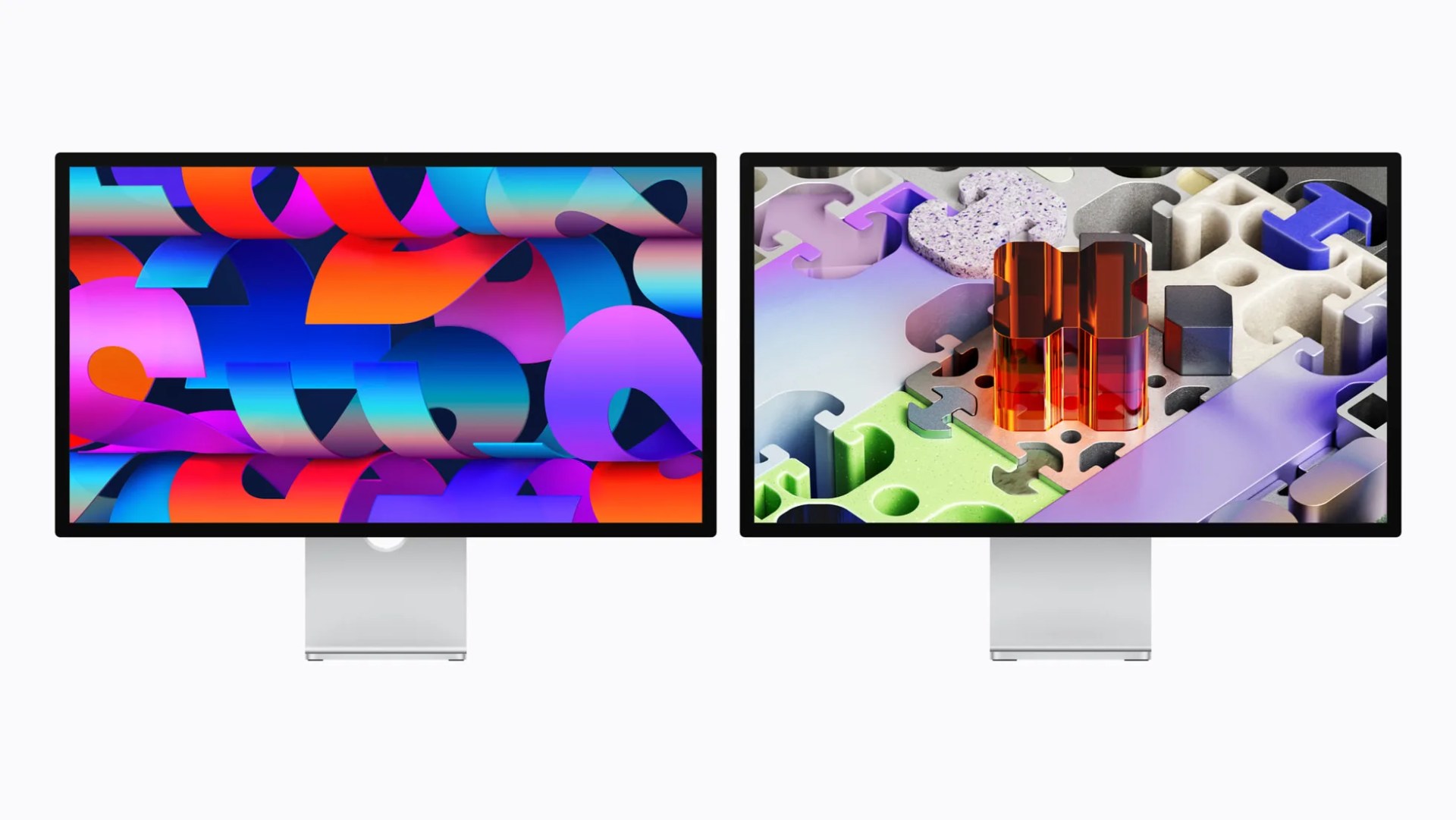

Out with the old, in with the new

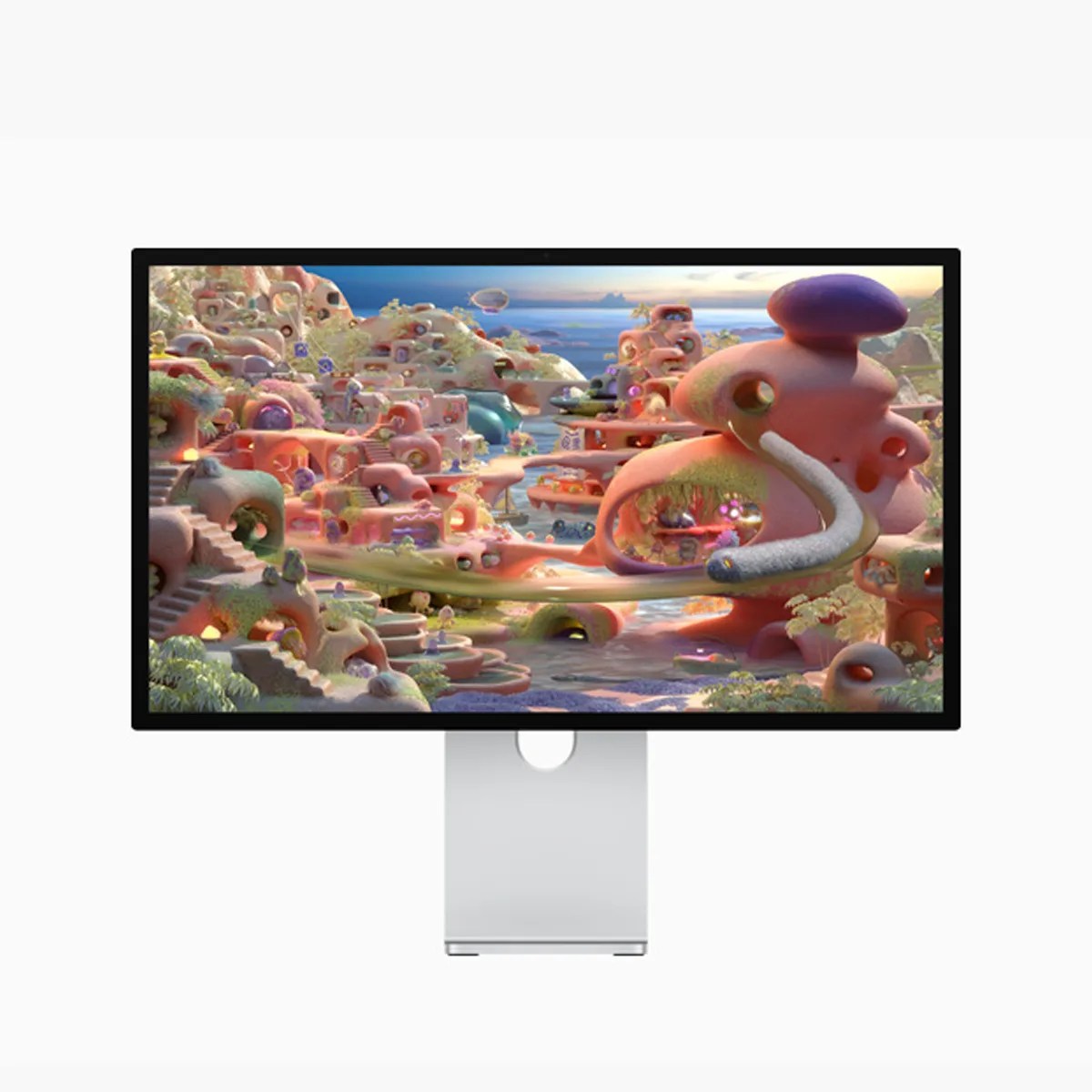
Two Apple Studio Displays side by side, each showing colorful abstract digital artwork on their screens.
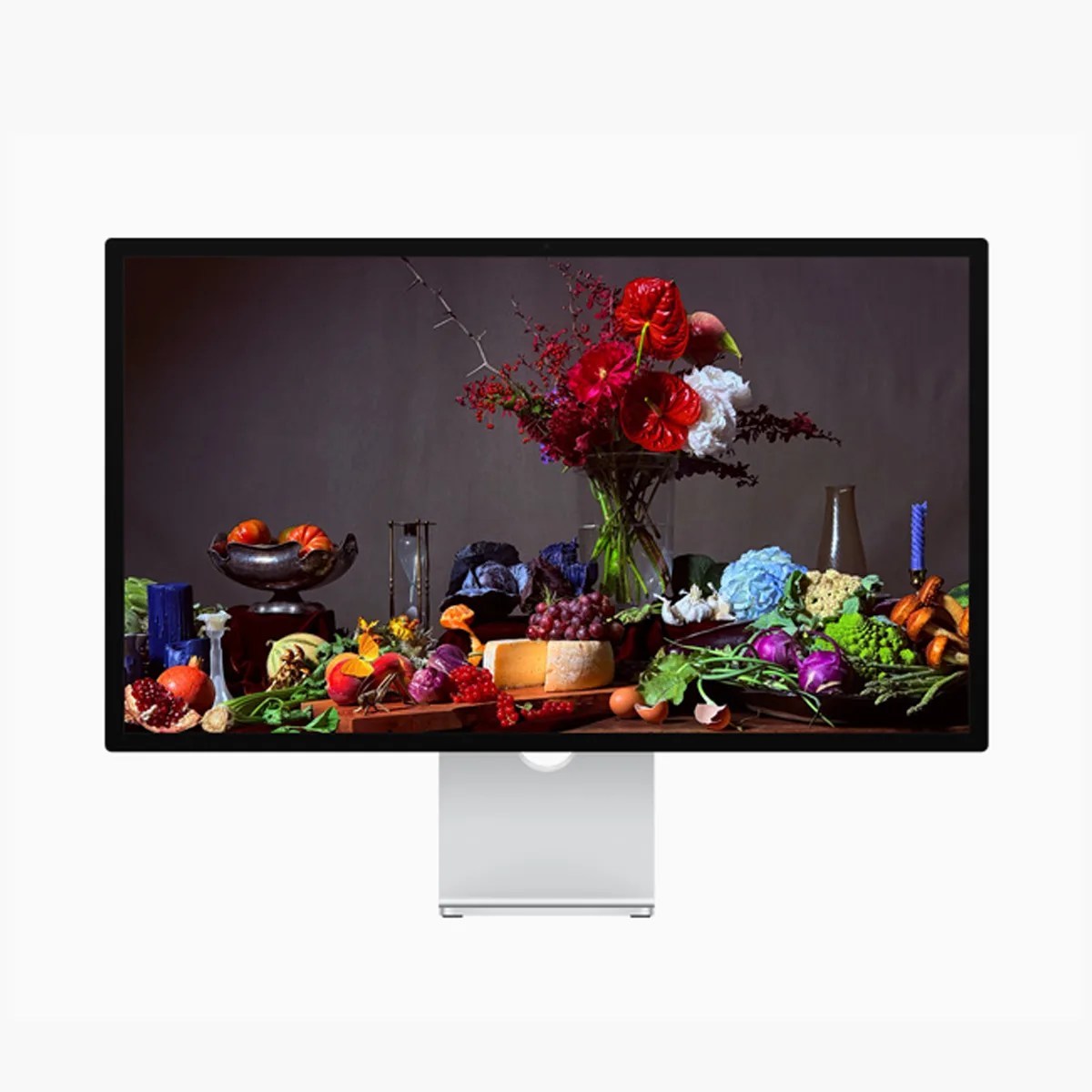
Apple’s new monitors look virtually identical externally to the original Studio Display launched in the spring of 2022. Both models also have 27-inch displays with a 5K resolution. But both also feature upgraded ports and new 12-megapixel Center Stage web cameras that also now support Apple’s top-down Desk View feature.
Apple

Apple’s new monitor lineup continues to revolve around a two-model strategy that’s now even more streamlined.

In one sense, the new displays showcase everything Apple does exceptionally well: clean, premium-feeling industrial design, tight hardware integration, and a dedication to eradicating unnecessary complexity that most hardware companies still struggle to replicate.

Apple’s new monitor lineup continues to revolve around a two-model strategy that’s now even more streamlined.

At the entry point sits the refreshed Studio Display, which remains a 27-inch 5K monitor designed primarily for everyday Mac users and creative professionals.

Though it looks essentially identical to the first Studio Display launched four years earlier, the update brings faster connectivity through Thunderbolt 5, along with upgrades to its integrated camera, microphones, and speakers — continuing Apple’s strategy of treating the display as more than just a panel.

Close-up of four black USB-C ports on a silver-gray device surface, two marked with lightning bolt symbols.
The ports on both the new standard Studio Display and the Studio Display XDR have been notably upgraded. The base Studio Display has two Thunderbolt 5 ports (up to 120 Gb/s). One is an upstream port capable of providing 96W of pass-through charging, which notably still won’t fast-charge Apple’s biggest 16-inch MacBook Pro Laptops.
The downstream port can connect other accessories or daisy-chain up to four additional Studio Displays. The port setup on the higher-end Studio XDR display is almost identical, though it supports faster 140W pass-through charging.
Apple

For Mac users, that approach still has real appeal. Apple’s displays remain among the few monitors that feel purposely tuned for macOS, offering deep integration with features like Center Stage video calls, spatial audio and simplified brightness control through the operating system.

Above the new baseline model sits the new premium Studio Display XDR, which replaces the old, famously expensive Pro Display XDR that used to represent the peak of Apple’s display capabilities.

The new model offers the same speaker and camera benefits as the baseline Studio Display, along with the same general look and feel on the desk when the screen is off.

What appears when the screen turns on, though, is a different realm. That’s thanks to the addition of mini-LED backlighting and support for higher refresh rates.

Together, these upgrades make the Studio Display XDR far brighter (with a peak of 2000 nits) and more vivid than the baseline model, not to mention more gamer-friendly.

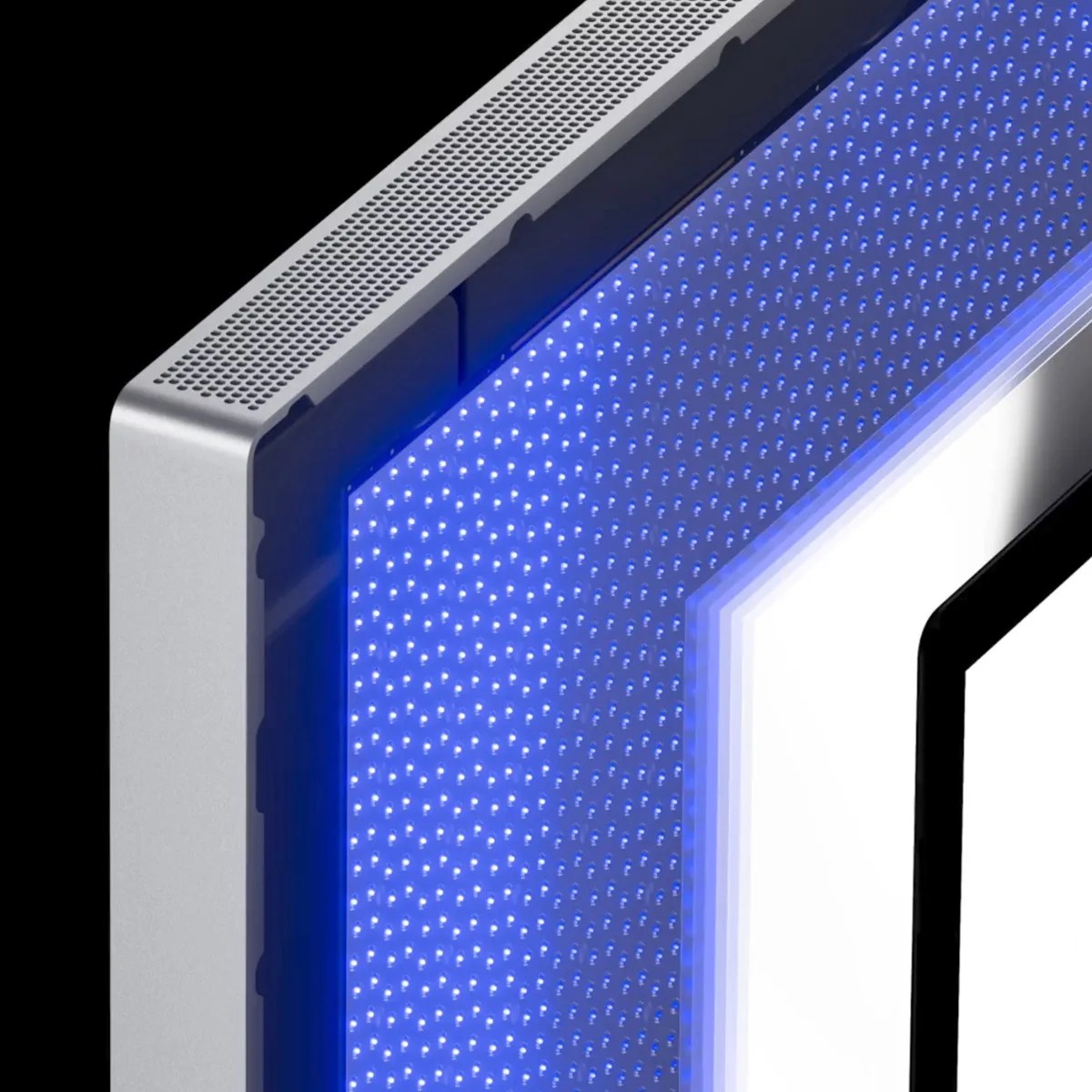
Close-up of a silver electronic device corner with a perforated speaker grille and blue LED lights.
The new Studio Display XDR’s biggest advantage comes from its new mini-LED backlighting system, which makes the display capable of hitting even higher peak brightness levels than the now-discontinued Pro XDR display, which costs over $1,800 more.
Apple

At a starting price of $3,299, it’s also significantly less expensive than the outgoing Pro XDR, which famously started at $4,999 before factoring in the optional $999 stand.

In that sense, the new model is a clear win for professionals who wanted a premium Apple display at a more approachable, if still far from affordable, price.

But despite the notable upgrades across both of the new Studio Displays, each still fell well short of what vocal Apple fan communities on platforms like MacRumors and Reddit had hoped for.

A market all-its own

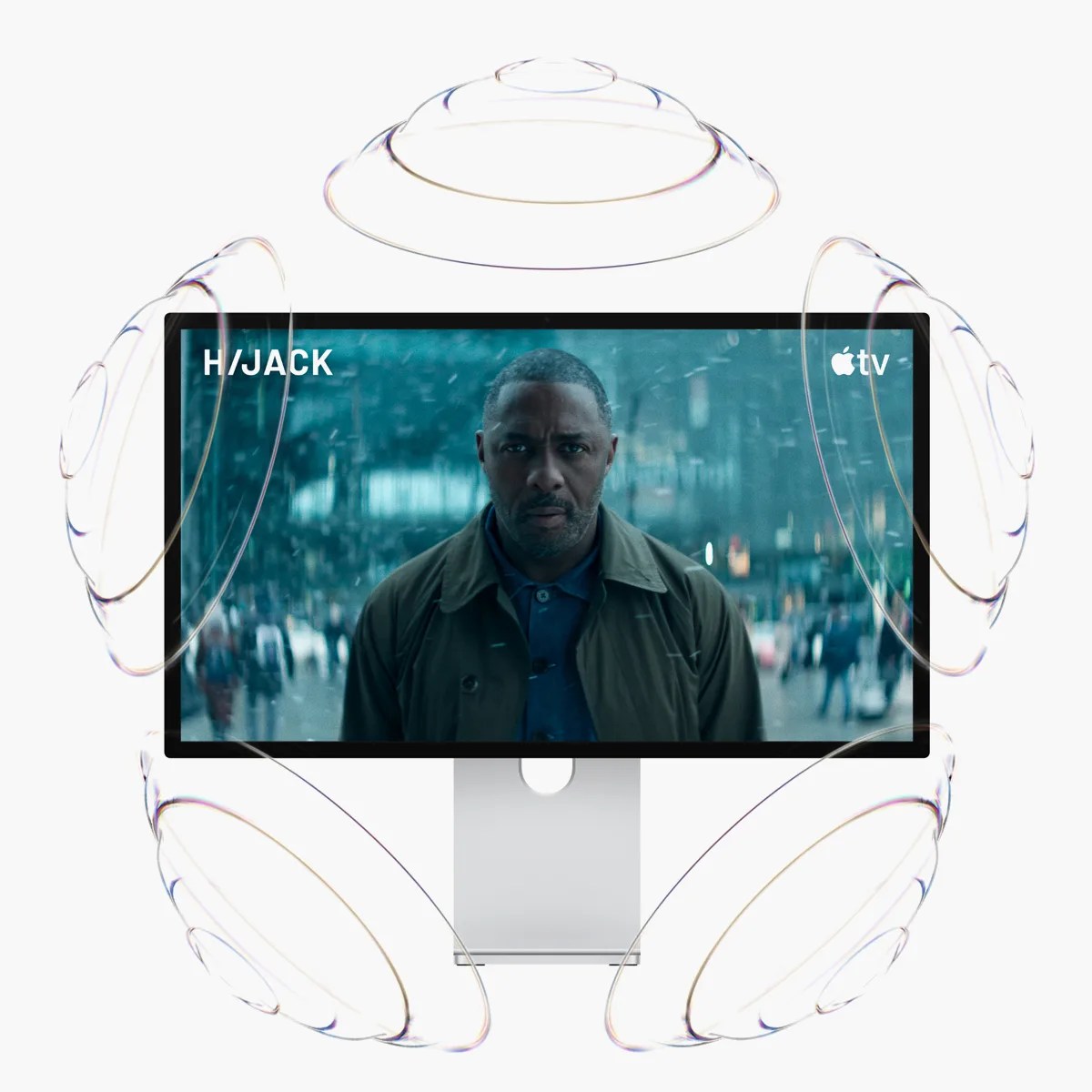
Apple Studio Display showing a scene from H/JACK on Apple TV with transparent sound wave graphics around it.
While it certainly adds to the steeper starting price of both monitors, one way Apple’s focus on the user experience shines through is the brand’s decision not to ignore audio. Both new monitors come equipped with what Apple describes as “an immersive six-speaker sound system with Spatial Audio,” which should at least mean that many users won’t have to add extra speakers to their desk.
Apple

For years, many Mac users have hoped Apple would introduce a larger monitor, ideally somewhere between the 27-inch Studio Display and the massive 32-inch Pro Display XDR. Instead, Apple has now collapsed its lineup into two models that both share the same footprint.

Given that Apple sells MacBooks, iPads, and iPhones in multiple sizes and price tiers, the monitor product line is unquestionably constrained by comparison.

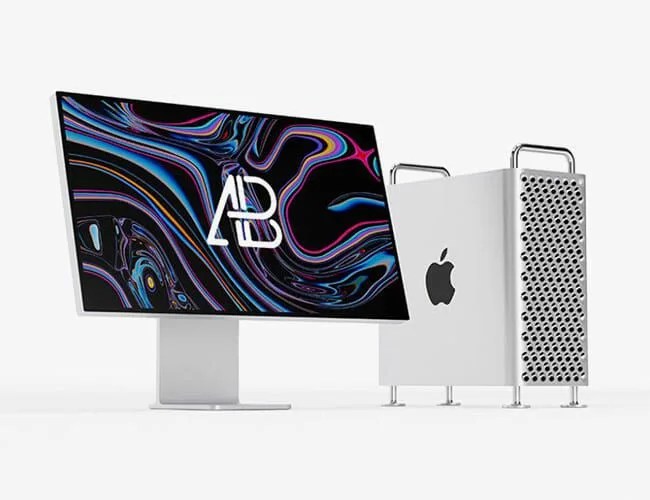
Apple-Mac-Pro-and-Display-XDR-gear-patrol-lead-featured
Alongside announcing the new Studio Display and Studio Display XDR monitors, Apple also announced it was officially discontinuing its top-of-the-line Pro XDR display, which was originally introduced as a professional-grade display companion to the new Mac Pro tower back in December of 2019.
Apple

The base Studio Display also still lacks at least one key feature users expected to come in the next generation — variable refresh rate support, which has become increasingly common across premium monitors.

Pricing, meanwhile, remains distinctly Apple-like. Even after the refresh, Apple’s displays still command significant premiums over competing monitors with similar — and sometimes better — pure hardware specifications.

But Apple isn’t really playing the same game anymore. These displays are built as extensions of the Mac ecosystem rather than standalone monitors. And when the hardware, software, and experience are all designed together, traditional display makers stop being the real competition.

The end of a hardware era

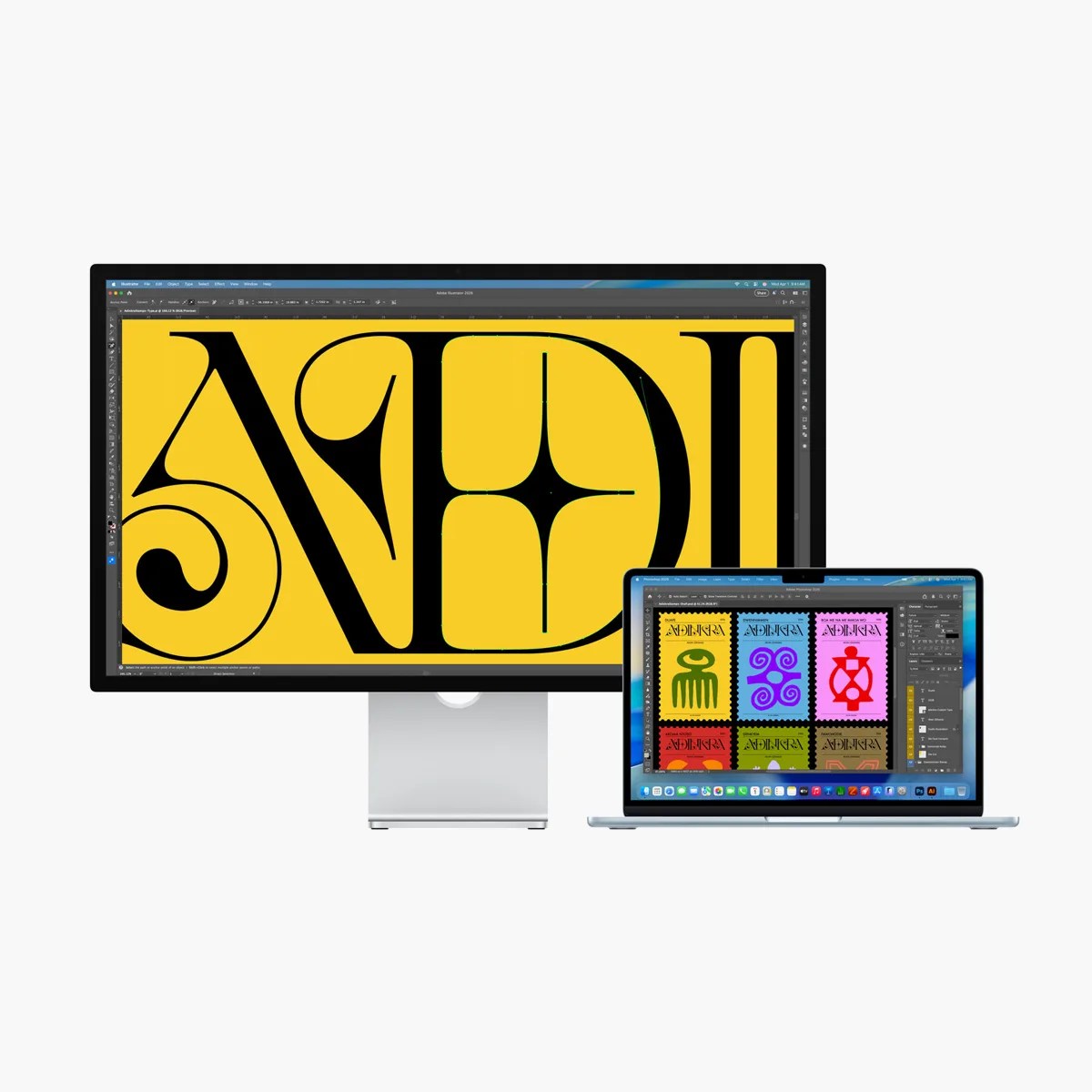
Silver desktop monitor and laptop displaying colorful graphic design software interfaces.
Apple’s new monitor line is far from universally compatible. Neither will work at all with older, Intel-powered Macs. And the more expensive Studio XDR’s high refresh rate will only work with more recent Macs equipped with Ultra or Max-level M-series silicon chips.
Apple

But the clearest illustration of that shift isn’t Apple’s pricing or even its display technology.

It’s compatibility.

For decades, computer monitors were one of the most universal pieces of hardware you could buy. Plug in a cable and the display simply worked, whether you were using a Mac, a PC, or something in between.

Apple’s newest displays reflect how far the company has drifted from that world.

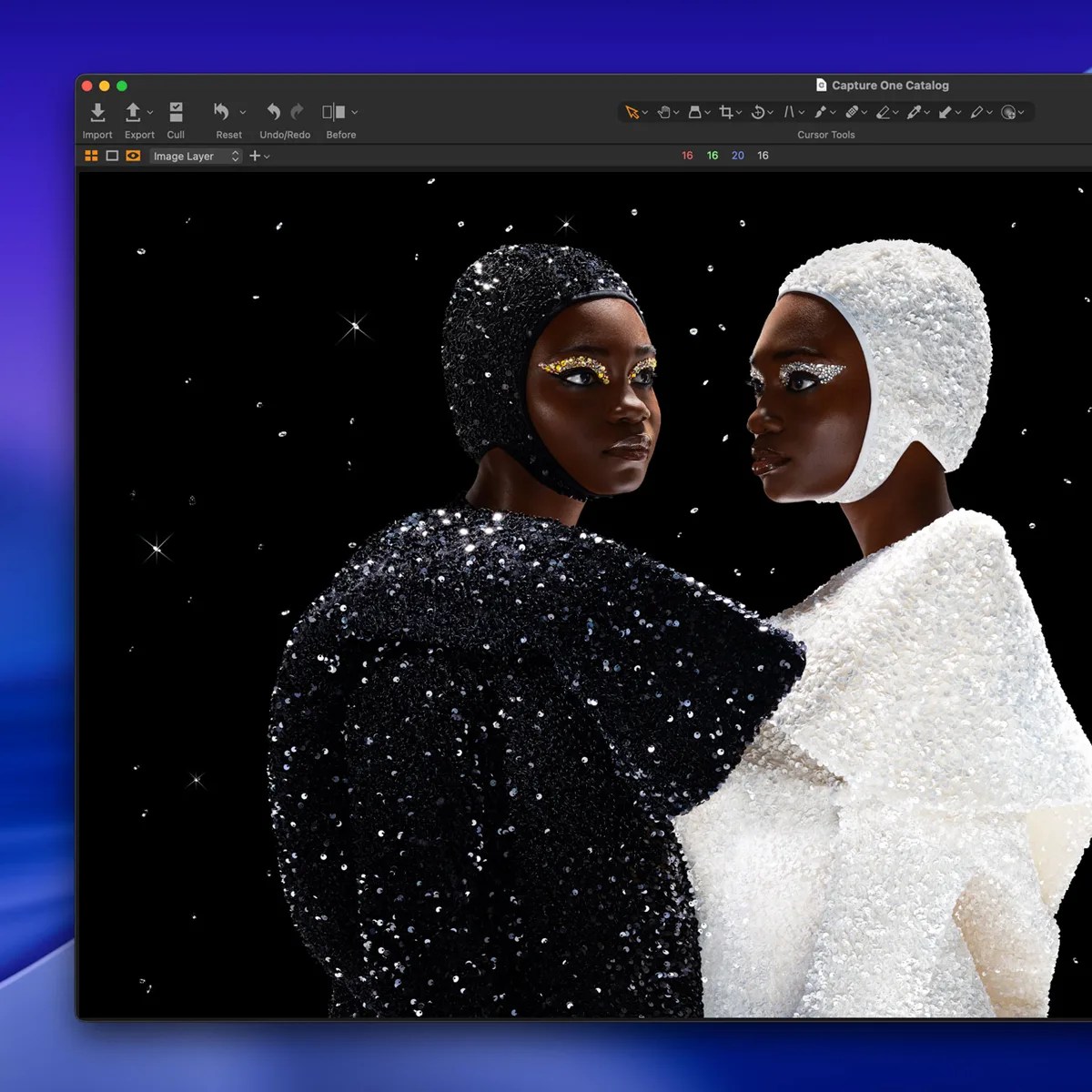
Two models wearing sequined black and white outfits with matching headpieces and glittery eye makeup against a black background.
Studio Display XDR also has a 120Hz refresh rate and Adaptive Sync, which supports a continuously variable refresh rate between 47Hz and 120Hz.
Apple

Alongside announcing the new hardware, Apple also revealed that the higher refresh rates offered by the Studio Display XDR won’t work on Macs equipped with any version of Apple’s first-generation M1 chips, or on any Mac equipped with a baseline M2 or M3 chip.

The situation becomes even more absolute for older systems. Neither display supports Intel-based Macs, which Apple discontinued during its transition to Apple silicon.

From a technological perspective, that latter decision isn’t terribly surprising. Apple’s hardware roadmap is now firmly centered around its custom silicon. And Apple announced last summer that it would stop supporting Intel Macs through OS updates starting this year.

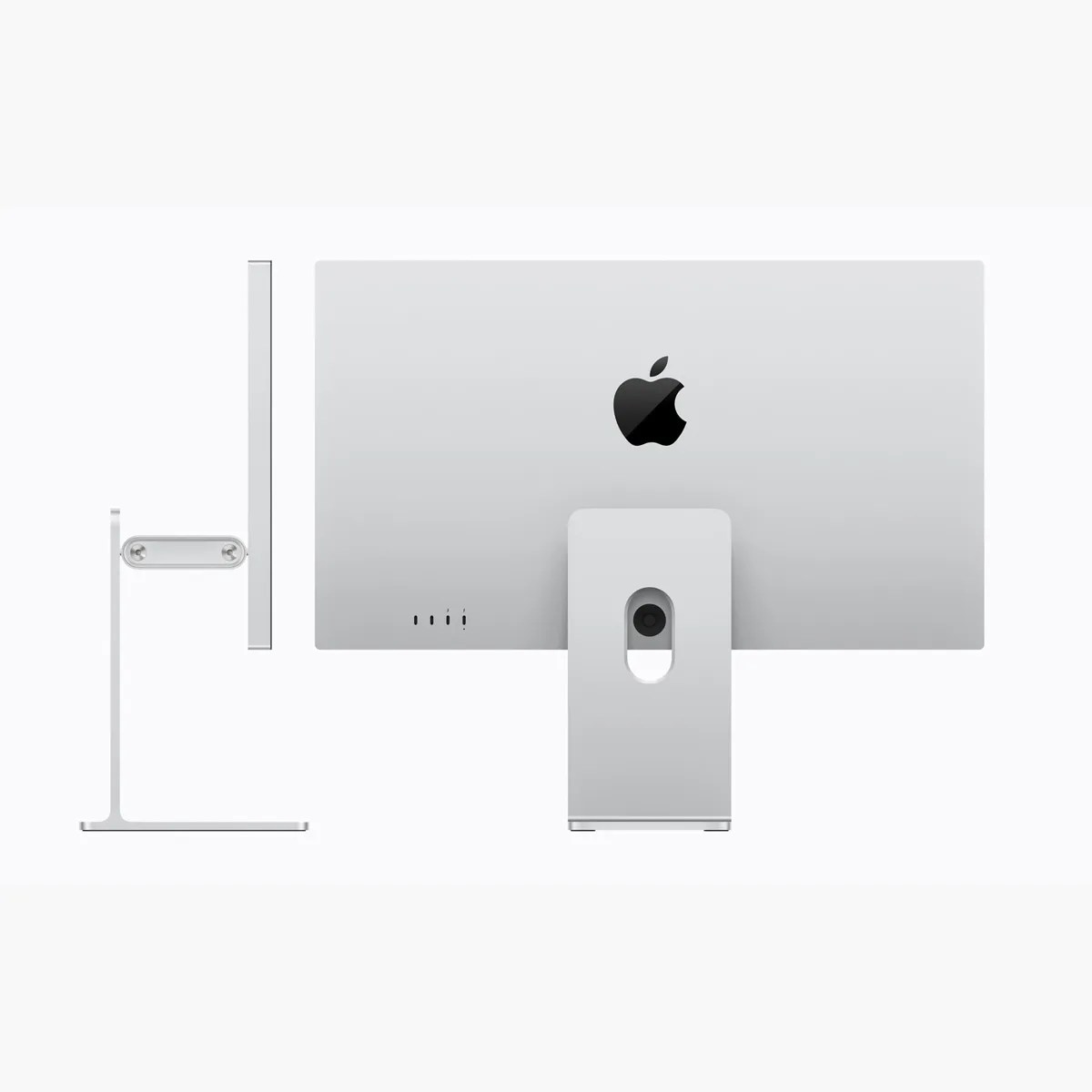
Silver Apple iMac computer shown from side and back views with black Apple logo on the back.
There’s no need to worry about paying $999 this go around for a stand. Both of the new monitors come in one of two configurations – either with a tilt and height-adjustable stand, or with a VESA mount adaptor for attaching it to third-party monitor arms and mounts.
Apple

But the timeline is still striking when it comes to the Studio Display XDR’s higher refresh rate.

Many entry-level M-series Macs sold just a few years ago remain extraordinarily capable machines — a testament to Apple’s chip-making prowess. Yet those same computers can’t fully unlock the capabilities of Apple’s newest monitor introduced only a short time later.

In Apple’s new, highly evolved ecosystem, displays are no longer neutral accessories — they’re part of the upgrade cycle.

It’s another quiet but meaningful final break from a previous era in consumer computing technology. In Apple’s new, highly evolved ecosystem, displays are no longer neutral accessories — they’re part of the upgrade cycle.

For Apple, that shift makes a certain kind of sense. The tighter the ecosystem becomes, the easier it is to optimize performance, introduce new features, and maintain the seamless experience the company prizes.

But it also marks a subtle change in the relationship between users and their hardware. In the past, a great monitor could outlive several generations of computers. Increasingly, in Apple’s world, it’s becoming just another piece of the system — one that moves forward on Apple’s timetable.

Pricing and availability

The refreshed Studio Display starts at $1,599, while the new Studio Display XDR begins at $3,299, positioning it as Apple’s new flagship display following the retirement of the Pro Display XDR.

Both monitors are available to pre-order now and will be available for purchase starting March 11, 2026.

Want to stay up to date on the latest product news and releases? Add Gear Patrol as a preferred source to ensure our independent journalism makes it to the top of your Google search results.

add as a preferred source on google
,