
This Epic New Camera Masters the iPhone’s Best Photo Trick

The brand that famously conquered space photography just introduced a new premium medium-format camera with impressive autofocus and HDR chops.

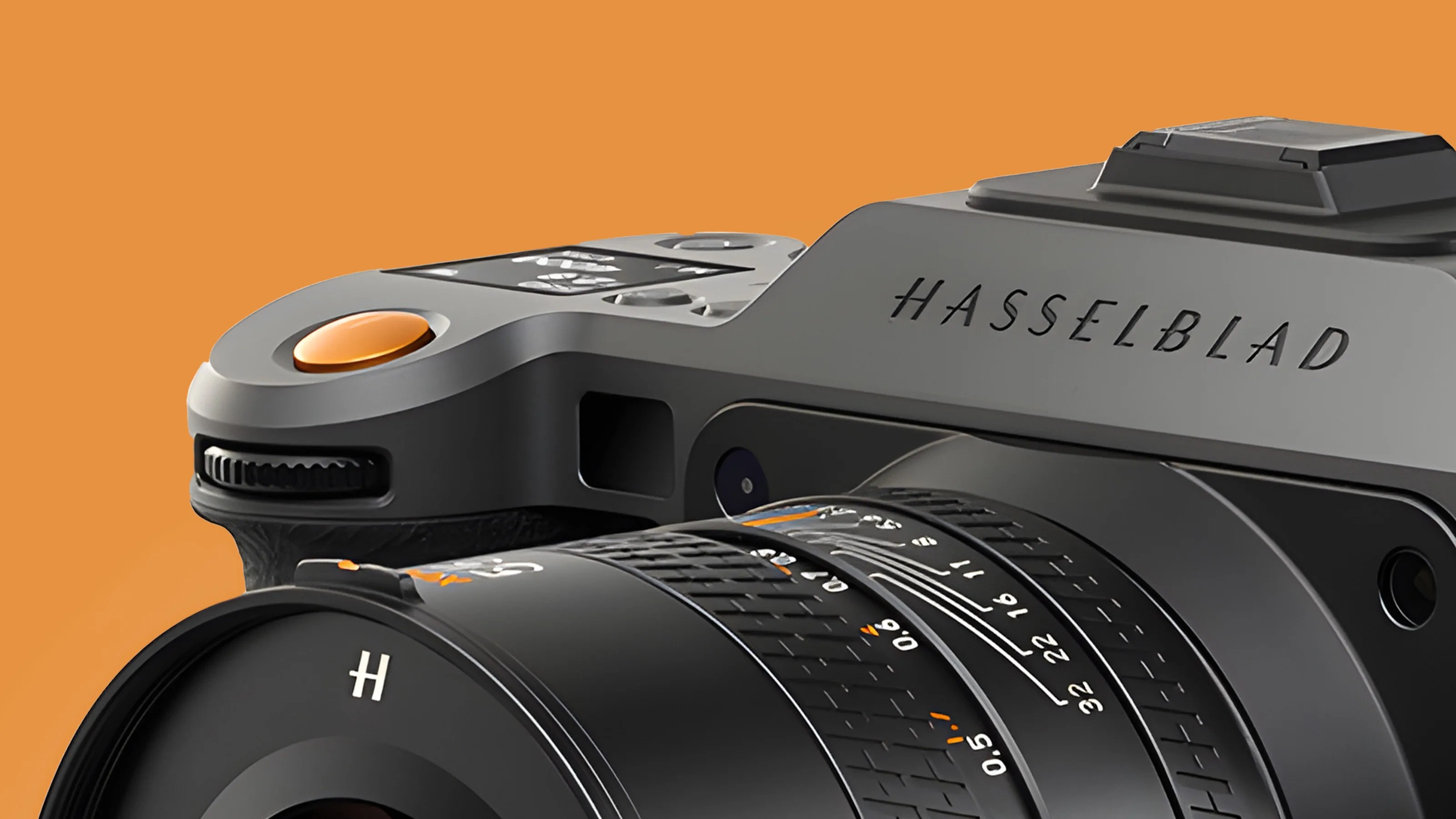
Close-up of a Hasselblad camera showing the top part with the shutter button, control dial, and part of the lens with focus and aperture markings. The camera body is gray with black and orange accents, set against an orange background.Hasselblad

If you buy from a link, we may earn a commission. Learn more

If a picture is worth a thousands words, what about the camera?

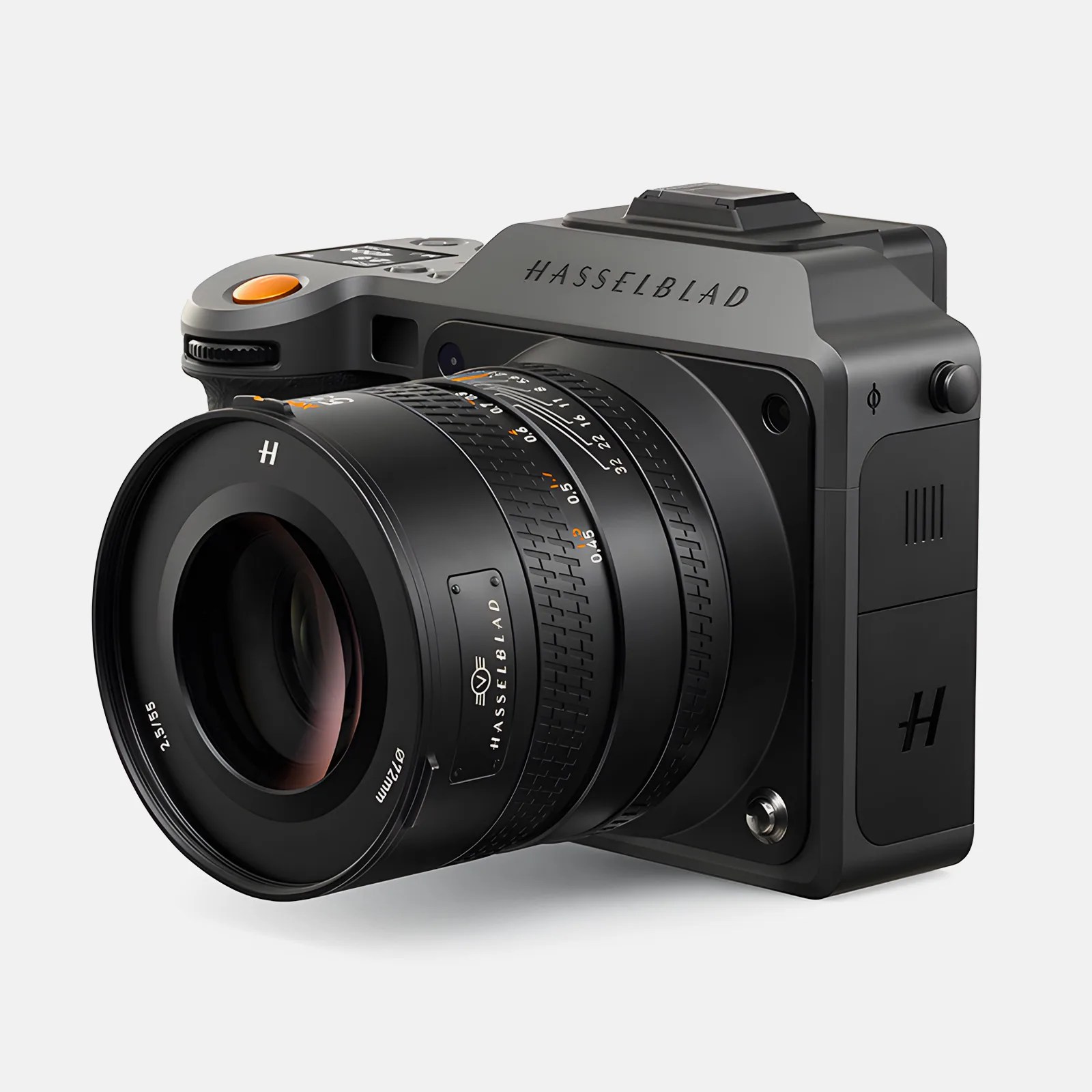
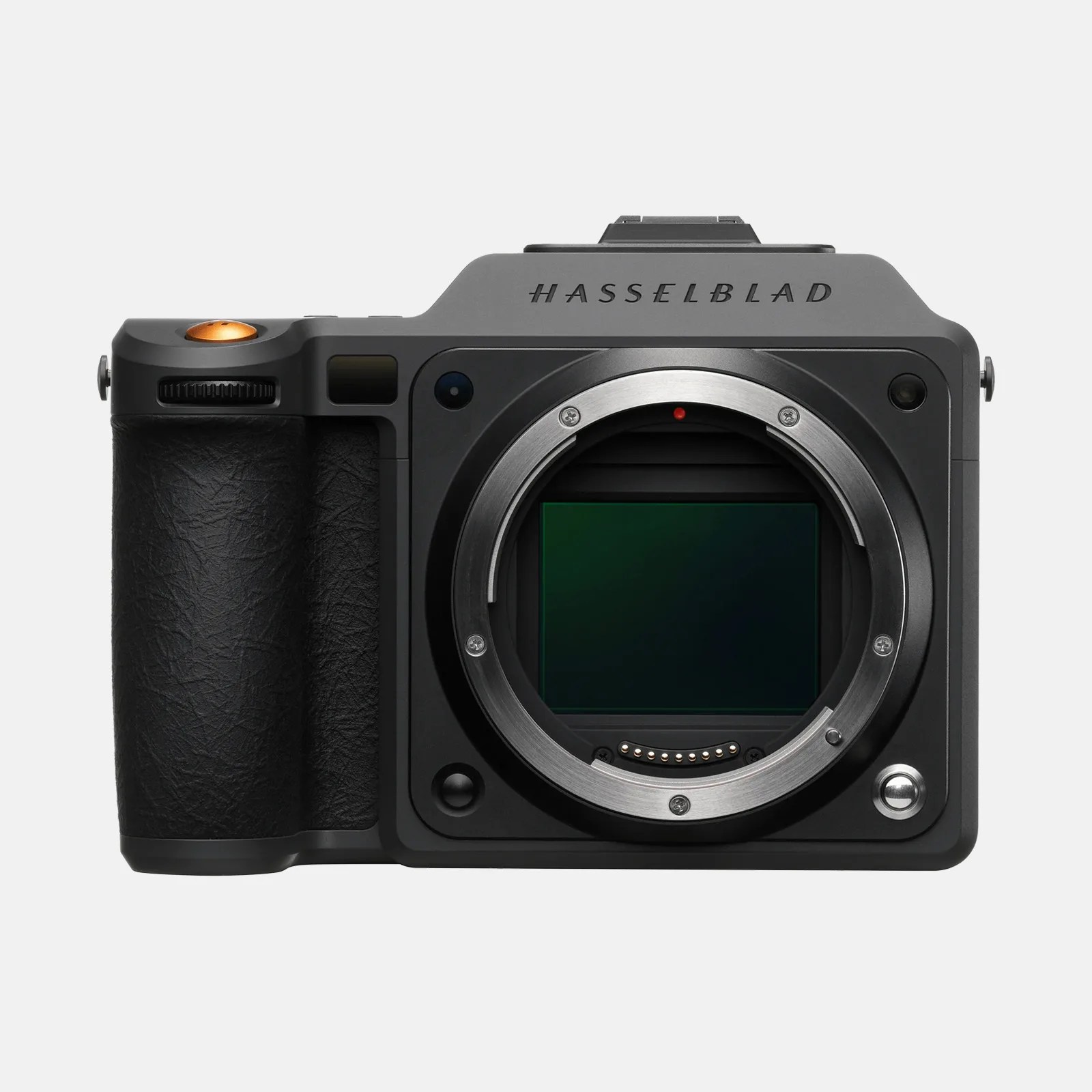
Hasselblad — the Swedish company famous for making the first camera to be used on the surface of the moon — has announced the X2D II 100C, the latest iteration of its 100-megapixel medium-format powerhouse that’s just as assured shooting rugged landscapes as it is in the studio.

It promises big improvements in autofocus, goes all-in on HDR and, somehow, costs less than its predecessor.

Continuous improvement
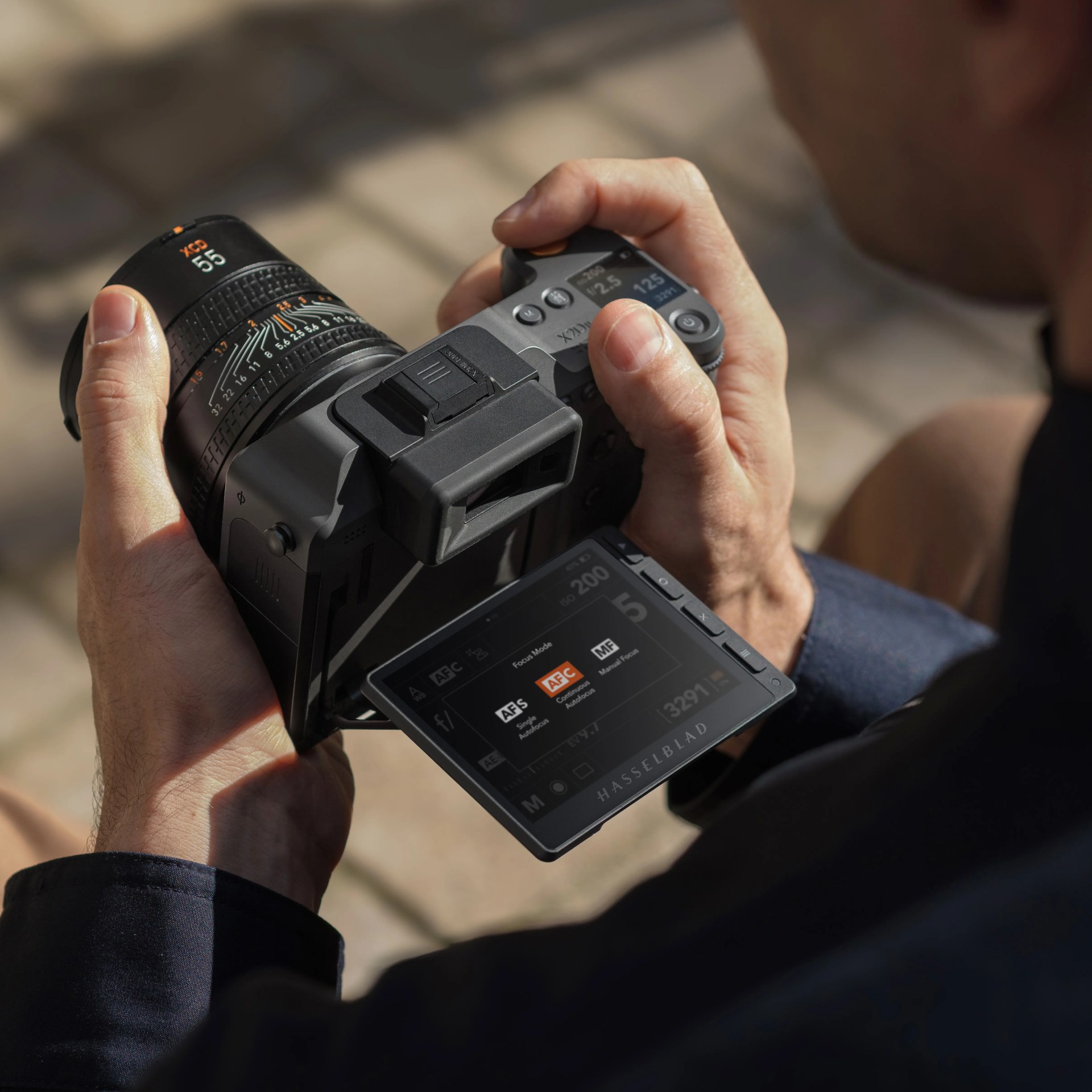
A person holding a Hasselblad X2D II with a 55mm lens. The camera's flip-out LCD screen is visible, displaying focus mode options including Single Autofocus (AF-S), Continuous Autofocus (AF-C), and Manual Focus (MF).
The X2D II is much better than its predecessor at photographing moving subjects.
Hasselblad

While the original X2D only had single autofocus and manual focus modes, the II gets a new one: continuous autofocus.

The tech, which allows it to track a subject and keep it in focus even when it’s moving, is commonplace among cameras with smaller sensors but is a big step for the X line of cameras. It’s capable of recognizing humans, dogs, cats and vehicles.
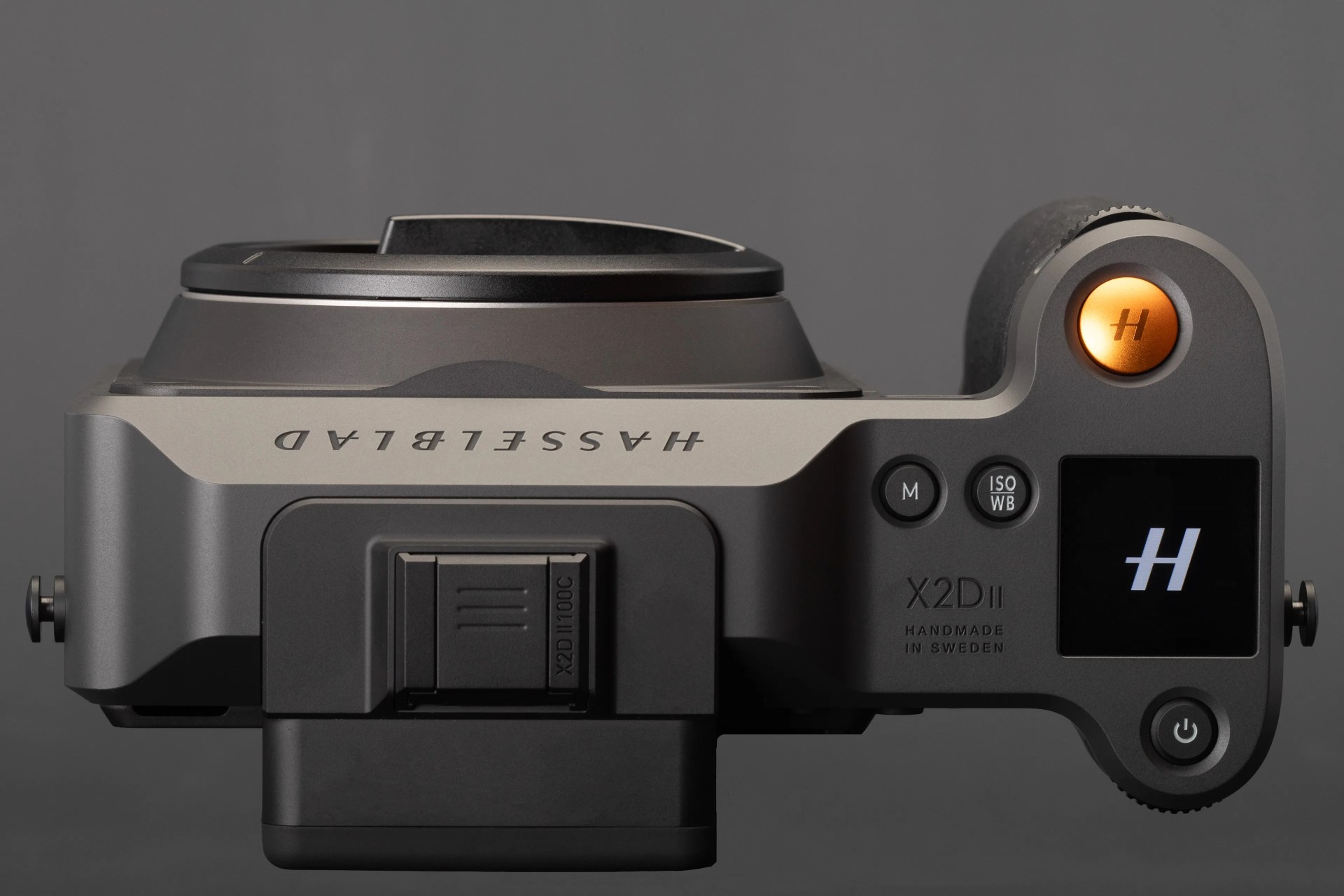
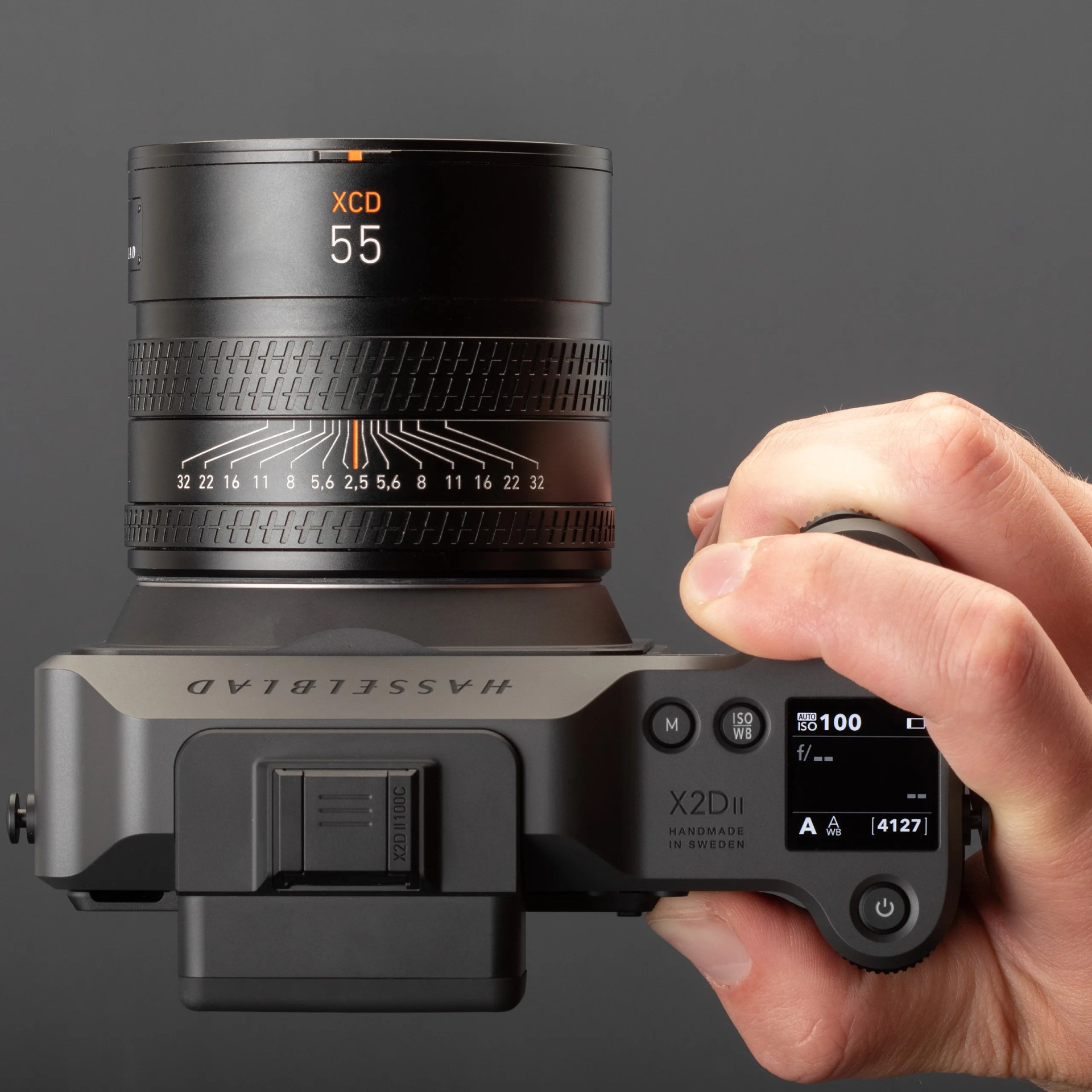
Top view of a Hasselblad X2D II 100C camera body, showing the lens mount, control buttons including a large orange shutter button, a small display screen with the Hasselblad logo, and the text "X2D II Handmade in Sweden." The camera has a sleek, modern design with a matte gray finish.Mitchell Clark

The X2D II also gets a new joystick on the back to control the autofocus point and to navigate through the menus, as well as two extra customizable buttons; one below the joystick, and one under the front control dial.

The mode only works with certain lenses, including the fast standard zoom Hasselblad is releasing alongside the X2D II, but it could help make the camera a much better option for certain types of shooting.  

A bright idea

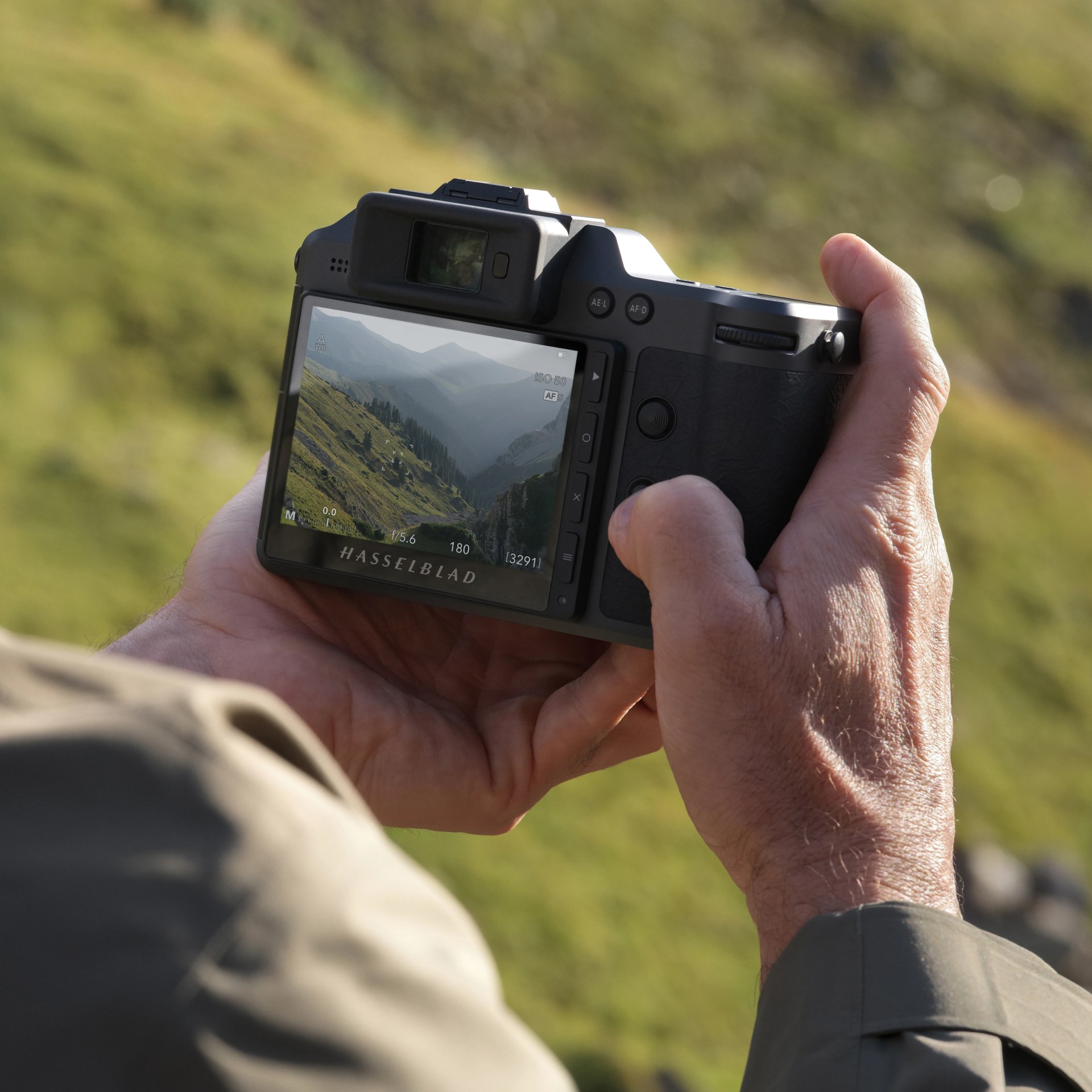
Hands holding a Hasselblad camera with the LCD screen displaying a landscape photo of green hills and distant mountains under soft natural light. The camera is being operated outdoors, with a blurred green background.
The massive back screen shows off the HDR photos from the X2D II beautifully.
Hasselblad

Hasselblad says that the X2D II is the first medium format camera with “end-to-end” HDR support.

Even those unfamiliar with photography will almost certainly be familiar with HDR from the world of phones; photos taken with it have brilliant highlights that make it seem more like you’re looking through a window, rather than just seeing a photo.

By default, the camera shoots HDR HEIFs. While the format has native support for higher dynamic range than the standard JPEGs that many other cameras shoot it’s less widely supported.

Black Hasselblad camera with a large lens featuring focus and aperture markings, an orange shutter button, and the brand name "HASSELBLAD" engraved on the top front. The camera has a modern, boxy design with a textured grip and a prominent lens mount.
It’s rare to see any company – let alone a premium consumer electronics brand – launch a new and improved version of a previous product at a lower price than the previous model. But that’s precisely what Hasselblad has decided to do with the new X2D II 100C.
Hasselblad

Thankfully, Hasselblad has also included the ability to shoot “Ultra HDR JPEGs,” a format that works with pretty much everything that we’ve seen pioneered in Google Pixel phones and the Sigma BF.

You can see it working right on the camera; the massive 3.6-inch OLED display can reach a peak brightness of 1400 nits, letting you see how the highlights will pop in your picture right after you’ve taken it.

While other cameras can shoot HDR if you set them to, it’s rare to be able to preview them so convincingly.

Good vibes

A Hasselblad X2D II camera with an XCD 55mm lens is held in a right hand. The camera is black with a digital display showing ISO 100 and other settings. The lens has aperture markings ranging from f/2.5 to f/32. The camera body features buttons labeled "M" and "ISO WB," and the text "HANDMADE IN SWEDEN" is visible.
The X2D features haptic feedback and will subtly vibrate in your hand when it’s locked onto focus, or when you’ve gotten it perfectly level.
Mitchell Clark

If you follow the camera industry closely, you may be aware that DJI, the company famous for its drones, action cameras and more, is actually now the majority stakeholder of Hasselblad. And the camera is full of little touches that seem to have the mark of a high-tech company that makes a lot of products for consumers.

The most noticeable one is its haptic feedback, meaning the X2D II will subtly vibrate in your hand when it’s locked onto focus, or when you’ve gotten it perfectly level.

It also packs LiDAR (Light Detection and Ranging) sensors to help the autofocus system figure out how far away your subject is — technology that DJI has used before in some of its cinema cameras.

Hands-on impressions

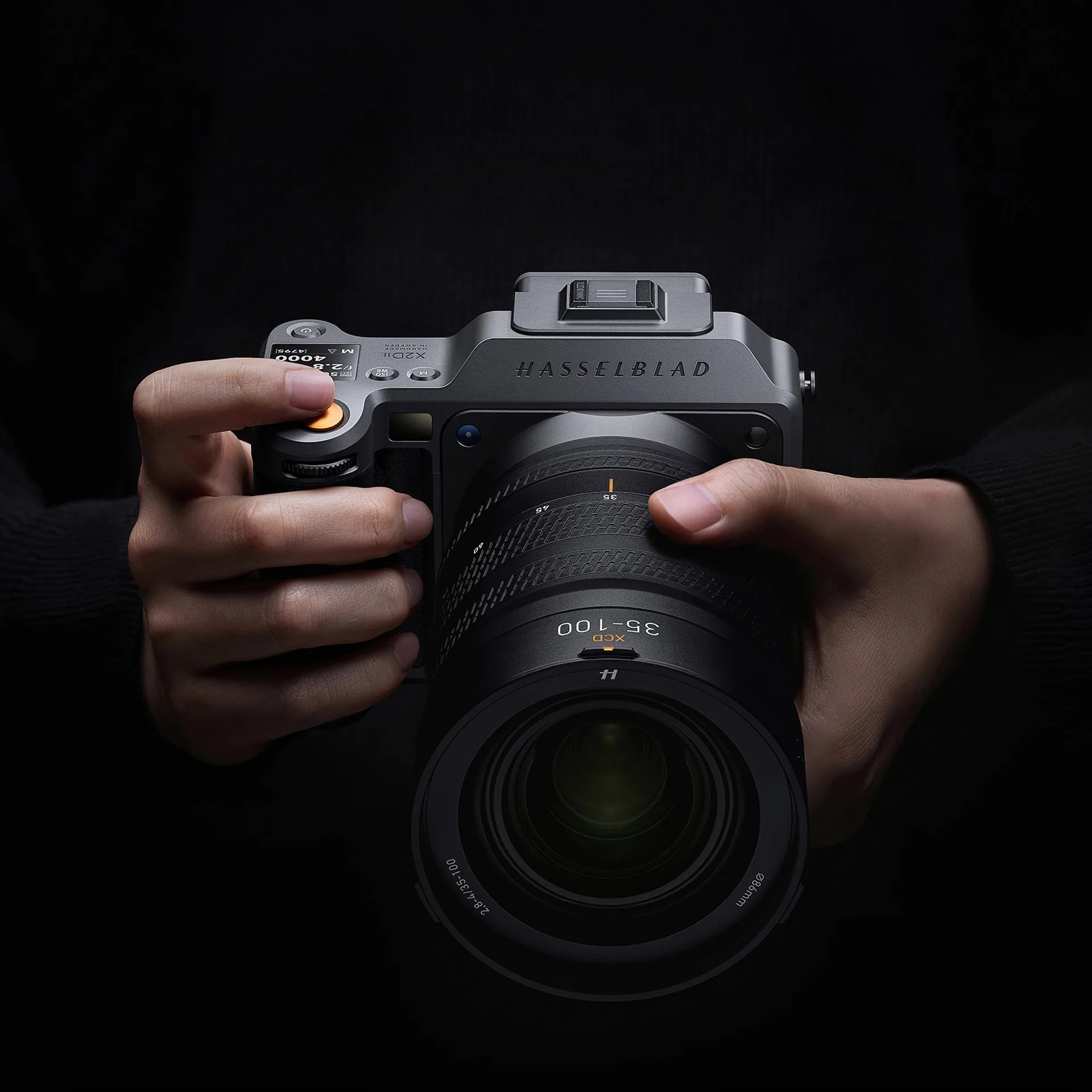
A person holding a Hasselblad camera with a 35-100mm lens. The camera is black with the brand name "HASSELBLAD" visible on the front. The person's hands are positioned on the camera, with one finger on the shutter button. The background is dark, highlighting the camera and hands.
Our team of photography experts at DPReview.com has been impressed with the Hasselblad X2D II 100C’s HDR capabilities and continuous autofocus in early hands-on testing. You can read our full initial review here.
Hasselblad

Myself and my colleague Richard Butler managed to get some early hands-on time with this camera ahead of its launch, and you can check out our full hands-on review at DPReview.com.

In short, though, the X2D II 100C takes the elegant lines of the original X1D and finally pairs them with the performance the body always seemed to promise.


“It’s hard to imagine Hasselblad’s cameras would have developed so far, so fast, without DJI’s contributions.”

Richard Butler, Managing Editor, Reviews & Standards at DPReview.com.

If the first-gen model often felt like a studio-bound beauty with frustratingly short battery life and sluggish responsiveness, the X2D II feels like a proper tool for the field.

DJI’s influence is unmistakable here, from the LiDAR-assisted autofocus to the newfound reliability of eye detection and in-body stabilization.

Suddenly, medium format isn’t just about deliberate, tripod-bound work — it’s accessible in a point-and-shoot style that makes the camera feel more versatile than ever before.

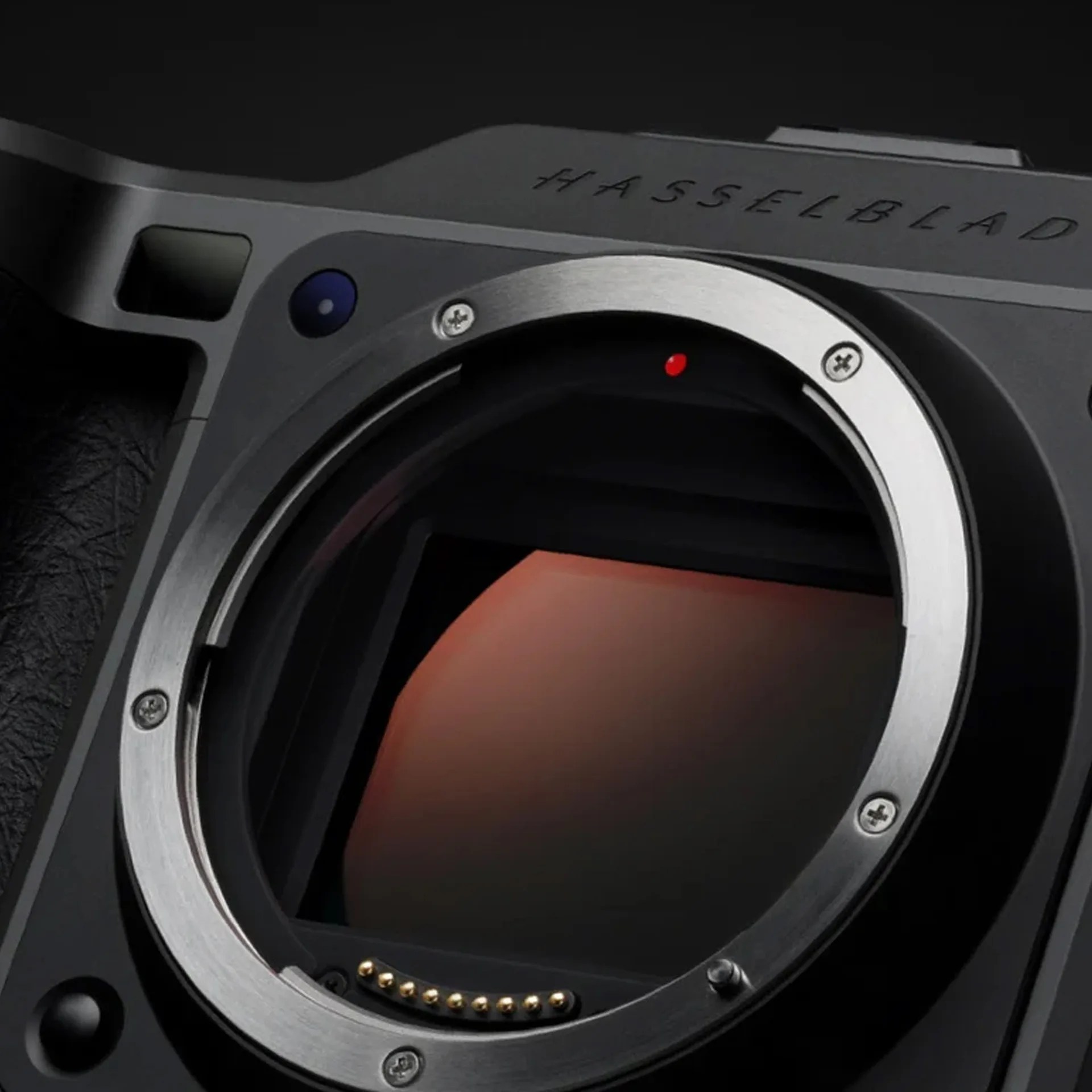
Close-up of a Hasselblad camera body showing the lens mount and sensor inside, with the brand name "HASSELBLAD" engraved on the top. The lens mount is metallic with screws and electronic contacts visible.
DJI’s influence is unmistakable in the X2D II, from the LiDAR-assisted autofocus to the newfound reliability of eye detection and in-body stabilization.
Hasselblad

Equally transformative is Hasselblad’s bold embrace of HDR photography. Unlike most mirrorless systems that bury HDR behind awkward menus and half-baked previews, the X2D II makes it the default, letting its excellent screen show off the punch and lifelike vibrancy of your shots as you take them.

“We regularly found ourselves as impressed by the way the camera uses its greater DR output as we were by the stunning amounts of detail it captures.”

Richard Butler, Managing Editor, Reviews & Standards at DPReview.com.

With JPEGs that preserve compatibility but still deliver HDR brilliance on modern displays, the camera encourages you to think differently about what your images can look like to clients and viewers.

Factor in a lower launch price than its predecessor — and even cheaper than the original X1D 50C back in 2016 — and the X2D II 100C feels like Hasselblad’s most competitive offering in years.

Availability and pricing

Hands holding a Hasselblad camera with a large lens, outdoors during golden hour with a blurred natural background. The person is wearing a brown jacket with a visible zipper.
The X2D II’s $7399 price tag for the body alone will put it far out of reach for most photographers. That said, it’s also $800 cheaper than the original X2D and now offers even more for the money.
Hasselblad

Hasselblads have never been budget cameras. After all, what would you expect from a company whose gear captured the space race?

The X2D II is no exception: it costs $7,399 for just the camera body alone.

Still, that’s $800 cheaper than the original X2D, and you’re getting even more for the money.