A version of this story first appeared in Gear Patrol Magazine. Subscribe today for more stories like this one, plus receive a $15 gift card to the Gear Patrol Store.
The arrival of self-driving cars would be a seismic shift for transportation, but the technology hasn’t materialized as quickly as automakers and tech companies first imagined.
Where are we right now with self-driving cars?
Cars can’t drive themselves yet. The Society of Automotive Engineering (SAE) has defined six levels of autonomy, ranging from Level 0 (no assistance) to Level 5 (full self-driving in all conditions). Most new cars now feature Level 1 technology, such as lane-keep assist and adaptive cruise control. Advanced systems like Tesla’s Autopilot and GM’s Super Cruise are Level 2, meaning they allow the car to manage speed and steering but require the driver to pay constant attention in case they suddenly need to seize control.
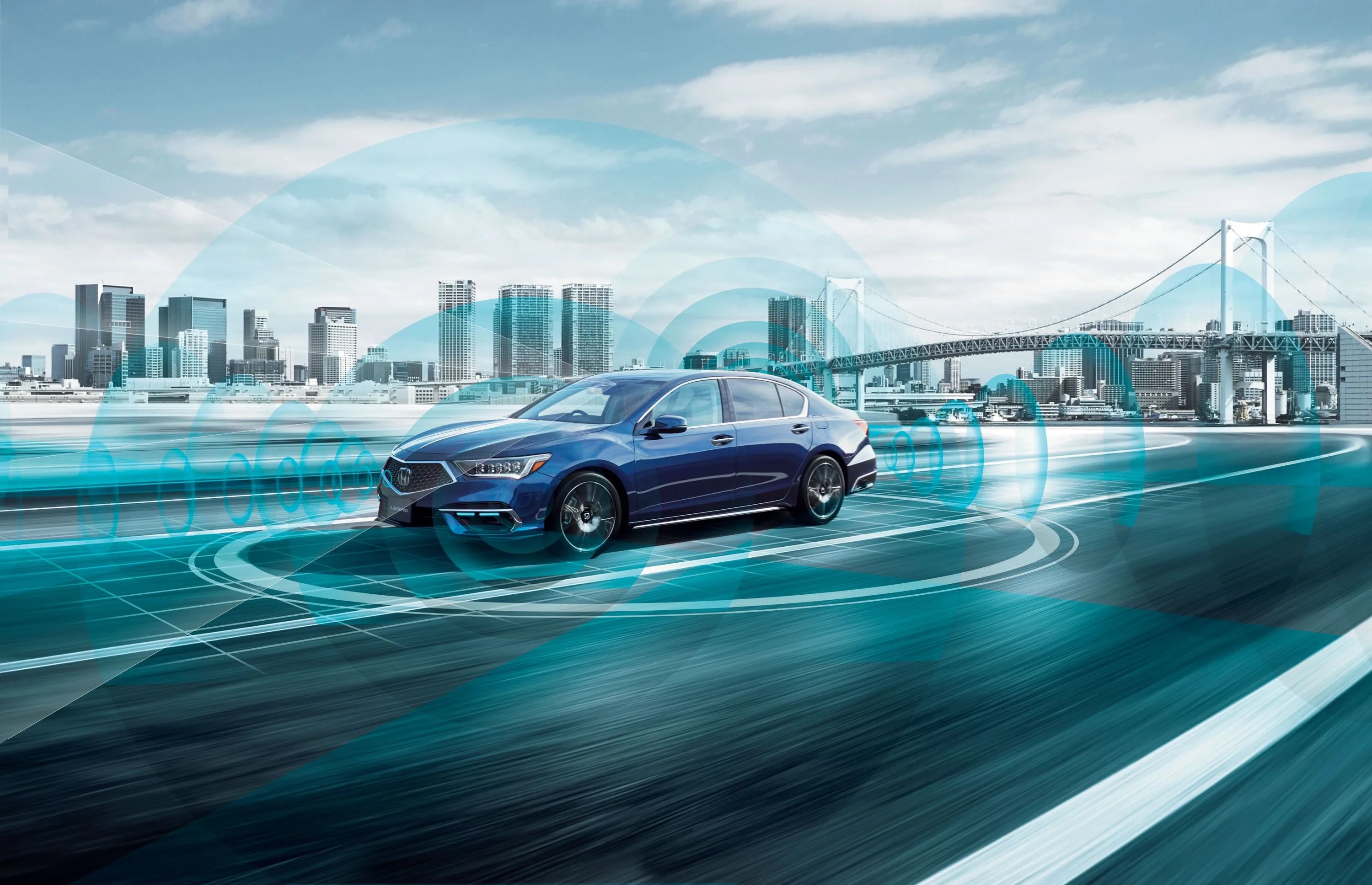
Some manufacturers, such as Honda, are focusing on Level 3 autonomous systems, which enable the car to take full control, albeit only under very specific conditions, like low-speed driving in traffic. Other manufacturers, such as Ford and Google’s Waymo, are skipping Level 3 to focus on Level 4 — full driverless autonomy within a geofenced perimeter.
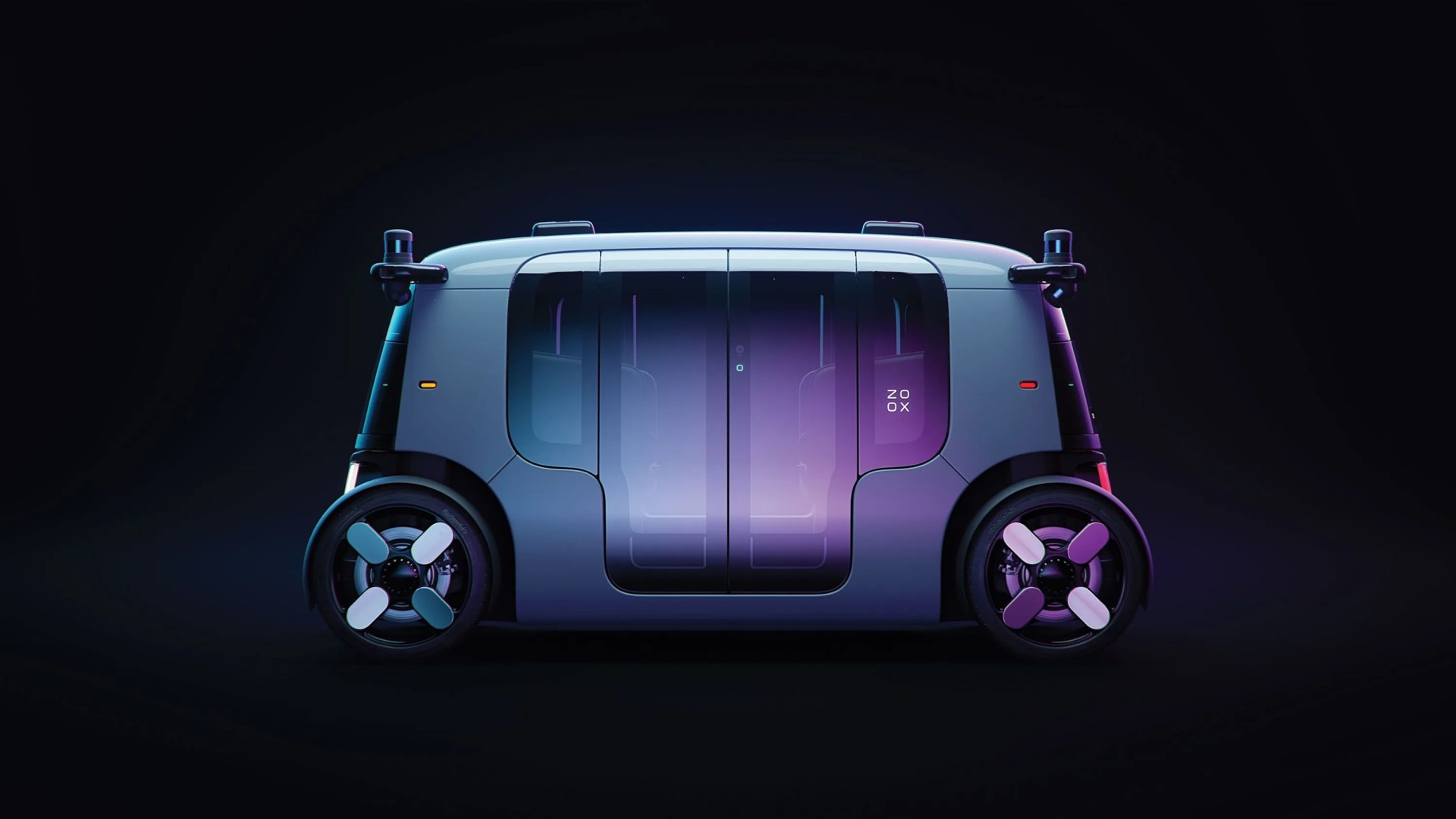
Zoox
What are the major hurdles to truly autonomous vehicles?
The technology still has a ways to develop. Artificial intelligence has produced rapid breakthroughs in many fields, but it’s struggled to master driving as quickly as futurists were predicting five to ten years ago. Safe driving requires not just operating a vehicle’s controls, but understanding complex social interactions and predicting human behavior; and cracking those has proven tricky. On the hardware side, most manufacturers’ systems rely on high-speed cameras and sensors, which need to both improve and become more cost-effective to make mass adoption feasible.
Once the tech is there, regulating autonomous vehicles will likely remain an issue. Industry and government officials need to codify exactly what the definition of self-driving is — if those SAE guidelines seem confusing to you, you’re not alone —and then set safety standards. That includes resolving knotty ethical and liability concerns, such as who bears the fault if a self-driving car kills someone. And on top of all that, automakers must convince the public that self-driving works. AAA surveys have shown more than 70 percent of the American public fears driverless cars.
When will full self-driving arrive?
Estimates vary. Elon Musk has promised Tesla would deliver full autonomy by the end of 2021, but he also claimed it would happen in 2017, 2019 and 2020. Industry consensus is more bearish; there’s cautious optimism that Level 4 autonomy could arrive in the next few years, but only in select localities. Few experts are even willing to take a stab at a precise timeline for Level 5, which many believe could take decades.
What vehicles will be the first to be self-driving?
Commercial vehicles and mass transit seem the most likely bet. Self-driving should arrive first on vehicles like freight trucks and city buses that follow pre-defined, low-variance routes; likewise, well-mapped cities are well-suited for driverless taxi systems. Vehicle fleets are where self-driving technology will be most useful — no more drivers to pay — and larger corporations can more easily bear the expense of new technology.
How will life change when self-driving cars become real?
Railroads changed life in the 19th century, and the automobile redrew our world in the 20th. Self-driving vehicles will be the next mobility shift of that magnitude. The technology may liberate cities from massive highways and ubiquitous parking infrastructure, and it may render vehicle ownership obsolete; hailing a Lyft or Uber may one day be so cheap that personal cars stop being household essentials and something only the most affluent people in society would consider.


 Zoox
Zoox