This Innovative Outdoor Tech Shouldn’t Be So Divisive. Here’s Why

The outdoors should be for everyone, and this marvel of innovation can help make that lofty dream a reality for some.

Dnsys Z1 Knee Exoskeleton closeup on hiker knee in waterDnsys

If you buy from a link, we may earn a commission. Learn more

Traveling into the great outdoors is a tremendous privilege. It can even have significant, lasting positive effects on your health.

But for some with physical limitations, getting out there can pose serious problems. Furthermore, there are some stigmas around utilizing assistive tech — everything from the mental connection to disabilities to an unfair association with cheating.

It shouldn’t be this way. The outdoors should be for everyone, regardless of whether they need to use assistive tech, like the Dnsys Z1 Knee Exoskeleton, or not. And here’s why.
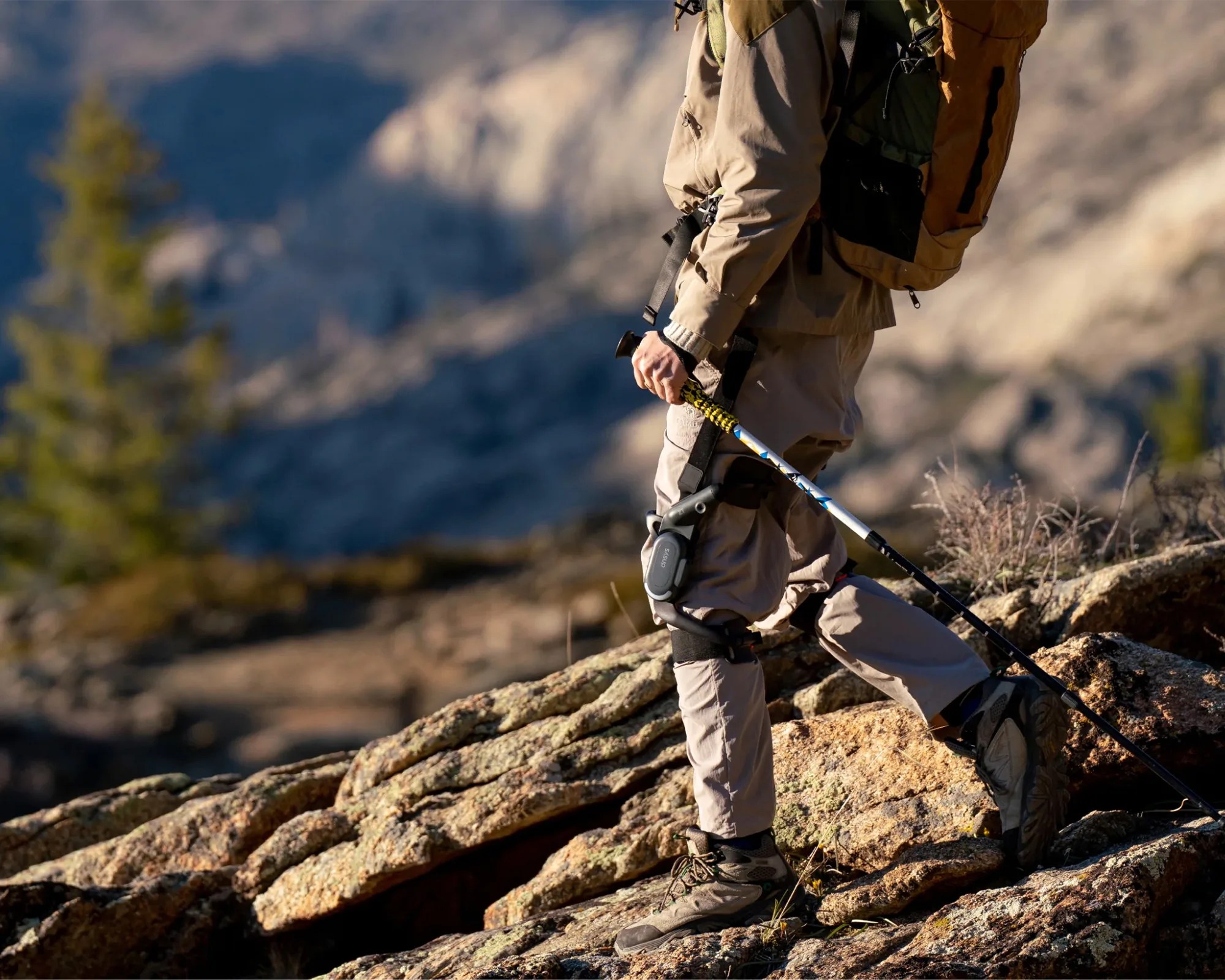
Dnsys Z1 Knee Exoskeleton on hiker on trails
The Z1 can boost thigh and calf power by up to 50 percent.
Dnsys

1. Inclusivity is key

The United States has a massive system of public lands and parks. “Public” is the key term here. No single group owns them; they are inclusive spaces meant for all of us. We share a collective responsibility to keep them safe and protected. In exchange, we get access.

In many ways, that’s what the Dnsys Z1 Knee Exoskeleton seeks to deliver: inclusivity and access. With its powered assistance, it can help those with physical limitations go places they might otherwise be unable to, which should be considered an extremely good thing overall.


While that comes with unfortunate limitations — it’s a product you must buy, and it can’t help everyone (you still need leg mobility to utilize an exoskeleton) — it can be a step in the right direction. Maybe adopting and, more importantly, accepting this tech will lead to even more inclusive offerings.

Dnsys Z1 Knee Exoskeleton on skiier on mountain
The Z1 is not exclusive to hiking; you can use it for other demanding outings, like skiing.
Dnsys

2. Less strain, more gain

Even those without limitations can benefit from this kind of tech. The Z1 offers a whopping 200 percent reduction in knee pressure and a 50 percent boost in physical power.

According to the brand’s extensive testing, that equates to up to an additional 9.3 to 15.5 miles of travel, depending on the severity of the trail. Not only can this exoskeletal tech help reduce fatigue overall, but it can also keep you on the trails for longer.

Objectively, whether you have limitations or not, that seems like a pretty killer premise. We only have so much time to get out there (between work, life, money and so on), so why wouldn’t anyone want to make the most of it?

Dnsys Z1 Knee Exoskeleton on tennis player on court
The Z1 is flexible and comfortable enough even to be used on your bare skin, making it functional all year.
Dnsys

3. Selective outrage

Other forms of assistive tech have already been accepted and adopted in the outdoor world — some without anyone even realizing it. Technically speaking, using a GPS navigator or a smartphone is assistive tech, yet few balk at the idea of employing these.

Trekking poles are another, perhaps more obvious example — and there is still some elitism surrounding their use in the outdoors. Even so, there’s plenty of evidence to suggest their myriad benefits, and they’ve become more widely accepted over time.

I suspect exoskeletons will have a similar arc. Over time, people will ease off the judgment and hesitation, which is largely borne of novelty, and products like the Z1 will become more commonplace and widely employed.

Besides, they’re not hurting anyone — which brings me to my next point:

Dnsys Z1 Knee Exoskeleton on person getting out of midcentury modern chair in house
Although largely marketed for outdoor use, this exoskeleton can also be used in daily life as a mobility aid.
Dnsys

4. Injury prevention

One of the biggest benefits of the Dnsys Z1 is how much strain it takes off the user’s joints. Joint damage can be a serious hindrance to physical activity, even resulting in long-term, chronic pain.

Not only can an assistive exoskeleton help reduce joint impact, as mentioned, but it can also go a long way toward preventing repetitive motion injuries and those one might suffer in the future. After all, less impact means less stress, and less stress means fewer tears, dislocations and so on.

That applies to virtually all manner of lower-body-focused physical activity: hiking, climbing, cycling, skiing, running, basketball, tennis and so on. The Z1 can even be utilized as a daily mobility aid for those already experiencing limitations or chronic issues.

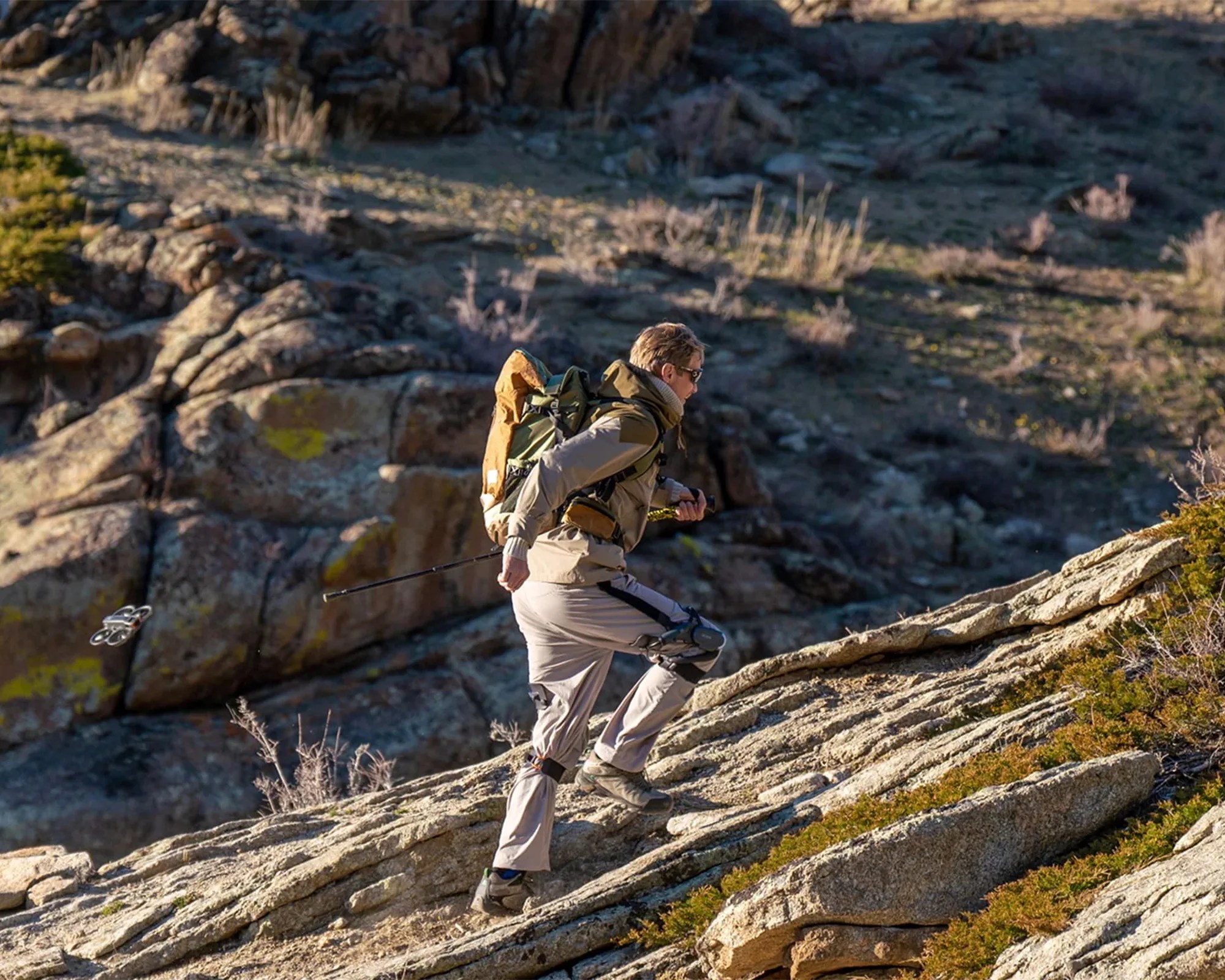
Dnsys Z1 Knee Exoskeleton on hiker running uphill on trails
The Z1 will have you summiting peaks you previously thought unreachable.
Dnsys

5. Competitive advantage

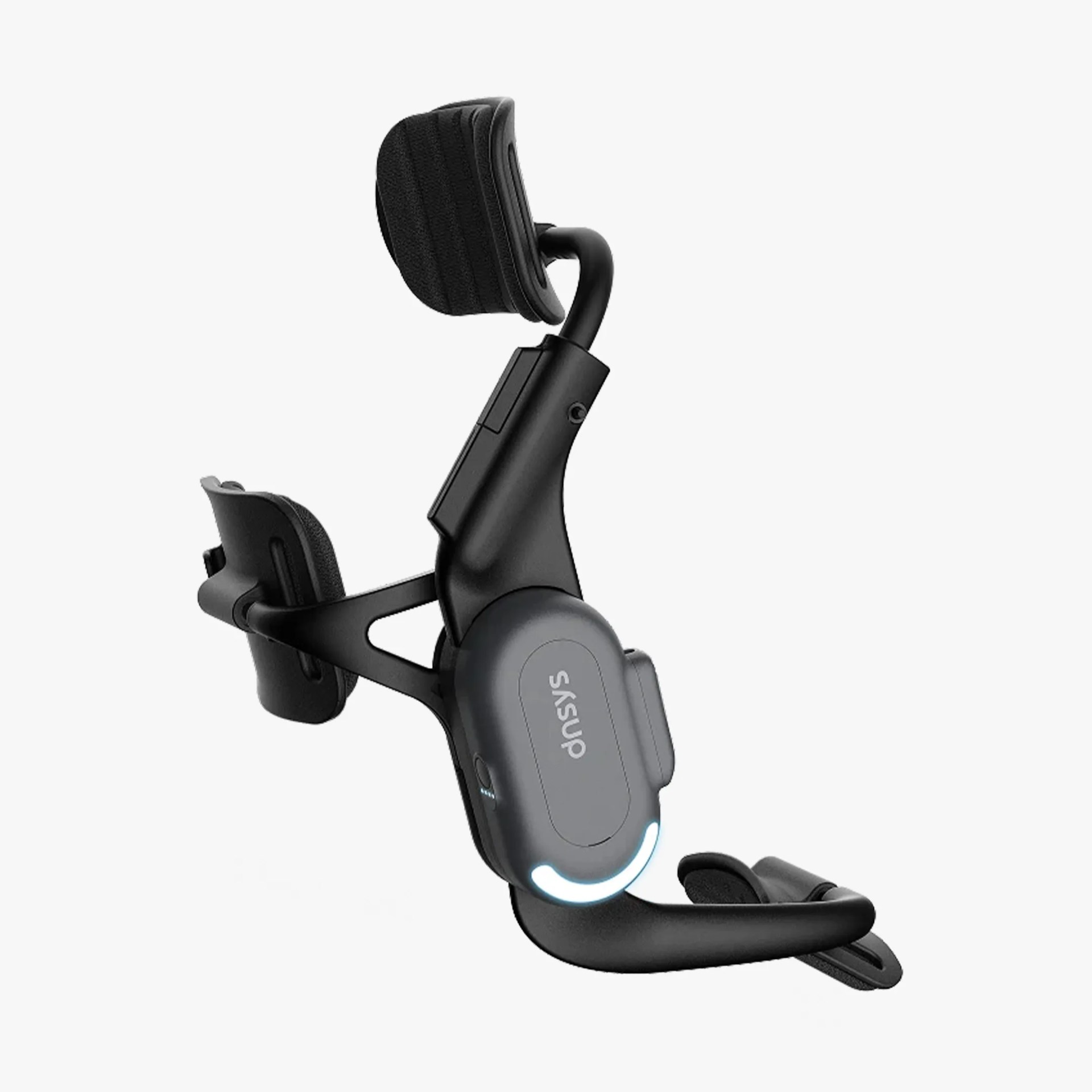
Like other exoskeletons, the Z1 uses a combination of high-performance hardware and intelligent software, combined with a suite of sensors, to activate assistance within 0.01 seconds of movement.

Pair that with its 77-pound burden reduction and up to eight hours of battery life and you’ve got a hell of a lot of additional speed and power. Obviously, that’s a serious competitive advantage, which is why I could see people being upset at using this as a … performance enhancer.

That said, barring its use in competition, I don’t see any legitimate reasons we should judge people for wanting to use tech like this to enhance their adventures. They’re not hurting anyone, and they’re not hurting the environment; it’s all good.

Pricing and availability

The Dnsys Z1 Knee Exoskeleton is now funding on Kickstarter, starting at $899.

It has already absolutely smashed its goal and is nearing $1,000,000 in funding. That said, there’s still plenty of time to back it (37 days, as of this article).

, , , ,