
Maker’s Mark’s New Whiskey Brand Could Change Craft Distilling Forever

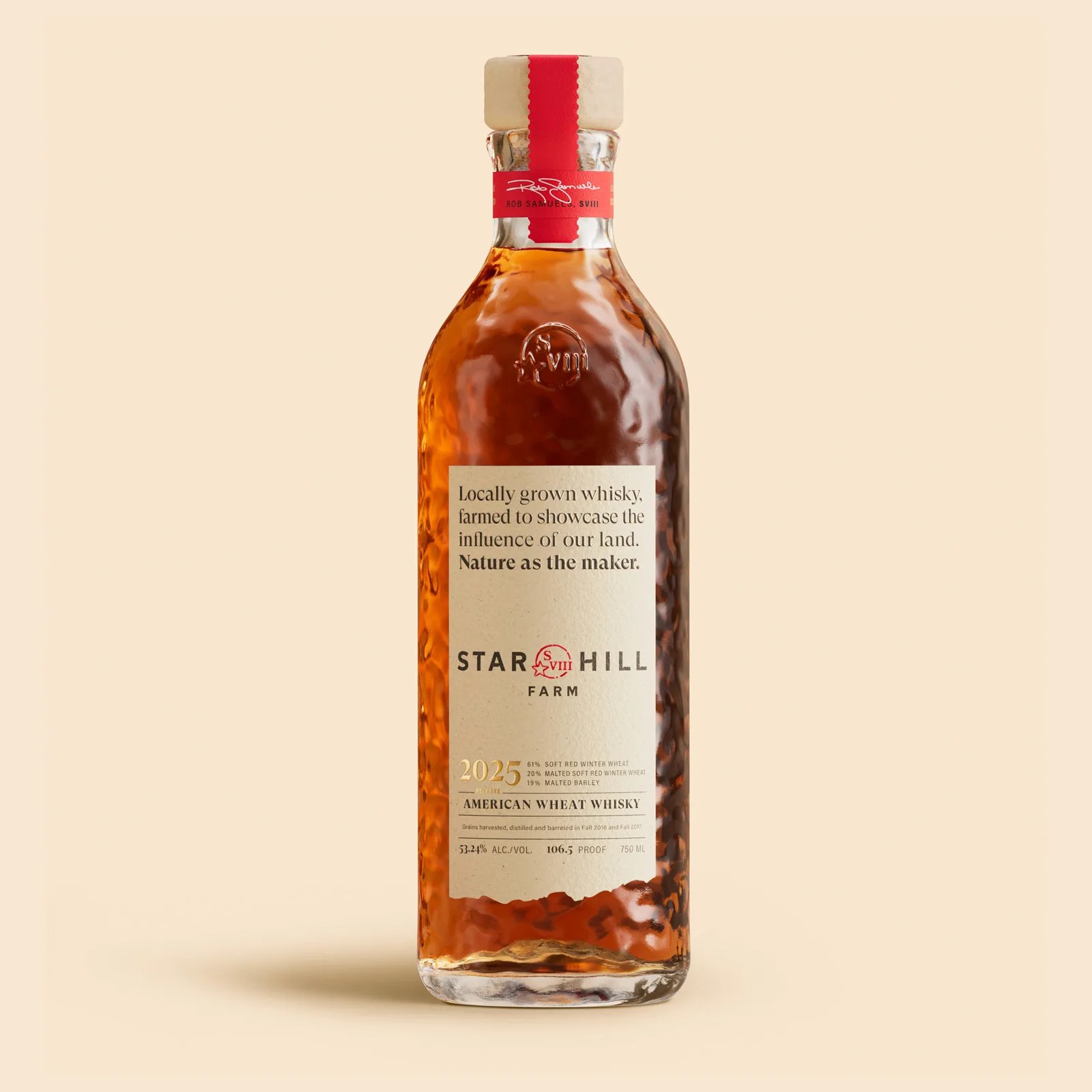
Star Hill Farm Whisky’s importance has little to do with flavor and everything to do with its potential future impact.

star hill whiskyMaker’s Mark

If you buy from a link, we may earn a commission. Learn more

When a famed bourbon brand like Maker’s Mark, which famously hasn’t touched its core recipe since the 1950s, finally decides to release a completely new whiskey built on an entirely new mash bill, it’s going to grab headlines.

GP100: Gear Patrol’s annual roundup of the most important releases collects key watches, cars, outdoor gear and more. Browse the full list or catch up on last year’s winners.

It turns out, though, that Star Hill Farm Whisky – named for the 1,100-acre farm that’s home to the Maker’s Mark distillery – isn’t especially transcendent from a flavor perspective, at least not yet.
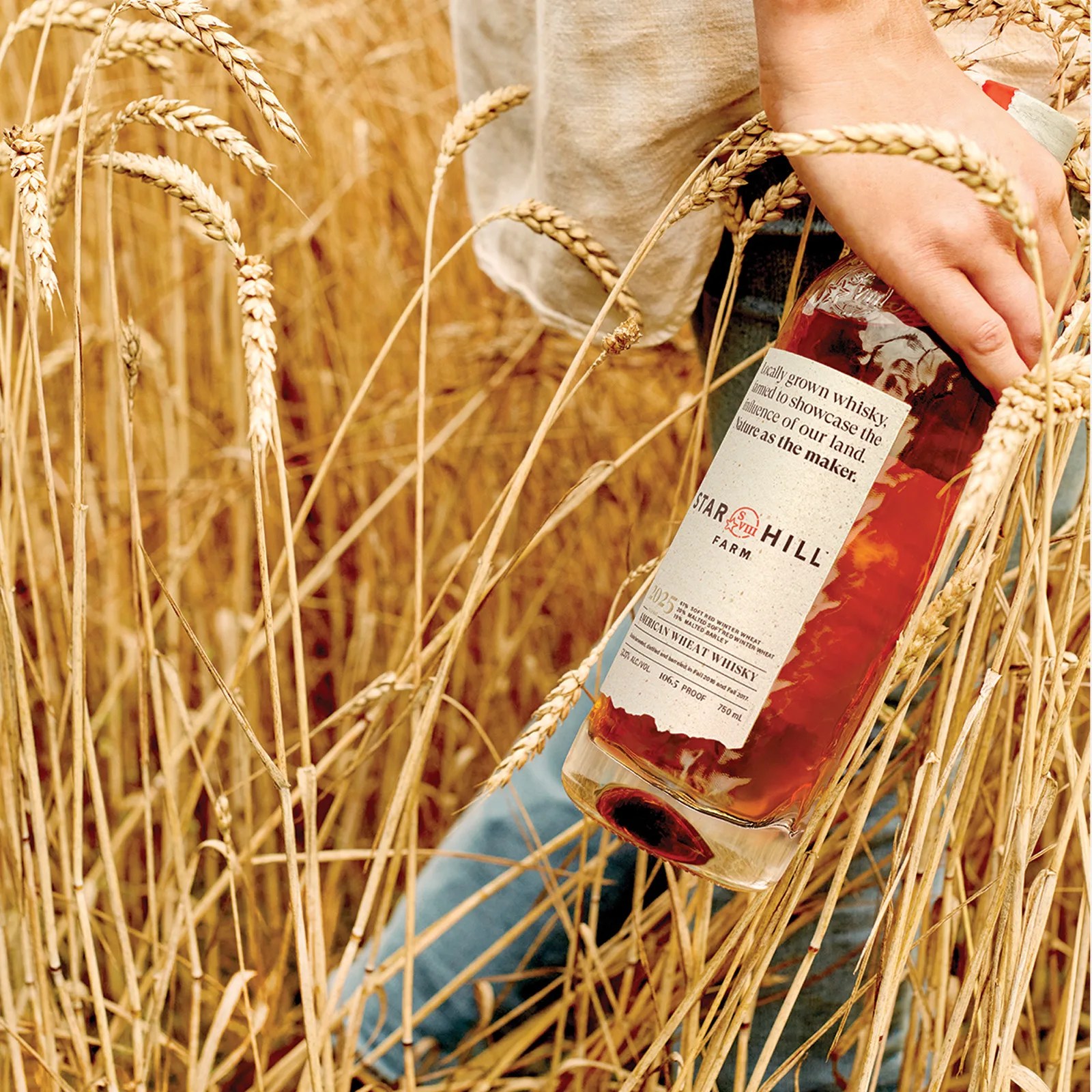
A bottle of Star Hill Farm Whisky shown being carried in one hand by a person walking through a field of golden wheat.
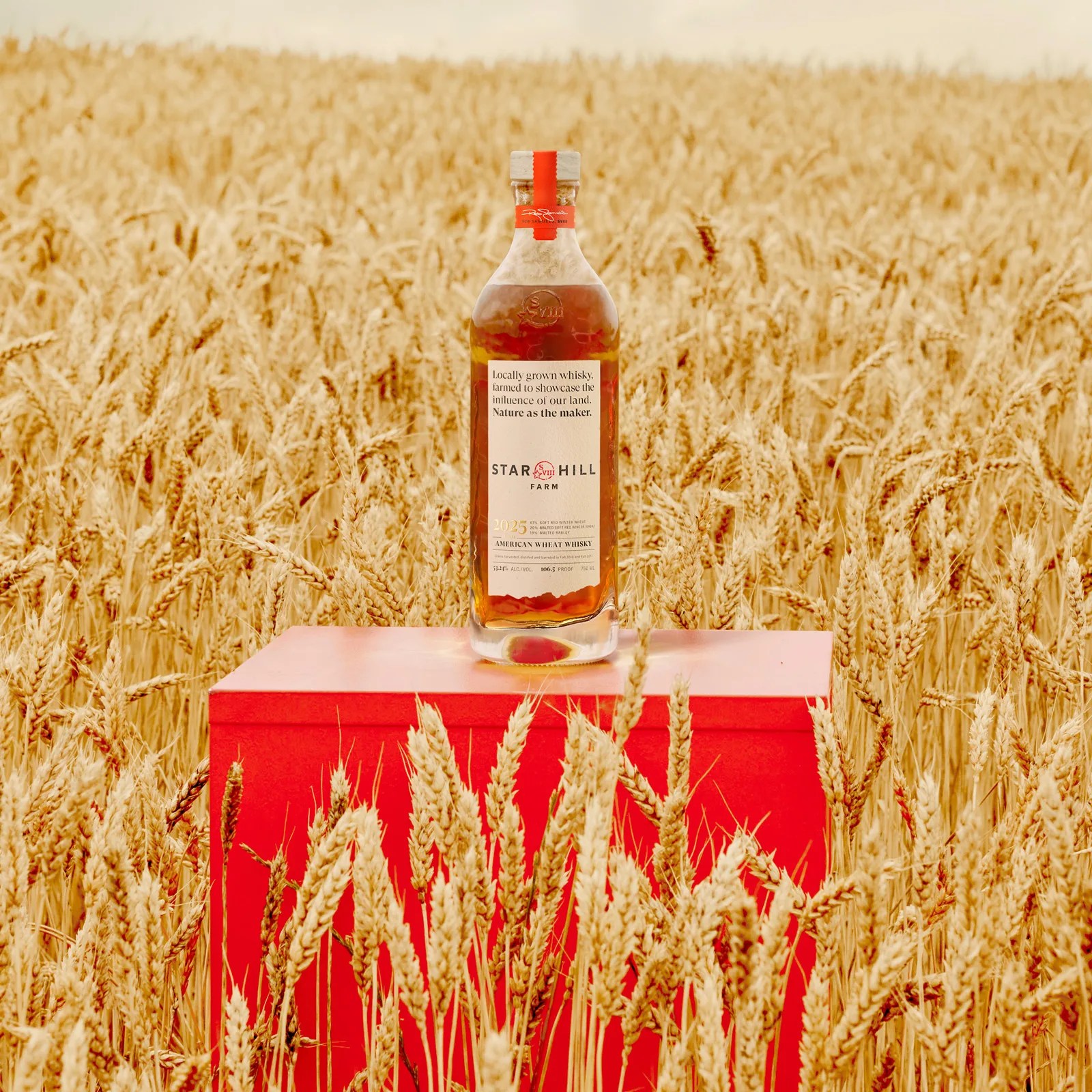
Star Hill Farm Whisky’s first release is surprisingly the first pure wheat whisky ever made by the iconic wheated bourbon brand. It’s also the first-ever Estate Whiskey Certified product.
Maker’s Mark

The new label’s inaugural batch is a fully wheat-forward American whisky made from a blend of two mash bills: one made of 70 percent soft red winter wheat and 30 percent malted barley, and another made entirely of malted wheat.

Tasters tend to praise its potent notes of wood and dark fruits, as well as its lingering complexities, but waffle on whether its dry, oak-forward flavors overwhelm the palate. In short, it’s exciting and promising — just not an instant classic.

But its place on our list of the 100 most innovative products of 2025 has little to do with flavor and everything to do with its potential future impact.

The truth is that American whiskey has leaned on the language of agriculture for years — grain varietals, soil, sustainability, terroir — without any formal way to verify how much of that romance reaches the bottle.
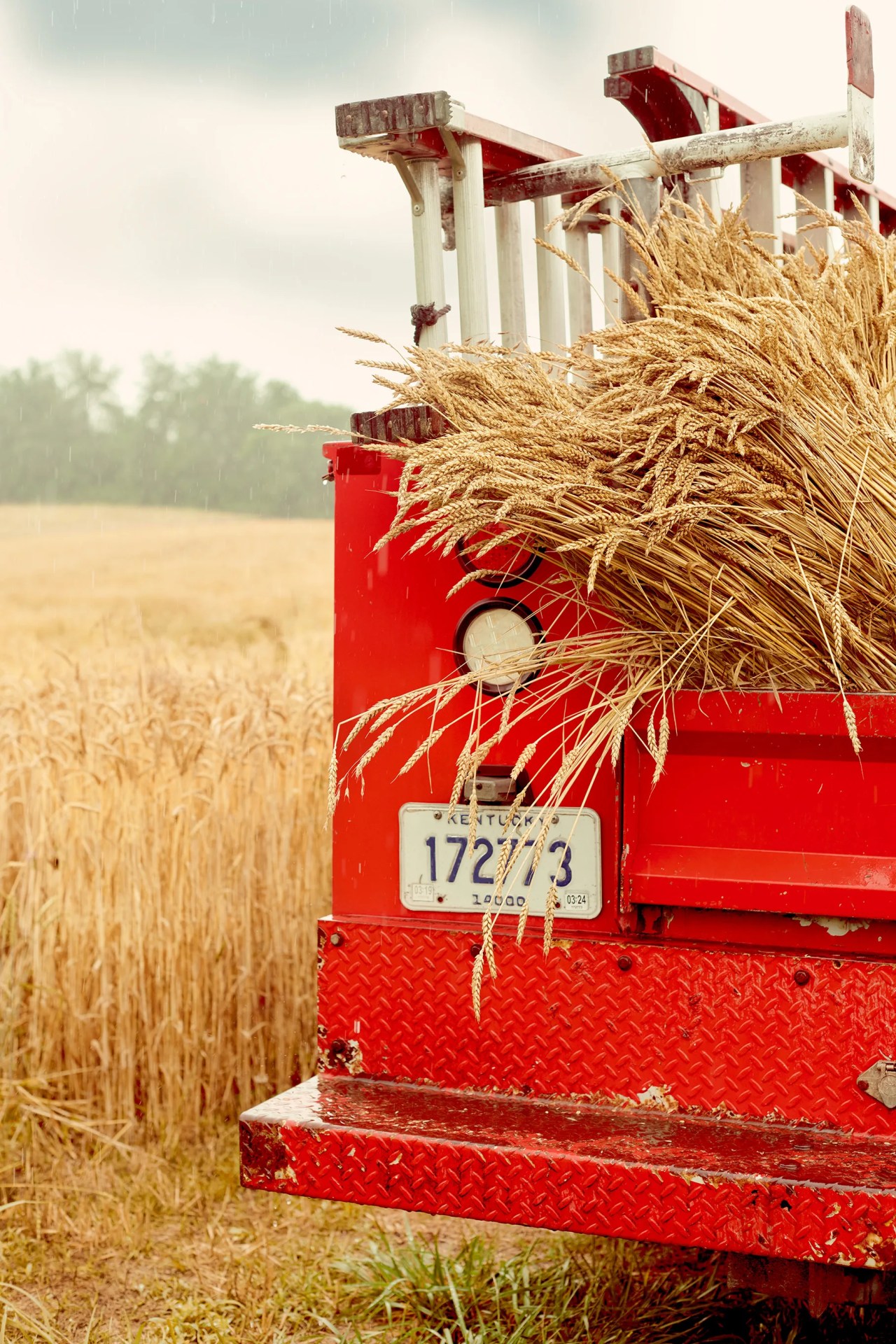
A red Maker's Mark delivery truck shown loaded with grains a golden wheat parked in a golden wheat field.
Red winter wheat is the strongest link between Maker’s Mark bourbon and Star Hill Farm Whisky. It’s the key ingredient in Maker’s Mark bourbon and the primary ingredient in Star Hill Farm’s inaugural wheat whisky release.
Maker’s Mark

That’s where the Estate Whiskey Alliance comes in. Formed in 2023 by distillers, industry partners and University of Kentucky agricultural scientists, the group created a new Estate Whiskey Certification program.

To qualify, a distillery must grow at least two-thirds of its grain on estate-owned or controlled land and handle milling, cooking, fermenting, distilling, barreling, aging and bottling entirely on-site.


As the first officially certified Estate Whiskey, Star Hill Farm reflects Maker’s Mark’s longstanding interest in terroir and environmental responsibility — from grain-variety research to sustainable and regenerative farming practices.

A mock-up whiskey bottle showing what the Estate Whiskey Certified seal of approval might look like.
The Estate Whiskey Certified logo mocked up on this bottle could one day be the equivalent of an organic label on food in the eyes of consumers.
Estate Whiskey Alliance

But it’d be naive to presume that any distiller’s interest in Estate Certification wasn’t also grounded partially in business interests.

After all, should consumer recognition for the term grow, having an Estate Whiskey Certified seal on the bottle becomes a powerful market distinction, akin to what organic stickers were to produce (at least in the early days), creating for producers like Maker’s Mark, with its acreage and resources, a new premium perch above the commodity-sourced spirits.

That tension is exactly what makes this moment compelling. Estate whiskey could drive meaningful progress toward more sustainable, place-driven production… or become another dividing line between well-resourced distillers and everyone else. Most likely, it will do a bit of both.

A portrait photo of Rob Samuels, the 8th generation distiller and managing director of Maker's Mark Distillery shown holding a glass of whisky standing next to a bottle of Maker's Mark and Star Hill Farms Whisky
The brand credits Rob Samuels, an 8th-generation distiller and the Managing Director of the Maker’s Mark Distillery, with focusing on making Star Hill Farm “a sustainable, culturally rich, and endearing homeplace.” Rob’s signature is featured prominently on the neck of the Star Hill Farm whisky bottle.
Maker’s Mark

Whether Star Hill Farm Whisky ultimately becomes a watershed in American whiskey production is impossible to know. But as a signal — that American distillers are finally reorganizing around land, not lore— it offers reason for optimism.

American whiskey isn’t just talking about provenance anymore; it’s beginning to build around it, setting the table for a future where American whiskey is more diverse and distinctive than ever before.

Star Hill whiskyMaker’s Mark

GP100 Winner

Star HIll Farm Whisky 2025 Wheat Whisky

Specs

Whiskey Type Wheat
Proof 114.7
Mashbill 1 70% soft red winter wheat, 30% malted barley
Mashbill 2 100% malted soft red winter wheat
Age Statement N/A