
The World Will Be Losing a Major and Beloved Fixture of the BMW Universe

A firm best known for making fast BMWs even faster is closing its doors after nearly four decades.

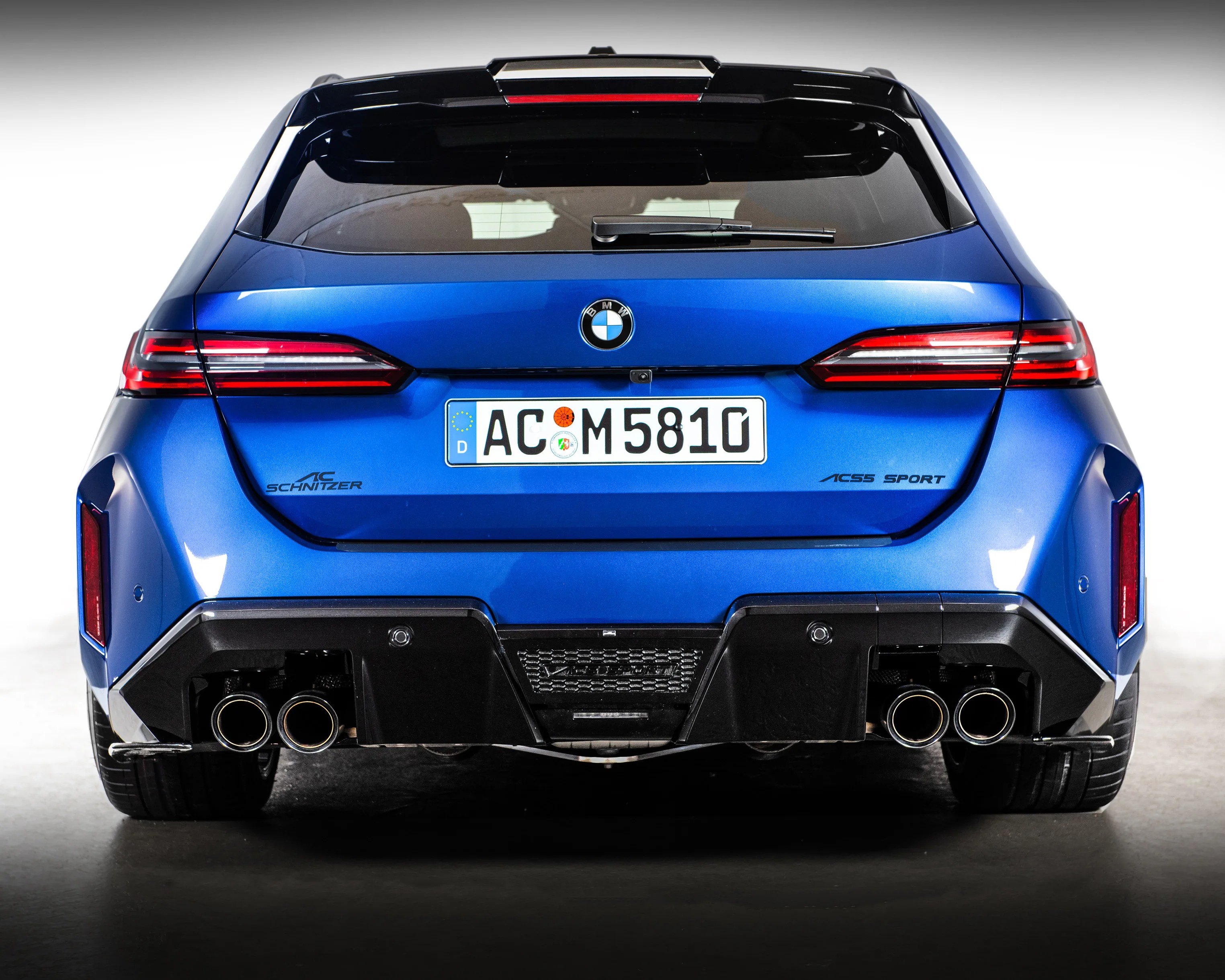
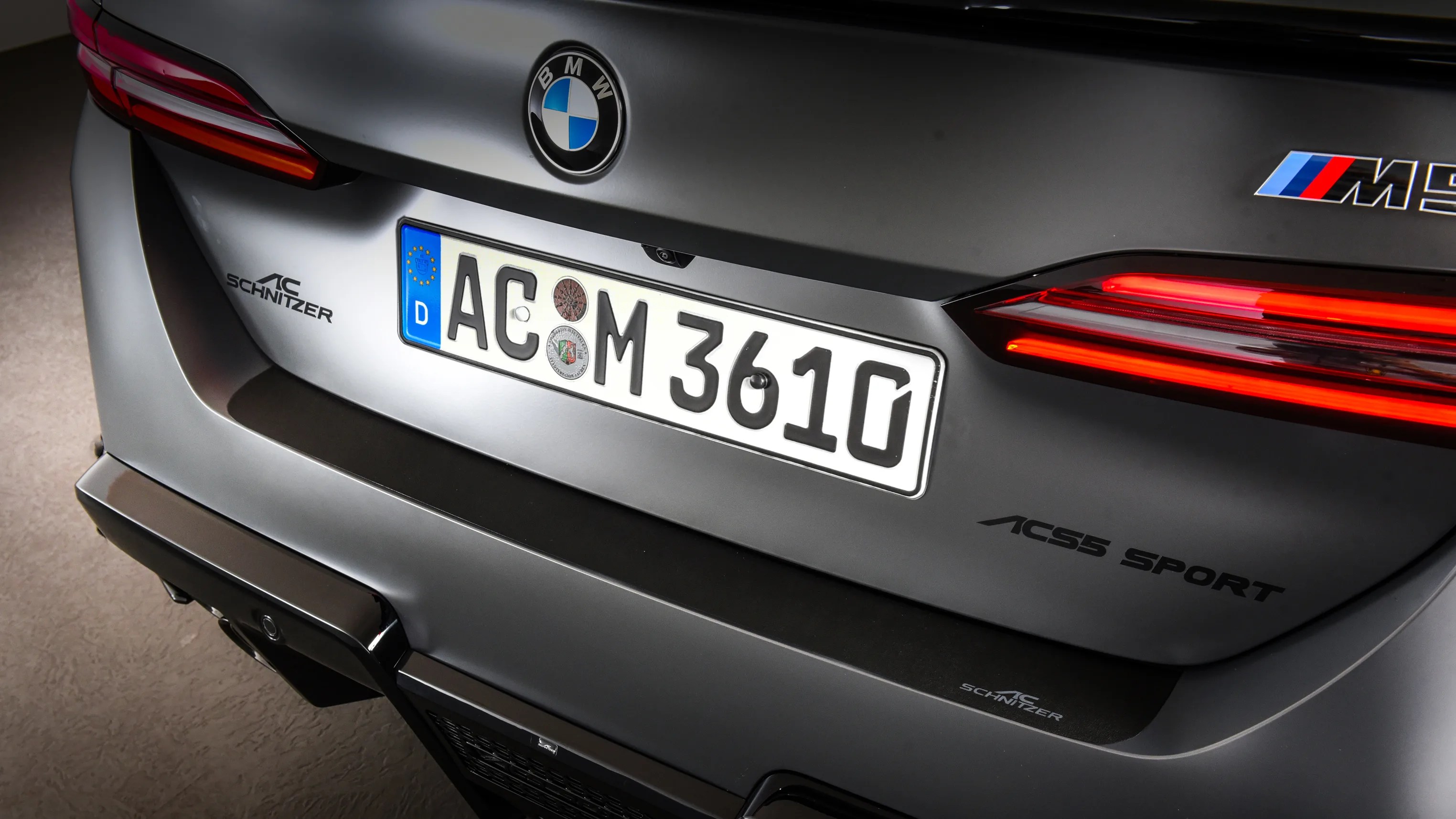
Rear view of a matte gray BMW M5 with AC Schnitzer ACS5 Sport badges and a German license plate.AC Schnitzer

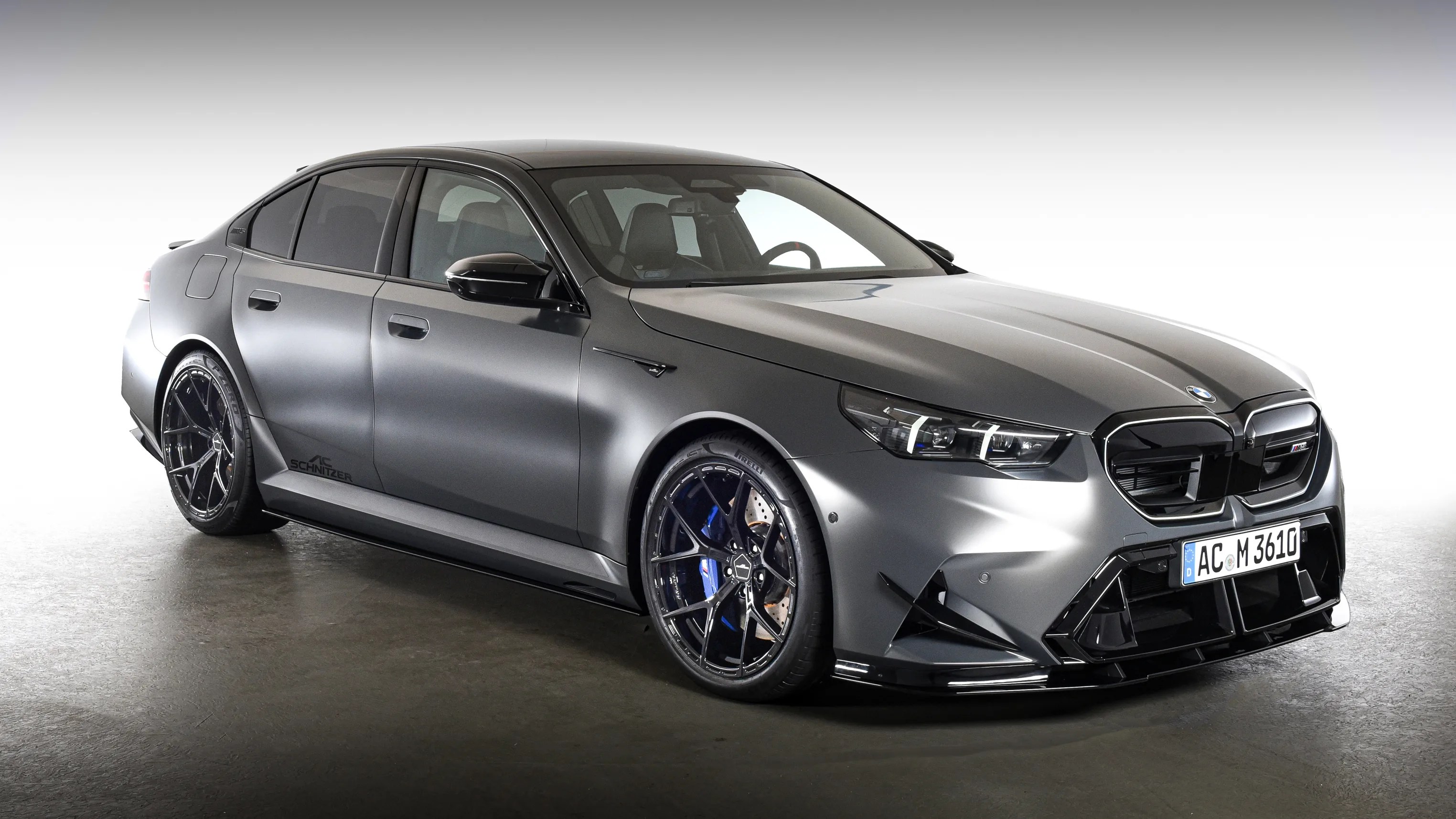
AC Schnitzer, the aftermarket tuning firm best known for making some of the world’s fastest Bimmers and Beamers even faster, will sadly be closing up shop later this year. Parent company, the KOHL Group, announced the closing, citing a number of external factors.

But more importantly, the BMW community will be losing a beloved partner. Who, like Dinan, Alpina, Hamann and Manhart, helped shape the automotive enthusiasm around the Bavarian marque.

The end of a Rhenian era
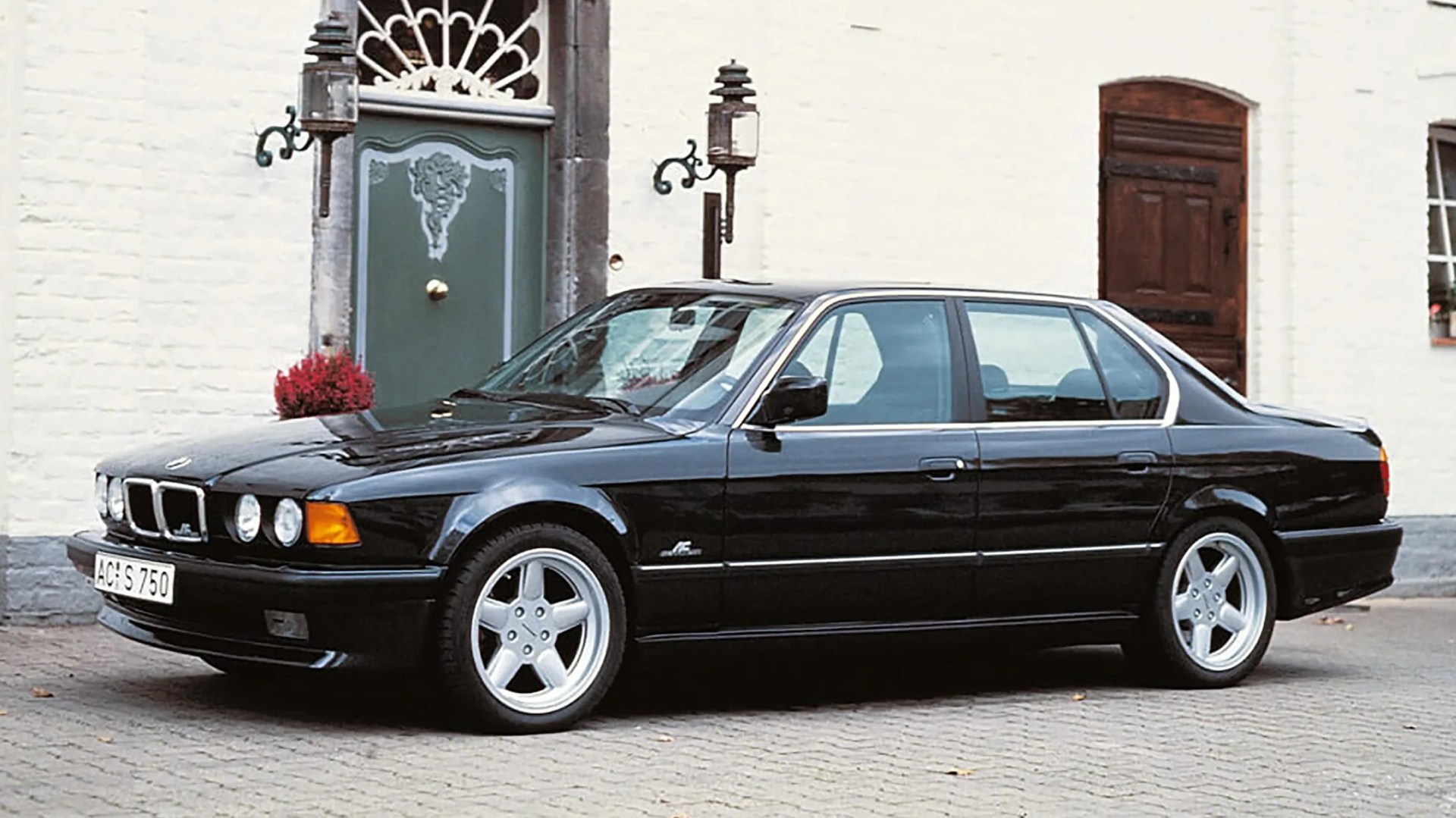
Black classic BMW sedan with silver five-spoke wheels parked on a cobblestone street.
AC Schnitzer made its world debut with the BMW E32 7 Series-based 1987 ACS7 at the Frankfurt motor show.
AC Schnitzer

AC Schnitzer established itself and rose to prominence in the 1980s. Founded in 1987 by Willi Kohl and Herbert Schnitzer, the duo began developing and testing performance modifications for BMWs during their grassroots motorsports attempts.

Their first production vehicle was the ASC7, a modified 7 Series based on the then-hot and new second-gen E32. After making its groundbreaking debut at the Frankfurt Motor Show, the company continued to develop performance upgrades for BMWs.
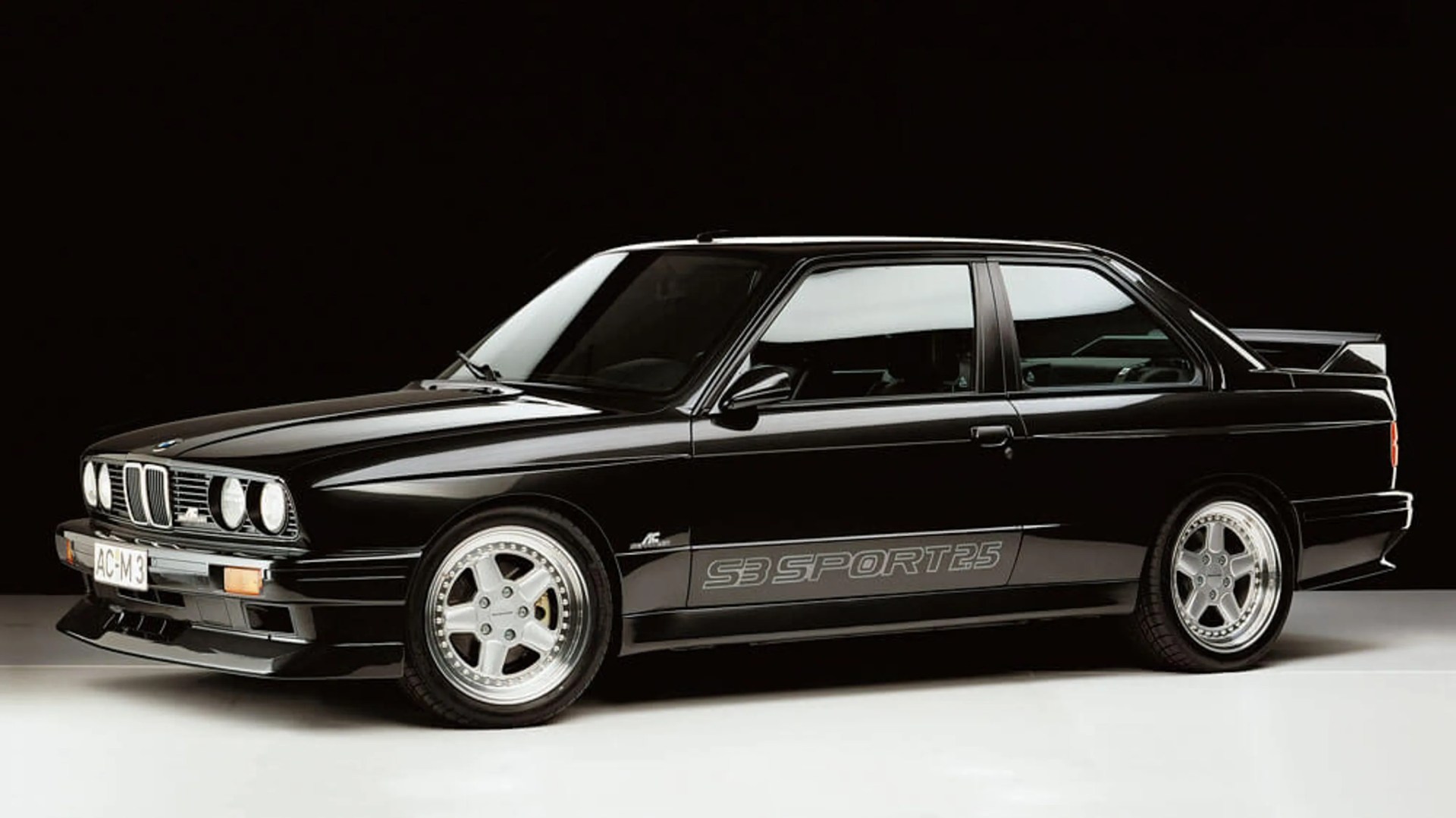
Glossy black BMW E30 M3 with silver five-spoke wheels and "S3 SPORT25" decal on the side.
AC Schnitzer quickly became one of BMW’s most definitive aftermarket tuning firms.
AC Schnitzer

Often likened to Mercedes-Benz AMG (who was then a completely separate entity) and other tuners like Lorinser, BRABUS, and Renntech, AC Schnitzer rode the wave of proliferating German aftermarket tuning companies in the 1980s.

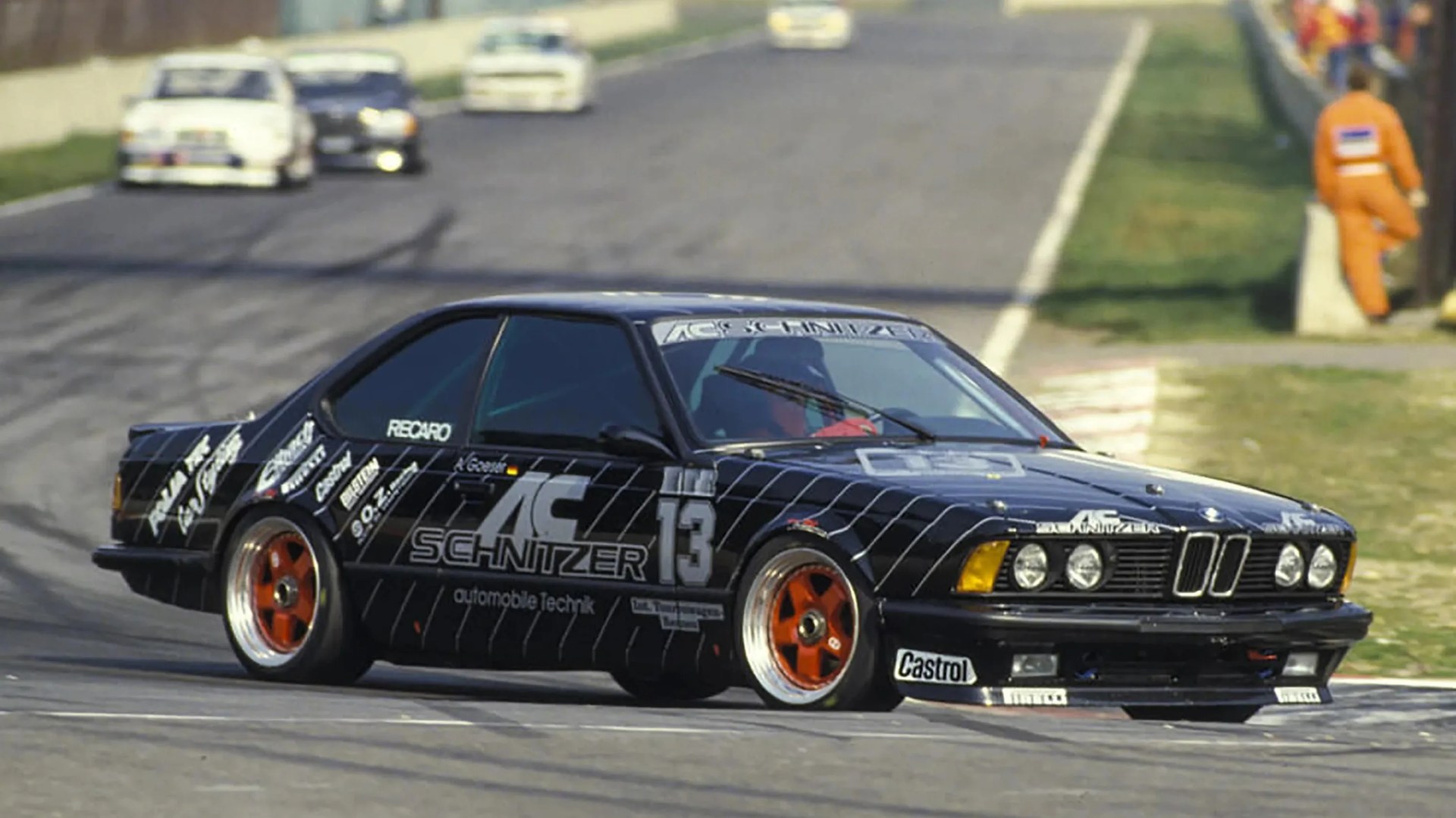
The company continued growing and gaining popularity through its racing efforts, particularly in the Deutsche Tourenwagen Meistershaft, or DTM (German touring car championship). It’s the same league and era when other motorsports icons, like the BMW E30 M3 and the Mercedes-Benz W201 190E 2.3-16v, rose to international fame as one of the greatest automotive rivals of all time.

Black AC Schnitzer race car with orange wheels and number 13 on a racetrack.
AC Schnitzer originated from grassroots motorsports to eventually compete in the world-famous Deutsche Tourenwagen Meistershaft.
AC Schnitzer

In addition to developing aftermarket upgrades, AC Schnitzer also continued manufacturing limited edition, complete cars. Such models include equally iconic 1989 ACS3, based on the original E30 M3, which showcased the brands modifications in their ultimate forms.

A true performance icon of the ’80s, ’90s and ’00s

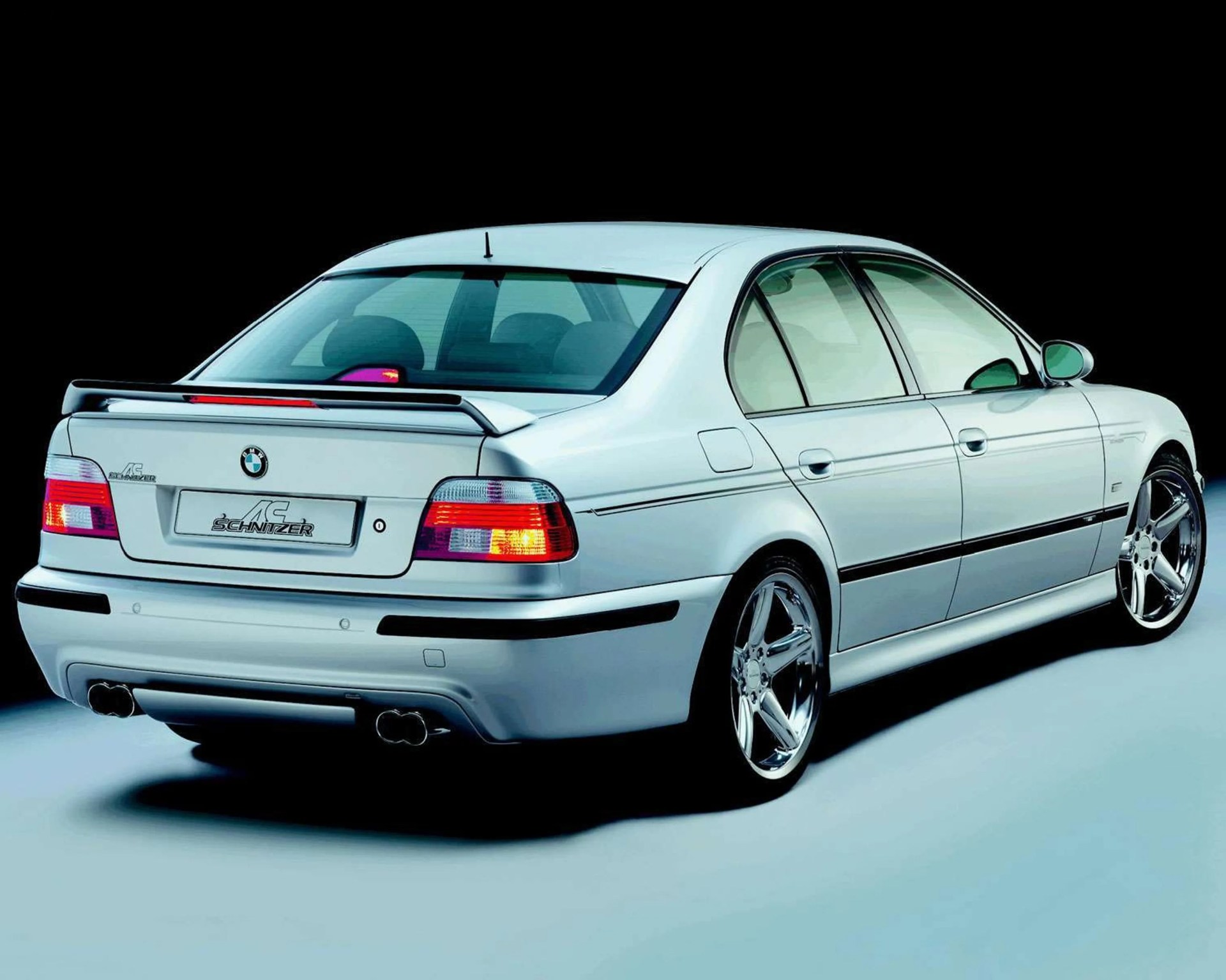
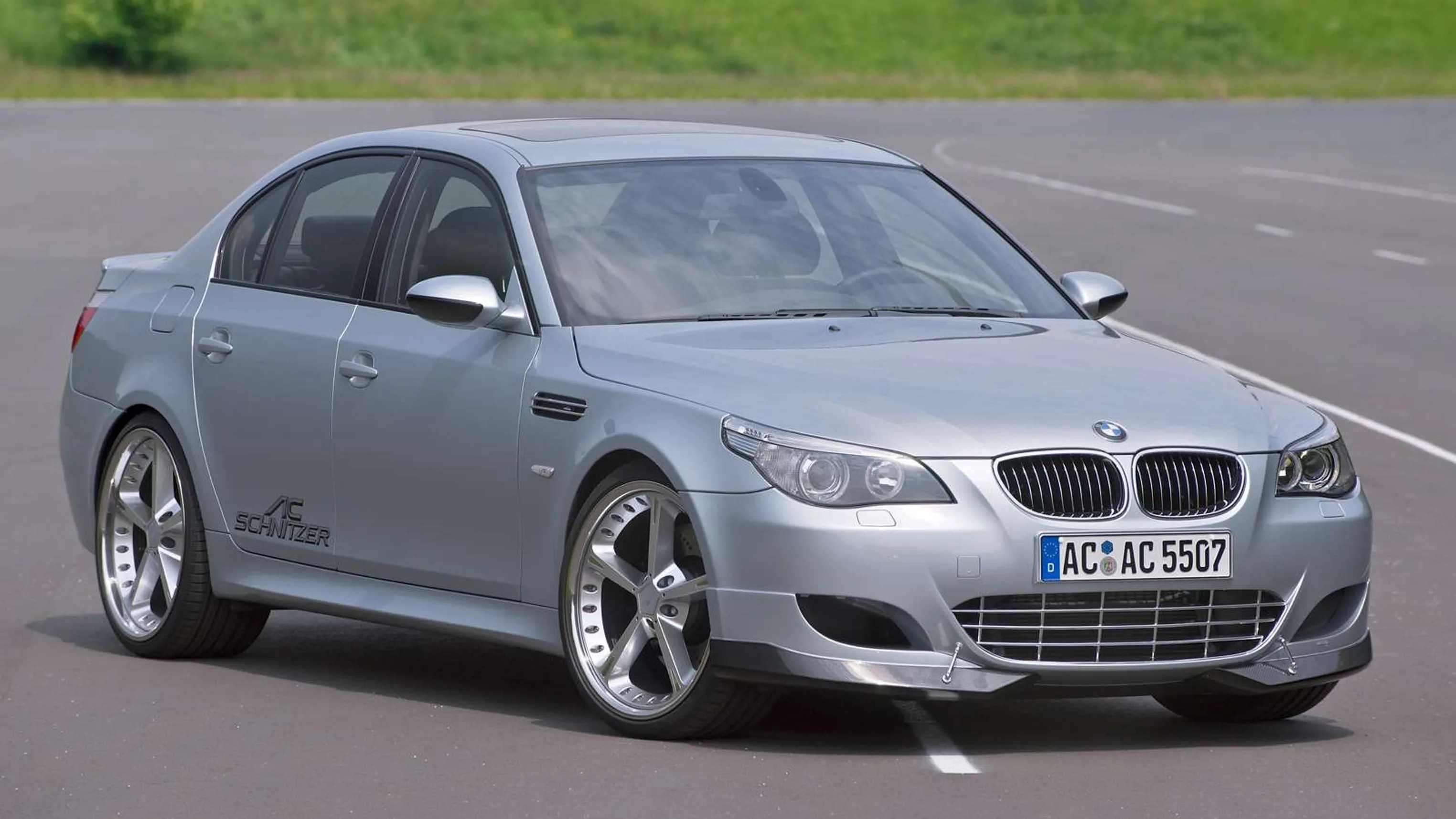
Silver BMW sedan with AC Schnitzer tuning, rear spoiler, and chrome five-spoke wheels on a light surface.
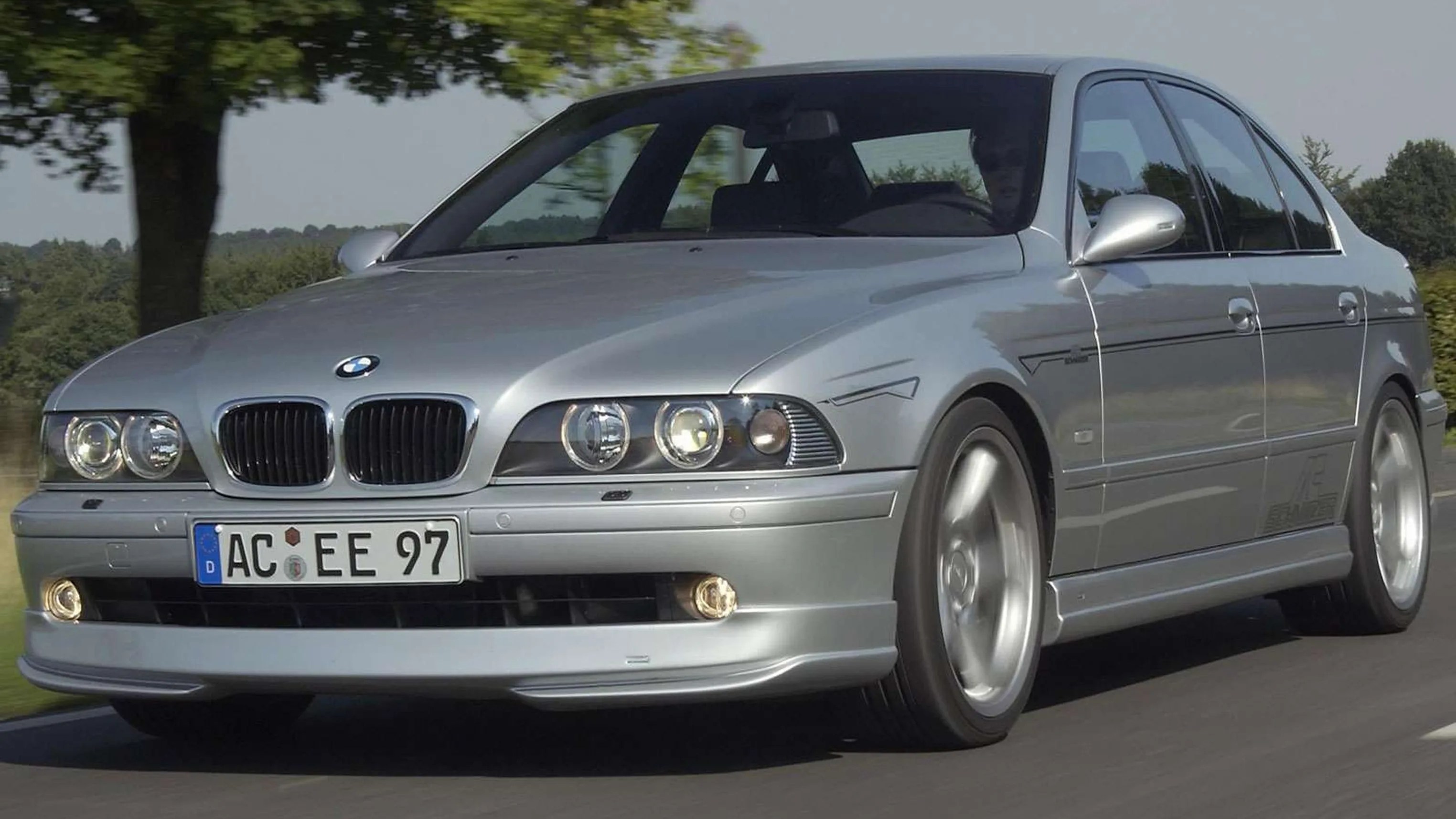
Since 1987, AC Schnitzer grew to become one of the BMW community’s most beloved aftermarket tuning firms.
AC Schnitzer

Over the years, AC Schnitzer retained its identity as one of the definitive places to get the world’s best upgrades specifically for BMWs. While other tuning firms entered the fold, bringing much bolder designs, AC Schnitzer focused more on balancing appearances with functionality.

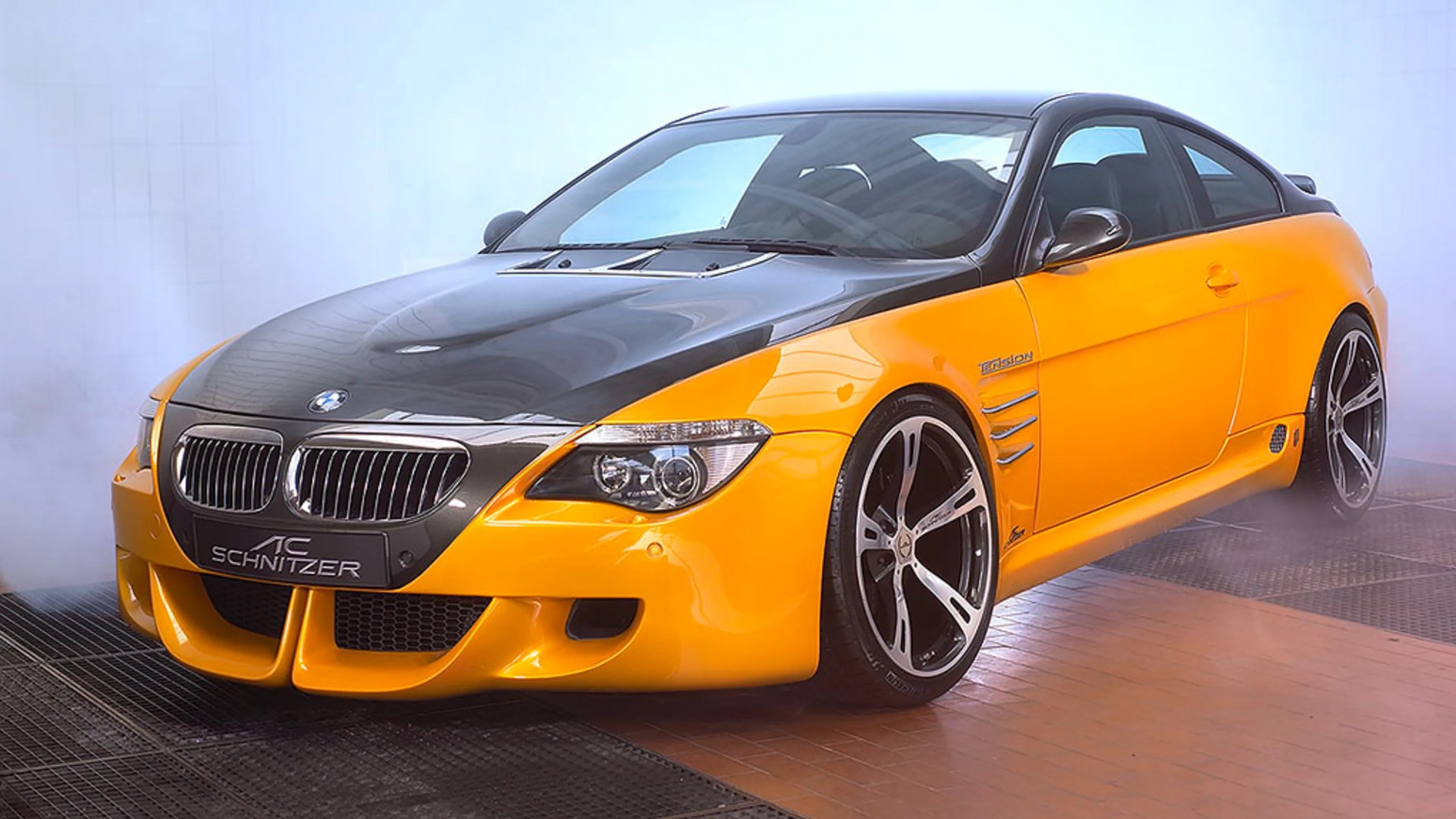
The firm even went on to establish and break a few world records. For instance, the company set the world record for the fastest road-legal BMW in 2005 at Italy’s iconic Nardo test track. The subject: the E63 M6-based Tension Concept.

Yellow and black BMW coupe with AC Schnitzer tuning and large black and silver wheels in a smoky garage.
AC Schnitzer wasn’t just about visual appeal, the company set several top speed records over the years.
AC Schnitzer

But the company didn’t stop there. It continued chasing records in 2007, when it set another record at Nardo for the world’s fastest LPG-powered car. And another for the world’s fastest diesel-powered car in 2009.

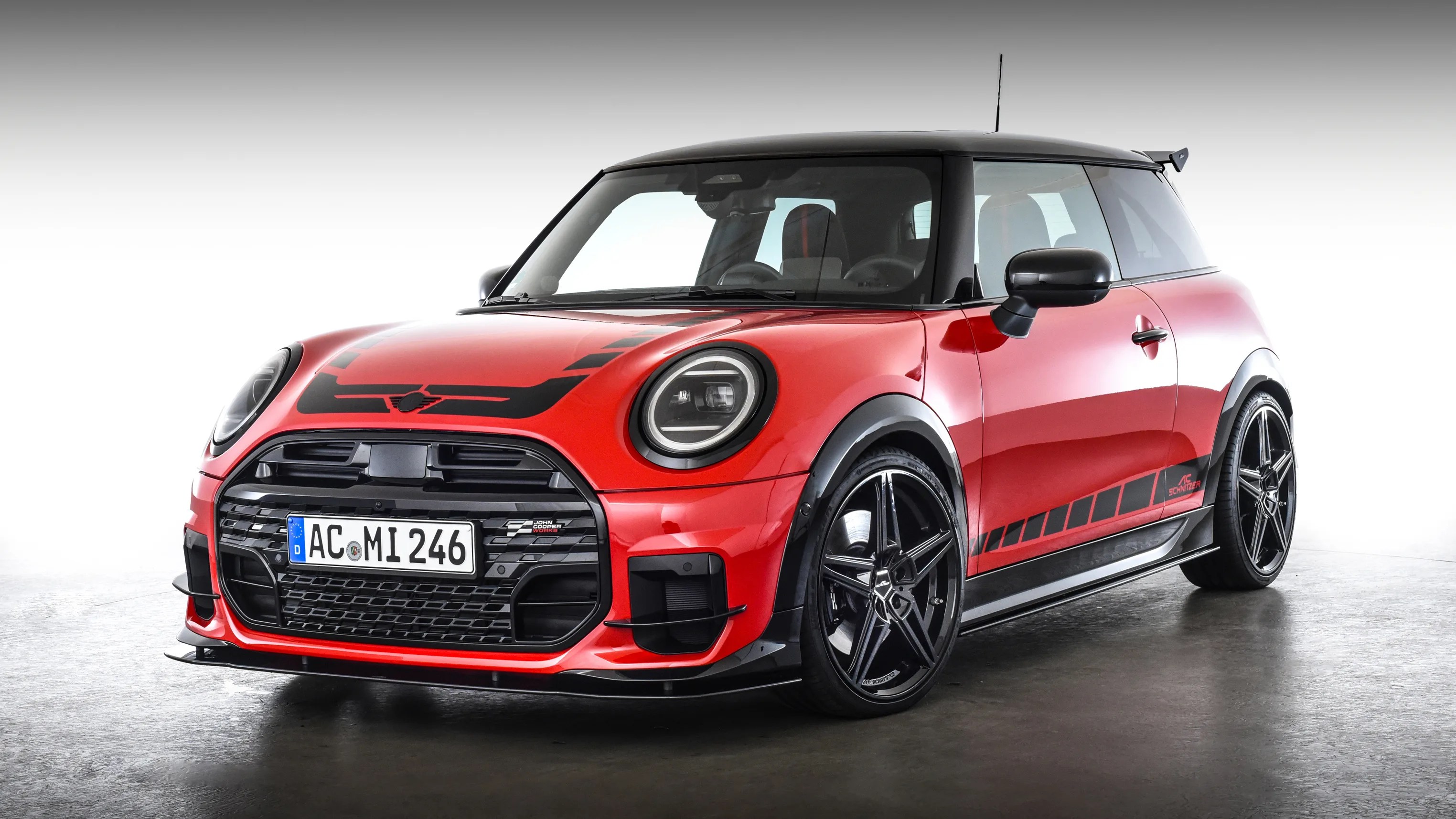
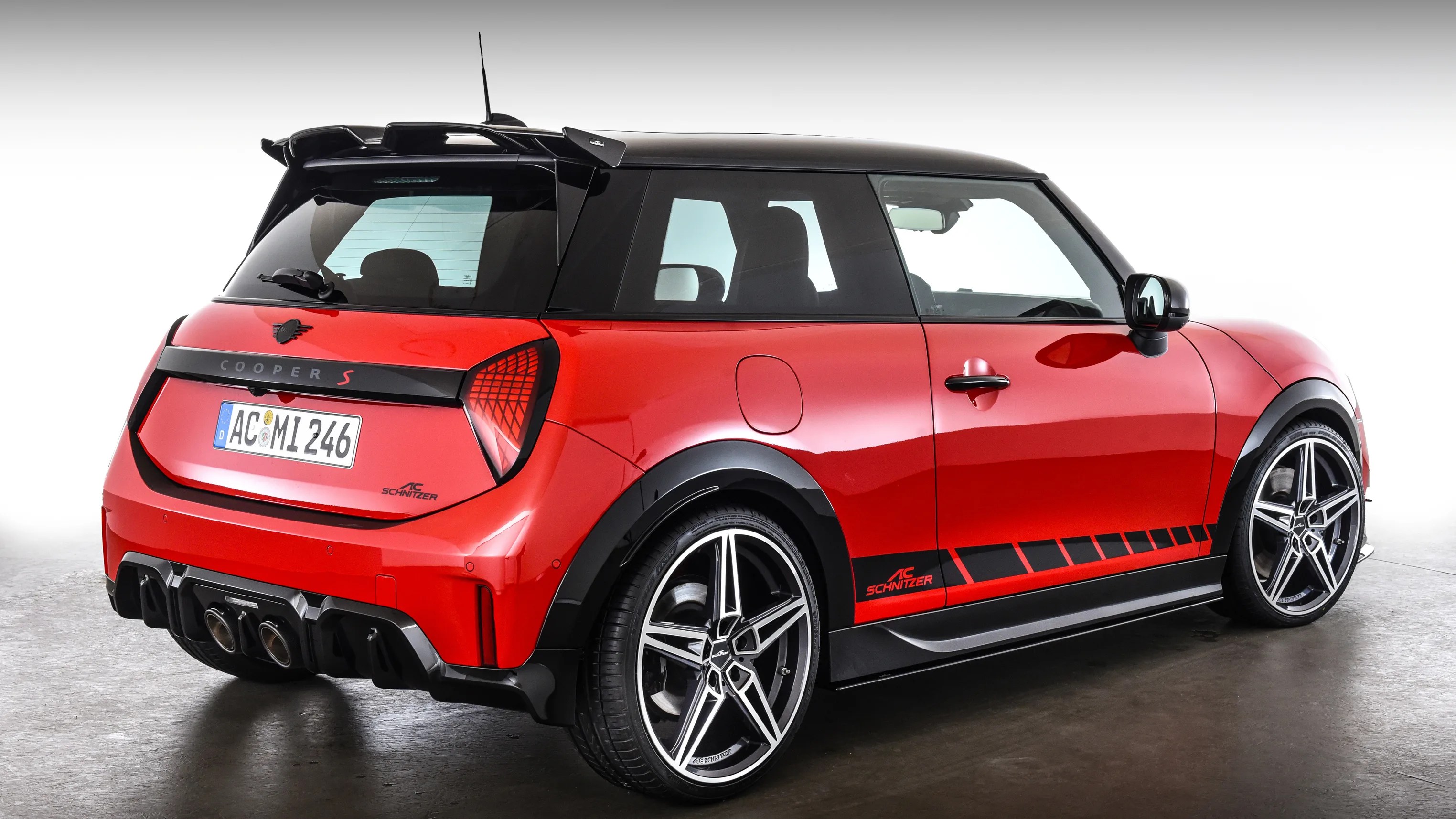
A few years later, AC Schnitzer opened its doors to Mini, which saw a rebirth thanks to BMW’s then newfound ownership.

Trying times for tuners

Although AC Schnitzer didn’t go into full details about its closure, company executives cited multiple external factors in its press release. Many of which come down to rising operational costs, unpredictability with suppliers and vendors, and the industry push towards electrification.

But most of all, geopolitical and economic changes, such as a massive spike and tariffs, and slow German bureaucracy, all contributed to a perfect storm.

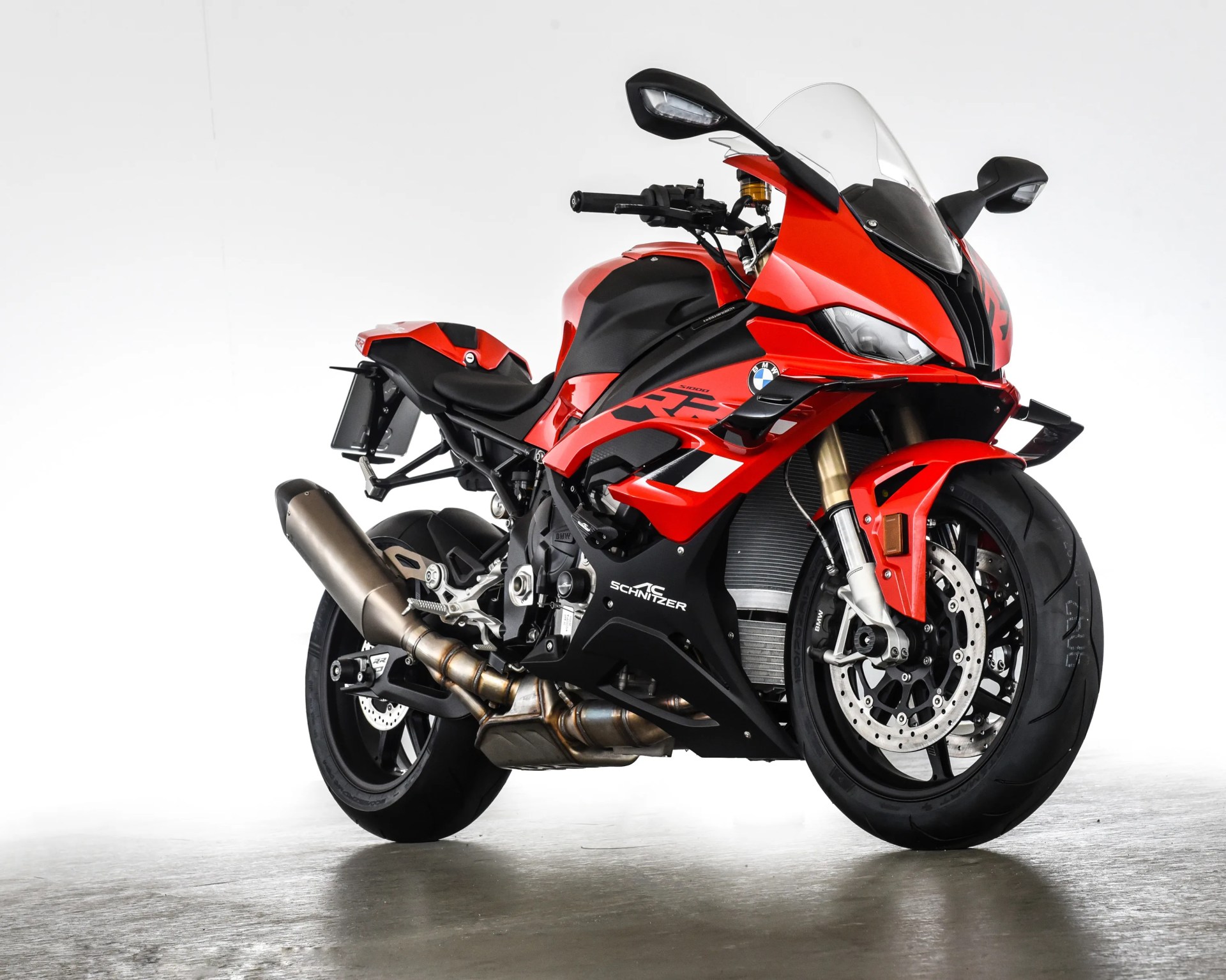
Red and black BMW sport motorcycle with AC Schnitzer branding on a gray floor.
The company didn’t limit itself to just BMW cars (Bimmers), but BMW motorcycles (Beamers) as well.
AC Schnitzer

The brand’s managing director, Rainer Vogel, even went on record and confirmed that AC Schnitzer also struggled to capture the hearts and minds of younger BMW enthusiasts.

As a result, circumstances just made it financially impossible for AC Schnitzer to continue doing business. So far, there hasn’t been any word about any efforts to rescue the brand.

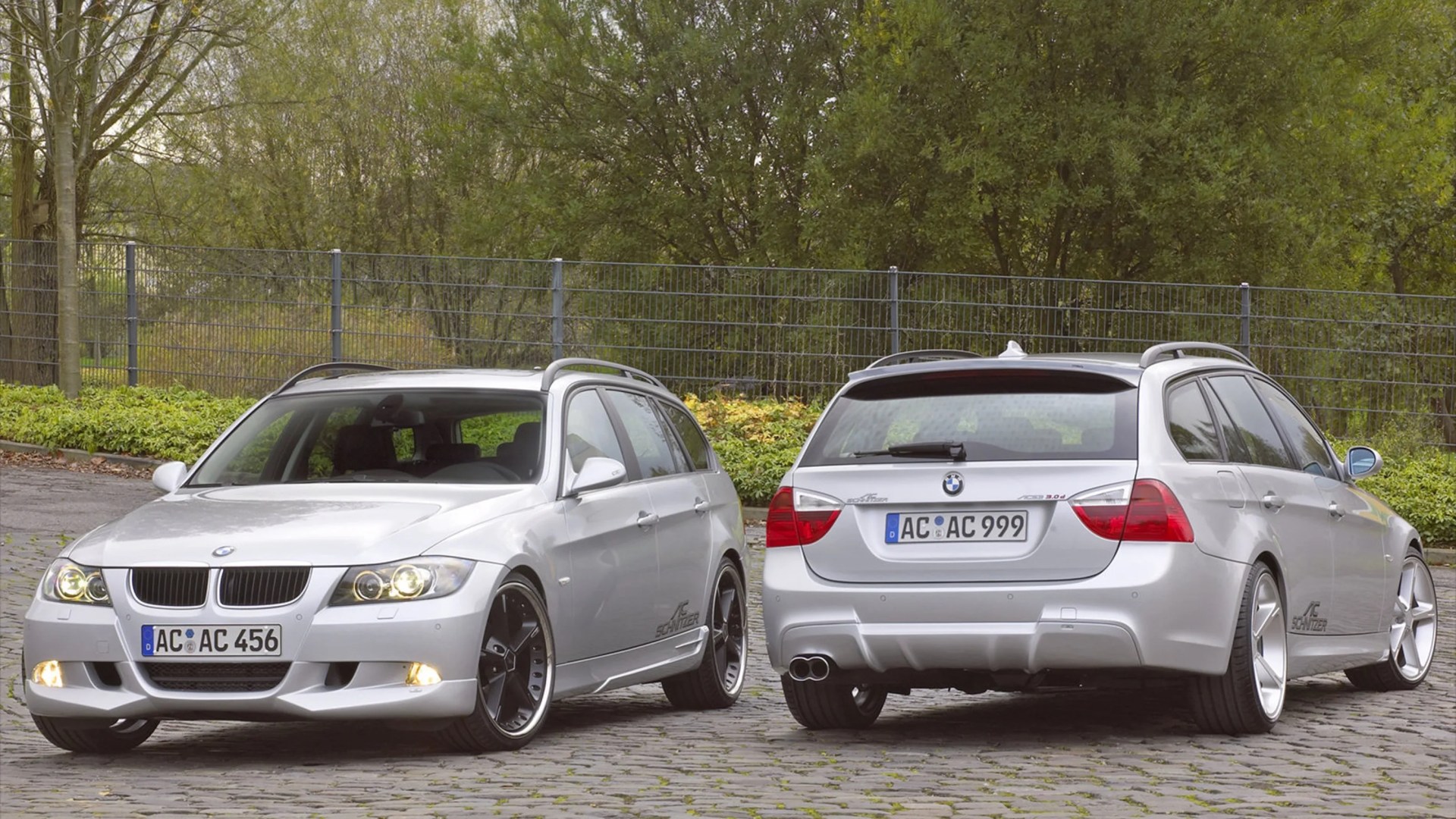
Two silver BMW station wagons with AC Schnitzer tuning parked on cobblestone pavement in front of a metal fence and trees.
Many will argue that AC Schnitzer embodied peak German tuner culture in the ’80s, ’90s and ’00s.
AC Schnitzer

But the company did hint that a buyer is potentially interested. And regardless, AC Schnitzer will continue selling its remaining inventory and honoring warranties after 2026.

Want to stay up to date on the latest product news and releases? Add Gear Patrol as a preferred source to ensure our independent journalism makes it to the top of your Google search results.

add as a preferred source on google
,