
Mini’s Flagship Family Hauler May Evolve into a Genuine Overlander

If true, Mini would be summoning some of its rallying heritage in one of the best ways.

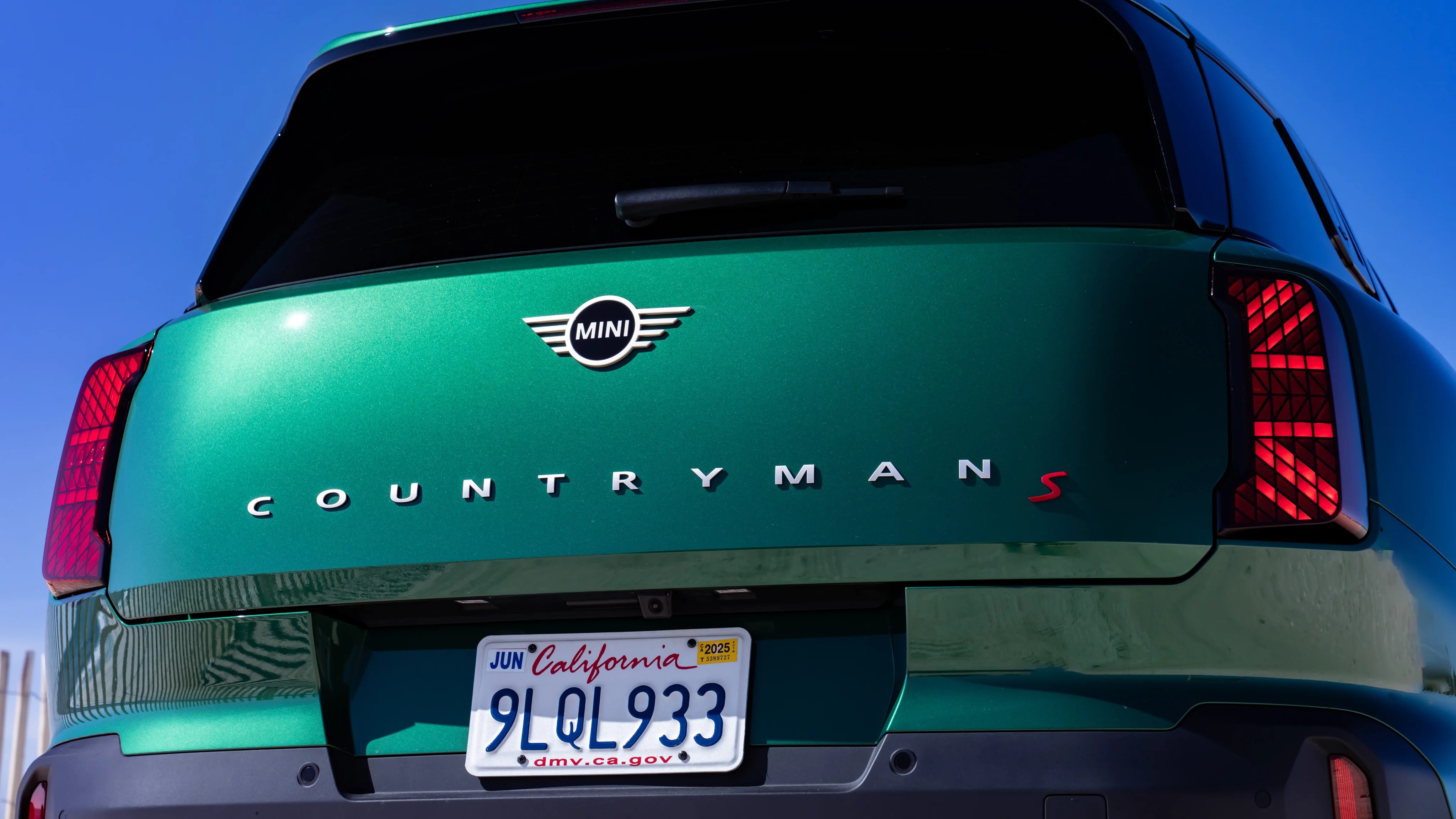
Rear view of a green Mini Countryman S with California license plate 9LQL933 under a clear blue sky.Mini

Mini is apparently looking to summon its off-roading and rallying heritage in a very unexpected way. The famed British automaker could be readying an overlander based on its biggest model, the Countryman.

Speaking with our friends at Motor1, Mini’s design chief, Holger Hampf referenced some “big plans” for the automaker’s flagship. While Hampf didn’t share specifics, he reportedly acknowledged the Countryman’s potential, particularly with regard to the growing overlanding movement.

The world’s first production high-riding Mini
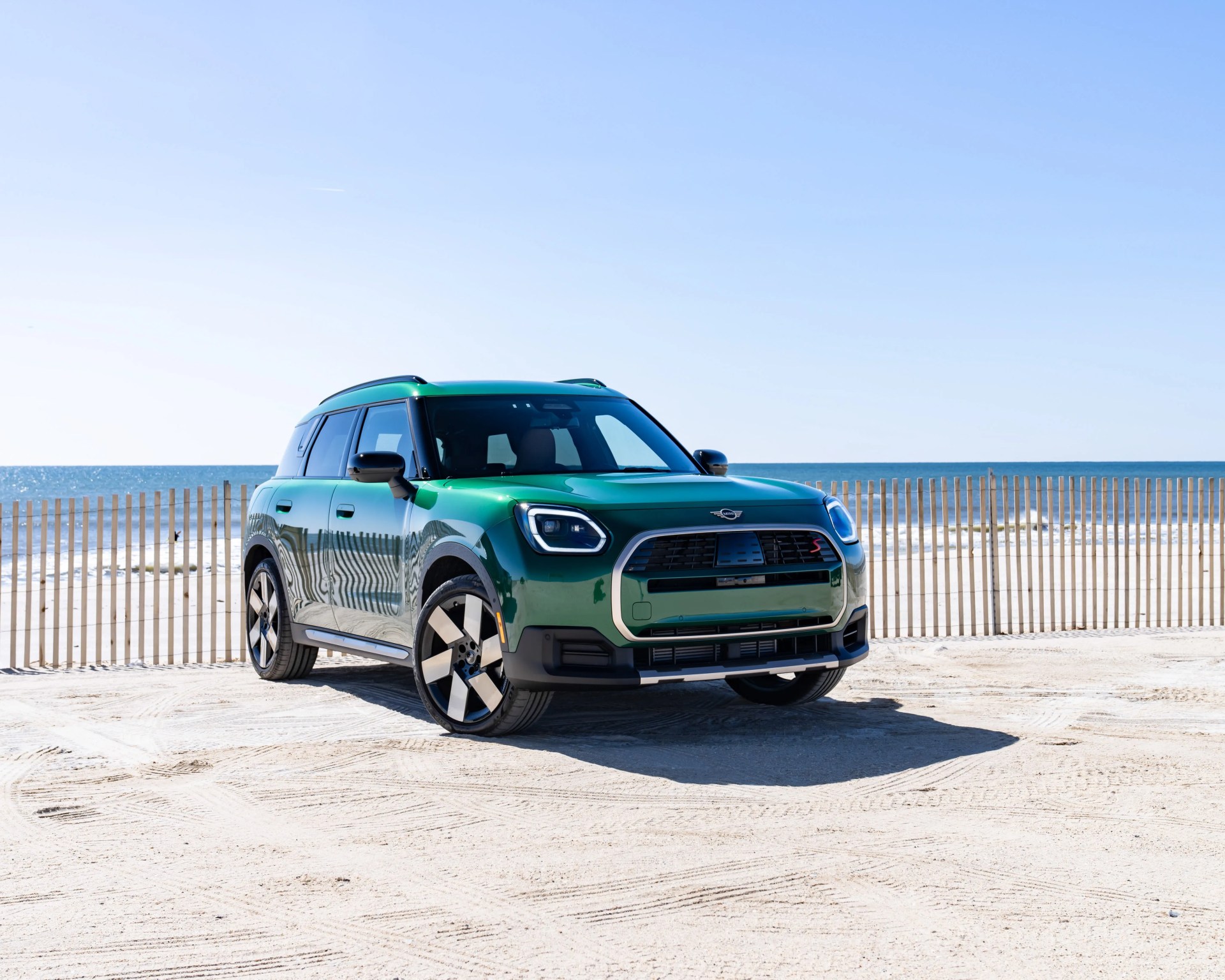
Green Mini Cooper SUV parked on sandy beach near wooden fence with ocean in background.
Mini could be building an overlander out of its biggest model, the Countryman.
Mini

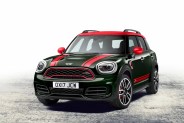
While Mini might be famous for its signature Cooper, it also offers a model known as the Countryman — the not-so-mini Mini. Although the nameplate as we know it today debuted in 2010, the Countryman’s origins actually date back to the 1960s.

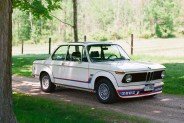
First sold as the Austin Mini Countryman between 1960 and 1969, it was engineered and marketed as a longer, more practical version of the Mark I Mini built by British Leyland. Mini revived the Countryman for those who wanted the ultra-compact recipe, but with more space and seats.
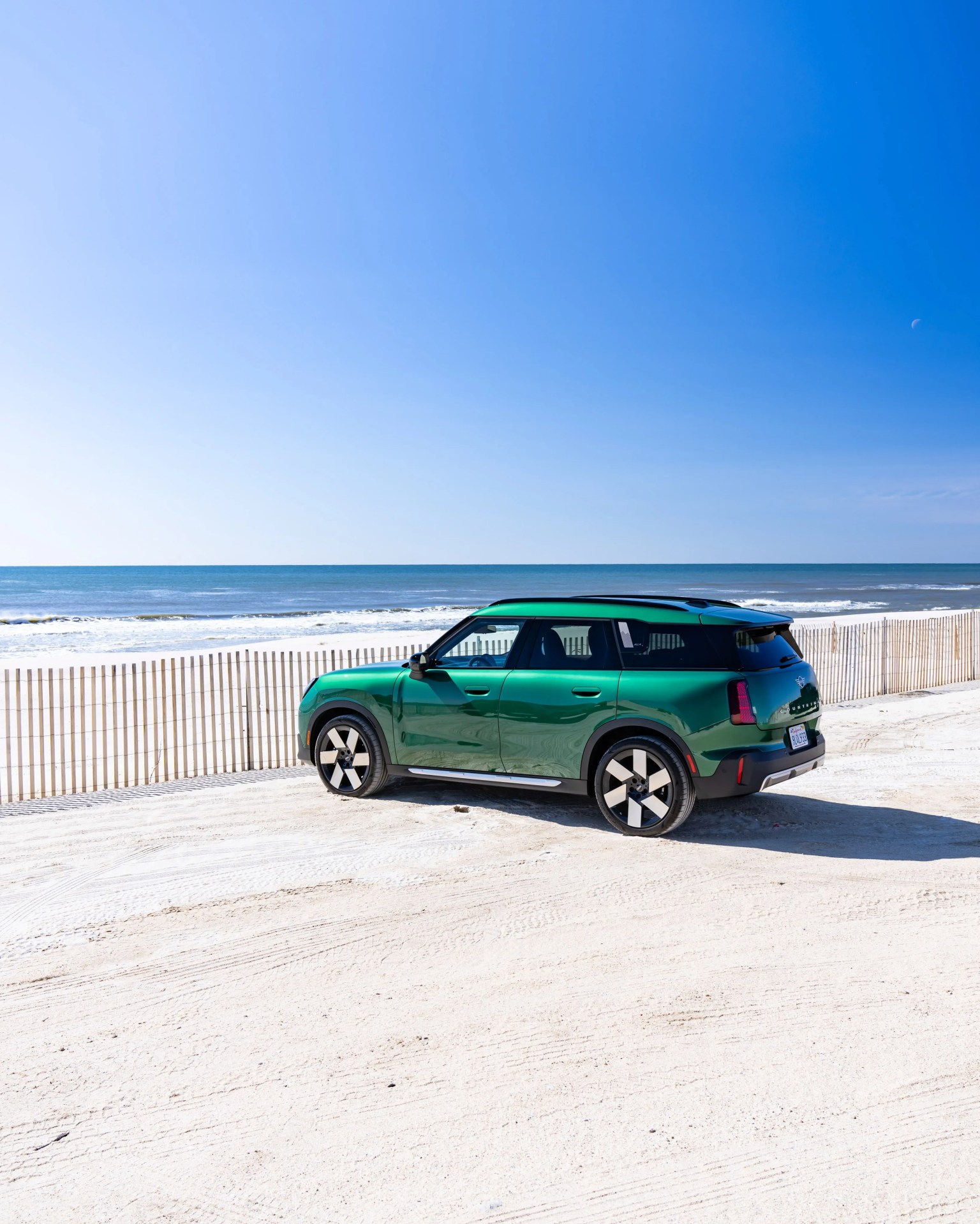
Green compact SUV parked on sandy beach near wooden fence with ocean and clear blue sky in background.
The not-so-mini Countryman has overlanding and rugged potential, according to Mini’s design chief.
Mini

Now, Hampf wants to take that formula a little further and tap into the booming overlanding market.

“One thing that I can point out is the trend of outdoor activity and independence—freedom that the car has always given us,” Hampf explained. “That is something I would like to explore more with Mini.”

“You will certainly see some of that in the next couple of years,” he elaborated in his discussion with M1. “The Countryman hasn’t played all of its cards yet, and I’m very eager to explore where else Mini can play.”

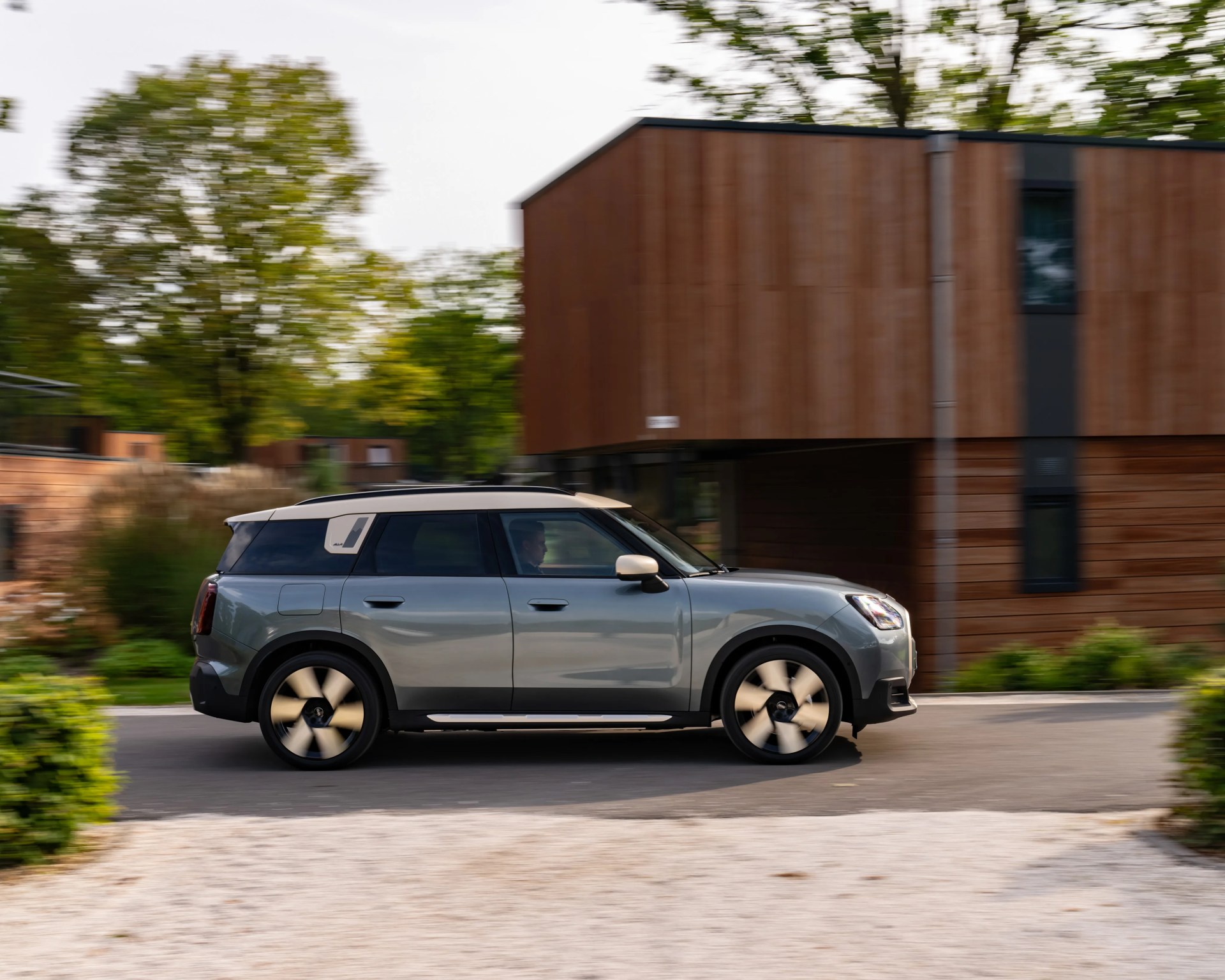
Gray compact SUV with black roof and beige side mirror caps driving past a modern wooden building.
The Countryman is a modern rendition of the original model from the 1960s.
Mini

Hampf didn’t go into detail. But given how other automakers built their own all-terrain focused variants of popular models, the Countryman would likely follow suit. He also mentioned there’s interest in expanding the portfolio to feature more rugged variants of other models.

That said, expecting an increase in ride height for more ground clearance, extra underbody protection, plastic-cladding and more all-terrain focused drivetrain tuning wouldn’t be far-fetched.

Mini is one of the true OG overlanding champions

While all-terrain capabilities aren’t characteristics typically attributed to modern Minis, the automaker is actually one of the undisputed rallying champions. Minis may not be off-roaders in the traditional sense, like a Toyota 4Runner or a Jeep Wrangler.

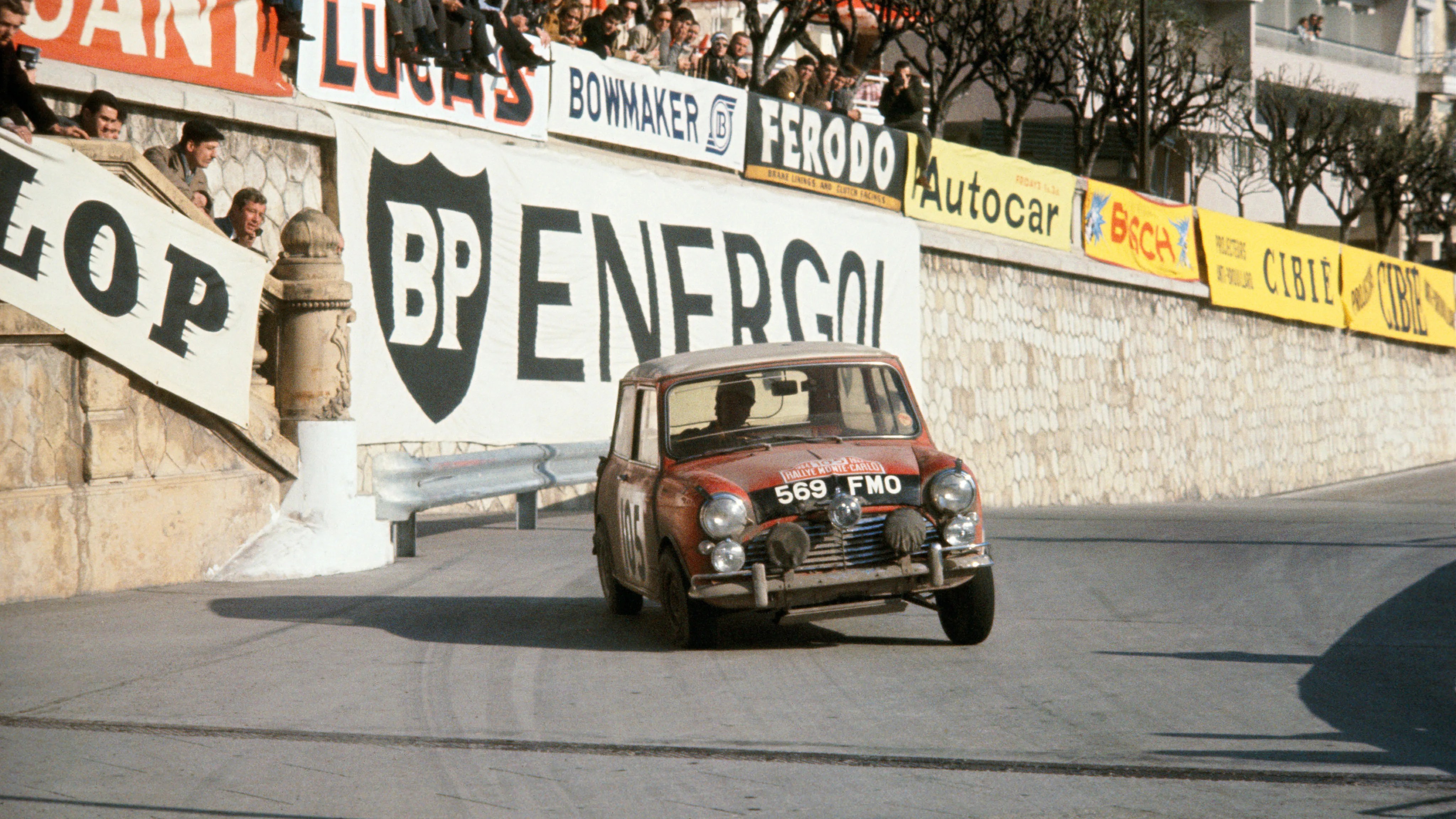
But Mini’s biggest claim to fame occurred at the world-famous Monte Carlo Rally. Since its establishment in 1911, it’s been one of the most prestigious and historic races of all time.

It was also a major precursor to what we now know as the FIA World Rally Championship and was frequently used as a benchmark test for automakers.

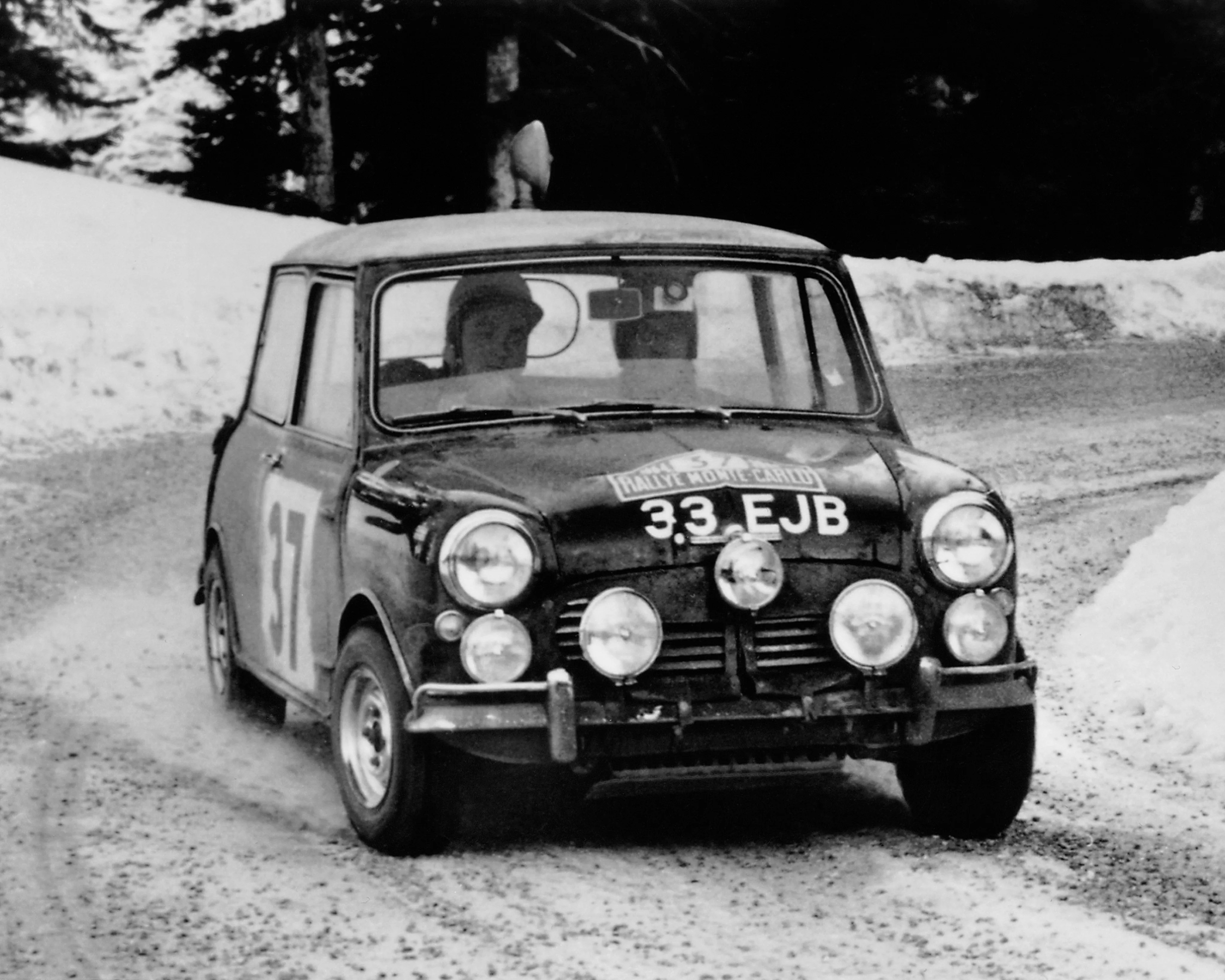
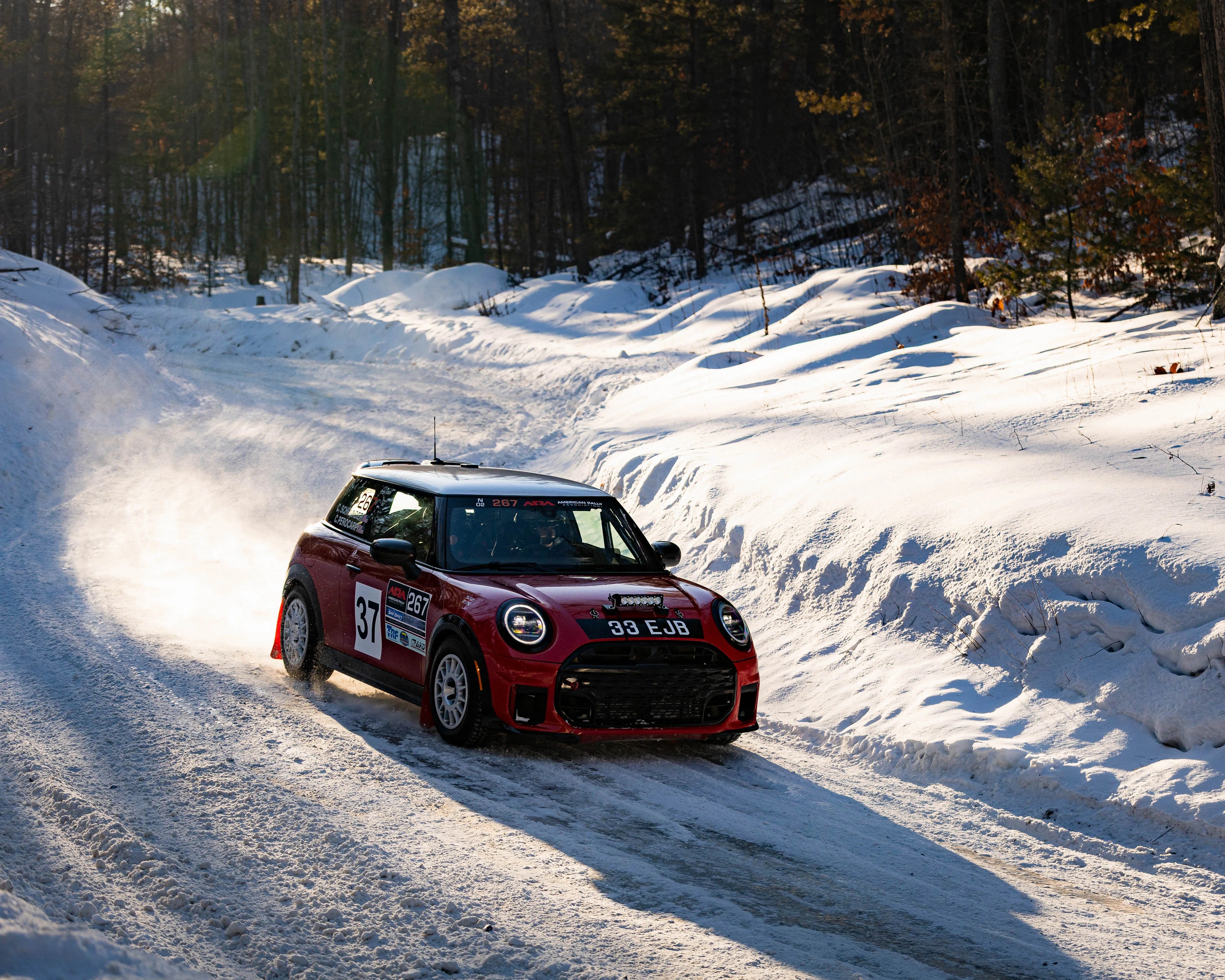
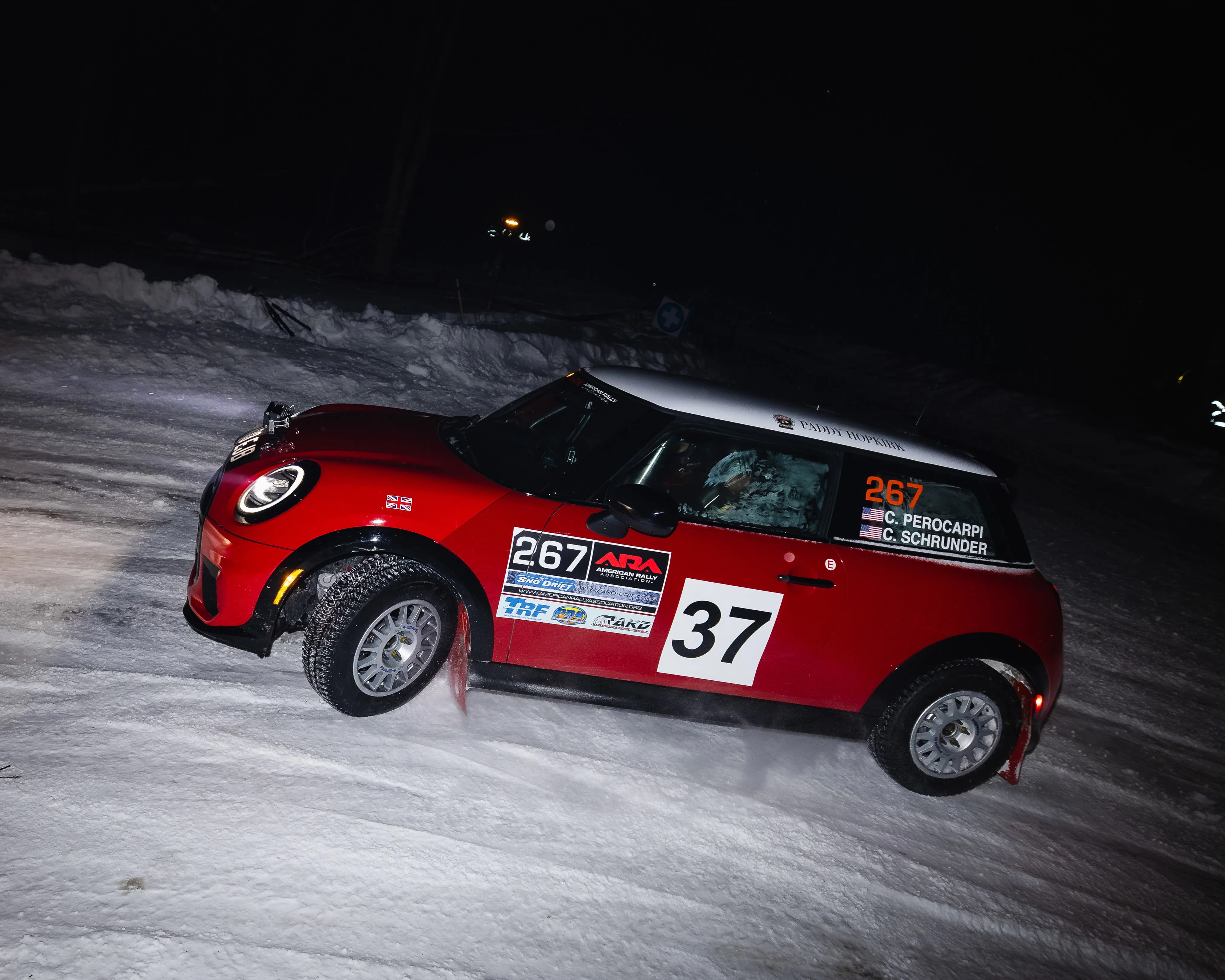
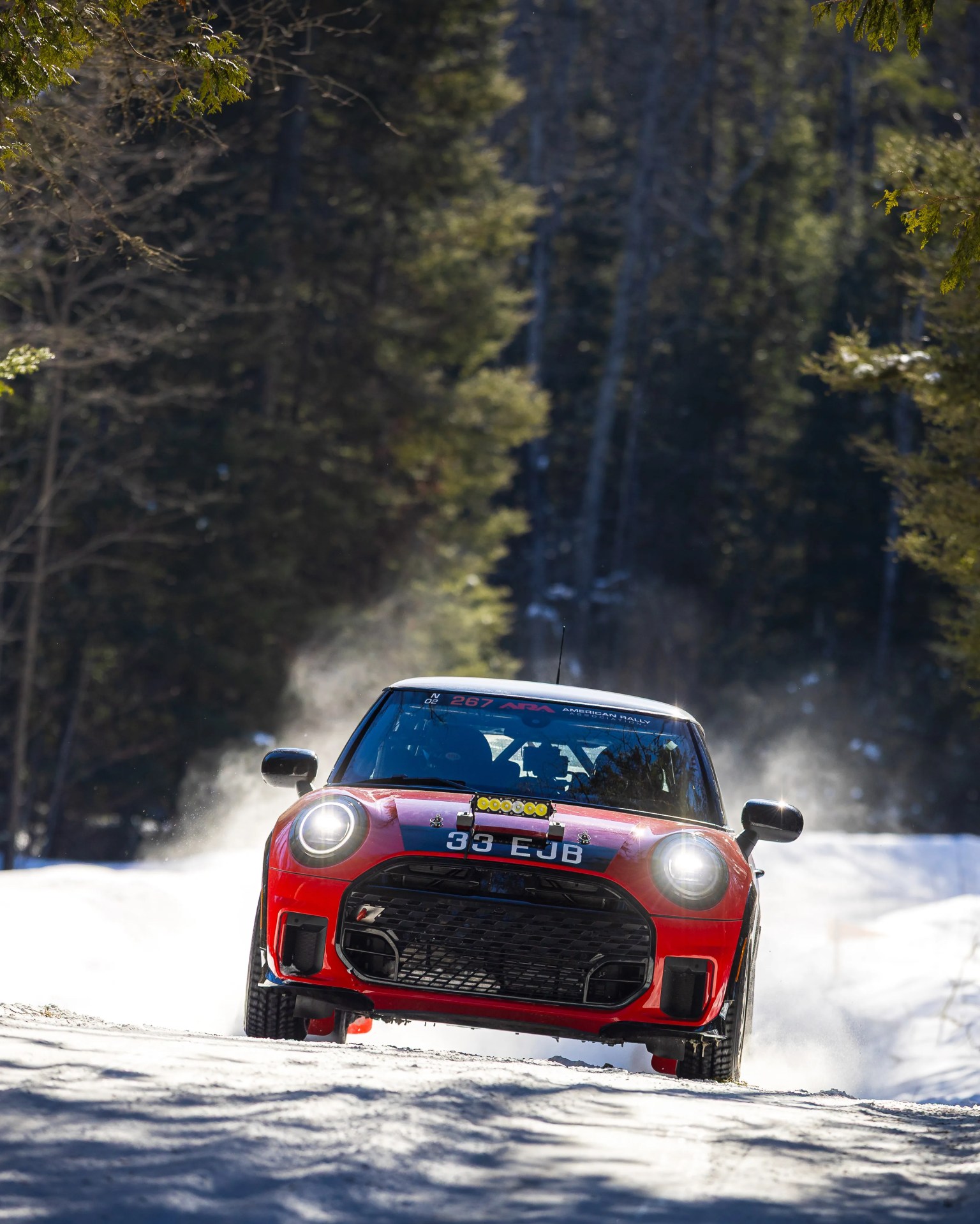
Red rally car with headlights on driving on a snowy forest road.
Mini is no stranger to unpaved surfaces, with its historic and legendary wins in rallying.
Mini

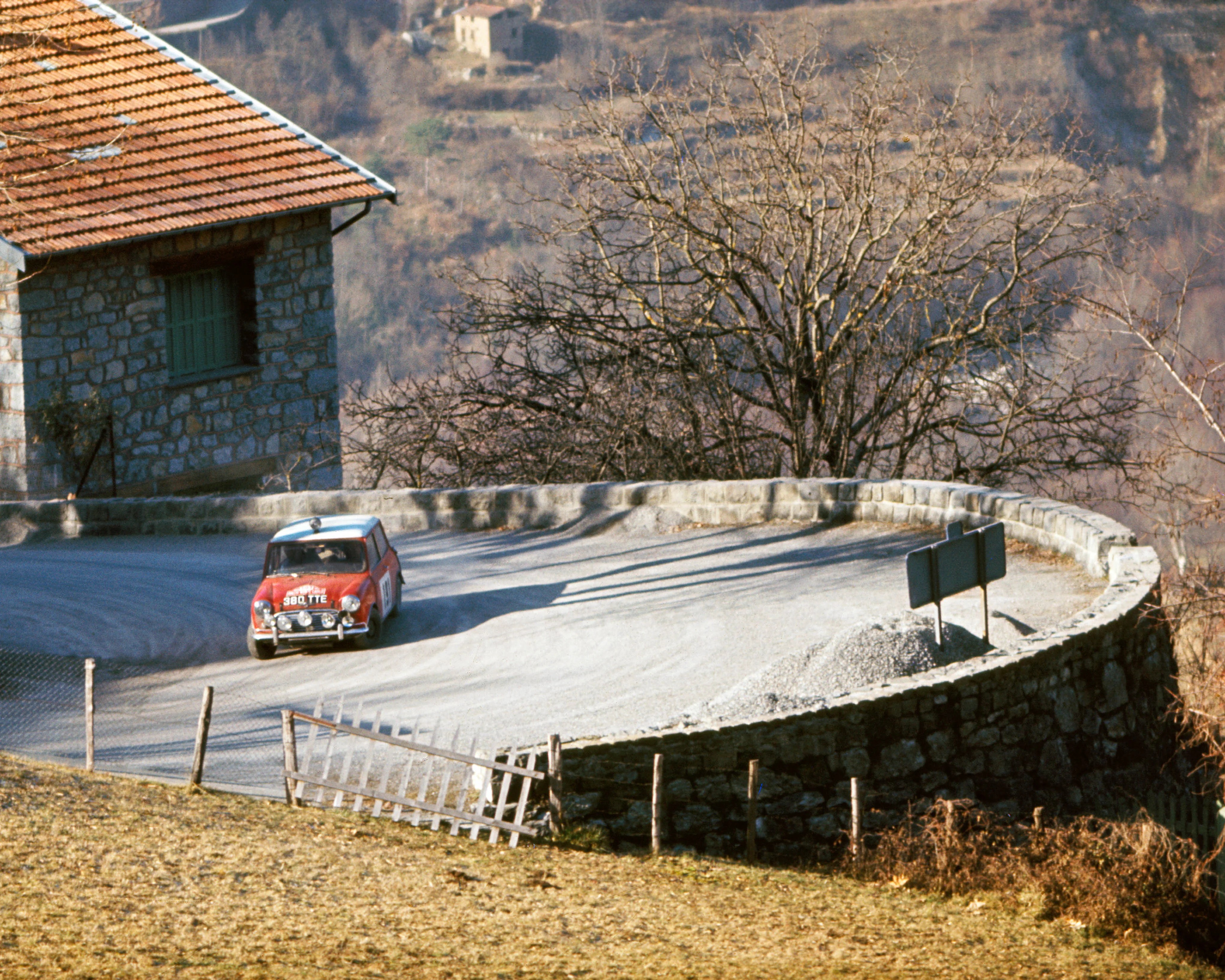
The automaker used the event to market the original model’s versatility. And with motorsports icon Paddy Hopkirk at the wheel of an original Cooper S, the duo scored championship titles in 1964, 1965 and 1967.

Its biggest shock factor was that such a small, economical car could conquer such a grueling race. Compared to other Monte Carlo competitors featuring Mercedes-Benzes, Alfa Romeos, Citroëns, Lancias, Alpine-Renaults, Jaguars and Porsches, Mini’s wins during those years were very much “David versus Goliath” moments.

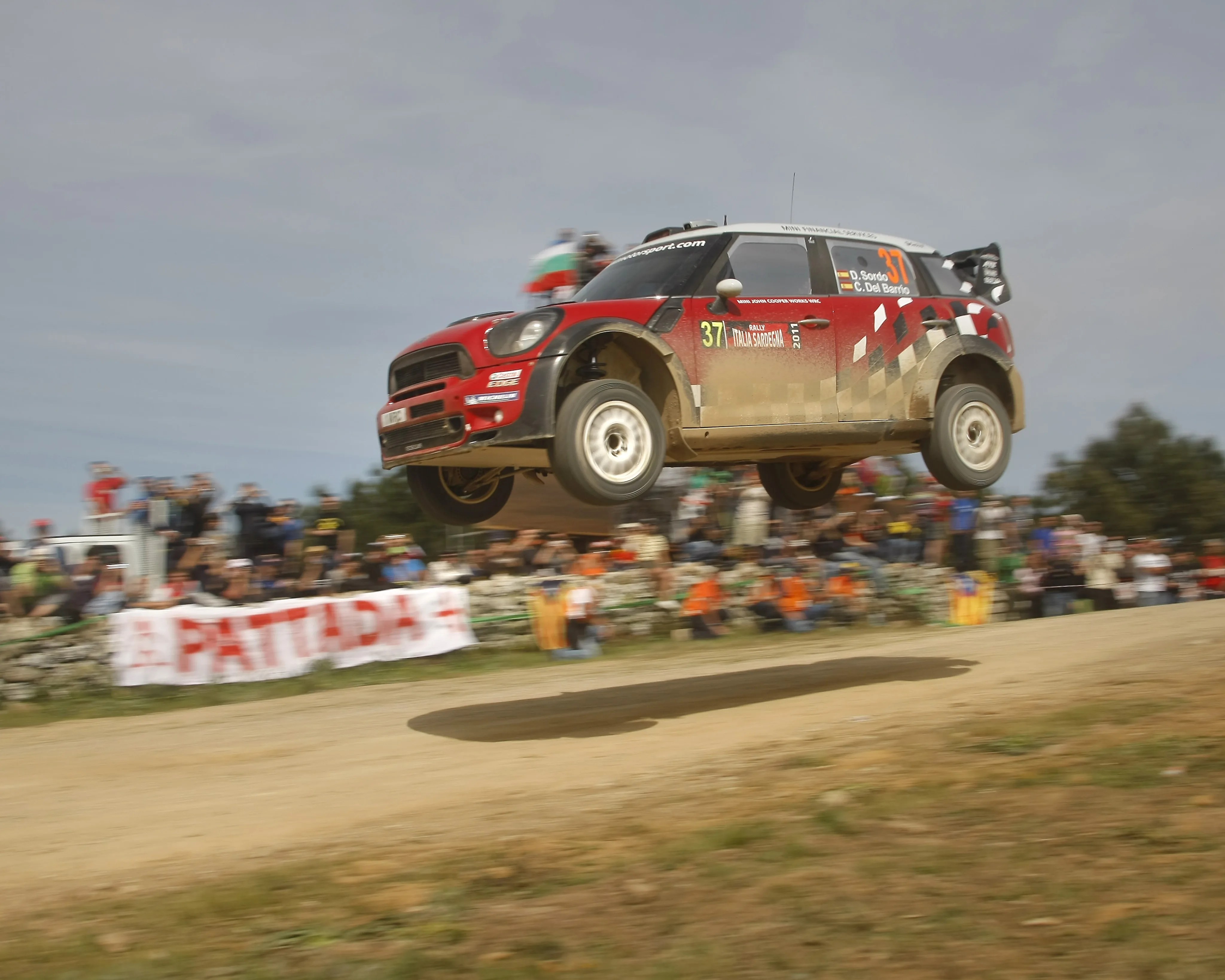
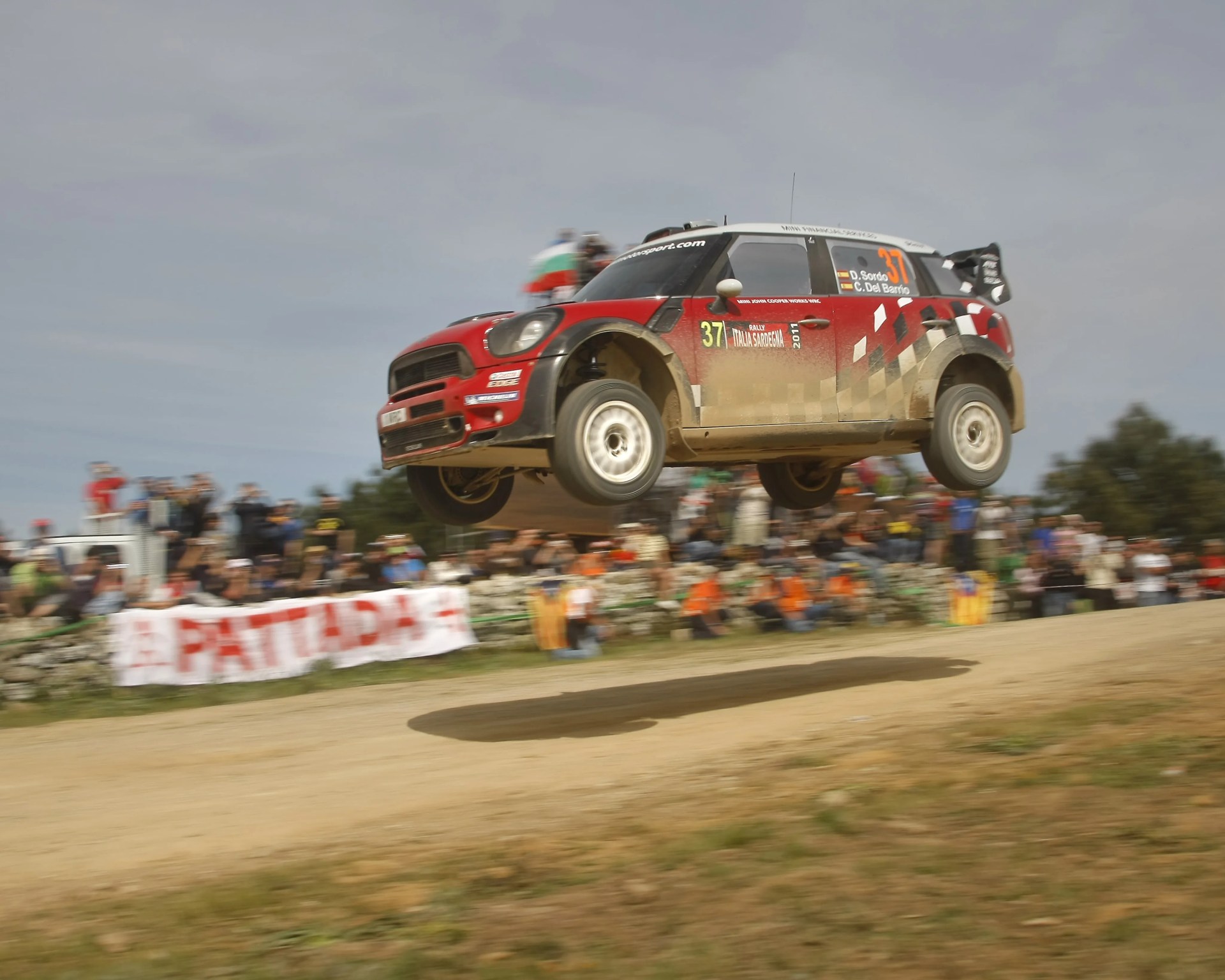
Red and black rally car number 37 airborne on a dirt track with blurred spectators in the background.
Although Mini withdrew from WRC in 2011, it remains a historical icon in the league.
Mini

Since then, Mini remained a fixture of the rallying scene, up until 2011. BMW pulled out and retired Mini’s WRC team after facing major financial hurdles and other challenges.

For the Countryman to get an overlanding treatment, it wouldn’t just be a cool way to elevate the model’s relevance. It would also be a fantastic tribute to everything that made the brand heroically famous in the first place.

Want to stay up to date on the latest product news and releases? Add Gear Patrol as a preferred source to ensure our independent journalism makes it to the top of your Google search results.

add as a preferred source on google
,