
Rivian’s New Patent Lets You Go Off-Roading on Easy Mode

The automaker has an idea for a virtual off-road guide that could deliver real-time trail suggestions and even help steer you over obstacles.

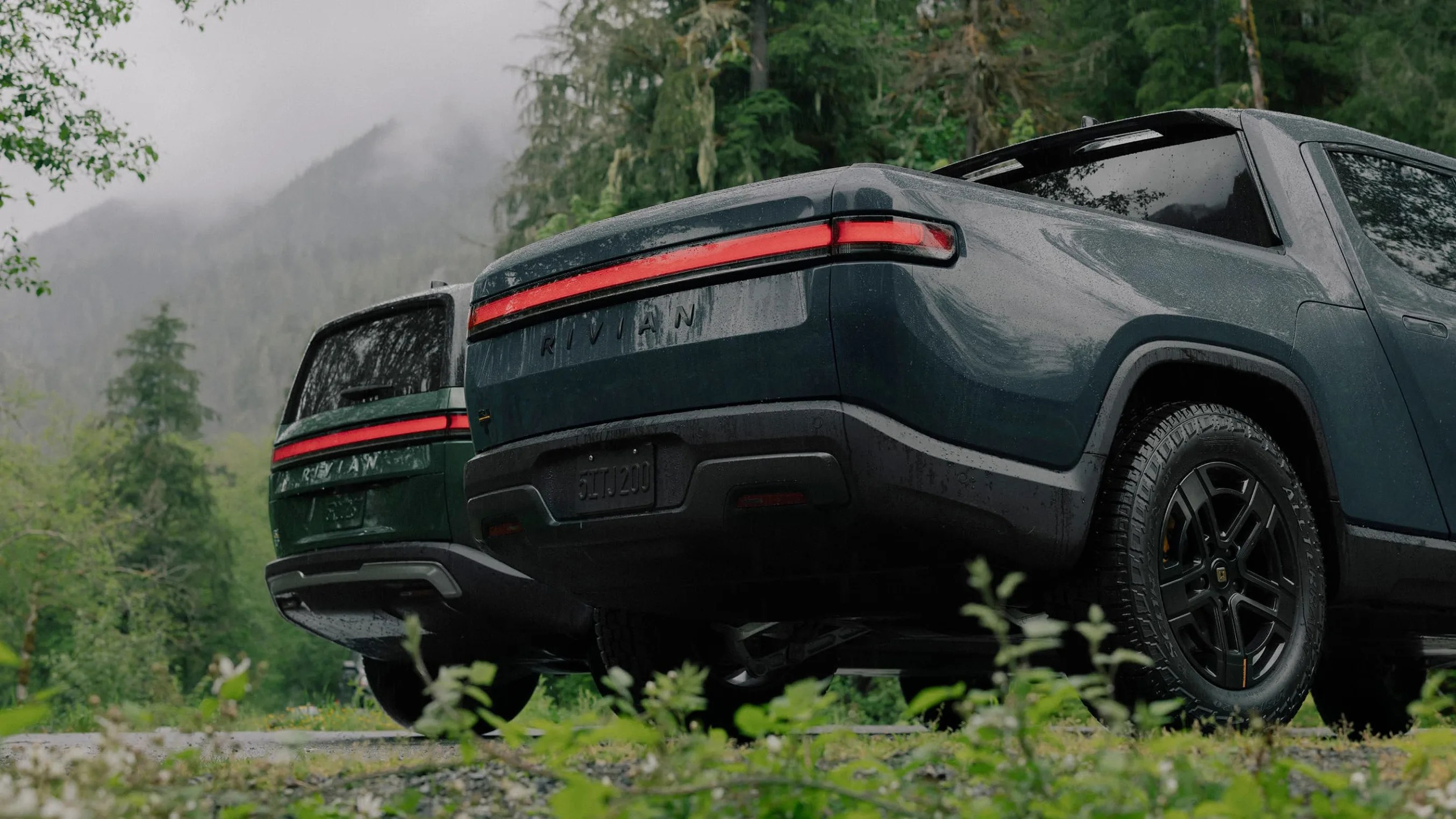
Two Rivian electric trucks, one dark green and one dark blue, parked on a forest road with misty mountains in the background.Rivian

A few years ago, I picked up a 1989 Isuzu Trooper, foolishly thinking that it would enable me to live all of my wildest overlanding fantasies. While my shoestring budget ultimately wasn’t enough to save the tired old 4×4 (that’s a story for another day), the other big problem was that I had no idea what I was doing once I left the asphalt.

Being so top-heavy and rollover-prone, the Trooper could make even the most minor ruts feel pretty perilous. Needless to say, then, on the rare occasion that I did attempt “true” off-road obstacles, I kept things pretty conservative — out of fear for myself as much as for the worn-out ball joints.
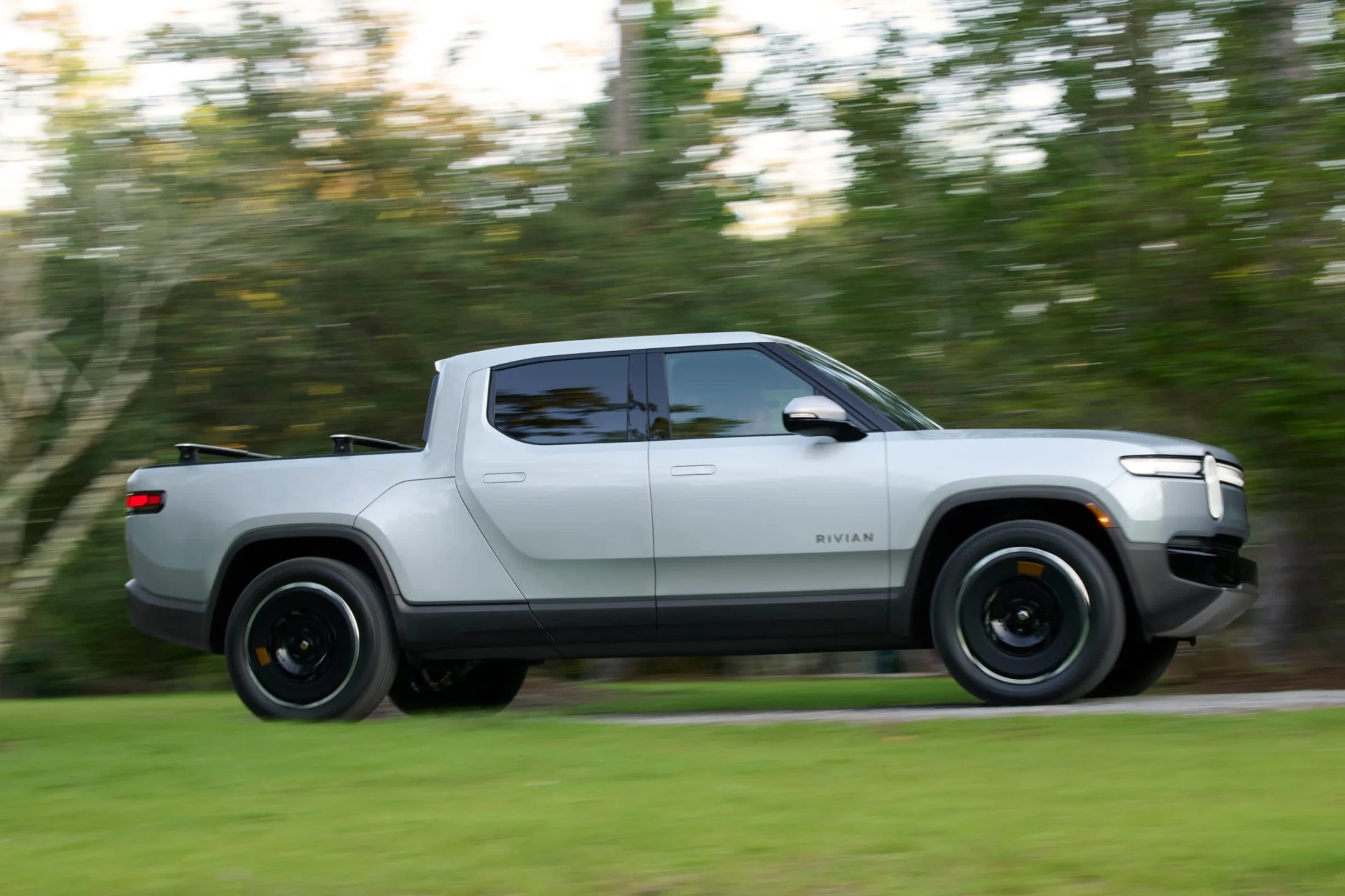
Silver Rivian electric pickup truck driving on a grassy road with blurred green trees in the background.
Rivian’s patent promises a way to lower the learning curve for off-road beginners.
Rivian

I bring all this up because of some tech that Rivian could be brewing to make trail exploration accessible. While it’s undoubtedly ambitious, it promises to lower the learning curve, and that’s something I can certainly appreciate.

Following in others’ tire tracks

Rivian is calling it a “virtual off-roading guide,” and it’s an idea that The Drive surfaced through a patent filing with the USPTO. While it sounds like some quasi-robo guru, it’s actually more grounded than you might think.
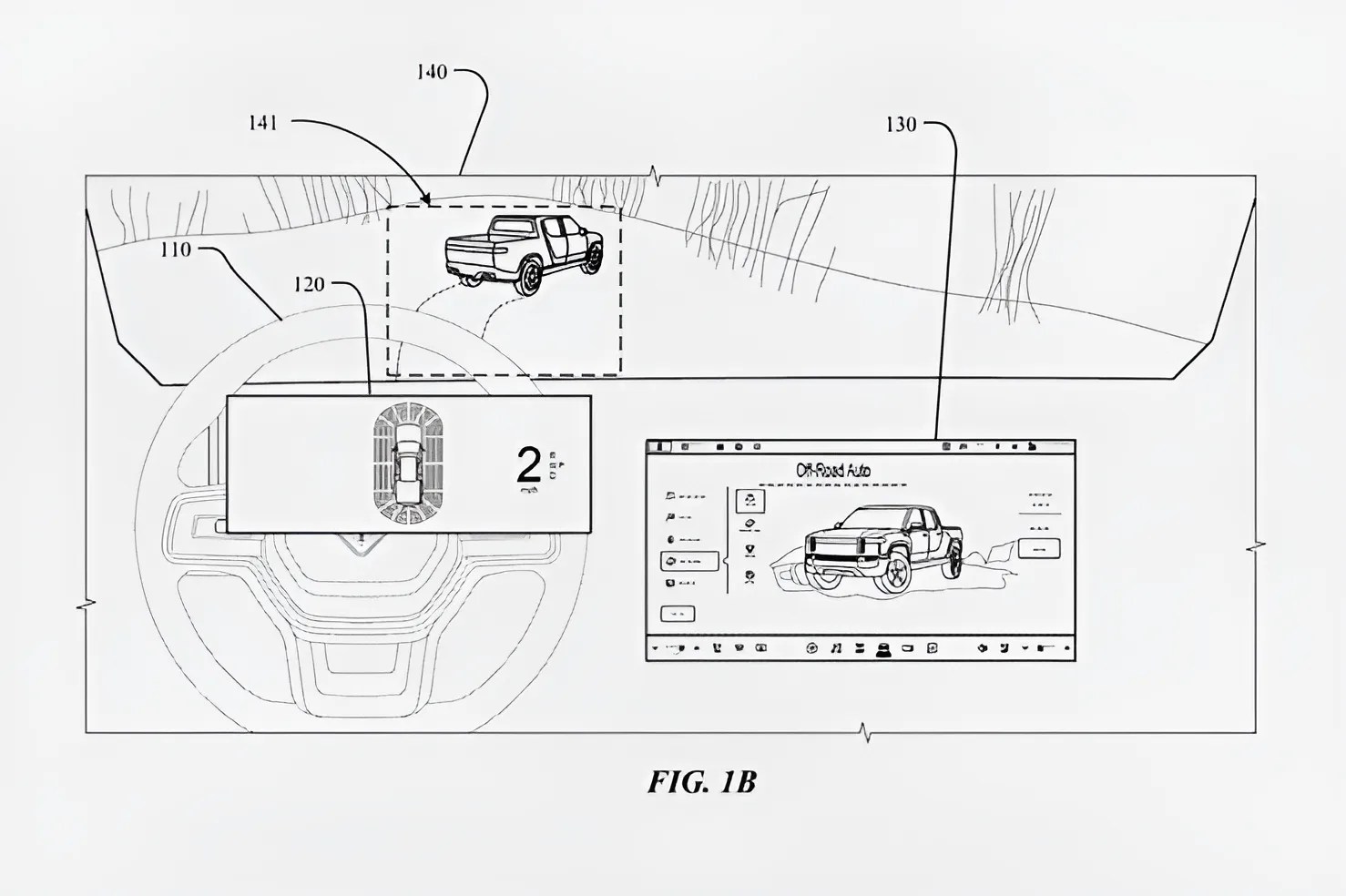
Dashboard schematic showing a steering wheel with a top-down vehicle display and a central screen displaying an off-road vehicle interface.
Rivian envisions its virtual guide as being capable of providing suggestions or automatically changing settings for you.
USPTO

That’s because it’s essentially a highly detailed mapping system that uses telemetry to tie vehicle settings and responses to locations along a trail. In practice, this means that Rivians would record GPS data in combination with everything from ride height and drive mode to brake regeneration level and steering angle to acceleration, torque output and even tire pressure. 

Accordingly, rather than learning the course itself and making driving decisions on its own, Rivian’s virtual off-roading guide would instead base its logic on the path and trace parameters of a route previously charted by another vehicle. From there, it classifies the trail as “Beginner,” “Intermediate” or “Expert.”

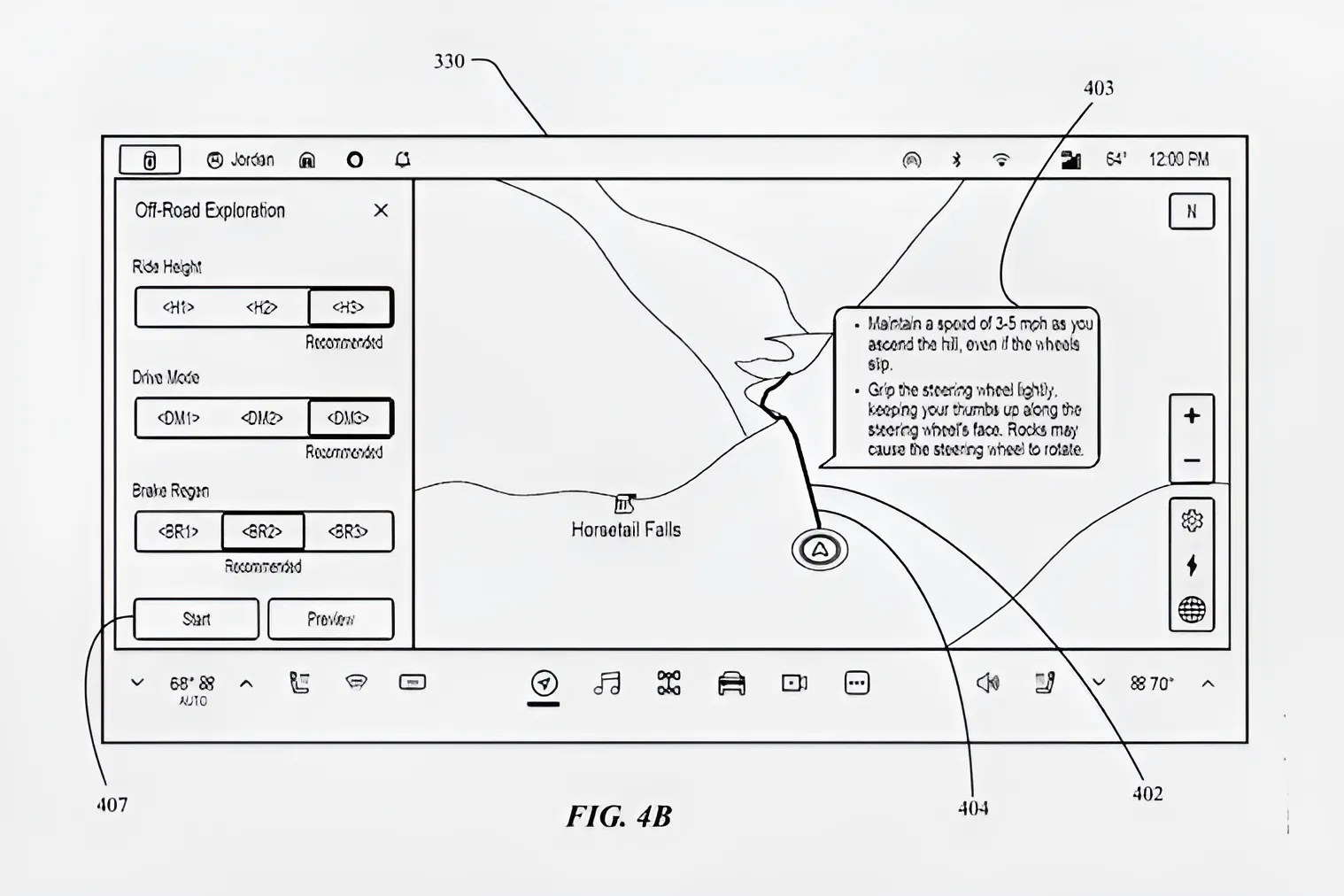
Car touchscreen display showing off-road exploration settings and a map with navigation instructions.
By recording vehicle data in conjunction with GPS location, Rivian can provide you with settings and strategies that worked for previous drivers.
USPTO

At a minimum, the patent outlines this as a way to offer relevant location-based instruction. By making recorded behavior downloadable through an online portal as a preset course, vehicles can thereby provide real-world suggestions with prompts like “grip the wheel lightly,” “maintain a speed of 3-5 mph as you ascend the hill” or “align your vehicle to the center of the trail.”

Assuming that doesn’t inspire enough confidence, however, Rivian also describes its virtual off-roading guide as being capable of automatically adjusting settings like ride height and drive mode according to location along the route. In combination with the vehicle’s driver-assist systems, it could even provide steering input and pedal control to help navigate an obstacle.

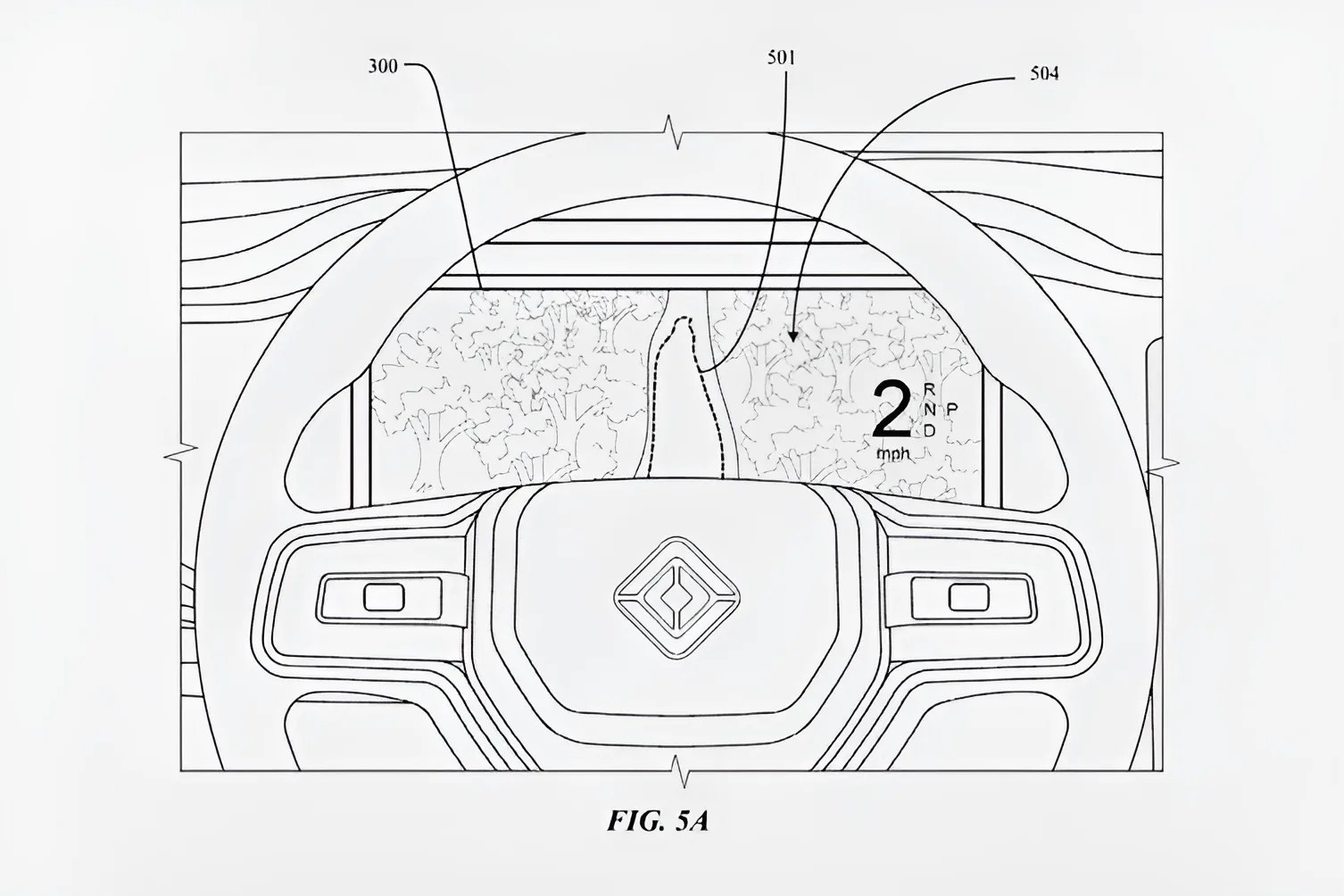
Line drawing of a car steering wheel with a digital dashboard showing a road, trees, and speed of 2 mph.
The car’s various cameras and sensors mean that this guidance would go well beyond simple breadcrumb navigation.
USPTO

Tech that could change the trail

Suffice to say, the virtual off-roading guide is an ambitious concept. As much as I’m excited at the prospect of improving trail accessibility, though, I’m a little skeptical — the patent isn’t without its complications.

For one, by lowering the barrier to entry through recorded expertise, Rivian is shortcutting lived experience. While there’s no denying that providing some guidance is preferable to beginners going it alone, it could just as easily inspire a false sense of security and get overly ambitious drivers in over their heads. 

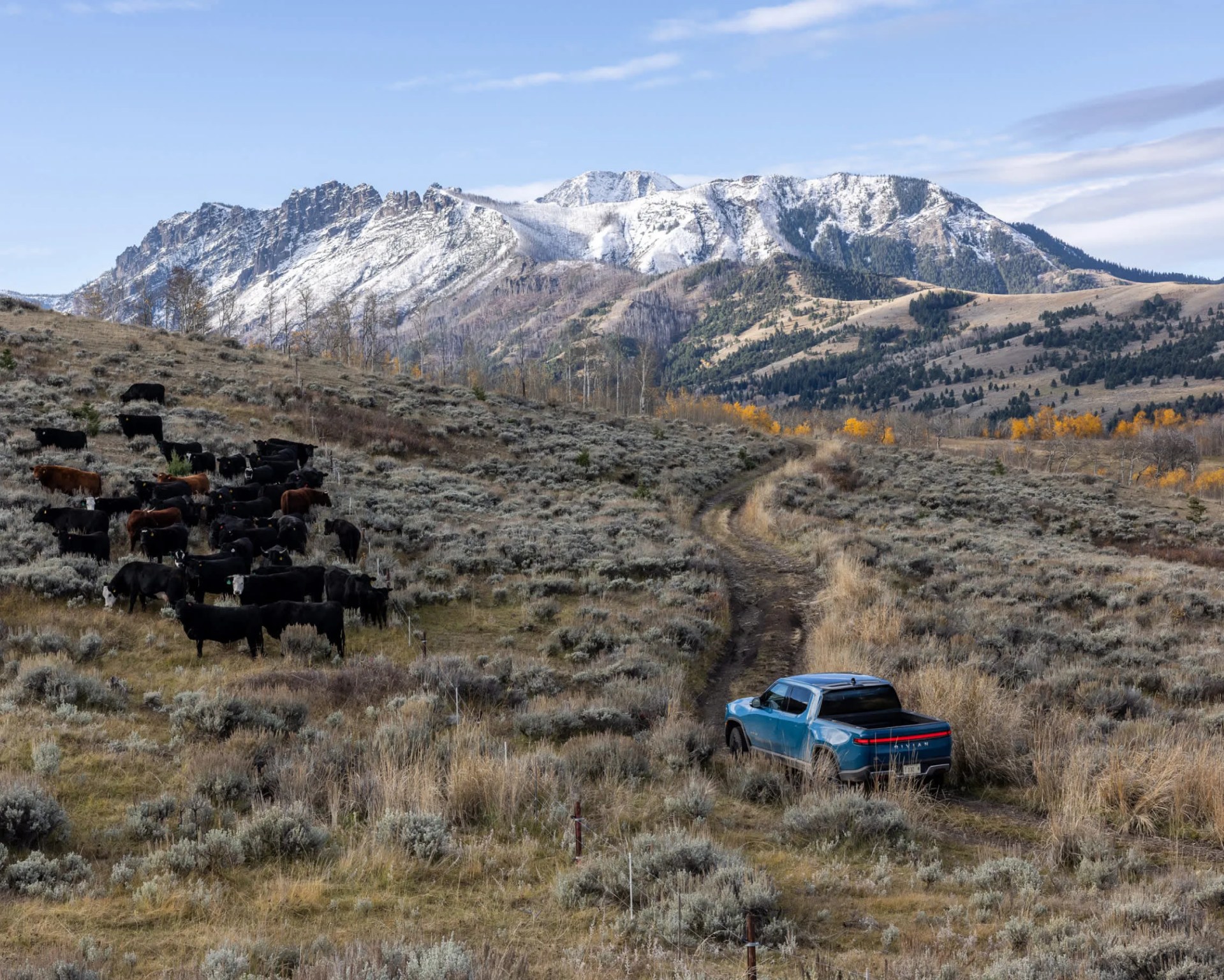
Blue pickup truck driving on a dirt path through a grassy field with black and brown cows and snow-capped mountains in the background.
Following the lead of others is great, until you find yourself in an unfamiliar situation with no one to turn to for help.
Rivian

Moreover, trail conditions are anything but static. Be it weather, wildlife or even just other vehicle traffic, there are myriad factors that can change how the terrain looks and behaves from one outing to another.

I have to assume that Rivian would make some provisions for this through features like on-vehicle sensors and live weather monitoring. Even still, if the virtual guide isn’t the one making the decisions, it ultimately falls on the driver to know what to do when the situation dictates a response that’s different from what’s been previously recorded.

Of course, these points could be completely moot. As is the case with any patent, there’s no guarantee that Rivian will actually roll out this tech on its future production vehicles. 

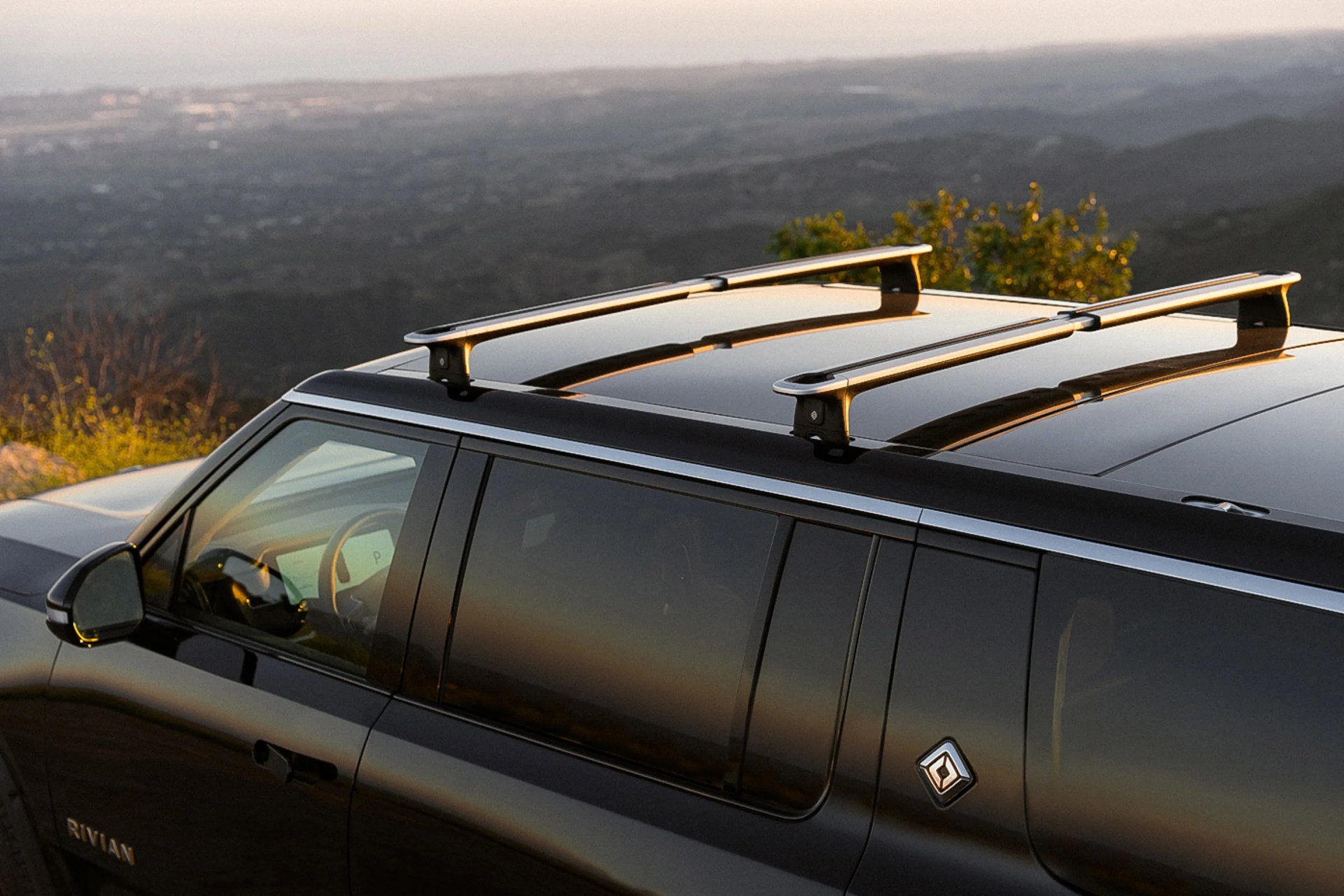
Black Rivian SUV with silver roof racks parked outdoors at sunset.
Rivian’s patent could ensure that off-roading more accessible than ever, especially because its EVs already make things easy by doing without a traditional transmission.
Rivian

Still, with other automakers like Mitsubishi also dreaming up overlanding co-drivers, it might be only be a matter of time before we’ll have a vehicle actively encouraging outdoor exploration.

Want to stay up to date on the latest product news and releases? Add Gear Patrol as a preferred source to ensure our independent journalism makes it to the top of your Google search results.

add as a preferred source on google
,