
Subaru’s Quickest American Car Seems Even Better Compared to Its Toyota Twin

Toyota recently revealed pricing for the bZ Woodland, and it makes the Subaru-badged equivalent seem much more affordable by comparison.

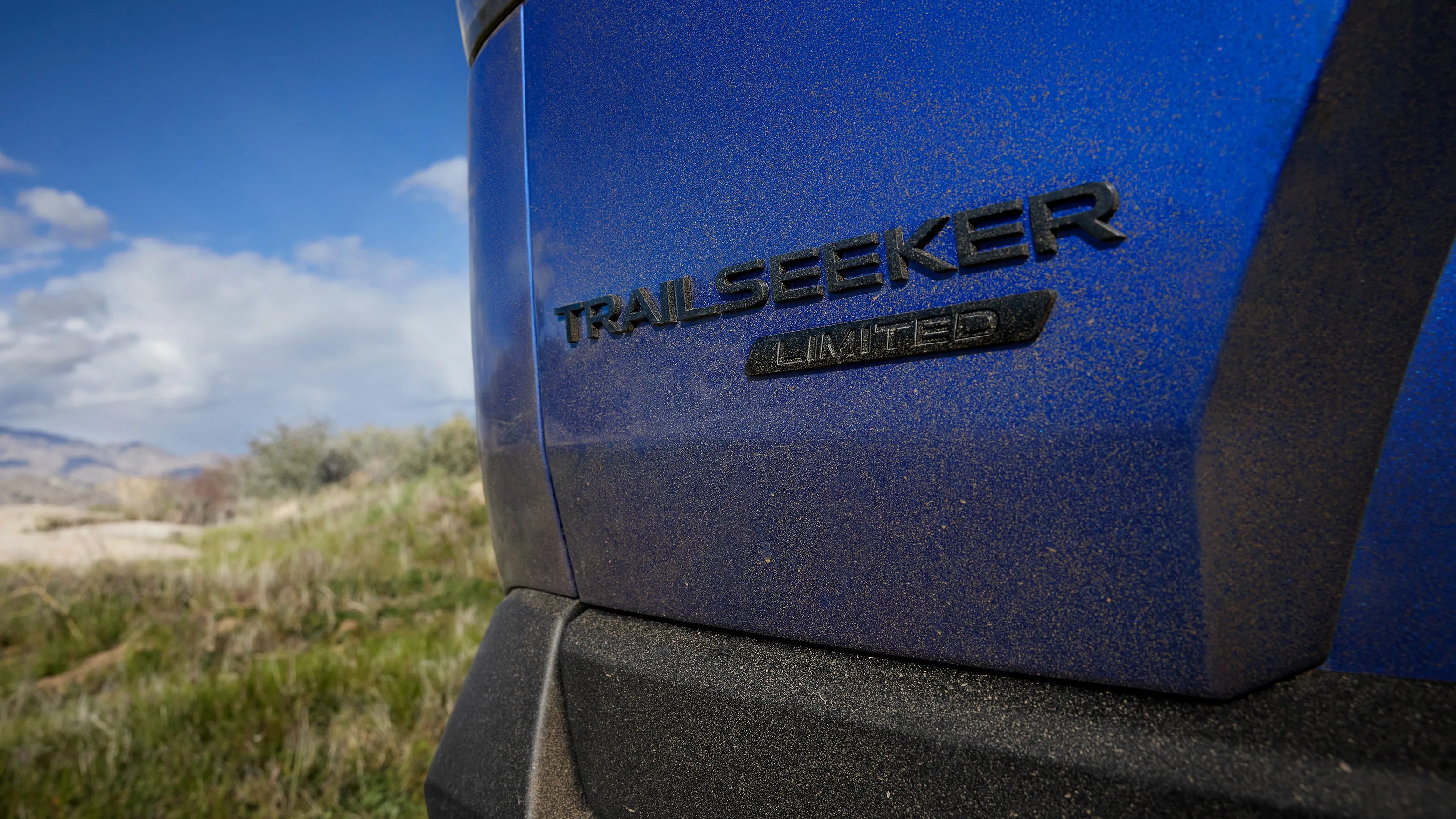
Close-up of a blue vehicle's rear with "TRAILSEEKER LIMITED" badge and dust on the surface.Subaru

Following the launch of the Solterra and the bZ4x, Subaru and Toyota went back to the drawing board to continue fleshing out their EV portfolios.

What resulted was the Trailseeker and the bZ Woodland, another set of twins sharing a platform but with added capability thanks to extra ground clearance, rugged body cladding and standard roof rails, among various other adventure-minded upgrades.
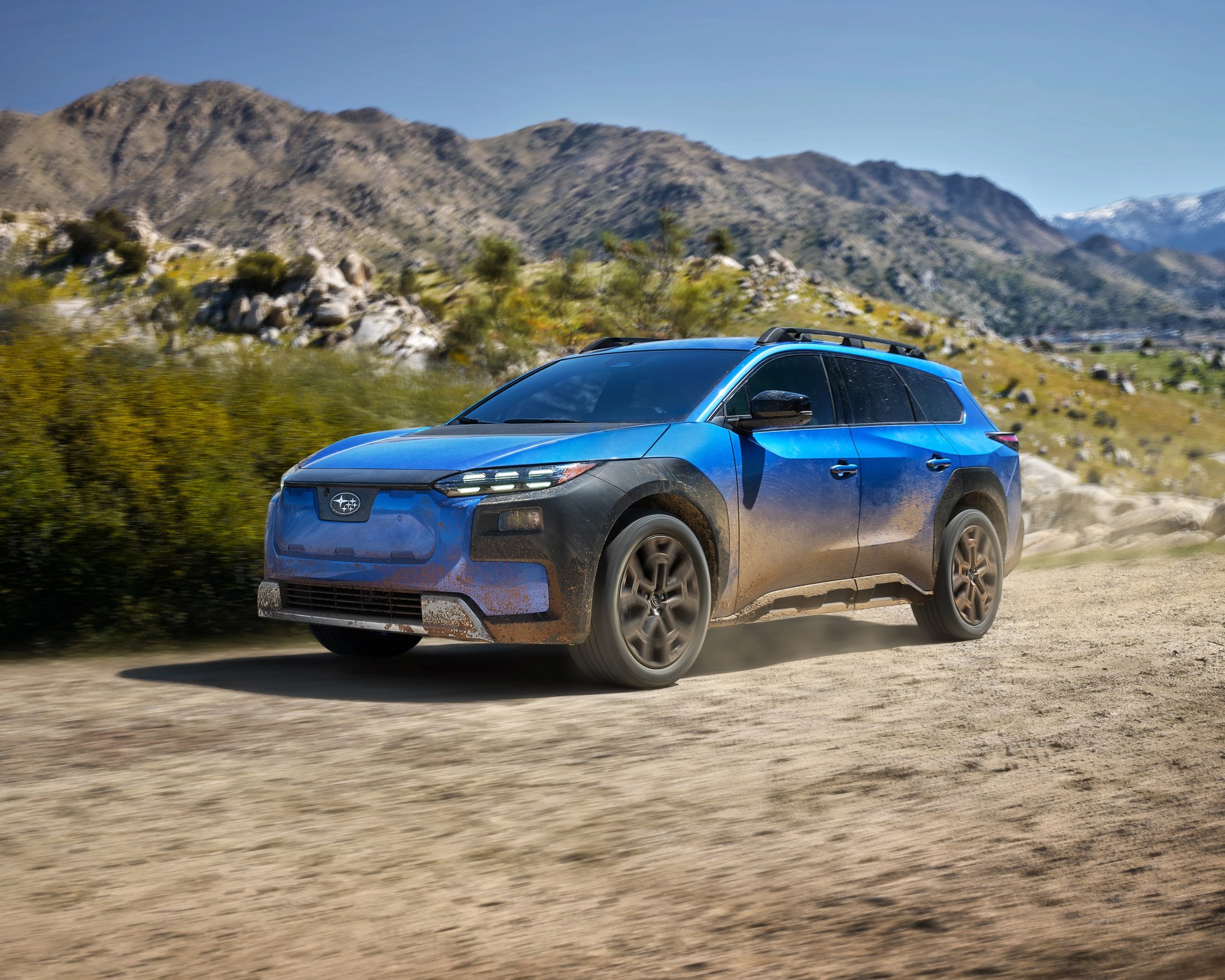
Blue Subaru SUV with black trim driving on a dusty dirt road in a mountainous landscape.
The Trailseeker already had the distinction of being Subaru’s quickest North American car.
Subaru

With a 0-60 time of 4.4 seconds, Subaru’s variation had the distinction of being the quickest-accelerating car the brand has sold in North America. As if that wasn’t enough, though, it turns out that it also boasts a key advantage over its Toyota-badged counterpart: price.

Toyota’s pricey Woodland premium

Just before the end of last year, Subaru announced that MSRP (after destination and delivery) for the Trailseeker Premium trim would start from $41,445. The higher-trim Limited and Touring models would run from $45,405 and $48,005 apiece.
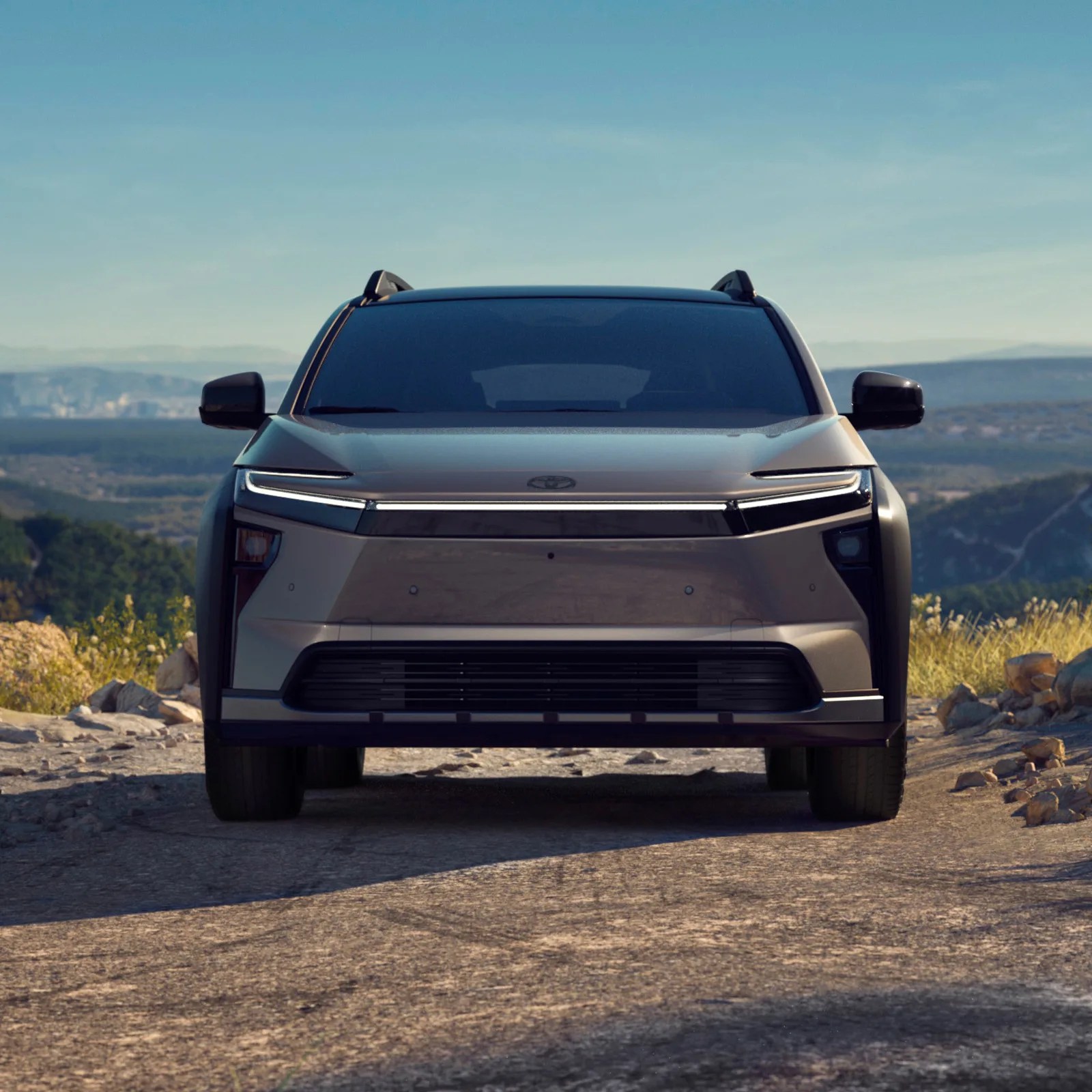
The Toyota bZ Woodland EV parked and shown facing head-on. The vehicle appears perched on a ridge with a valley behind it in the background.
Toyota’s bZ Woodland brings a premium of more than $5,000.
Toyota

Now, Toyota has finally spilled the beans on its hotly anticipated bZ Woodland — it’ll retail from $46,750, with a more expensive Premium option tacking on a further $2,100. As Car and Driver observed, that makes the EV some $5,305 more than its Subaru sibling.

Which, frankly, seems… odd.

Remember, while the two vehicles show subtle visual differences, they’re nearly the same beneath the metal. Each comes with a dual-motor all-wheel-drive powertrain rated for 375 horsepower, and they also sport identical 67-kWh battery packs.

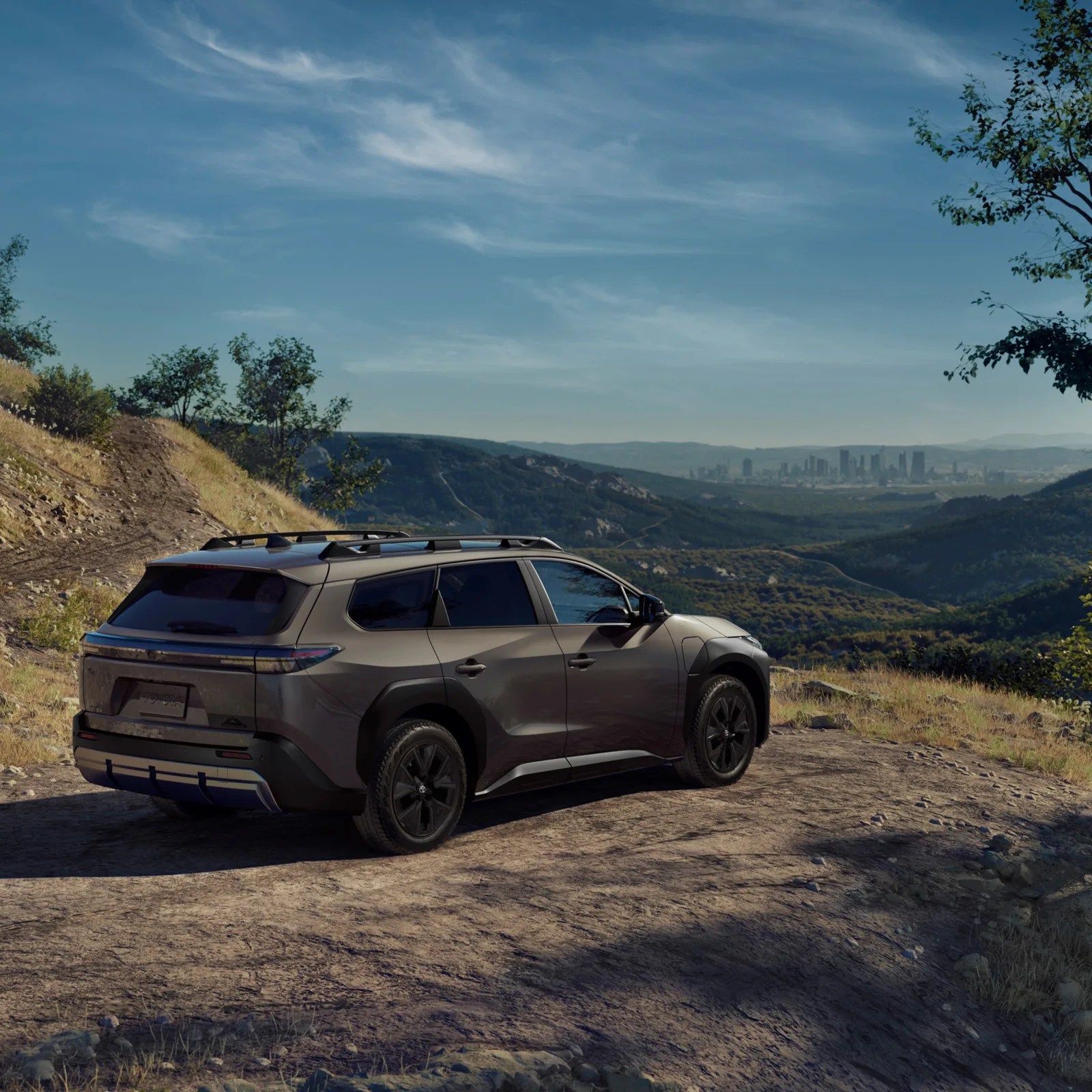
An image of the Toyota bZ Woodland EV parked on a ridge facing a city in the far distance
Underneath the metal, the Trailseeker and the bZ Woodland are nearly identical.
Toyota

As such, while Subaru and Toyota make slightly varying range claims at 260-plus and up to 260 miles, respectively, that’s about the extent of what separates the two EVs. Towing capacity comes in at an equivalent 3,500 lbs, and each one has a 14-inch touchscreen infotainment display sitting in the center console.

It doesn’t track with the other twins

We’ll have to see whether there’s more to the story when the full spec sheet drops for the bZ Woodland. At this time, the Trailseeker certainly seems like the smarter buy, as features like Toyota’s Plug and Charge appear to be among the sole differentiators.

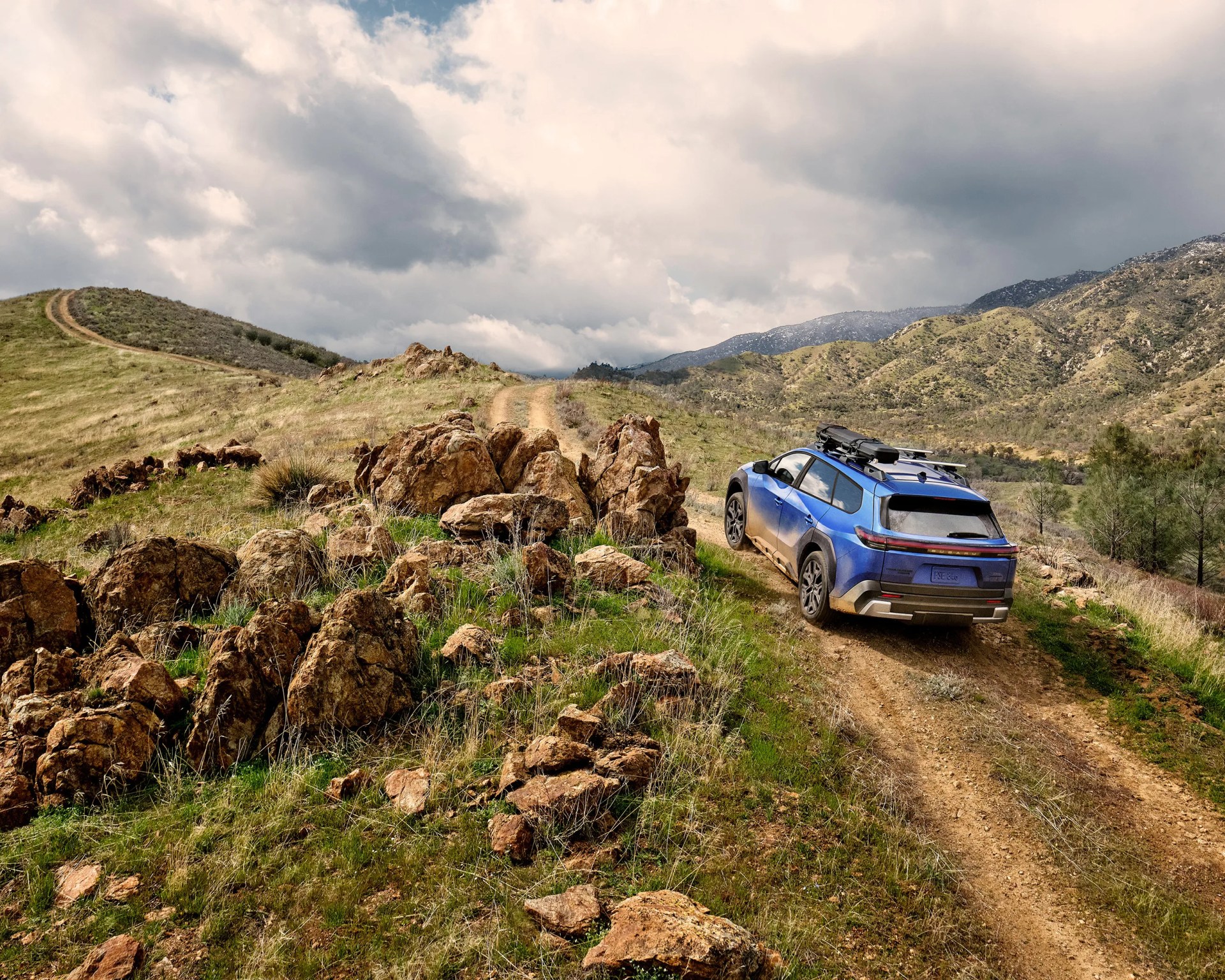
Blue SUV with roof rack driving on a dirt trail in a rocky, grassy mountainous landscape under cloudy sky.
Until Toyota unveils some trick tech on the bZ Woodland, the Trailseeker certainly seems like the smarter buy.
Subaru

That said, it doesn’t really seem to keep with the existing pricing structure for Subaru and Toyota’s other EV pairing. For one, the bZ now undercuts the Solterra at $36,360 after destination and delivery thanks to the addition of an affordable single-motor front-wheel-drive trim.

Moreover, even when you’re comparing similar trims between the two vehicles, the difference isn’t nearly as significant as it is between the Trailseeker and the bZ Woodland. The price of entry for the Solterra starts at $39,945 with destination and delivery, while the AWD bZ XLE will run you some $41,350.

The Toyota bZ Woodland EV in a light brown color shown driving fast down a dirt road at an angle with a roof rack carrying bikes.
The Trailseeker and bZ Woodland pricing don’t follow that of their less rugged stablemates.
Toyota

In any case, given the discontinuation of federal tax incentives, EV buyers will undoubtedly want to take advantage of whatever savings they can. Until Toyota reveals that there’s compelling tech baked into the bZ Woodland, you’d better have a strong preference for the SUV’s design to justify that $5,000-plus premium.

If you’d like to learn more and/or compare each vehicle for yourself, you can head on over to the Subaru and Toyota websites. Pending further information, we’ll take a deeper dive into what might call for the additional expense.

Want to stay up to date on the latest product news and releases? Add Gear Patrol as a preferred source to ensure our independent journalism makes it to the top of your Google search results.

add as a preferred source on google
,