

America’s whiskey makers are facing a troubling squeeze: shelves are stacked taller than ever and rick houses are stuffed with record barrel inventory, yet consumers are leaving more bottles behind. With demand dipping and new whiskey stock piling up, distillers have been searching for a way out.
This situation may explain a pivotal regulatory shift introduced by the Alcohol and Tobacco Tax and Trade Bureau (TTB) at the start of this year.
Seizing this opportunity, a household name in American whiskey just rolled out a headline-making release that could change how we shop for spirits. It’s a move that hints at an industry ready to reinvent itself, by sparking a new chapter for both distillers and drinkers.
From boom to glut

The state of American whiskey can best be described as a classic boom-to-bust: between 1999 and 2022, Kentucky bourbon production exploded by nearly 500%, but actual consumption and export markets haven’t kept pace.
The pandemic-fueled home cocktail craze fizzled, younger consumers are stepping away from high-proof pours for health and cannabis, and tariffs have strangled U.S. whiskey’s second-largest export market—Canada—just as production hit all-time highs.
The result? Some 16 million aging barrels in Kentucky alone, a 28% drop in production since last year, while major brands like Brown-Forman and MGP report double-digit declines in sales. Distilleries are scaling back, and even giants like Diageo are pausing production at sites across the country to avoid flooding the market with more whiskey than the world wants.
A packaging pivot
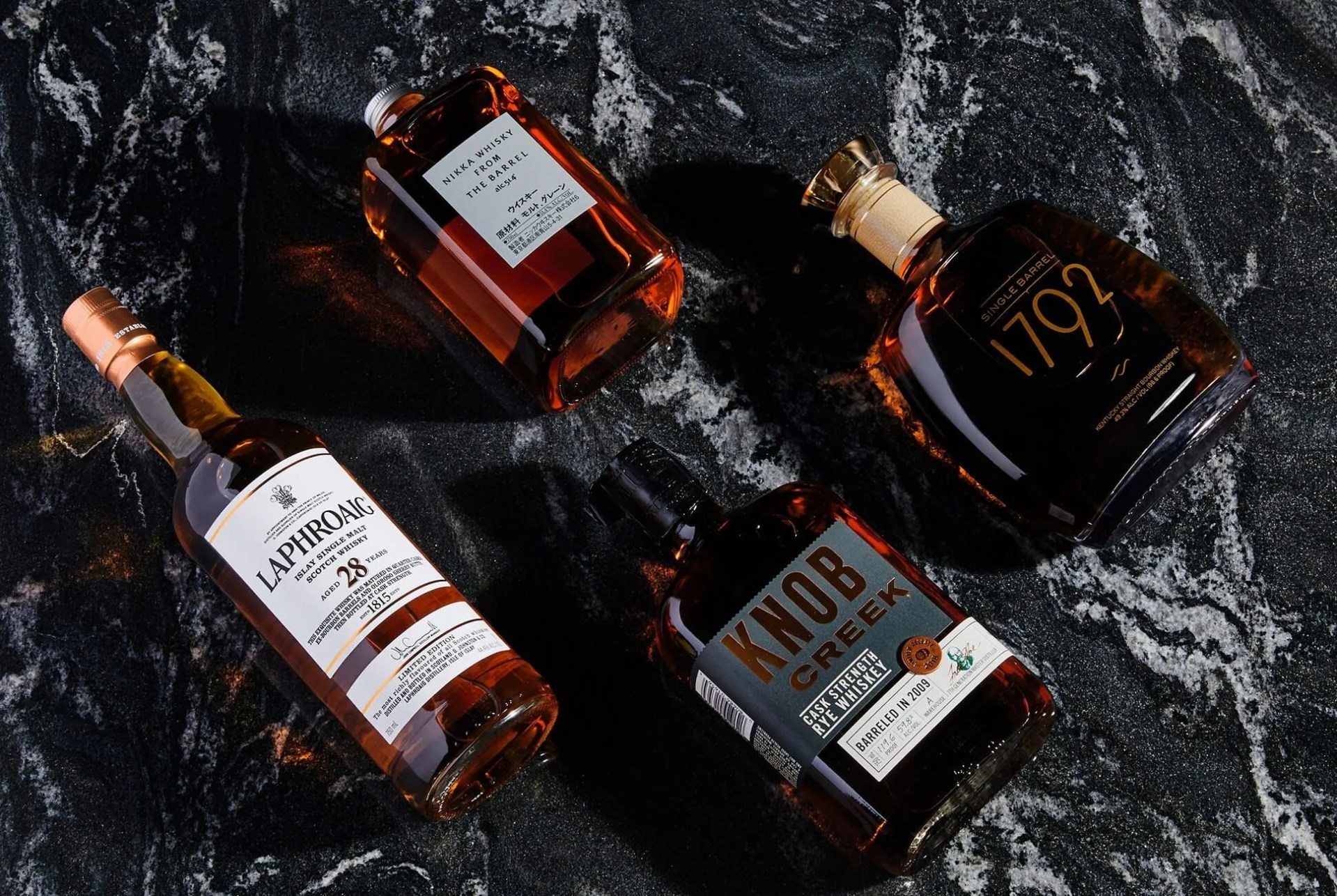
Whether intended as a lifeline to struggling producers or a move to better align American alcohol standards with the globalized economy, significant changes to federal alcohol packaging laws this year are poised to alter how Americans shop for liquor significantly.
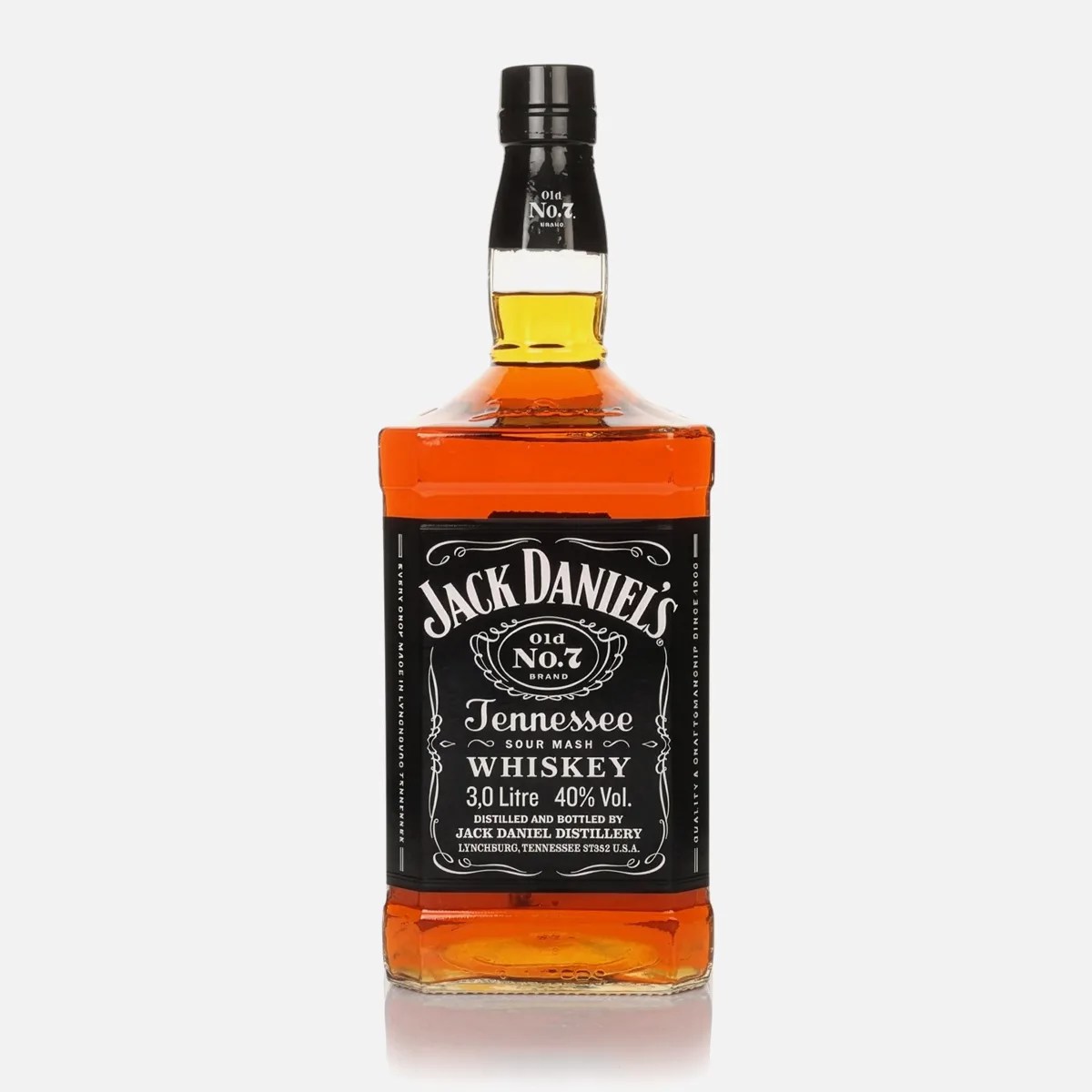
Starting January 2025, spirits brands across the U.S. now have the freedom to go big. The Alcohol and Tobacco Tax and Trade Bureau now allows distillers to package whiskey and other spirits in expanded formats—think 1.5-, 2-, 3-, and even 3.75-liter bottles. This long-awaited change not only aligns American shelves with global norms but also provides producers with new tools to serve large crowds, doomsday preppers, occasional shoppers, or anyone seeking more value per pour.