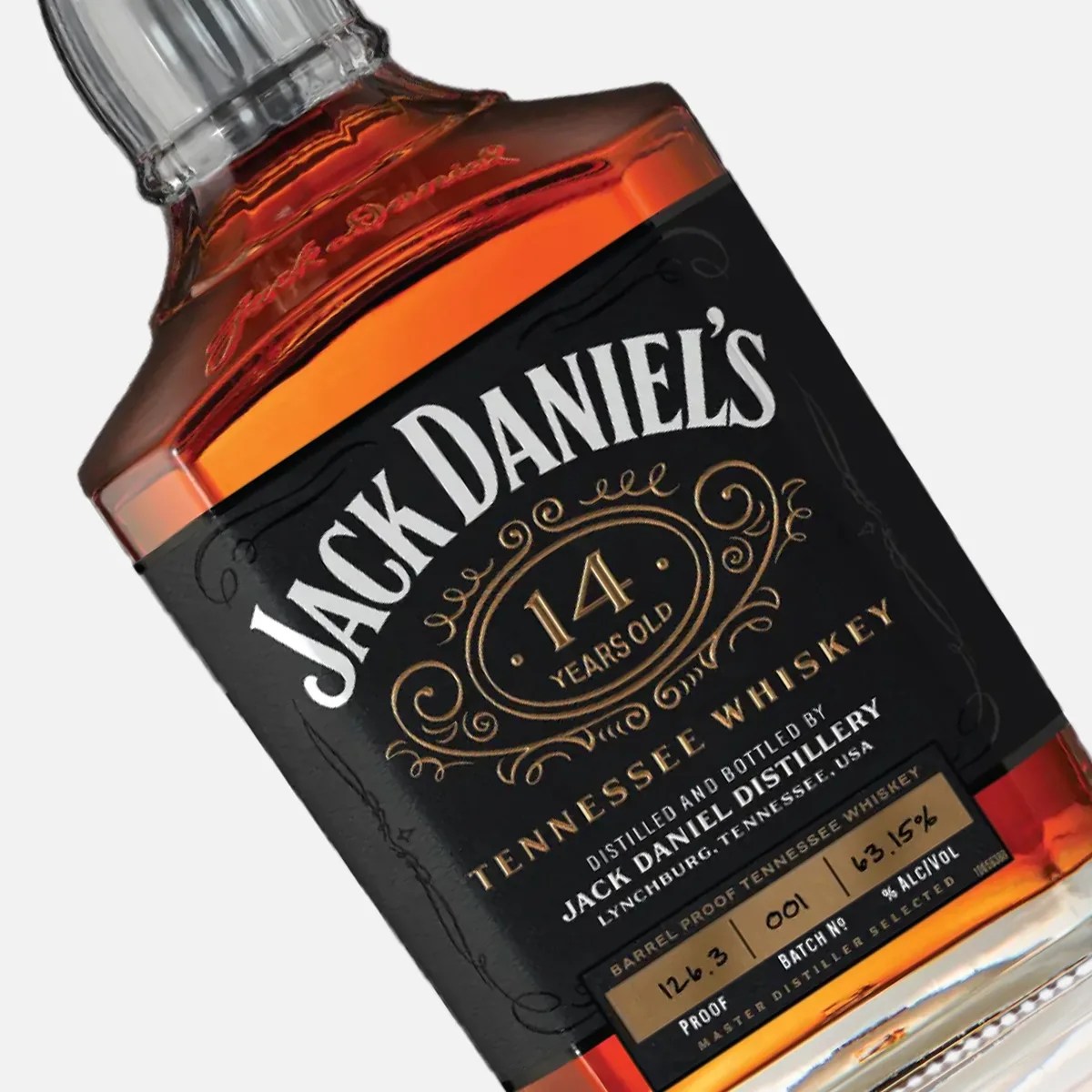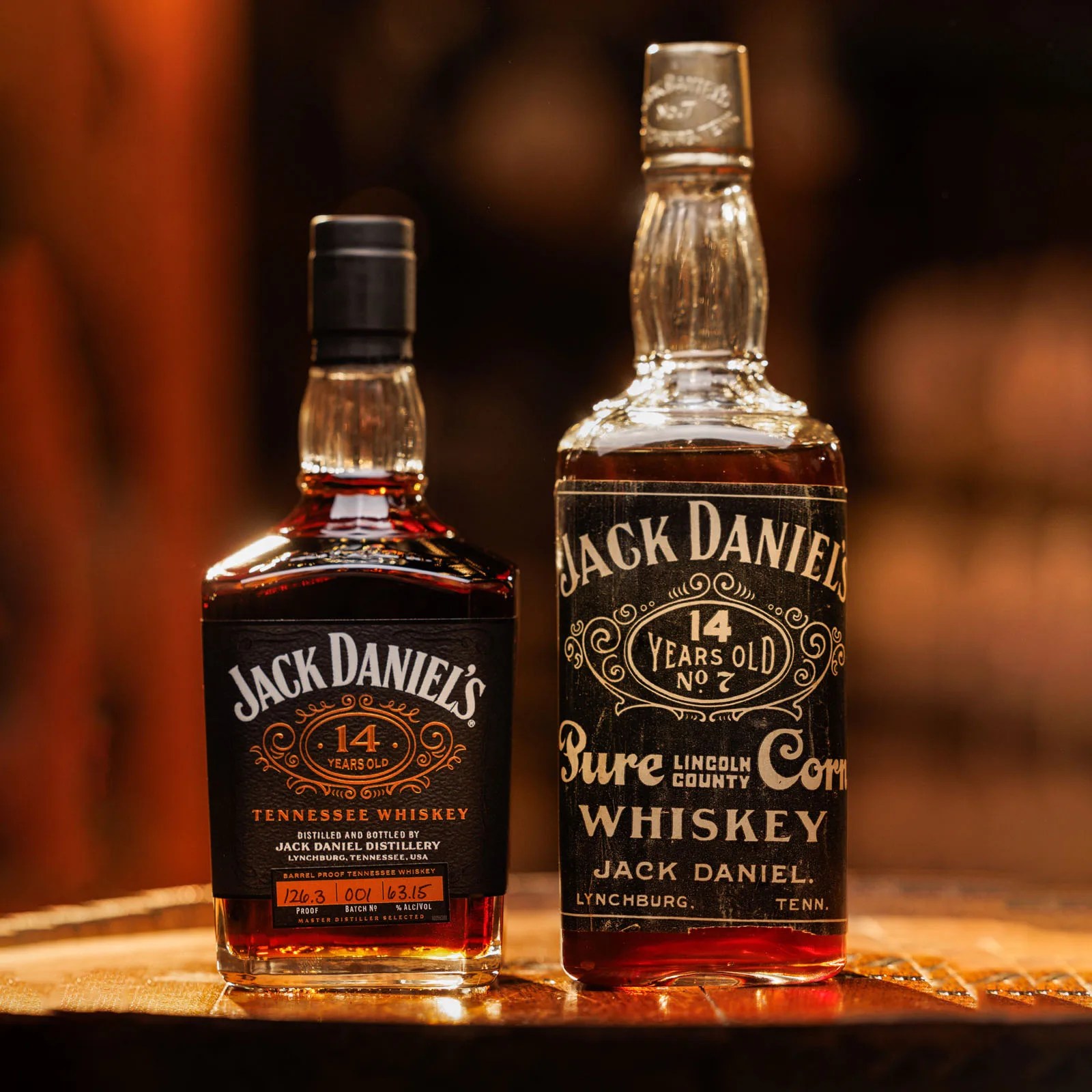


Jack Daniel’s spent more than a century proving that consistency could be a virtue. Same mash bill. Same charcoal mellowing. Same square bottle. For most of its history, that was the whole point: Old No. 7 didn’t need to flex age statements or limited editions because it was already one of the best-selling American whiskeys on the planet. Stability was the brand.
GP100: Gear Patrol’s annual roundup of the most important releases collects key watches, cars, outdoor gear and more. Browse the full list or catch up on last year’s winners.
Eventually, the market changed. Drinkers wanted proof — not just literal barrel proof, but evidence of craft, patience, specificity. Age statements became currency. Premium line extensions were no longer prestige vanity projects; they were how legacy distillers showed they could still move with a world that now sorts whiskey by provenance, rickhouse, and year.
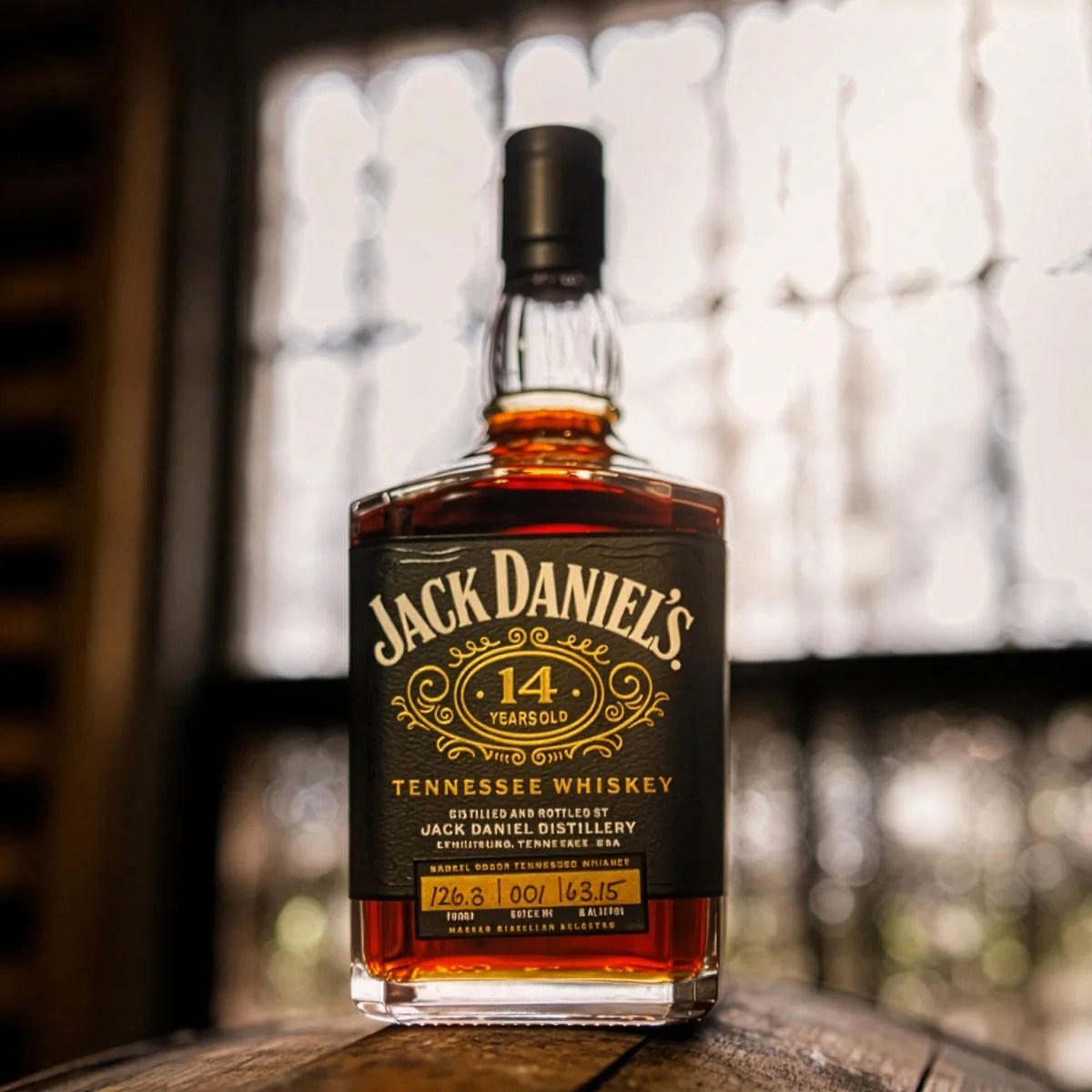
Jack Daniel’s responded with a decade-aged release. Then a 12-year. And now, for the first time in over a century, this: Jack Daniel’s 14 Years Old, a bottle that signals the brand isn’t just participating in the premium race — it’s out-executing rivals who’ve been running it for years.
The whiskey itself is straightforward in concept but far from predictable in execution. Fourteen years is a long time for Tennessee whiskey in new American oak, especially with Jack’s famously warm warehouses accelerating extraction.
Reviewers expected lumber; they got balance. Drinkers describe a profile that leans into deep caramel, toasted pecan, clove and singed orange peel, all riding on a structure that somehow keeps the oak’s sharper edges in check, especially with a splash of water.