
If Buffalo Trace and Jack Daniel’s Join Forces, What Happens to American Whiskey?

A merger between Buffalo Trace and the company behind Jack Daniel’s is back in play—and it could reshape how American whiskey is made, marketed and found.

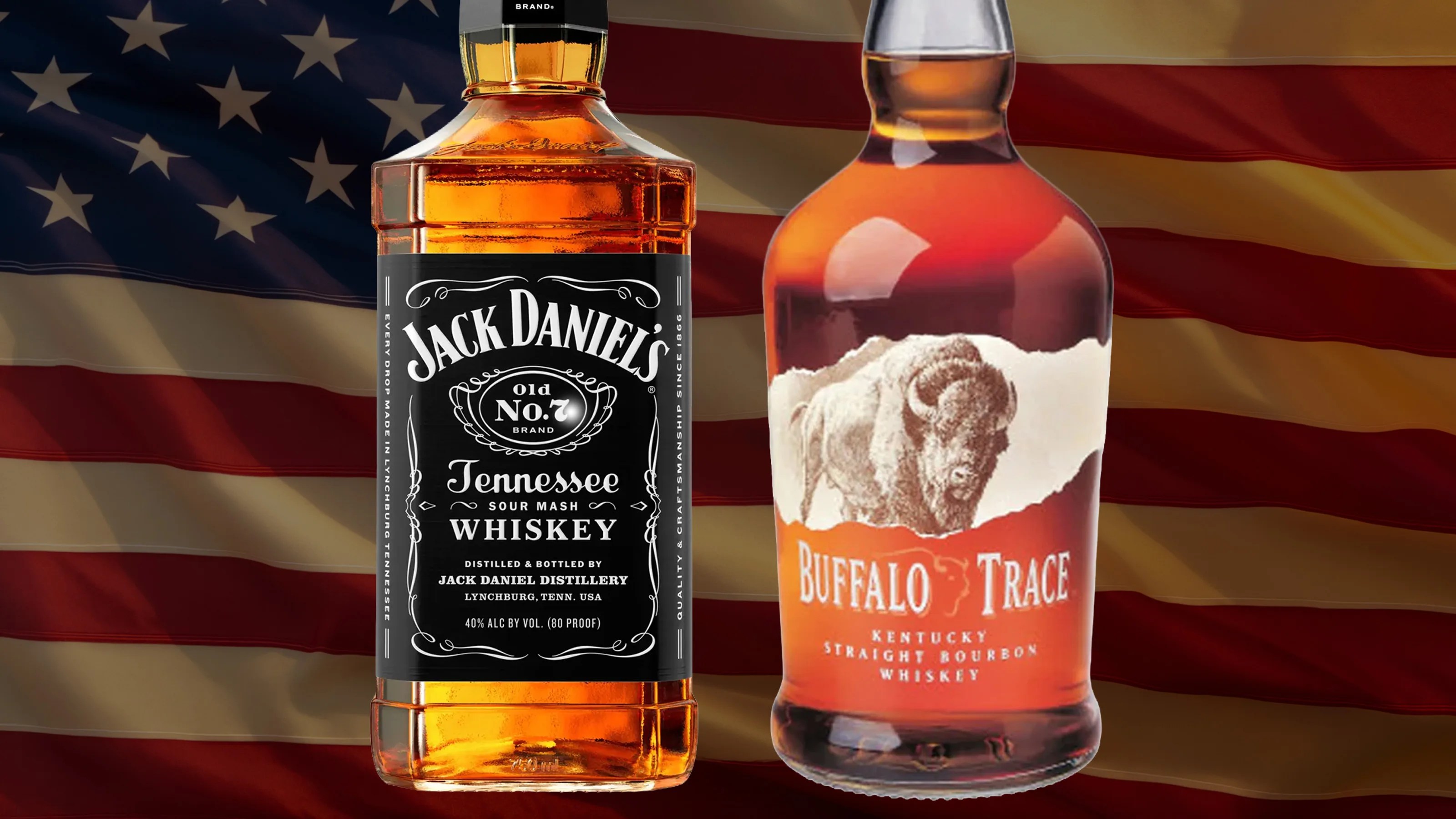
Two whiskey bottles, one Jack Daniel's Tennessee Whiskey and one Buffalo Trace Kentucky Straight Bourbon, with an American flag background.Gear Patrol

A potential deal between Pernod Ricard and Brown-Forman once looked poised to reshape the global spirits business—pairing one of the world’s largest liquor companies with the steward of Jack Daniel’s in a move that would’ve created, by some estimates, the second biggest spirits company in the world, complete with the scale, reach and category-spanning power you’d expect.

That version of the future is now off the table.

What’s left on the horizon, though, is something more focused—and potentially more consequential in a different way.

If the next move centers on Sazerac Company, the outcome wouldn’t be a generalist spirits giant. It would be something more concentrated: a company with the potential to exert enormous influence over one of the industry’s most important segments—American whiskey.
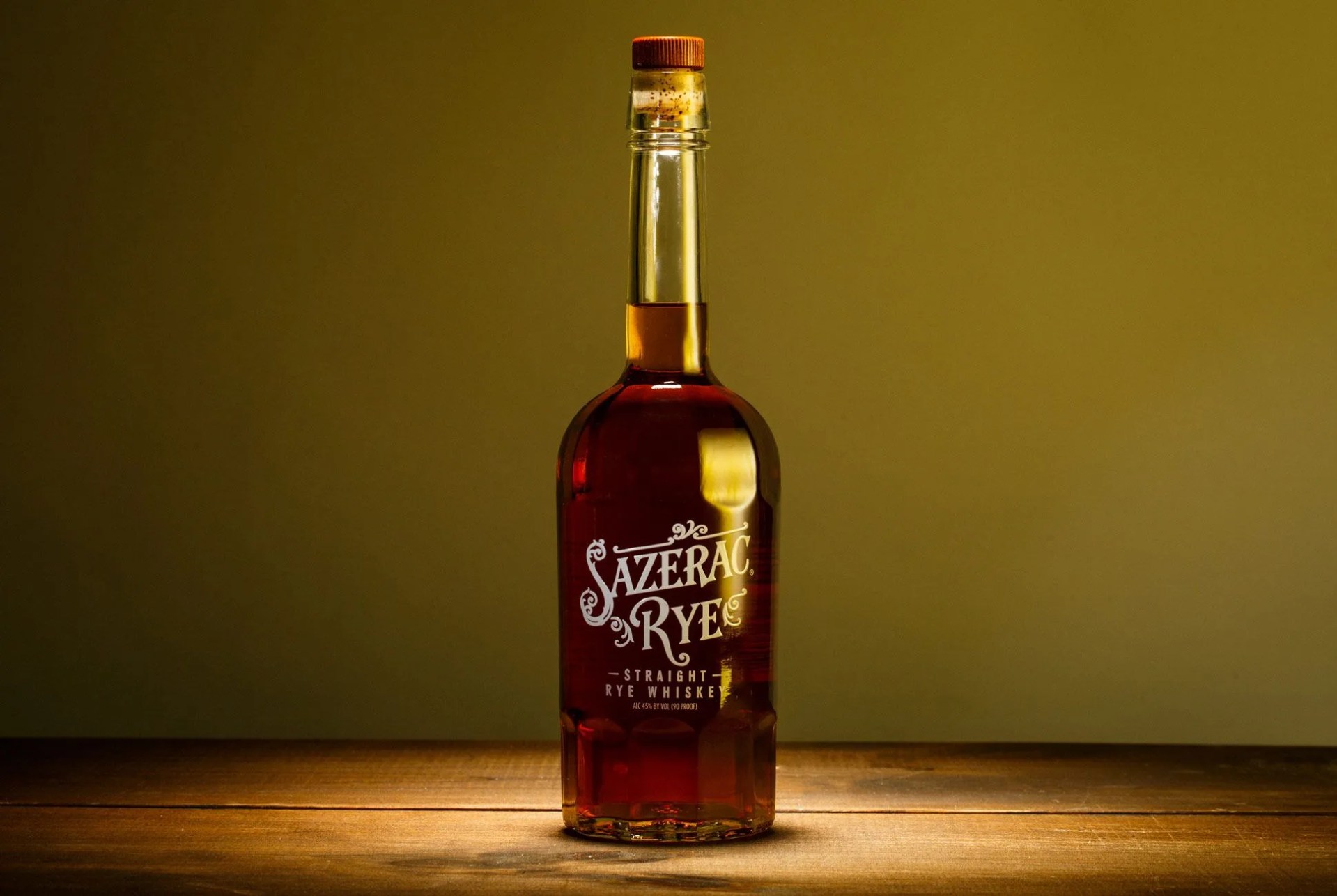
Whiskey-Under-40-Gear-Patrol-Sazerac
The future of the American whiskey industry may now hinge on whether the Sazerac Company, which owns Buffalo Trace, joins forces with Brown-Forman, the company behind Jack Daniel’s.
Henry Phillips for Gear Patrol

And that shift isn’t happening in a vacuum. Slowing demand, generational changes in drinking habits and rising costs have pushed even legacy players to rethink how scale and control fit into the next phase of the spirits business.

Because in a category defined as much by culture as by volume, this isn’t just about who owns what, it’s about who gets to decide what whiskey costs, where it shows up and how hard it is to get.

Welcome to Power MovesDiving deep into the product and brand moves that can change where a category is headed. Discover more here.
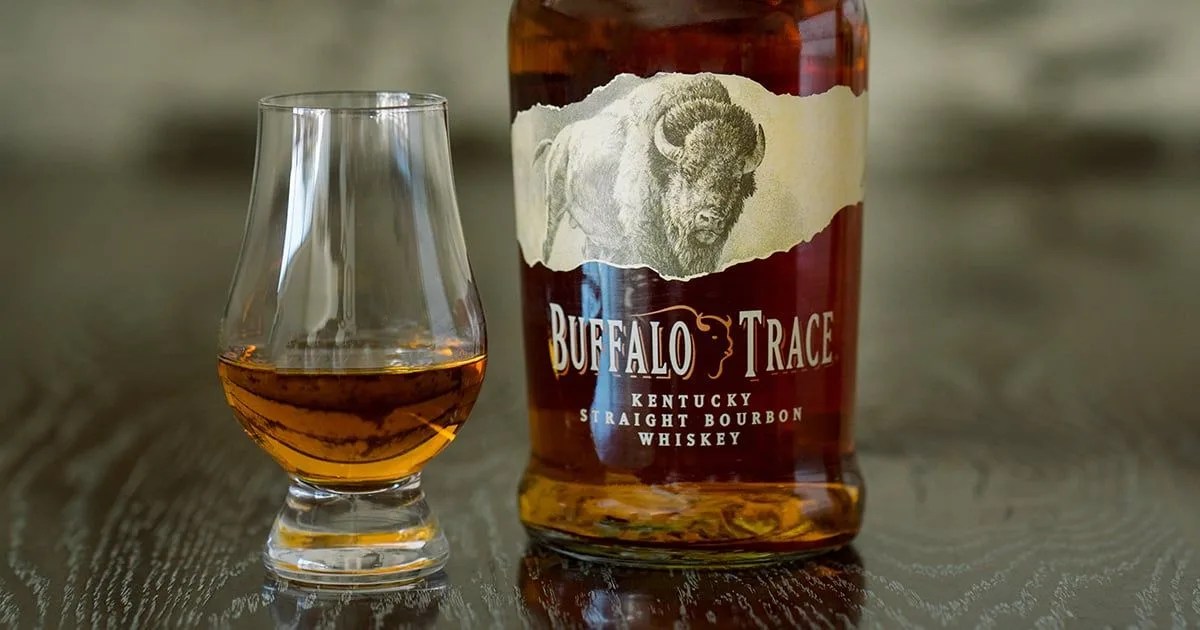
Is the second time the charm?

buffalo trace
Sazerac Company emerged early as a contender for Brown-Forman, putting together what was reported to be a $15 billion offer, but discussions with Pernod Ricard gained stronger traction. Now that those conversations have officially ended, returning to the negotiating table with the Sazerac Company feels like an obvious next step for Brown-Forman, though it’s far from the company’s only option.
Buffalo Trace

The path to this point has been anything but straightforward.

As reported by The New York Times and other sources, Sazerac Company emerged early as a serious contender for Brown-Forman, before appearing to lose ground when Pernod Ricard gained traction with a partnership-driven proposal that would have preserved the Brown family’s influence.

Now, with those talks officially off, the dynamic could be poised to flip again—putting Sazerac back in what increasingly looks like the most viable position.

Whether a deal actually happens appears like it will come down to familiar variables: price, structure and whether the Brown family is willing to part with a company it has stewarded for more than a century.

Whether a deal actually happens appears like it will come down to familiar variables: price, structure and whether the Brown family is willing to part with a company it has stewarded for more than a century.

But the more interesting question isn’t whether it happens.

It’s what happens if it does.

Might beyond marketshare

Buffalo-Trace-Gear-Patrol-Slide-17
If a deal between Sazerac Company and Brown-Forman were to come together, roughly 25 American whiskey brands alone would all fall under the same portfolio. Analysts estimate the combined entity could control roughly a third of the American whiskey market, with some projections pushing closer to 40%.
Ben Bowers for Gear Patrol

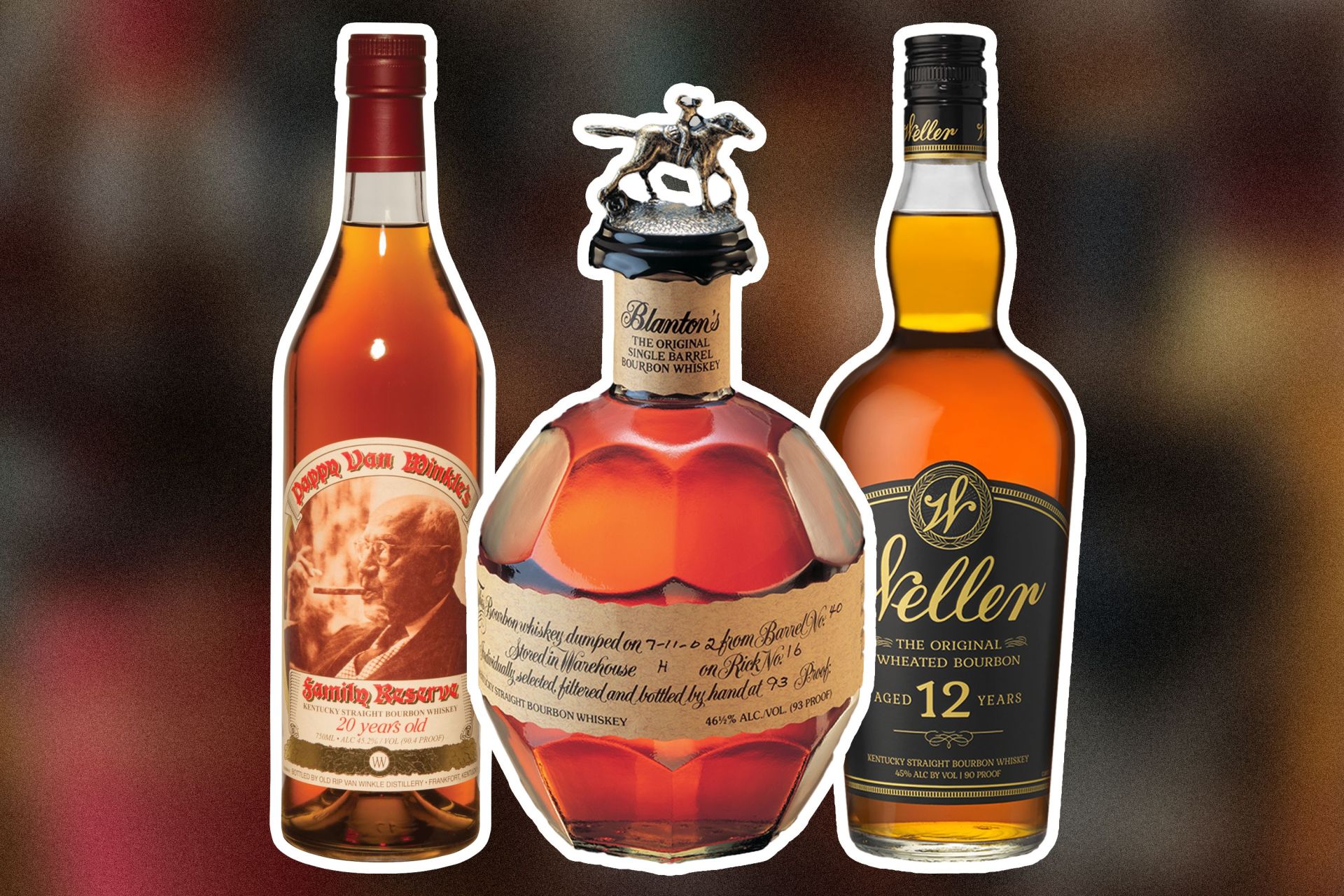
If a deal between Sazerac Company and Brown-Forman were to come together, roughly 25 American whiskey brands alone – spanning from spring break staples like Fireball and Southern Comfort and Jack Daniels, to home bar stalwarts like Woodford Reserve, Buffalo Trace, and Sazerac Rye, to collector grails like Pappy Van Winkle, Blanton’s, and Stagg would all be part of the same portfolio.

Analysts estimate the combined entity could control roughly a third of the American whiskey market, with some projections approaching 40%.

Pinning down a more precise figure is difficult, given the limited transparency of privately held companies like Sazeac and the way the category is segmented. But the exact number isn’t really the point.

This wouldn’t be a monopoly. Brands from Suntory Global Spirits, Diageo, Heaven Hill and Campari Group would still compete across shelves already crowded with craft distillers.

But it would consolidate enough scale to reshape the category.

This wouldn’t be a monopoly. Brands from Suntory Global Spirits, Diageo, Heaven Hill and Campari Group would still compete across shelves already crowded with craft distillers.

Whiskey-Age-Ultrasonic-Gear-Patrol-Lead-Full
If the deal were to go through, it wouldn’t create a monopoly by any stretch, but it would definitely form a new gravitational center for the industry, with the new entity holding significant positions at both the affordable mass-market and ultra-premium ends of the American whiskey spectrum.
John Shepherd

But it would consolidate enough scale to reshape the category.

Because one company would control each end of the market: both the bottles many grab without thinking and the ones many hunt for and never quite manage to find.

That doesn’t just create size. It creates a gravitational center.

And once that center forms, everything else—what gets promoted, what gets shelved and what gets overlooked—starts to move around it.

Here are a few ways the deal could reshape the market, for better or for worse.

The potential downsides of a deal

Here are four ways a merger between Sazerac Company and Brown-Forman could negatively reshape the industry for American whiskey fans.


The herd gets thinned

buffalo trace whiskey lineup
Mergers mean redundancies. How Brown-Forman and Sazerac would restructure their combined portfolios to increase efficiency and eliminate internal business frictions would undoubtedly play out on the liquor shelf in some capacity.
Photo by Chandler Bondurant for Gear Patrol

As Uncle Ben famously never said, “With great scale comes great redundancies.” And when product portfolios overlap, decisions follow.

In a portfolio this large, not every brand gets to stay a main character either.

At the top, the priorities are obvious. Jack Daniel’s remains the global volume engine. Buffalo Trace anchors identity and core bourbon credibility. And prestige names—whether it’s Pappy Van Winkle or the Buffalo Trace Antique Collection—continue to drive attention and halo.

Those brands won’t get squeezed. They’ll get amplified.

The real pressure builds in the vast middle chunk below that tier and above the weekend party staples. That’s where this combined portfolio starts to feel particularly crowded.

In a portfolio this large, not every brand gets to stay a main character.

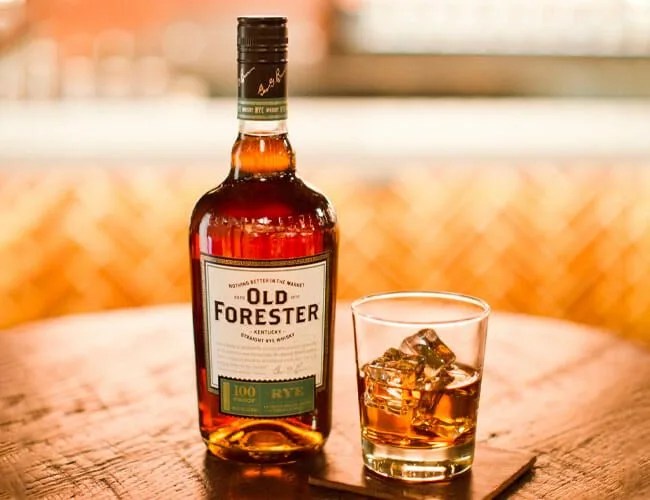
Labels like Woodford Reserve, Old Forester, Eagle Rare and Weller all occupy similar(ish) lanes today, where “premium” starts, but scarcity hasn’t fully taken over. They’re heritage-driven, widely respected and still semi-allocated, at least in some places.


Some, like Weller in particular, will likely get pushed further upmarket. Others will be repositioned with new storytelling. And some will inevitably become less central—not because they failed, but because they no longer fit as cleanly into the new lineup.

Buffalo-Trace-Gear-Patrol-Slide-7
Labels like Woodford Reserve, Old Forester, Eagle Rare and Weller all occupy similar(ish) lanes today, where “premium” starts, but scarcity hasn’t fully taken over. They’re heritage-driven, widely respected and still semi-allocated, at least in some places. In the event they all became part of the same whiskey portfolio, it’s hard to imagine all of them maintaining an equivalent level of favored status internally.
Ben Bowers for Gear Patrol

Then there’s the wider tier below. 1792, Cooper’s Craft, Benchmark, etc., smaller or less-defined labels that face a different kind of risk. Not elimination for certain, but simplification for sure. Fewer variations. Less shelf priority. A quieter presence overall.

None of this happens overnight. And it rarely comes with announcements.

The shelf won’t necessarily shrink—but it would become more focused. The same names would appear more often. And some brands that once felt like easy, reliable choices might start to feel a little harder to find—or a little less emphasized.


The sweet spot shrinks

Old-Forester-Rye-Gear-Patrol-Feature
The biggest risk isn’t that cheap whiskey disappears—or that rare bottles get rarer – at least from a pure production standpoint. It’s that the middle—the part of the shelf where most value lies and many actually shop—gets squeezed.
Old Forester

The process of reducing portfolio overlaps and redundancies is also likely to gravitate in one clear pricing direction.

When a company controls both volume and prestige, the incentive is clear: protect the entry level, elevate the high end and push everything else upward.

When a company controls both volume and prestige, the incentive is clear: protect the entry level, elevate the high end and push everything else upward.

The biggest risk isn’t that cheap whiskey disappears—or that rare bottles get rarer – at least from a pure production standpoint. It’s that the middle, the part of the shelf where most value lies and where many actually shop, gets squeezed.

For consumers, that would mean fewer standout values and more bottles trying to justify higher prices, whether or not the liquid has changed.


Shelves increasingly look the same

collage of 3 whiskey bottles
If you’ve ever noticed the same brands grouped together or dominating eye-level shelves, that’s not accidental—and it could become more pronounced at least on one particular aisle of the liquor store in the wake of such a massive merger.
Buffalo Trace Distillery

At the best of times, the American whiskey aisle has felt like a mix of the familiar and the unexpected—big-name staples sitting alongside smaller brands and the occasional surprise find.

When one company controls both high-volume bottles and some of the most in-demand releases, that balance can start to shift. Because access to high-demand releases often comes with expectations.

Retailers aren’t just buying individual products—they’re buying into portfolios. And the more important the portfolio is to their business, the more influence it has over what gets stocked and where it’s placed.

Retailers aren’t just buying individual products—they’re buying into portfolios. And the more important that portfolio is to their business, the more influence it has over what gets stocked and where it’s placed.

If you’ve ever noticed the same brands grouped together or dominating eye-level shelves, that’s not accidental—and it could become more pronounced.

For consumers, the change is subtle but real: less variety, fewer one-off discoveries and a shelf that starts to feel more predictable no matter where you look.


The hunt gets globalized

five bottles of buffalo trace whiskey on a bar
A combined entity would also have even more influence over which markets get priority by determining which bottles go where.
Buffalo Trace

Jack Daniel’s is the relatively rare American whiskey with truly global reach.

Should that distribution power be applied to Buffalo Trace’s more premium and allocated brands, awareness won’t just grow—consumer competition will too, meaning that bottles that were once hard to find locally become hard to find everywhere.

But it’s not just about increased demand. Inventory concentration matters here too.

A combined entity would also have even more influence over which markets get priority by determining which bottles go where.

But it’s not just about increased demand. Inventory concentration matters here, too.

A combined entity would also have even more influence over which markets get priority by determining which bottles go where.

For consumers, that likely means on a macro level that the biggest whiskey prizes would consolidate around the biggest whiskey markets, i.e., major cities capable of driving the highest possible sales volume.

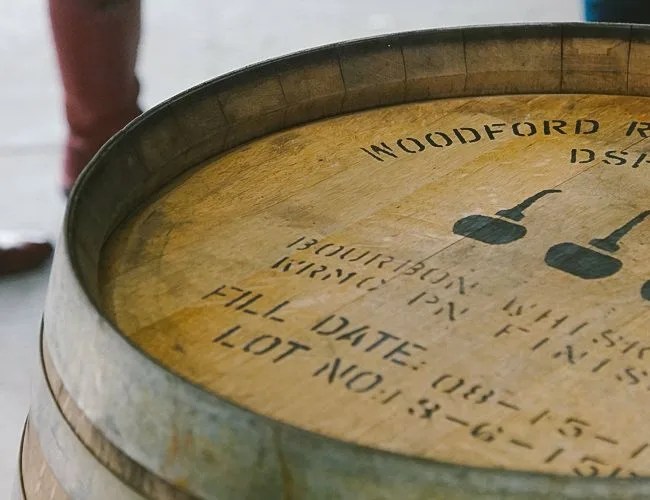
woodford_Barrel_Selection
On a macro level, the biggest whiskey prizes might further consolidate around the biggest whiskey markets, which, thanks to Jack Daniel’s vast distribution network, could now include more major cities across the globe, pushing some existing American markets down a peg in terms of priority.
Gear Patrol

Not only could that lower the odds of a top-shelf find appearing in your local liquor store. But it could also mean that even America’s mid to large cities might receive proportionally less product at the expense of other large and important markets scattered across the globe.


What about upsides?

Sazerac Company and Brown-Forman joining forces could also unlock some intriguing new possibilities and business flywheels that could, at a minimum, spice up and buttress a stagnating category.


Tennessee whiskey might finally rub elbows with the bourbon elites

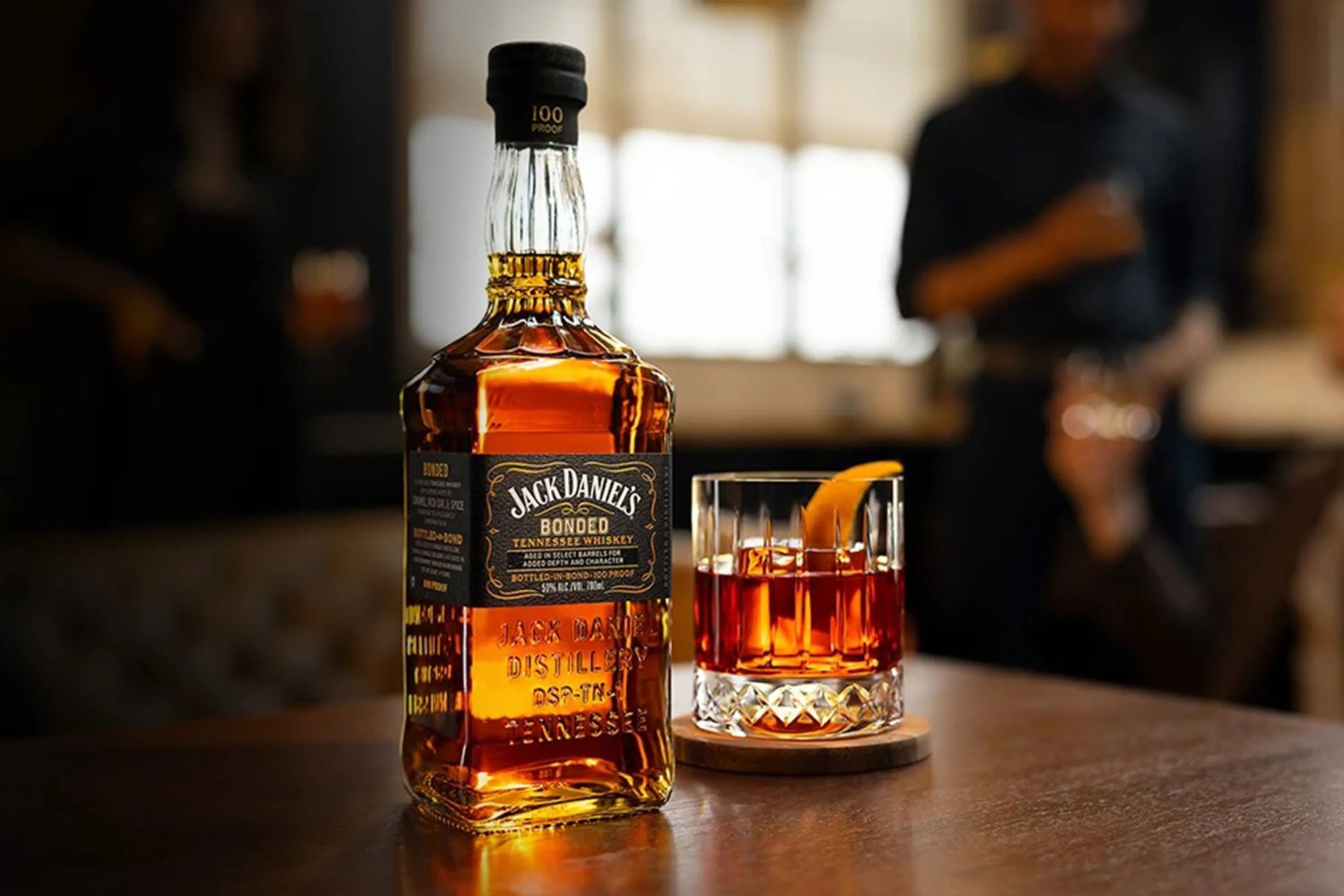
jack daniel's bonded whiskey
A Tennessee whiskey showing up alongside the Buffalo Trace Antique Collection might have once sounded far-fetched. But that’s exactly the kind of wild newproduct idea that could come from a merger between Brown-Foreman and Buffalo Trace.
Jack Daniel’s

Jack Daniel’s has already spent years pushing beyond its everyday reputation with age-stated releases, single barrels, and limited editions that have helped reframe what the brand can be.

Under a combined entity, that shift could accelerate and open the door to some more unexpected possibilities.

A Tennessee whiskey showing up alongside the Buffalo Trace Antique Collection might have once sounded far-fetched.

So would the idea of Jack Daniel’s leaning into a true bourbon-style release, or borrowing from the kind of long-aging, small-batch experimentation that defines Buffalo Trace’s most coveted bottles

None of that is guaranteed to happen. But it wouldn’t be totally unexpected either and could be very exciting for general whiskey fans.


Some labels could actually get easier to find

best whiskey glasses featurePhoto by Chandler Bondurant for Gear Patrol

Scarcity isn’t always about how much whiskey exists—it’s about where it ends up.

Yes, increasing distribution might increase competition and scarcity in one regard, but on the flip side, it could also increase accessibility.

Jack Daniel’s is one of the most widely distributed spirits in the world. If even a portion of that infrastructure were applied to brands within the Buffalo Trace orbit, it could help smooth out some of the regional imbalances that define the category today.


A dream team would be formed and equipped with more resources to take big swings

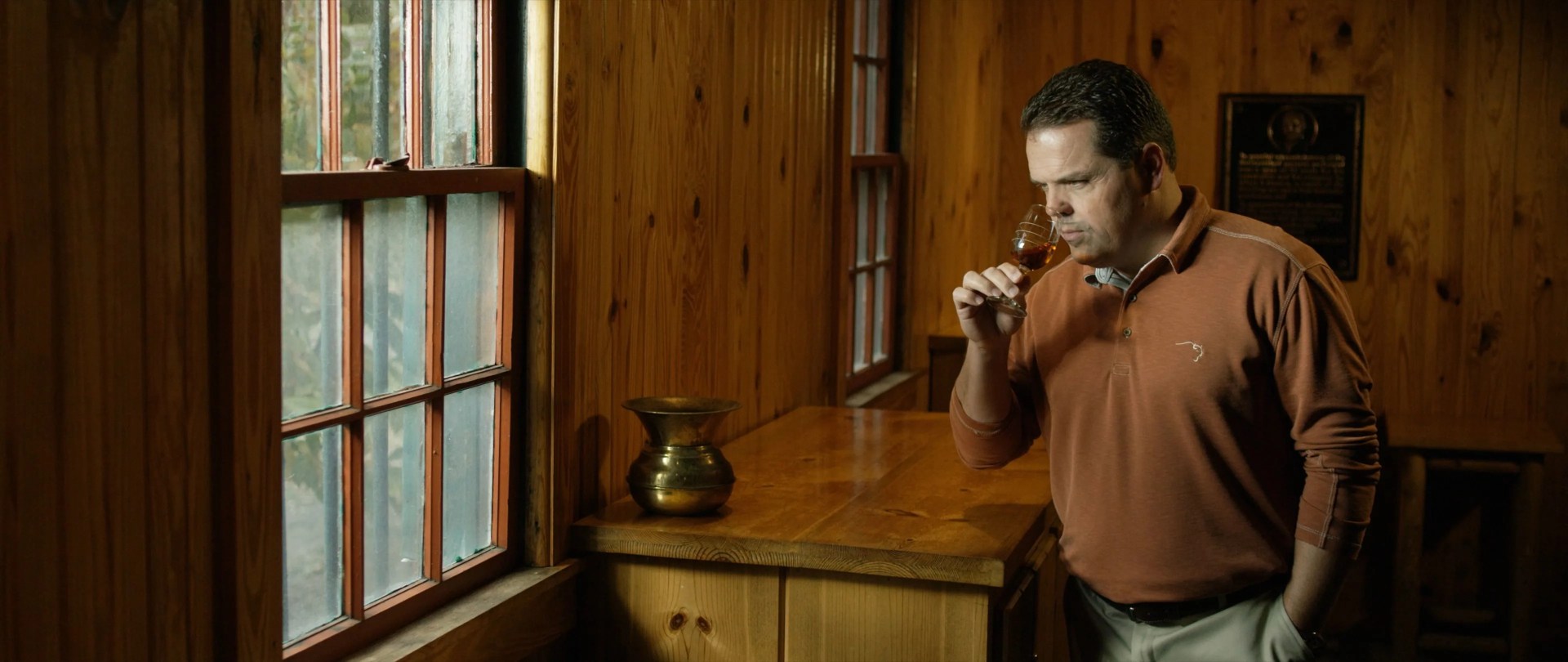
master distiller harlen wheatley smelling a glass of whiskey
The ability for Buffalo Trace master distiller Harlen Wheatley (shown above) to talk shop directly with Jack Daniel’s master distiller Chris Fletcher and Woodford Reserve’s master distiller Elizabeth McCall, among others, would undoubtedly result in some fascinating new whiskey releases.
Buffalo Trace Distillery

If this deal comes together, it wouldn’t just combine portfolios—it would bring together one of the deepest benches of whiskey-making talent in the country.

On one side, you’ve got Chris Fletcher and Elizabeth McCall. On the other hand, Harlen Wheatley and a team that has spent years refining some of the most ambitious aging and experimentation programs in bourbon.

Put that together, and you don’t just get scale, you get an elite whiskey-making brain trust.

Right now, even large distilleries tend to hedge their bets. But a combined company with this level of resources—and a portfolio that already safely spans entry-level to ultra-premium—could afford to experiment more aggressively.

And with that kind of depth comes something else: the ability to take bigger swings.

Right now, even large distilleries tend to hedge their bets. But a combined company with this level of resources, matched with a portfolio that already safely spans entry-level to ultra-premium, could afford to experiment more aggressively.

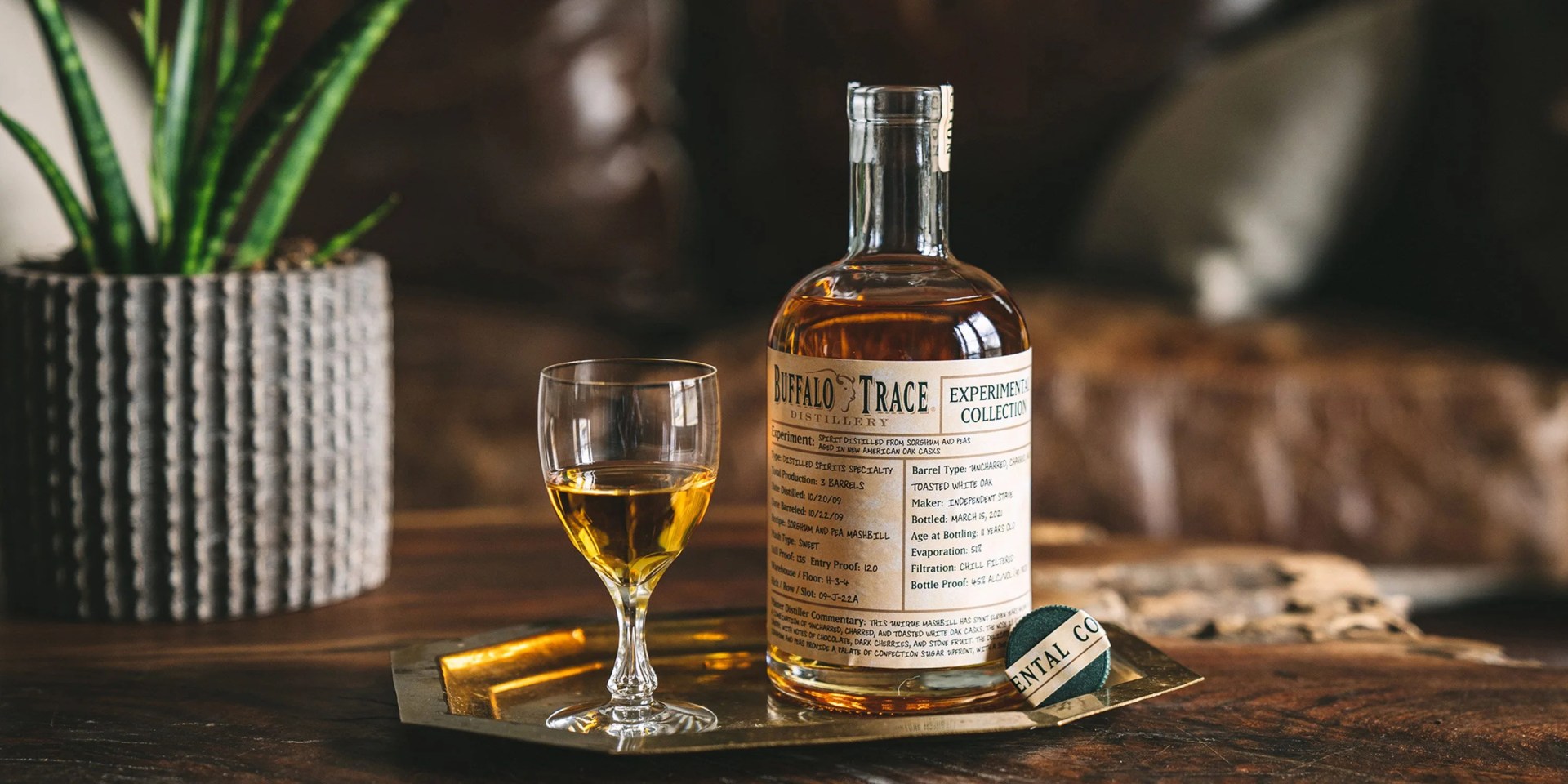
buffalo trace
Beyond Buffalo Trace’s expertise in helping Tennessee whiskey move upmarket, the unique whiskey variant could also benefit from the kind of long-aging, small-batch experimentation that Buffalo Trace has also leaned into.
Buffalo Trace

That could mean entirely new sub-brands, longer-term experimental programs, or releases that don’t need to prove their commercial value right away.

For consumers, that’s a notable upside: fewer safe plays and more bottles that actually feel new.


American whiskey could gain a stronger global presence and financial security

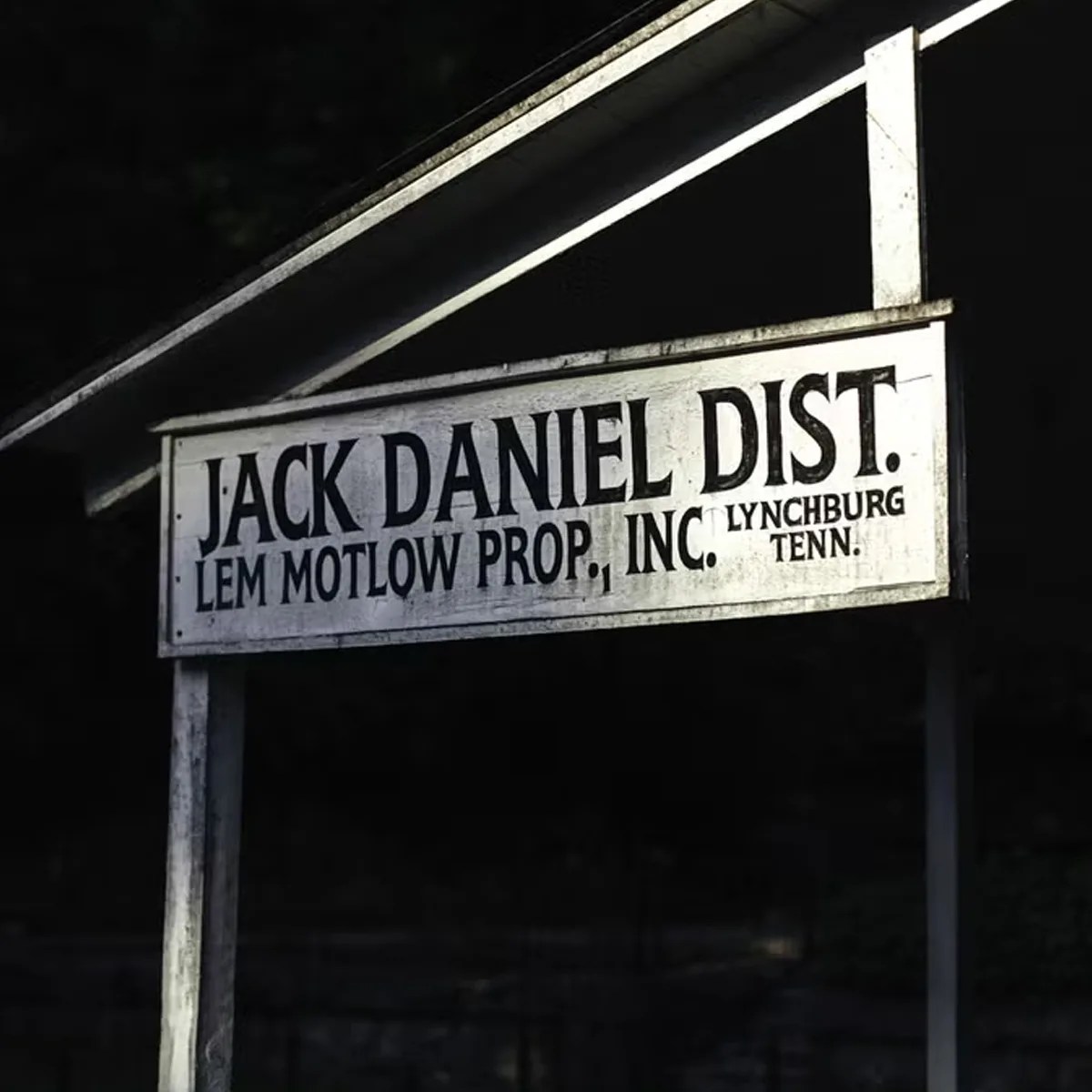
White wooden sign with black text reading "JACK DANIEL DIST. LEM MOTLOW PROP., INC. LYNCHBURG TENN." against a dark background.
Scotch still dwarfs American whiskey globally in terms of sales. And though American Whiskey has, in recent history, been one of the fastest growing spirits categories, sales have recently stagnated and stumbled, exposing the category’s current inherent vulnerabilities.
Jack Daniel’s

Globally, Scotch still dwarfs American whiskey—worth roughly $38–56 billion annually versus about $12–13 billion for American whiskey, depending on how it’s measured, according to Fortune Business Insights and other market estimates.

Even by exports alone, Scotch ships £5.4 billion (~$7B) worldwide each year, underscoring just how far ahead it remains on the global stage, per the Scotch Whisky Association, though those figures are for 2024 and now slightly outdated.

American whiskey, for its part, has spent the last decade gaining ground globally, emerging as one of the fastest-growing major spirits categories.

But that growth hasn’t been without friction. In recent years, American whiskey exports have been hit by tariffs, weakening demand and shifting trade dynamics—falling sharply in key markets, including a 15% drop in 2025 alone, according to Reuters and other sources.

A combined entity with the reach of Sazerac Company and Brown-Forman could be better positioned to expand distribution, enter new markets and smooth out those regional swings—making the category less vulnerable to any single downturn.

That’s where scale could matter.

A combined entity with the reach of Sazerac Company and Brown-Forman could be better positioned to expand distribution, enter new markets and smooth out those regional swings—making the category less vulnerable to any single downturn.

For consumers, that shift may not be immediately visible.

But over time, it could mean a more resilient American whiskey industry—one capable of sustaining growth, driving innovation and competing more directly on the global stage, rather than relying primarily on its dominance at home.


The one thing that is for sure

bourbonGetty Images

Big mergers don’t just create scale—they change what gets attention.

For years, American whiskey has been shaped mostly by what people wanted, chased, and were willing to pay for.

A deal like this wouldn’t change that overnight. But it would alter the power structure of who gets to shape what comes next.

In this scenario, the result wouldn’t necessarily mean fewer choices. It would just be a category that feels a little more directed, where what you see, what you find, and what you don’t are increasingly the result of design, not chance.

For now, though, that future still remains hypothetical.

And like any good bottle worth chasing, fans will just have to wait and see how it actually plays out.

Want to stay up to date on the latest product news and releases? Add Gear Patrol as a preferred source to ensure our independent journalism makes it to the top of your Google search results.

add as a preferred source on google
, ,