
Five Men’s Clothing Brands to Keep an Eye on in 2026

These are the up-and-coming names in menswear for 2026.

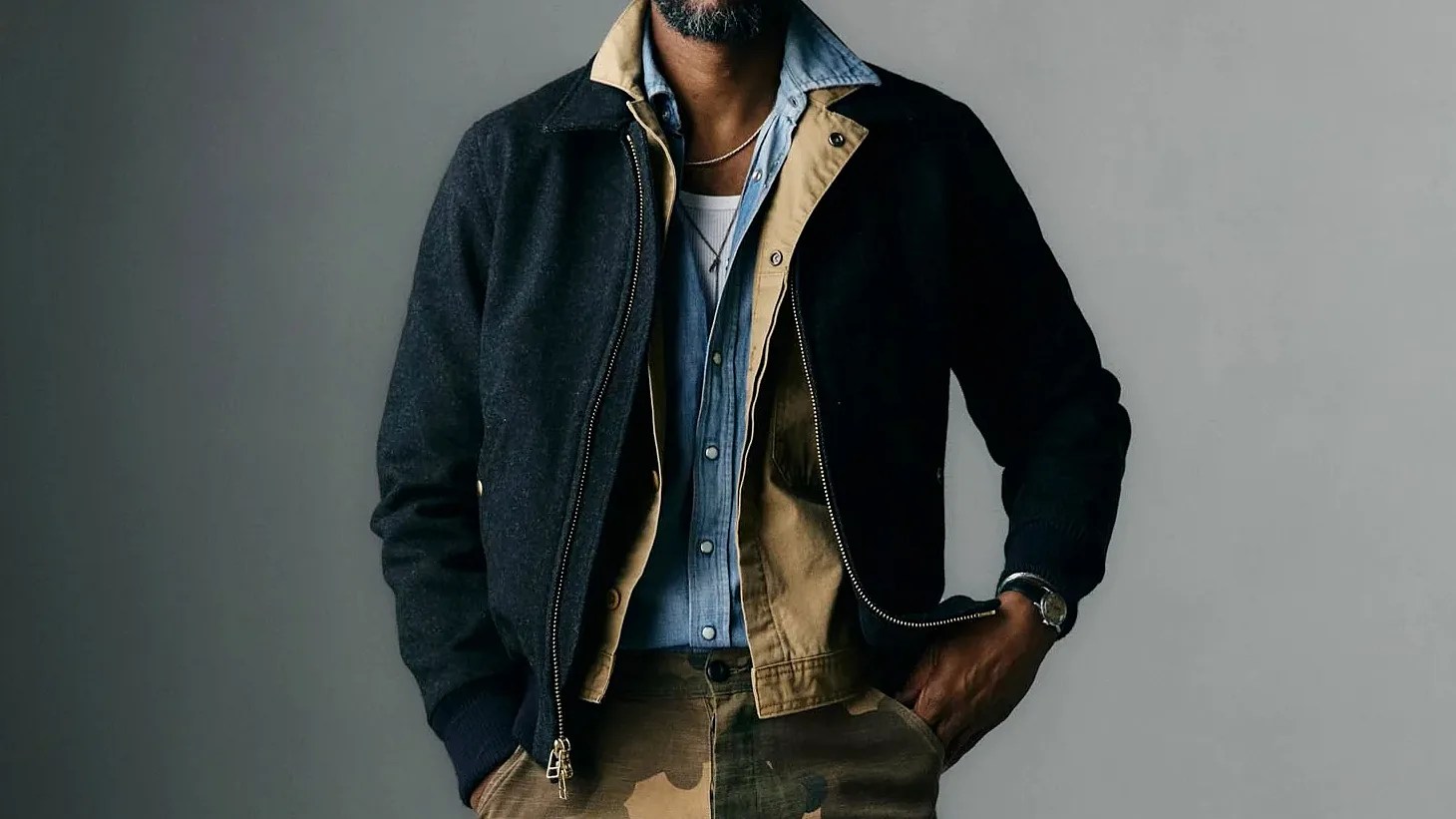
Man wearing layered jackets including a black zip-up jacket, tan jacket, and blue button-up shirt with camouflage pants.Imogene + Willie

If you buy from a link, we may earn a commission. Learn more

Like meteorology and sports betting, predicting success in the fashion industry is an imperfect science because there are just too many factors at play.

That said, I’ve worked in and around the industry for 15 years, so I’ve learned a thing or two about spotting sustainable success. There are five relatively low-profile brands that set themselves up in 2025 to do big things in 2026. Of course, they likely won’t all become household names this year, but each one is worth keeping an eye on.

Man with gray beard and sunglasses wearing a black blazer over a yellow and gray plaid shirt against a plain background.
Aaron Levine’s eponymous brand could be the next Todd Snyder.
Aaron Levine

Each brand on this list has a distinct backstory. There’s a Tennessee denim brand that boot-strapped its way to a fleshed-out clothing company, a renowned designer who finally launched his own label, an in-house brand for a massive online retailer that can now stand on its own merits and a white label brand launching its own direct-to-consumer line.

One factor that every brand on this list has in common is a demonstrated profound care for where and how its clothes are made. Transparency about the origins of materials and the locations of factories is a clear indication that a brand prioritizes quality.
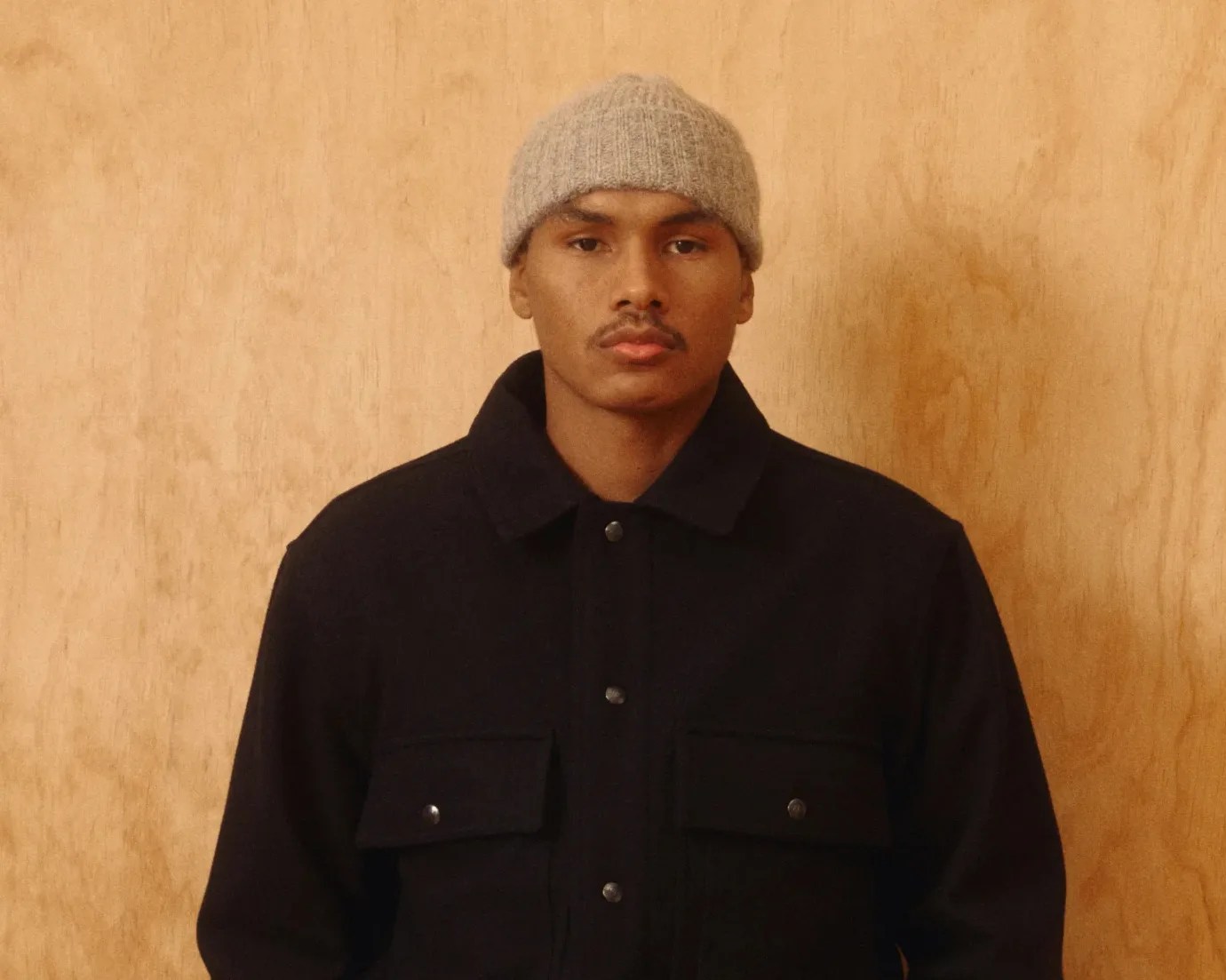
Man wearing a black button-up jacket with flap pockets and a beige knit beanie against a wooden background.
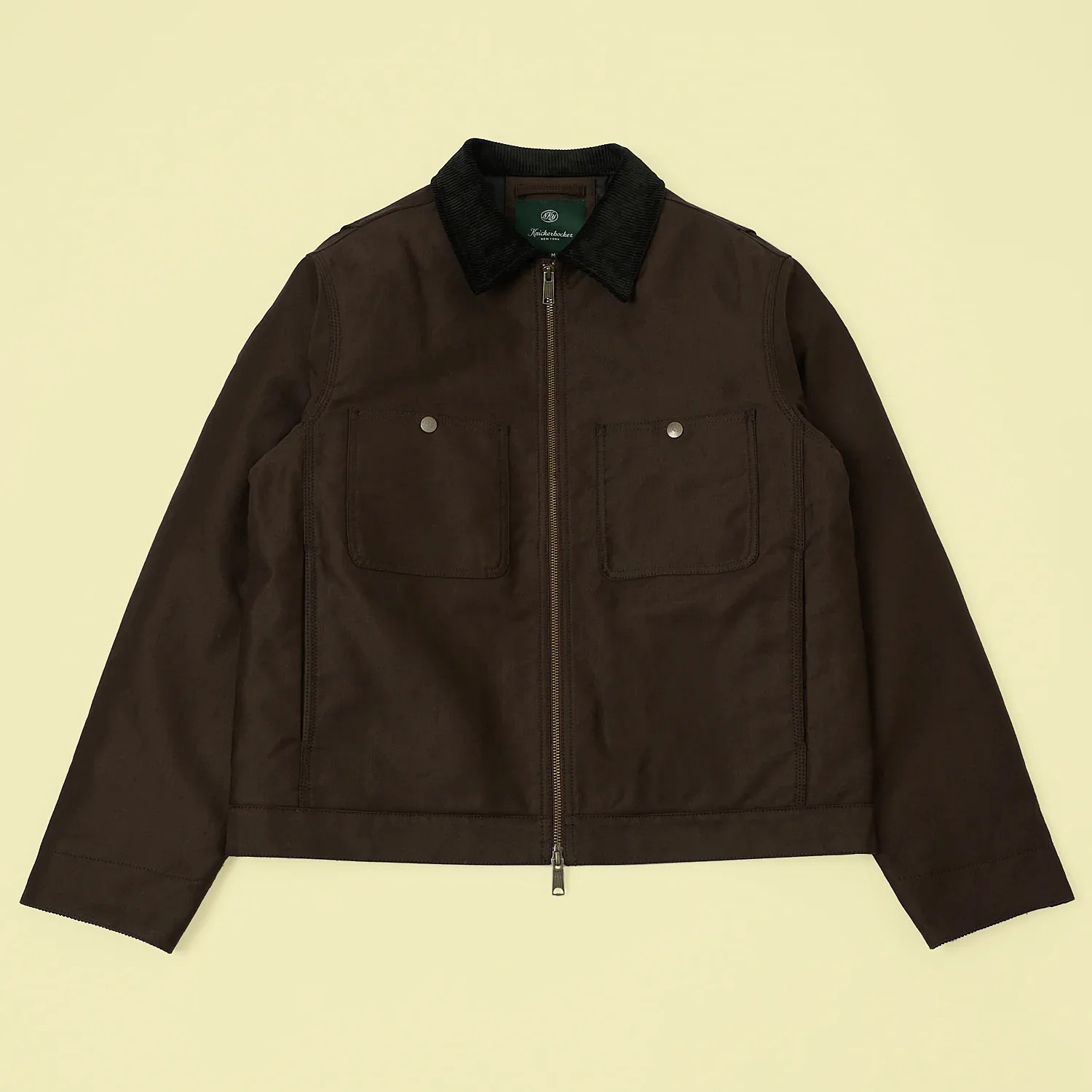
Knickerbocker puts a refined spin on workwear classics.
Knickerbocker

Without further ado, and in no particular order, here are the five men’s clothing brands that I’m keeping an eager eye on in 2026.
Imogene and Willie

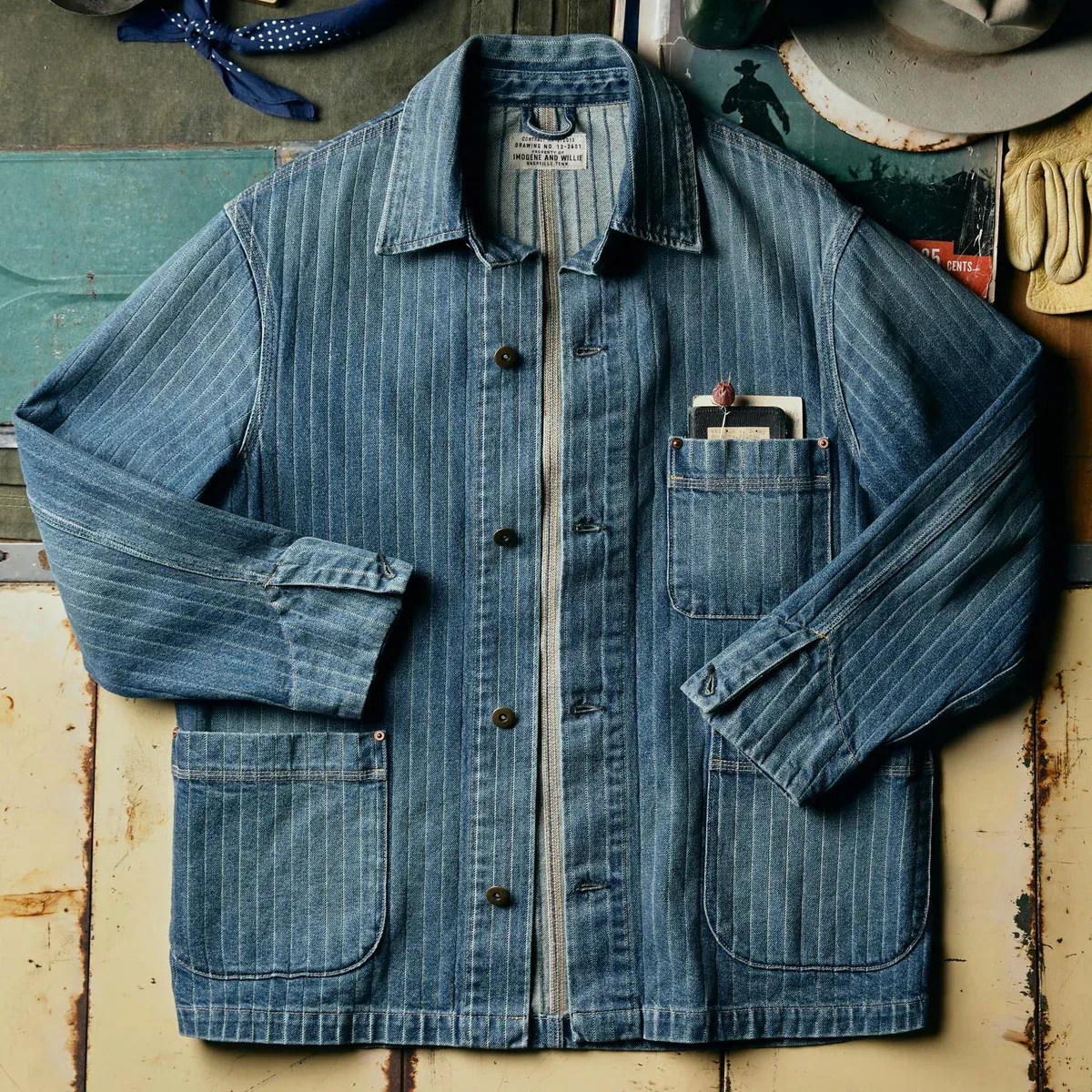
Imogene and Willie is doing something that sounds impossible: It is growing a successful clothing company by only using American manufacturers. That commitment to domestic production is baked into every design decision the brand makes, and it has developed a familiar mid-century, blue-collar aesthetic.

Founded in Nashville in 2009 as a Made-in-USA denim brand, it has steadily grown into a full-service clothing company with men’s and women’s lines, often cross-marketing products as unisex.

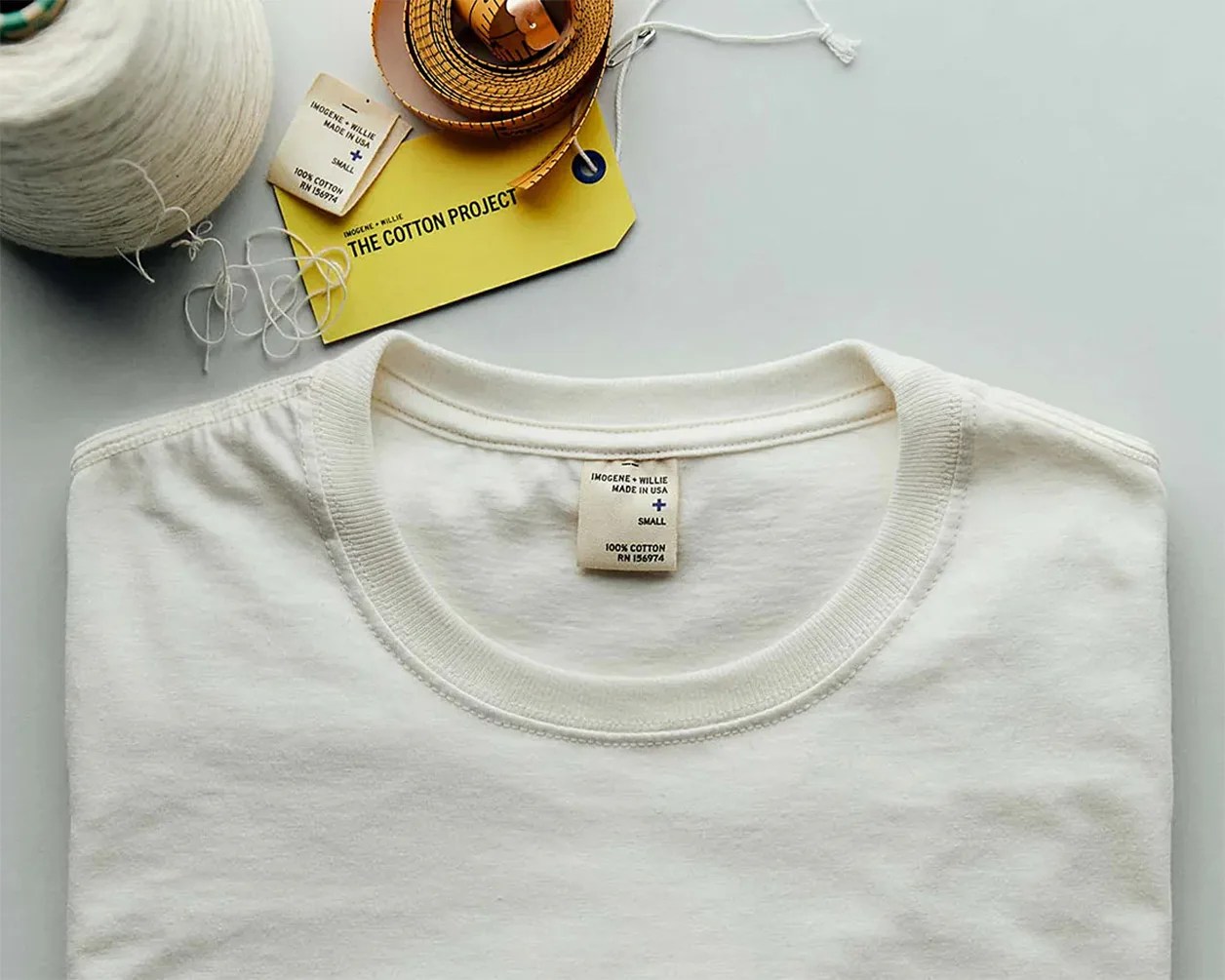
Folded white cotton T-shirt with a round neck and a label reading "Imogene + Willie Made in USA Small" on a gray surface with a yellow tag and measuring tape.
The Cotton Project is a “farm to table” system that turns locally grown cotton into tees and jeans.
Imogene and Willie

The brand’s mid-tier price range — with $56 tees, $200 hoodies and $250 jeans — comes from a quality over quantity philosophy that doesn’t cut corners at any level of production.

Imogene and Willie launched the Cotton Project in 2025, amplifying its commitment to revitalizing American garment manufacturing with a “farm to table” system that turns locally grown cotton into jeans and tees.

Knickerbocker

Fashion enthusiasts are always on the lookout for the next [enter brand name here], which is inherently unfair to both established and emerging brands. However, if you’re a fan of Aimé Leon Dore, as I am, and you’re tired of the hype that has made the brand nearly impossible to shop, as I also am, then Knickerbocker is a far more approachable alternative.

Like ALD, Knickerbocker was founded in and is heavily influenced by New York City’s blending of fashion genres. Classic American workwear is woven into 1960s Ivy style, topped off with a touch of British trad.

Person wearing a yellow and navy blue striped rugby shirt over a light blue button-up shirt.
Knickerbocker blends American workwear and Ivy style through a distinctively NYC lens.
Knickerbocker

Founded in 2013 when Andrew Livingston and some partners took over a 60-year-old hat manufacturer on the border of Brooklyn and Queens, the brand now sources most of its production from a collection of family-owned and operated factories in Portugal that utilize local textiles.

The current incarnation of Knickerbocker as a fully developed clothing brand began in 2021, and its notoriety has snowballed ever since. With similar NYC brands like Noah and ALD increasingly entangled in their own hype, 2026 presents a clear path for Knickerbocker to break through.

Aaron Levine

My appreciation for Todd Snyder is surpassed only by that of Gear Patrol’s Watches Editor, Johnny Brayson, and we echo the sentiment that he has been the top menswear designer for years now. But another influential talent who has operated behind the scenes for a long time launched a solo label in 2025, following a remarkably similar path to Mr. Snyder, and I foresee similar results starting to take shape this year.

Aaron Levine worked his way up from entry-level roles at indie brands in the 2000s to heading Club Monaco in the early 2010s before successfully rehabbing Abercrombie & Fitch by the decade’s end. Since then, he has consulted and collaborated for Aimé Leon Dore, Huckberry, Madewell, Drakes and Zara, just to name a few.

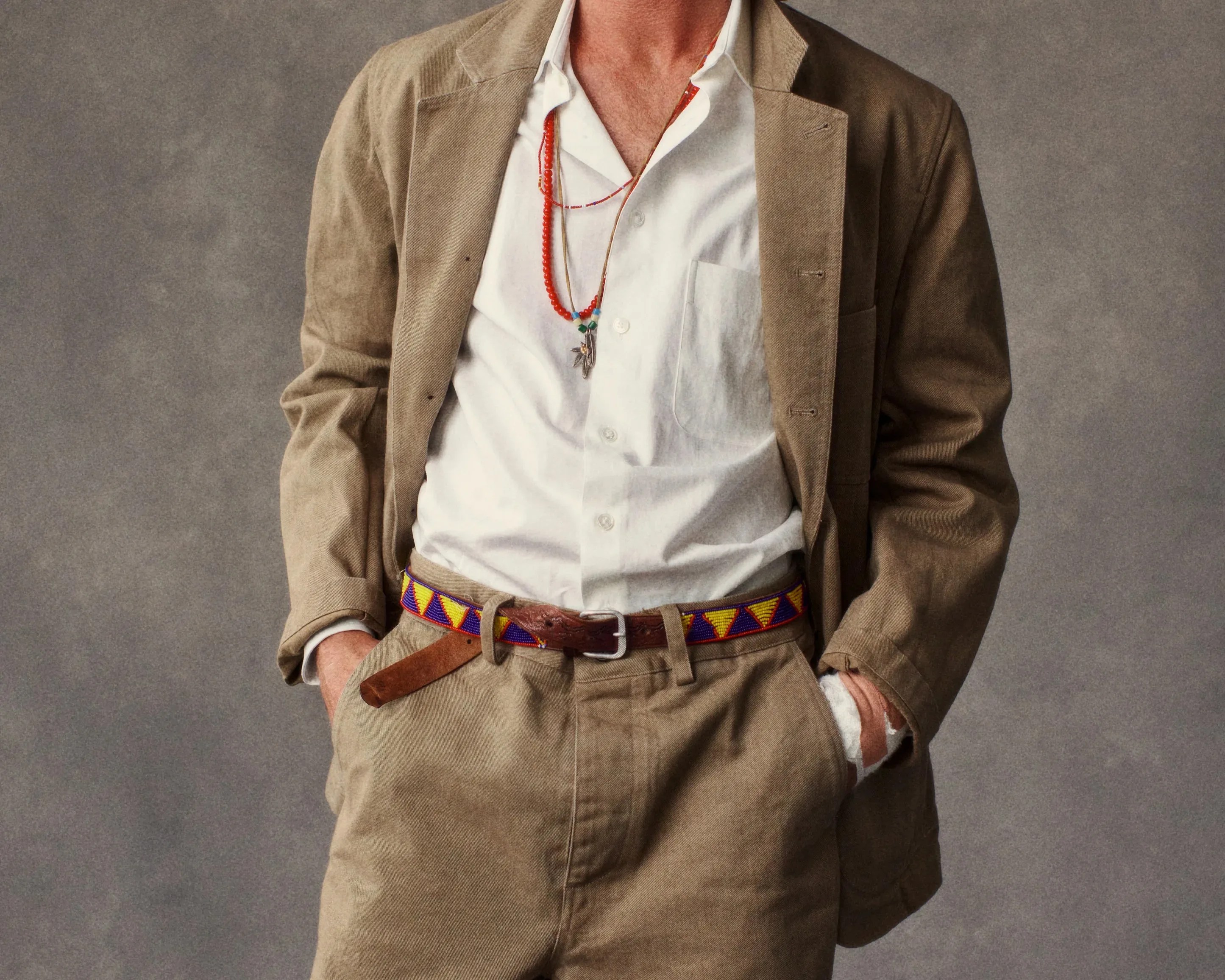
Tan suit with a white button-up shirt, colorful beaded belt, and layered red and silver necklaces.
Aaron Levine’s vision has fully matured in his eponymous brand.
Aaron Levine

Like Snyder, Levine’s vision already impacted the menswear landscape for over a decade prior to the launch of his eponymous brand. It has been developed and proven through designing for others, and now we get to see the fully matured product as he designs for himself.

Aaron Levine, the brand, had a soft launch in 2025 with a compact yet promising collection of classic workwear and a touch of outdoor apparel, elevated by preppy staples and relaxed tailoring. I’m eager to see what subsequent collections bring in 2026.

Flint and Tinder

Back before the internet toppled department stores, prestigious wholesale retailers like Bloomingdale’s, Bergdorf Goodman and Barneys maintained well-respected in-house labels that offered high-quality staple products, often produced in the same factories as luxury brands but offered at a more affordable price.

Huckberry is one of the leading wholesale retailers of the internet age, and carries on that tradition with a stable of in-house brands across various genres. Its flagship brand is Flint and Tinder, which has grown into a well-rounded menswear brand over the past couple of years and now stands on its own merit.

A man with short, graying hair and a beard is wearing a light gray hoodie. He is standing in a doorway, looking to his right, and holding a pair of brown work gloves with red trim in his hands. The lighting casts warm shadows on his face and clothing.
Flint and Tinder makes some of the best hoodies, tees, chinos and jeans on the market.
Huckberry

The in-house label started out making staples like tees, hoodies and hats, and that is still its bread and butter. The 10-Year Hoodie was overhauled in 2025 and is one of the best options on the market.

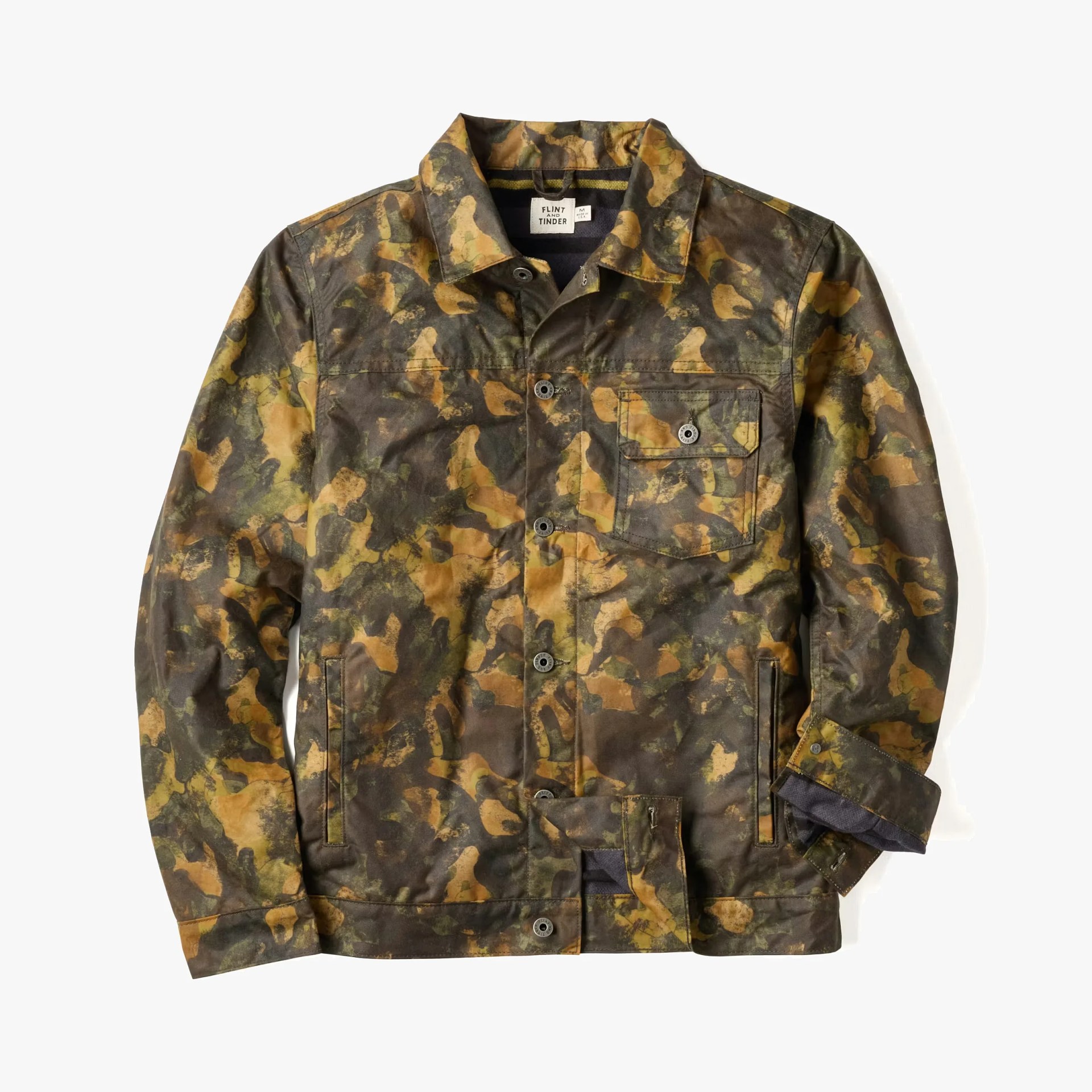
But Flint and Tinder is now a leading producer of waxed canvas jackets, has a solid line of affordable denim, makes a chore coat with a viral following and offers everything from boxer-briefs to embossed leather wallets. It now stands toe-to-toe with leading mid-tier menswear brands like J.Crew, Taylor Stitch and Buck Mason.

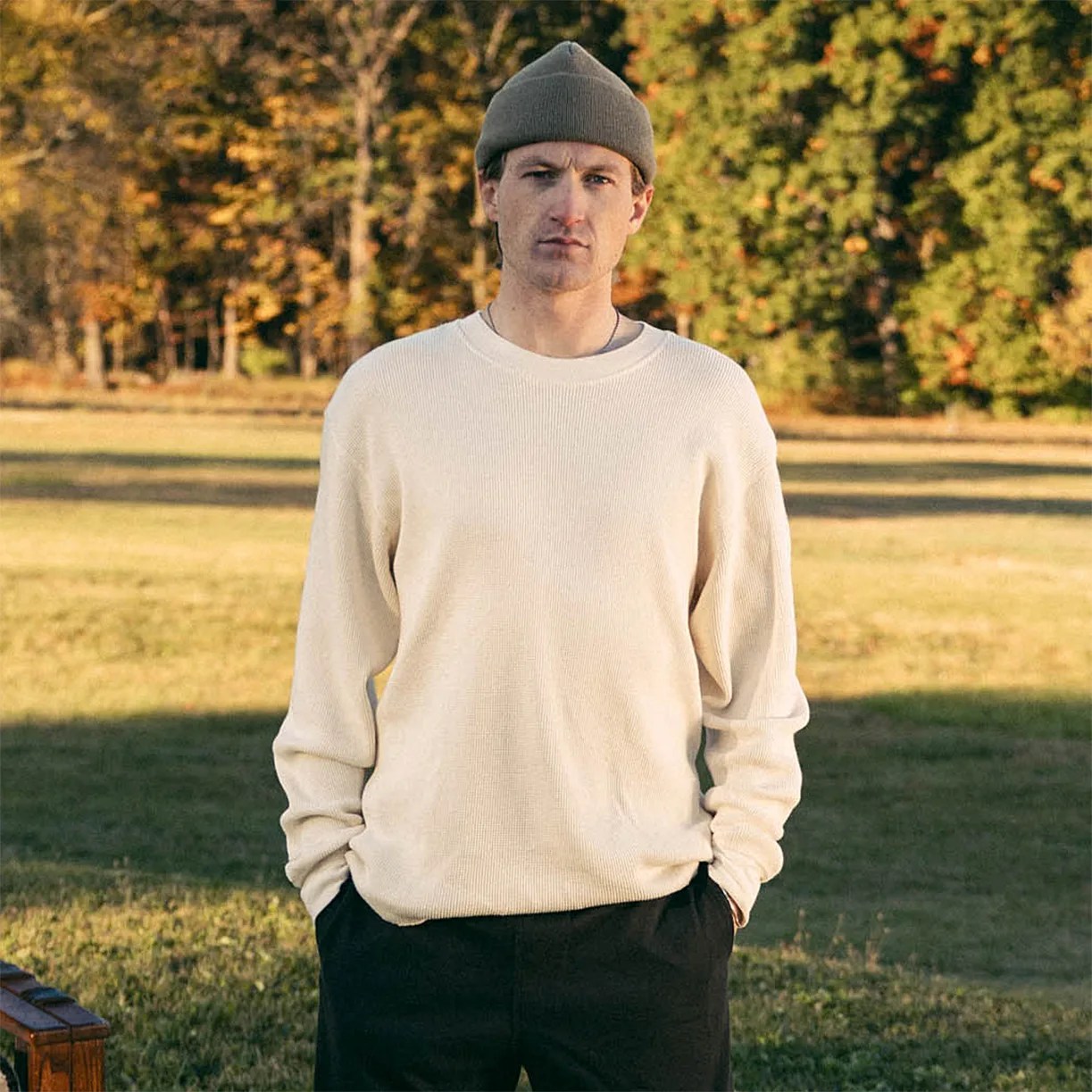
Soft Goods

Soft Goods is a Detroit-based white-label manufacturer, meaning it produces clothing for other brands, including Shinola and Trumbull, among many others. Following in the footsteps of brands like House of Blanks and Reigning Champ, it is slowly building its own direct-to-consumer product line.

I’m excited to see any signs of growth in American garment manufacturing, which is slowly bouncing back after decades of decline. While the country is still at least a generation away from competing with other countries in scale and price, scrappy young brands are leading the comeback.

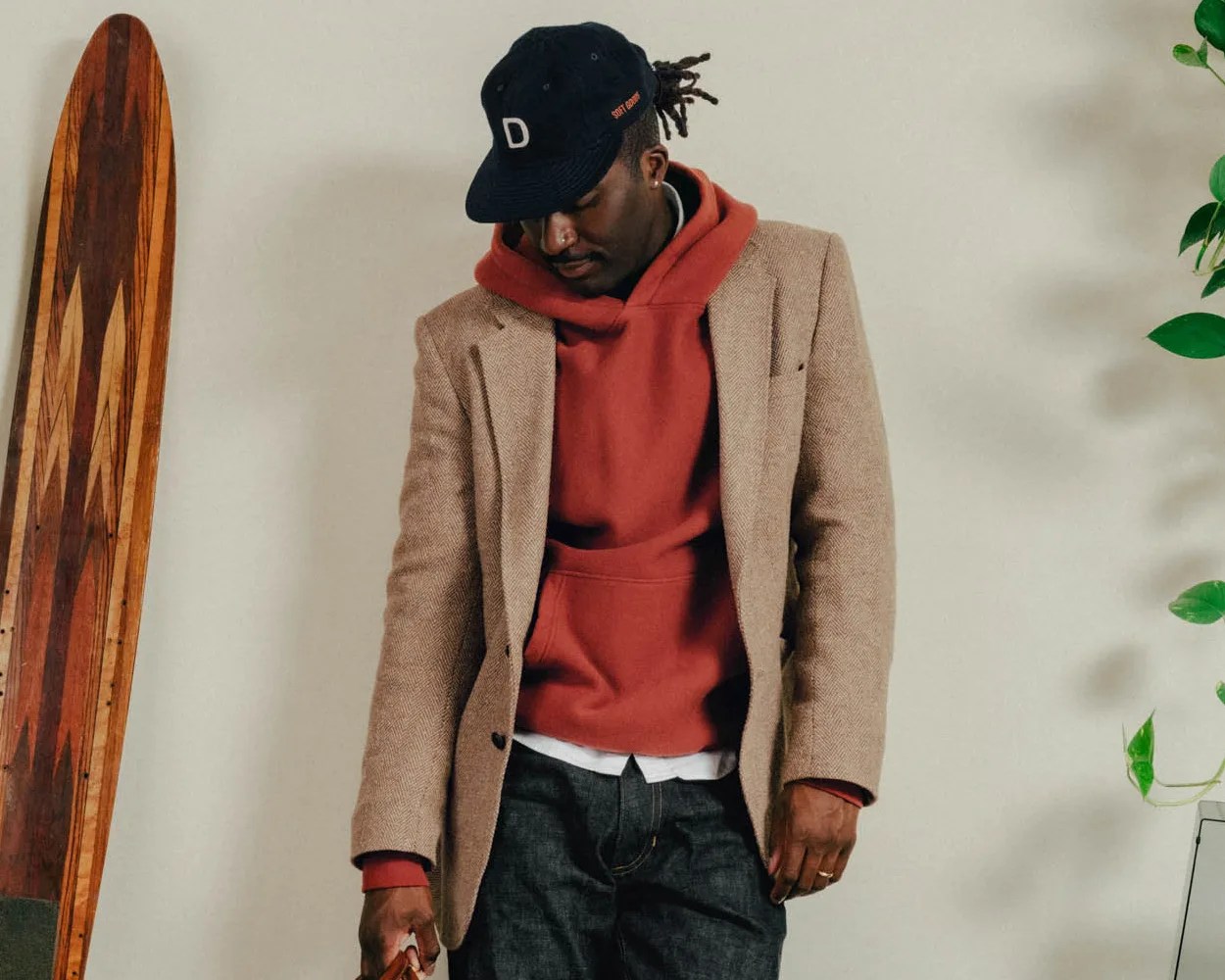
Man wearing a tan blazer over a red hoodie, dark jeans, and a black cap with a white "D" on it.
Soft Goods makes pure cotton sweatshirts, tees, thermals and sweatpants.
Soft Goods

Soft Goods currently offers a limited selection of tees, hoodies, crewneck sweatshirts, thermals, sweatpants, hats and a boxing-style robe. Most items are made with 100-percent domestically grown cotton.

A spokesperson for the brand shared with me that it will be expanding its offerings in 2026, so keep an eye out for more top-shelf Made-in-USA basics from the Motor City.

Want to stay up to date on the latest product news and releases? Add Gear Patrol as a preferred source to ensure our independent journalism makes it to the top of your Google search results.

add as a preferred source on google