

Uniqlo has built a global affordable fashion empire, in part, on a simple skill: watching what the fashion world reaches for, then delivering something close enough at a price that makes the look far more attainable.
Over the years, we’ve seen the Japanese retailer mirror everything from minimalist backpack trends to Patagonia baggies to the classic Levi’s Type I denim jacket. But especially lately, it feels like the outerwear trends fueled by the iconic British outerwear brand Barbour are getting the lion’s share of its designers’ attention.
Barbour’s release of the denim Bedale early this year is easily one of the best new jacket releases of 2026. It’s a reinterpretation of its classic waxed silhouette in raw denim, priced at $650, that looks every bit of it.
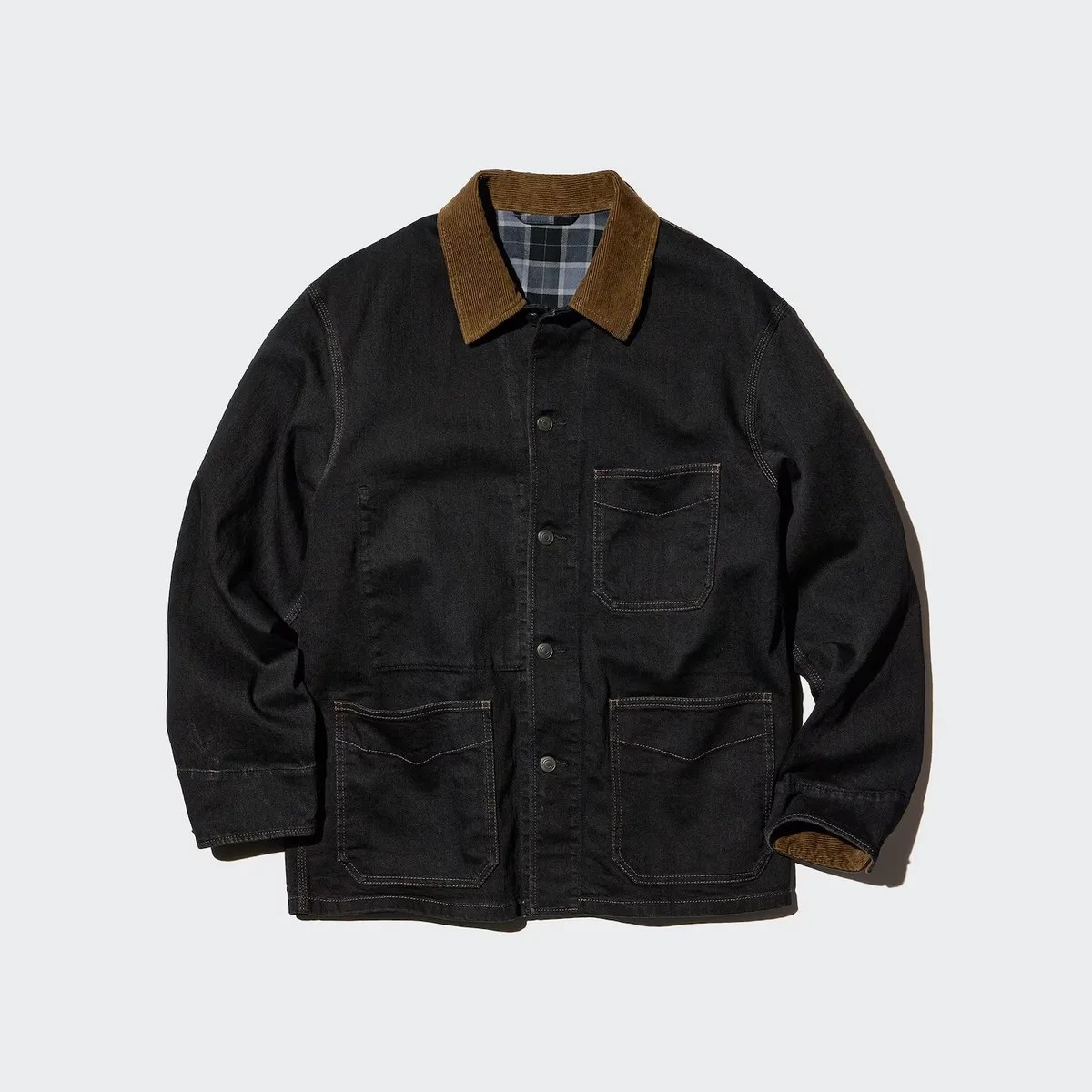
Now Uniqlo has arrived with a denim coverall jacket that, from across a coffee shop, hits surprisingly similar notes. It costs $60.
A denim coverall with field coat accents
 Uniqlo
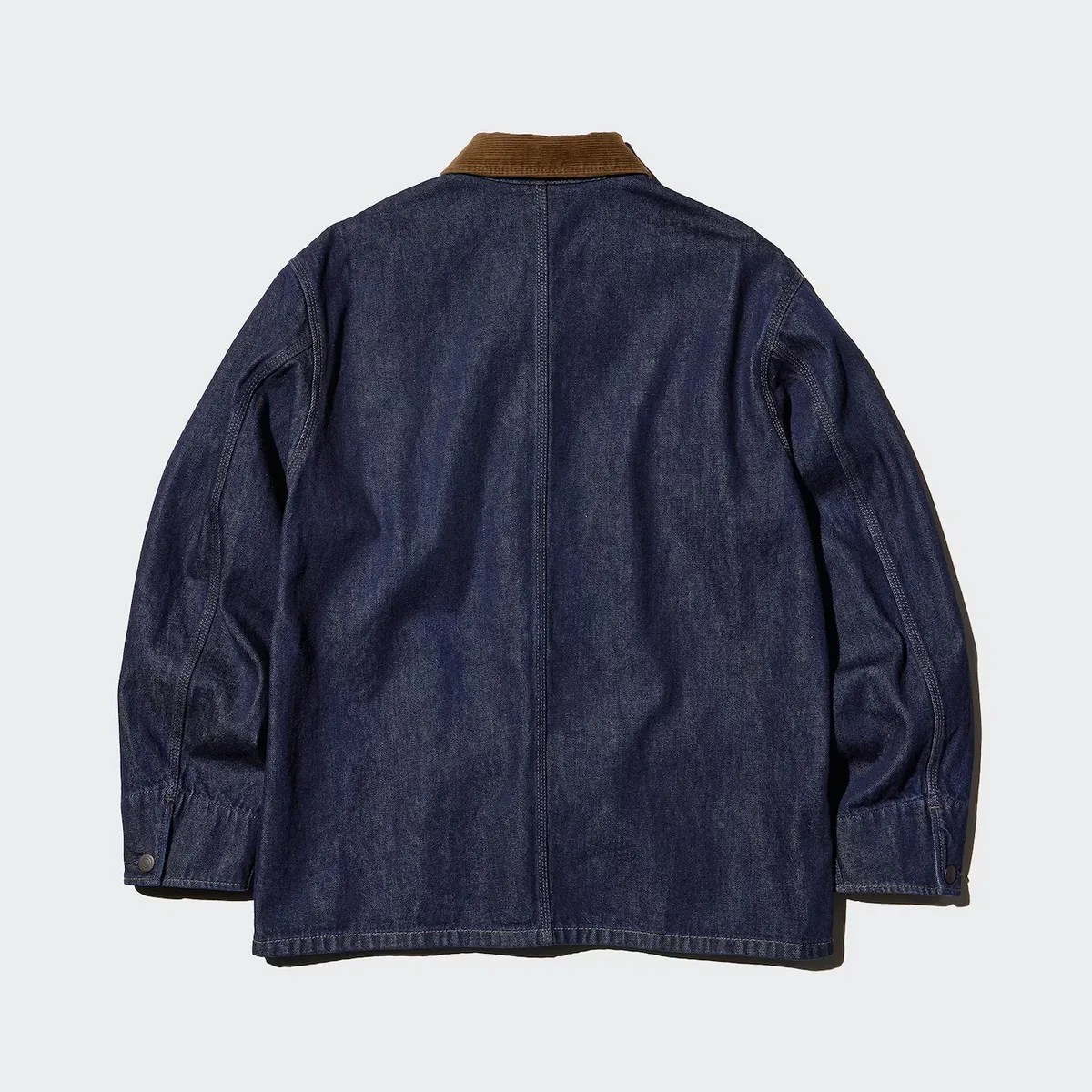
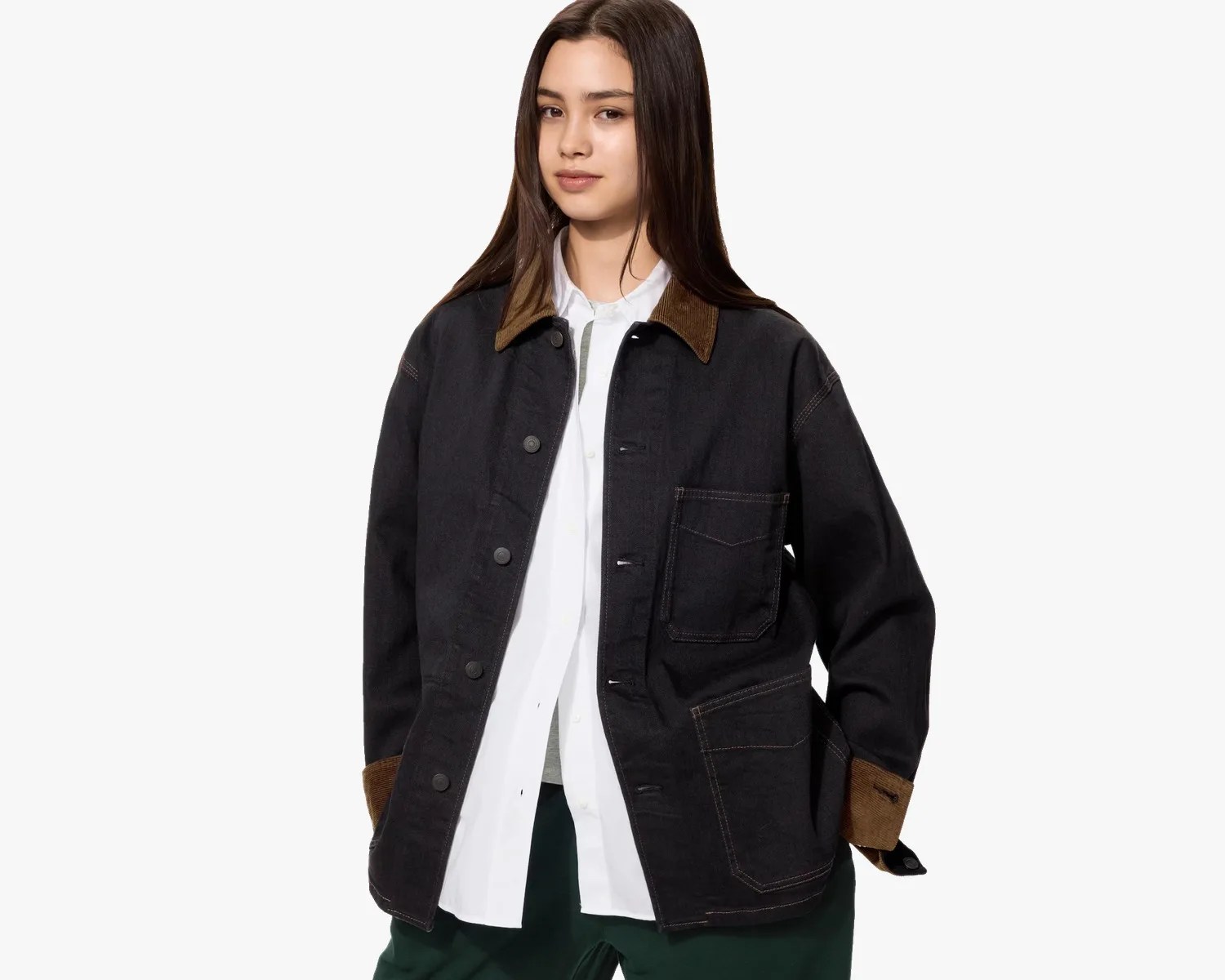
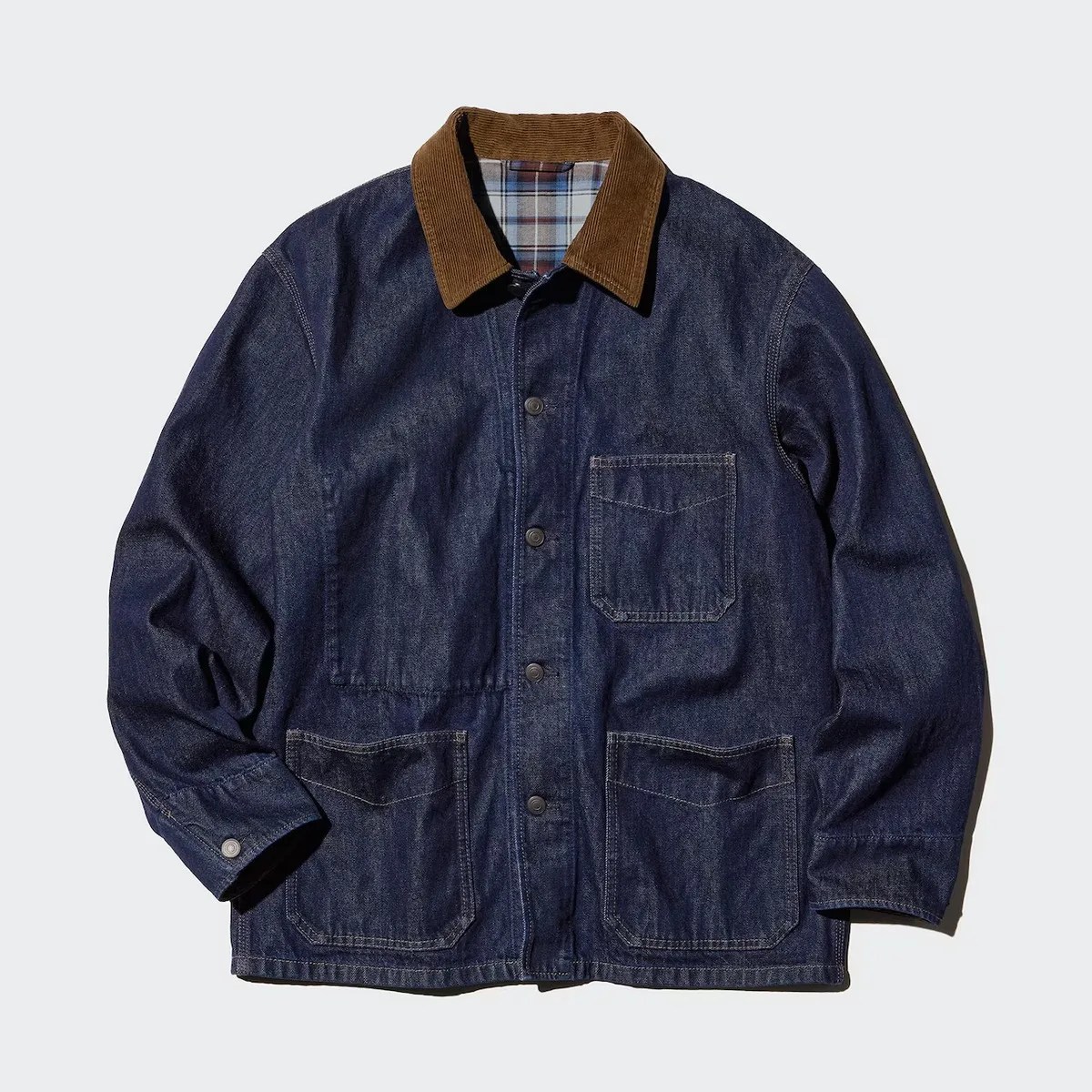
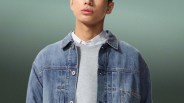
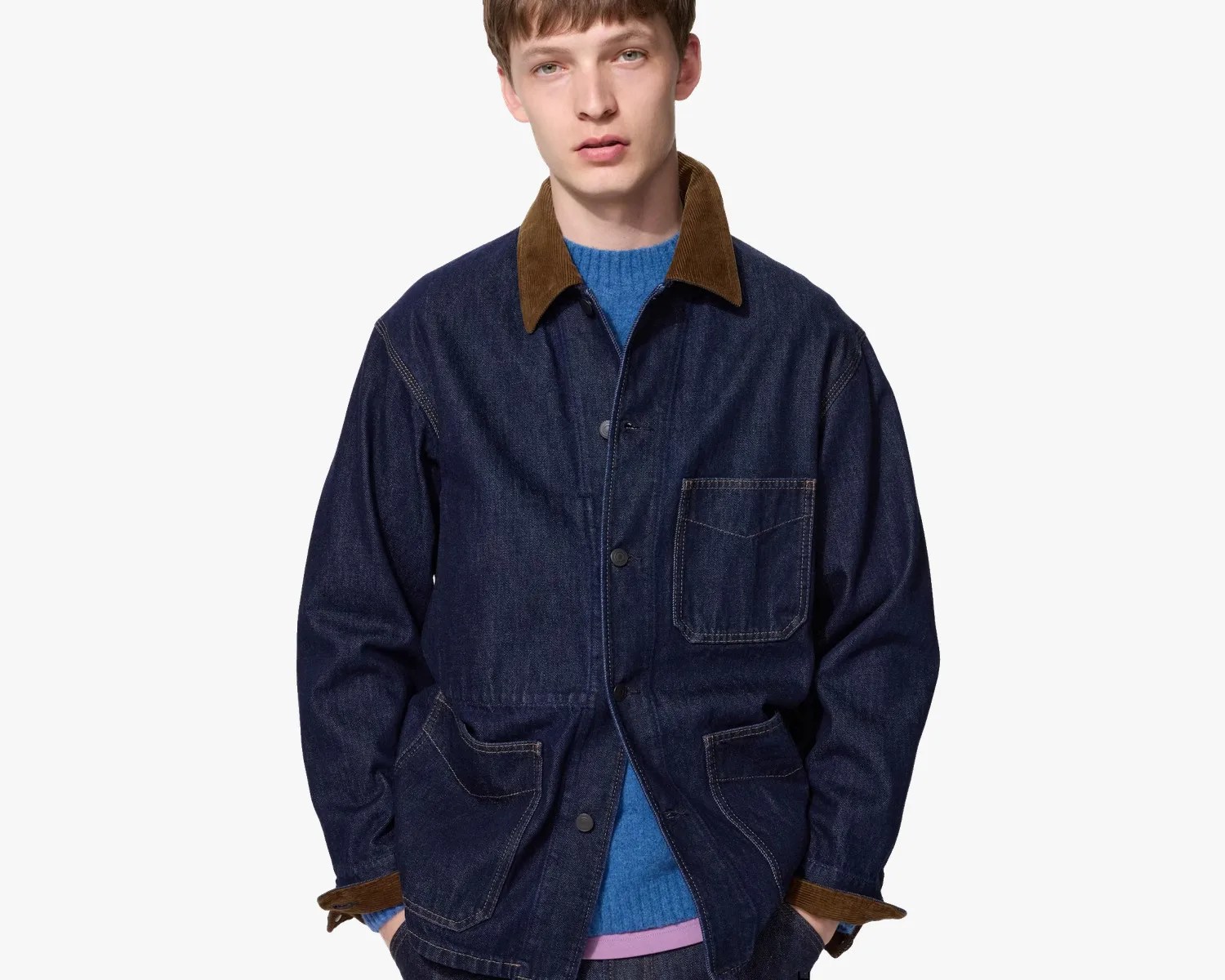
The Uniqlo Coverall Denim Jacket (Blue) and the Uniqlo Coverall Denim Jacket (Black) share the same DNA: a boxy, hip-length cut with a full-button placket, a single chest pocket, and structured shoulders that feel closer to workwear than to fashion.
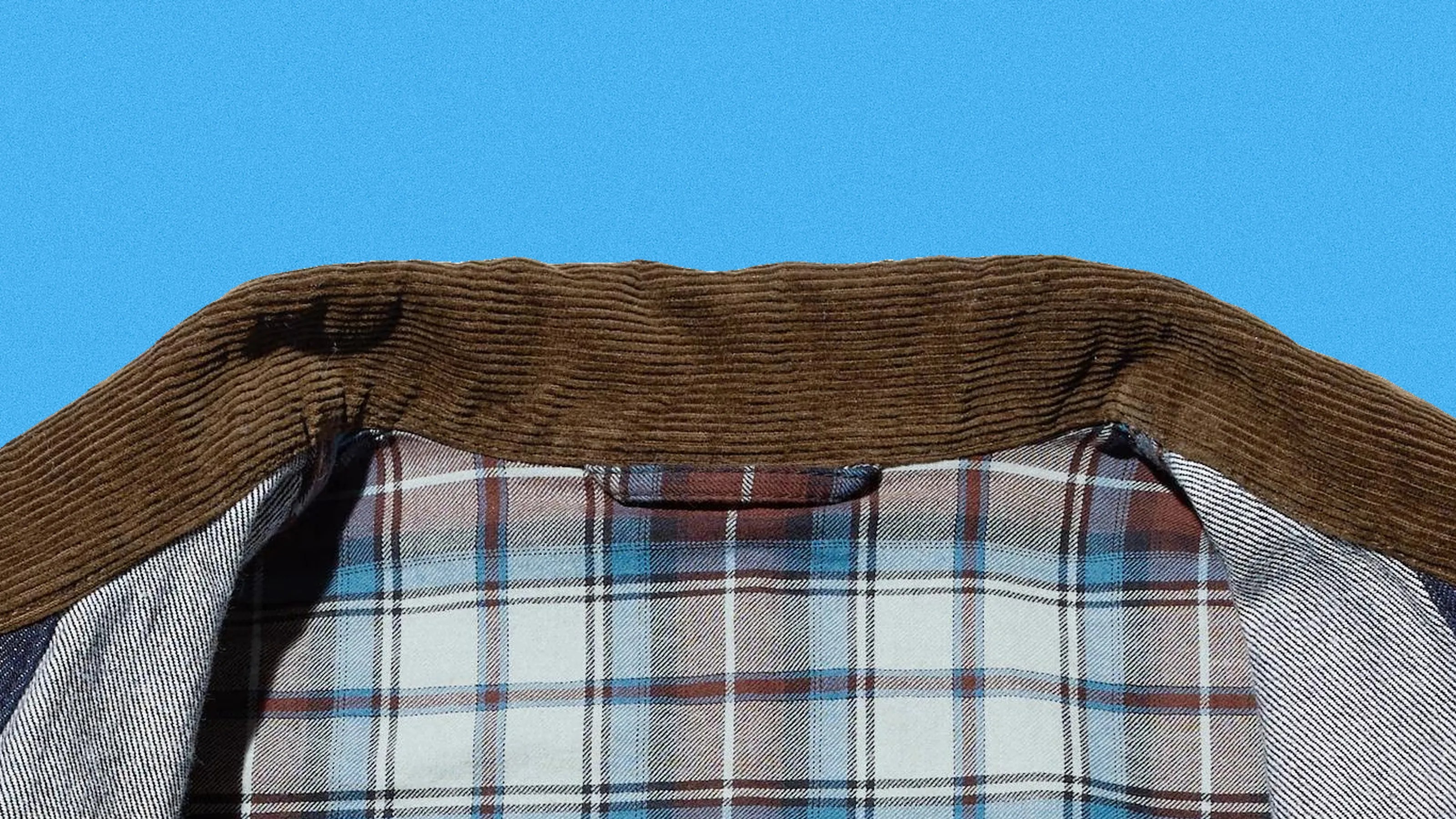
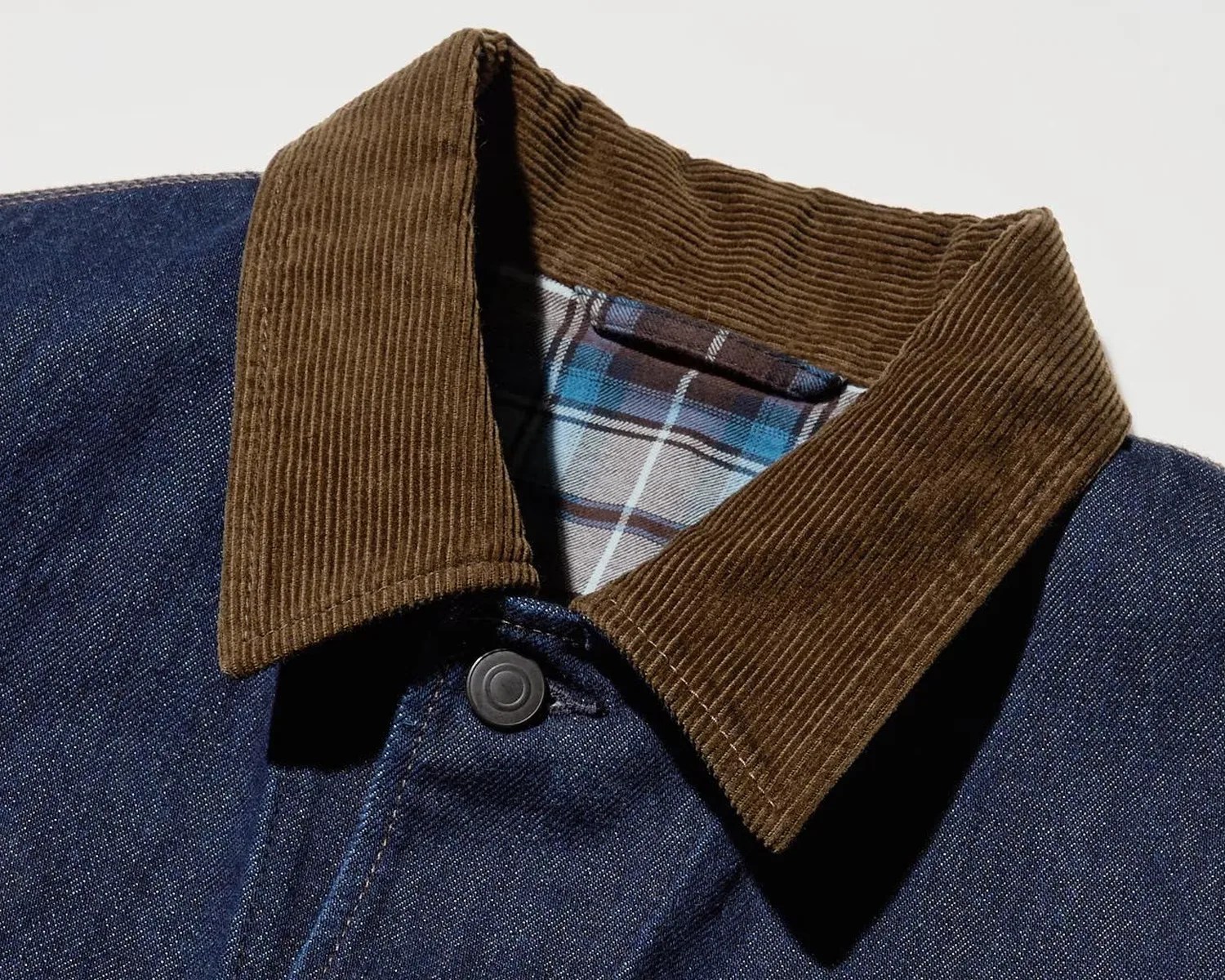
It’s specific details, though, like the corduroy collar and cuff, plaid lining near the neck, that feel like unmistakable nods to what Barbour has done with the Bedale in denim — itself a coat that drew on Barbour’s 2025 collab with Levi’s, which reintroduced denim workwear coats back into the style zeitgeist beyond the trucker jacket.
 Uniqlo
But the traditional coverall jacket is not a Barbour invention, and style historians won’t need reminding.
The coverall traces its roots to factory floors — a garment built for physical labor, distinct from the chore coat in its fuller coverage and longer body.
Where the chore coat’s origins trace back to a French workwear staple, and many see the two jacket styles as one and the same, the coverall technically has its own history as American industrial dress, showing up in denim and canvas decades before any heritage brand thought to put it on a runway.
Uniqlo’s version appears faithful to that lineage in shape, even if the execution is decidedly mass-market.