
The Best Gadgets and Hi-Fi Releases of 2025

A countdown of the year’s most important tech and gadget releases.

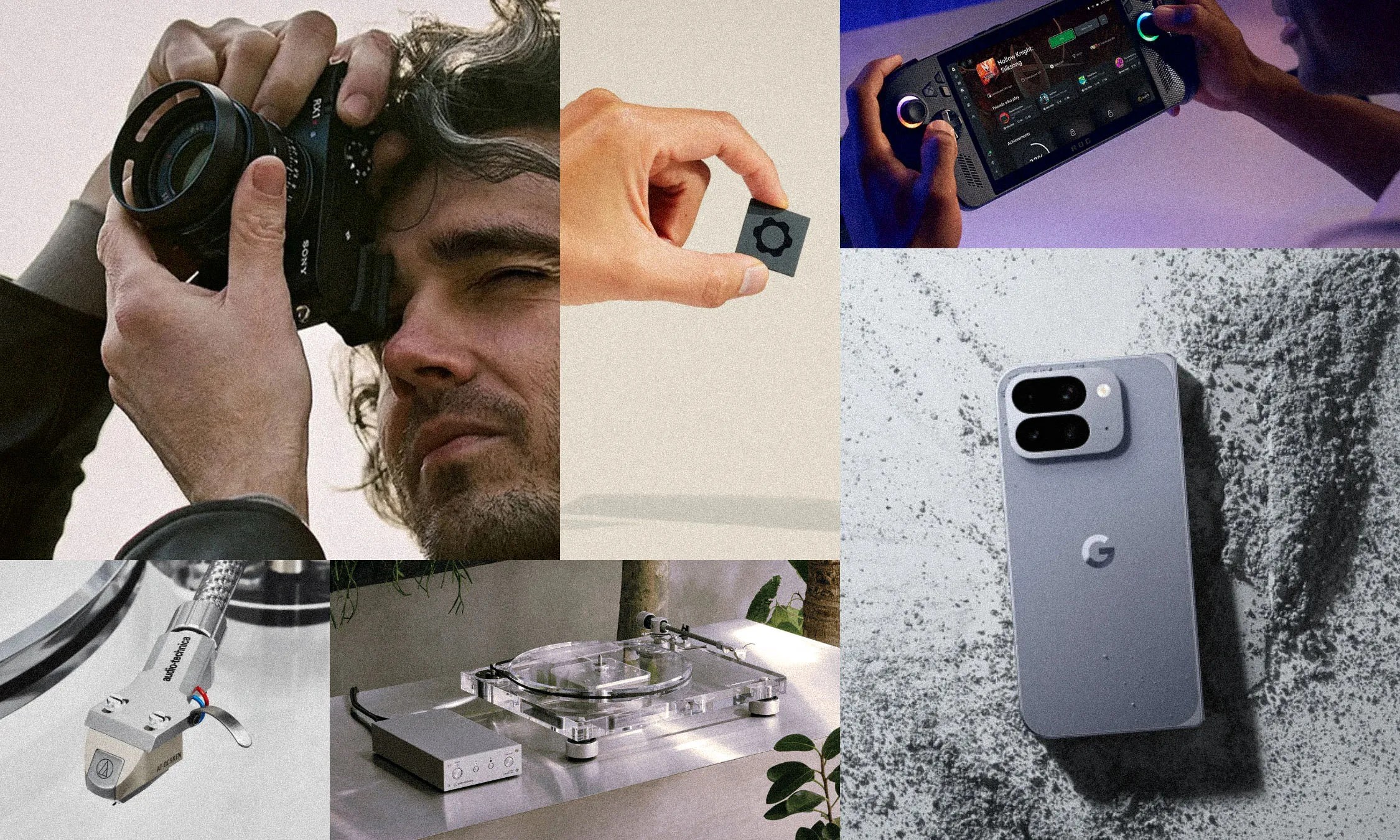
- Man holding a black Sony RX1 camera up to his eye. - Hand holding a small black square chip with a gear icon on it. - Person holding a handheld gaming device with illuminated controls and a screen. - Close-up of an Audio-Technica cartridge on a turntable tonearm. - Transparent acrylic turntable with a silver control box on a table. - Gray Google smartphone with dual cameras lying on a textured surface.Gear Patrol

If you buy from a link, we may earn a commission. Learn more

“Gradually, then suddenly.” Since The Sun Also Rises, Hemingway’s signature quip has been used to describe everything from political upheaval to cultural change — or, for our purposes, industry in flux.

As with any list, our countdown of the year’s most important tech and gadget releases is sure to ruffle a few feathers, if not for the selections then certainly for their order. Though perhaps it’s for the best.

After all, change is not always smooth nor welcome. But it is always on its way, first slowly before arriving all at once.

GP100: Gear Patrol’s annual roundup of the most important releases collects key watches, cars, outdoor gear and more. Browse the full list or catch up on last year’s winners.

15. A Japanese audio icon’s “finest turntable yet”

Audio-Technica AT-LPA2 turntableAudio-Technica

GP100 Winner

Audio-Technica AT-LPA2

Specs

Built-in Preamp? No
Cartridge Audio-Technica AT-OC9XEN moving coil cartridge
Turntable Fully manual, belt drive

This year, Audio-Technica introduced the Hotaru, a $10,000 turntable with an absolutely incredible floating design (thanks to well-placed magnets) that also glows in the dark.

But, believe it or not, that’s not what the famed Japanese hi-fi maker is calling its “finest turntable yet.” That goes to its AT-LPA2.

Audio-Technica AT-LPA2 turntable
Audio-Techica’s AT-LPA2 is made almost completely out of transparent acrylic, which is a common material used it hi-fi as it has anti-resonance properties.
Audio-Technica

It’s a fully manual, belt-drive turntable with an avant-garde, transparent design; both the plinth and platter are acrylic, so when you’re playing a record, it gives the illusion of the record floating in midair.

Audio-Technica is best known for its relatively affordable turntables, ranging between $200 and $500, but the AT-LPA2 bucks the trend and targets a more serious audiophile crowd.

Audio-Technica AT-LPA2 turntable
The turntable comes pre-equipped with the brand’s AT-OC9XEN moving-coil cartridge, which sells for $400.
Audio-Technica

It’s a high-end turntable with premium components. It’s decked out with a carbon fiber tonearm and Audio-Technica’s AT-OC9XEN moving-coil cartridge, which sells for $400 on its own.

The AT-LPA2’s design aims to prevent vibrations. The power and control units are located in a separate box away from the turntable. Even the acrylic body, which is a highly dense material with anti-resonance properties, aims to ensure the audio signal is as pure as possible.

14. Classic camera brand explores a world beyond the limitation of printing

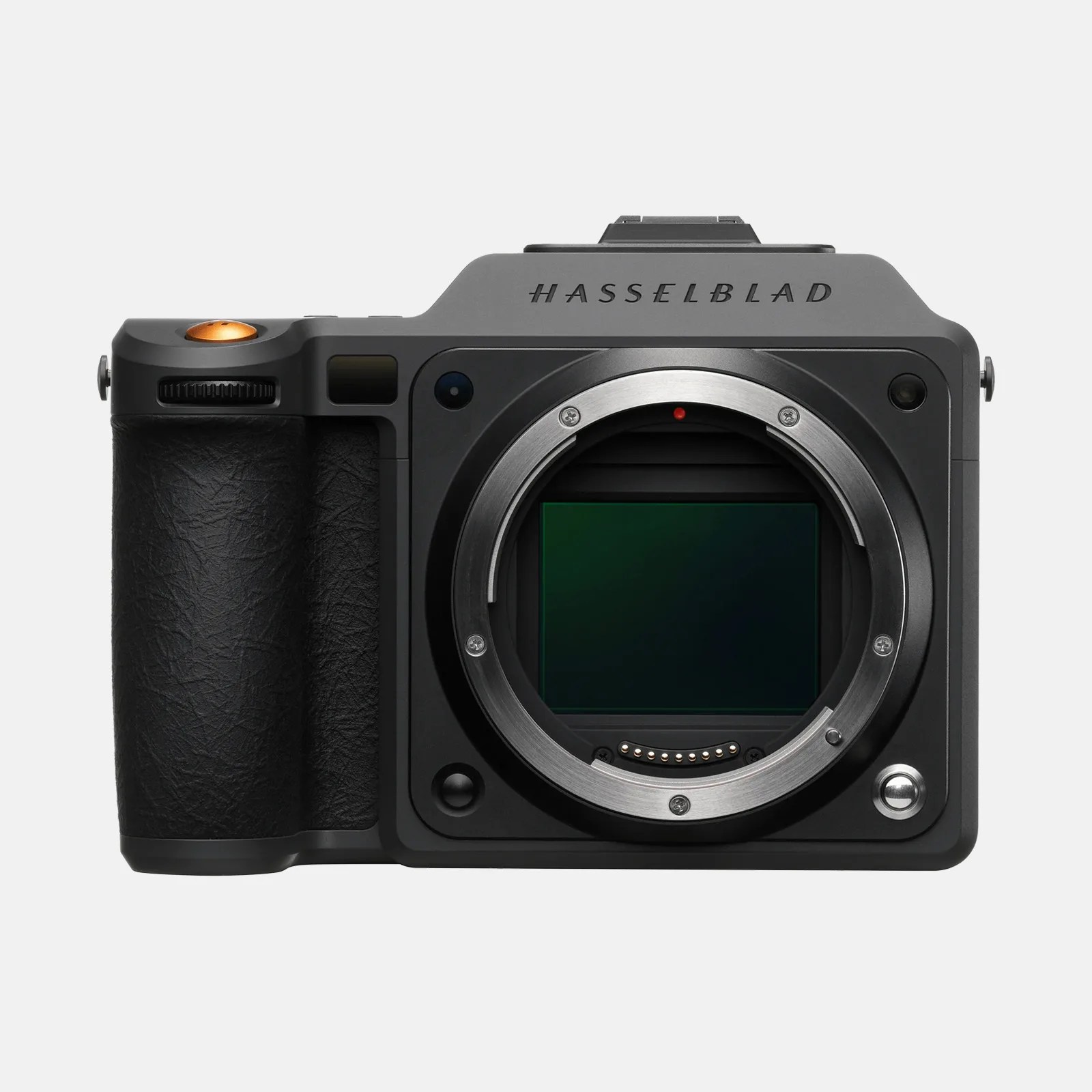
Traditionally, medium format photography has been the stuff of tripods, studio lighting and studied technique to get the best result. The Hasselblad X2D II 100C is as easy to use as a smartphone.

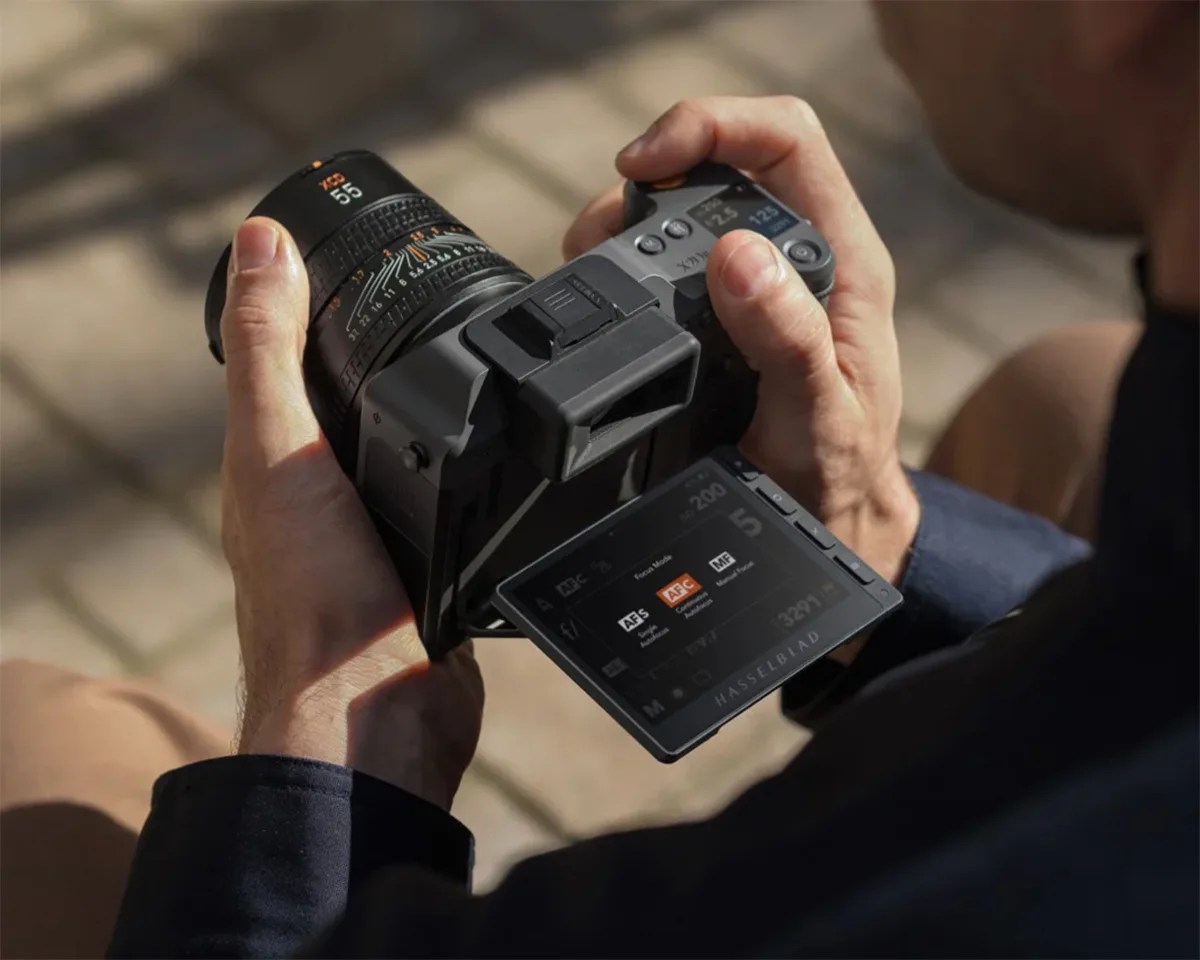
Person holding a Hasselblad camera with a 55mm lens and a tilted LCD screen showing autofocus settings.
Autofocus, image stabilization and a simple interface make the X2D II 100C as easy to use as a smartphone.
Hasselblad

It still looks the beautiful design study that was the original X1D but, with the input of parent company DJI, it’s gained image stabilization, autofocus performance and a simple interface that make some of the world’s best image quality almost unfeasibly accessible.

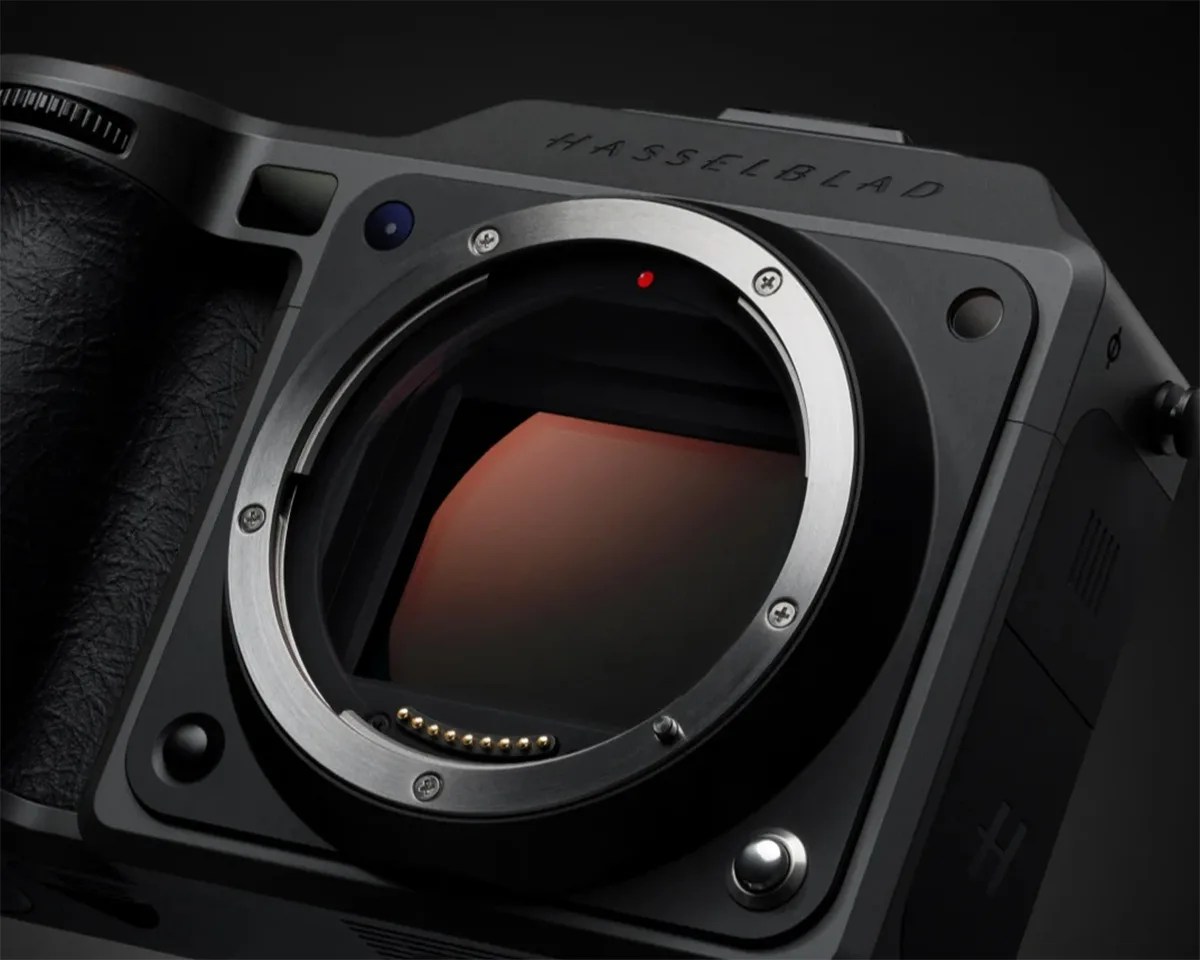
Close-up of a Hasselblad camera body showing the lens mount and sensor area.
The Mark II is the first camera to promote an HDR-centric workflow.
Hasselblad

The Mark II becomes the first camera to promote an HDR-centric workflow, using its sensor’s vast tonal range and a high dynamic range rear screen to deliver more realistic rendering of the real world, when viewed on modern phones and displays.

The Sigma BF quietly did something similar, but it’s Hasselblad that’s telling the world that there’s more to photography than prints.

13. A street-photography powerhouse in a pocket-friendly form factor

Ricoh’s GR series hasn’t attracted the same level of Tik-Tok ubiquity as Fujifilm’s X100s, but it has a history that goes back much further, not to mention a passionate following among photographers.

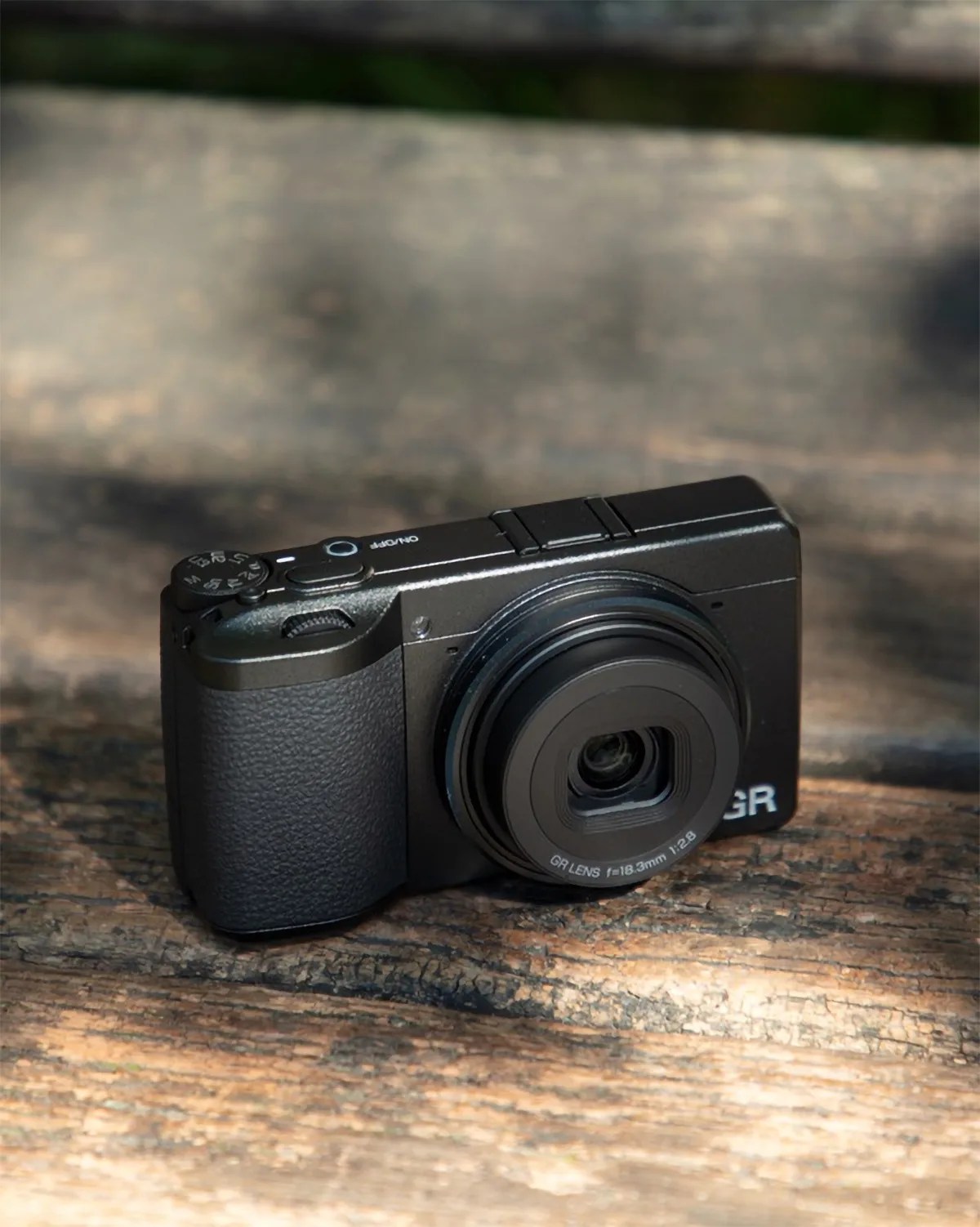
The Ricoh GR IV is the eighth digital camera in a series that evolved from a mid-90s film camera.

Compact black digital camera with textured grip and lens marked "GR LENS f=18.3mm 1:2.8" on a wooden surface.
The formula for the GR has remained virtually unchanged since the 1990s: a bright wide-angle lens in a tiny, magnesium alloy body with all the critical controls at your fingertips.
Ricoh

The formula has remained essentially unchanged: a bright wide-angle lens in a tiny, magnesium alloy body with all the critical controls at your fingertips, and it’s been the street photographer’s camera of choice for decades.

Ricoh listened carefully to its users to make sure they didn’t mess with the camera’s underlying appeal. But, just as with the X100 series, it’s kept iterating and improving to make sure the latest version is always the best. An instant classic.

12. The foldable smartphone enters a new age

Light blue Google smartphone with dual rear cameras and a "G" logo on the back.Amazon

GP100 Winner

Google Pixel 10 Pro Fold

Specs

Camera (Rear) 48MP wide, 10.5MP ultrawide, 10.8MP telephoto
Dispalys 6.4-inch Actua (external), 8-inch Super Actua Flex (internal)
Processor Google Tensor G5, Titan M2 security coprocessor

Admittedly, foldable smartphones aren’t as novel as they once were. Samsung brought them into the mainstream in 2019 with the first Galaxy Fold and has been releasing new models each year since. And numerous other Android manufacturers have followed suit … including Google.

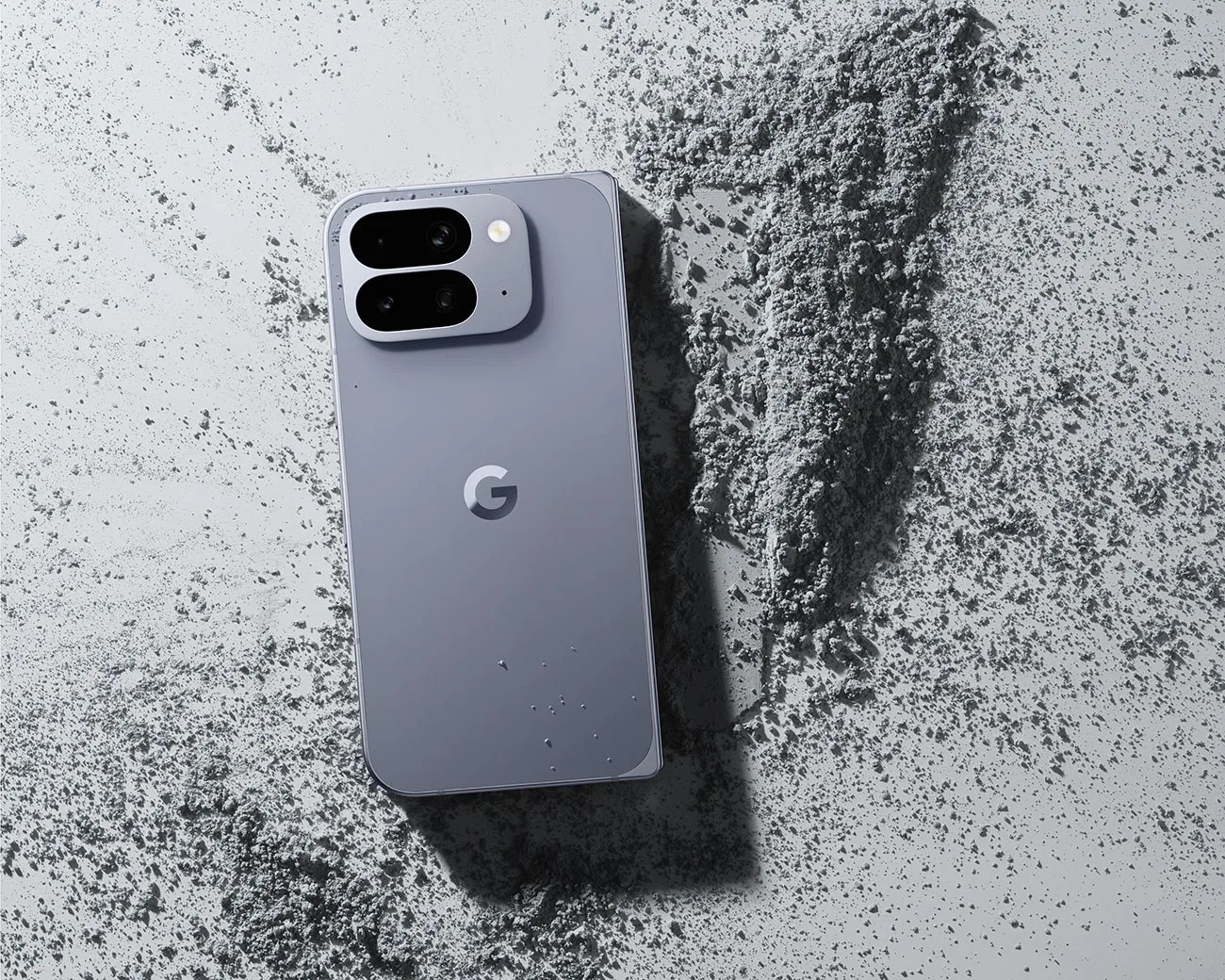
But the Pixel 10 Pro Fold still manages to stand out in an increasingly crowded field. Not because of its looks — it’s a book-style foldable that is almost identical to its predecessor, the 2023-released Pixel Fold — but because of its durability.

Gray Google smartphone with dual rear cameras lying on a surface with scattered gray powder.
The Google Pixel 10 Pro Fold is the first foldable with an IP68 dust- and water-resistance rating.
Google

It’s the first foldable smartphone to have an IP68 rating, meaning it’s just as dust- and waterproof as basically every other flagship smartphone out there. And that’s a big deal, especially considering how many durability issues early foldables had. (Samsung, cough cough.)

Its secret is a completely reengineered hinge that is both smaller and gearless. This ensures there aren’t gaps for debris to sneak in. Plus, it just feels smoother when you open and close the smartphone.

Person holding a gray Google Pixel phone with dual rear cameras, wearing a blue jacket and gray knit sweater.
The Google Pixel 10 Pro Fold comes in two finishes: Moonstone (picture) and Jade.
Google

Of course, Google improves the Pixel 10 Pro Fold in myriad other ways — most notably, giving it brighter displays and Pixel Snap, a built-in magnet that makes it compatible with any MagSafe accessory — but those are, well, more expected.

11. WiiM ups the amps on its ultimate streamer

WiiM Amp UltraWiiM

GP100 Winner

WiiM Amp Ultra

Specs

DAC ESS 9039Q2M (up to 24-bit/192kHz)
Power 100 watts (into 8 ohms) or 200 watts (into 4 ohms)
Streaming Google Cast, Spotify Connect, Tidal Connect, Roon Ready, WiiM Home

WiiM has played the role of disruptor well in recent years, introducing Sonos-like music streamers and streaming amplifiers that work similarly to Sonos’s own Port and Amp, but are significantly less expensive.

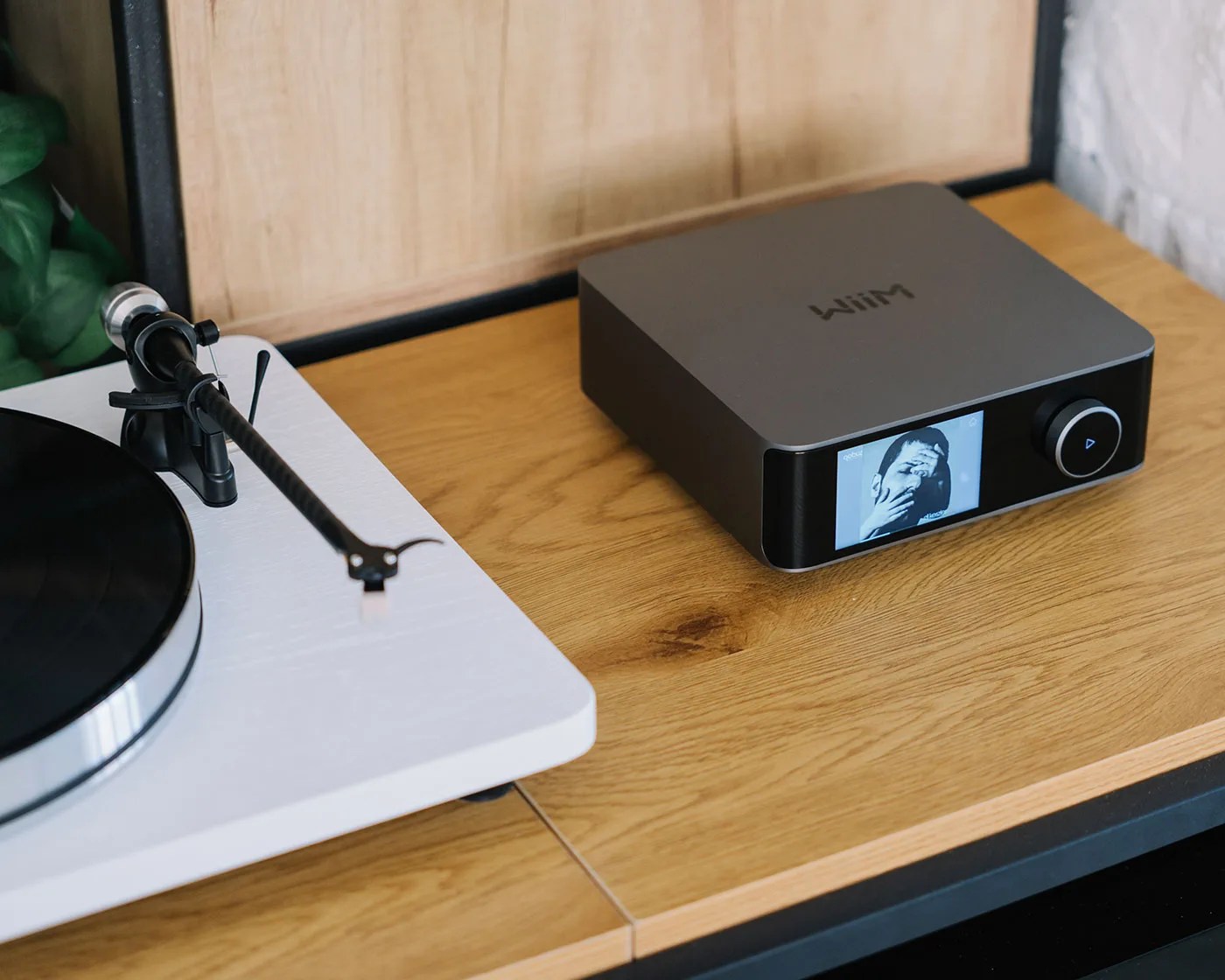
Now, with the Amp Ultra, its most capable and beautiful streaming amplifier to date, the California-based audio manufacturer has all but cemented its place as a premium leader in entry-level hi-fi.

WiiM Amp Ultra
The Amp Ultra is the brand’s most beautiful and most powerful streaming amplifier.
WiiM

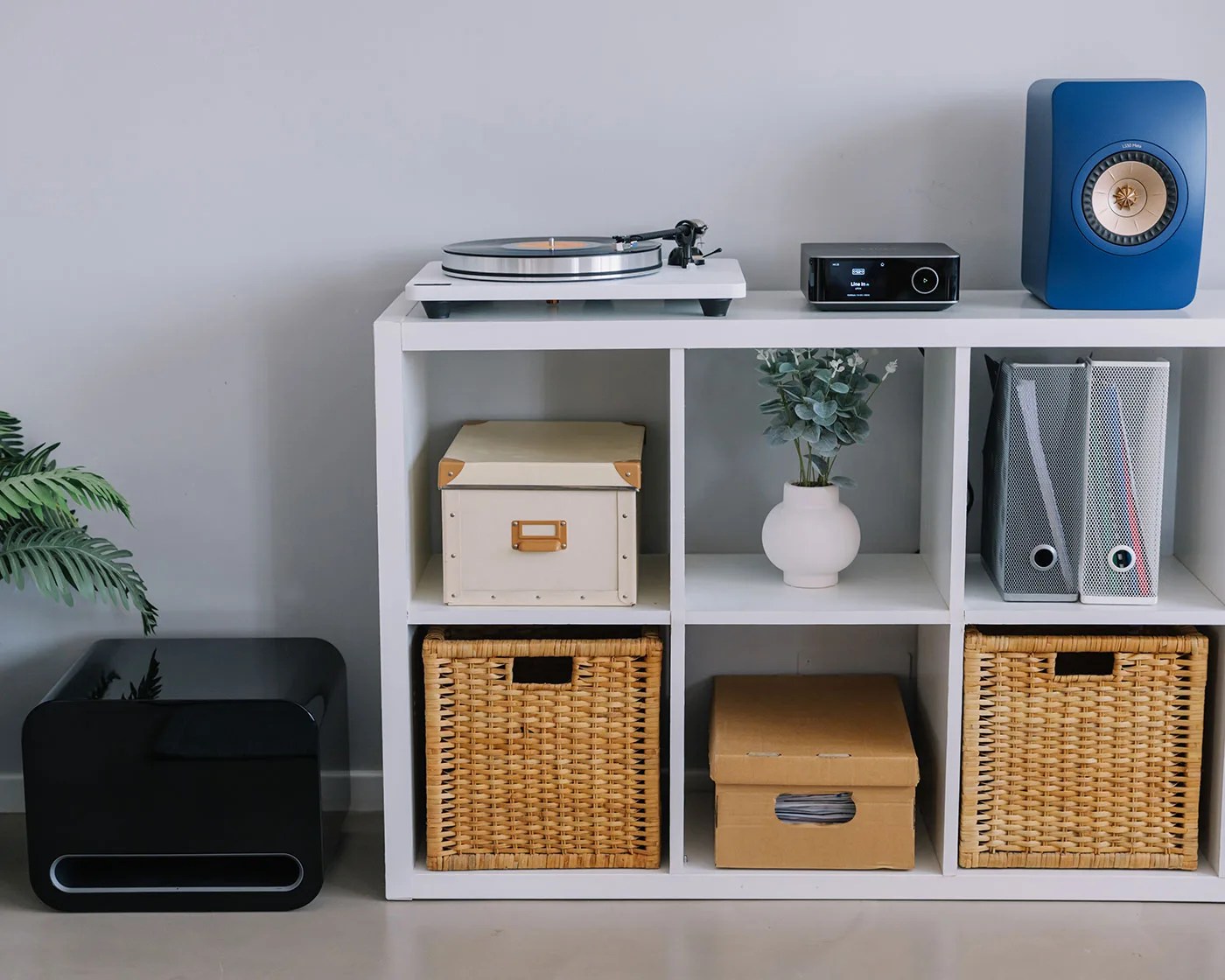
Like its Amp and Amp Pro before it, the Amp Ultra is a “just add speaker” hi-fi component that can turn most pairs of passive bookshelf or floorstanding speakers into a new-age stereo system that supports high-resolution streaming.

Not only that, but thanks to a wealth of wired connections, including HDMI ARC, the Amp Ultra can efficiently function as the central hub of a traditional hi-fi system (with external audio sources, such as a turntable or CD player) or even home theater.

WiiM Amp Ultra
The streaming amplifier can turn an old pair of passive loudspeakers into a modern hi-fi streaming system.
WiiM

Throw in the fact that WiiM gave the Amp Ultra a gorgeous touchscreen for displaying album artwork (or even VU meters, should you like), along with a tactile volume dial, and it’s a hi-fi component that draws you in — a far cry from the little black boxes that dominate the amplifier landscape.

At $529, there’s nothing really like it in that price range … other than WiiM’s other streaming amplifiers, which aren’t as powerful or pretty.

10. The best noise-canceling headphones, now better

Sony WH-1000XM6 noise-canceling headphonesSony

GP100 Winner

Sony WH-1000XM6

Specs

Drivers 30mm dynamic drivers
Frequency Response 4 Hz – 40,000 Hz
Weight 8.9 ounces

It’s just a fact: Sony has been making some of the best noise-canceling headphones for most of the past decade. Its flagship 1000X series has long struck the right balance of industry-leading sound and active noise cancellation, while remaining lightweight and super comfortable.

And that continues with its latest models, the Sony WH-1000XM6.

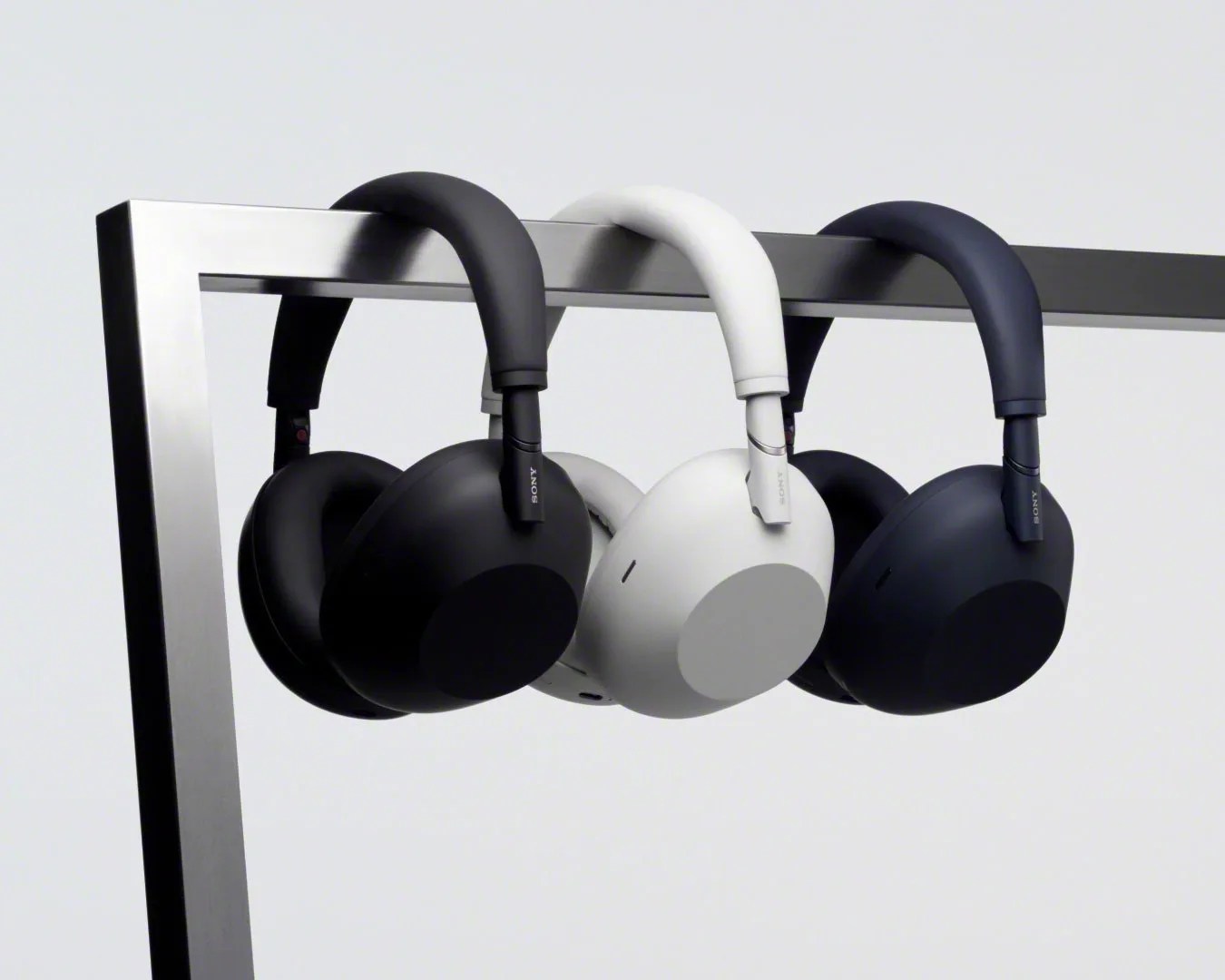
Three Sony wireless over-ear headphones in black, white, and dark blue hanging on a metal rack.

The WH-1000XM6 is available in three finishes: Black, Platinum Silver and Midnight Blue.

Sony

Naturally, both their sound quality and active noise-cancellation have been improved. That’s largely thanks to a new-gen processor, which Sony claims is seven times faster than the previous one and uses twelve microphones (versus the previous eight).

Plus, Sony redesigned the drivers and gave them more advanced upscaling and immersive sound technologies.

But maybe more importantly, Sony updated a lot of little practical things with the WH-1000XM6 that make them functional.

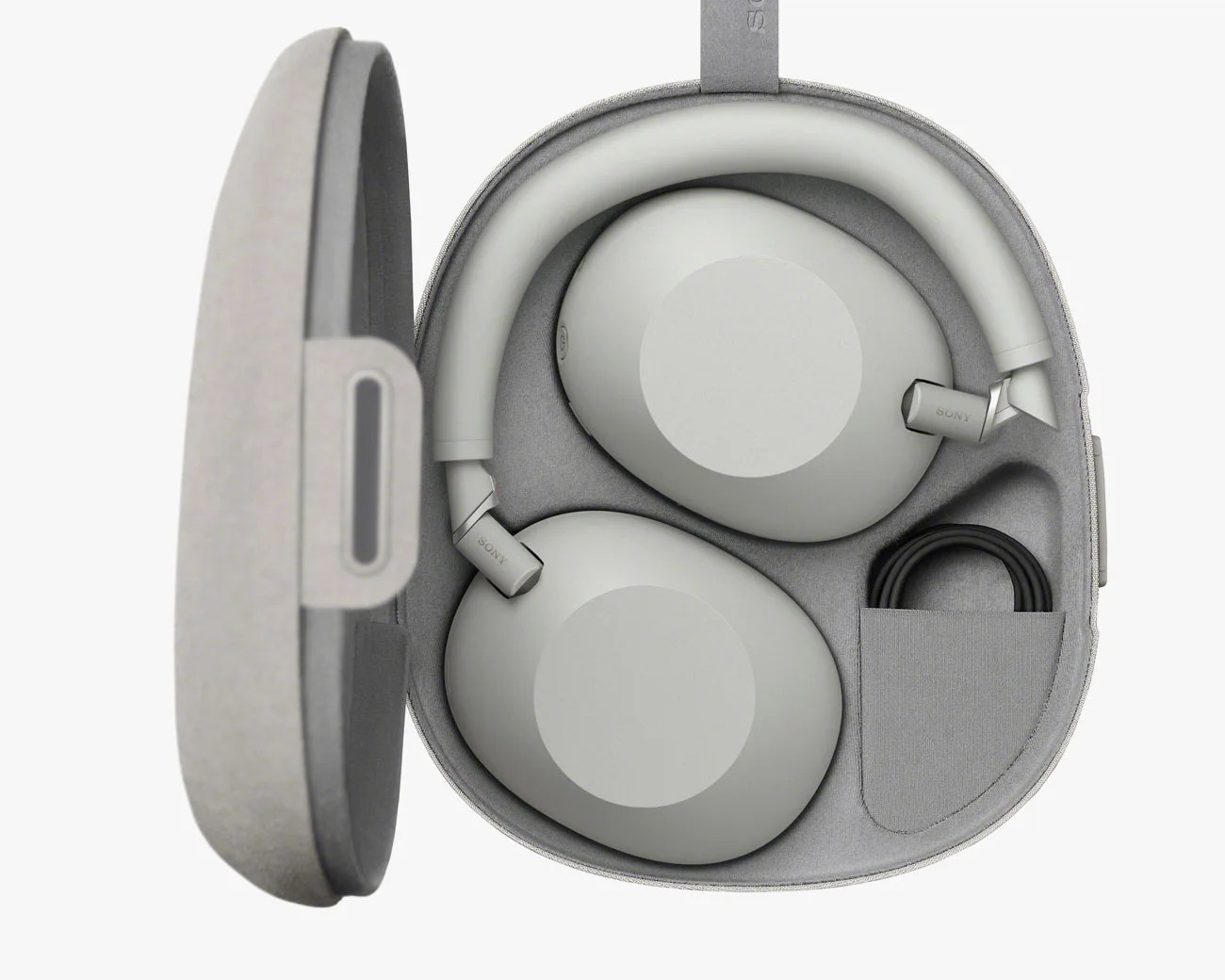
Light gray over-ear headphones neatly folded inside a matching hard carrying case with a coiled black cable in a side pocket.
Sony also gave the WH-1000XM6 with a travel case with a new magnetic closure system.
Sony

It updated the design so the headphones fold inward, making them more compact and travel-friendly. It gave them a large circular power button that’s easier to recognize with the headphones on. And for the first time, you can charge and listen to headphones simultaneously. I know, amazing.

With Sony’s latest flagship cans, it’s very much the case that the best just got even better, in both expected and unexpected ways.

9. A soundbar that combines new-age tech with 60 years of hi-fi expertise

KEF XIO soundbarKEF

GP100 Winner

KEF XIO Soundbar

Specs

Drivers 12
Power Output 820 watts
Soundbar 5.12-channel Dolby Atmos soundbar

The wireless soundbar category has become the next frontier to conquer for traditional hi-fi companies, it seems, with the likes of Bowers & Wilkins, Bang & Olufsen and Sennheiser all vying to make the next great rival to Sonos’s Arc Ultra.

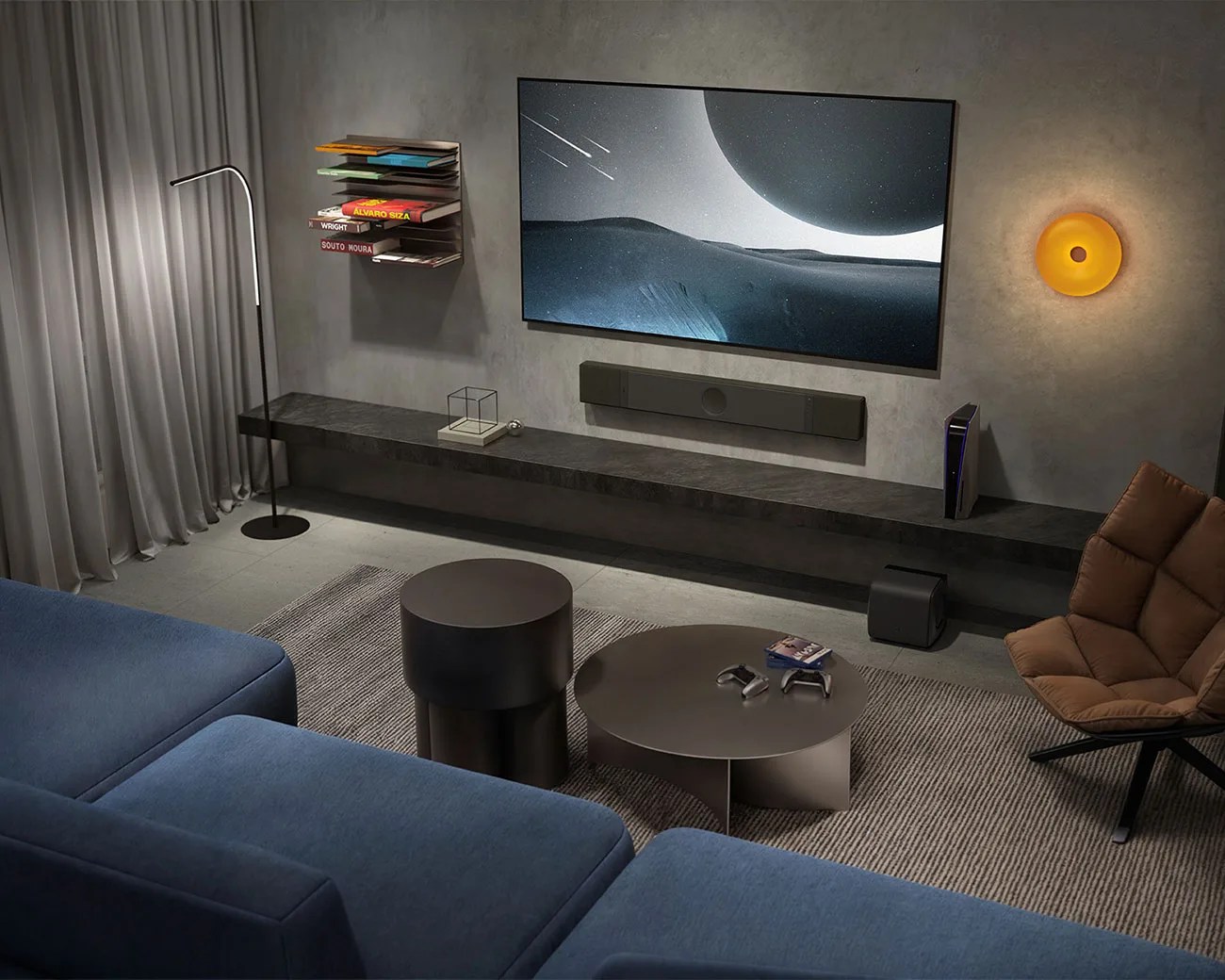
But KEF’s first wireless soundbar, the XIO, is the one to stand out the most. It has a beautiful, almost frameless design that combines dual-tone fabric weave with a sandblasted aluminum top panel. More importantly, it features 12 individually amplified drivers that deliver 820 watts of immersive Dolby Atmos sound.

Modern living room with a wall-mounted flat-screen TV, black soundbar, blue sectional sofa, brown cushioned chair, and round black coffee tables on a gray rug.
The XIO is 47 inches long and is probably best suited for TVs that are 65 inches or larger.
KEF

Six of these drivers are what the famed British hi-fi manufacturer are Uni-Q MX drivers, which the brand describes as miniature versions of the Uni-Q drivers featured in its larger loudspeakers. Three are front-firing, three are up-firing.

One of the cool things with the XIO is that it’s integrated with numerous advanced technologies — KEF is a leader in wireless active loudspeaker systems, after all — one of them allowing it to detect its orientation and alternate these front-firing and up-firing drivers accordingly.

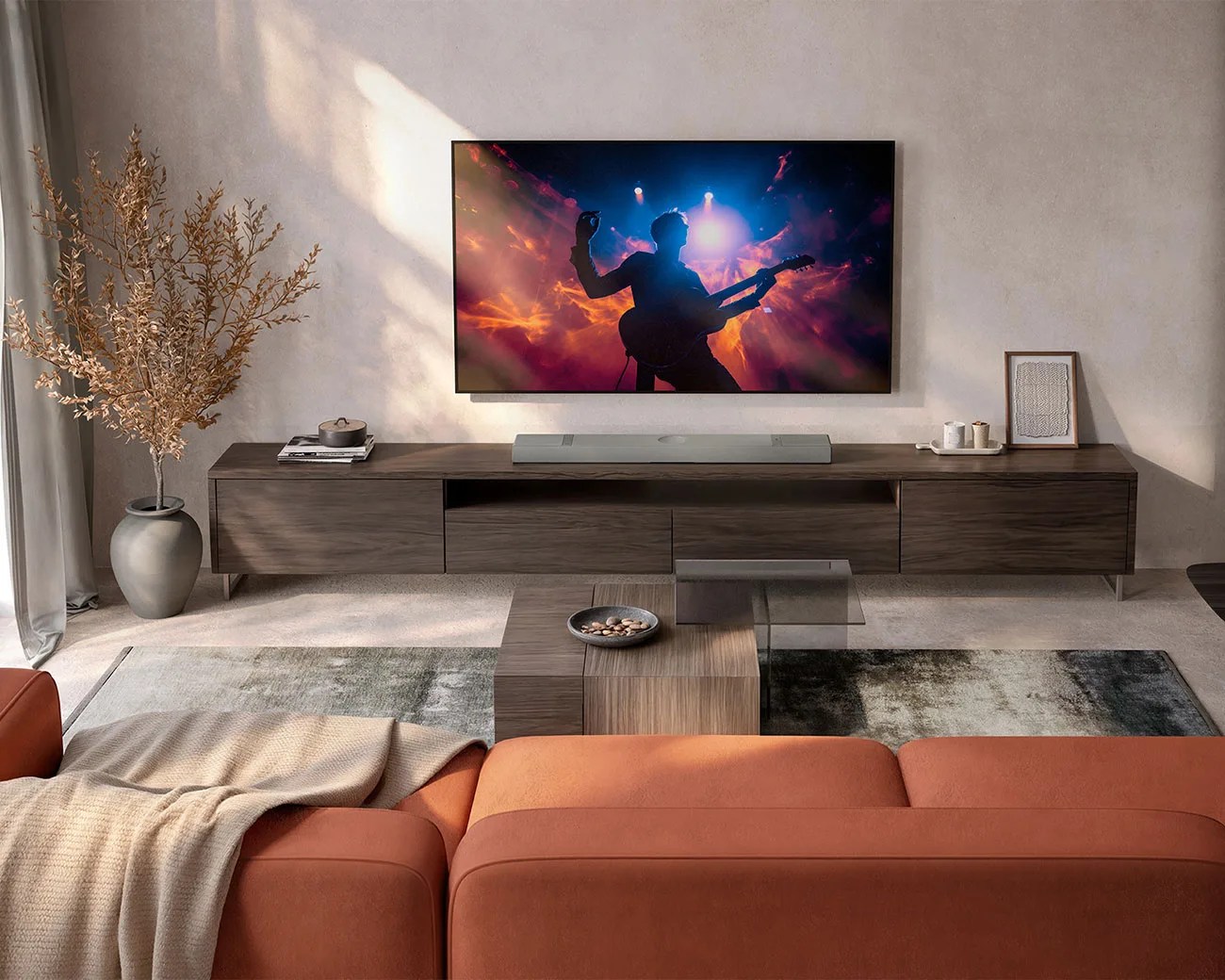
Wall-mounted flat-screen TV above a dark wood media console with a soundbar, next to a large gray vase with dried branches.
The KEF XIO comes in two different finishes, slate black or silver gray.
KEF

That’s right, the XIO is positioned differently, with the front facing a different direction depending on whether it’s wall-mounted or resting on a media console. Not many soundbars can do that and still, according to KEF, deliver a “transcendent cinematic sound experience.”

8. The new standard for handheld gaming PCs

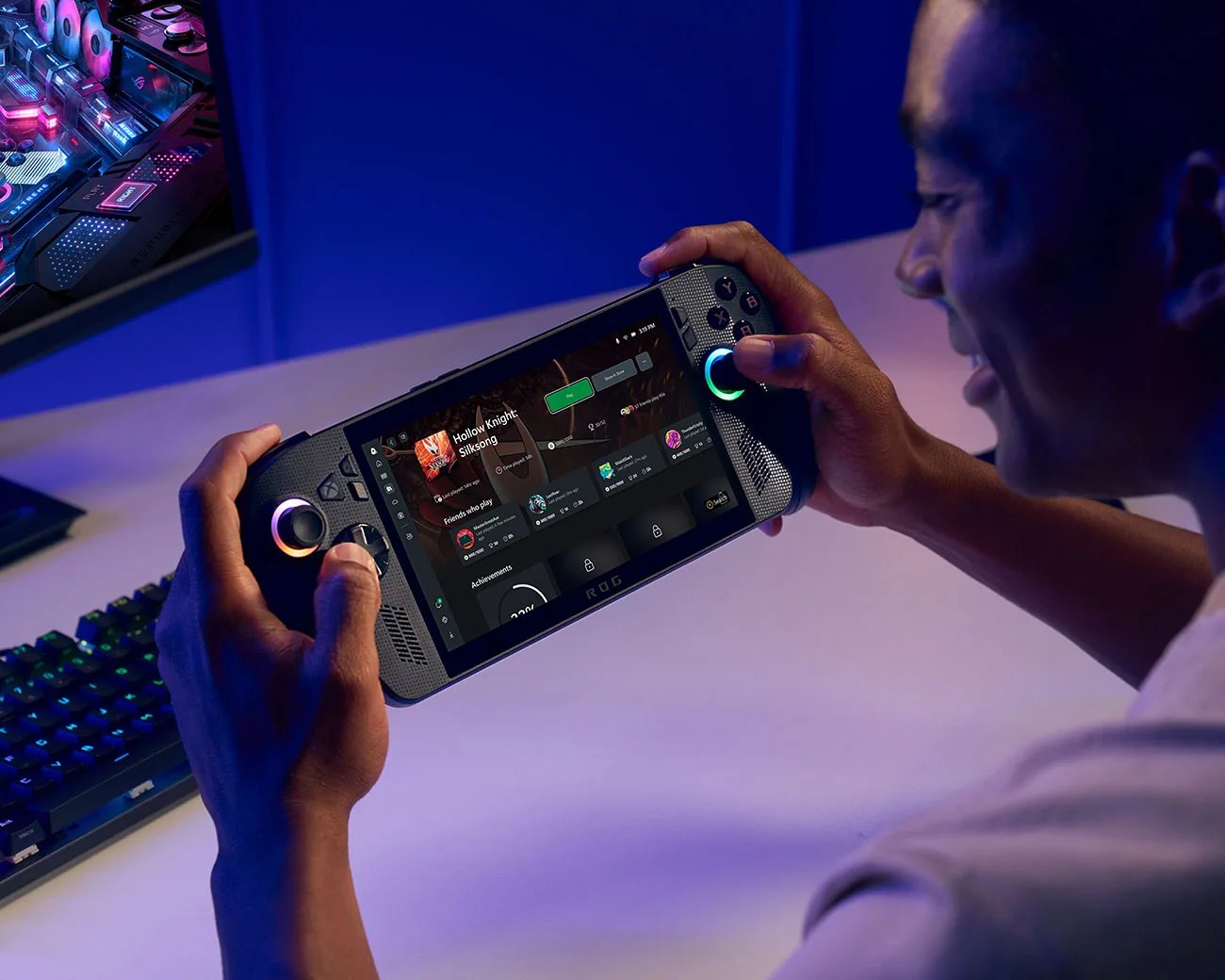
2025 was actually a banner year for handheld gaming consoles. Sure, the Switch 2 grabbed most of the headlines (and the sales numbers), but the Asus ROG Xbox Ally and Xbox Ally X might be better representations of where the future of gaming, portable or not, is headed.

The two consoles — which are mostly identical (aside from color), with the “X” being the upgraded version — are a joint collaboration between Microsoft and Asus. In fact, they’re like last year’s ROG Ally X, but made to feel like an Xbox controller and play Xbox games.

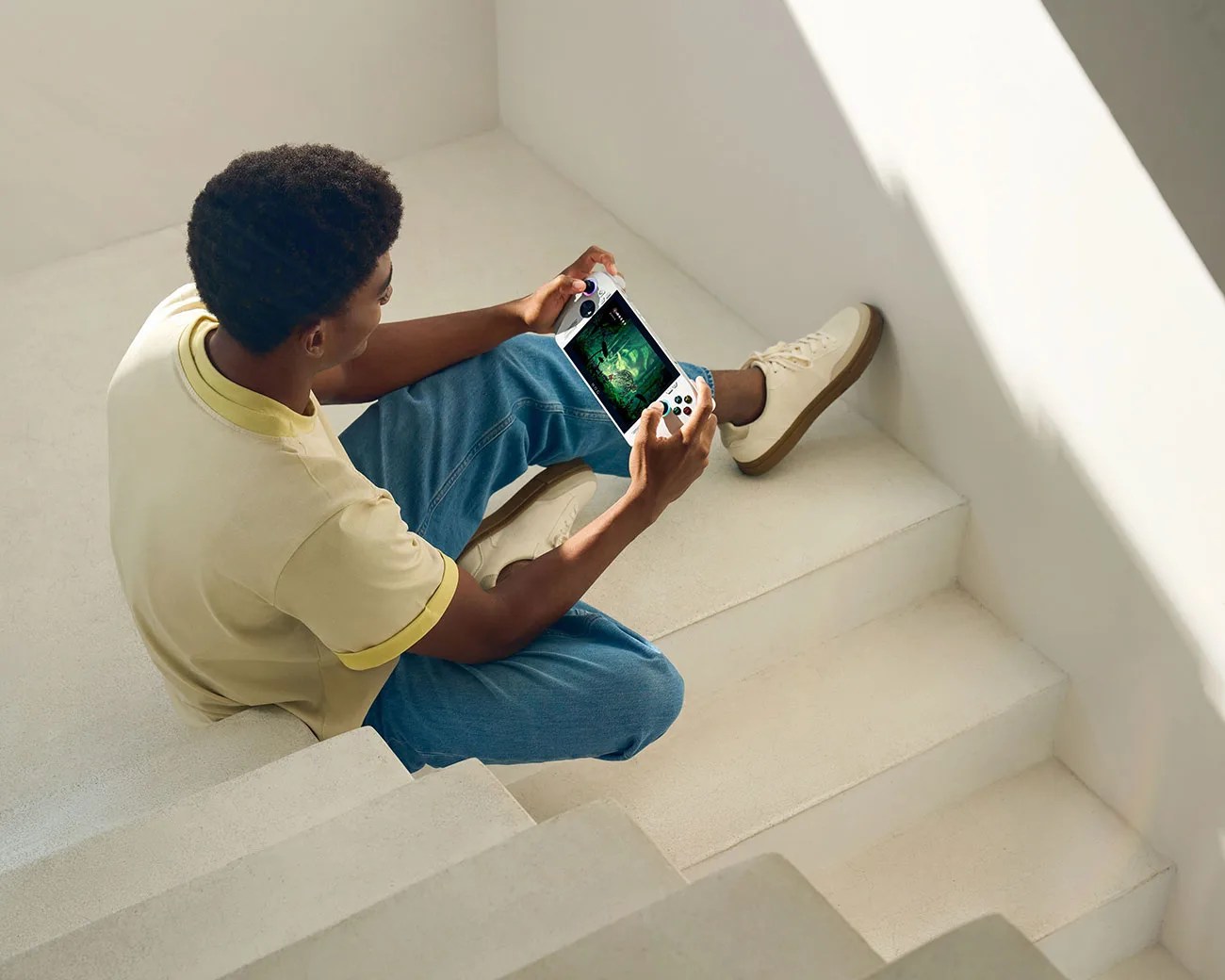
Person sitting on white stairs playing a handheld gaming device with a white body and black buttons.
The Asus ROG Xbox Ally is more affordable and less powerful than the other handheld. It’s also only available in white.
Asus

A portable Xbox console? Sort of. They’re the first Xbox-brand handheld consoles and thus allow users to play most (though not all) Xbox games through Xbox Play Anywhere, Xbox Cloud Gaming, and Xbox Remote Play. And that’s a big deal as it separates these consoles from their biggest rival, the Steam Deck.

Yet, they’re still technically PC handhelds that run Windows. Sure, this means there are times when it can feel like you’re navigating files on a desktop. But it also gives you access to other third-party stores, like Stream (which comes preinstalled), and access to way more games than your current Xbox.

Person holding a black ROG handheld gaming device with RGB-lit controls and a game menu on screen.
The more premium Asus ROG Xbox Ally X has a superior AMD processor, more RAM, more storage, and a bigger battery.
Asus

Additionally, the ROG Xbox Ally and Xbox Ally X are the first PC handhelds to support the Xbox full screen experience, which automatically boots you into the familiar Xbox app, so you can jump right into gaming and skip most of the Windows-related rigamarole after the initial setup process.

Note: As of late November 2025, Microsoft has started rolling out the Xbox full screen experience to other Windows 11 handhelds.

7. Garmin’s elite outdoor smartwatch lets you leave your phone at home

Even with the introduction of the Apple Watch Ultra several years ago, Garmin’s smartwatches have been favored by true outdoor adventurers. Reasons? Vastly superior battery life, ruggedness, trailing features, better physical buttons, Android compatibility … and that’s to name a few.

But with this year’s Apple Watch Ultra 3, Apple introduced a key feature for those same people: satellite messaging. This allows wearers to send texts or an emergency SOS message even when off the grid and without cellular coverage. It’s a game-changer.

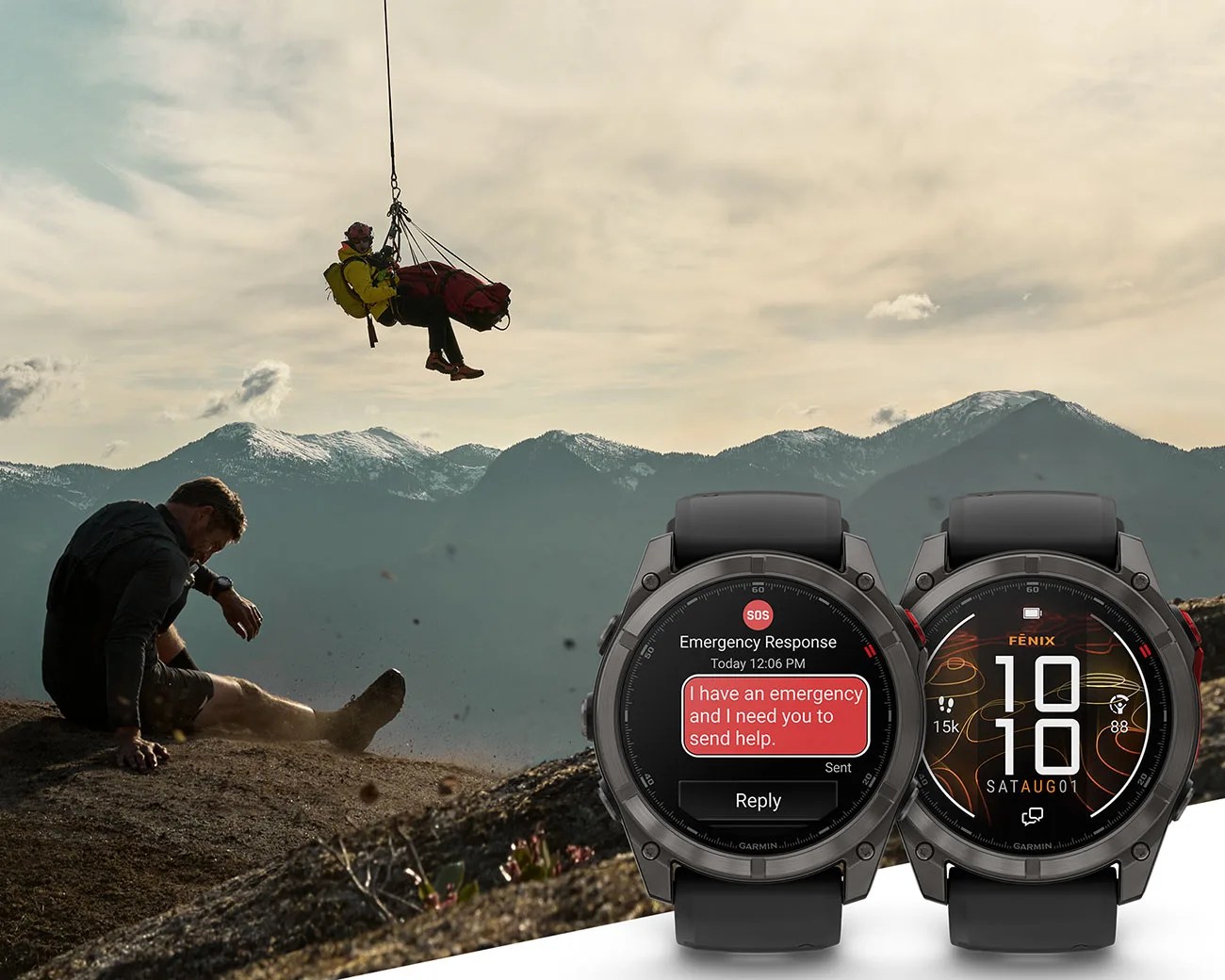
Two Garmin Fenix smartwatches with black bands showing emergency response and time display, set against a mountain rescue scene.
The Fenix 8 Pro is Garmin’s first smartwatch with LTE and satellite connectivity.
Garmin

Fortunately, Garmin’s new “best of the best” smartwatch wasn’t too far behind. The Fenix 8 Pro supports both cellular and satellite connectivity, meaning — for an $8/month fee — you can leave your smartphone and still have a way to reach out to the outside world (or have a lifeline if your smartphone dies).

But that’s not the only upgrade Garmin has made to its premium, multi-sport smartwatches.

Man wearing a black smartwatch with a red button on his wrist outdoors near trees and mountains.
If you purchase the MicroLED option, it’s also Garmin’s brightest smartwatch ever.
Garmin

Most notably, in addition to the models with an OLED display, Garmin also introduced a more elite version of the Fenix 8 Pro with a MicroLED display and a maximum brightness of 4,500 nits — according to Garmin, it’s the brightest smartwatch ever.

Of course, these new elite smartwatches come at a premium. Although you can’t really put a price on potentially life-saving tech and an excellent display, can you? (Well, maybe you can put a price on the latter.)

6. Framework enters the customizable desktop PC market

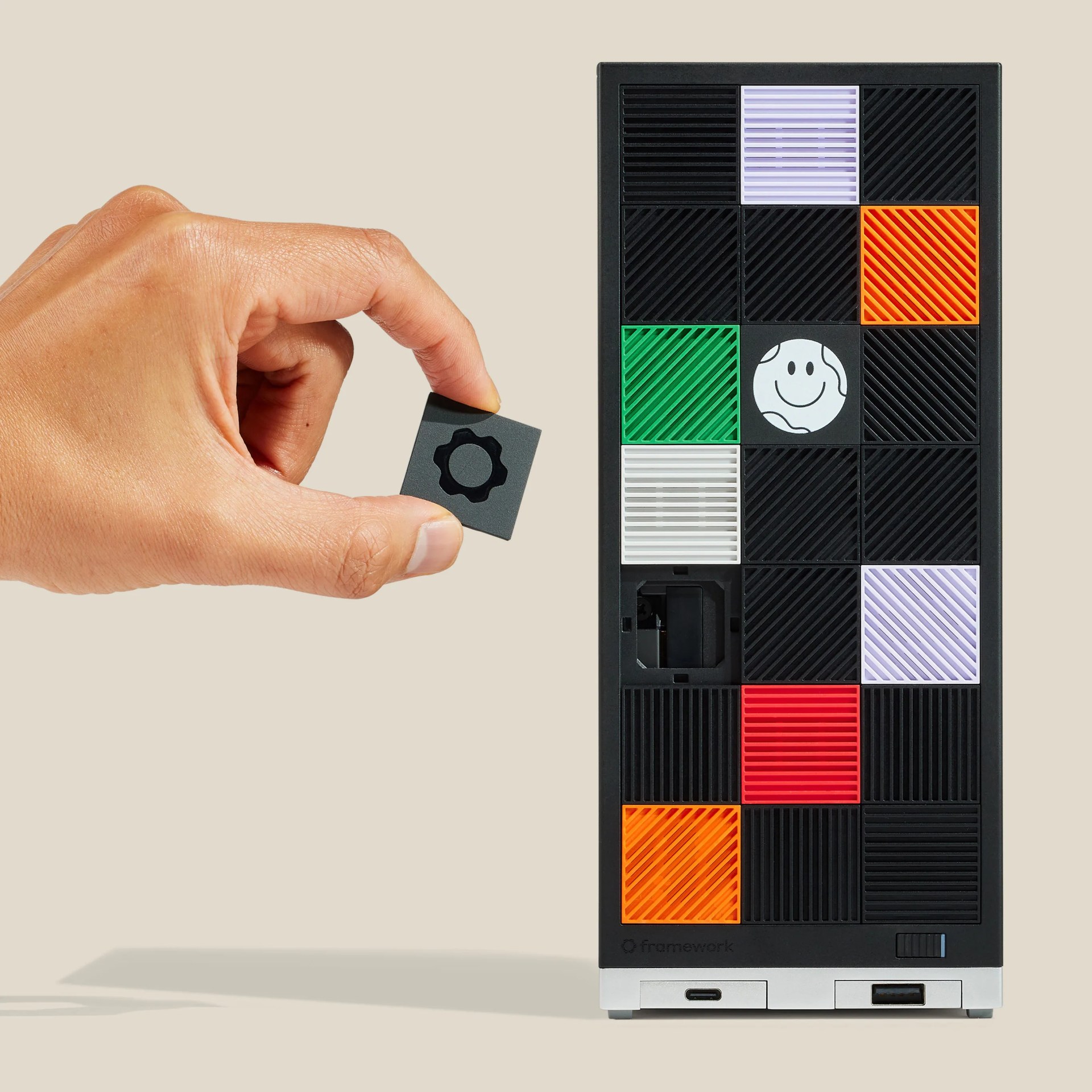
Hand holding a small black square module with a gear icon next to a black rectangular device with colorful modular tiles.Framework

GP100 Winner

Framework Desktop

Specs

Operating System Linux or Windows (costs extra)
Processor AMD Ryzen AI Max processors
Rear Ports HDMI (1x), DisplayPort (2x), USB-C (2x), USB-A (2x), 3.5 headphone, Ethernet

Unfamiliar with Framework? The American tech company has been selling modular laptops that are highly customizable, upgradable and repairable for the last several years, catering to the DIY crowd.

And now it has brought that same ethos to desktop PCs for the first time with Framework Desktop.

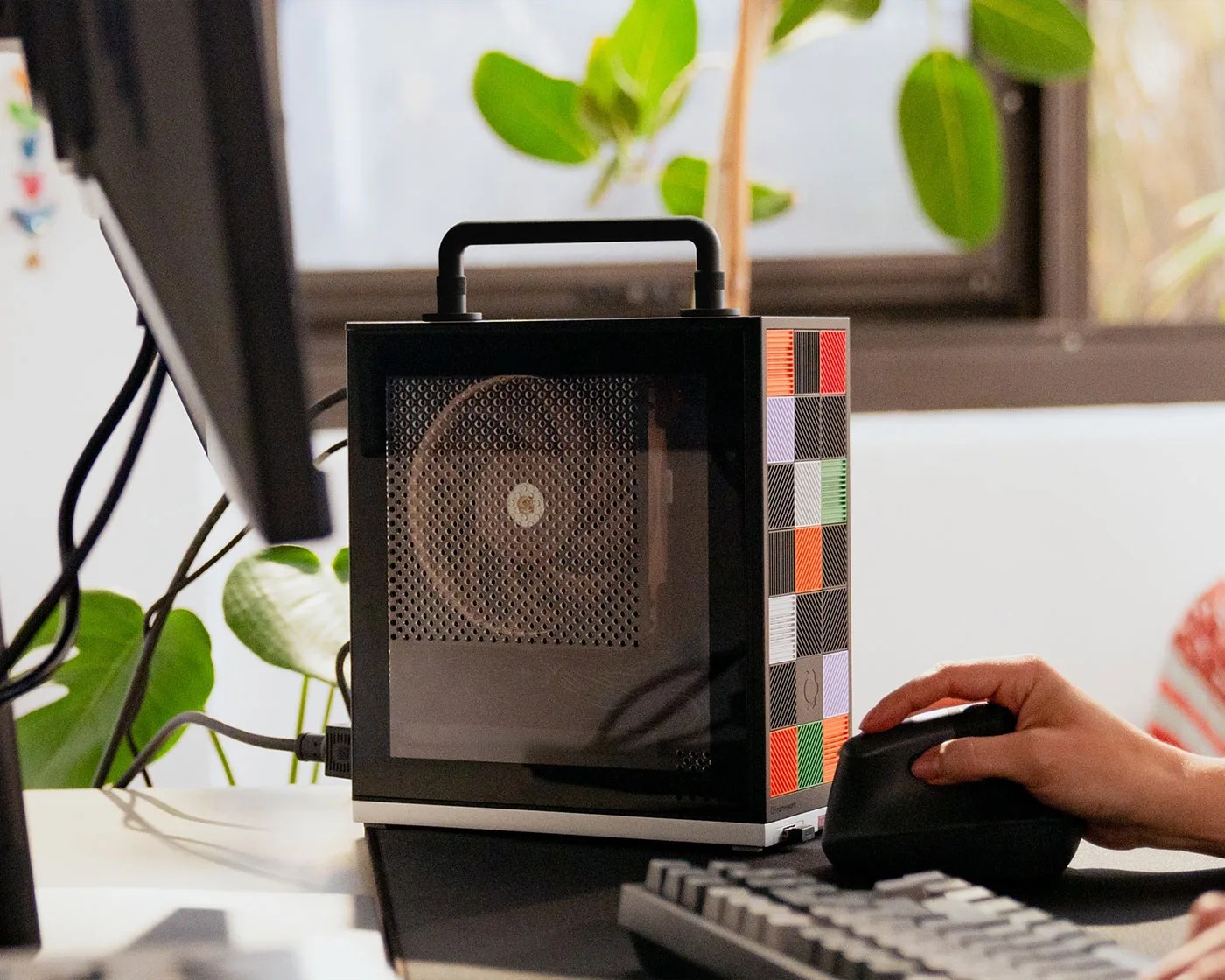
Compact black computer case with a handle and colorful square patterns on the side, placed on a desk next to a keyboard and a hand using a vertical mouse.
The Framework Desktop is the modular laptop maker’s first desktop PC.
Framework

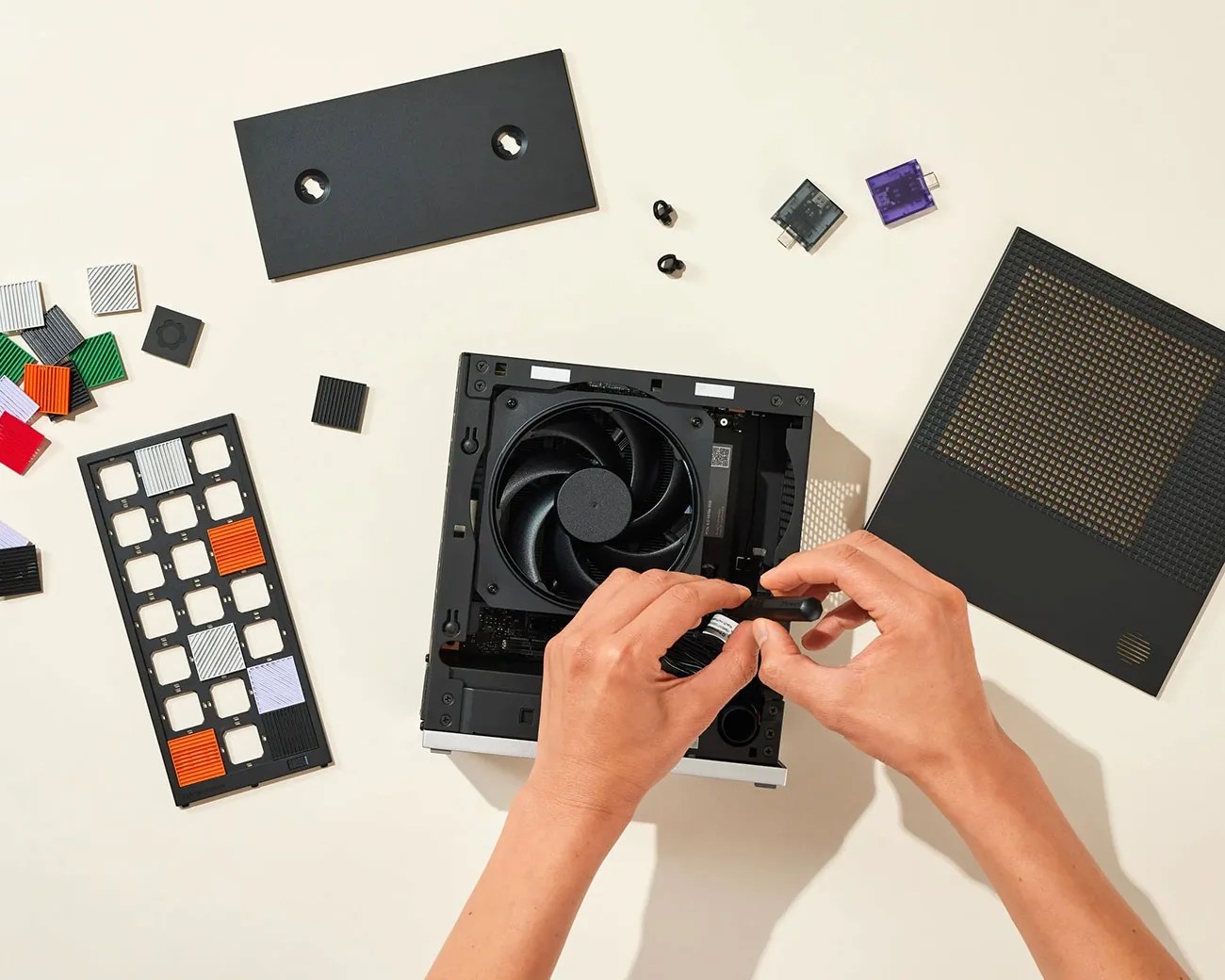
You can think of it as sort of like a modular Mac Mini. When ordered, the compact 4.5-liter tower comes preinstalled with the mainboard, CPU heatsink and power supply, but, depending on the kit you buy, you have to assemble the storage drive, CPU fan, side panels and various other elements.

Worried about a tedious build? Don’t. There’s no soldering or thermal paste involved. It just requires a screwdriver (included) and connecting the various components together. The entire build process should take less than thirty minutes.

Hands assembling a small black computer with a visible cooling fan and colorful keycaps scattered nearby.
The Framework Desktop comes preinstalled with the mainboard, CPU heatsink and power supply, but you have to assemble everything else.
Framework

But that’s not where the fun ends. As expected, the Framework Desktop is modular, customizable and upgradable. You can order extras such as expansion card ports or additional storage, a transparent side panel or an RGB-lit fan.

The real star is the front panel, which features a customizable 21-tile grid, allowing you to snap in individual tiles—some with colors, some with designs—and give the desktop PC its own style. (Thanks to an open API, you can 3D print your own custom tiles, too.)

Four people at a gaming setup with multiple monitors, one holding a bowl of colorful cereal and another handing over a bag of chips.
The 4.5-liter desktop PC runs on AMD’s powerful chips and promises to be a serious gaming machine.
Framework

As a desktop PC, the Framework Desktop is a little beast. It runs on AMD’s most powerful APU and offers up to 128GB of unified memory, making it a serious PC for productivity, media editing or gaming.

Of course, it’s not going to be anywhere near the most powerful or most customizable desktop PC on the market. Framework knows this. But for anyone interested in a first-time PC build, the Framework Desktop is a perfect entry point into that rabbit hole.

5. The surprise reprise of a cult classic

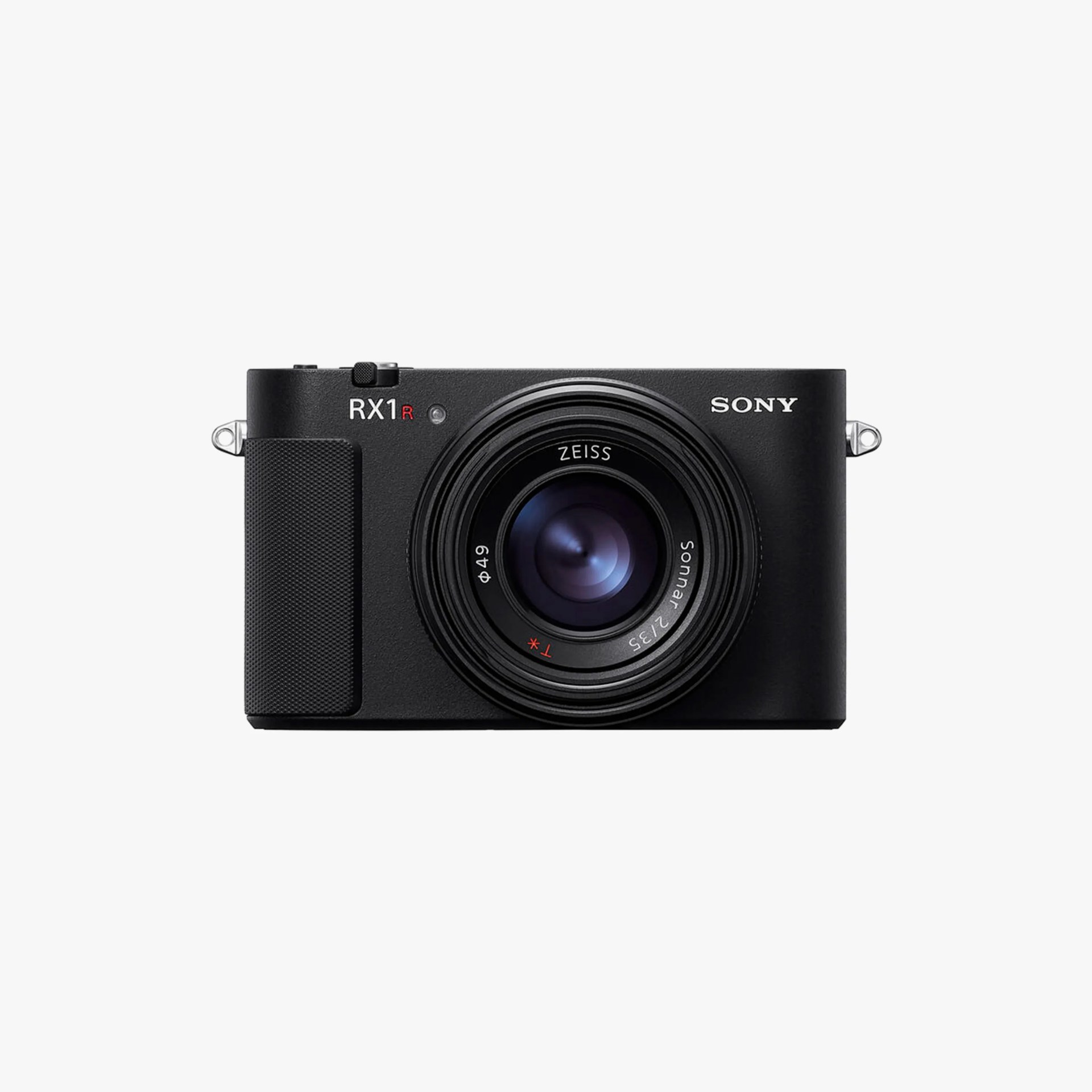
The RX1 series always looked like Sony’s way of signaling that it understood photography: a large sensor and an excellent lens combined in as small a package as possible. It gives the kind of everyday, everywhere capability that film photographers love but can rarely find in digital form.

In some respects, Sony didn’t need to refresh the RX1. And for a while there, it looked like it might not.

But the RX1R III, which arrives a decade after its predecessor, brings new AF tricks, a modern sensor and larger battery to a cult favorite.

Man with curly hair holding a Sony RX1 camera up to his eye, wearing a black leather jacket and gray turtleneck.
The RX1R III arrives more than a decade after its predecessor, bringing new AF tricks, a modern sensor and larger battery.
Sony

The camera is undeniably expensive, and it looks all the more so because Sony offers so many of its components in other, much cheaper, models.

However, this is one of those occasions where the whole is greater than the sum of the parts. Nothing else out there offers the same combination of image quality and size.

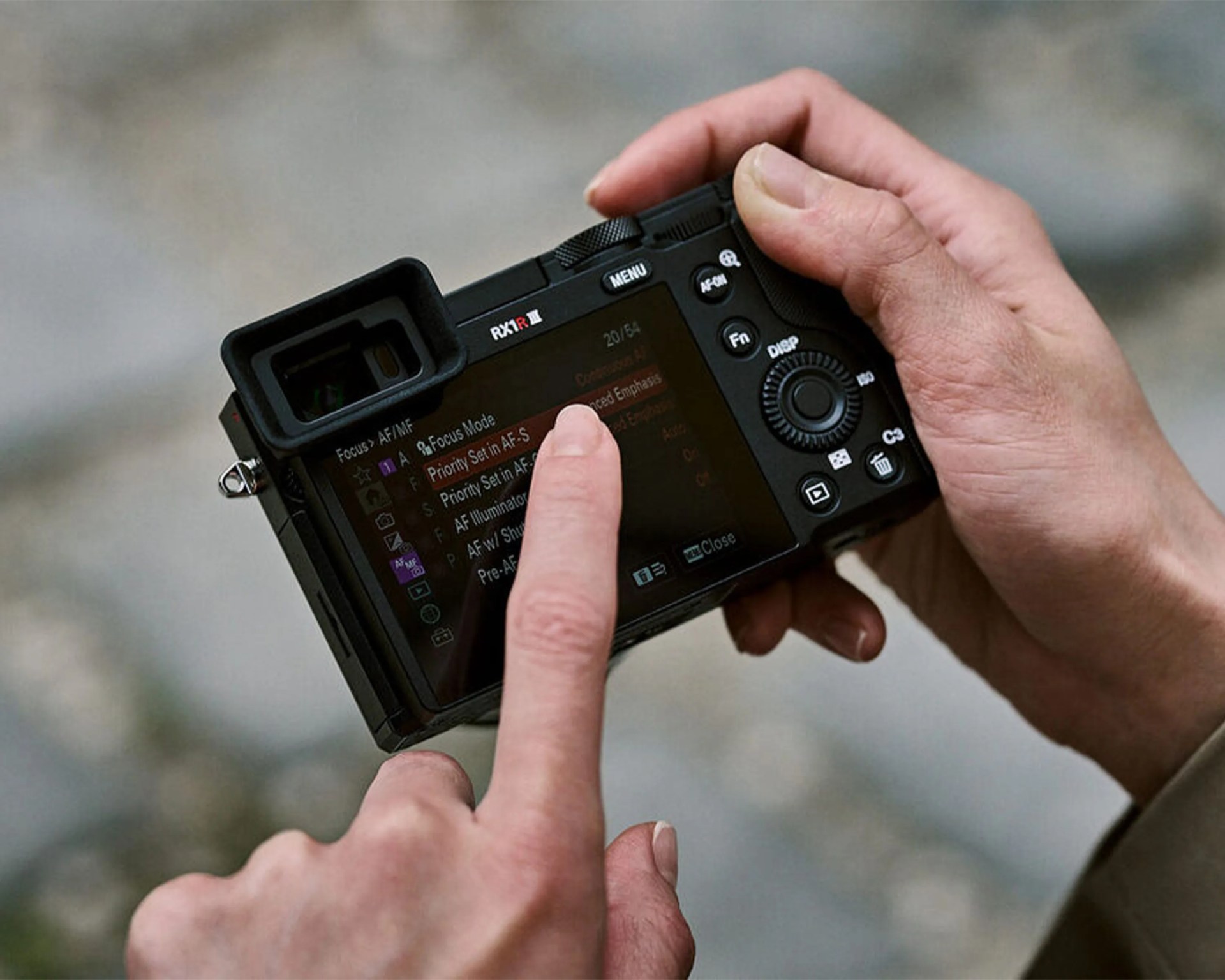
Person adjusting focus settings on the rear touchscreen of a black Sony RX1R III camera.
Sony added its ‘Bionz XR’ processor with accompanying ‘AI Processing Unit,’ promising improved AF tracking for recognized and unrecognized subjects.
Sony

The RX1R III is the answer to the question, “What if I love the Fujifilm X100 but want to make a big step up in image quality?”

If 2025 saw a wave of niche cameras, the RX1R III led the charge.

4. A fresh look at how a camera should look

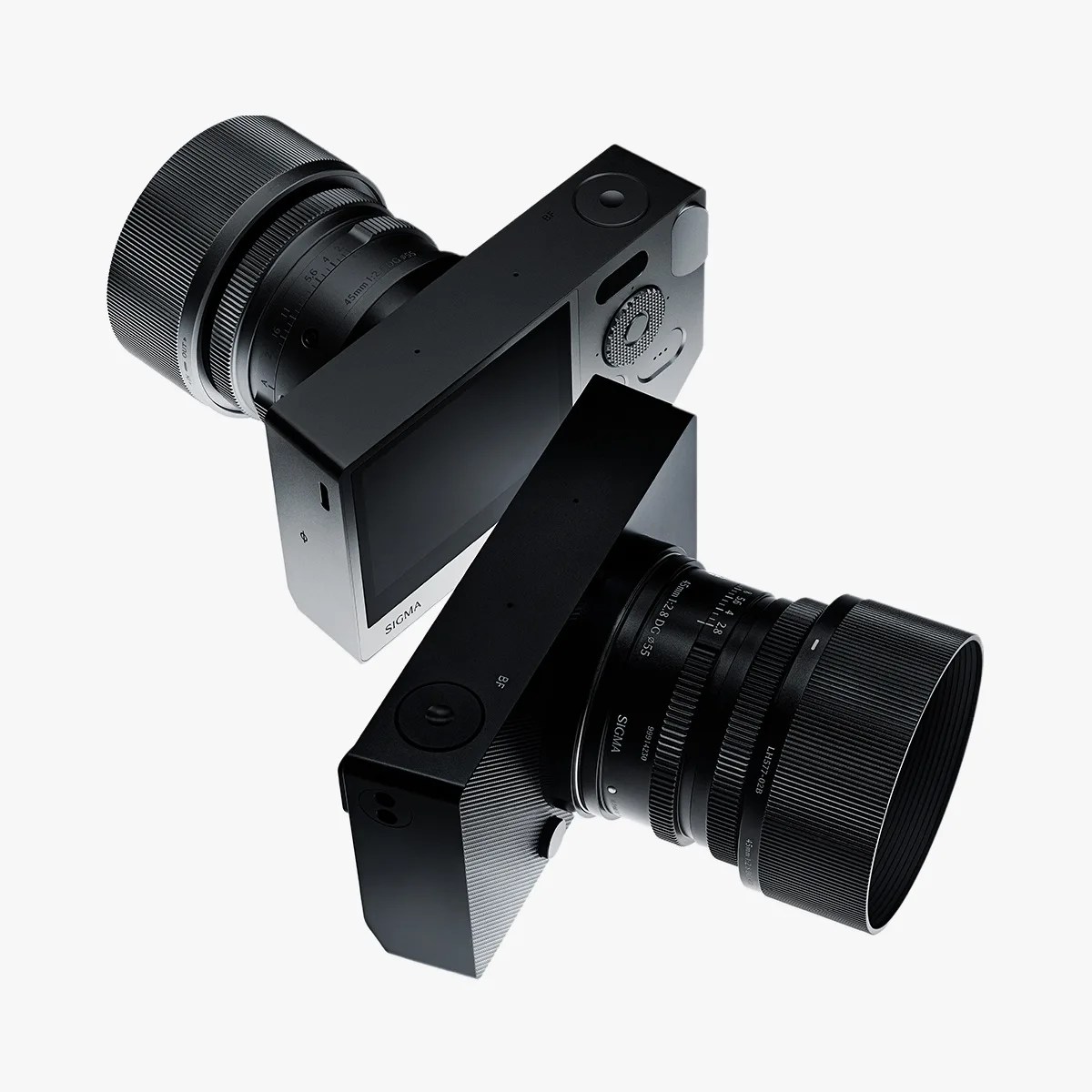
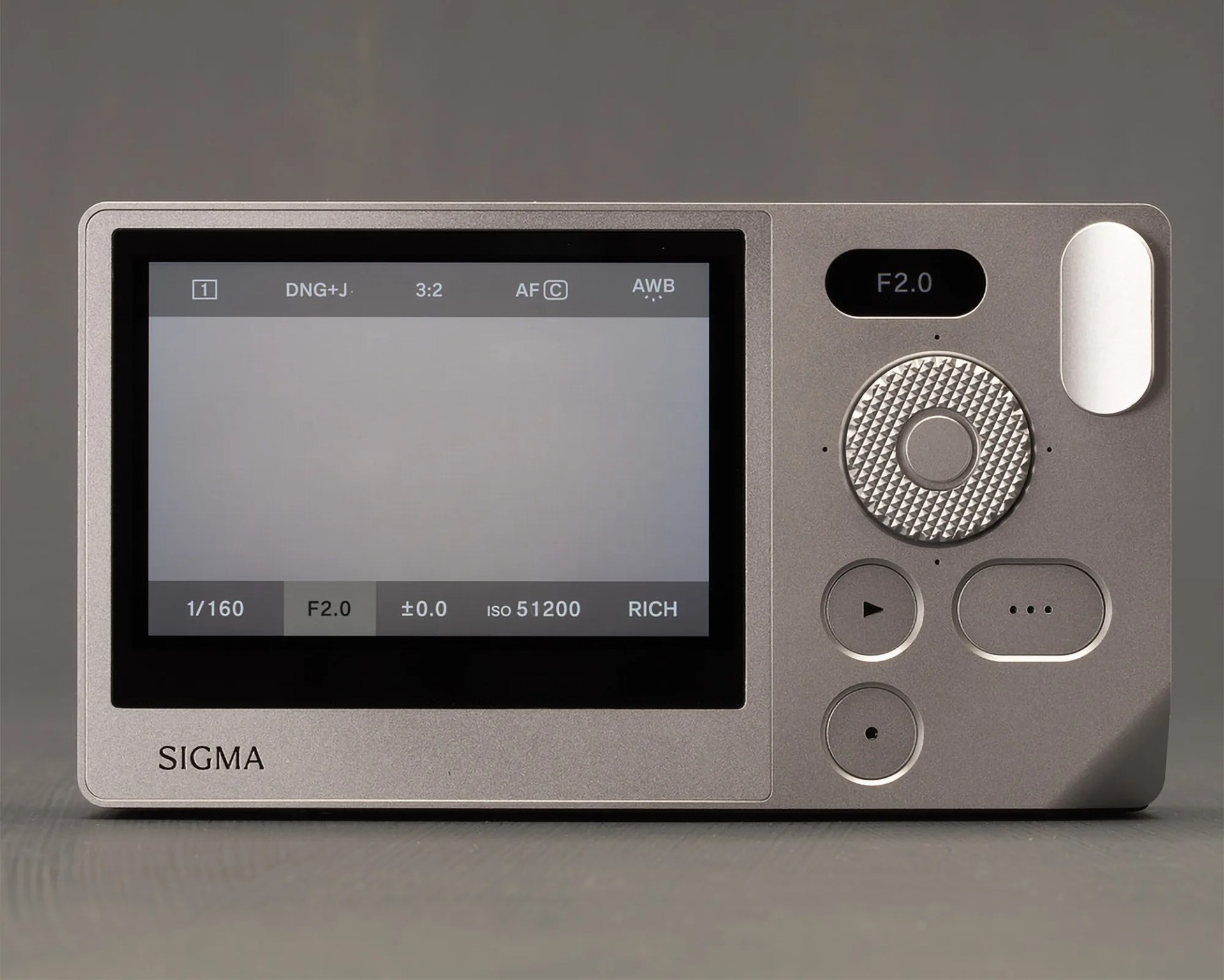
One glance at the Sigma BF tells you how much thought has gone into its design: its one-piece aluminum body looks more like a Mac Mini than a traditional camera.

But its appeal is more than skin deep, with Sigma seemingly taking a blank-page approach to every aspect of its interface and operation.

sigma bf camera on top of a moleskine notebookRichard Butler

The manufacturer says it wanted to build a desirable object for creative people who don’t necessarily think of themselves as photographers, resulting in a camera that questions convention more than anything since the earliest days of digital photography.

interface of sigma bf cameraRichard Butler

Whether it’s the buttons, which give haptic feedback, or the fact that it’s the first camera to capture Ultra HDR JPEGs, the BF is fizzing with ideas.

It may be built around familiar (or perhaps even dated) components, but the sum of the parts is nothing short of radical.

3. The next watershed moment in how we use the internet

Webpage titled "The Spring 2026 Trend Report" from Haute Journal shown on desktop and mobile with assistant options to summarize, ask, and translate.Perplexity

GP100 Winner

Perplexity Comet Browser

Specs

Platforms Mac, Windows, Android
Cost Free

Artificial intelligence has been the drumbeat of the decade. It’s lifted markets, bent political debates, and reshaped the tech industry’s self-image into something halfway between inevitability and mania.

For all the hype, though, AI has rarely appeared in the form of a clear, everyday product that anyone but the most forward-thinking adopters would find valuable to use.

Most people interact with it abstractly — a chatbot here, an autocomplete flourish there — not in the shape of something as tangible as the browser they open fifty times a day.

Comet, the new AI-native browser from Perplexity, launched this summer, is the rare exception. And its arrival makes for one of the more complicated GP100 decisions we’ve ever had to make.

Perplexity hasn’t exactly had a quiet year. The company has faced lawsuits from major publishers alleging mass scraping and outright theft, investigations into how it harvested Reddit user data, and, like most early AI technologies, a long list of examples where its models hallucinated or spread false information.

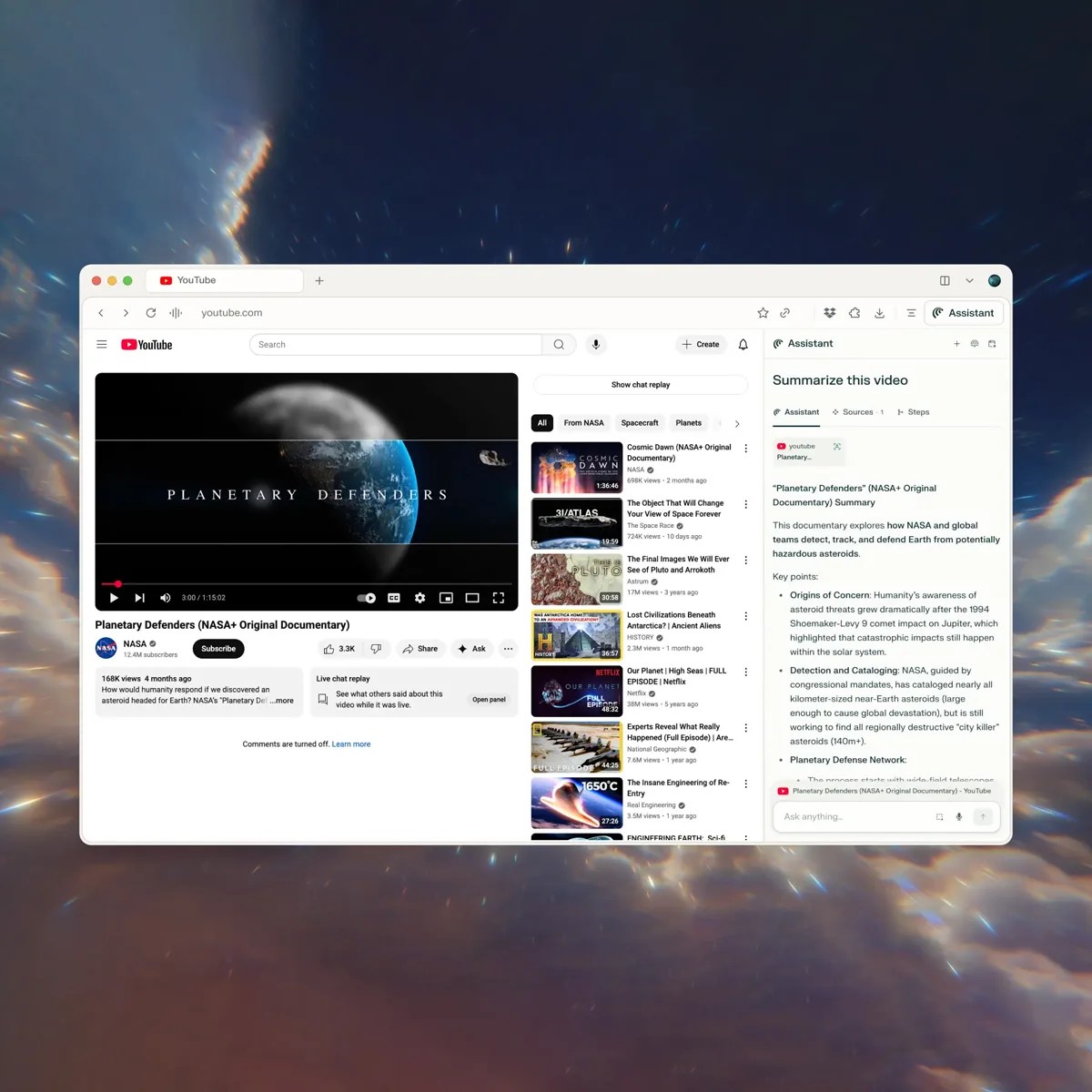
Browser window showing a YouTube video titled "Planetary Defenders (NASA+ Original Documentary)" with an AI assistant summarizing the video on the right side.Perplexity

The Comet browser itself, and in fairness, other AI-equipped competitors that have subsequently followed, has also drawn scrutiny from cybersecurity researchers who warn that autonomous agents inside the browser stack expose fresh attack surfaces and can trigger very real, very expensive mistakes.

Gartner, the influential technology research and advisory company, even took the step of publishing a report on December 1st stating, “Cybersecurity Myst Block AI Browsers for Now,” due to the risks involved.

Comet is all of that. But it’s also something else: the clearest, most concrete demonstration yet of what happens when large-scale language models stop being an add-on to the internet and start becoming the thing that drives your interaction with it.

Instead of search-as-a-box, Comet builds the “agent” into the browsing flow itself. Agent is just AI-speak for a tool that can take actions on a user’s behalf, such as navigating pages, sending emails, summarizing clusters of tabs, building research briefs, filling out forms, booking tickets, and — if you let it — making purchases.

This means that tasks that usually consume minutes or even hours of your day can, to varying degrees, now be handled by someone or, rather, something other than you. That pitch alone is intoxicating, especially for anyone drowning in logistics and digital clutter.

Three large, translucent, curved, glass-like structures floating above Earth in space.Perplexity

Yet each glimpse of power comes with its shadow. A misinterpreted command can cascade into havoc. A convincing hallucination looks a whole lot like truth. And handing over that level of agency to a tool whose inner workings remain largely opaque feels, at times, less like convenience and more like a wager.

Make no mistake: Comet is unfinished, often brittle and still inherently very risky to use at this stage of the game. But it’s also sometimes shockingly capable and exceptionally helpful.

It’s the first browser to compellingly graft AI onto an old paradigm, creating a new paradigm in the process. It asks, what if browsing weren’t a solo activity at all, but a collaboration with a system that could act on your behalf?

Text box with a request to put together a grocery cart on Instacart from Walmart for butter chicken and Cobb salad, titled "Your personal assistant.Perplexity

The timing matters, too. Consumer browser choice has been all but stagnant for years. Chrome, shaped by its own long antitrust saga, has dominated the market to an extent that’s all too familiar in the world of technology.

The fact is that real, industry-shifting innovation in this category hasn’t come from scrappy outsiders in a generation. Comet breaks that drought.

Whatever its faults — and there are plenty — it’s jolted the incumbents. Google raced to fold similar agentic tools into Chrome and OpenAI – arguably the AI company with the biggest head start – soon scrambled to introduce its own Atlas browser just last month. These rapid reactions from such massive tech players say more about Comet’s potential than any marketing campaign ever could.

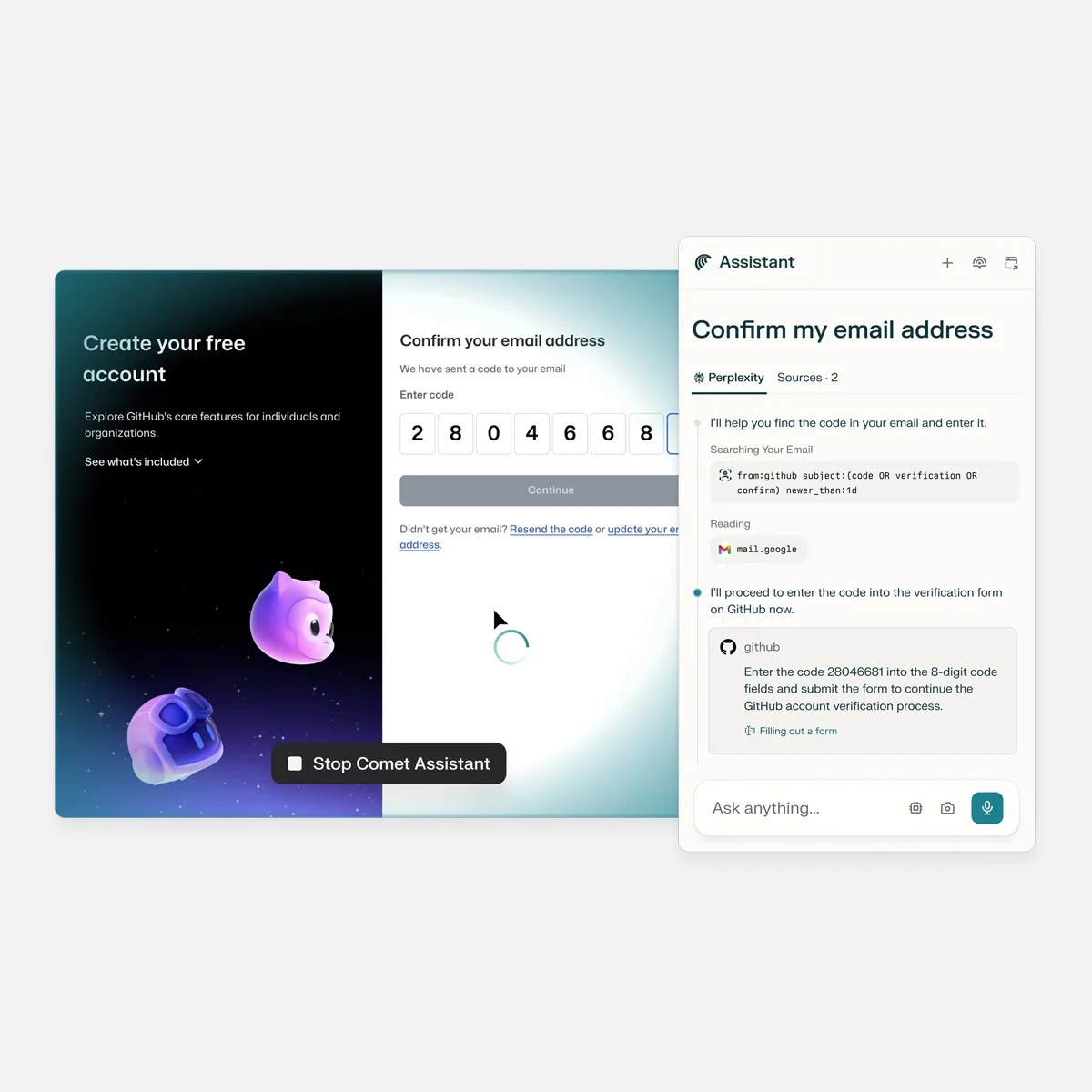
Screenshot of GitHub email verification page with Comet Assistant AI interface showing code retrieval and auto-entry.Perplexity

In a year when AI’s economic impact has flirted with bubble logic and rhetoric often outpaced reality, this browser also stands out for a simpler reason: it’s real.

It’s a working, shipped-to-consumers preview of how interacting with the web is likely to evolve over the next decade — a window into the power, peril and unpredictability that come with machine intelligence becoming a layer between us and the internet. It imagines a future where the web isn’t merely navigated but actively negotiated, with a digital counterpart shaping the experience.

Comet may ultimately be remembered as a transitional artifact — the MySpace before Facebook, the Ask Jeeves before Google, the Napster before Spotify, the BlackBerry before the iPhone. Maybe it flames out; maybe the AI bubble deflates and the world moves on.

But shifts in how people use the internet at this scale don’t show up often, and something always has to go first.

Comet earns its place in the story because it stepped out ahead of the inevitability — a working proof that this next phase of the web isn’t theoretical anymore. It’s already under way.

2. AirPods with the potential to replace your Apple Watch

White wireless earbuds with silicone ear tips, placed inside an open white charging case with a small green indicator light on the front. The earbuds have black sensor areas and are marked with "L" and "R" for left and right.Apple

GP100 Winner

Apple AirPods Pro 3

Specs

Chip Apple H2
Sensors accelerometer, heart rate
Water Resistance IP57

By now, you know the schtick: AirPods just work with Apple devices, which is why they’re the best-selling wireless earbuds of all time.

Close-up of a person's ear with a white wireless earbud inserted, showing the earbud's black mesh speaker and sleek design.
The AirPods Pro 3 have an IP57 rating, making them the most rugged AirPods ever.
Photo by Tucker Bowe for Gear Patrol

Naturally, the company calls the latest version the “best AirPods that Apple has ever made.” The AirPods Pro 3 have superior sound and active noise cancellation, surpassesing that of any previous model.

Plus, they offer advanced features that no other wireless earbuds do. This includes the ability to translate languages with Live Translation and even function as (OTC) hearing aids, thanks to their FDA certification.

Black smartphone displaying workout stats next to white wireless earbuds and charging case on a dark surface.
Both earbuds have their own heart-rate sensor, meaning you can track workouts while wearing both or just one.
Photo by Tucker Bowe for Gear Patrol

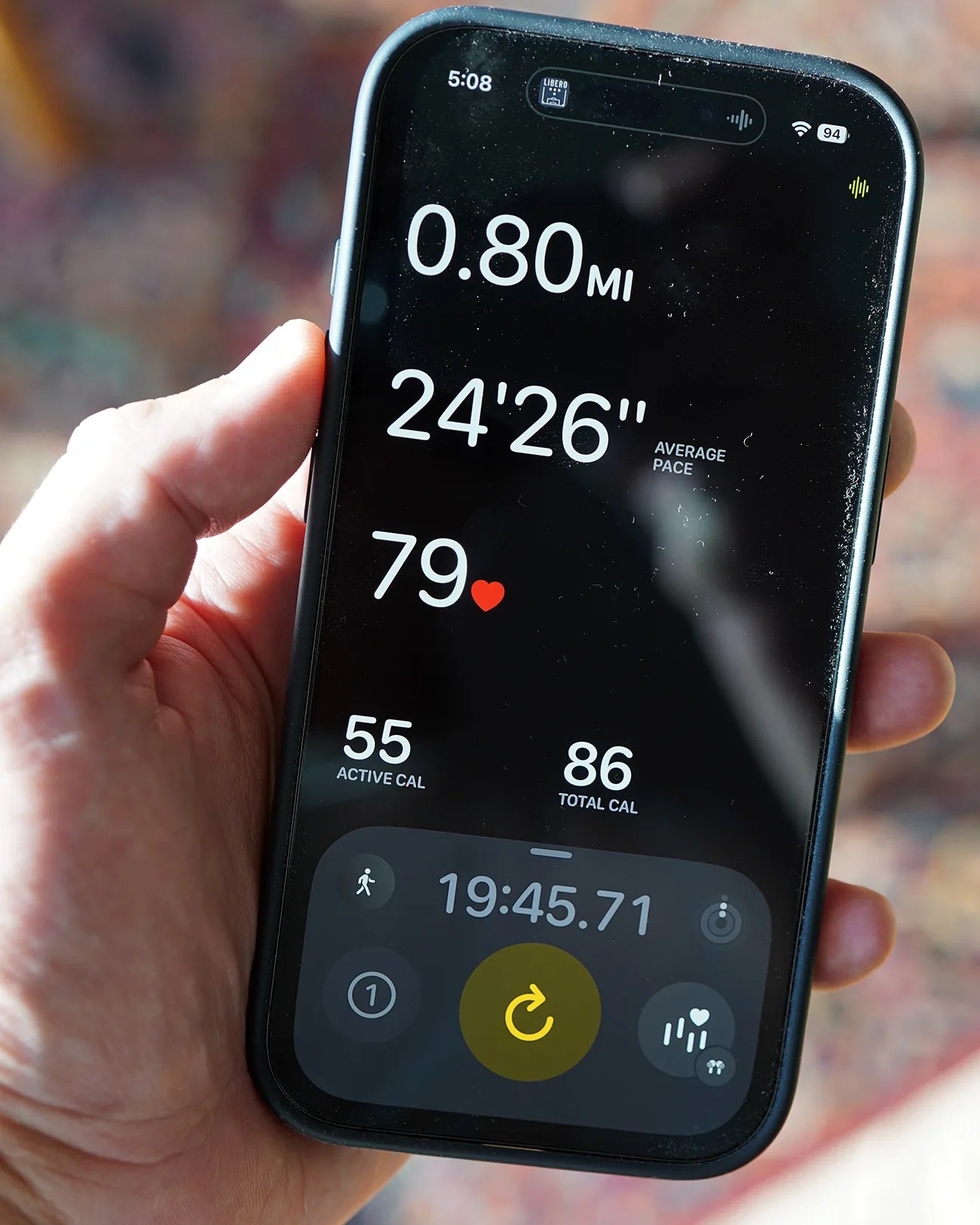
But the AirPods Pro 3 are also distinct from other AirPods, as they are the first to include a built-in heart rate sensor.

That’s a big deal, with the potential to replace the Apple Watch for many wearer’s workouts.

A hand holding a smartphone displaying a fitness tracking app. The screen shows a distance of 0.80 miles, an average pace of 24 minutes and 26 seconds per mile, a heart rate of 79 beats per minute, 55 active calories burned, and 86 total calories burned. The timer at the bottom reads 19 minutes and 45.71 seconds.
The AirPods Pro 3’s heart rate sensor automatically kicks into gear when doing a workout.
Photo by Tucker Bowe for Gear Patrol

Of course, if you’re somebody who likes wearing an Apple Watch for all the other things, there are still countless reasons to get the AirPods Pro 3.

Most notably? They sound great.

1. The most important console of the last decade, perfected

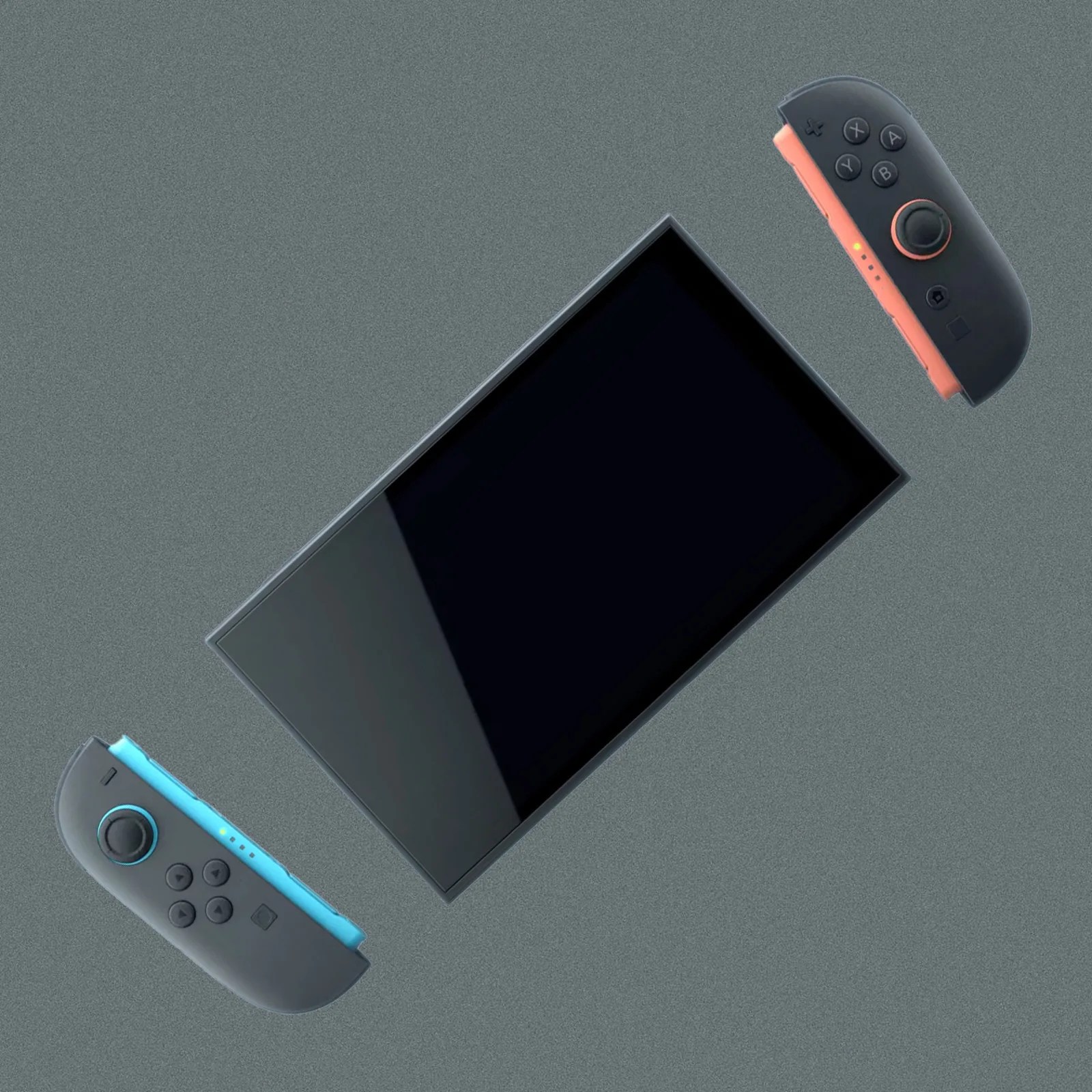
Nintendo Switch 2 on gray backgroundNintendo

Nintendo Switch 2

Specs

Battery Life Between 2 and 6.5 hours
Dispaly 7.9-inch wide color gamut LCD screen
Processor Custom processor made by Nvidia

Upon launch, the original Switch did the unthinkable: it established sky-high expectations, then it surpassed them.

Novel yet familiar, it felt like the love child between a Game Boy and Wii. Even more important, however, were the games.

Nintendo’s Switch 2 has numerous hardware improvements over its predecessor, headlined by bigger display and magnetic Joy-Con controllers
Nintendo

From Super Mario Odyssey to Animal Crossing: New Horizons, some of the hottest titles in recent years have been Switch exclusives.

And let’s not forget The Legend of Zelda: Breath of the Wild (and its sequel, Tears of the Kingdom), the only Switch game to win the prestigious “Game of the Year” award.

How’s that for expectations?

The Joy-Con controllers magnetically snap into place, solving one of the most frustrating design issues with the original Switch.
Nintendo

Eight years on, the world finally got its hands on a true successor.

The Switch 2 has the same hybrid detachable design as the original, but it’s been refined, enhanced, and, in just about every way, perfected.

For starters, the second-generation console has a much bigger display, significantly faster processor and a lot of hardware improvements, headlined by larger Joy-Con controllers that magnetically clip into place.

The new Joy-Con controller can function as a mouse for certain games.
Nintendo

As for games, the Switch 2 launched alongside some absolute gems that can only be played on the new console, such as Mario Kart World and Donkey Kong Bananza.

The Switch 2’s kickstand is made of metal, which is much sturdier than the original’s plastic kickstand.
Nintendo

Sure, the Switch 2 is a bit pricer than the original — eight years of inflation and tariffs will do that. And the current catalog leans heavily on remastered versions of previously released classics.

But neither has slowed down demand one bit.

Already, over 10 million units of the console have been sold. That makes the Switch 2 the fastest-selling Nintendo console in history. And it’s only heating up.

New chapters in Nintendo’s best-selling game franchises (Mario, Zelda, Animal Crossing and Pokémon) are inevitable. So, too, is this console’s dominance in the decade to come.

Want to stay up to date on the latest product news and releases? Add Gear Patrol as a preferred source to ensure our independent journalism makes it to the top of your Google search results.

add as a preferred source on google
, ,