
Your Next Swiss Watch May Be More Accurate. Here’s Why

In our Excellence Era.

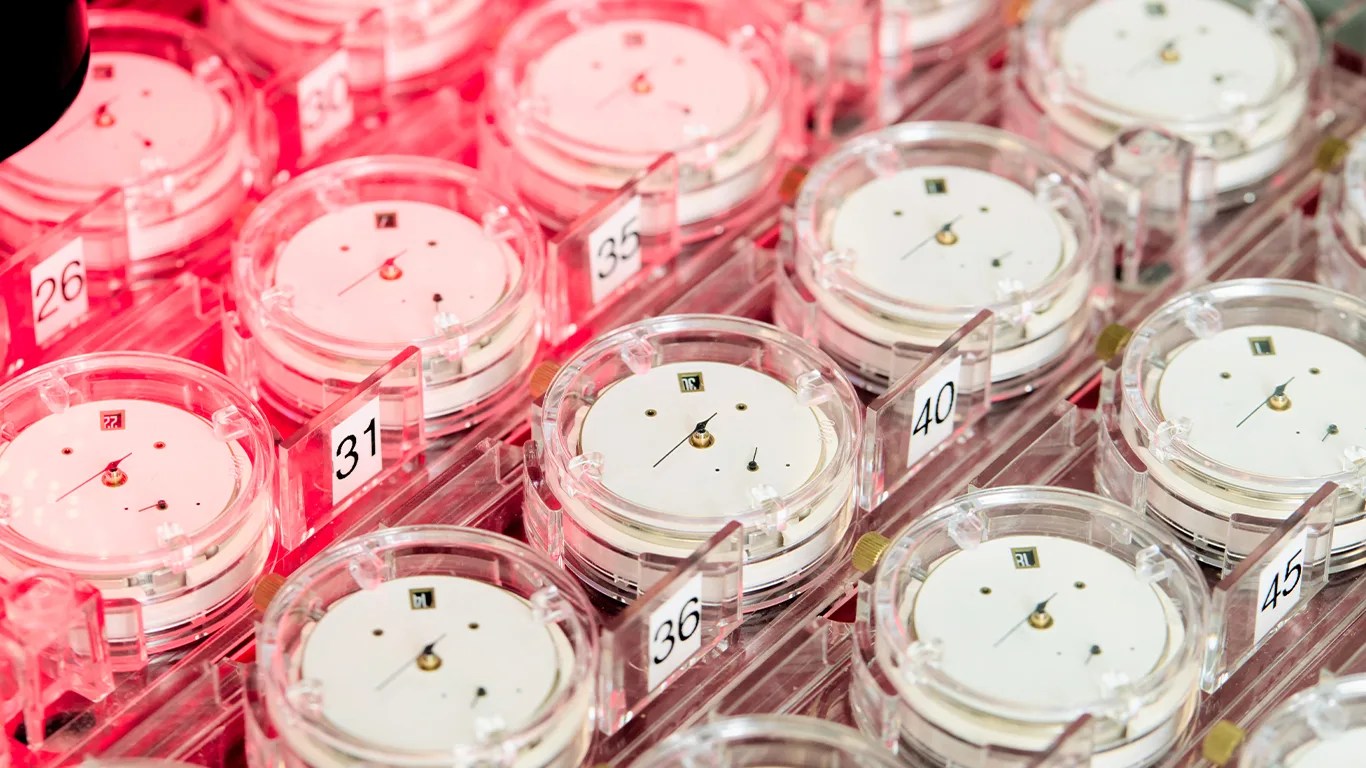
Multiple white watch movements with clear plastic cases arranged in numbered slots under red lighting.COSC

The word “chronometer” carries a lot of weight on the dial of a mechanical watch.

It’s a guarantee that the watch has been certified by a third party to meet certain rigorous accuracy standards, meaning your watch will keep time at least in accordance with the ISO 3159 standard of -4 to +6 seconds per day.

For most mechanical watches produced in Switzerland, chronometer certification is done by the Contrôle Officiel Suisse des Chronomètres, better known as COSC, which has been independently certifying watches as chronometers since 1973.

Now, COSC has announced a new, more rigorous chronometric standard, meaning the next Swiss watch you buy could be your most accurate yet.
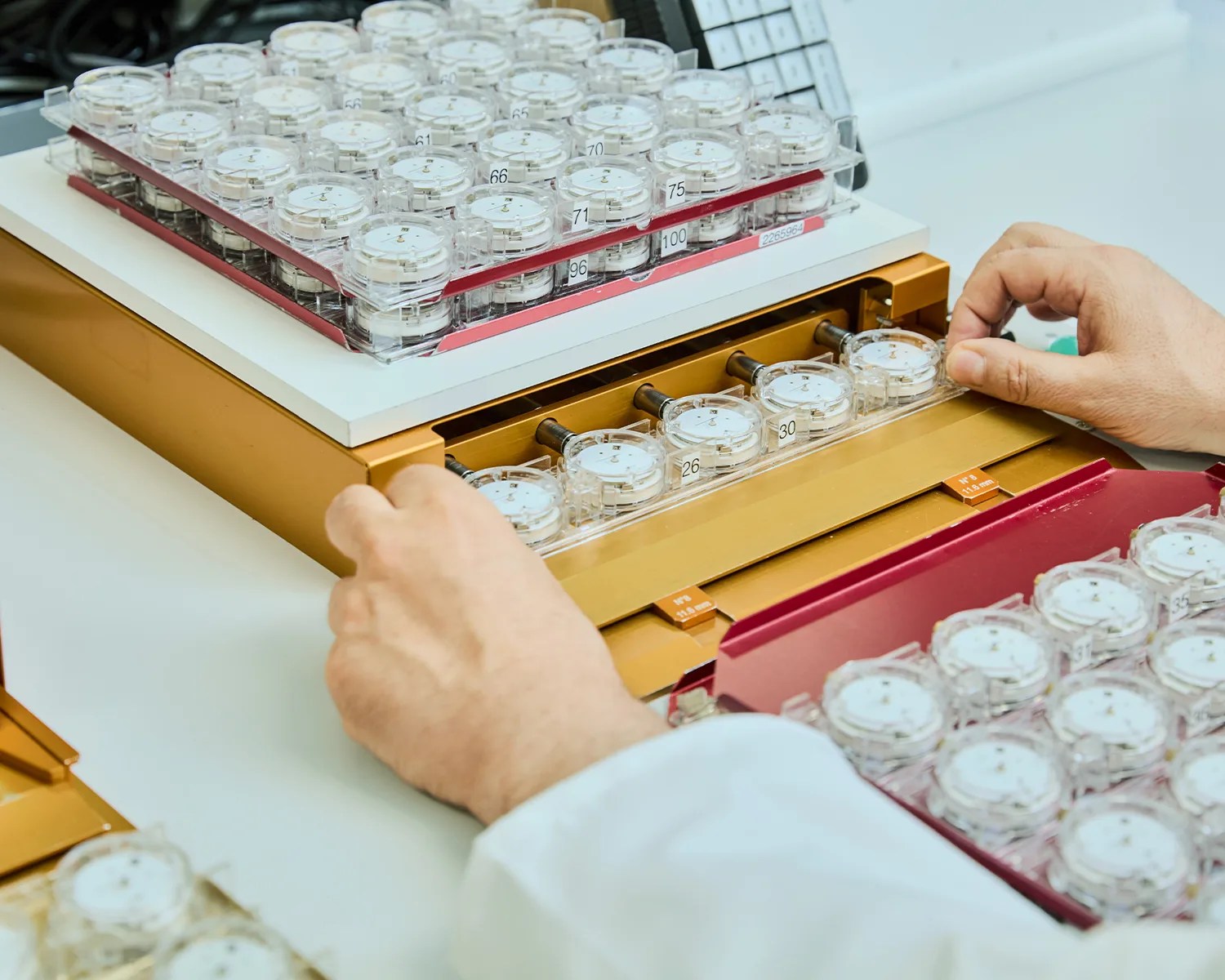
Hands adjusting clear plastic dials with numbered labels on a gold and white laboratory instrument.
The Excellence Chronometer standard will kick off a new era at COSC.
COSC

Most excellent

COSC is not replacing its classic “Certified Chronometer” standard, and the organization will still certify chronometers according to the traditional ISO 3159 standard. What it has done is introduce a new standard for brands that want to take their watches’ precision to the next level.

This appropriately named new “Excellence Chronometer” standard includes several upgrades.

For Excellence Chronometer certifications, the first 15 days of testing are the same as the usual Certified Chronometer testing, which is done on the movement outside of the case. The movements will then be cased by their manufacturers before undergoing an additional five days of testing.

These five days are where the new standards come into play. First, a specially designed robot will “wear” the watch, simulating “everyday wear” for 24 hours. The watch must also meet a more rigorous accuracy standard of –2 to +4 seconds per day, be able to withstand magnetic fields up to 200 Gauss, and its power reserve must last as long as the movement’s maker claims.

Man in a white lab coat examining small objects with a magnifying loupe in a bright room.
The Excellence Chronometer standard goes beyond the Certified Chronometer standard with five additional days of testing and stricter requirements.
COSC

A chronometric arms race

These changes are all welcome, but I think it’s worth noting that they didn’t happen in a vacuum. There has been a veritable chronometric arms race going on for a decade now, and COSC was at risk of falling behind.

It started with Rolex and its post-COSC, in-house Superlative Chronometer testing. The program has been around since the 1950s, but Rolex upped its game in 2015 by guaranteeing accuracy to within -2 to +2 seconds per day while also reinforcing the water resistance and power reserve claims.

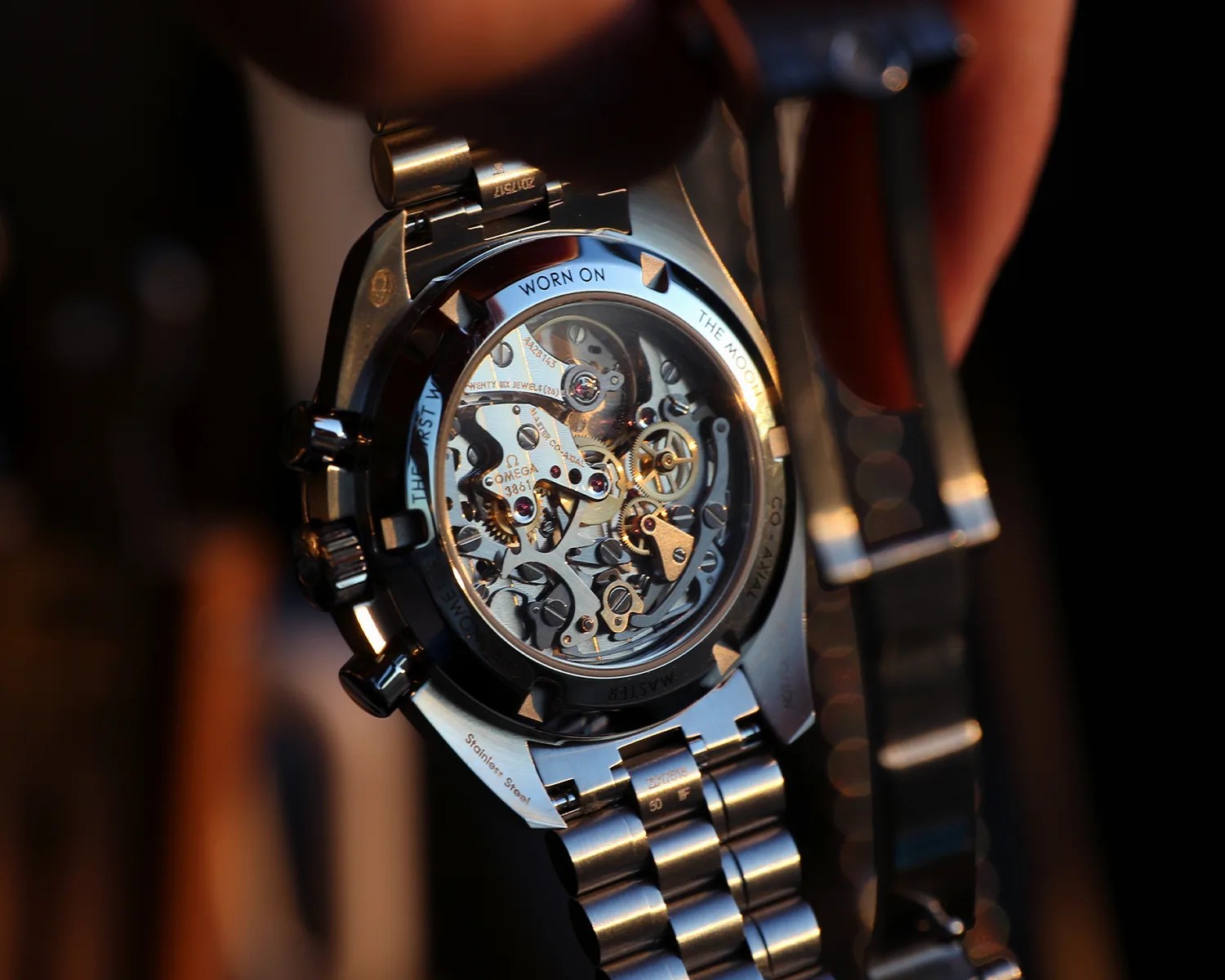
That same year, Rolex’s main rival, Omega, partnered with METAS, the Swiss Federal Institute of Metrology, to create the Master Chronometer certification. Master Chronometer certification takes place after COSC certification in a fully cased watch and guarantees accuracy to within 0 to +5 seconds per day, while also reinforcing water resistance and power reserve claims.

Close-up of the back of a stainless steel Omega wristwatch showing its intricate mechanical movement.
Omega has rolled out its Master Chronometer movements across nearly its entire line, including the Speedmaster Professional Moonwatch.
Photo by Johnny Brayson for Gear Patrol

Most notably, Master Chronometers must be resistant to an insane 15,000 Gauss magnetic field — the amount put out by some MRI machines. This is by far the highest standard in the industry, and essentially makes Master Chronometers impervious to magnetism.

Seemingly done as a swipe at Omega, Rolex’s sister brand, Tudor, then began enlisting METAS for its own Master Chronometers in 2021. Then, it was Omega’s turn again to strike, and the brand did so in 2024 by announcing a new, independently operating chronometer-testing body called the Laboratoire de Précision.

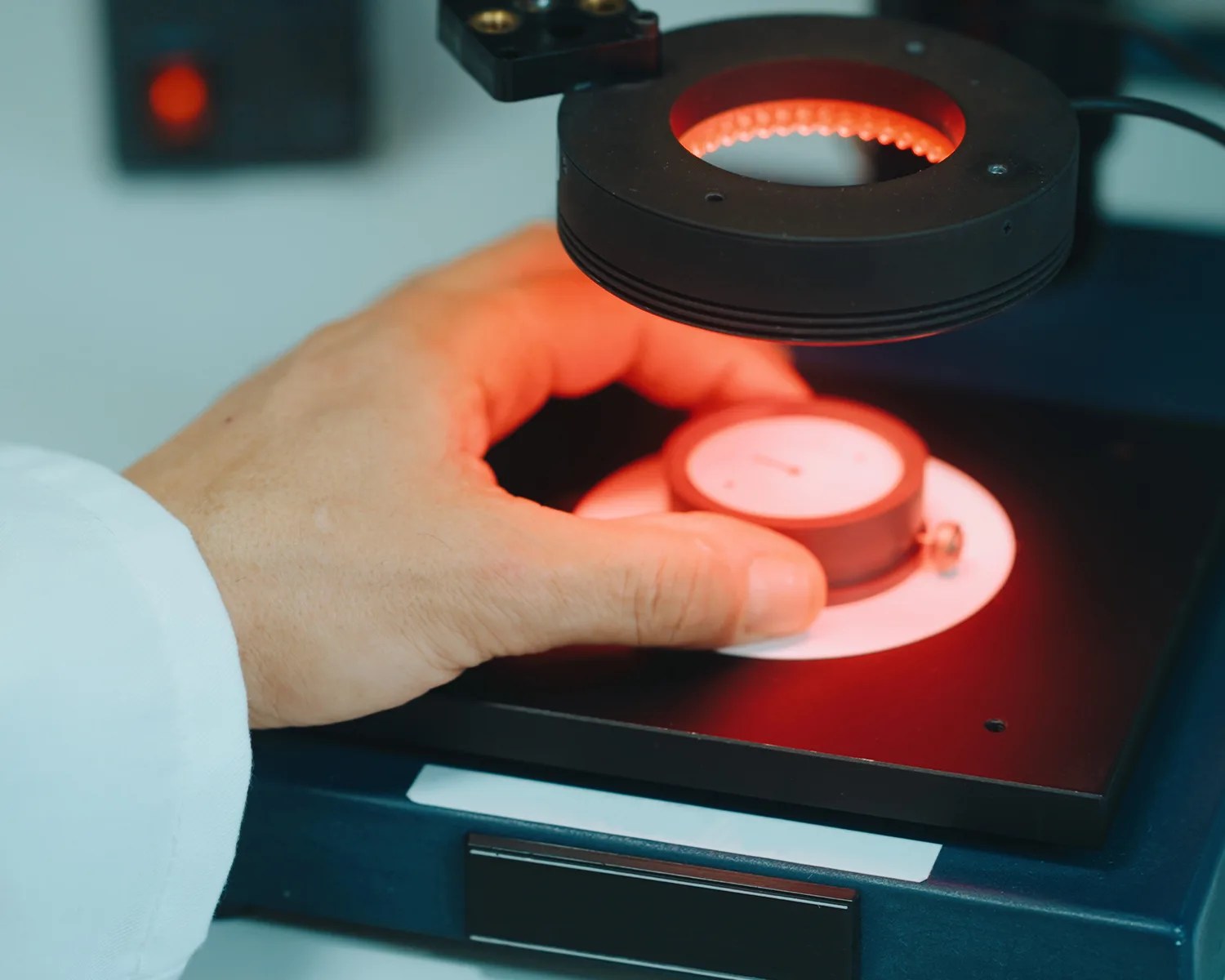
Created by Omega as a rival to COSC — any brand is welcome to use the Laboratoire de Précision — the new institution will follow the classic ISO 3159 standard but will do so by testing continuously over the classic 15-day period rather than COSC’s method of testing once every 24 hours.

Hand adjusting a round gauge under a circular red light on a black and blue device.
For COSC, the decision to create a more elevated standard may have been necessary for its survival with the impending arrival of Omega’s Laboratoire de Précision.
COSC

Laboratoire de Précision is able to do this thanks to new Omega-designed instruments — likely a byproduct of the insane tech the brand develops for timing the Olympics — that are capable of gathering movement data that’s ten times more accurate than current measuring methods.

This is all very exciting stuff (or very boring, depending on at which point you dozed off while reading the above), and it suggests that despite the fact that the technology powering mechanical watches is centuries old, the powers that be are still heavily investing in new ways to make it better.

COSC is set to begin pilot testing for Excellence Chronometers in March, with a global reveal of the standard planned for Watches and Wonders in Geneva in April. Finally, in October, brands will be able to submit their watches for the new elevated testing.

Want to stay up to date on the latest product news and releases? Add Gear Patrol as a preferred source to ensure our independent journalism makes it to the top of your Google search results.

add as a preferred source on google
, ,