

Zenith is mostly known for its El Primero chronograph movement. Debuting in 1969, the El Primero was arguably the first automatic chronograph to market, though that claim is disputed by other brands that launched their own automatic chronographs the same year.
At the very least, the El Primero was the first automatic integrated high-beat chronograph, and there’s little doubt it’s left more of an impression on the industry than its 1969 rivals.
But there’s more to Zenith than the El Primero. The brand’s original Defy, with its 14-sided bezel, was among the first luxury sports watches in 1969, beating the Audemars Piguet Royal Oak to market by three years (’69 was a big year for Zenith). It’s the only brand legally allowed to use the word “Pilot” on a watch dial. And, when it feels like it, Zenith can crank out horological innovation with the best of ’em.
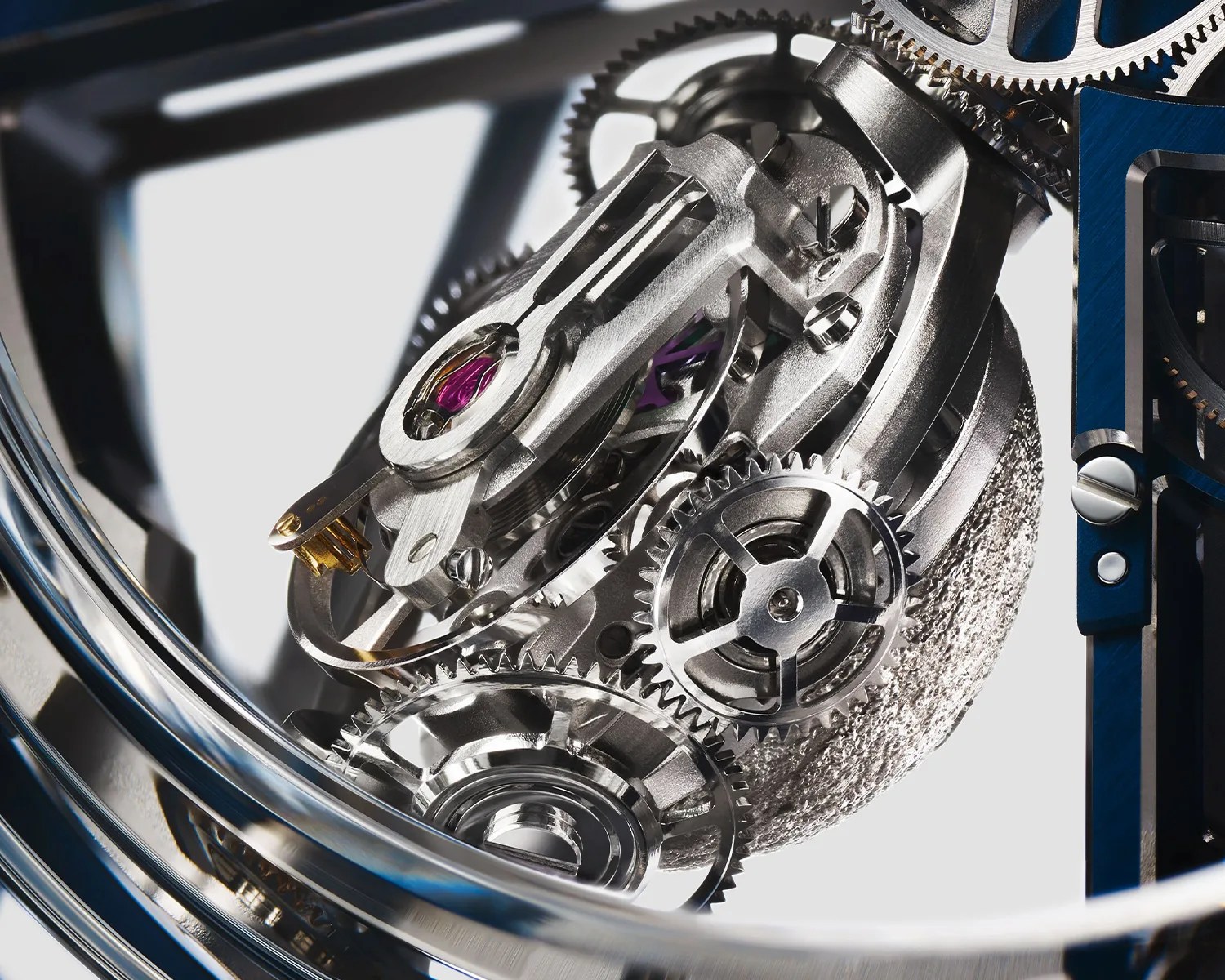
Perhaps the brand’s most impressive modern invention is its Gravity Control mechanism, which finds its way into a new model today that just may rank as Zenith’s most ambitious and impressive watch ever.
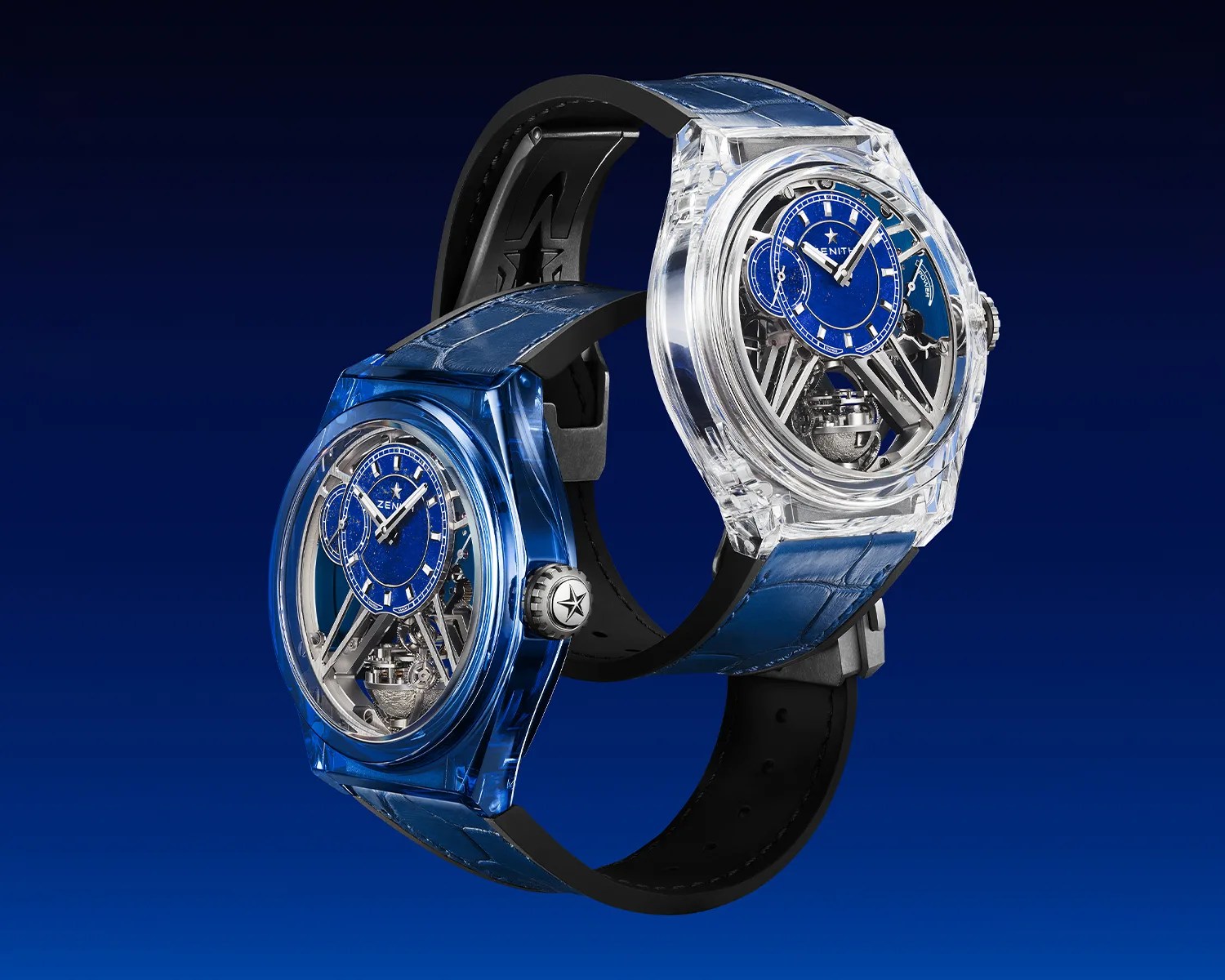
Nuthin’ but a Zero G thang
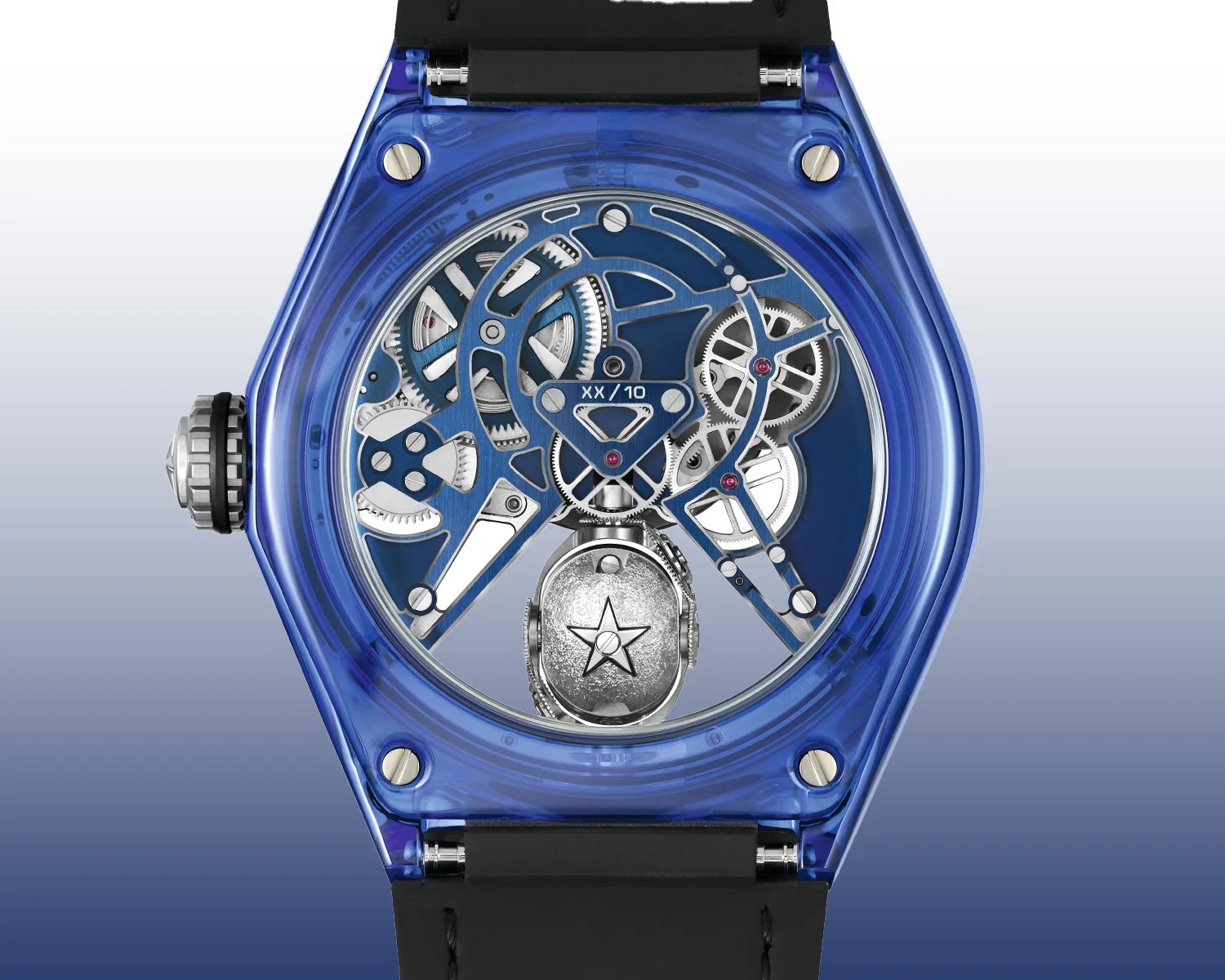
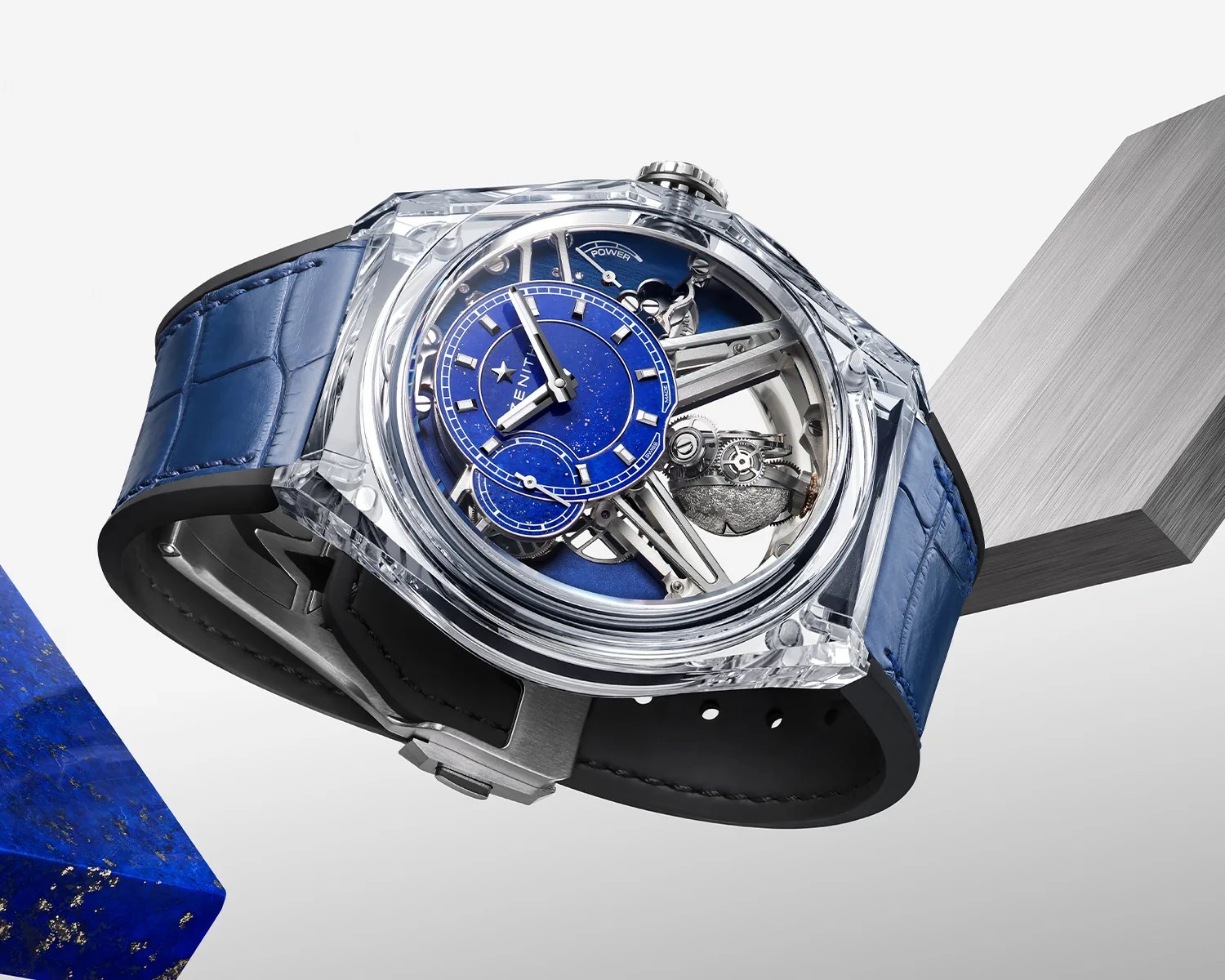
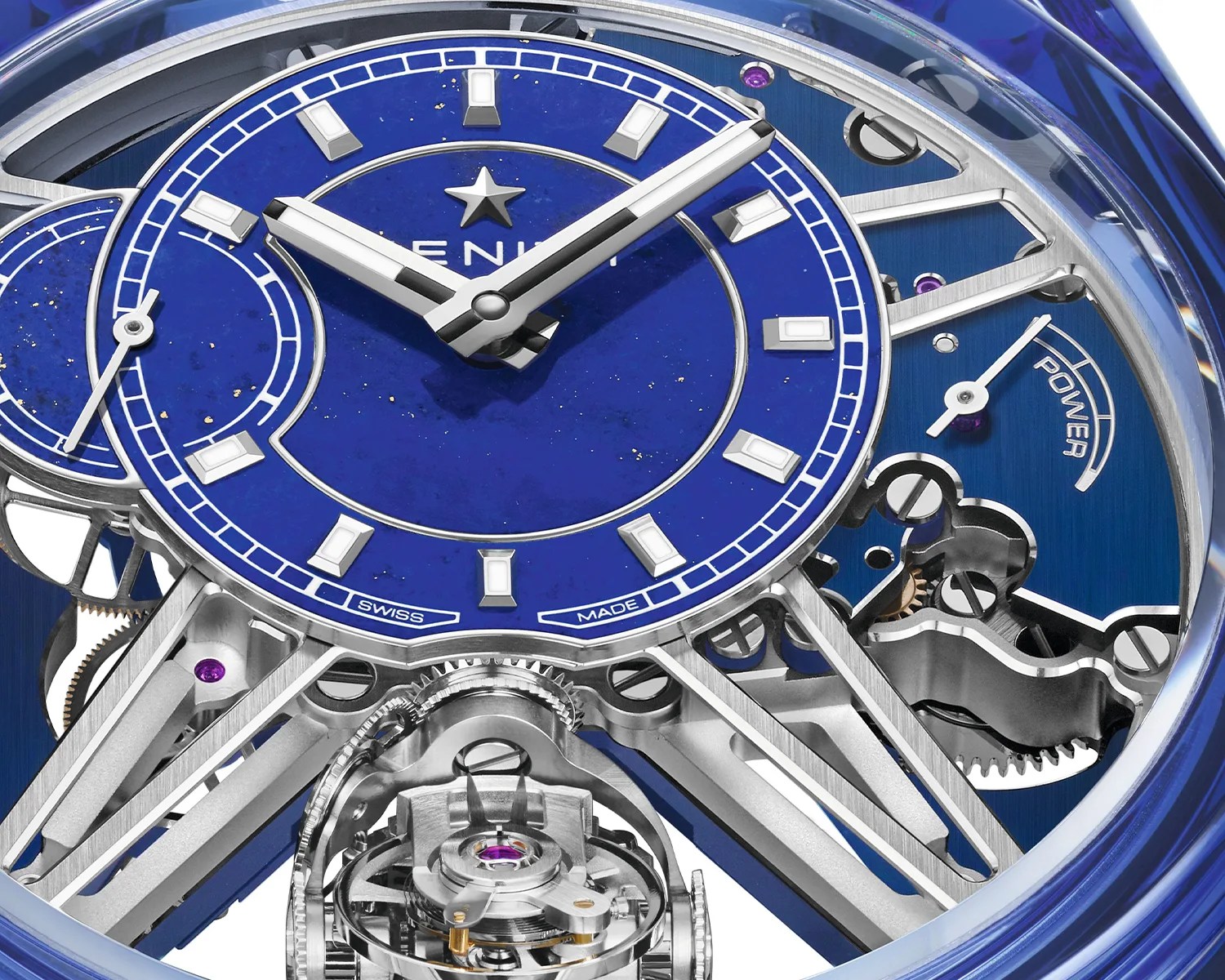
The new Zenith Defy Zero G Sapphire combines two very impressive elements: Zenith’s exclusive Zero G Gravity Control system and a nearly scratchproof sapphire case.
The former can basically be viewed as Zenith’s new-and-improved answer to a tourbillon. The tourbillon, which was invented at the dawn of the 19th century by Abraham-Louis Breguet, is a constantly rotating cage that surrounds the escapement and balance wheel of a mechanical movement, theoretically negating the effect of gravity on a watch.