

Last week, the coffee equipment world got a jolt that had nothing to do with caffeine. An iconic name and family business in American commercial coffee making — a brand whose machines have brewed more pots of coffee than most of us could count — was acquired by a global foodservice equipment conglomerate.
The terms of the deal were not disclosed, and for now, details remain sparse. But while the business implications remain unclear, the moment itself deserves pause. It marks the end of a long, unlikely, and deeply American story — one that helped define how this country drinks its coffee.
Welcome to Power Moves: Diving deep into the product and brand moves that can change where a category is headed. Discover more here.
America’s ubiquitous brewer
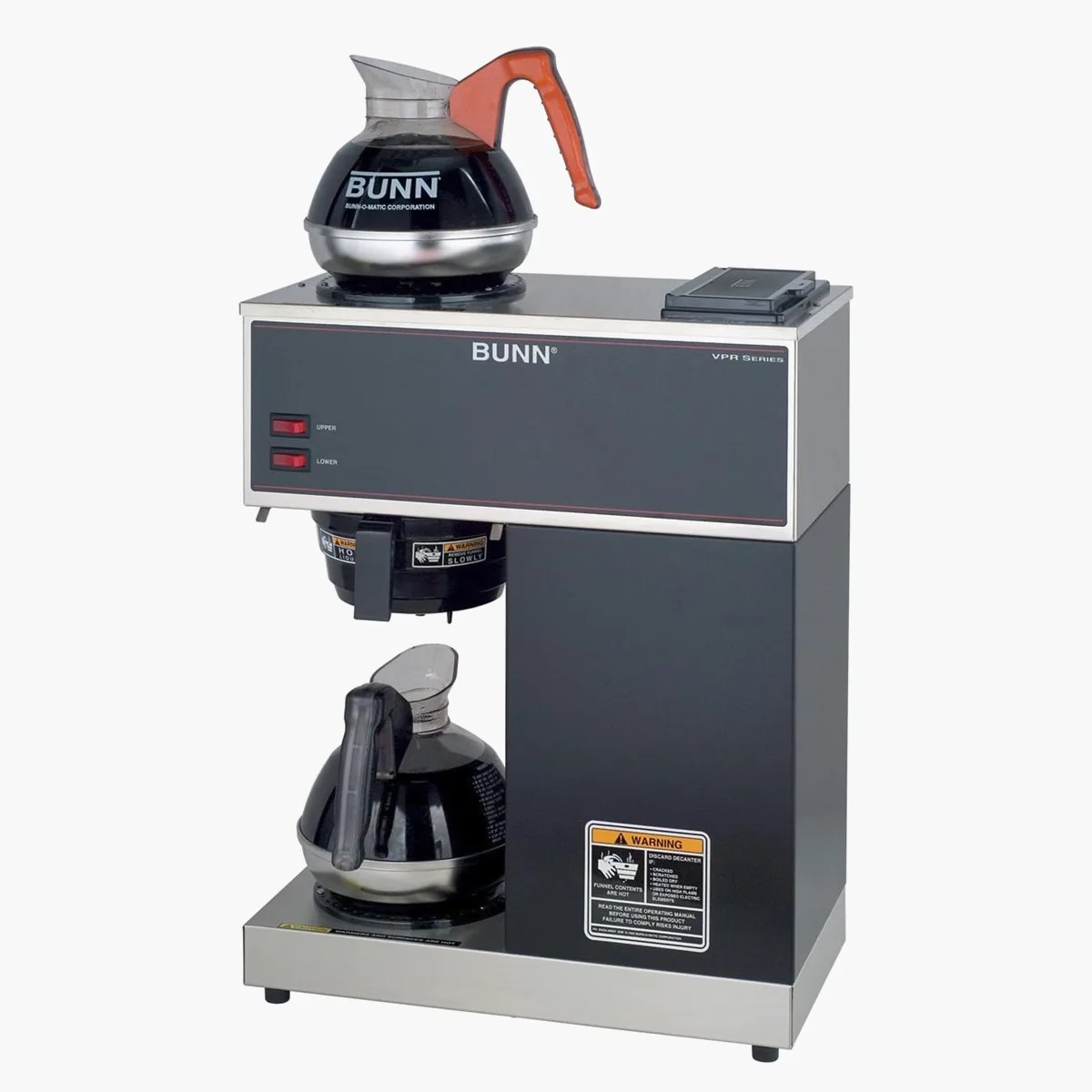
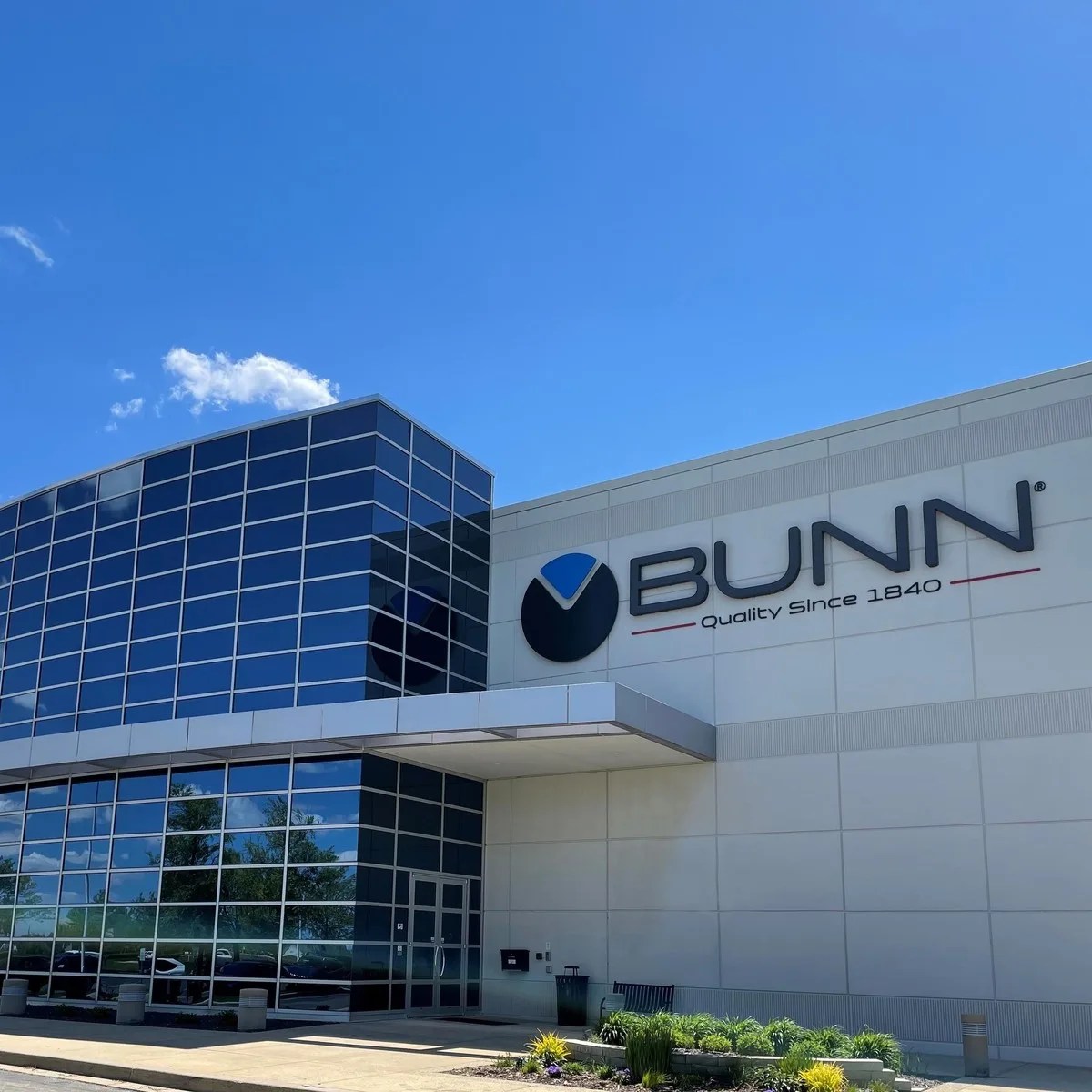
BUNN — formally Bunn-O-Matic Corporation — didn’t start as a coffee company. It traces its roots back to 1840, when Jacob Bunn opened a grocery store in Springfield, Illinois, with a young Abraham Lincoln among its regular customers.
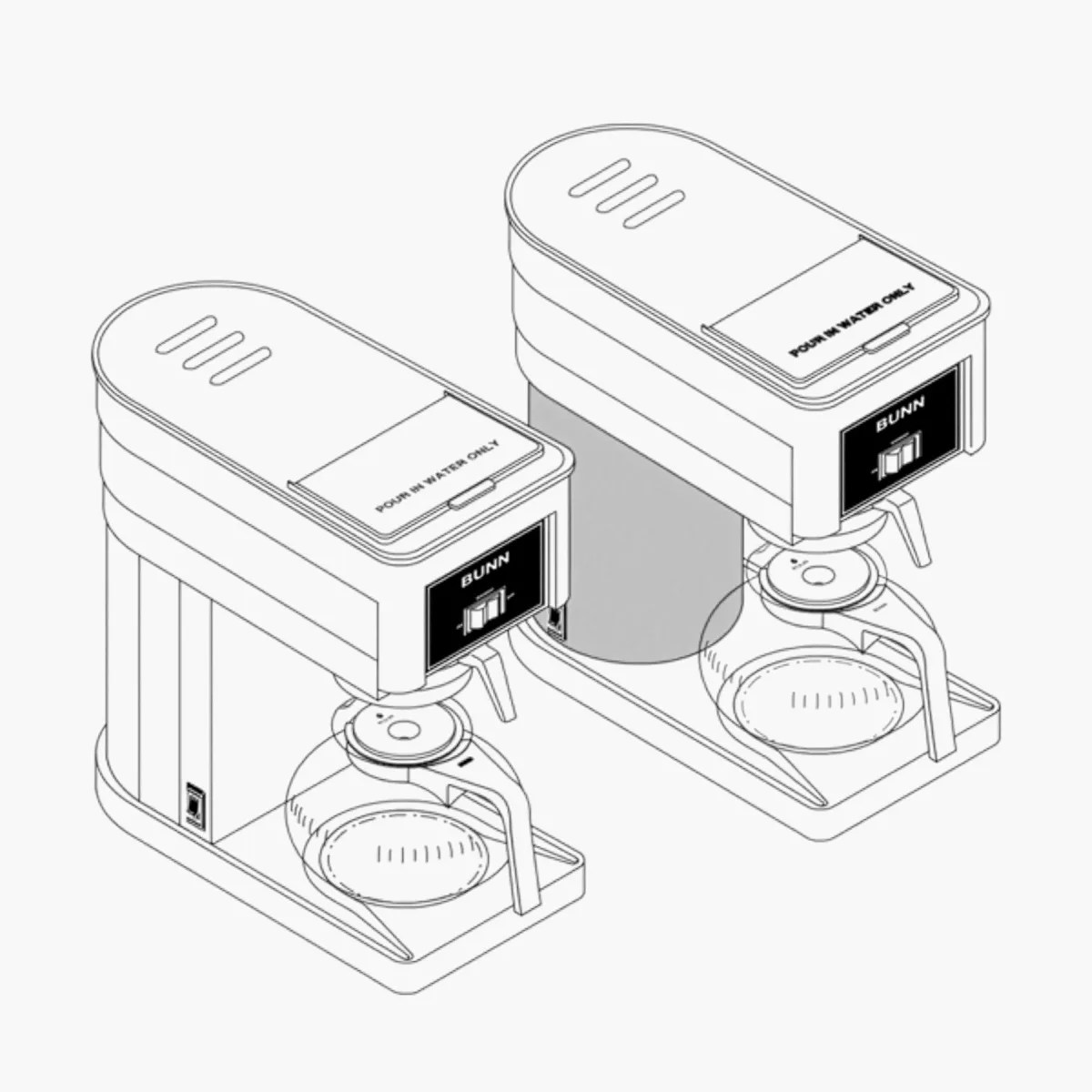
Over a century later, in 1957, George R. Bunn pivoted the family’s business into the beverage equipment space, developing a flat-bottom paper coffee filter and early gravity-drip commercial brewing systems.
The company introduced its first automatic drip coffee maker in 1963 and, by 1972, had expanded into the home market — a trajectory that made it a fixture in diners, offices, convenience stores, and kitchens across America for the better part of the next half century.
The company introduced its first automatic drip coffee maker in 1963 and, by 1972, had expanded into the home market — a trajectory that made it a fixture in diners, offices, convenience stores, and kitchens across America for the better part of the next half century.
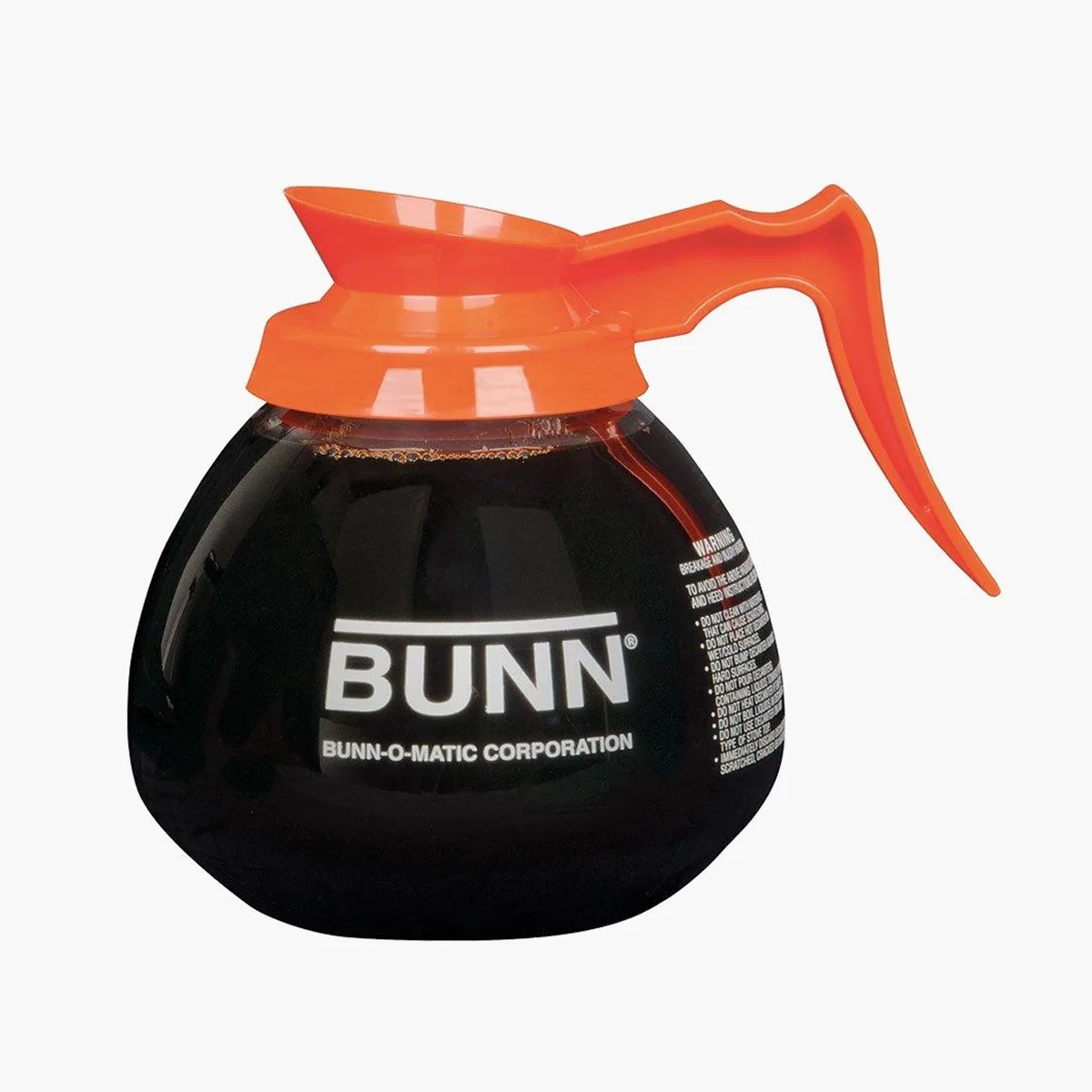
BUNN’s machines were never the darlings of craft coffee culture — they were its opposite. Bomb-proof, no-nonsense brewers that powered diners, hospital waiting rooms and office break rooms long before anyone was debating single origins or third waves.