
Driving Enthusiasts Absolutely Should Not Overlook This New Performance All-Season Tire

Four seasons, over 1,500 miles of travel, one seriously value-packed Michelin Pilot Sport A/S alternative.

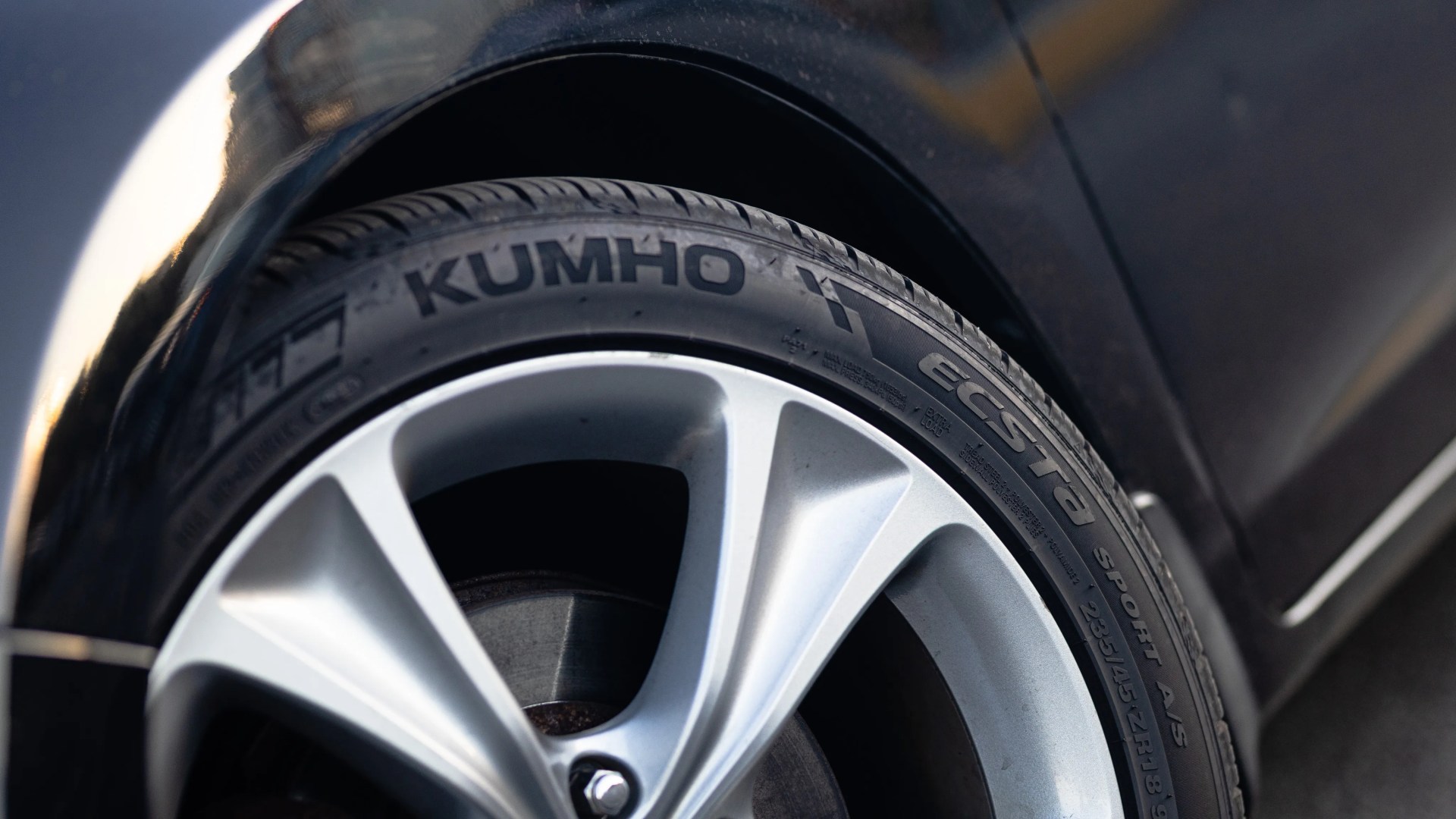
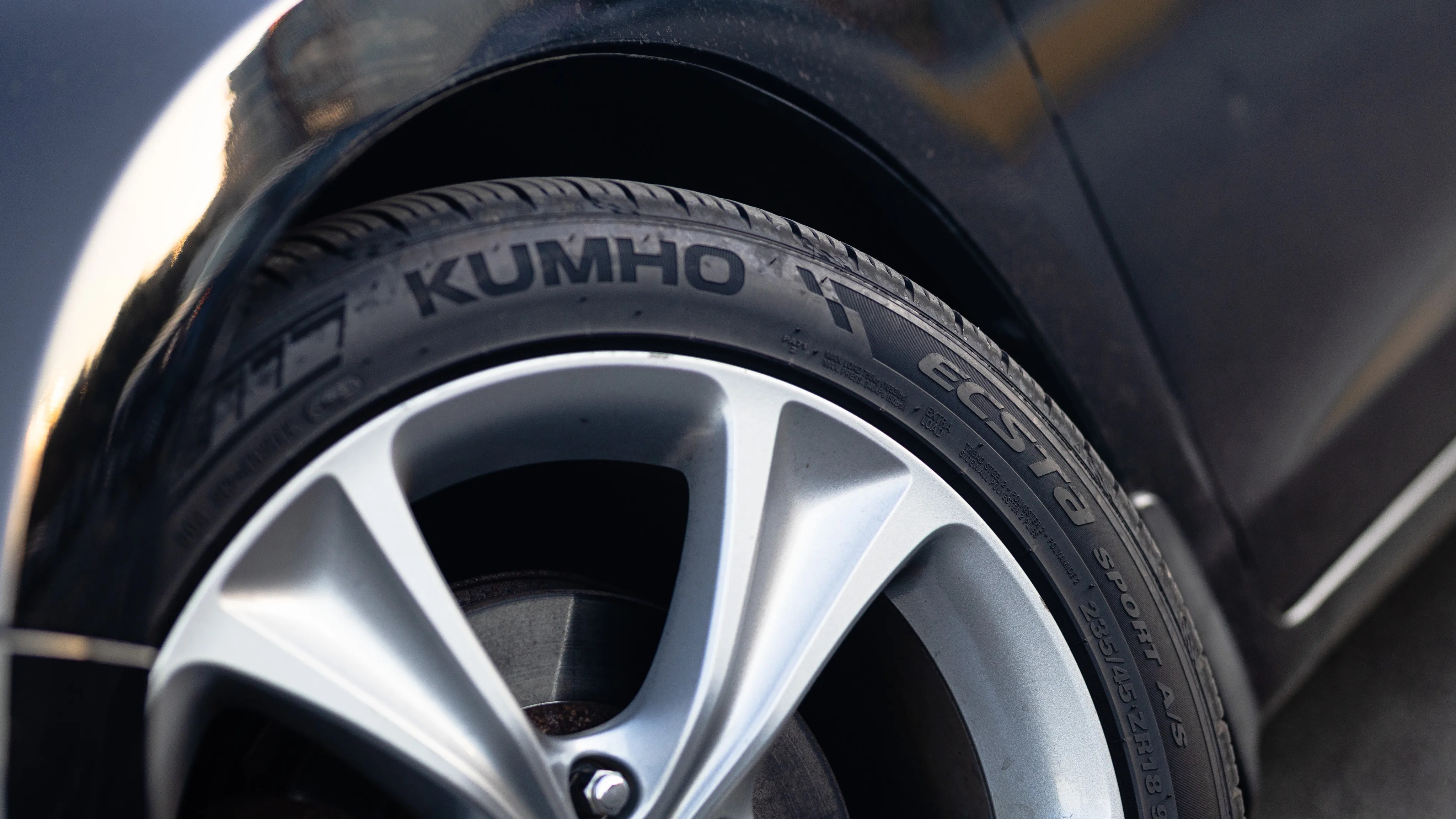
Close-up of a Kumho Ecsta Sport A/S tire mounted on a silver alloy wheel of a black vehicle.Chris Chin

If you buy from a link, we may earn a commission. Learn more

I will openly admit, I’ve been a staunch Michelin Pilot Sport All-Seasons fan for over a decade. I’ve put them on nearly every car I’ve owned and that’s because they’re an absolute gold standard. But their biggest drawback was their premium price.

Over the years, other manufacturers started developing their own rivals, and Kumho is one of them. They reached out to me to evaluate their latest addition to the fold, the Ecsta Sport A/S performance all-season.

So, I took delivery of a new set, slapped them on my 2011 Honda Accord V6 Manual Coupe with its stock 18-inch wheels, in 235/45R18 size, and hit the pavement to see what’s what.

No longer a jack-of-all-trades-master-of-none issue
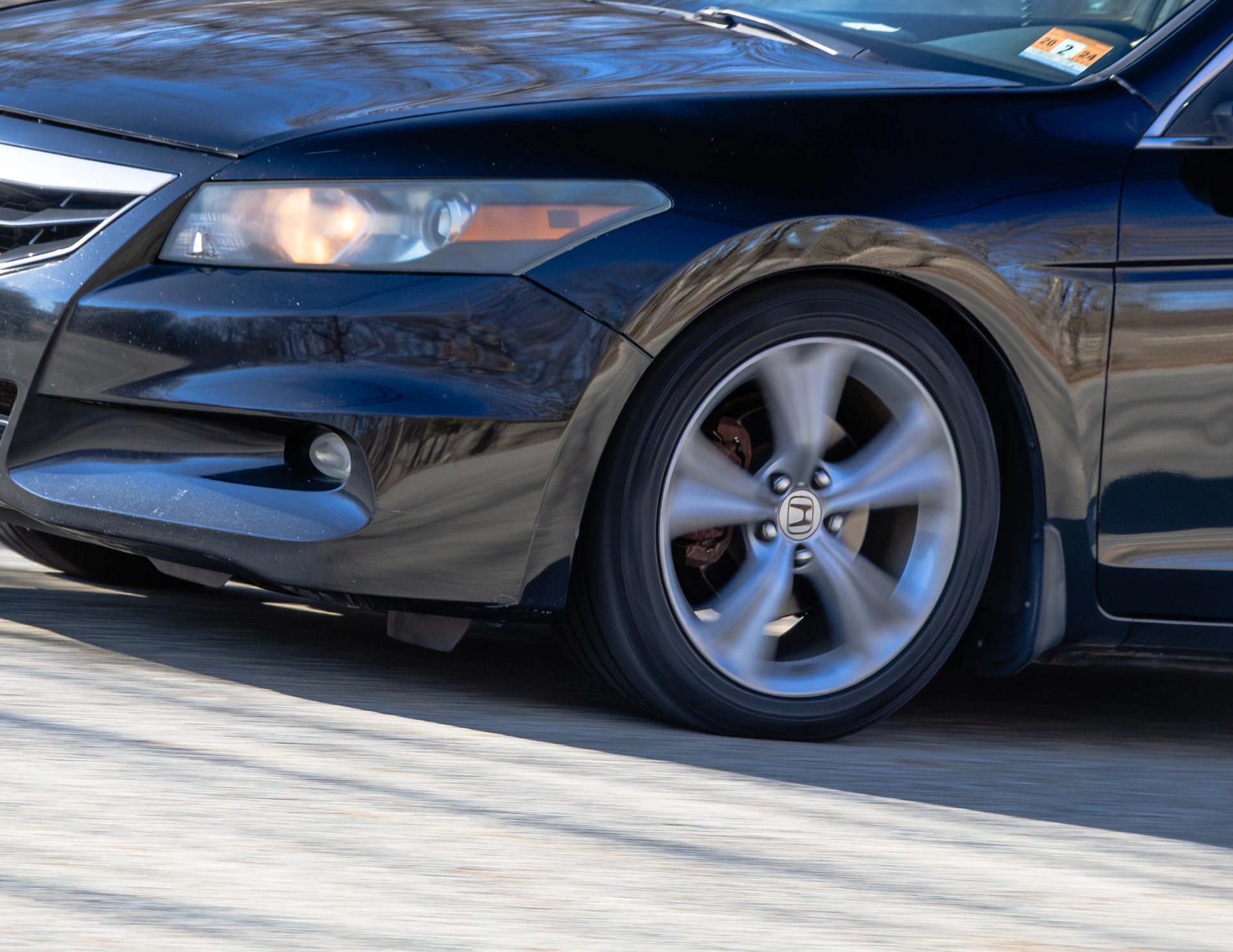
Close-up of a black Honda car front left side with spinning alloy wheel and headlight on.
Kumho’s Ecsta Sport A/S is a real and compelling ultra-high-performance all-season tire.
Chris Chin

There are many reasons why I’ve become a huge Pilot Sport guy. There are very few tires out there that perform so well in almost all seasonal conditions … specifically for those who like to drive fast and spiritedly. That previously wasn’t the case for this whole category.

All-season tires were once the bastard children of the tire world. Many criticized them for being a jack of all trades, but a master of none. That’s because tires used to be designed and engineered for specific purposes and applications, much like the shoes on your feet.
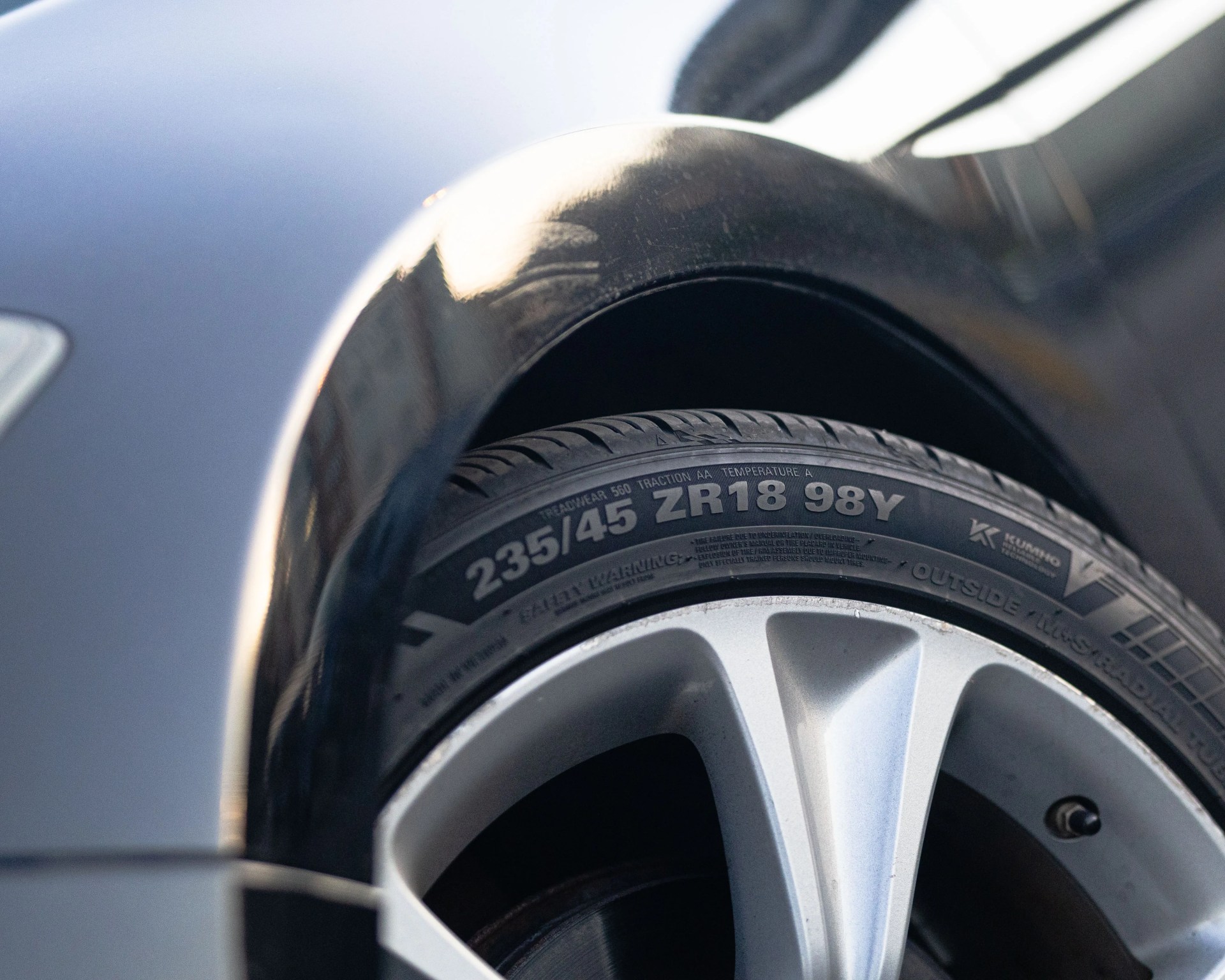
Close-up of a car tire with visible tread pattern and silver alloy wheel rim.
With its 98Y speed rating, the Ecsta Sport A/S is rated at speeds of up to 186 mph.
Chris Chin

You wouldn’t go hiking in Bedrock flip flips. Let alone, you wouldn’t try to work a construction site in a set of Hoka running shoes and expect them to hold up while also committing to a massive triathlon the following weekend.

While most shoes can be put to work in almost all conditions, they very quickly show their compromises when used outside of their elements. Which is why the normal tactic would be to get a set of shoes meant for specific uses. The same principles apply to tires.

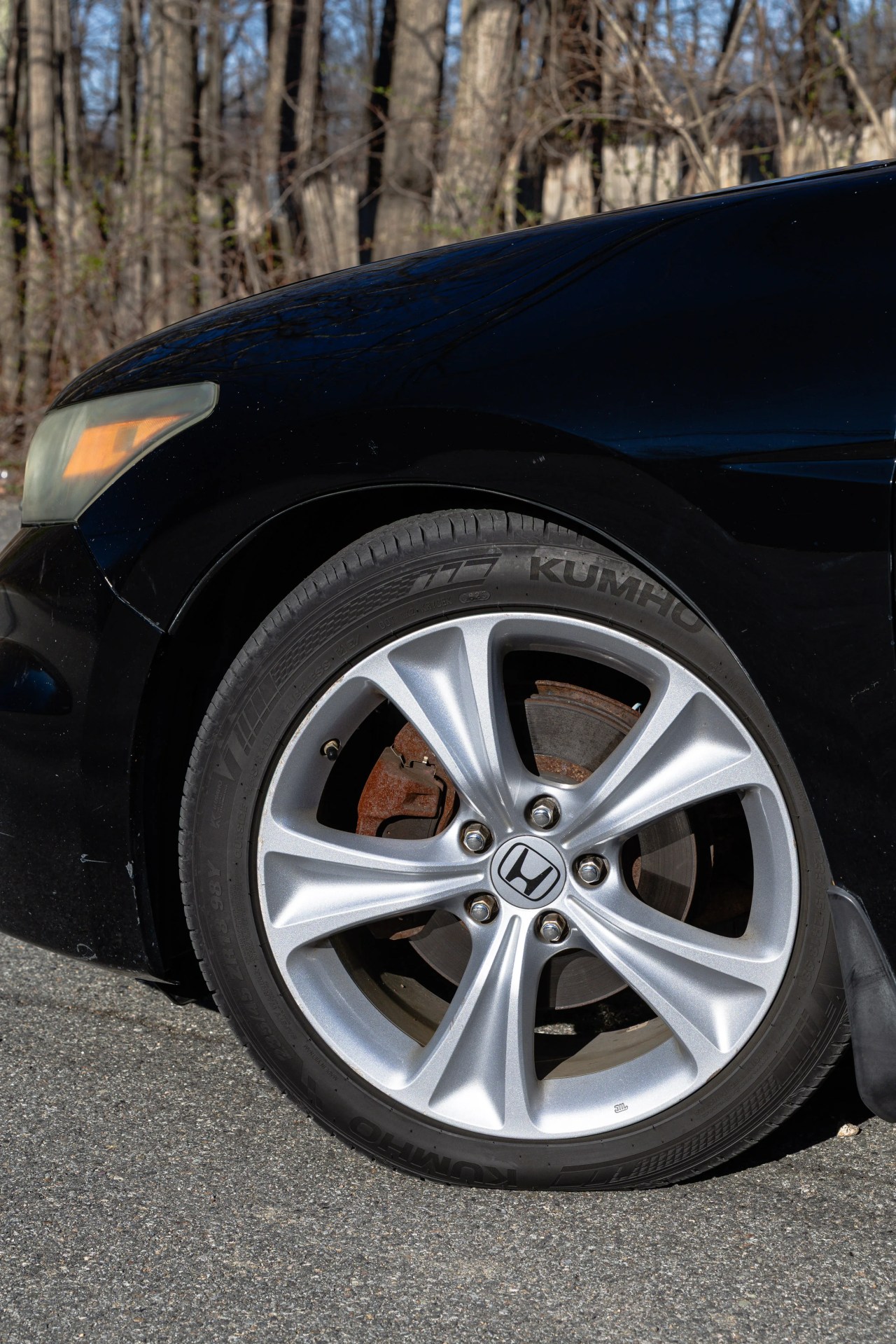
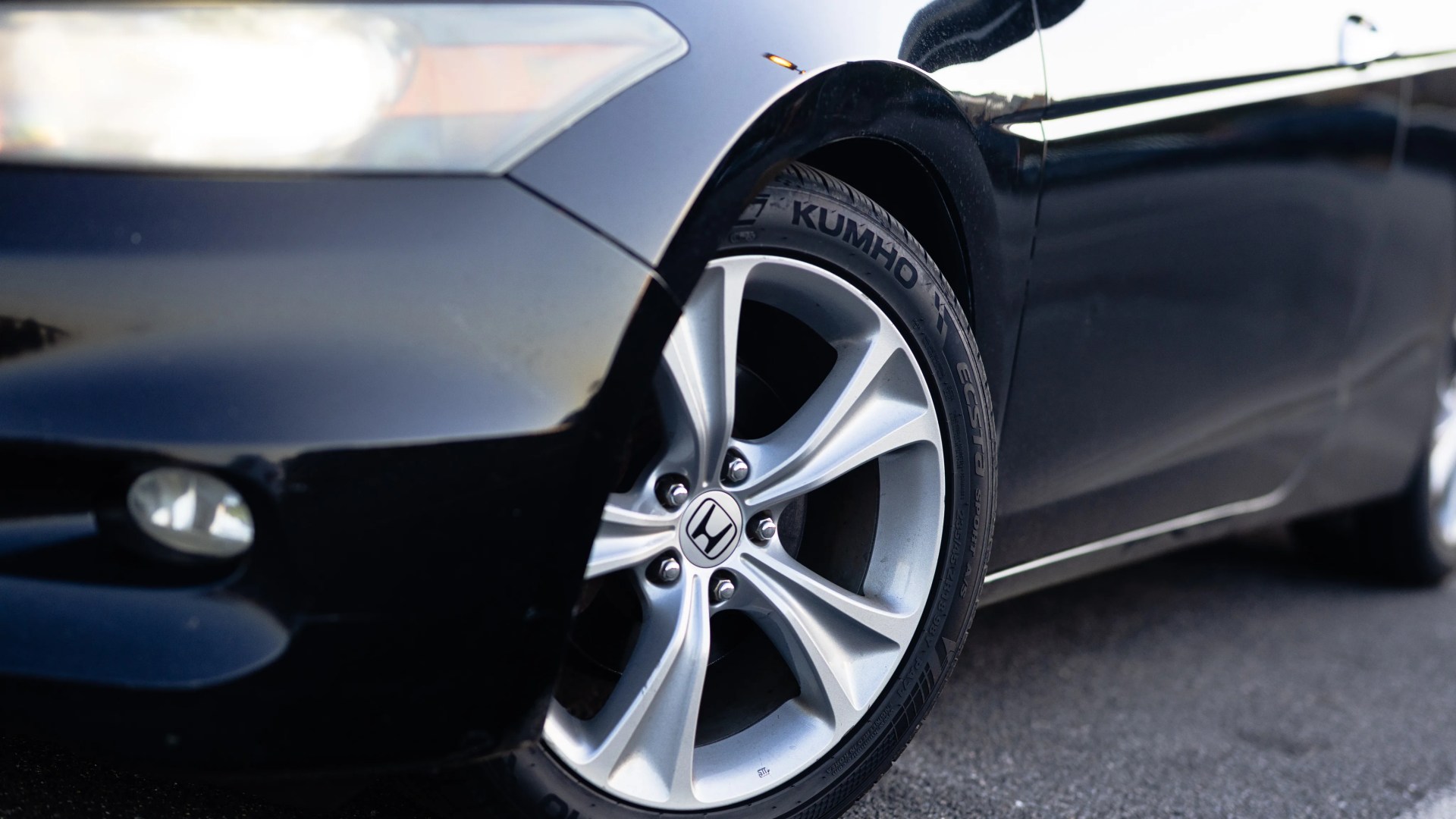
Close-up of a silver Honda alloy wheel with Kumho tire on a black car.
The Ecsta Sport A/S breathed new life into my Accord V6 Manual Coupe.
Chris Chin

If you were a fan of driving fast and vigorously, you’d typically get a set of high-performance summer tires.

The biggest compromise of summer performance tires, however, is that they become absolutely useless below 50 degrees. Especially if precipitation is involved (if anyone’s ever experienced this, talk about white-knuckle driving).

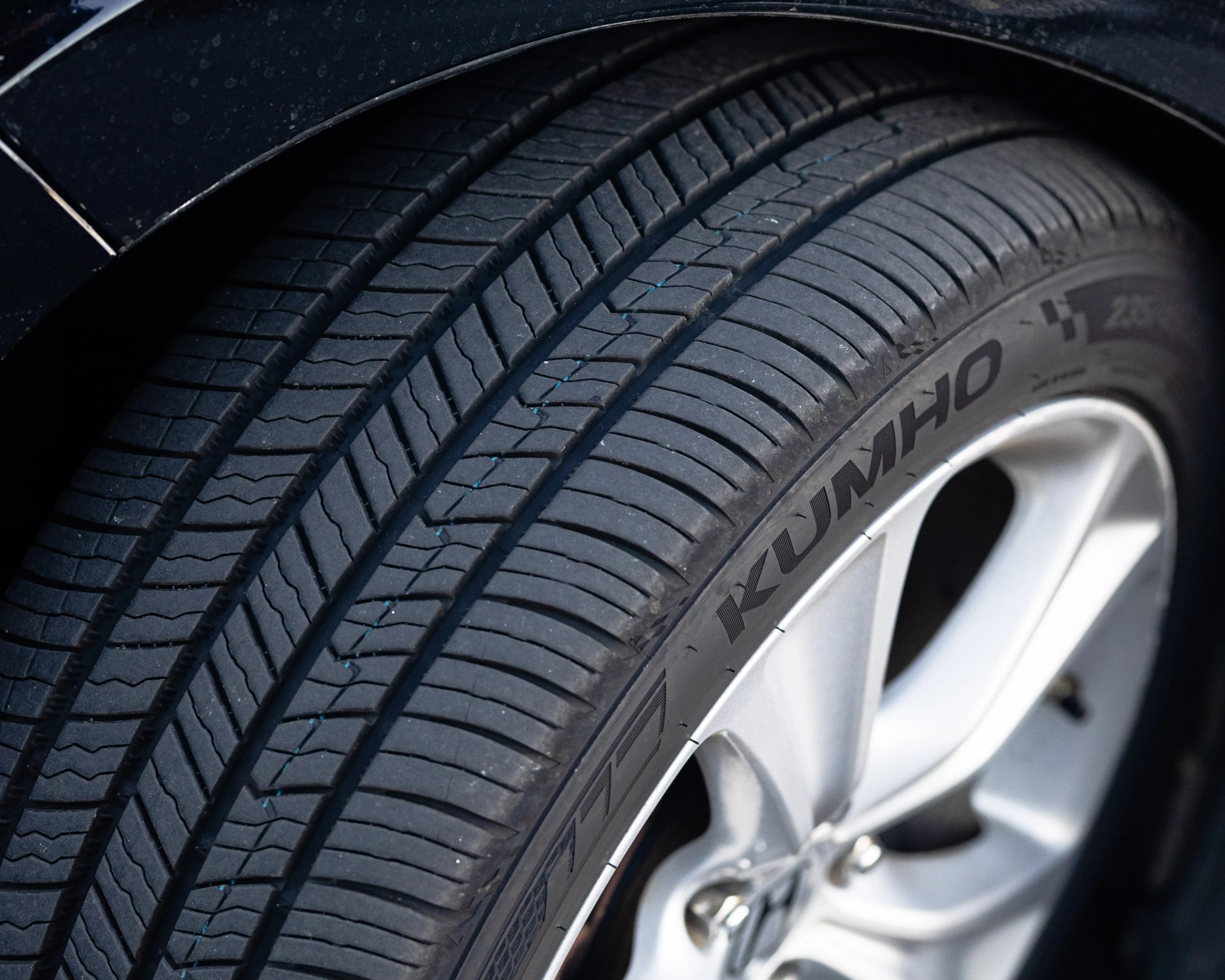
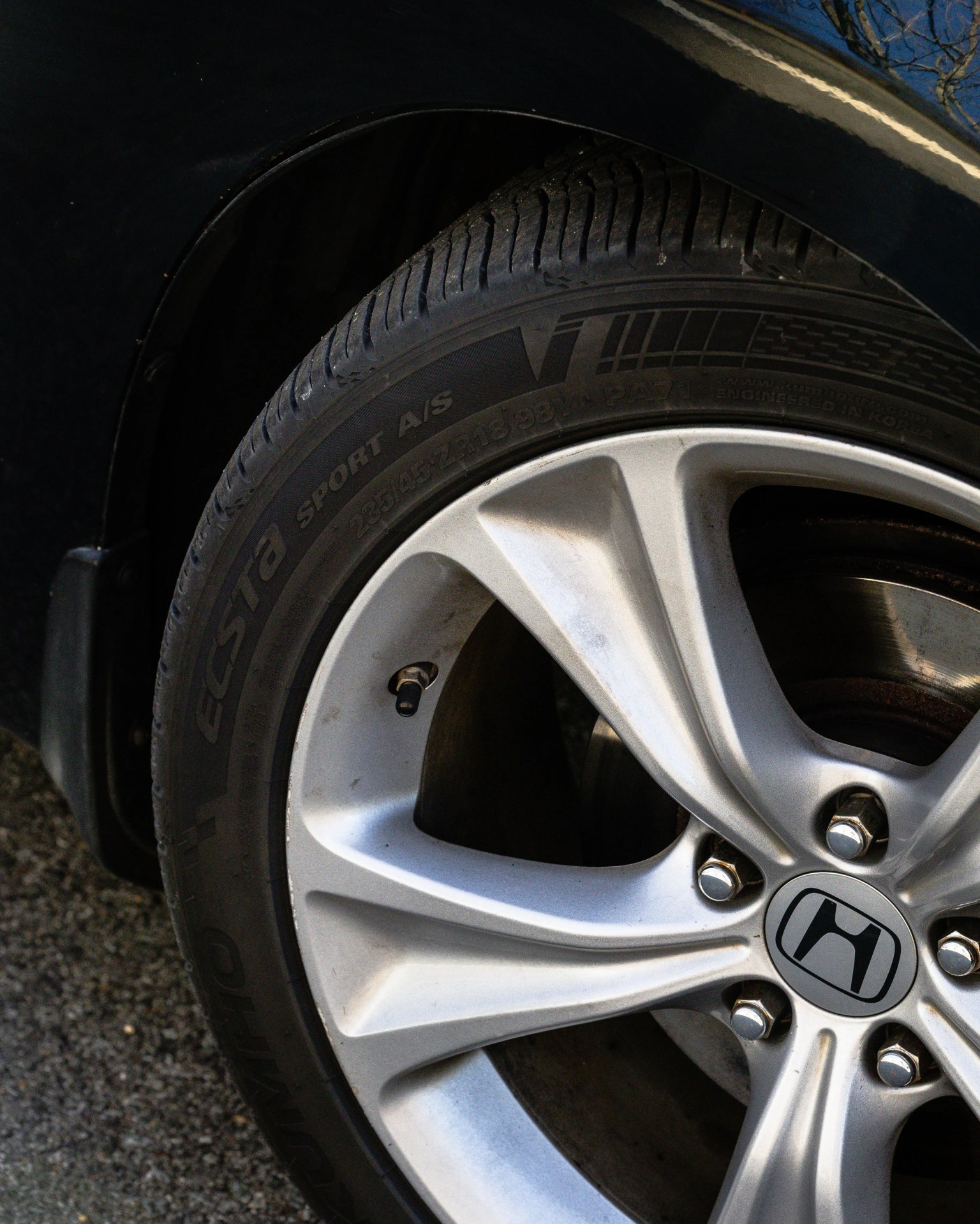
Close-up of a black Kumho tire with detailed tread pattern mounted on a silver alloy wheel.
The tread pattern doesn’t appear to be anything special, but its all-weather performance most certainly delivers.
Chris Chin

The situation was the same on the opposite side of the spectrum, with winter-biased tires. Their softer rubber compound and aggressive tire tread pattern help them cut through deep snow and ice.

But try to use them in warmer months, and you’d seriously compromise fuel economy and handling response.

Proof that all-season tires can be a one-tire-for-all solution

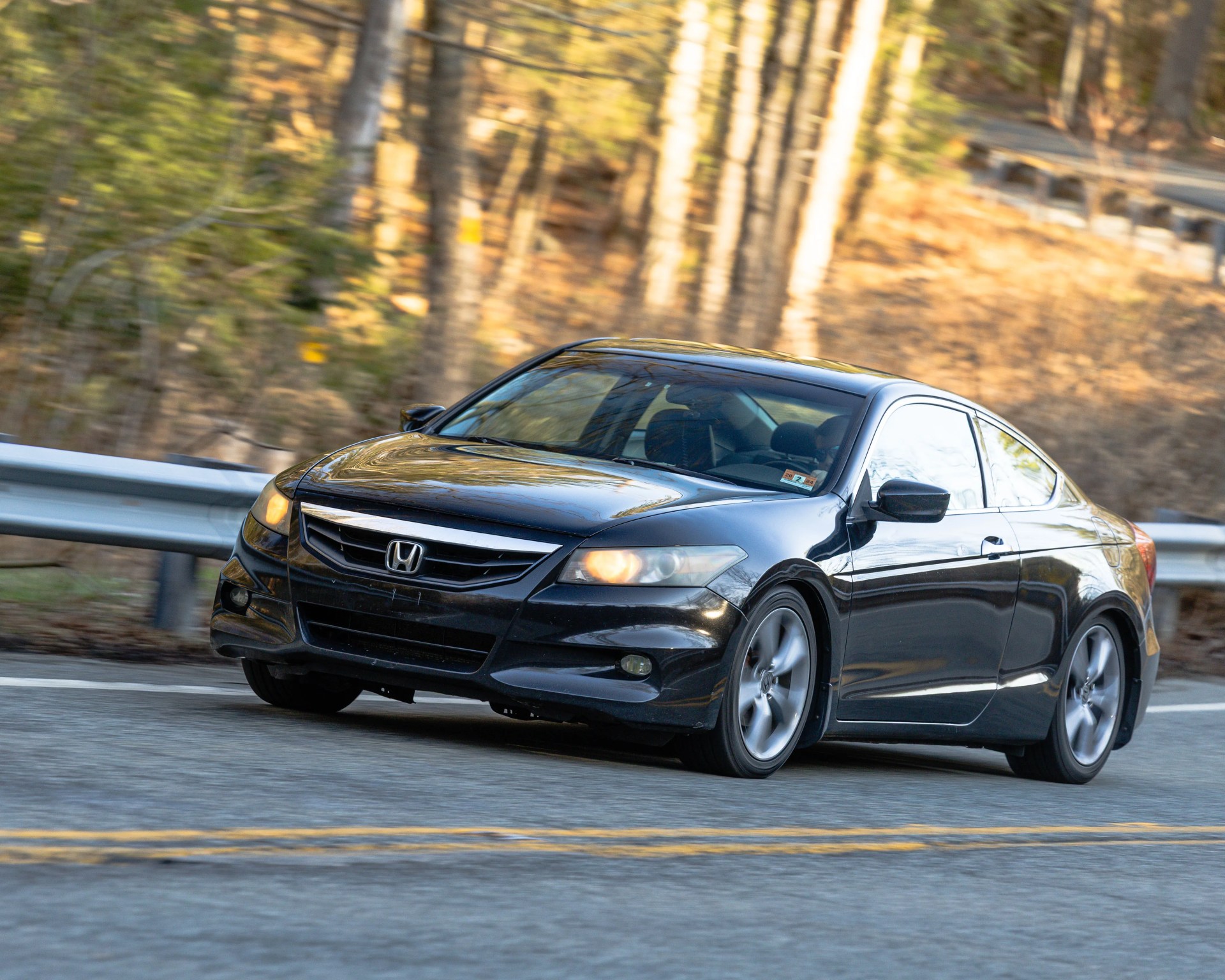
Black Honda coupe driving on a road with blurred trees in the background.
Hard cornering was a blast on the Ecsta Sport A/S.
Chris Chin

That’s where all-season tires came into play. To avoid burdening consumers in varying climates with the need to juggle multiple sets of tires and wheel combinations, manufacturers created the all-season tire as a one-for-all solution. They even became the norm for most factory applications.

But any seasoned car enthusiast or knowledgeable tire guru would immediately say, all-season tires are a joke. That’s because, while they did perform adequately in average conditions, they often showed their weaknesses in extreme conditions, rendering them mediocre at best.

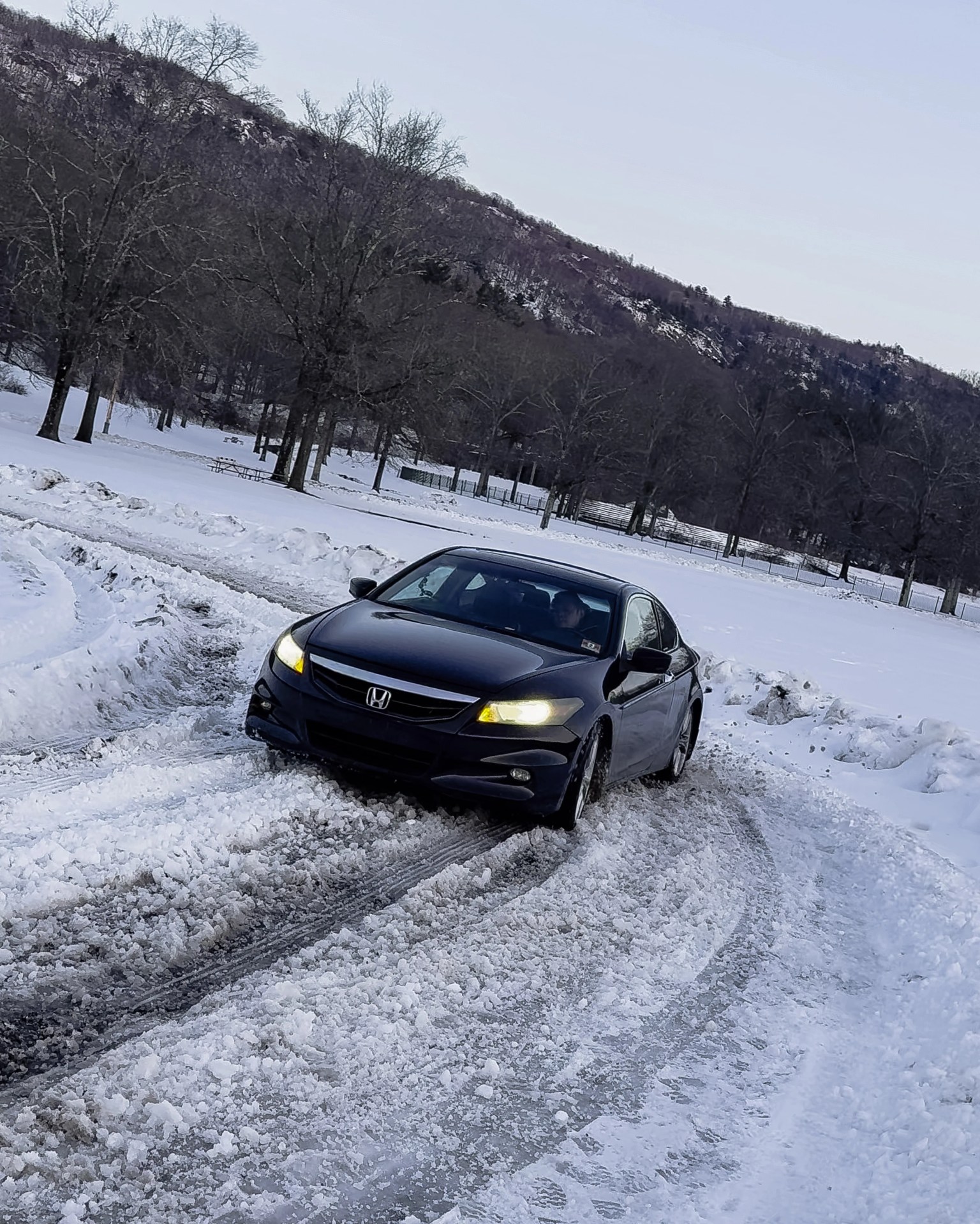
Black Honda sedan with headlights on driving on a snow-covered road near leafless trees and hills.
The Ecsta A/S’s performance in the snow was the most impressive aspect.
Chris Chin

Not any more. Because tire technology has evolved exponentially, companies rolled out more flexible alternatives, such as performance all-season tires, which are basically all-seasons engineered for speedier drivers and higher-performing vehicles.

Performance all-seasons helped lead the charge and change in perspective on the type altogether. They ultimately helped prove everyone wrong and that versatile tires can actually excel. Michelin Pilot Sport A/Ss were at the forefront of this pivotal change.

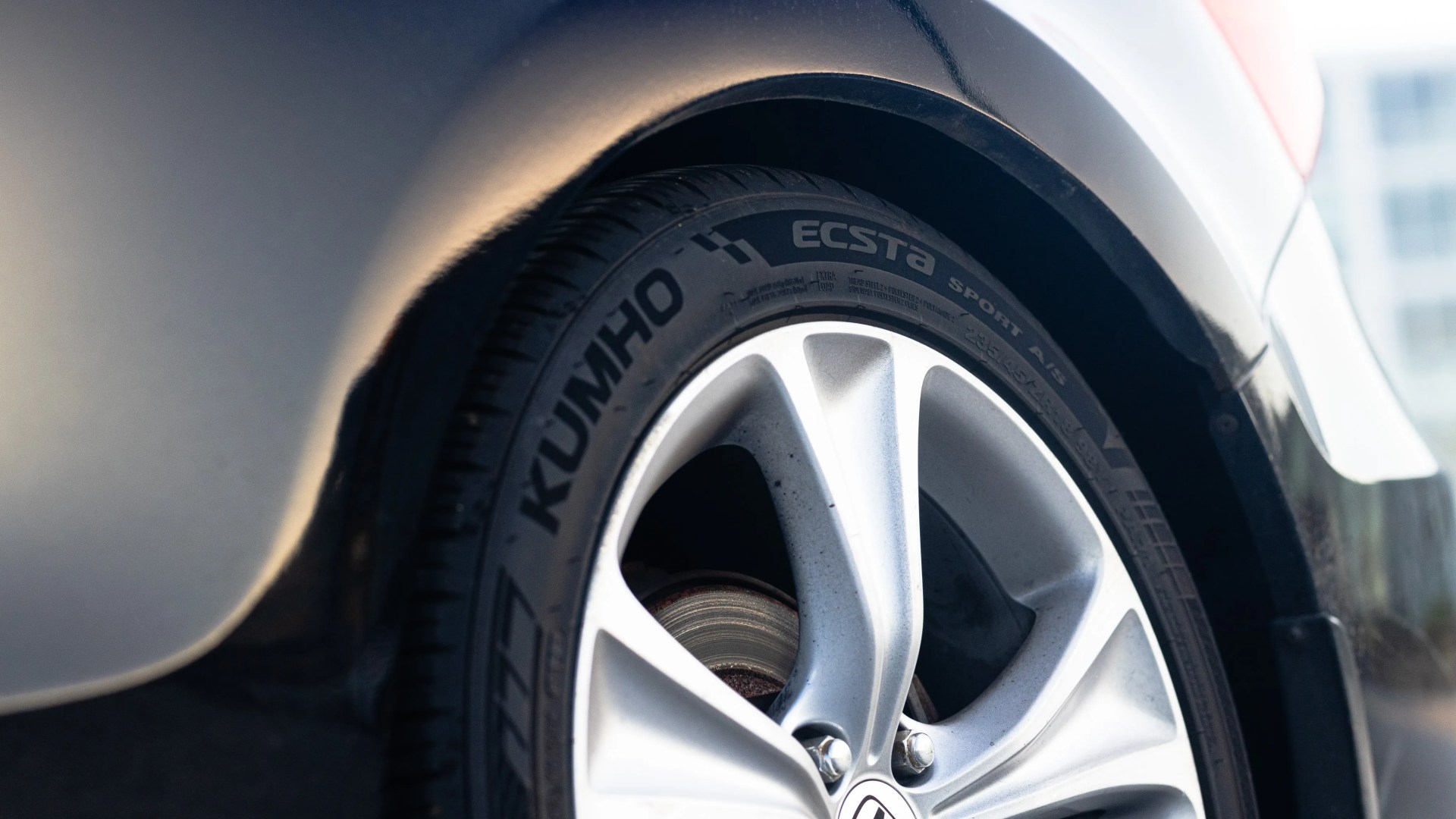
Close-up of a Kumho Ecsta Sport A/S tire mounted on a silver alloy wheel of a vehicle.
These are certainly a highly-recommended value-driven alternative to Michelin Pilot Sport All-Seasons.
Chris Chin

Seeing Michelin’s success, others, like Kumho, worked up their own alternatives, many of which were more affordable, value-driven options. But despite their efforts, Pilot Sport A/S’s have remained the gold standard.

Can they still retain the title, or did Kumho knock them off the pedestal?

A true jack-of-all-trades four-season performance tire

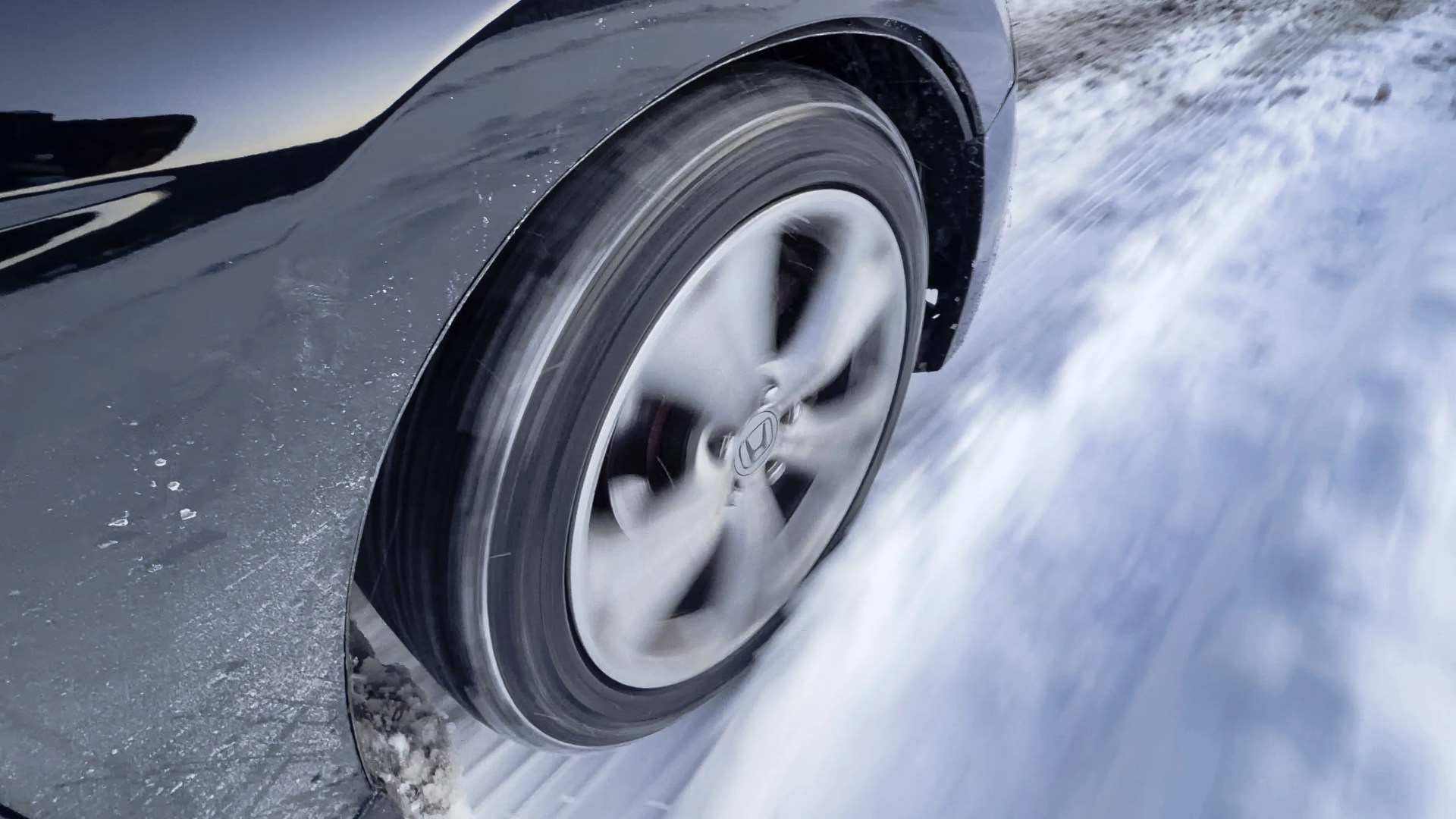
Spinning black car tire with silver alloy rim driving on snow-covered road.
When the NYC area got slammed by two blizzards, the Ecsta Sport A/S’s shrugged it all off.
Chris Chin

When I first had the Kumhos mounted on my Honda in June 2025, the first thing I noticed were how smooth and quiet they are. An absolute feat by any tire metric, since most performance tires tend to be on the noisier side from their more aggressive tread patterns and harder composition.

But as they broke in through the first 500 miles during the late summer and early fall months, the Ecsta A/S’s continued to shine. They felt just as responsive in braking, acceleration and cornering as my beloved Pilot Sport A/S’s, in both dry and wet conditions.

Close-up of a silver Honda alloy wheel with Kumho tire on a black car parked on asphalt.
The Ecsta Sport A/S really enters its happy place in temperate weather.
Chris Chin

I did notice that the Ecsta A/S’s didn’t feel as grippy as the Pilot Sport A/S’s. However, that happened only in extreme circumstances, or specifically at the very limits of adhesion. I imagine the average driver wouldn’t be able to tell the difference.

The Ecsta A/S’s performance became even more impressive as the temperatures dropped through fall and into winter. Despite the colder weather, the Ecsta A/S’s didn’t seem to alter their behavior, boosting my confidence in their overall all-season capabilities.

Black Honda car front side with spinning wheel and sunlight reflections on the hood.
Another impressive feat is how quiet they are at speed.
Chris Chin

The real test came when two blizzards blasted the New York City area in February. Not only did they plow through the fluffy and slushy bits, the Ecsta A/S’s kept my Honda going even through complete whiteouts.

That is, as long as the snow wasn’t high enough to overwhelm my Honda’s low ground clearance. Even then, the Ecsta’s were outstanding in their snow performance, barely slipping through ice and snow.

Michelin Pilot Sport A/S’s better watch out

Close-up of a Kumho Ecsta Sport A/S tire mounted on a silver alloy wheel of a black vehicle.
Kumhos are widely available and can be purchased at almost any reputable tire retailer.
Chris Chin

So, do the Ecsta Sport A/S’s make for a great alternative to my beloved Michelins? After clocking over 1,000 miles on the Ecsta A/S’s and through all four seasons in the Mid-Atlantic region, I can confidently say that I never felt the Ecsta’s were truly lacking compared to my seasoned experience with Michelins.

The Kumhos are an excellent addition to the growing pool of high-performance all-season tires, from an overall performance, grip and all-weather evaluative standpoint anyway.

Silver alloy wheel with five spokes and a black tire on a dark-colored car.
I’m more than happy to keep the Ecsta Sport A/S on my Honda.
Chris Chin

What remains to be determined is how long they’ll last and hold up over mileage and use. Their longevity and durability are of course major factors when experienced drivers are researching their next tire purchase.

Both the Kumho Ecsta Sport A/S’s and the Michelin Pilot Sport A/S 4’s have nearly identical metrics across the board, including similar treadwear ratings, though the Michelins are rated at 540 versus the Kumho’s 560.

By that metric, the Kumhos should last a little longer. But their lifespan ultimately comes down to how they’re driven on.

Availability and pricing

Kumho’s Ecsta Sport A/S ultra-high-performance all-season tires are available at participating retailers. They often can be seen priced anywhere from $40 to $60 cheaper per tire when compared to the Michelins. Considering their seemingly similar performance, they make for incredible value.

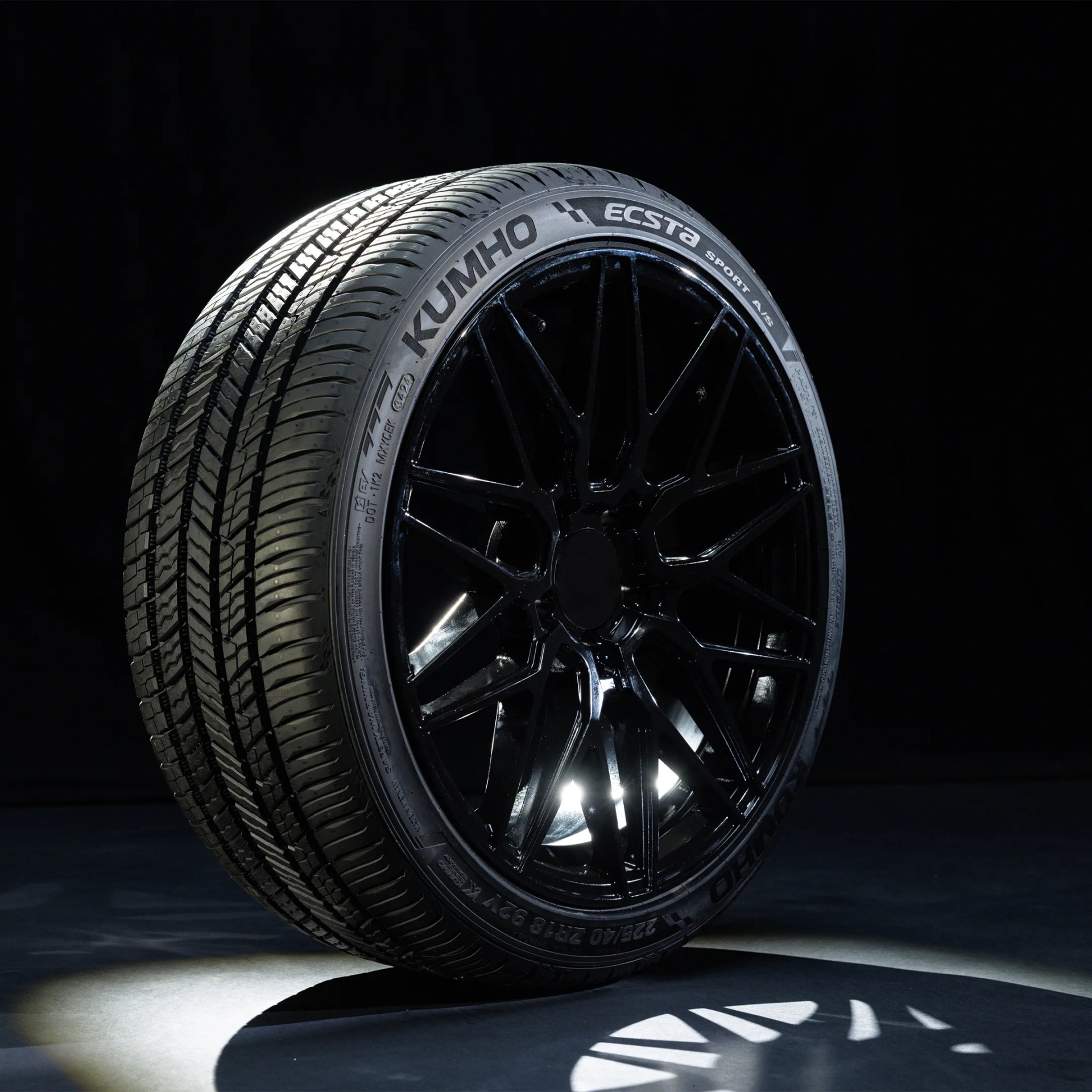
Kumho Ecsta Sport A/S tire mounted on a black multi-spoke alloy wheel with light reflection on a dark background.Kuhmo Tire USA

Kumho Ecsta Sport Performance All-Season Tire

Pros

  • Very quiet and comfortable for a performance-biased tire
  • Excellent handling, braking, grip in aggressive driving
  • Outstanding all-season performance
  • More affordable price tag without too many compromises
  • Exceptional in the snow for a sporty all-season tire
  • Incredible warranty

Cons

  • Not as aggressive as its pricier rivals at the limits of adhesion
  • Handling thresholds not as high as others
  • Still won't beat more purpose-dedicated tires

Want to stay up to date on the latest product news and releases? Add Gear Patrol as a preferred source to ensure our independent journalism makes it to the top of your Google search results.

add as a preferred source on google
,