
Is Porsche Going Back to Air-Cooled Engines and Is Hell Freezing Over?

Sometimes, old tech is the best tech. Porsche just might make another case for it.

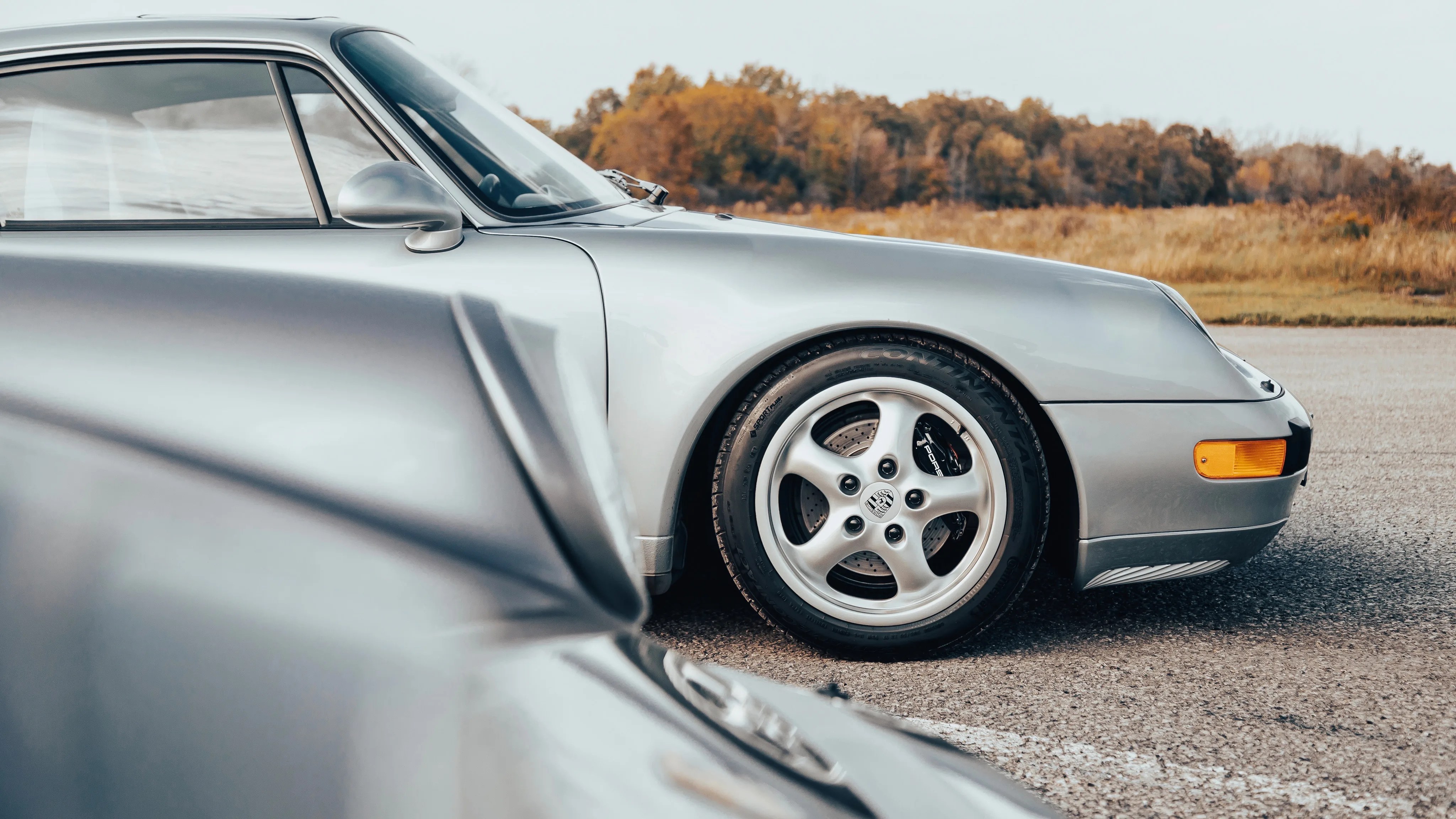
Silver Porsche 911 with visible front wheel and side mirror, parked on asphalt with autumn trees in background.Porsche

Porsche could be reviving an old technology for its future internal combustion engines. New patent filings suggest Zuffenhausen’s finest may be resorting back to air-cooling for its future mid- and rear-engine sports cars, drumming up some old memories of its gloried past.

But before you get all giddy thinking about models like the OG 993 and earlier, the return of air-cooled Porsches probably won’t be like you last remembered. Still, for the brand to tap into some of its most defining traditions will certainly have fans and purists intrigued, including us.

What’s old is made new again, sort of
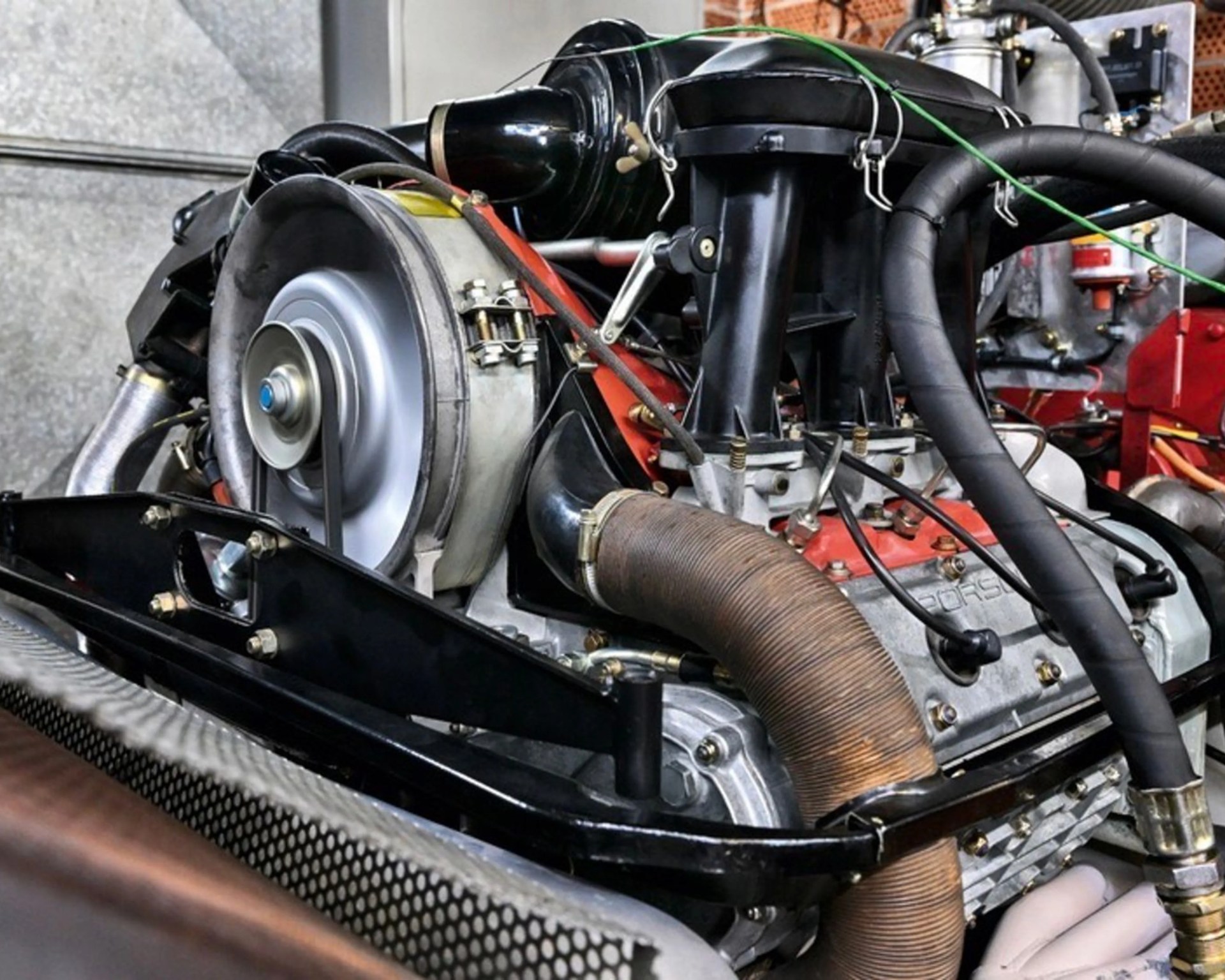
Close-up of a Porsche air-cooled engine with visible fan, black air intake, and large corrugated hose.
Porsche could be going back to its air-cooled roots in an unexpected way.
Porsche

It’s been decades since Porsche ditched one of its defining engineering signatures, air-cooled internal combustion engines. However, it was a change that came for a good reason.

As engines became more powerful, they also needed to become more fuel-efficient and cleaner-burning. It made liquid-based thermal management a necessity. The engines produced more power and ran hotter, simply requiring more cooling capacity to handle it all.

It’s why Porsche shifted to water cooling for the Type 996 after the 993, marking one of the brand’s most significant and controversial changes in its entire history. Before the 996, all 911 models utilized air-cooled flat-four and flat-six gas-powered engines.
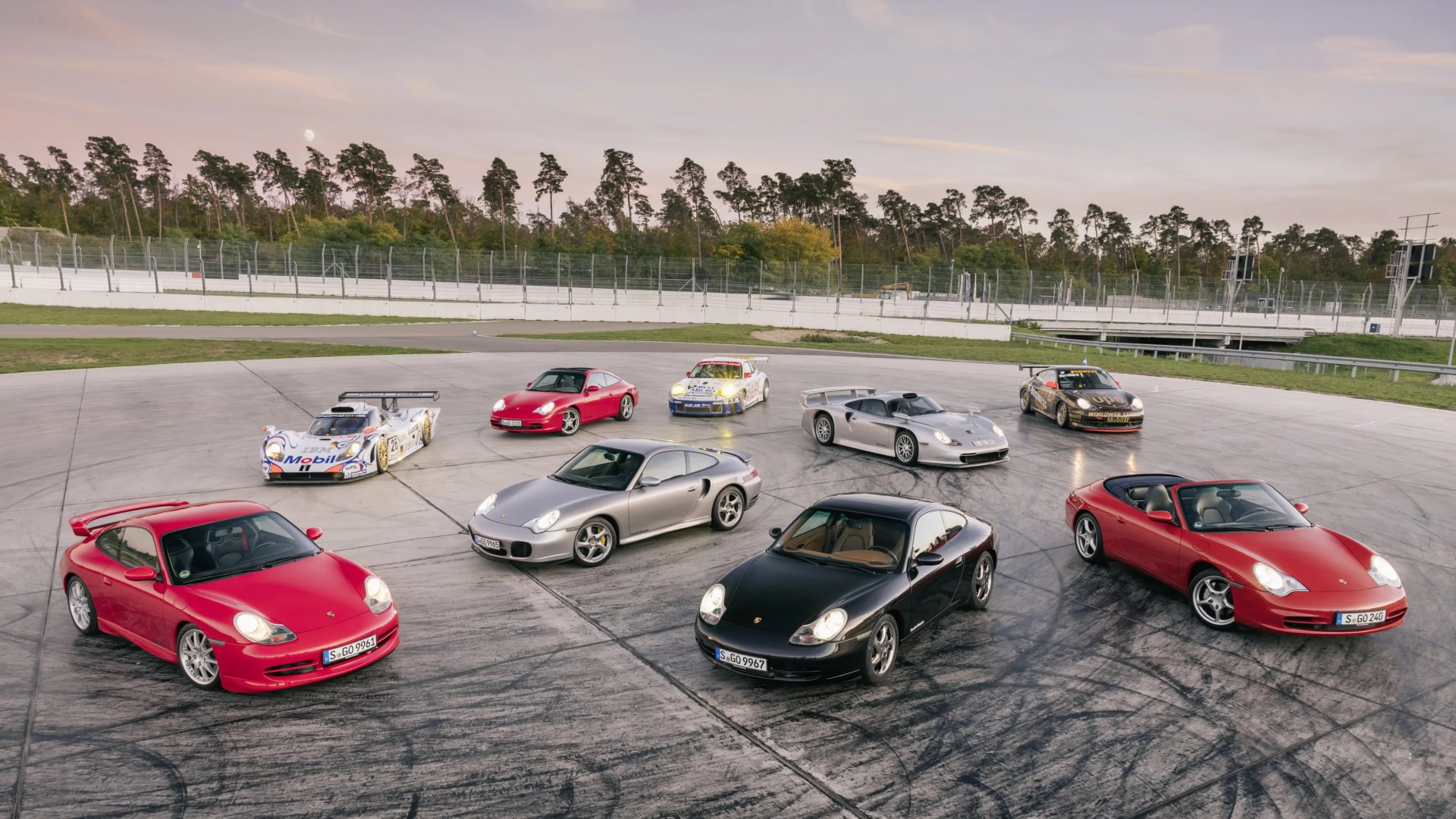
Eight Porsche sports cars in various colors, including red, black, silver, and white, arranged on a racetrack circle with trees and fencing in the background.
Since the Type 996, all 911s have been water-cooled, marking a controversial transition period for Porsche purists.
Porsche

It’s been one of the brand’s greatest trademarks, alongside rear engine placement and the 911’s iconic fastback shape. It’s also what gave the OG 911 and older Type 356s their signature engine and exhaust noises.

But now, Porsche could be leaning more into leveraging active air cooling for its future internal combustion engines, in addition to the water-based system. Once again, as engines produce more power and heat.

The delicate balance of engine thermal management

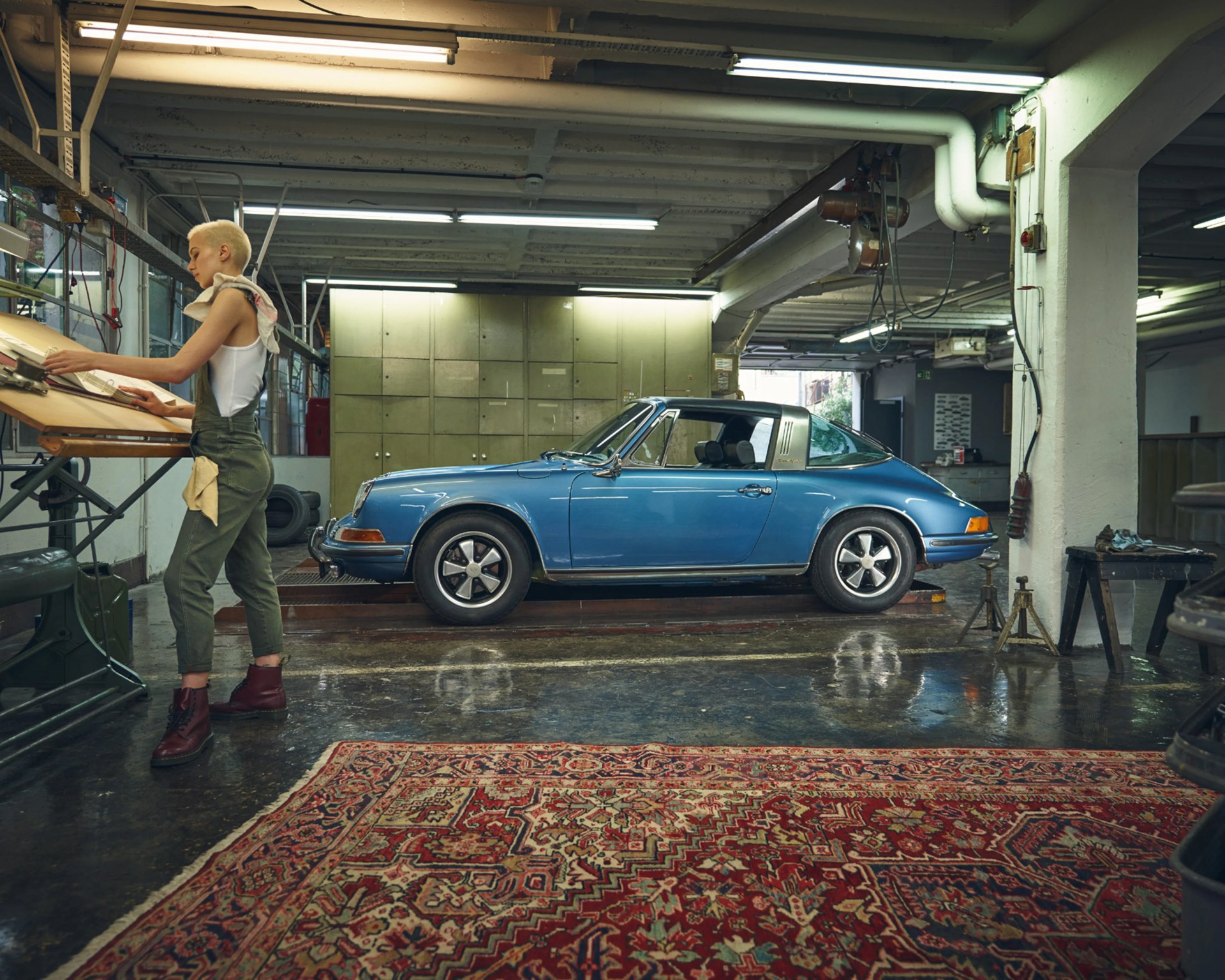
Blue vintage Porsche 911 Targa parked inside a garage with a person working at a drafting table nearby.
All 911 models prior to the Type 996 utilized air-cooled engines.
Porsche

Despite newer Porsche 911s and other flat-four and flat-six-powered models primarily relying on water-based cooling systems, they also still incorporate air-cooling. For instance, the engine’s radiator and other parts still require adequate airflow to properly dissipate heat.

Without proper airflow through the engine compartment, a water-cooled unit can still overheat. Technically, modern internal combustion engines are still air-cooled.

But the water-cooled components do most of the work. With Porsche’s latest patents, its new system better balances the benefits of air-cooling and water-cooling.

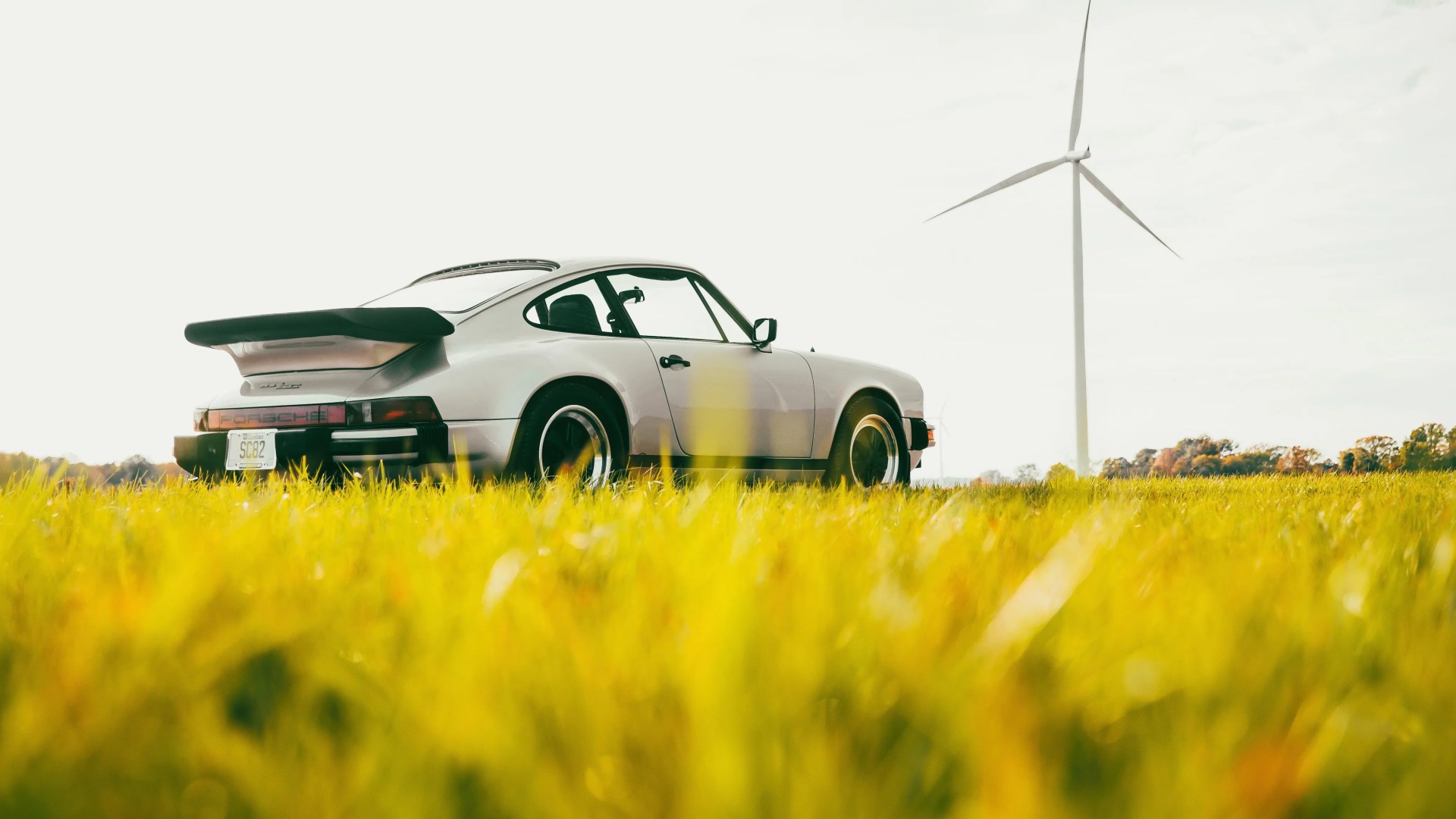
Silver Porsche 911 with black spoiler parked in a yellow grassy field with a wind turbine in the background.
Porsche’s air-cooled engines is also what gave cars like the original 911 its signature engine and exhaust note.
Porsche

The latter is crucial to guaranteeing a more thorough burn and combustion process. This improves power and fuel efficiency and even reduces harmful emissions.

Nobody wants to overheat an engine. But maintaining an optimal operating temperature is also just as imperative and requires a delicate balance.

To address the need for improved thermal management (especially with electrification and hybridization complicating things), Porsche hopes to pave the way for new cooling tech by revisiting an old one.

Combining the best of both worlds like it’s 1988 again

The newest patents arrive after Porsche filed them with Germany’s intellectual property office in 2025. The filings didn’t officially publish until earlier this month.

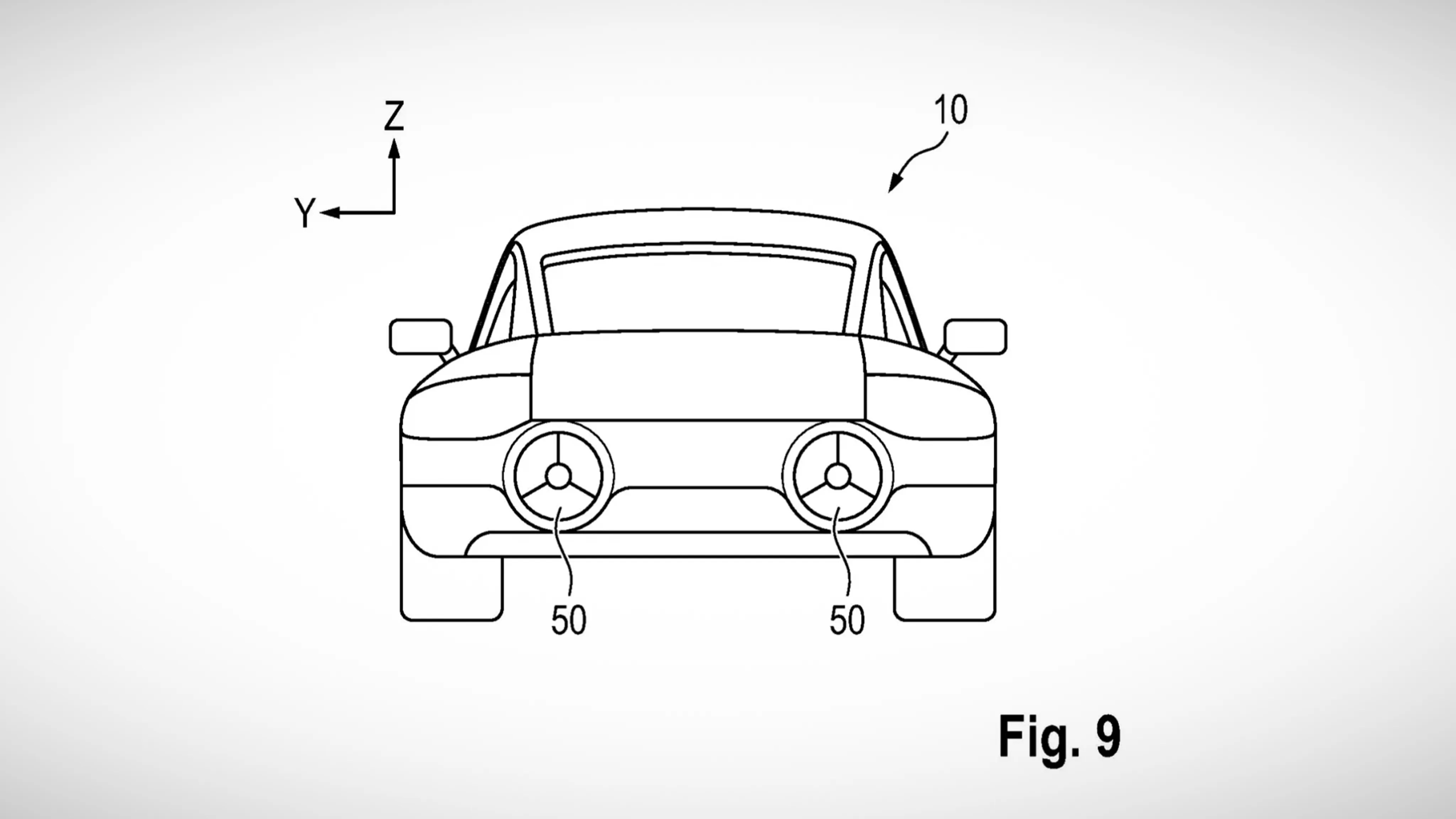
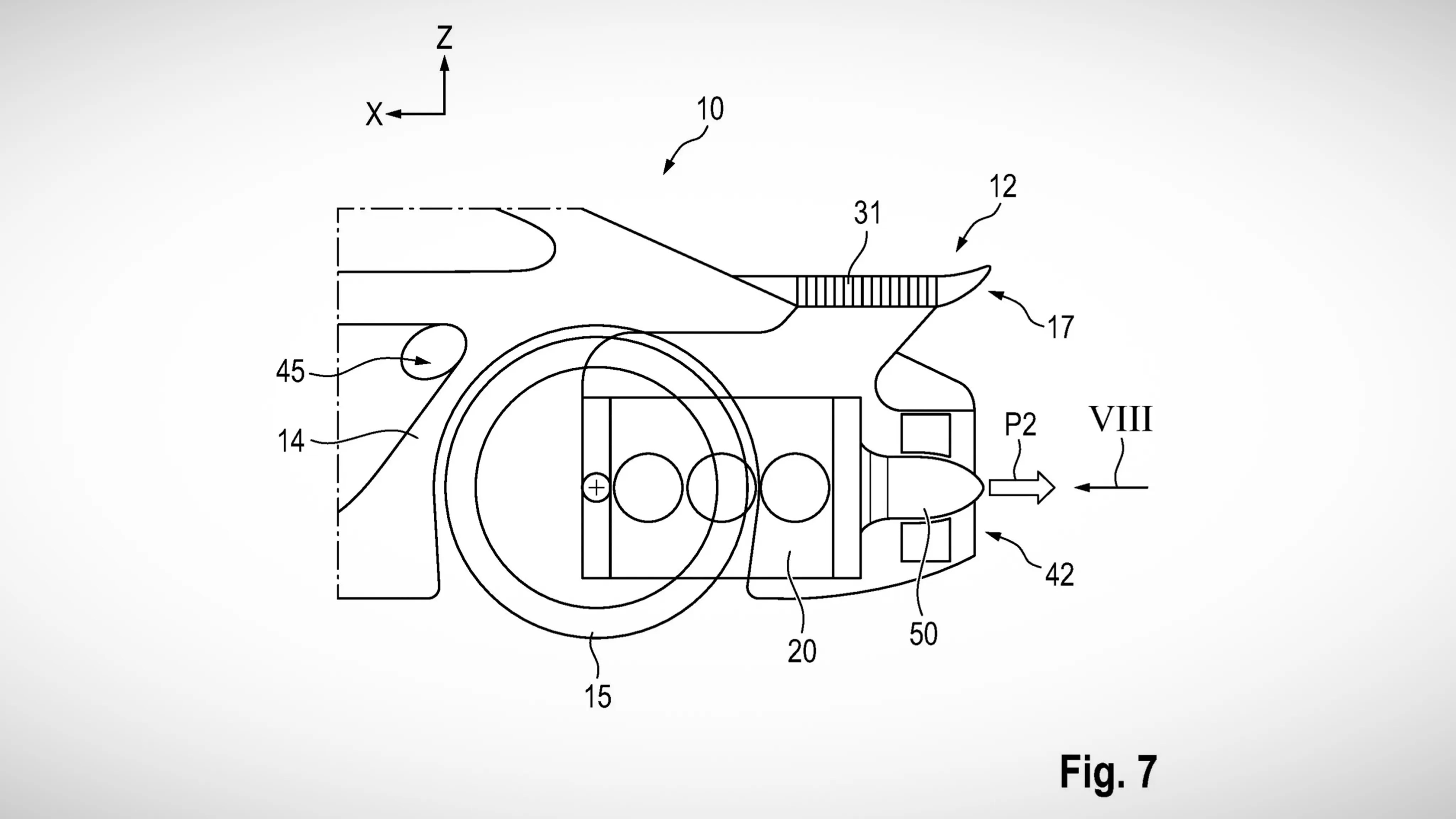
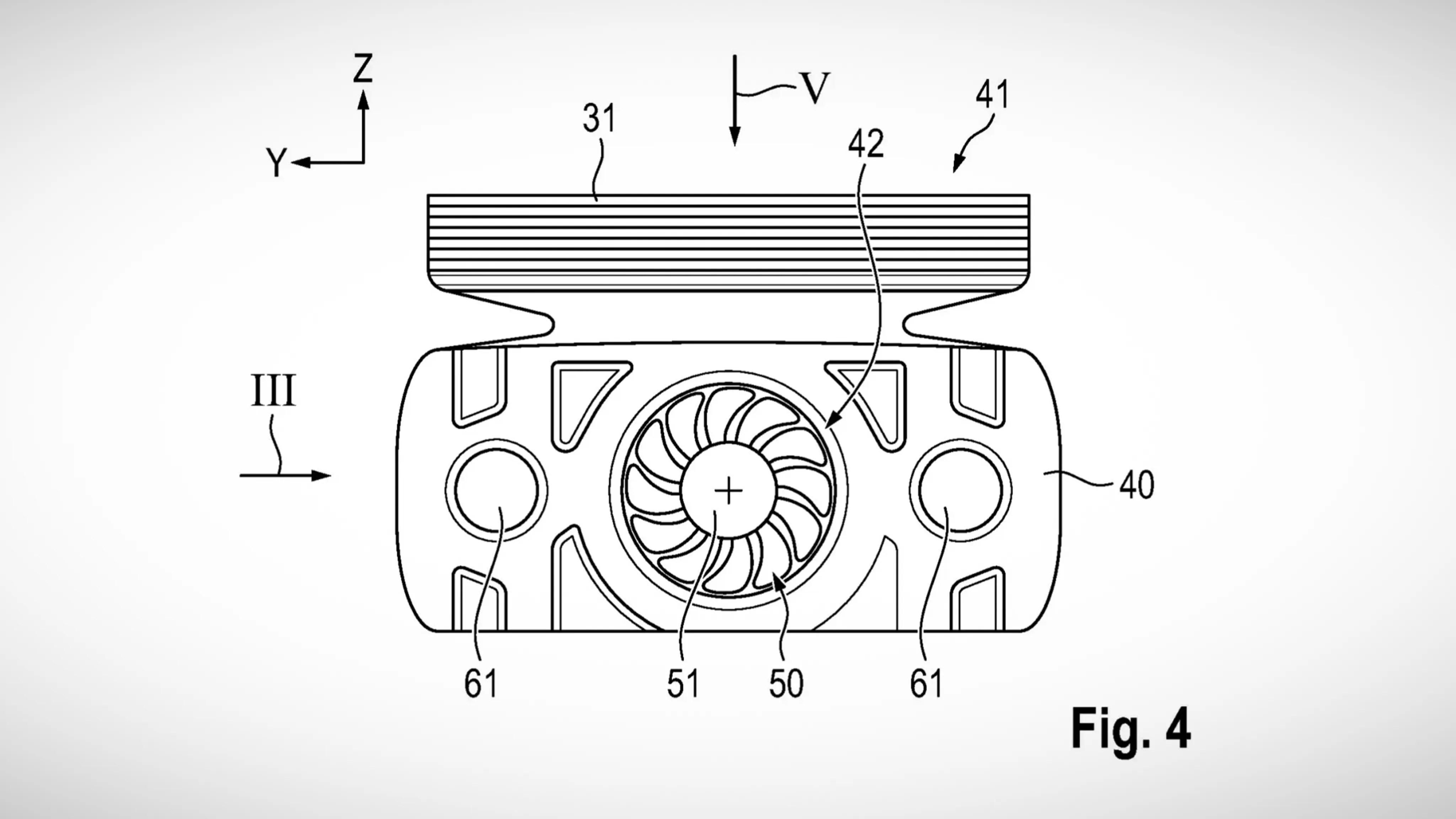
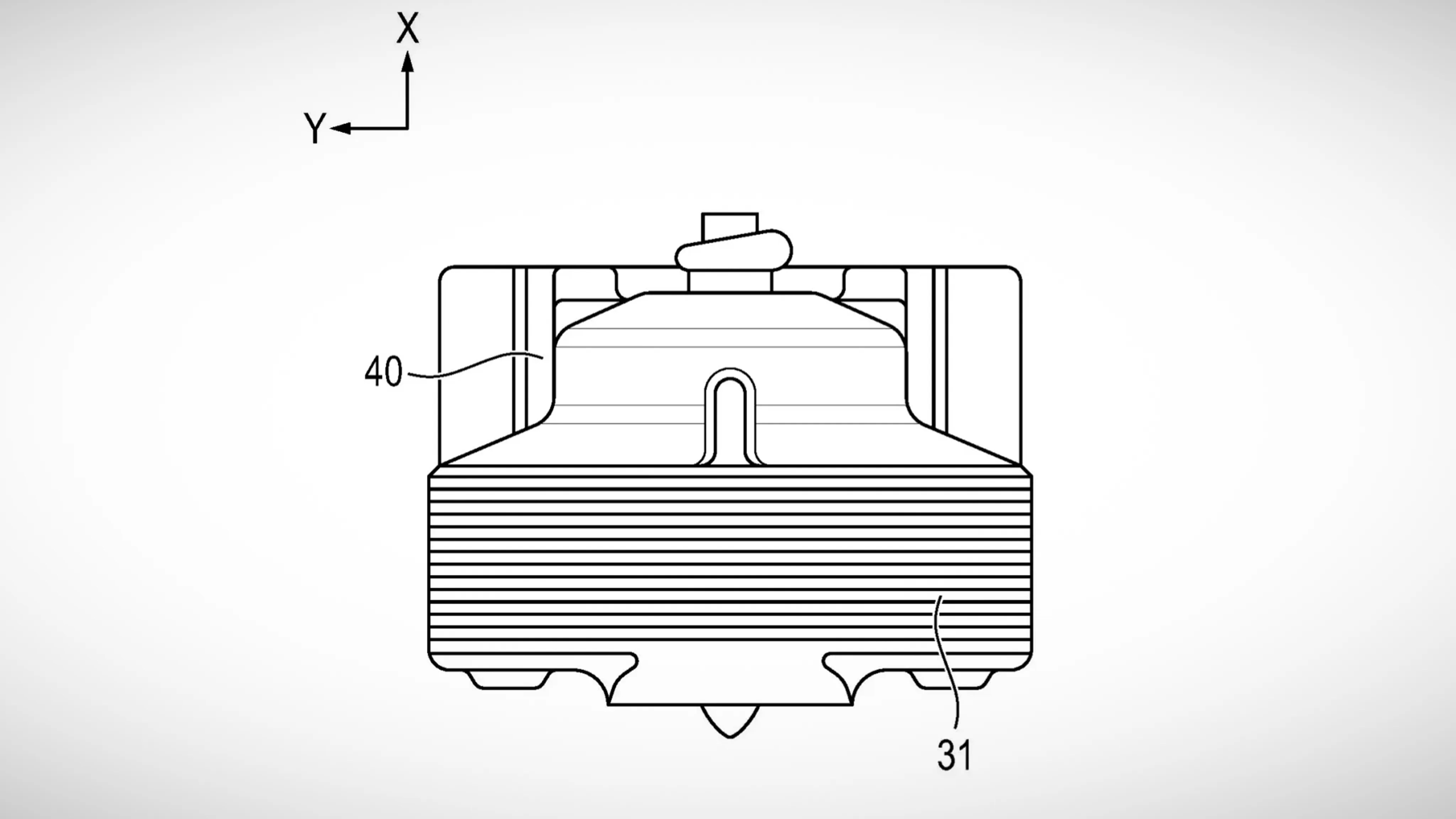
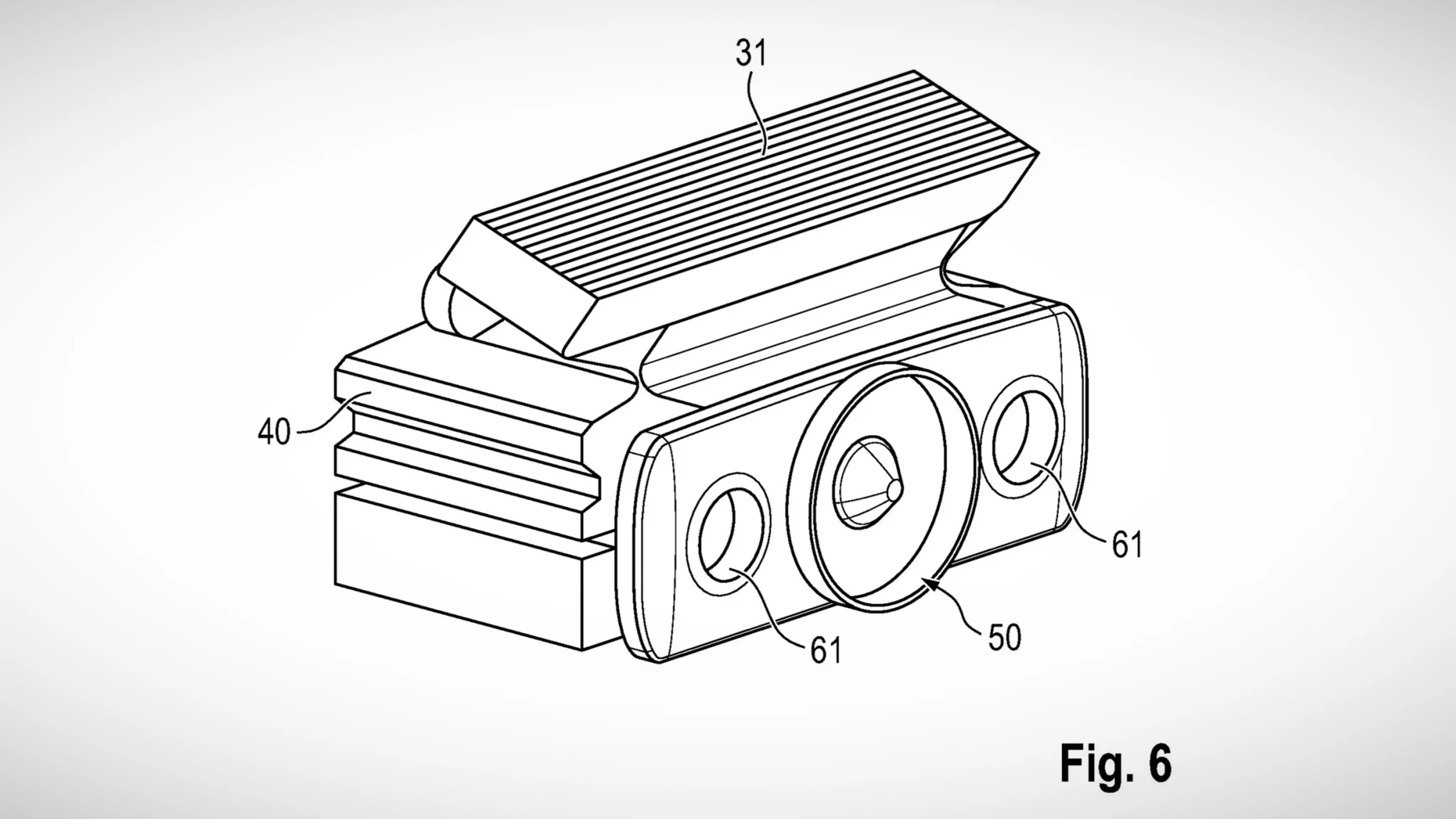
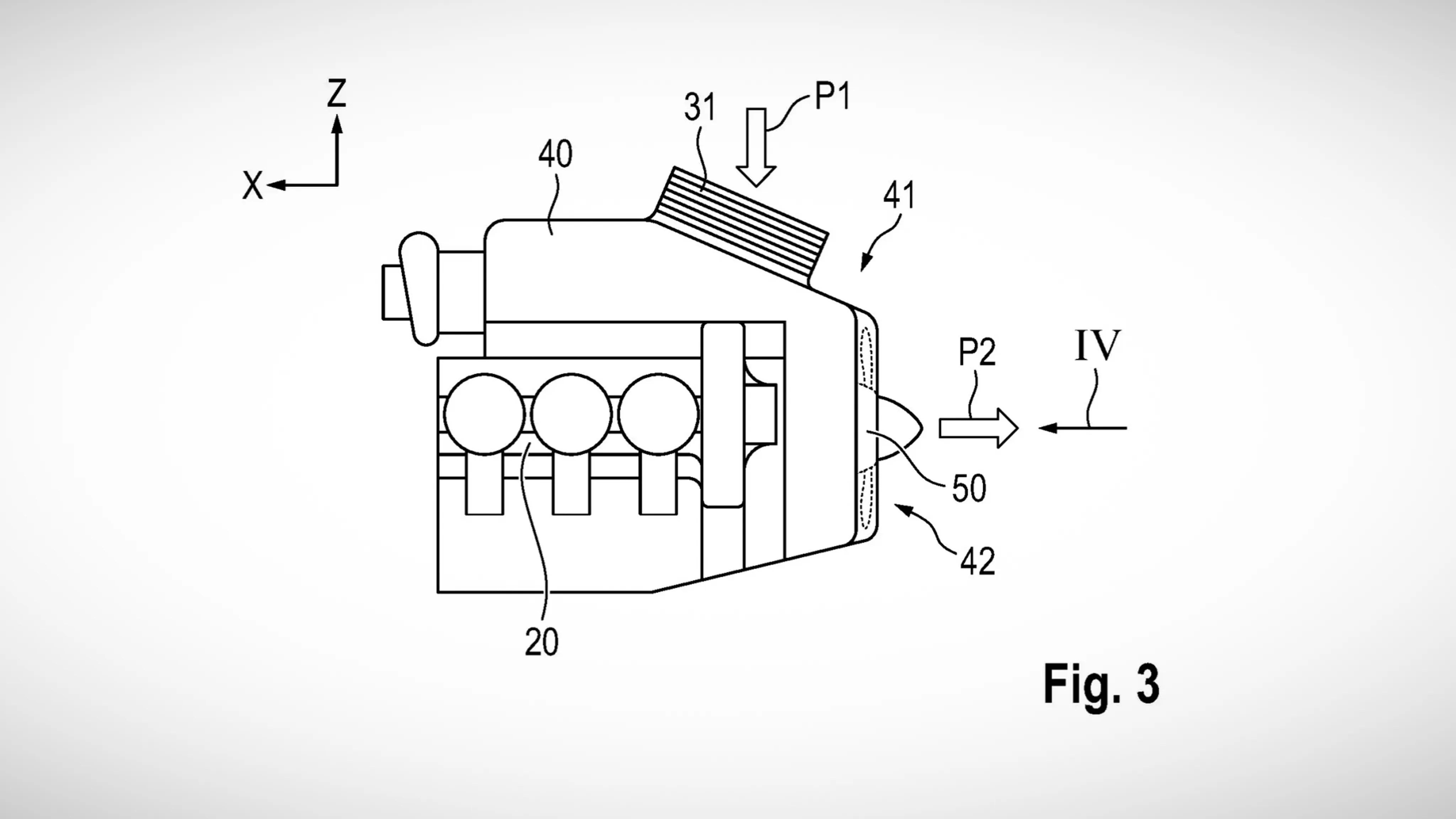
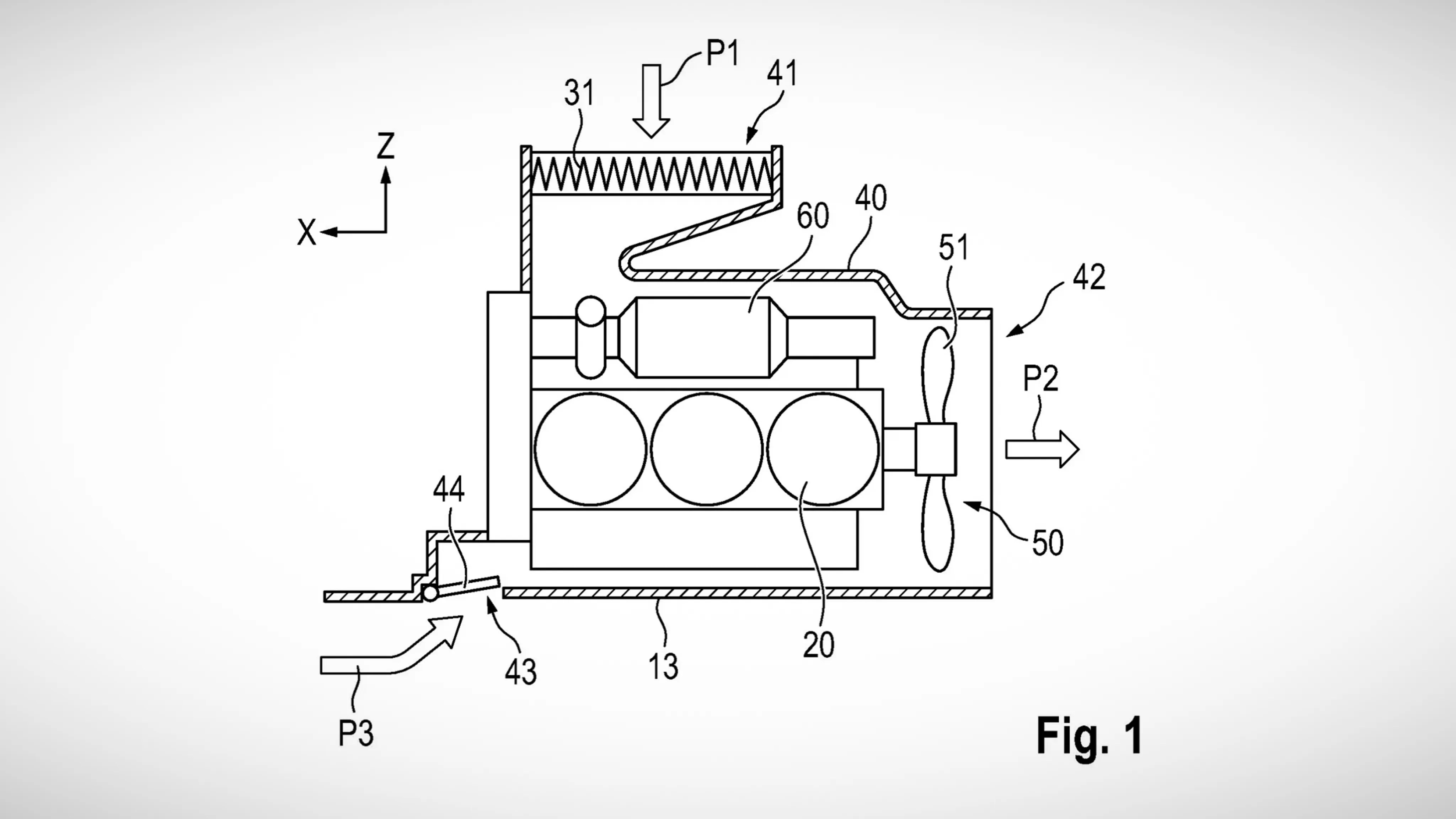
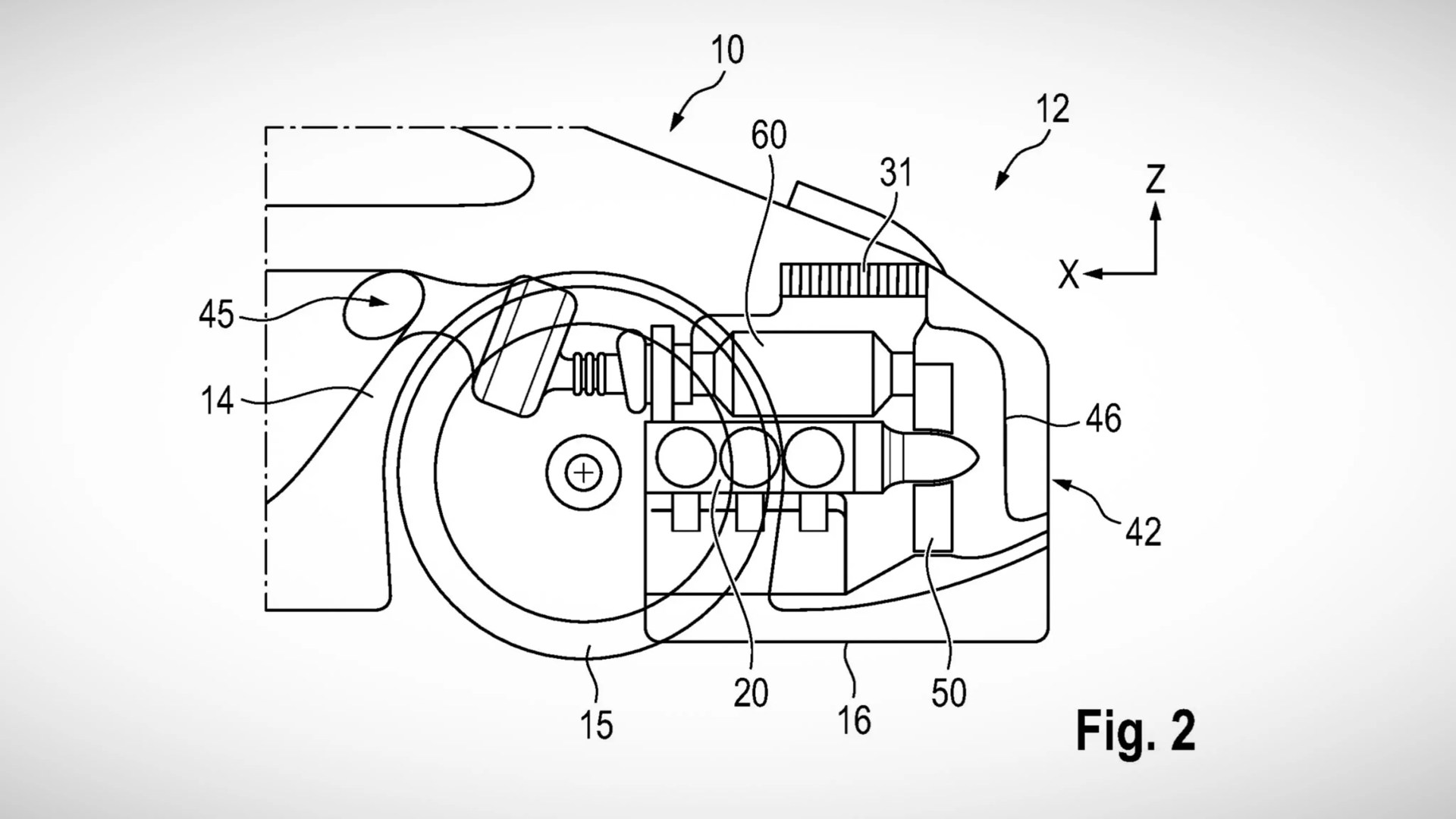
They describe a “Motor Vehicle With An Air And Liquid Cooled Combustion Engine,” which sounds like every other car out there today. However, the details are telling.

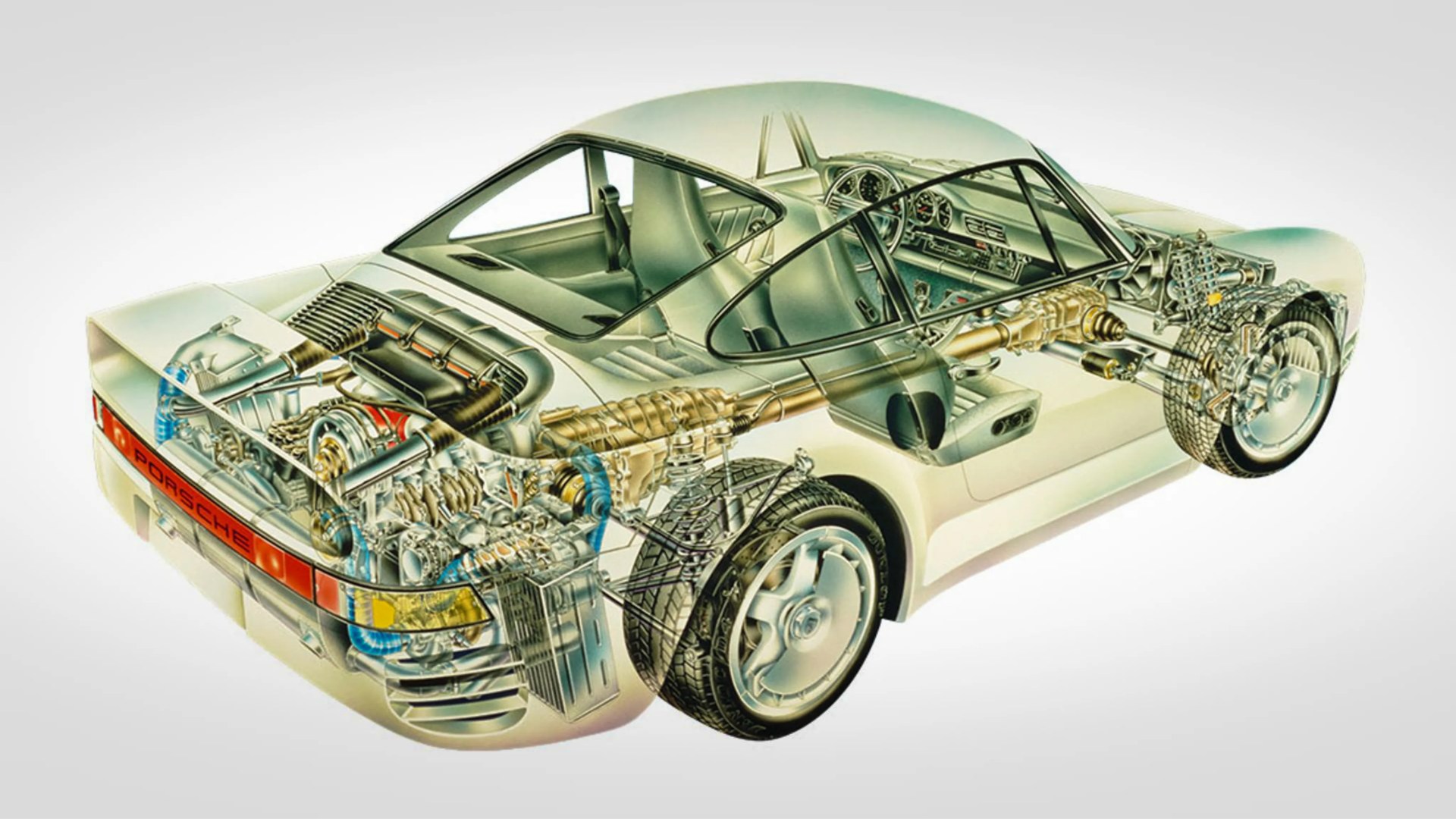
The patent documents describe a method of engine cooling not seen since the epic 959 supercar from the 1980s. That’s an air-cooled engine block with water-cooled heads.

Cutaway illustration of a white Porsche sports car showing internal engine, transmission, suspension, and interior details.
The new technology reportedly takes inspiration from the legendary 959.
Porsche

Meaning, the main crankcase doesn’t feature any integrated water jackets. The heads do.

From an engineering standpoint, it makes sense. An engine block without integrated water jackets means it’ll likely weigh less, use less metal and be less complex.

Additionally, engine oil doubles as a coolant in addition to being a lubricant. So, similar to older Porsche and VW air-cooled engines, much of its cooling capacity can be achieved with the natural lubrication of the internals and the aspiration of the block.

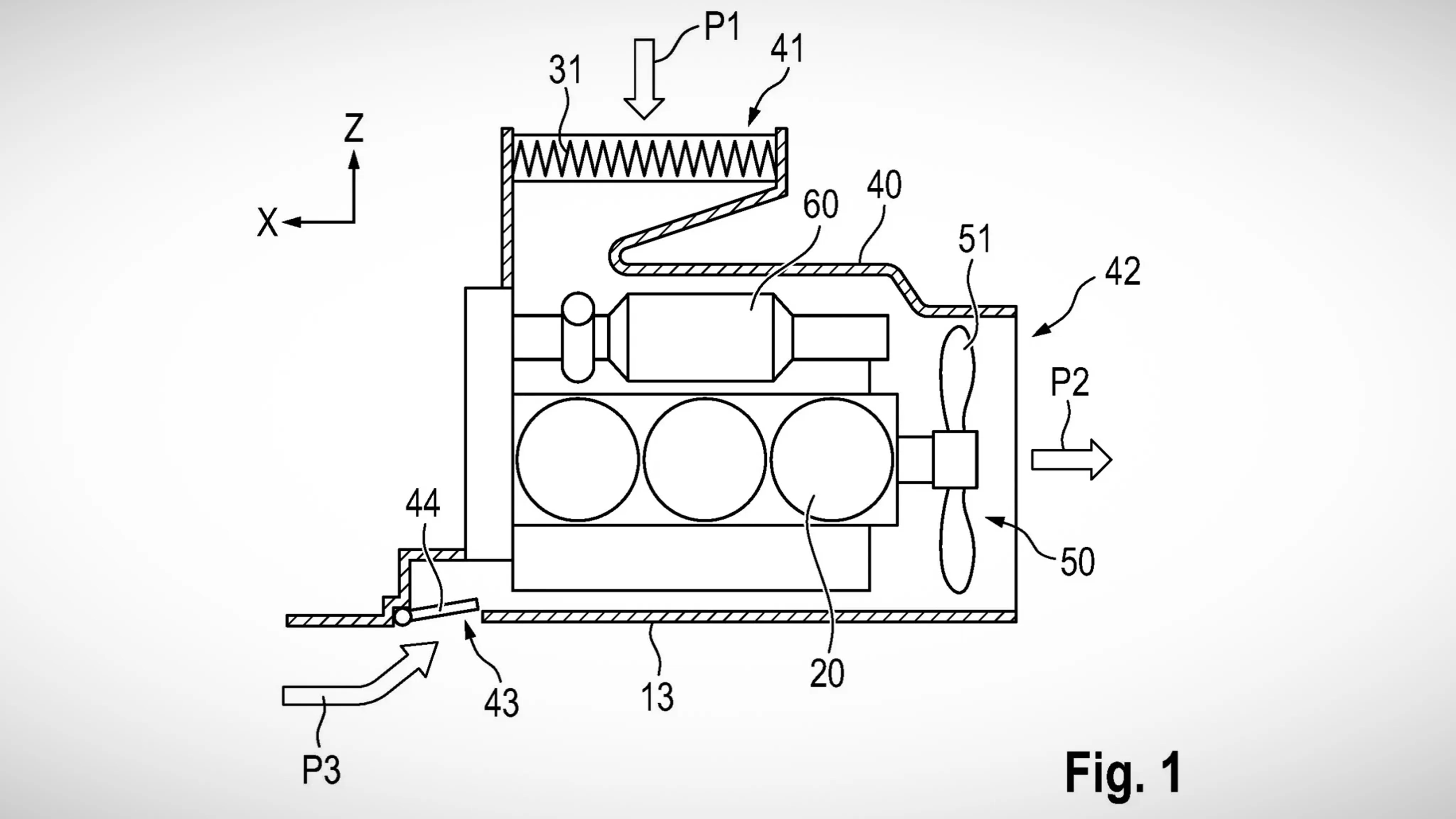
Technical line drawing of a mechanical component with labeled parts and X, Z axis indicators.
The new patent design revives the 959’s air-cooled engine block and water-cooled heads.
DPMA – Germany

The head bears a lot of the heat load as exhaust gases are really what elevate overall operating temperatures. Those gases all exit through the valvetrain, which then causes the head assembly to become incredibly hot (hence the need for a water-based coolant).

A blast from the past

White classic Porsche 911 with black trim and rear spoiler driving on a road with blurred green background.
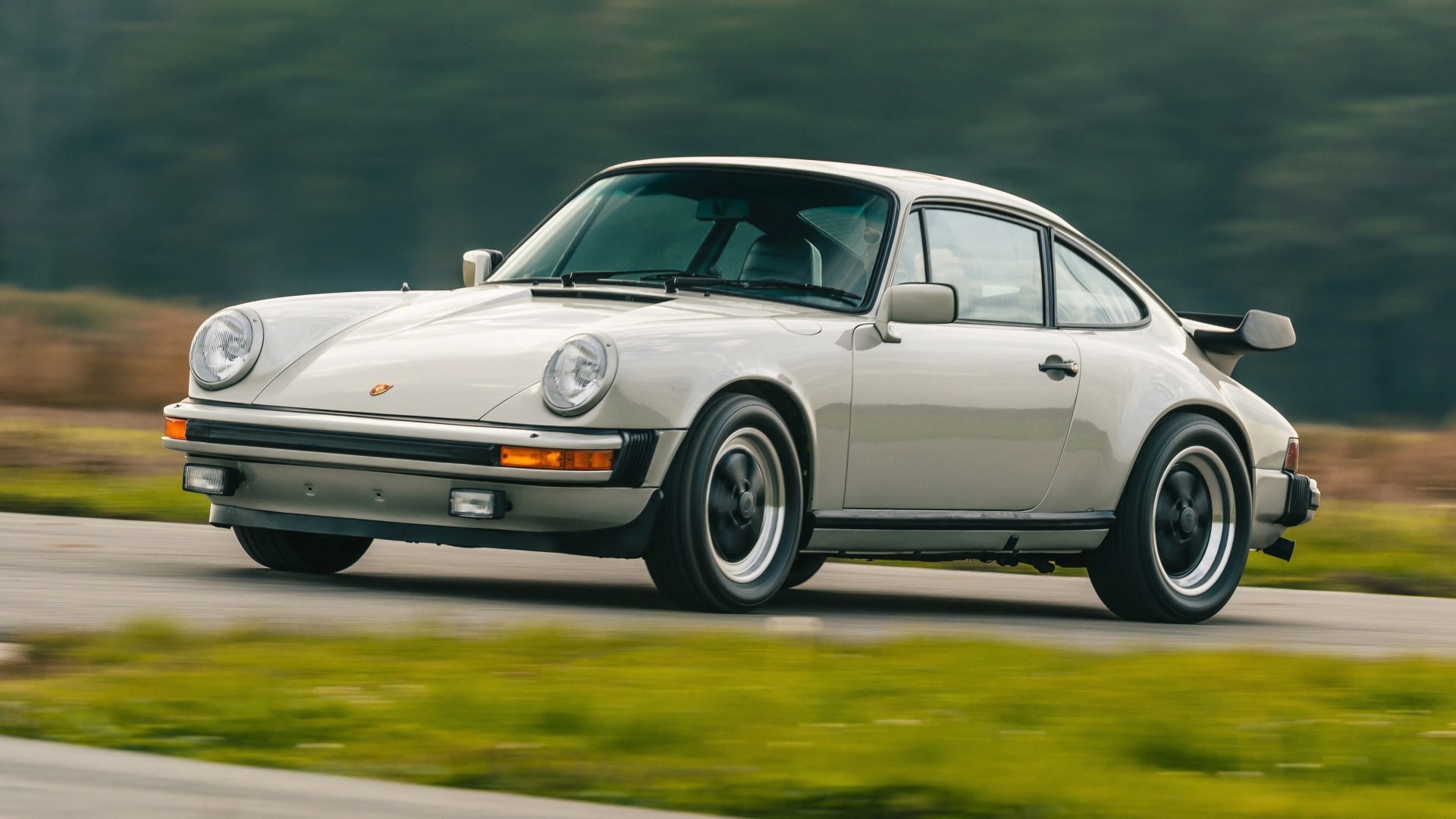
Although not fully air-cooled, Porsche tapping into some of its heritage will certainly get 911 fans excited.
Porsche

It all sounds awesome. Whether Porsche can execute and make it happen has yet to be determined.

As engineers continue combining classic internal combustion tech with electrification, the need for better thermal management increases. That’s because you don’t just have a single major heat source in an automobile, but now two.

Want to stay up to date on the latest product news and releases? Add Gear Patrol as a preferred source to ensure our independent journalism makes it to the top of your Google search results.

add as a preferred source on google