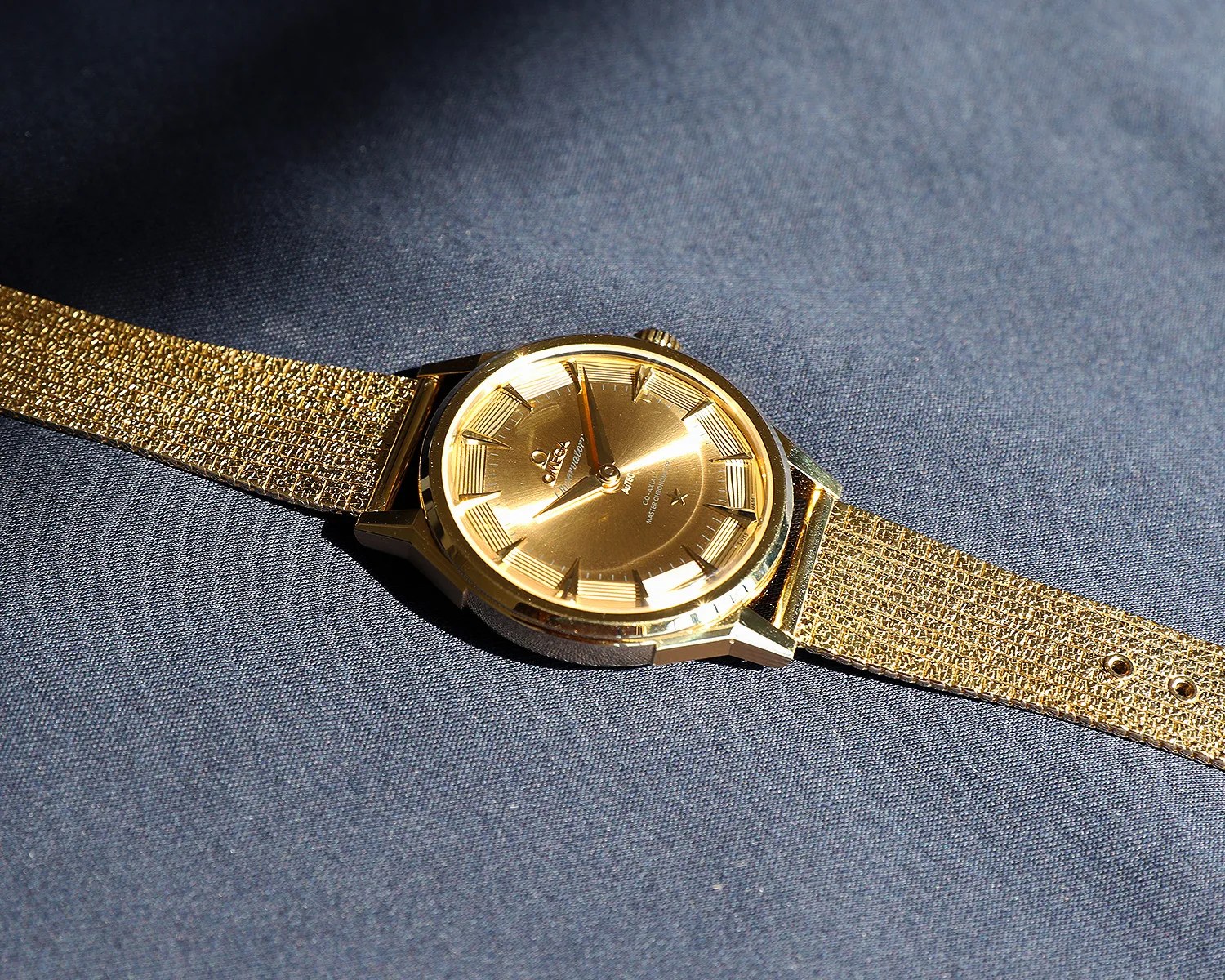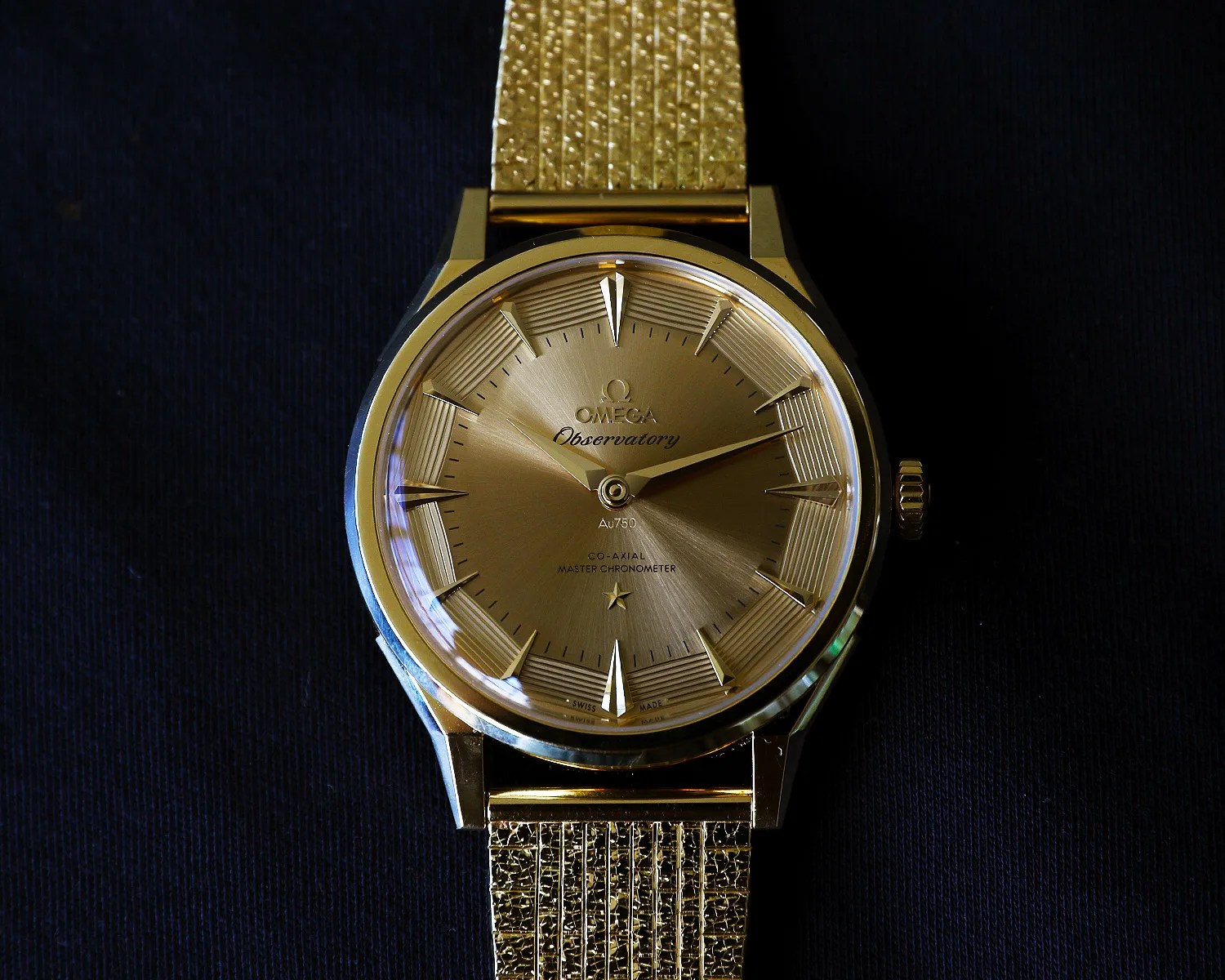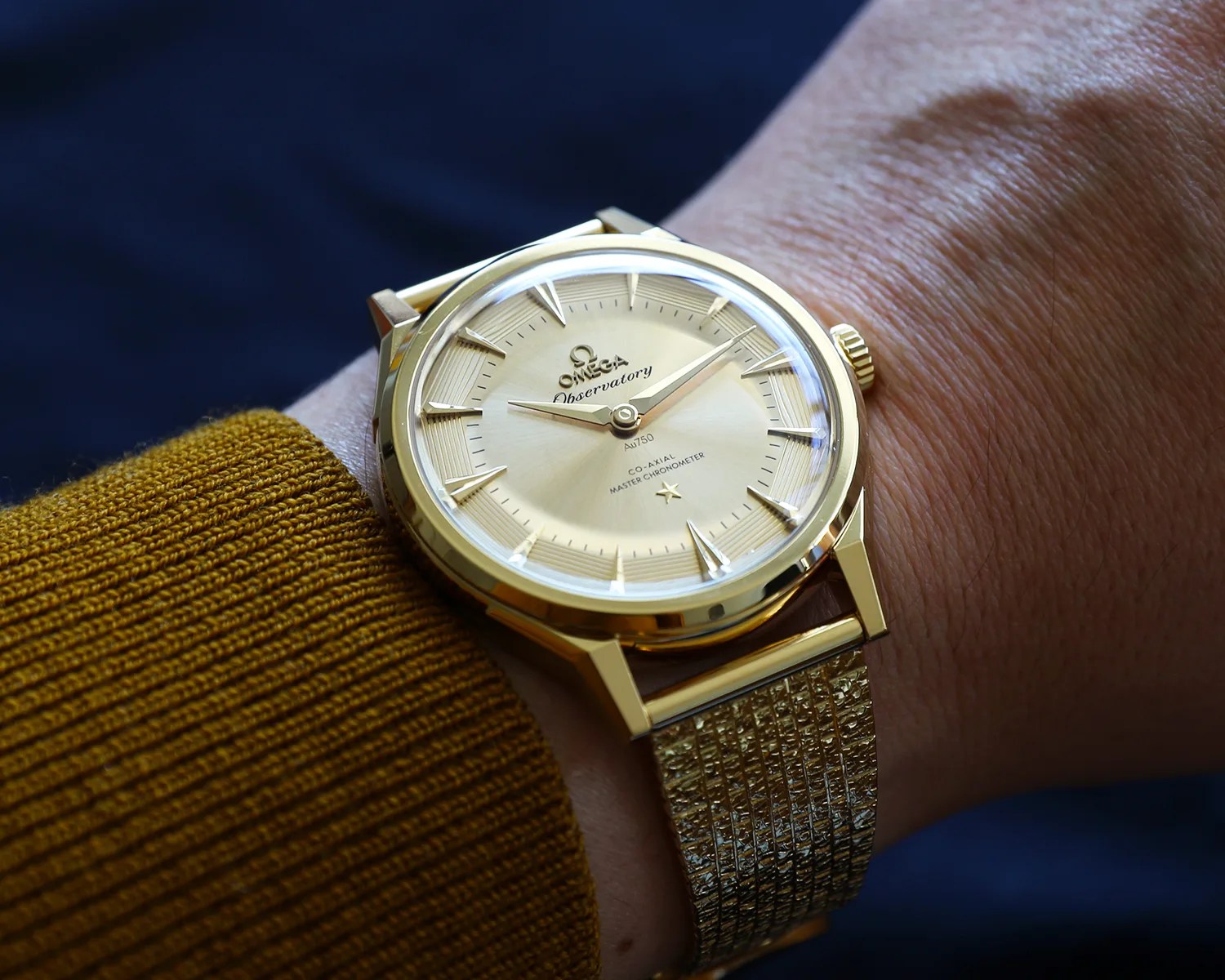


Before the Speedmaster went to the moon, before the Seamaster found its way onto James Bond’s wrist, there was the Constellation.
First arriving in 1952, the Constellation was Omega’s first modern flagship watch. Based on the earlier Omega Centenary from 1948, which celebrated 100 years of the brand, the Constellation was a dress watch centered on the theme of precision.
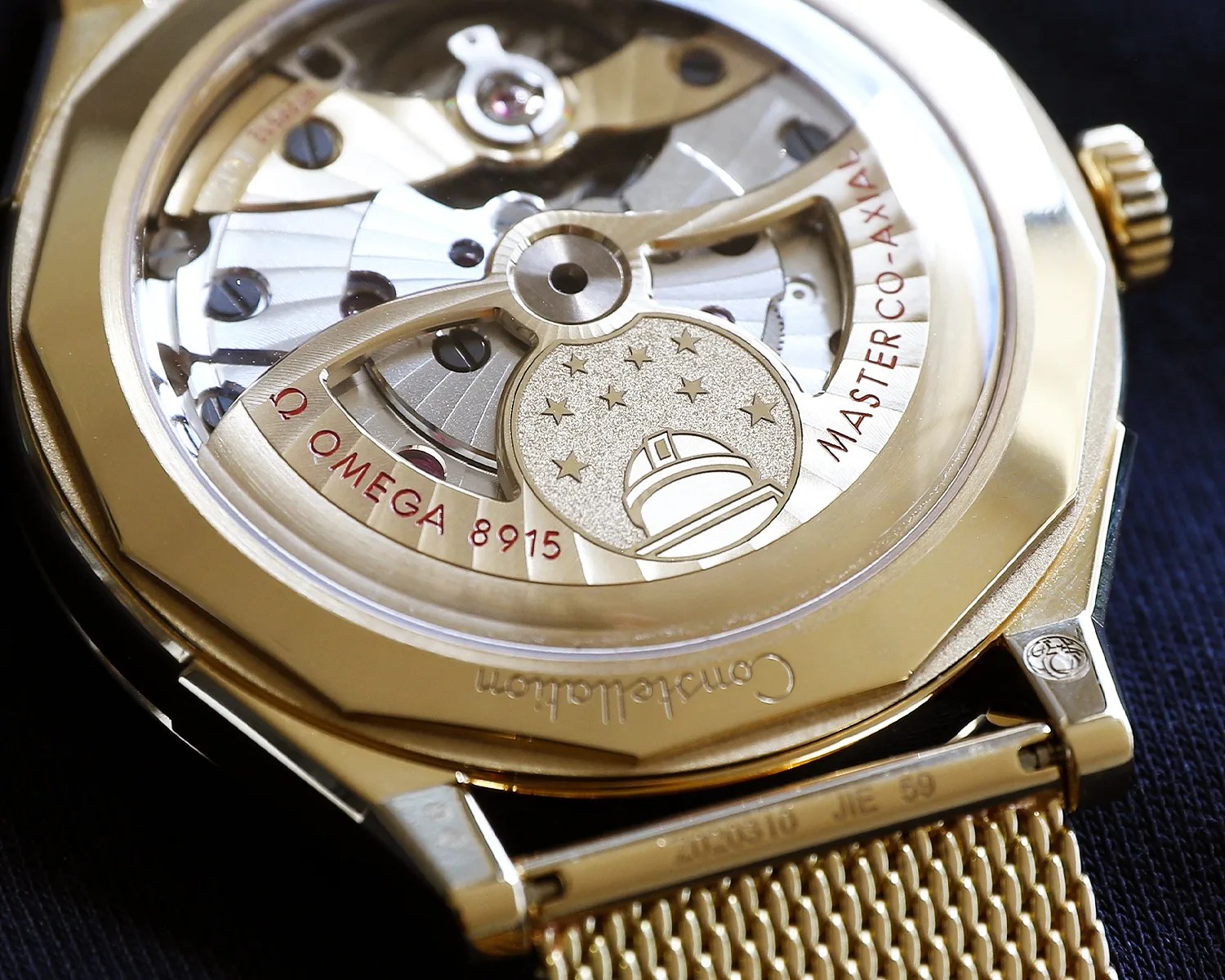
On its caseback was a gold medallion depicting an observatory with eight stars overhead, representing two precision world records and six first-place finishes recorded by Omega at the Kew-Teddington and Geneva Observatory competitions between 1933 and 1952.
In the ’50s and ’60s, the Constellation was colloquially known simply as “The Swiss Watch,” as it became synonymous with Swiss craftsmanship and accuracy. If you wanted a nice watch in those days, you’d get a Constellation — just ask Elvis.
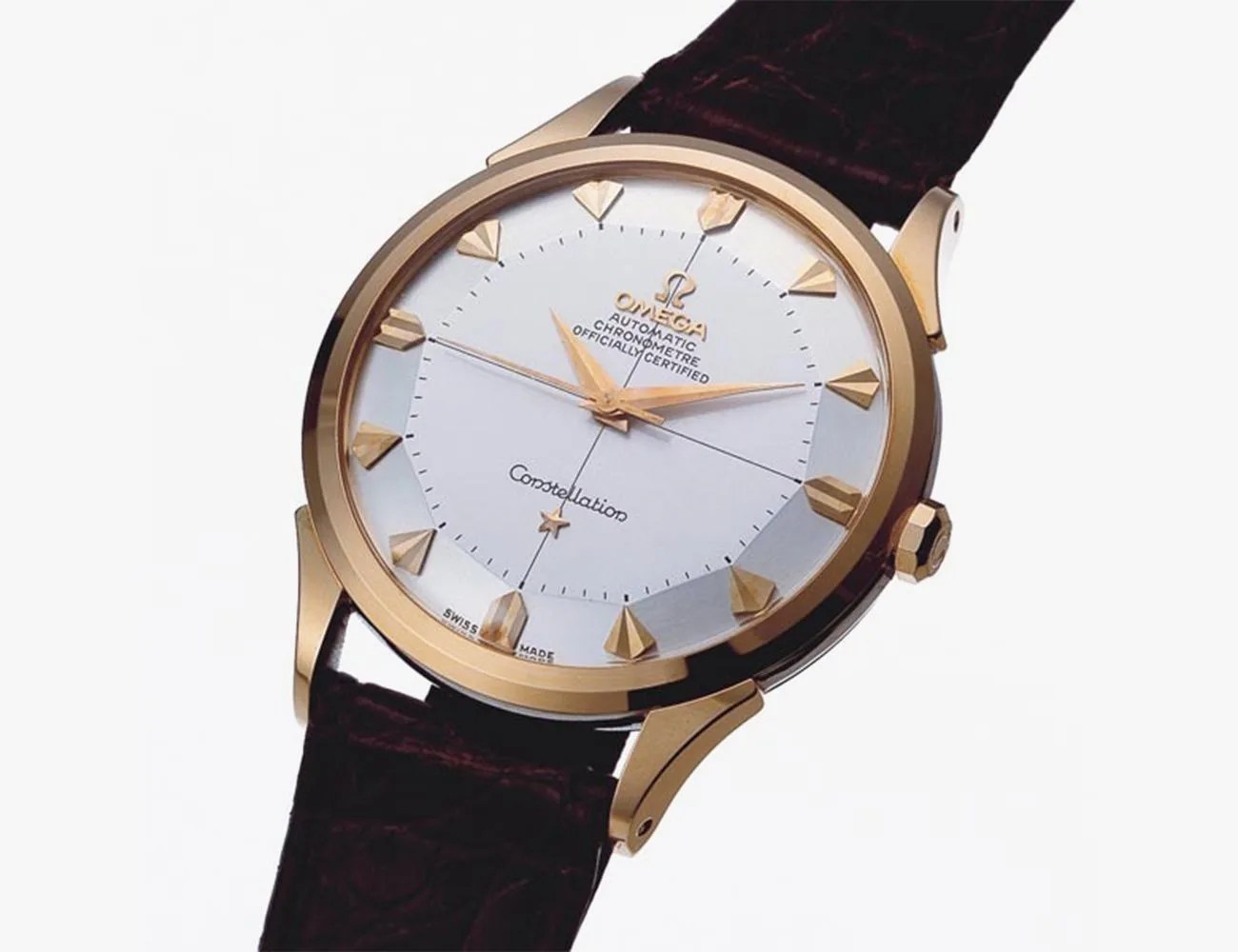
The Constellation, or “Connie,” has always been present in Omega’s catalog since its debut, but its influence has faded over the decades. Prior to today’s release, there were two distinct Constellation lines: the Constellation, an integrated dress watch based on the 1980s “Manhattan” reboot of the model, and the Constellation Globemaster, a more modern dress watch that pulls stylistic influences from disparate vintage Connies. Both are vastly overshadowed by the Speedmaster and Seamaster lines.
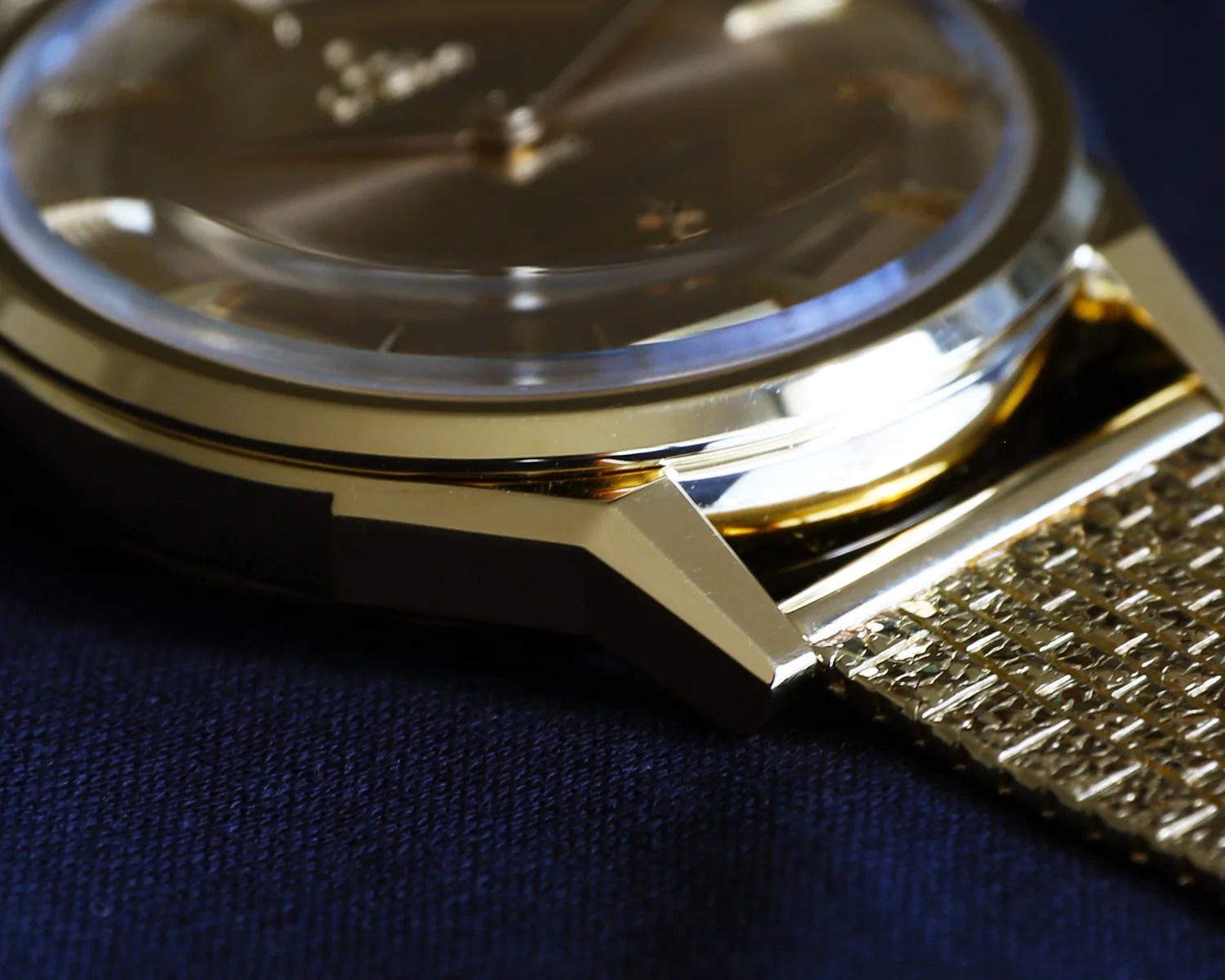
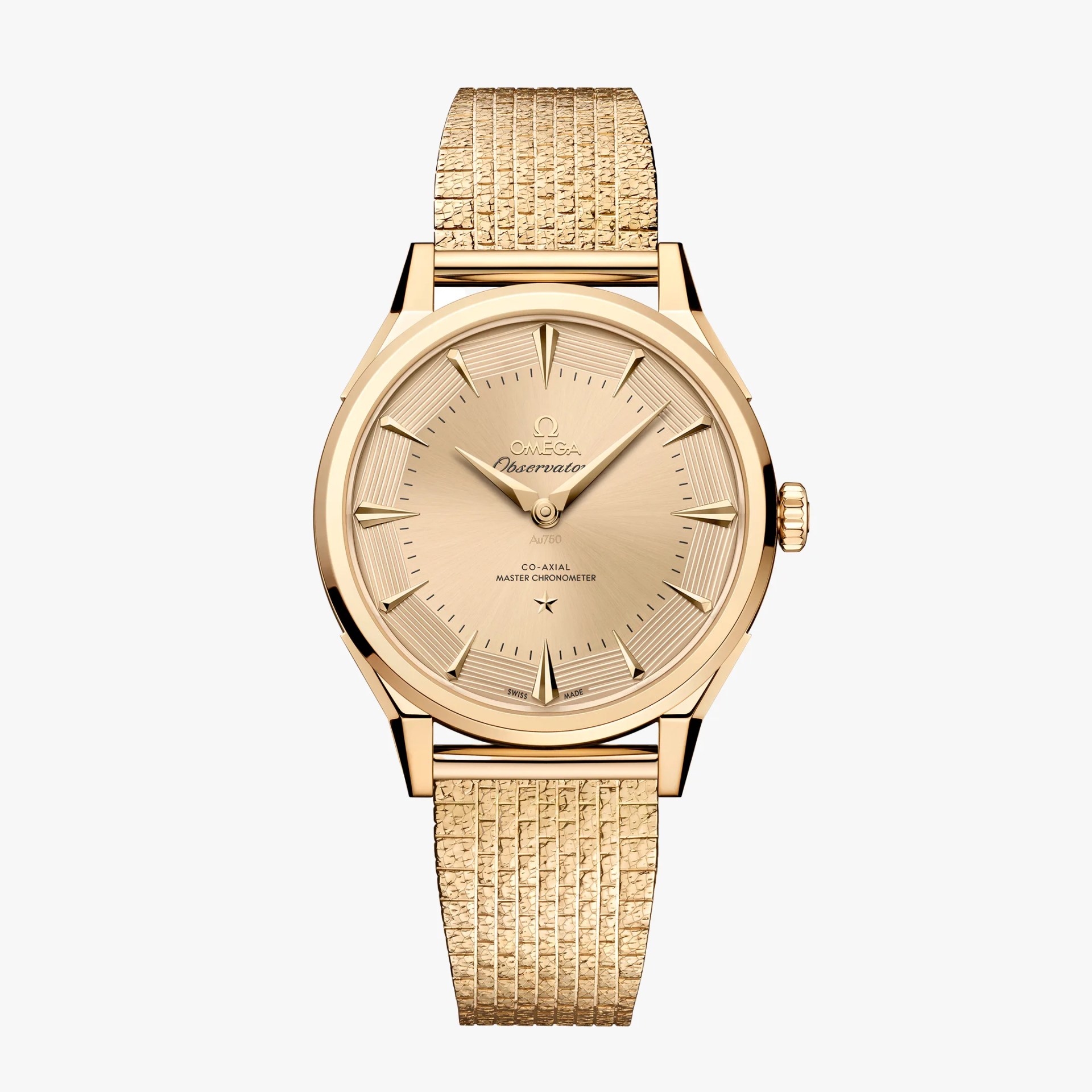
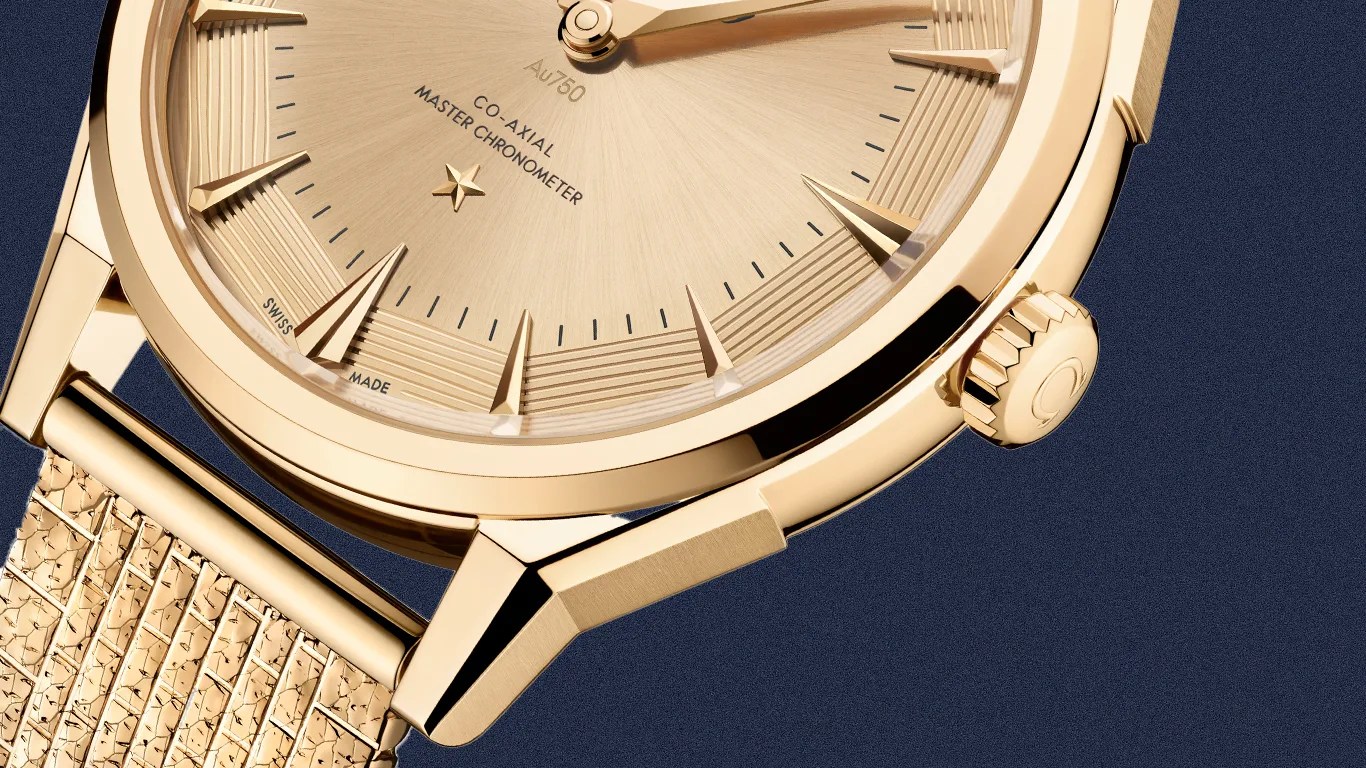
But the modern Connie’s second-class citizen status changes as of today, as Omega has added a third model series to the line with the Constellation Observatory. Not only does it bring back some of the defining style cues from the oldest, most beloved Constellations, but it also restores the model’s reputation for groundbreaking precision with an impressive new certification.