
Mercedes-Benz Just Gave Its Biggest Family Hauler the Heart of a Supercar

The S-Class of SUVs just got the same kind of V8 that typically powers Ferraris and Lamborghinis.

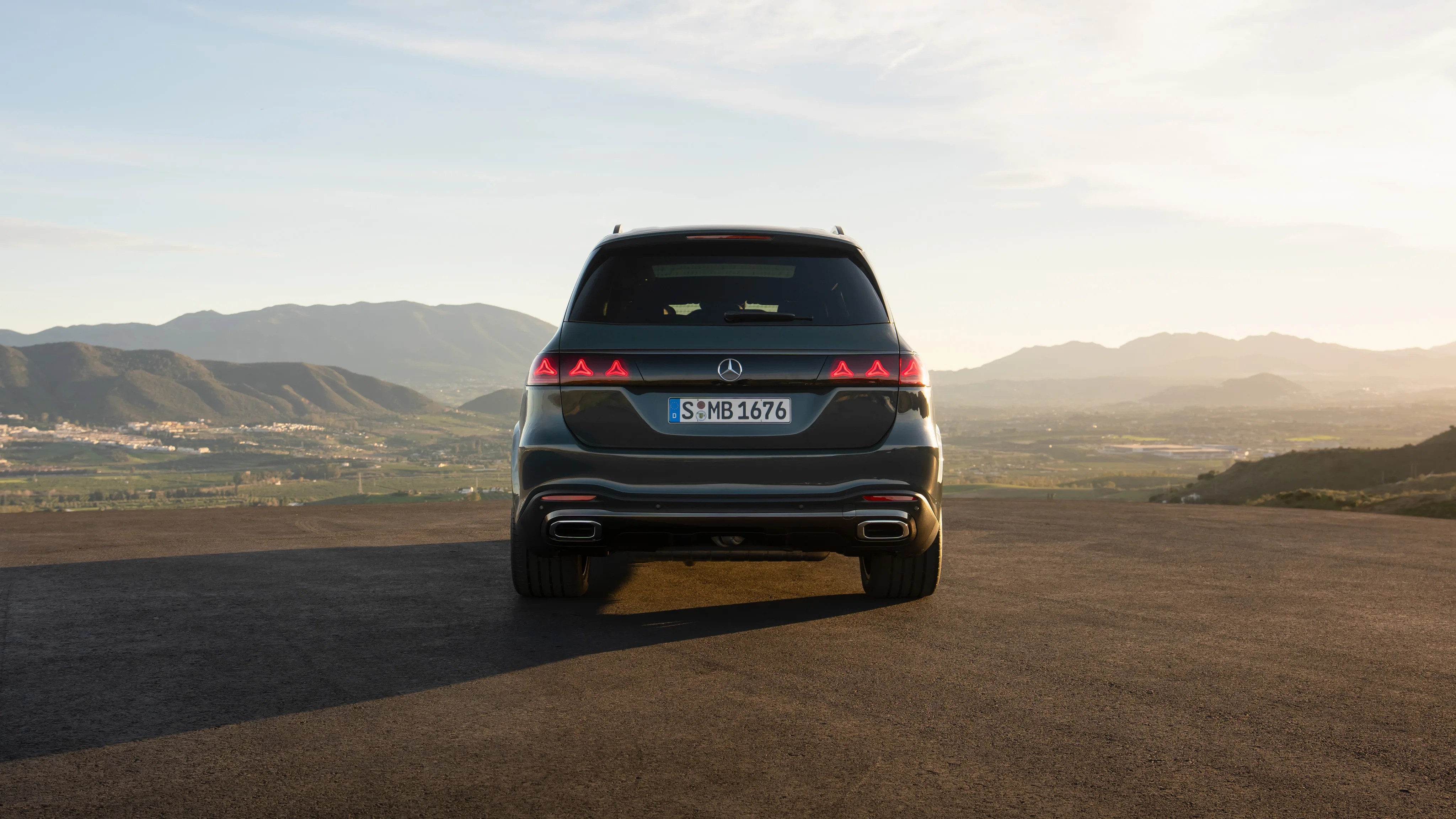
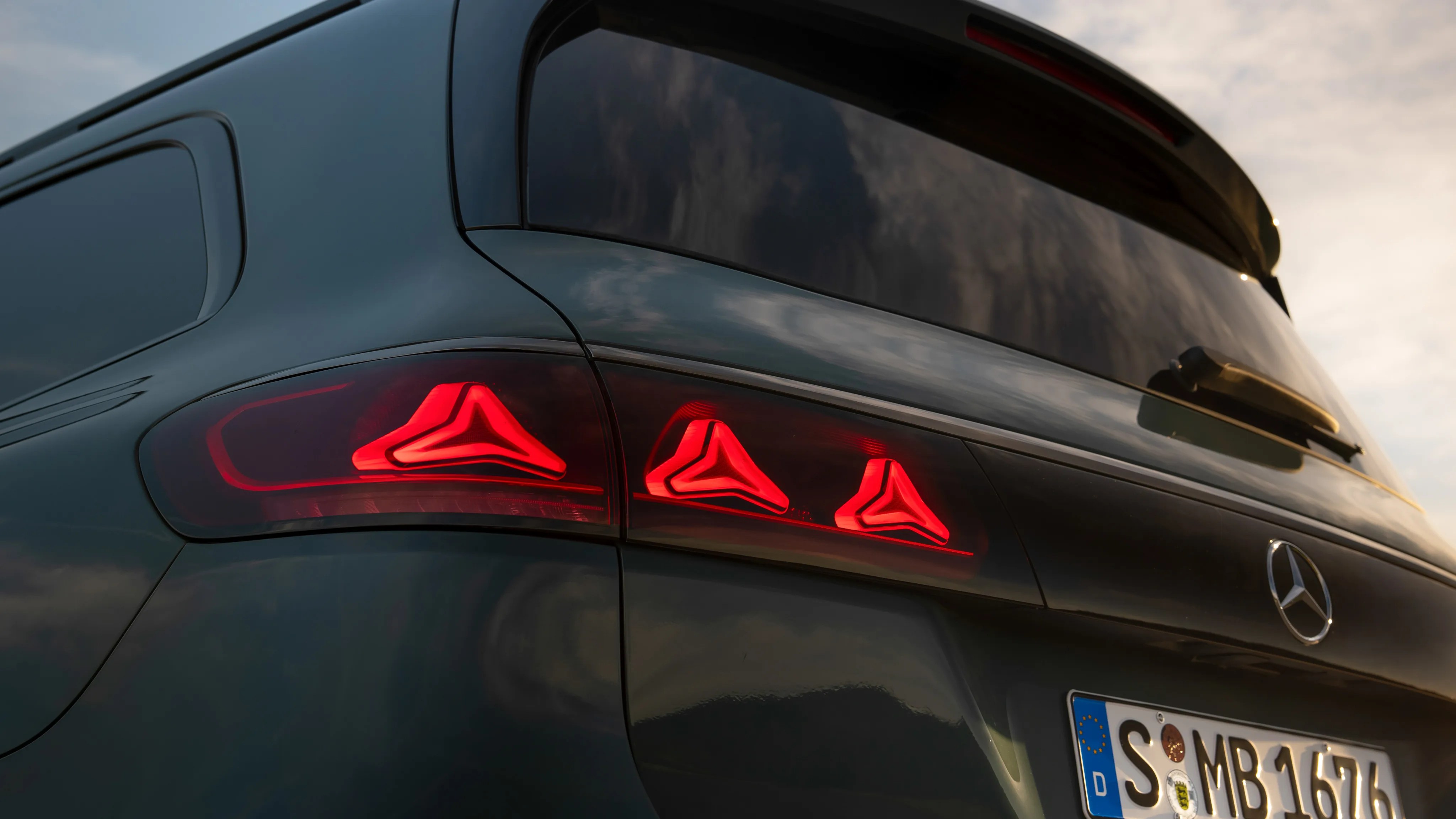
Rear view of a dark green Mercedes-Benz vehicle with illuminated red triangular taillights and a European license plate.Mercedes-Benz

If you buy from a link, we may earn a commission. Learn more

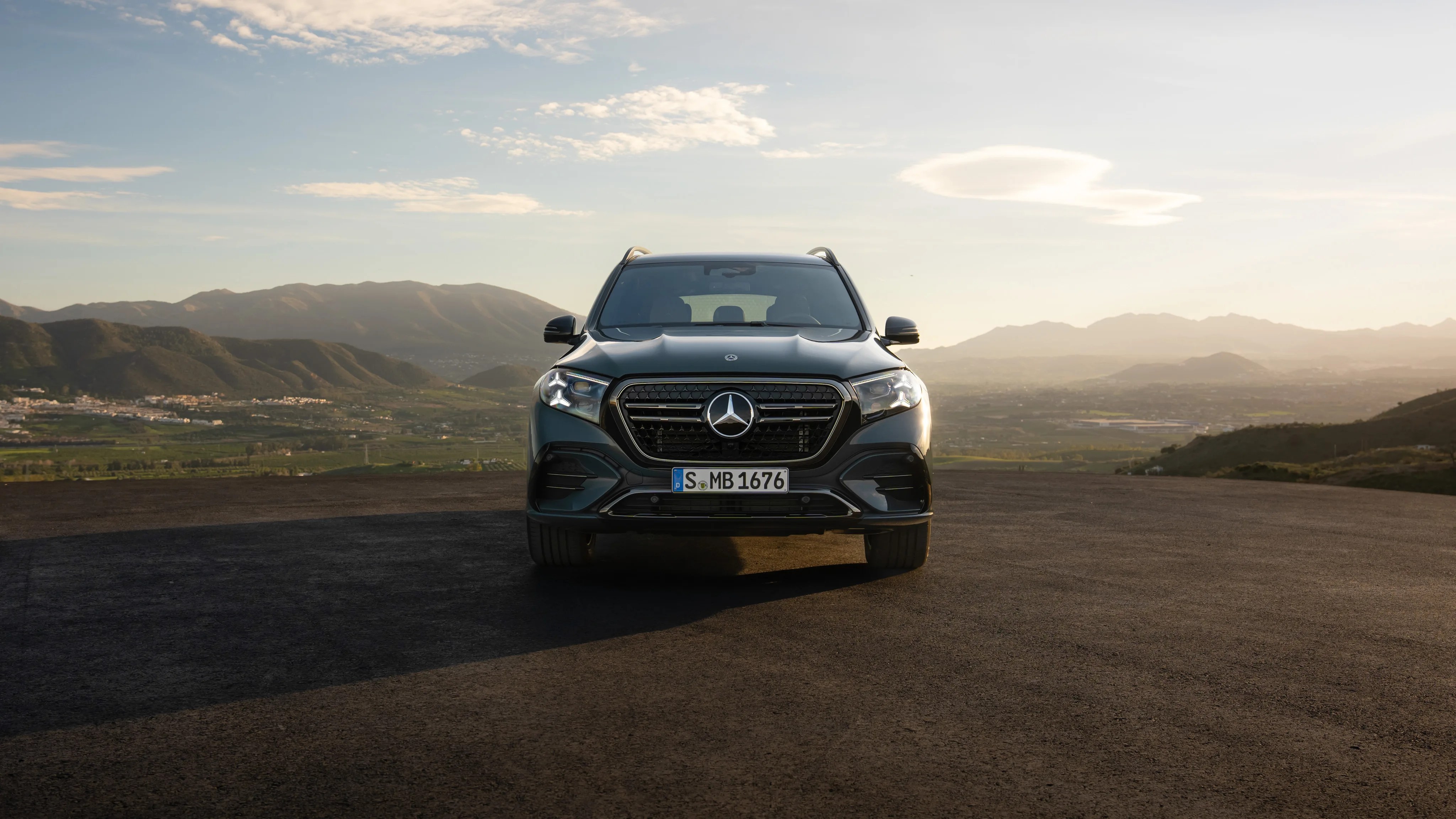
Amid the festivities at the New York Auto Show, Mercedes-Benz held a separate event to reveal several newly updated crossover SUVs. One of which is the revised full-size, three-row GLS.

After being in production for about seven years, the current “X167” GLS-Class was about due for a replacement. Or, at minimum, a major update. And the latter is exactly what Mercedes-Benz did to its flagship family hauler.

The most updated GLS ever
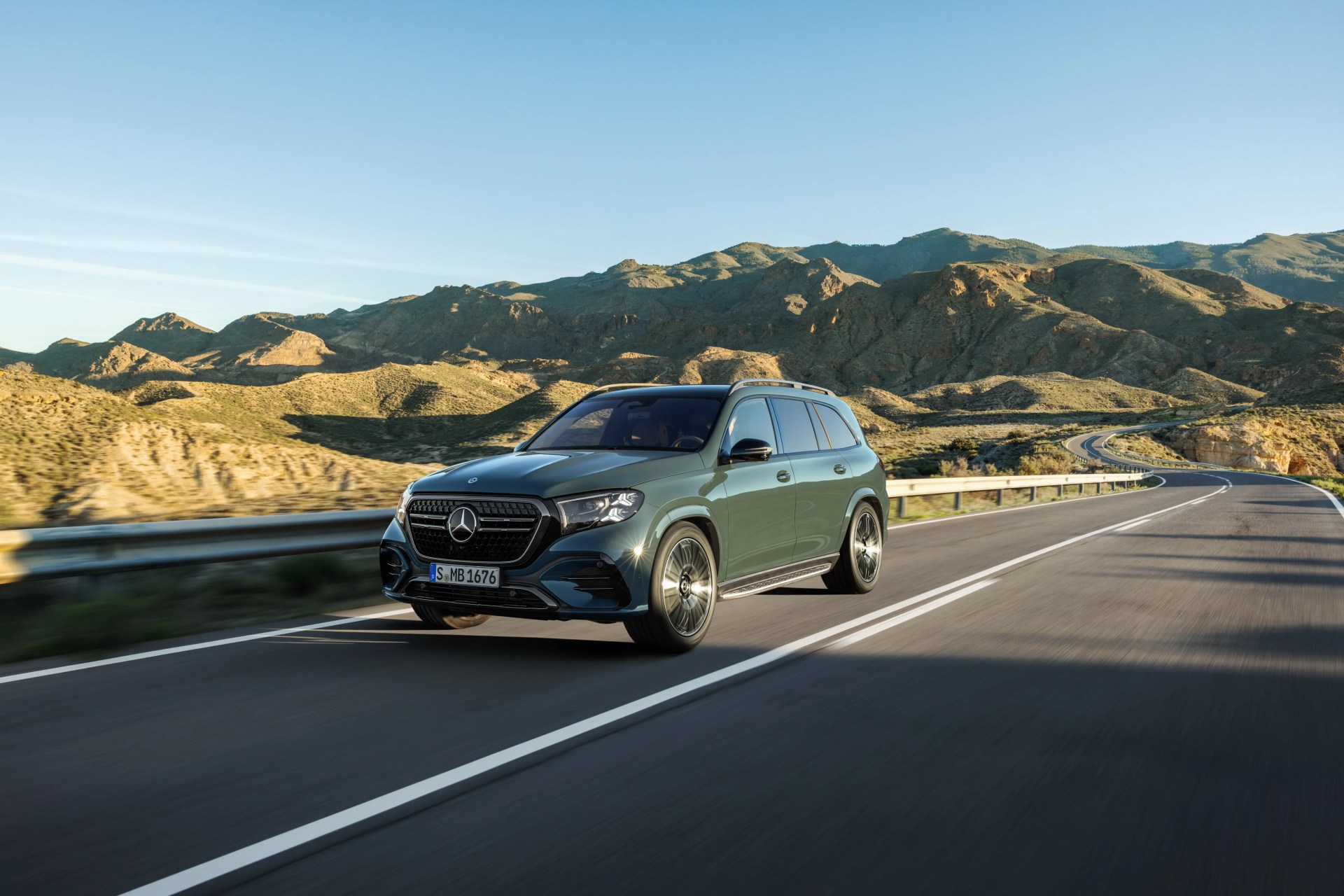
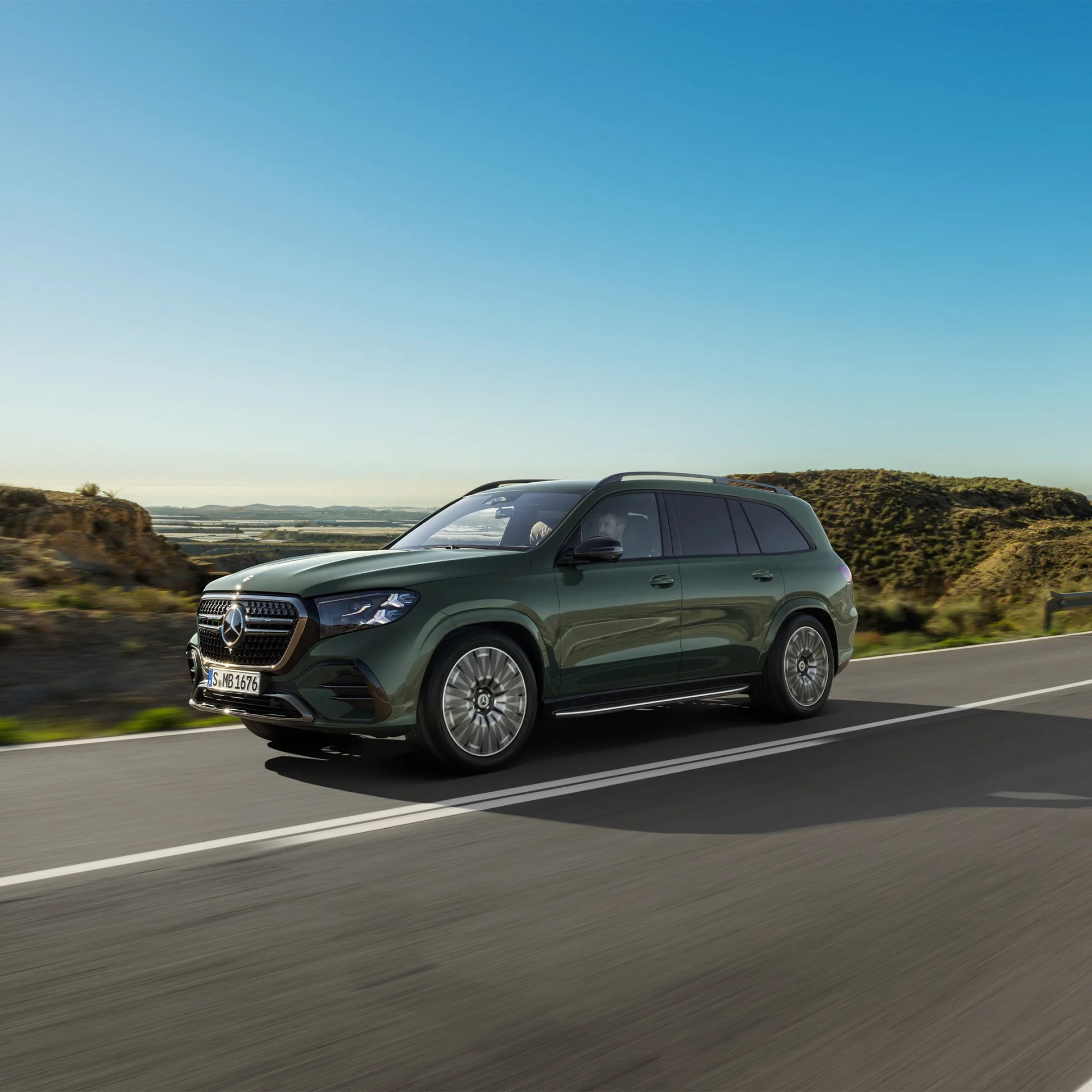
Green Mercedes-Benz SUV driving on a winding mountain road under a clear blue sky.
The current “X167” generation GLS just received its second series production update.
Mercedes-Benz

Because the GLS SUV is both literally and figuratively a raised S-Class sedan on stilts with extra seating capacity and cargo space, it follows in the same footsteps in terms of its overhaul.

This isn’t the first time Mercedes-Benz rolled out an update for the current X167. The first occurred in 2023, after the car crested the age of four years old.

Typically, Mercedes-Benz then follows up with a completely new generation. Since the usual series production lifecycle of the GLS is around six to seven years old.
But due to some setbacks with its electrification goals and a total pivot from the strategy altogether, Mercedes-Benz was forced to rework its plan. And its interim solution is to update its current models and prolong their production life, for now.

That way, Mercedes and its product planners can buy more time to rework its product plan after the electrification initiatives didn’t pan out as well as they hoped.

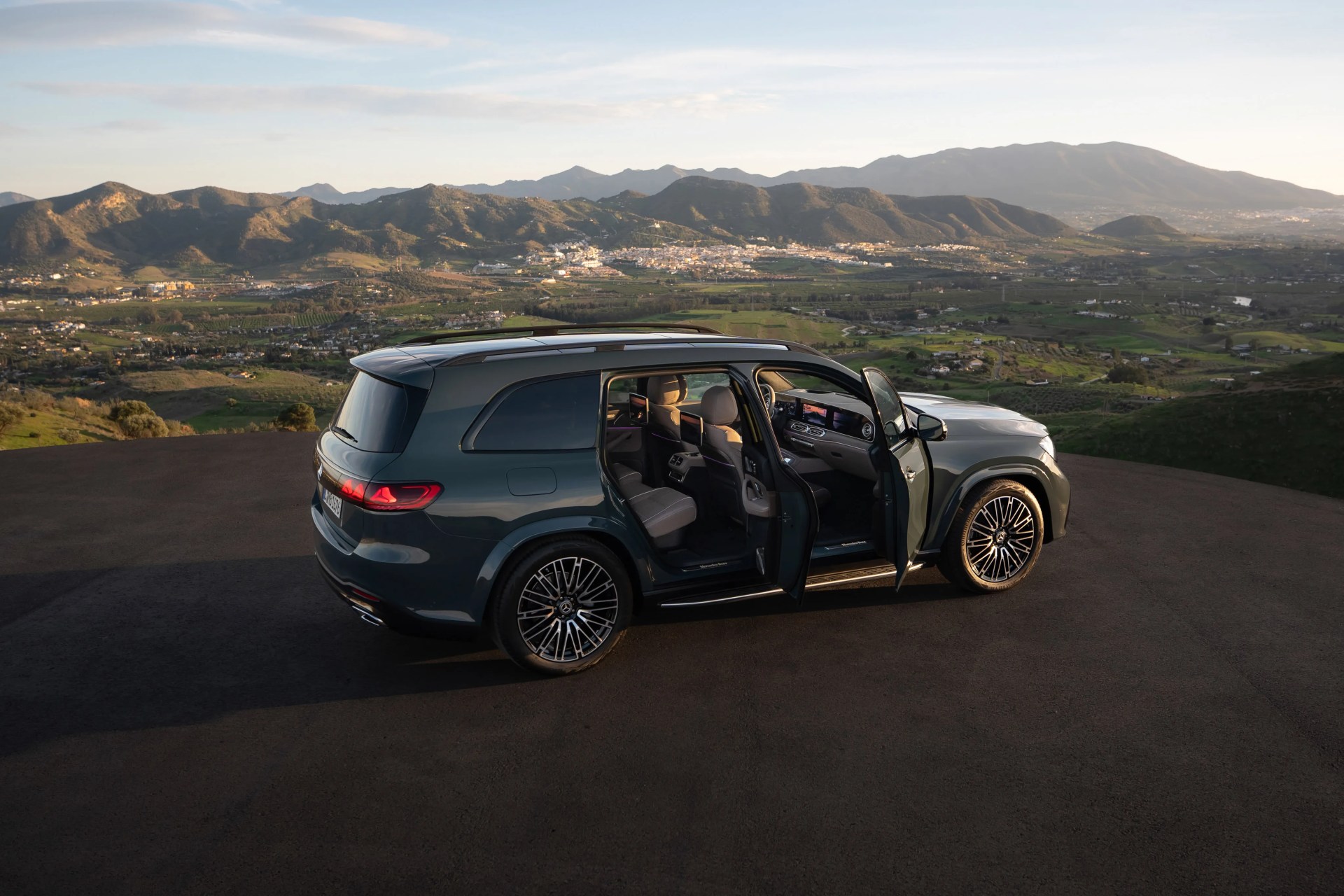
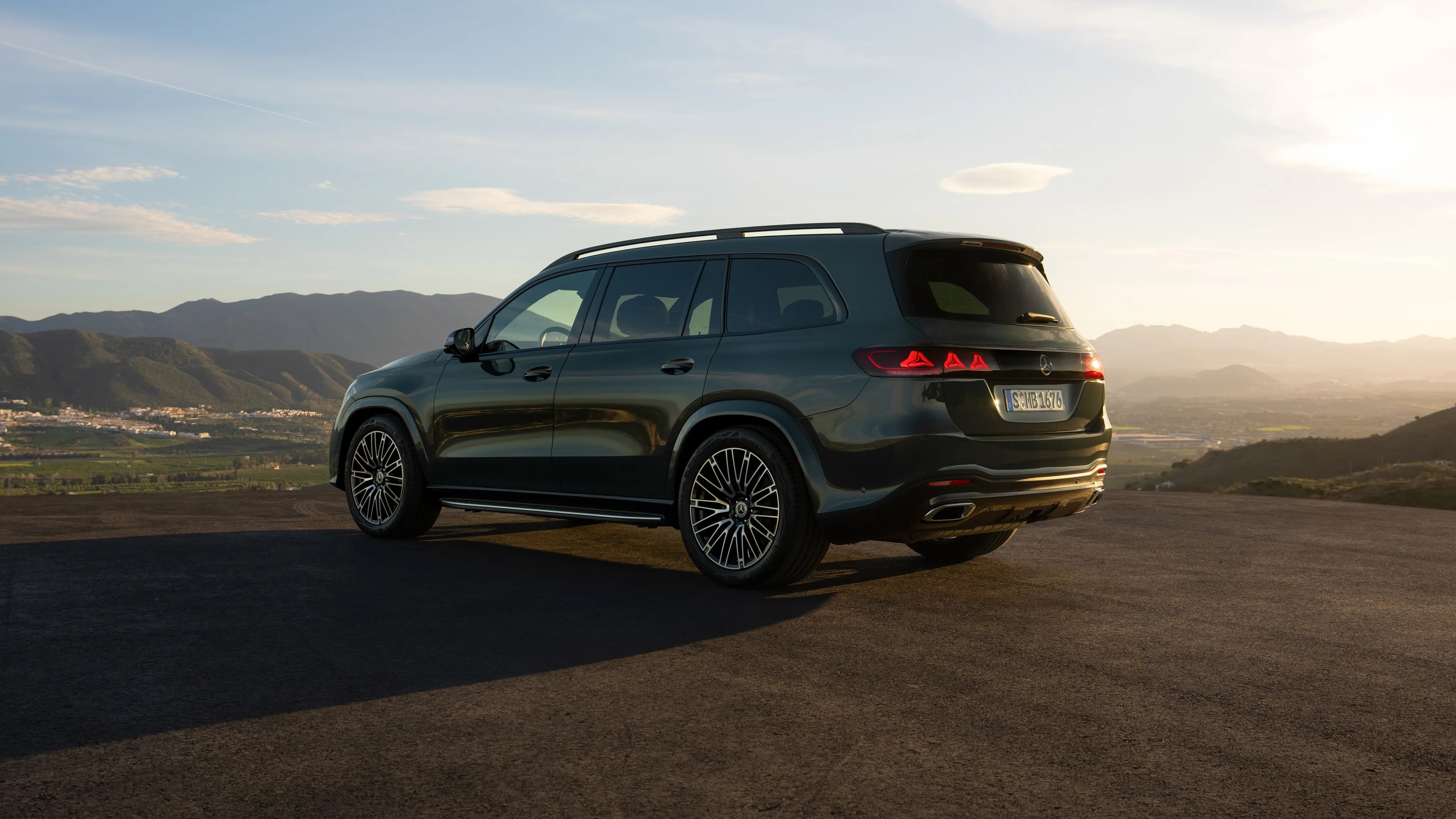
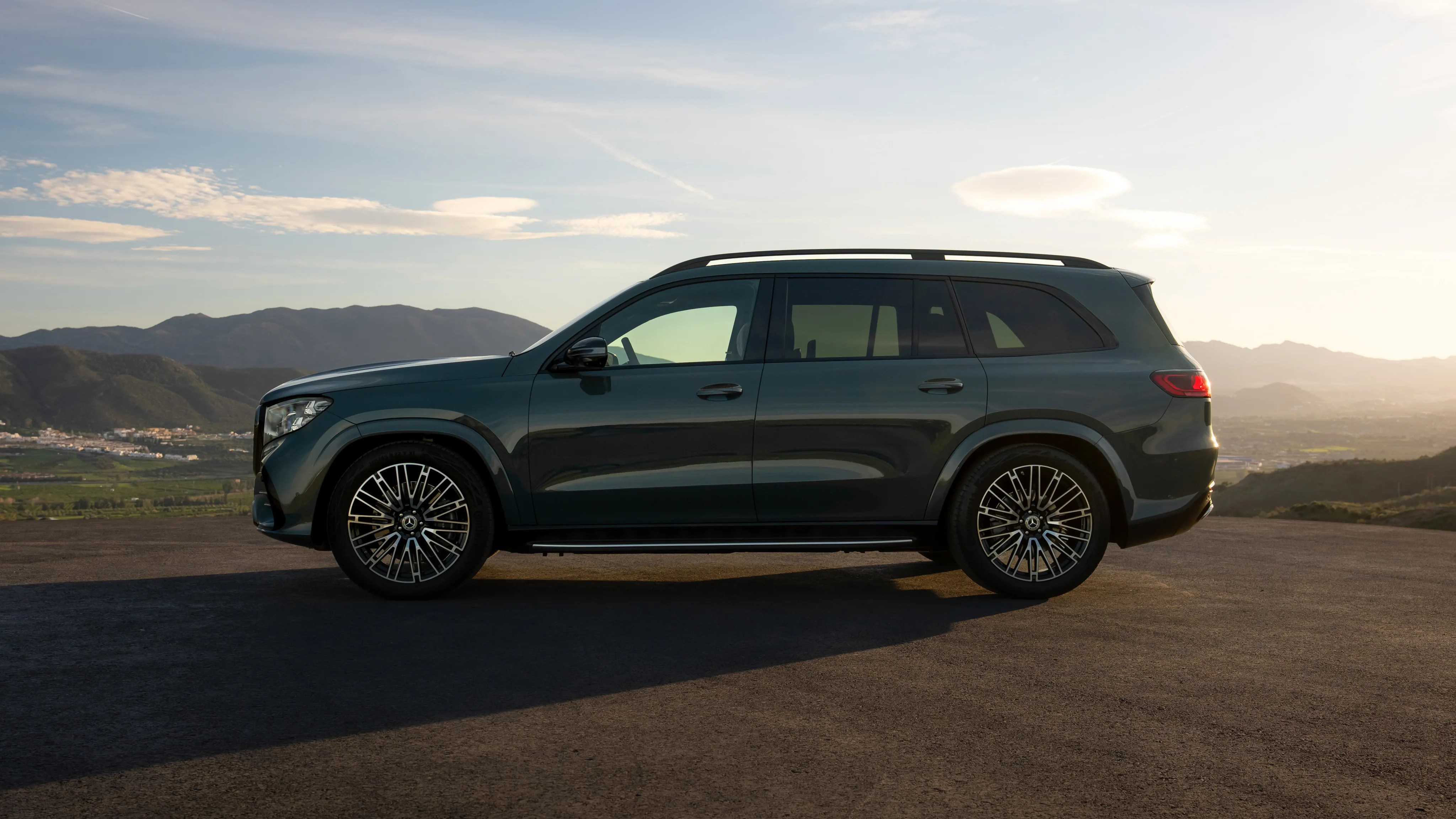
Dark green Mercedes-Benz SUV with open front and rear passenger doors parked on a hilltop with mountains in the background.
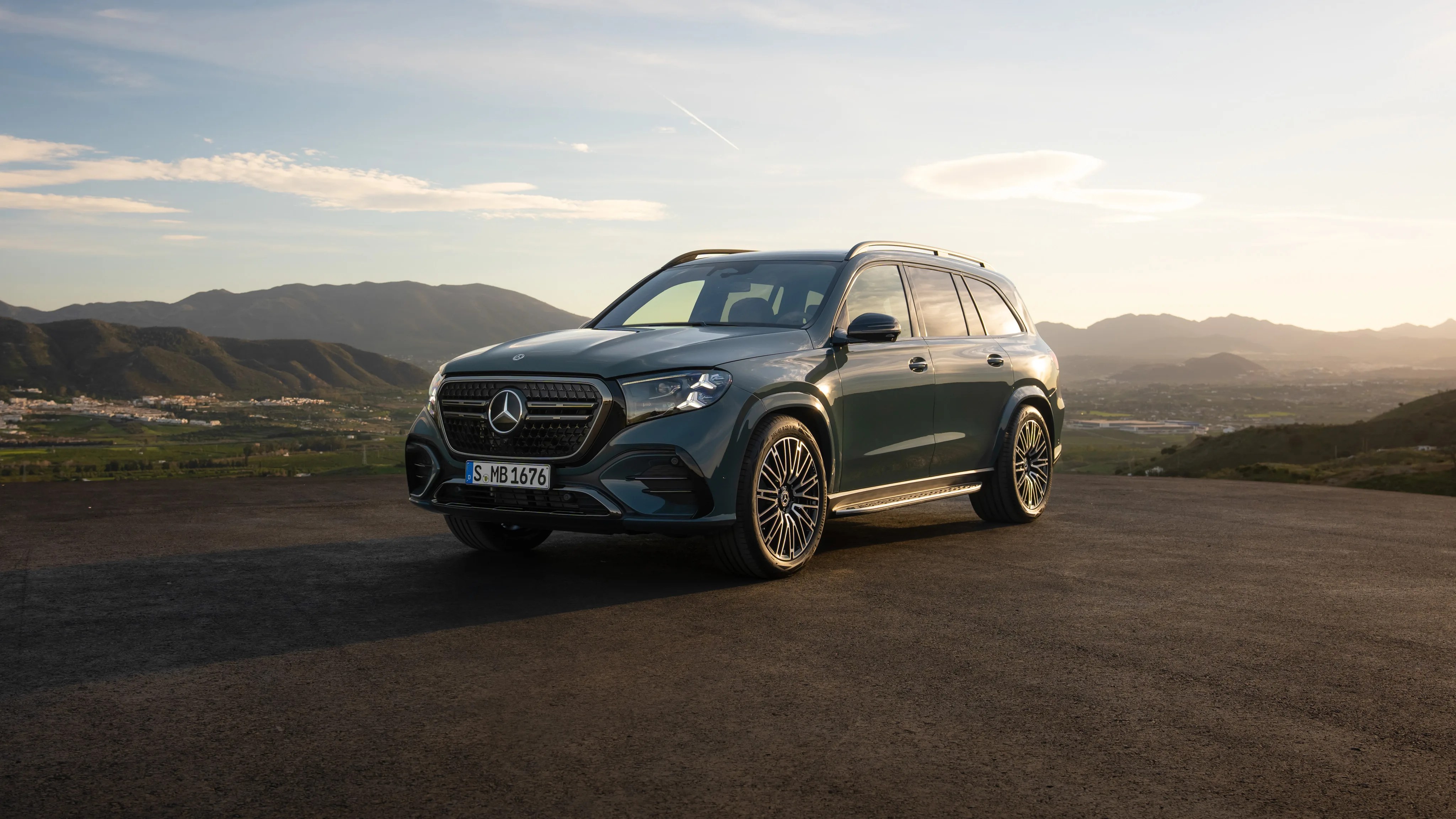
Although the basic shape and layout remains, the updated GLS gets a whole bucket list of revisions.
Mercedes-Benz

This also isn’t the first time Mercedes-Benz continued production of an aging model by significantly revising it, due to external circumstances. Back in the 1980s, Mercedes-Benz extended the series production life of the W126 S-Class by updating it in 1986 and again in 1988. And that’s because its successor, the W140, experienced major development delays and snags before launching in 1992.

So, to keep the GLS fresh, the company reworked a significant amount of the car’s exterior. Updates include completely reshaped front and rear lighting assemblies, new bumper and wheel designs, and a whole bunch of new tech inside.

A new thundering ocho meant for race- and supercars

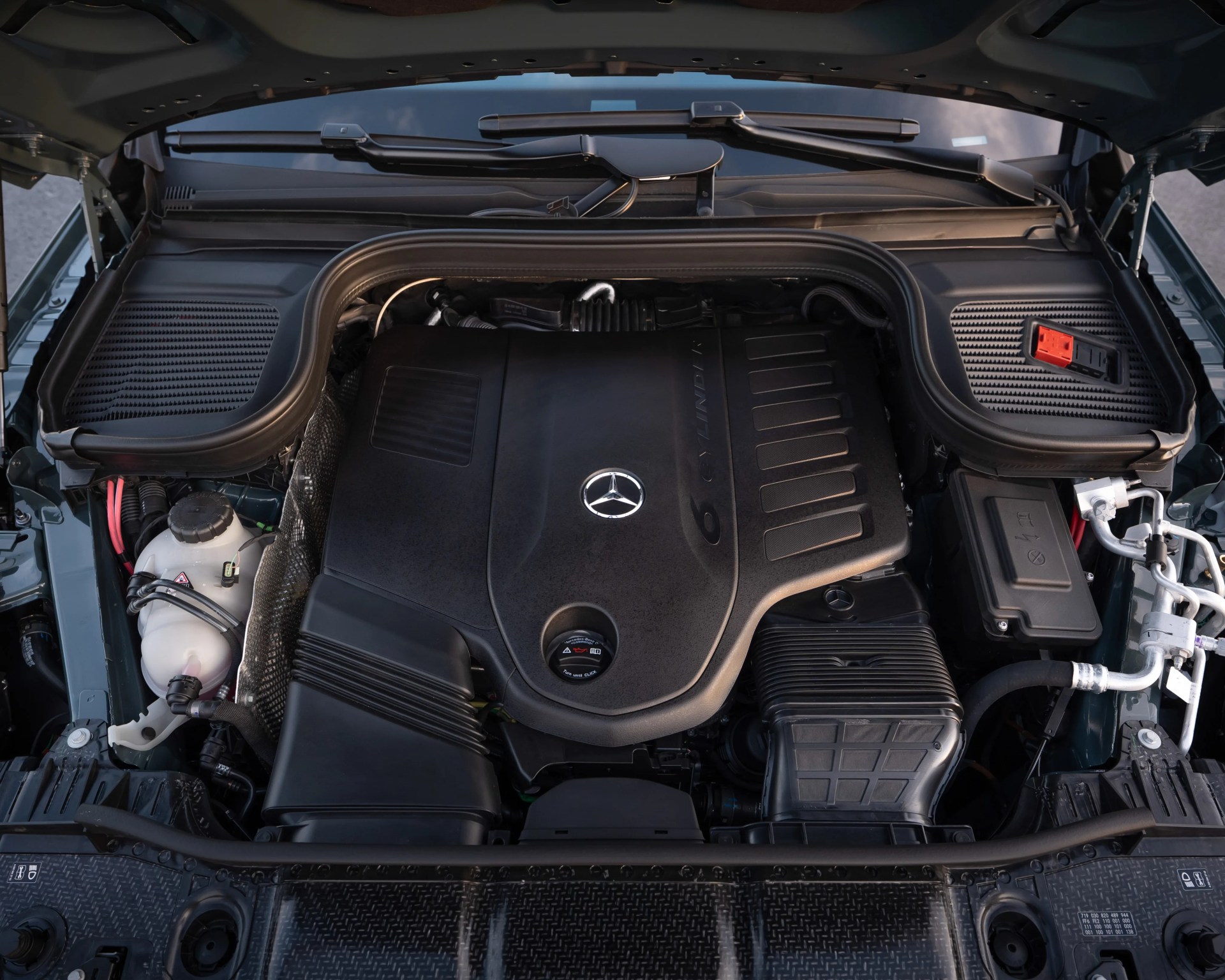
Engine compartment of a Mercedes-Benz vehicle with a large black engine cover featuring the Mercedes logo.
The GLS 450 still retains its turbocharged inline-six (pictured), but the big party piece is the new, flat-plane crank V8 from the latest S-Class.
Mercedes-Benz

Because the GLS is basically a lifted S-Class sedan with a long roof, it also benefits from the same skin-deep updates. For the first time ever, the GLS features Mercedes-Benz’s latest flat-plane crank V8. That would be the new “M177 EVO” 4.0-liter twin-turbocharged V8, which debuted in the new S-Class.

When equipped with the top-spec, non-AMG GLS 580 4MATIC, the SUV can scoot everyone and their things to soccer practice with a 0-60 mph time in around 4.6 seconds. And that’s all thanks to its 530 horsepower and 553 pound-feet of torque.

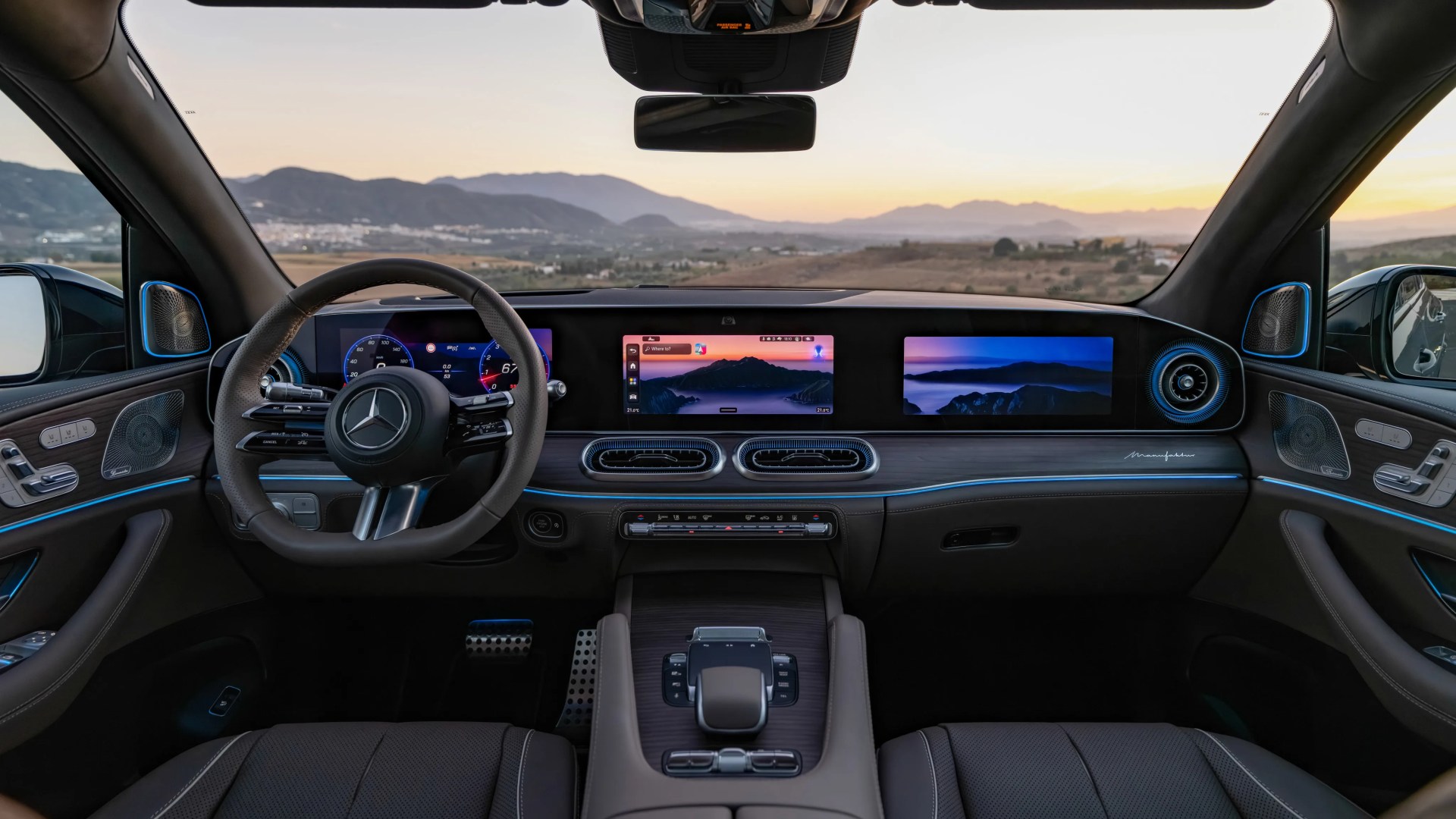
Interior of a Mercedes-Benz car featuring a digital dashboard with three screens, wood trim, and ambient blue lighting.
The interior receives a major overhaul, introducing not just two, but a total of three screens for the interior.
Mercedes-Benz

Those not looking for that kind of power can still opt for the GLS 450 and its turbocharged 3.0-liter inline-six. The latter delivers a not-so-shabby 375 horses and 413 torques, for a 0-60 mph time of just 5.4 seconds.

What makes the flat-plane crank unique is its general design, compared to the more conventional cross-plane crank. On a flat-plane crank, the crankshaft pins are arranged at 180 degrees opposite of one another.

On a cross-plane crankshaft, the pins are at a 90-degree angle relative to one another. With flat-plane crankshafts, there’s less overall weight and rotational mass, which results in significantly quicker throttle responses, higher overall rotational speeds, and more power.

But the drawbacks include more vibrations and less refinement. Versus a cross-plane crank, which is more widely used for fewer vibrations and more refinement.

Availability and pricings

Mercedes-Benz didn’t announce any official pricing details. But we expect such info to surface in the coming months as the GLS nears its launch at local dealers.

Want to stay up to date on the latest product news and releases? Add Gear Patrol as a preferred source to ensure our independent journalism makes it to the top of your Google search results.

add as a preferred source on google